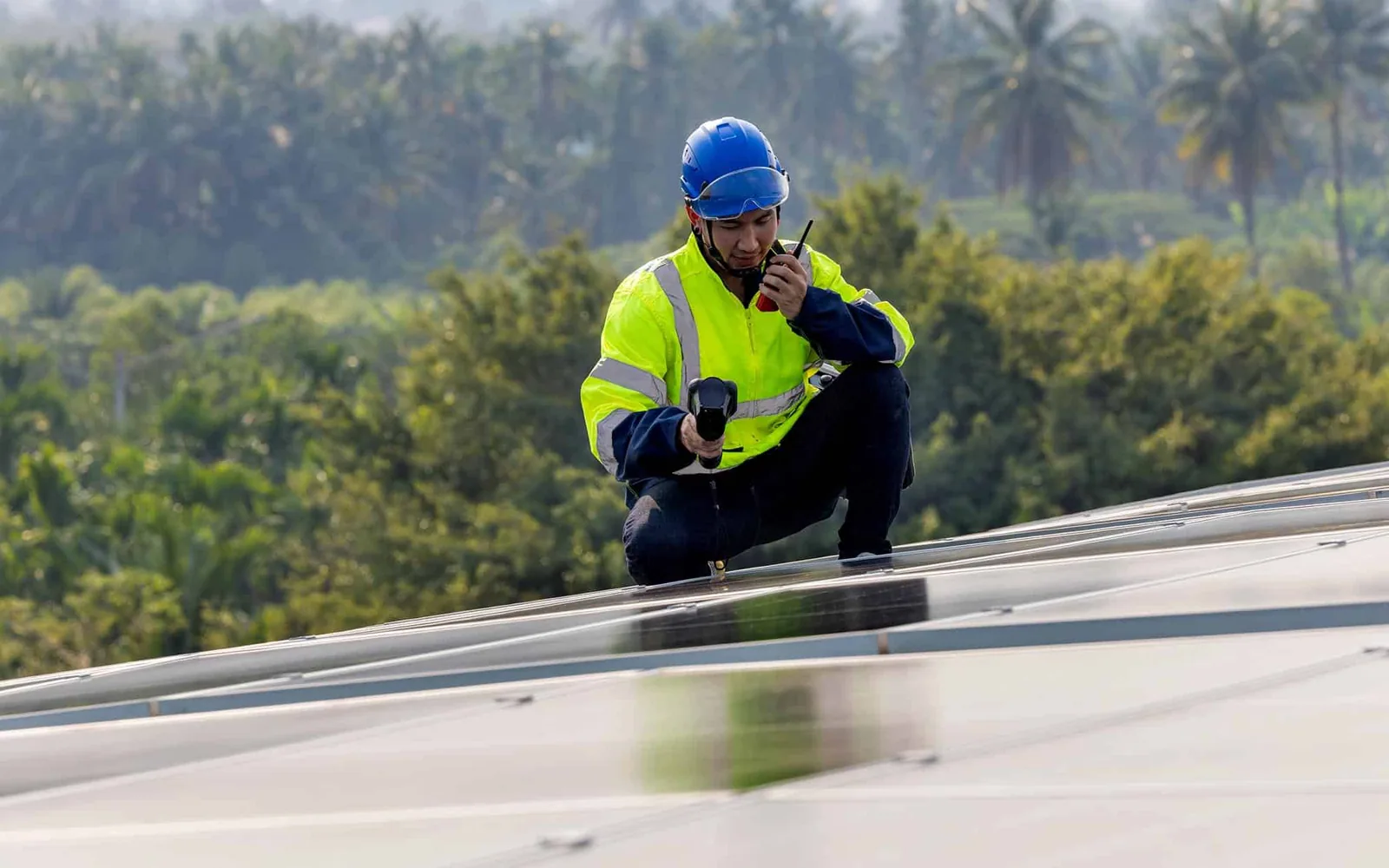
Infrared Moisture Survey in Richmond, CA
A flat roof can look fine from the top while the insulation underneath is soaked. On a Richmond warehouse, that hidden water decides whether a repair or a recover is a good idea or a waste of money. An infrared moisture survey helps find it. The camera picks up temperature differences across the roof after sunset, and wet insulation tends to hold heat longer than dry insulation. Those warm areas are where we look closer. On a warehouse roof, we also note rooftop units, skylights and areas we couldn't reach, so the survey shows its own gaps.
Around the Port of Richmond, we use the scan as a map, not a final answer. Suspect areas get confirmed with small core cuts or moisture meter readings before anyone quotes how much insulation to tear out. You get a marked-up roof plan showing likely wet areas, confirmed wet areas, and anything we couldn't check, plus what we recommend doing next.
Start with the decision you need to make
The survey should answer a specific question. If you are thinking about a recover, you need to know whether the existing insulation is dry enough to leave in place. If you have a recurring leak, you need to know how far the water has spread around it. The question changes how we plan the scan and where we take cores. A standard roof inspection covers what you can see: seams, flashing, drains and curbs. The infrared survey covers what you can't.
Before the survey, we gather what you know about the roof: its age, past repairs, leak history and any old drawings. That background helps us read the scan correctly. A spot that was patched with different insulation can show up warm without being wet. We also tell you which parts of the roof won't be scanned, such as areas under equipment or covered in ballast. That way the report doesn't suggest the whole roof was cleared when part of it wasn't seen. The result should help you decide what to fix and what can wait.
Read the infrared scan carefully
Infrared cameras measure surface temperature, not moisture. Wet insulation absorbs heat during the day and releases it slowly at night, so it often shows up as a warm patch after sunset. But other things can look warm too: extra layers of membrane, gravel, dirt, a recent repair, or heat from equipment below the deck. Wind, cloud cover and a damp roof surface can also wash out the readings. We scan on a dry evening with the right conditions and mark every suspect area on the roof itself.
Then we confirm. Small core cuts show us the actual insulation and whether it is wet, damp or dry, and each core is patched watertight the same day. A moisture meter helps map how far the wet area runs. We don't take one core and assume the whole warm patch is soaked, or assume everything outside the patch is dry. The report shows which areas are confirmed wet and which are only suspected.
Not every roof scans well. Ballasted roofs, some coated surfaces and certain insulation types give weak readings. If yours is one of them, we tell you before the survey and suggest other testing methods instead of handing over an image that can't be trusted. Where the scan and cores disagree, we trust the cores.
Confirm what has to come out
Confirmed wet insulation has to come out. Leaving it under new membrane traps the water, which keeps rotting the deck and cuts the roof's insulating value. When we price roof replacement or a large repair, the confirmed wet areas set the tear-out quantity. We measure them on the roof plan and include removal, disposal and new insulation in the estimate.
Areas that are only suspected get their own line, so you can see the difference between known and possible work. During tear-out, crews sometimes find wet material beyond the marked area. When that happens, we stop, photograph it, and get your approval for the added work, keeping the open area protected while you decide. This keeps the price tied to what's actually wet instead of a guess based on a heat pattern. It also protects you from paying to replace dry insulation that could have stayed. On many roofs the wet area is a fraction of the total, and that is exactly when a survey pays for itself.
Match the survey to the next roof
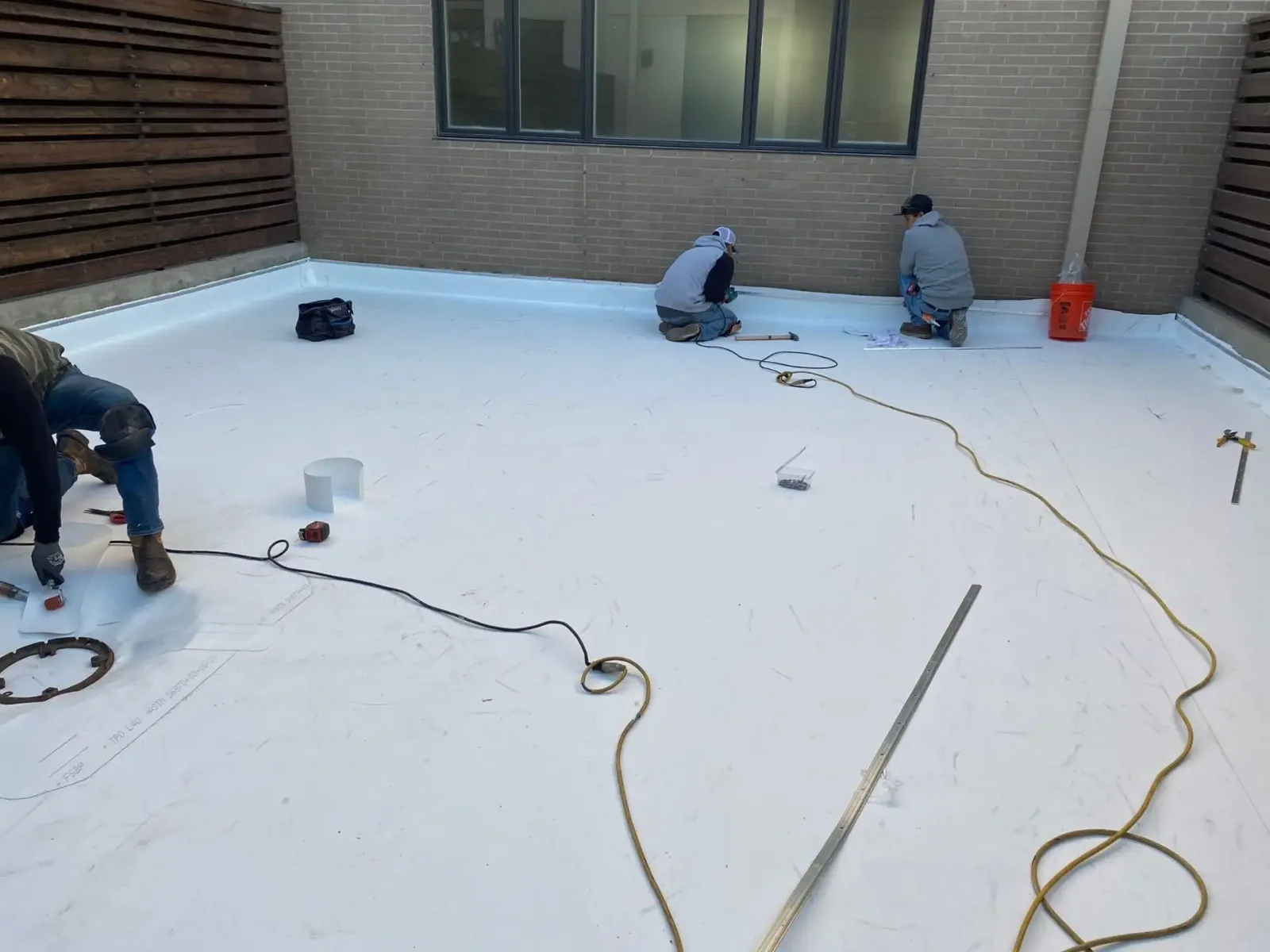
A roof recover only makes sense if the insulation staying in place is dry. The survey tells us which sections qualify and which need wet material cut out first. Building codes also limit how many roof layers you can have, so we check that too. If the new roof is a TPO system, it still needs the right attachment, seams and flashing details. A dry survey result doesn't change those requirements.
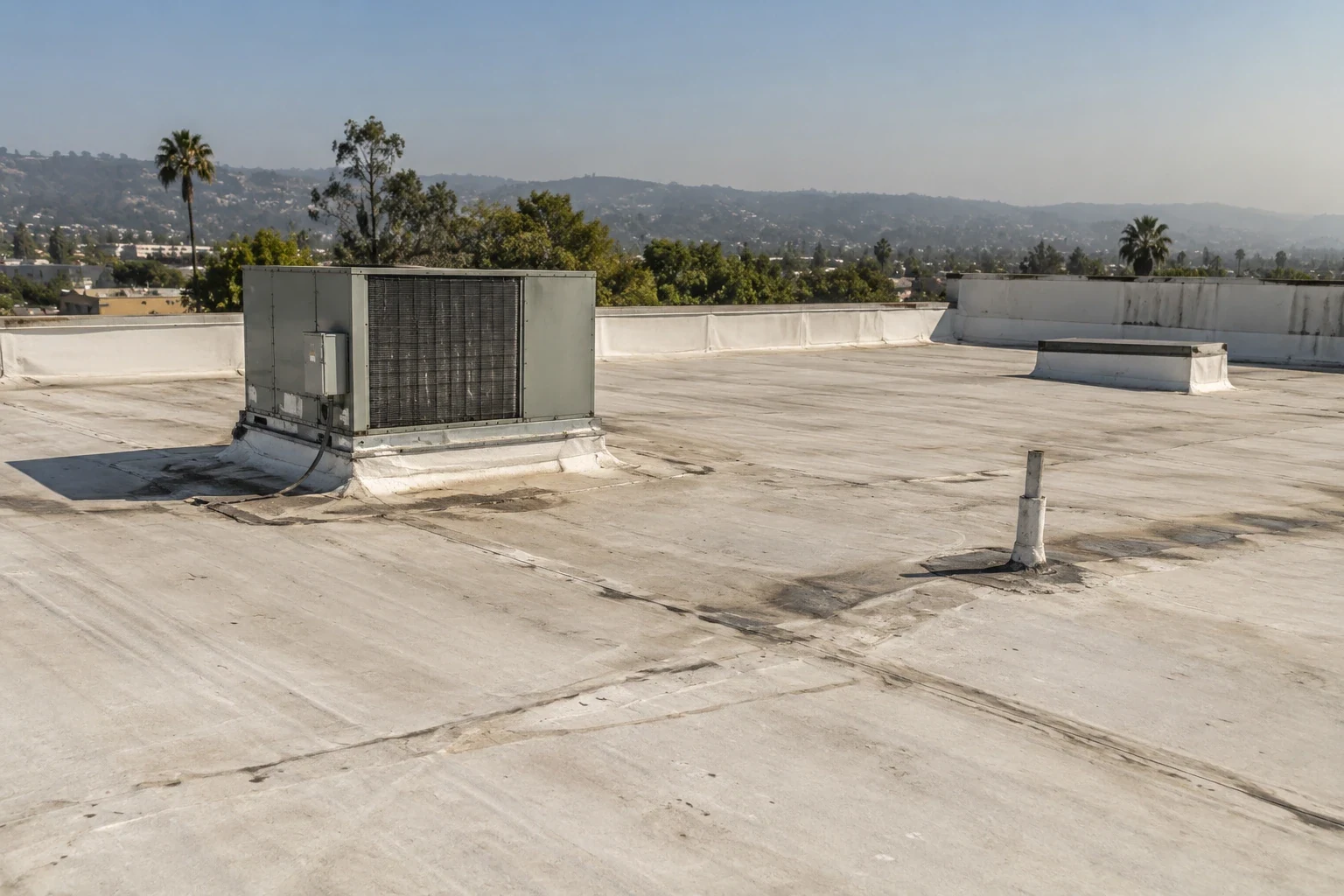
Rooftop equipment can affect the plan. If a unit sits over a suspect area, the mechanical contractor may need to lift it before we can confirm or replace what's underneath. We list those spots separately so the rest of the roof can move forward while that work is scheduled. In North Richmond and other industrial areas, many roofs have older units, piping and curbs that complicate the scan and the repair. A scan points us to where we should check, but it doesn't prove which insulation is wet. That takes cores. Getting this right before you order materials saves rework and keeps the schedule realistic.
Keep the survey useful later
Whether the new roof is TPO or EPDM, the wet insulation has to be dealt with first, and the survey shows where it is. For buildings near the Port of Richmond and elsewhere, we deliver the report with the roof plan, thermal images, core locations and results, and the areas we couldn't scan. If repairs follow, we add where they were made and what was installed.
That record is worth keeping. When a leak shows up two years later, you can compare it against the survey and know whether it's in a spot that tested dry, one that was repaired, or one nobody could reach. It also helps when you sell the building, refinance, or plan a capital budget. If the roof is under warranty, check whether the manufacturer requires notice before cores are cut or repairs are made; we can help you confirm that before work starts. Many owners repeat the survey every few years to catch new moisture early, while the fix is still a small repair instead of a large tear-out.
Commercial Roofing Questions
Can an infrared scan tell exactly how much insulation needs to be replaced?
Not by itself. The scan shows likely wet areas. We confirm them with core cuts or moisture readings, and only confirmed wet insulation sets the tear-out quantity.
How do you decide whether existing insulation can stay?
We test it. If cores show the insulation is dry and sound, it can usually stay under a recover or repair. Wet or crushed insulation comes out before new membrane goes on.
Does a dry survey mean the roof is ready for a new system?
Not entirely. Dry insulation is one piece. The deck, attachment, flashing, drainage and code layer limits still need to be checked before a recover or new roof is approved.
What do I get at the end of the survey?
A roof plan marking suspected and confirmed wet areas, thermal images, core locations and results, areas that couldn't be scanned, and our recommendation for repair, recover or replacement.



Find out what's wet before you spend on the roof