Local weather advisory
Coastal Flood Advisory: Commercial Roof Help in Richmond
The National Weather Service has issued a coastal flood advisory covering Richmond. Heavy rain and drainage loading can expose roof leaks, blocked drains, and ponding water. This is a weather exposure advisory; it does not establish damage to a specific roof.
Do not access a roof during hazardous weather. Protect people first, avoid water near electrical equipment, and request roofing help when conditions permit.
National Weather Service · Updated Oct 28, 2026, 7:20 AM UTC
Commercial Roof Repair in Hercules, CA
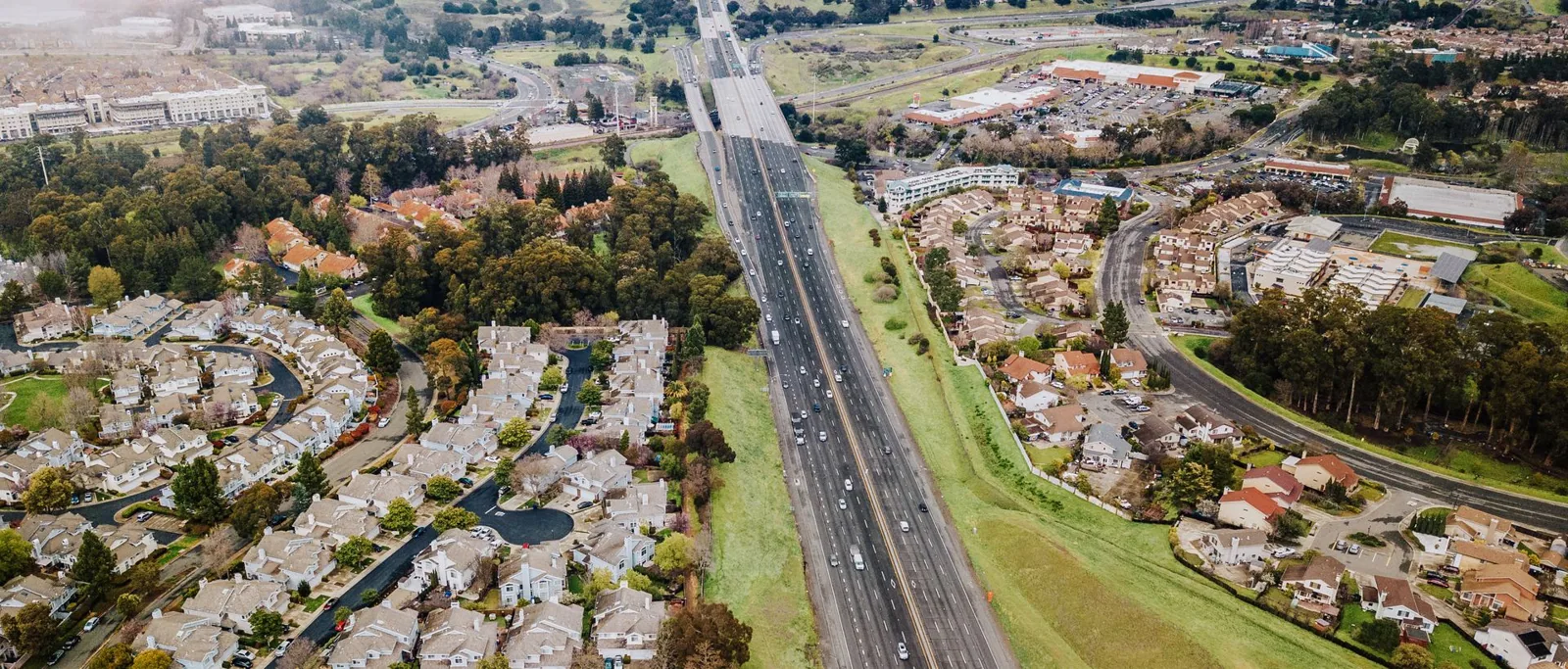
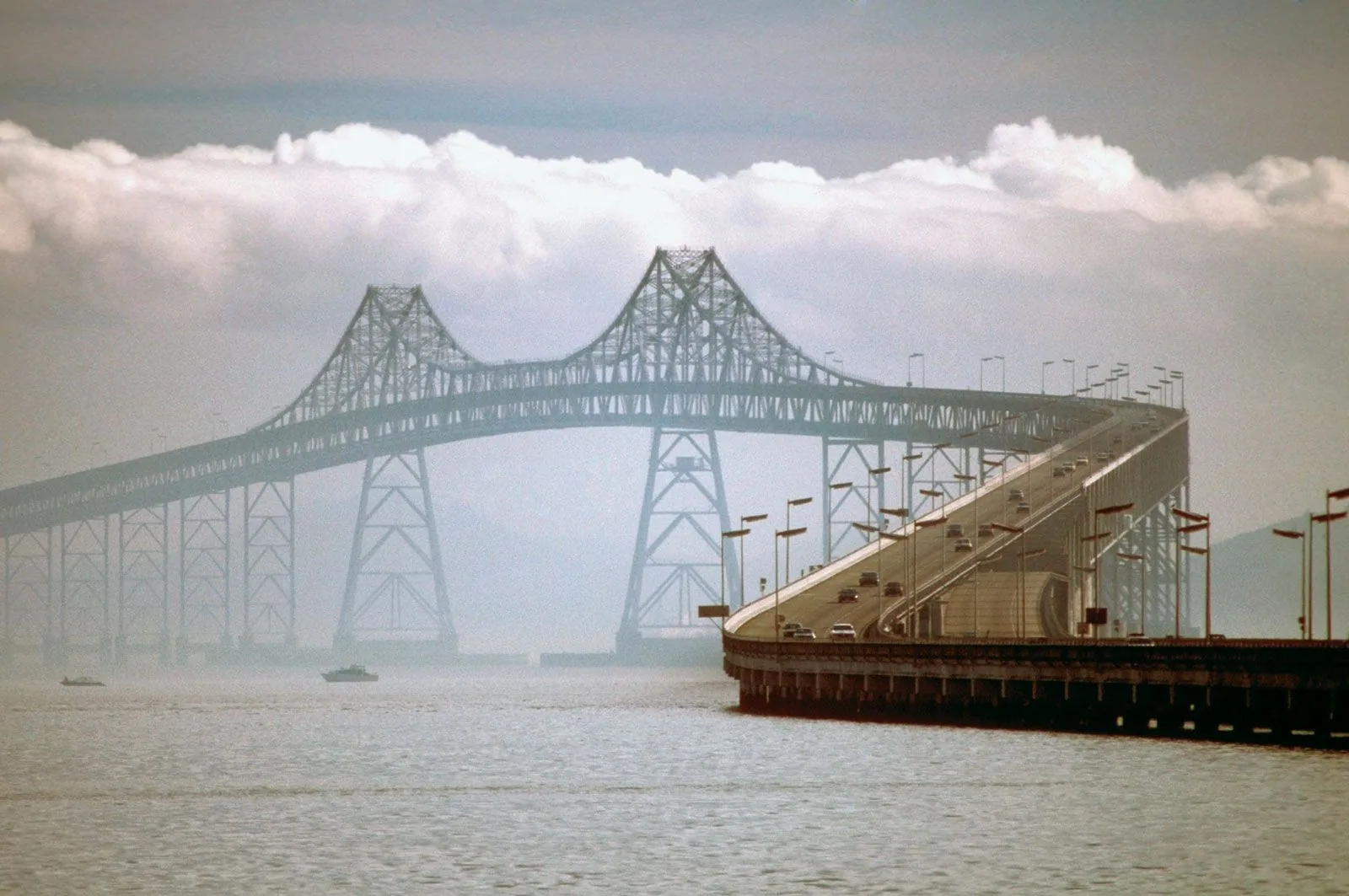
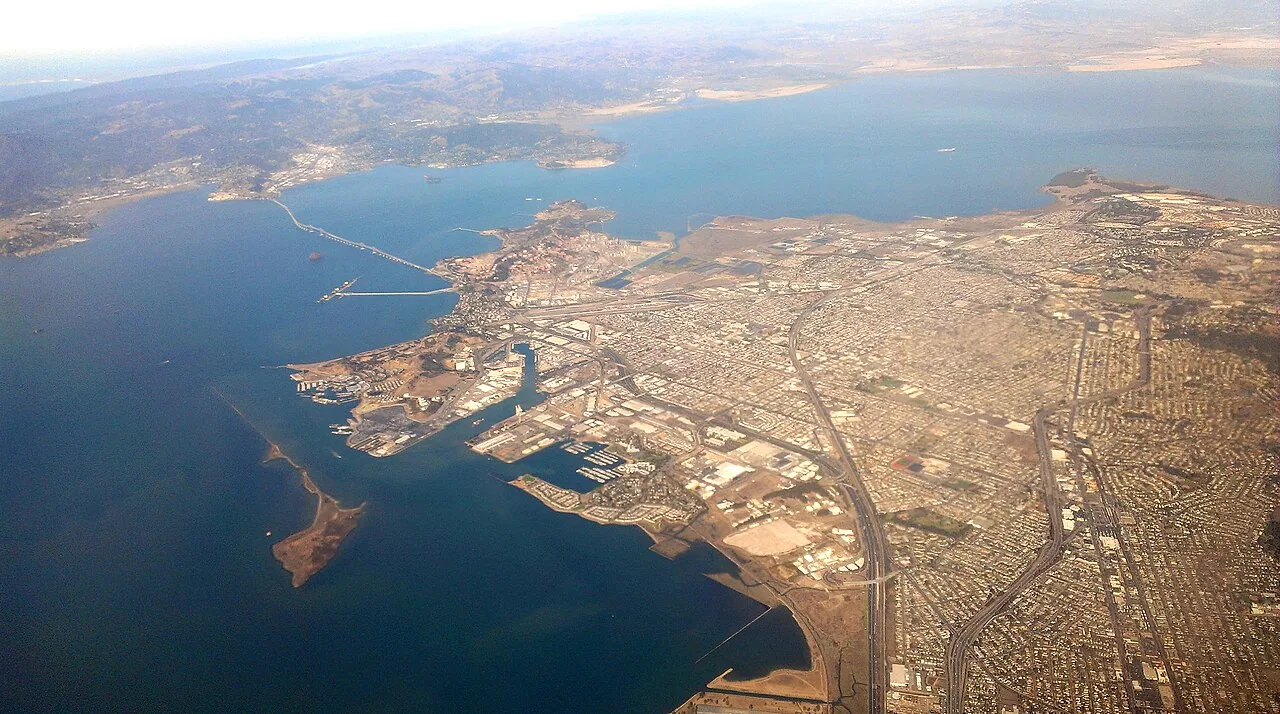
A blister that has split open on a Hercules commercial roof lets water in, and it leaves you wondering how much of the roof around it is still good. We inspect the split and what is underneath it before recommending a repair, and if the roof needs more than that, we lay out restoration and replacement side by side. We work out of Richmond, CA, and Hercules is a short drive up I-80, where it meets State Route 4 along San Pablo Bay. Whatever the setting, the roof in front of us decides the repair, and we agree on access to the roof before work starts over occupied space.
A blister can mean the roof layers have pulled apart, that moisture is trapped underneath, or something else that needs checking. You cannot tell which just by looking, and it is not a reason to cut open every bubble on the roof. We check the membrane around it and explain what a test cut would tell us. The estimate includes sealing that test spot and the permanent repair afterward. That lets you compare a local fix with bigger work based on the layers that really need it, instead of a coating that hides what is going on below.
What a blister means depends on the roof
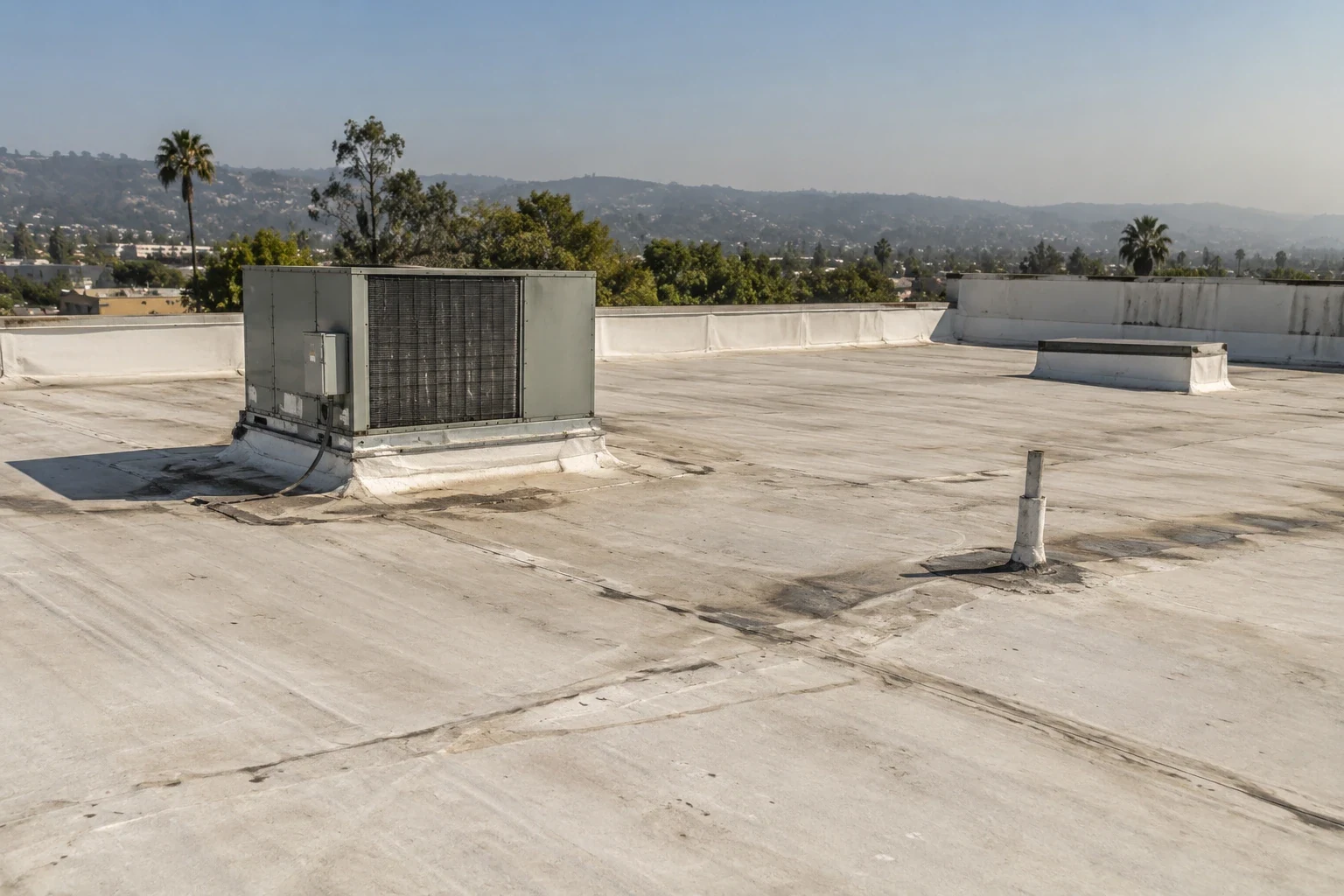
Blisters on a built-up roof, a modified bitumen roof and a single-ply roof are not the same problem. We identify the roof type and look at the split before deciding whether to cut it out or leave it. A blister that is still intact can often be left alone and watched, while one that has split needs repair right away. If we do cut one open, it is because we need an answer, and we seal it properly the same day.
Our commercial roof inspection turns what we find into a clear repair list. We separate active leaks from things that need a closer look and from optional upgrades. That lets you weigh the options against the roof you actually have. A local repair stays the plan where it works, and larger work is recommended only where we confirm the damage, rather than treating every bubble the same way.
A test cut gets sealed the same day
A small test cut shows which layers have separated and whether the insulation underneath is still dry. We explain what we are trying to find out and cut in a way that suits the roof type. The opening is protected and sealed before we leave. Its only job is to answer the question about whether the roof around it can stay, not to leave an open hole with nobody planning how to close it.
Our commercial roof repair covers patching that test area and tying it back into the membrane around it. We tell you what can stay and what findings would make the repair larger. You can compare a test-first approach with doing everything in one visit. Either way, you see how the test feeds into the final price, and sealing the cut is part of the roofing work, not an extra.
Wet insulation needs to be confirmed
Moisture under a blister can mean the insulation around it has to go, but looking at the surface will not tell you how far it reaches. We look for signs on the roof and use cores or meter readings where they will give a clear answer. We tell you which result would make the repair bigger and what we still cannot see. Anything confirmed wet or crushed gets replaced before the permanent patch goes on, so the new membrane is not sitting on soggy insulation.
An infrared moisture survey can help on the right roof in the right weather. We confirm suspect spots with cores and explain where scans can be wrong before pricing any tear-out. Then you can compare keeping dry areas with replacing a larger section, based on what we actually found. That keeps a fresh surface from going over insulation that was only assumed to be dry, and the test patches and final repair stay in one plan.
If there are several blisters across the roof, checking a few of them can show whether they share one cause or are unrelated. We do not assume they are all the same. Each repair still depends on what is under that spot, and the roof stays protected while the results guide the final scope.
A blister can be a small spot where the layers came apart, or it can sit on top of wet insulation that spreads much further. We separate what we can see from what needs a test cut, and we include sealing that cut in the cost. Once we know what is underneath, we can size the repair without tearing out good roof just because another blister nearby looks alike. Then you can compare that confirmed repair with a broader restoration on clear terms.
Coating comes after the repairs
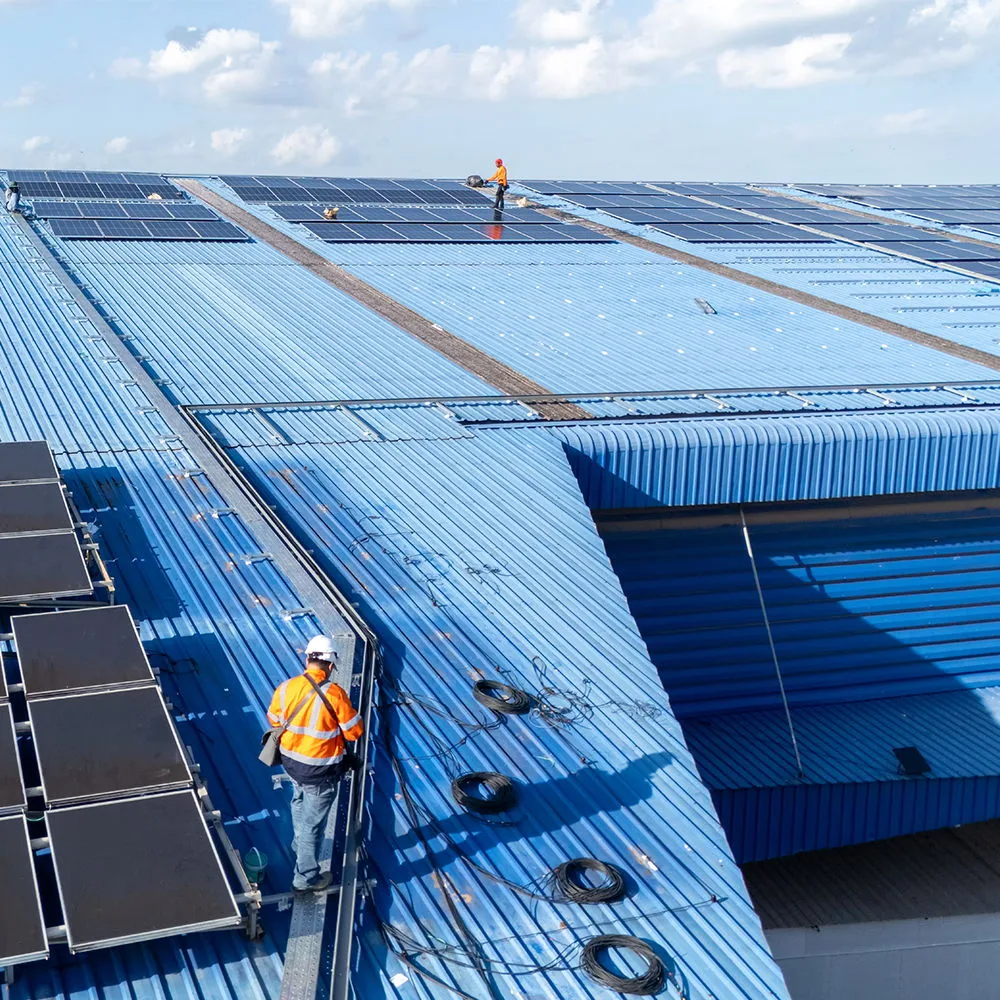
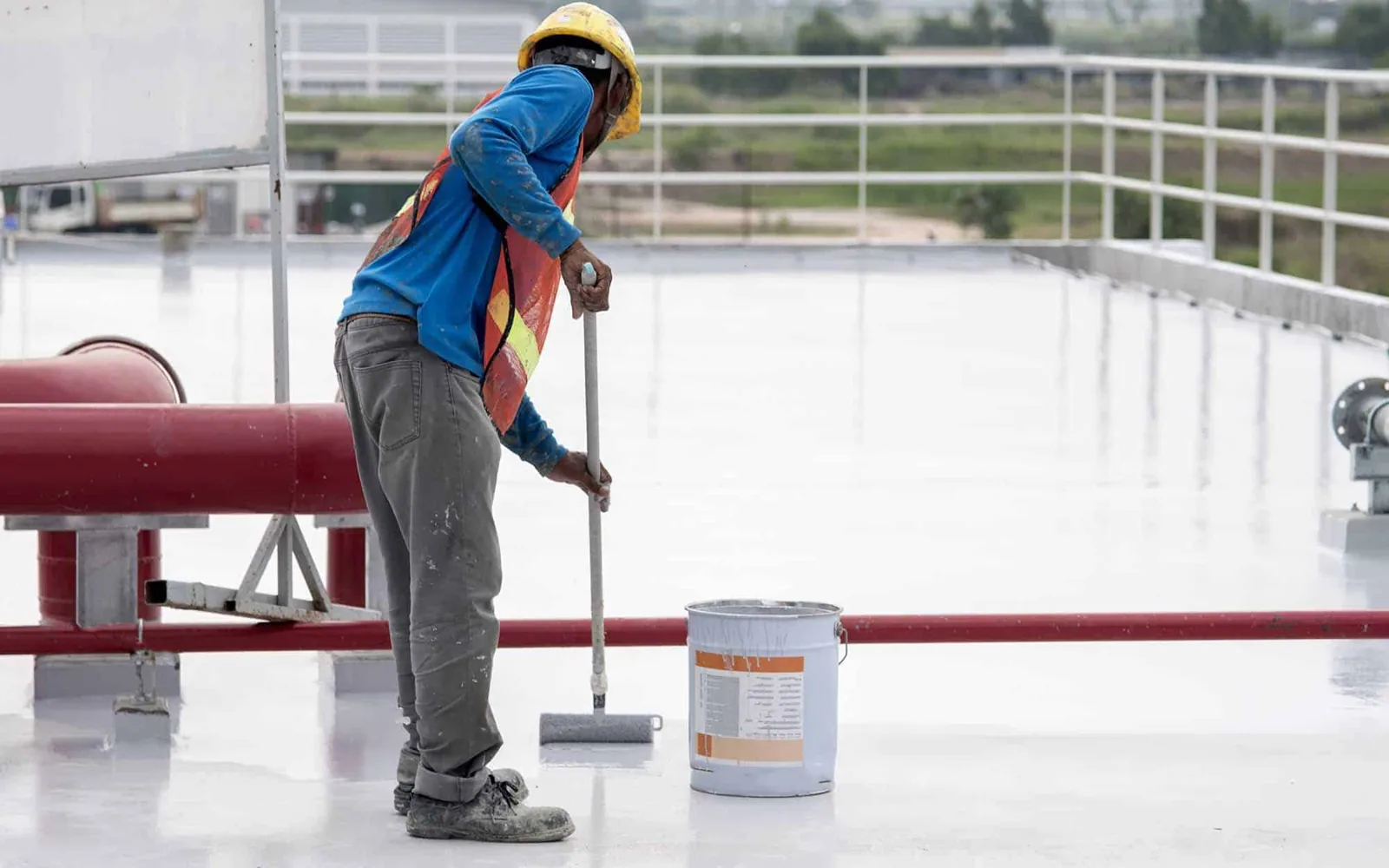
A roof coating can be an option once the split blisters and any wet insulation have been dealt with. We check whether the existing roof will bond with the coating, what cleaning and prep it needs, and whether the roof is in good enough shape to be worth coating. A coating will not fix a failed seam or make wet insulation dry. Repairs to splits and flashing come first, and the coating is an upgrade on top of a sound roof.
When we look at roof coating restoration, we show the prep and repair work alongside the coating itself. We compare that with tear-off and replacement, with all the needed work included in each. In Hercules, as anywhere, a coating job depends on whether the existing surface can handle the prep the coating maker calls for. You can then weigh cost and timing against a finished, watertight roof, instead of picking the cheapest surface job and finding the real repairs left for later.
Other roofs, separate findings
A building in Pinole may have blisters too, with a completely different roof underneath. We inspect it on its own before using the same test or repair method. Blisters that look alike do not always have the same cause or need the same amount of tear-out. Each estimate keeps its own prep and patch work, so material orders follow what we confirm rather than what the roofs look like.
If you also own property in Rodeo, we can look at sharing setup once each roof is inspected and access is worked out. Testing, handling and protection costs stay listed separately per building. Split blisters and wet insulation get fixed before any coating. That lets you plan the work across properties sensibly, keep the good roof on each building, and schedule each job around how debris and material move on and off that site.
Commercial Roofing Questions
Should every raised area be cut open?
No. Intact blisters are often left alone and watched. We cut open the ones that have split or where we need to know what is underneath, and every test cut gets sealed and patched properly.
Does a blister mean there is trapped moisture?
Not always. Some blisters are dry pockets where the layers came apart. We check with cores or meter readings before deciding whether the area around it needs to come out, and seal any test spot right away.
Can investigation and permanent correction share a visit?
Often, yes. If we already know what we are likely to find, testing and repairing in one trip saves setup. If the test could change the whole plan, a separate visit first can be smarter. Both include sealing the roof at the end of each day.
Could coating close the ruptured area without other work?
No. A split blister and any wet insulation under it need to be repaired first. Coating over a split hides it without fixing it. Once the repairs are done and the roof checks out, coating can be a good next step.
Can several roofs use the same blister repair?
Only if the roofs and the conditions match. We inspect each one first. Blisters that look the same can have different causes, so the repair method and the amount of tear-out are set roof by roof.


Get the split blister repaired