
Explore Roof Systems
Commercial Roofing Questions
No. Every system needs a sound base. Wet insulation or a weak deck has to be addressed whichever membrane you choose.
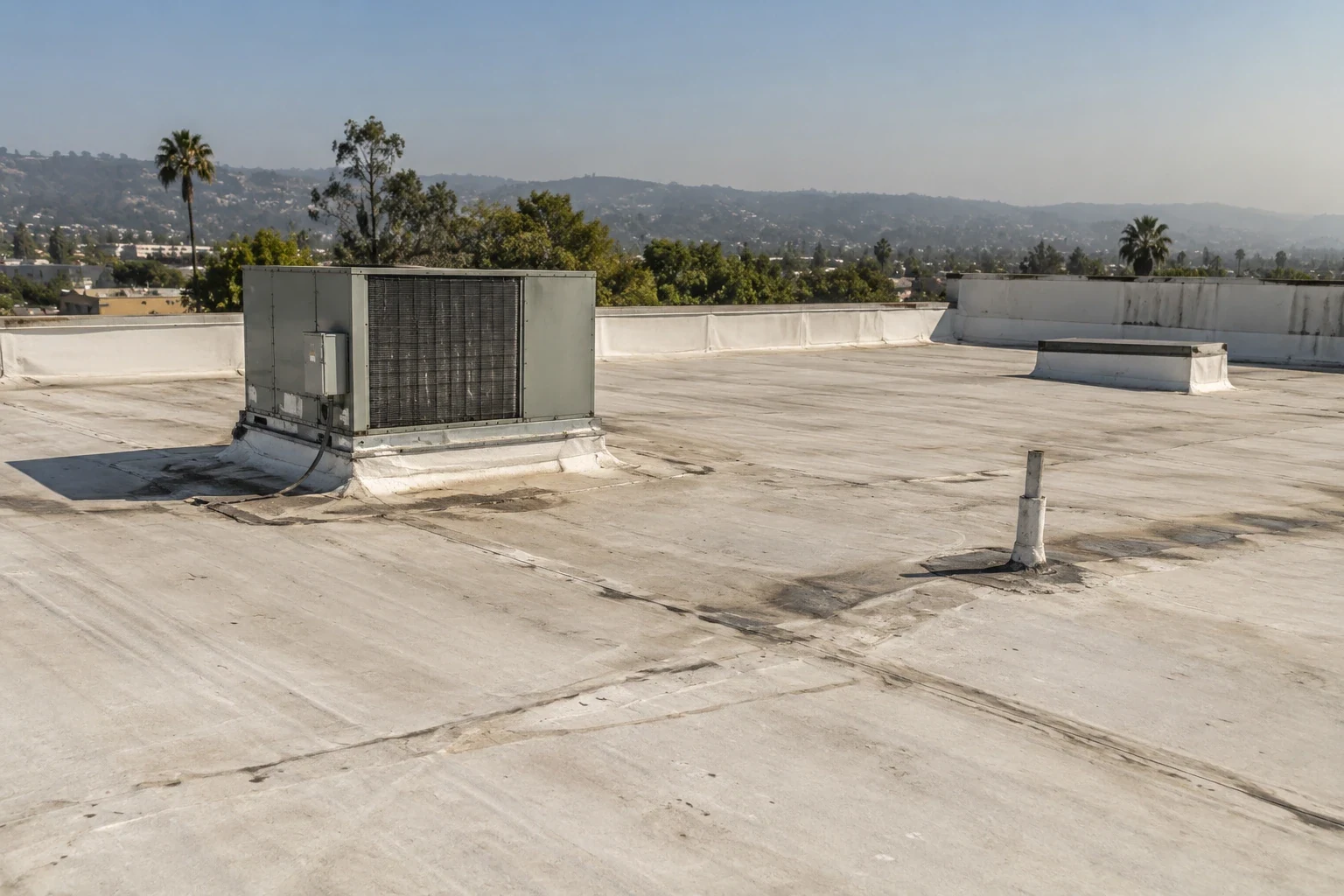
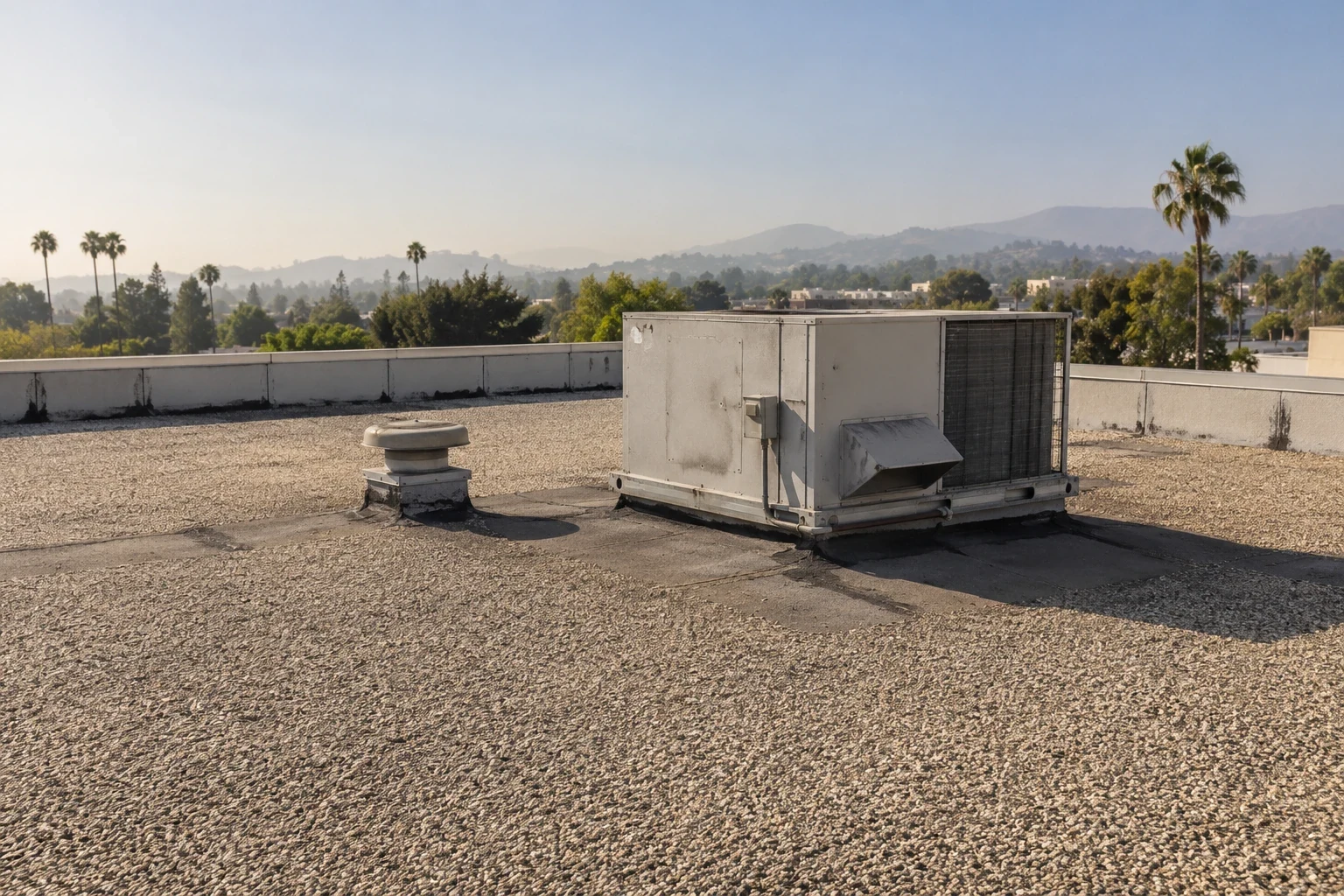
When the existing roof is compatible, mostly dry and well prepared. Failed seams and flashing are repaired first, and cores confirm the insulation can stay.
No. The existing assembly, condition and project needs guide the system choice. Salt exposure can affect metal components, so we match compatible materials to the actual roof and detail.
One system cannot suit every existing roof. The surface that stays and the deck must accept its attachment and seaming method. We check compatibility and preparation before pricing a recover or coating.

When a key detail has failed on a Richmond, CA roof, choosing a new roof system only helps once that detail can be built properly. TPO roofing seams need clean, weldable membrane to bond to. PVC roofing needs its own compatibility check where new material meets old. We inspect the roof and explain the deck and insulation work the chosen system needs. A system name tells us nothing about wet insulation or unfinished curb flashing. The owner gets a fair comparison of materials with that prep listed next to the price.
Every system needs a sound base
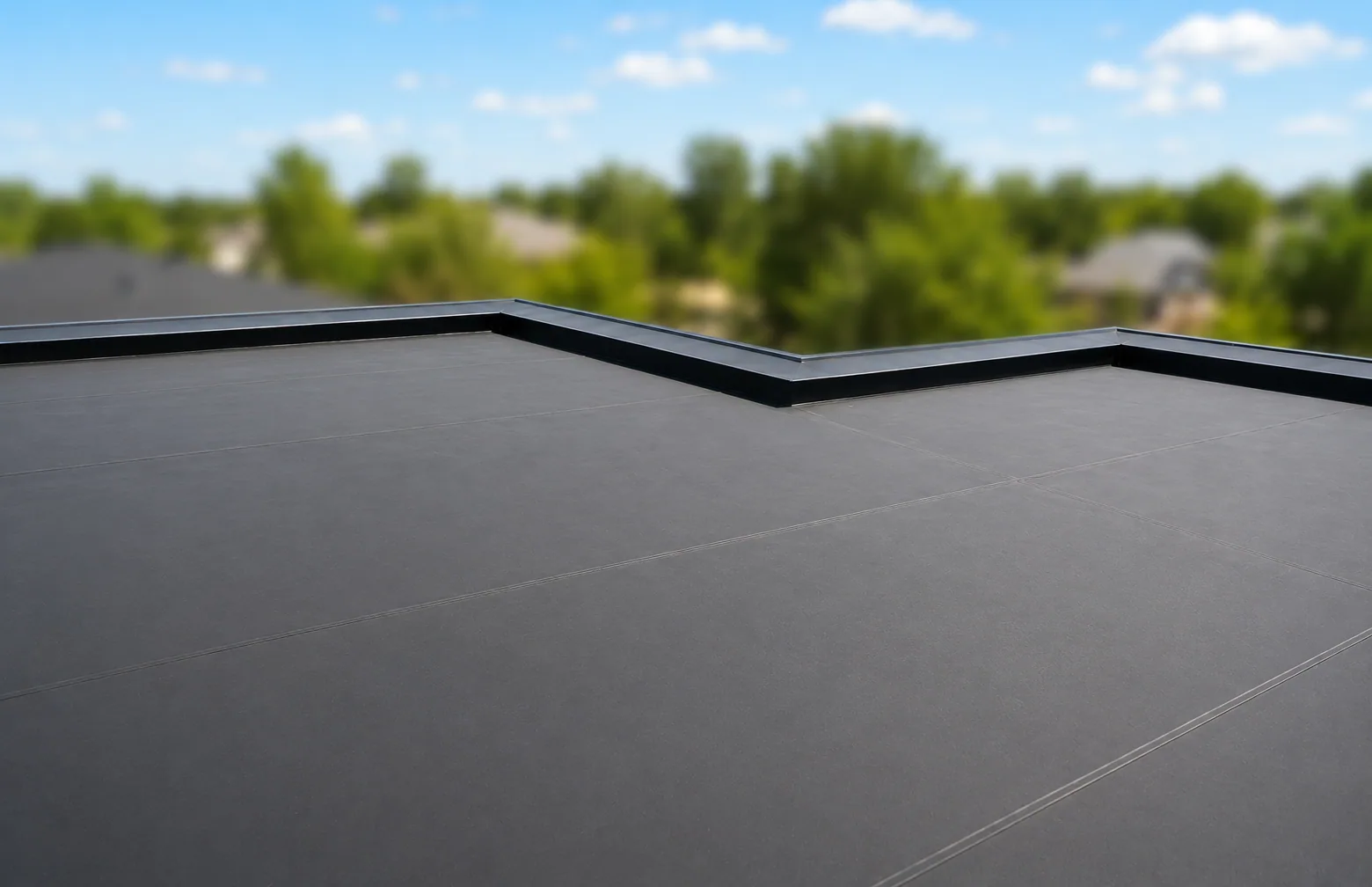
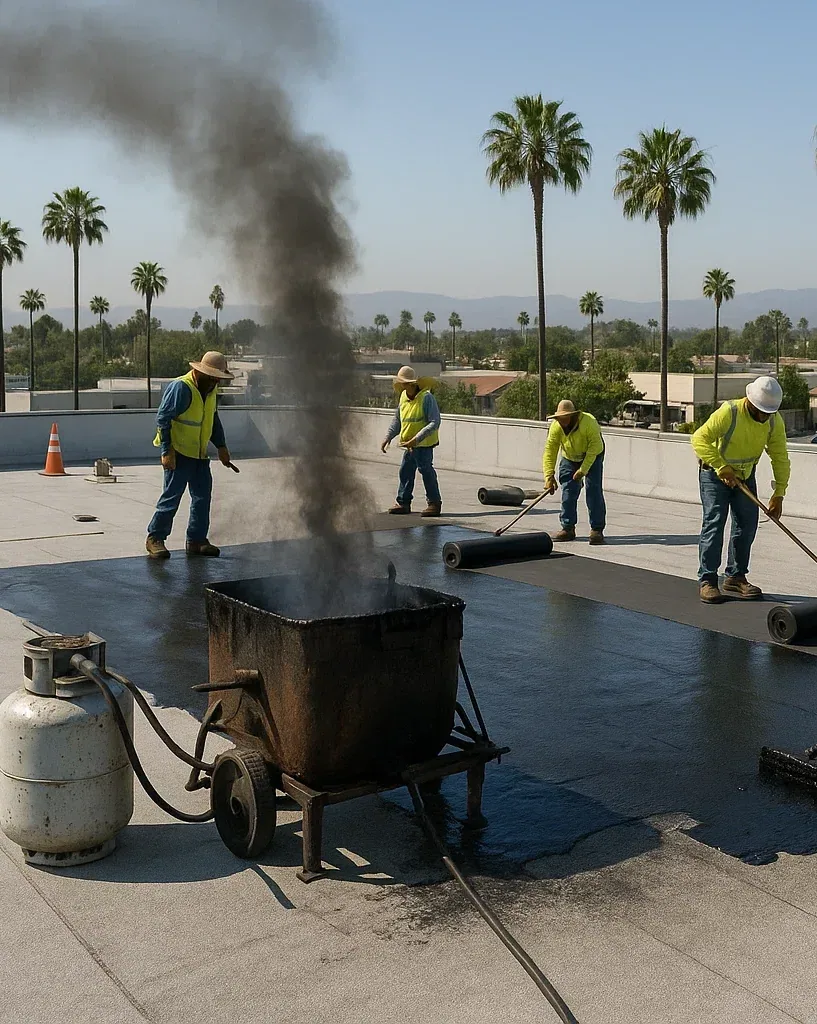
An EPDM roof needs the right primers, tapes and adhesives for the existing sheet. Modified bitumen roofing uses its own compatible methods at seams and flashing. We separate membrane that can stay from material that will not hold a new attachment. Structural and load questions go to an engineer. Added insulation thickness can change drain heights and clearances under rooftop units, which brings mechanical work into the project.
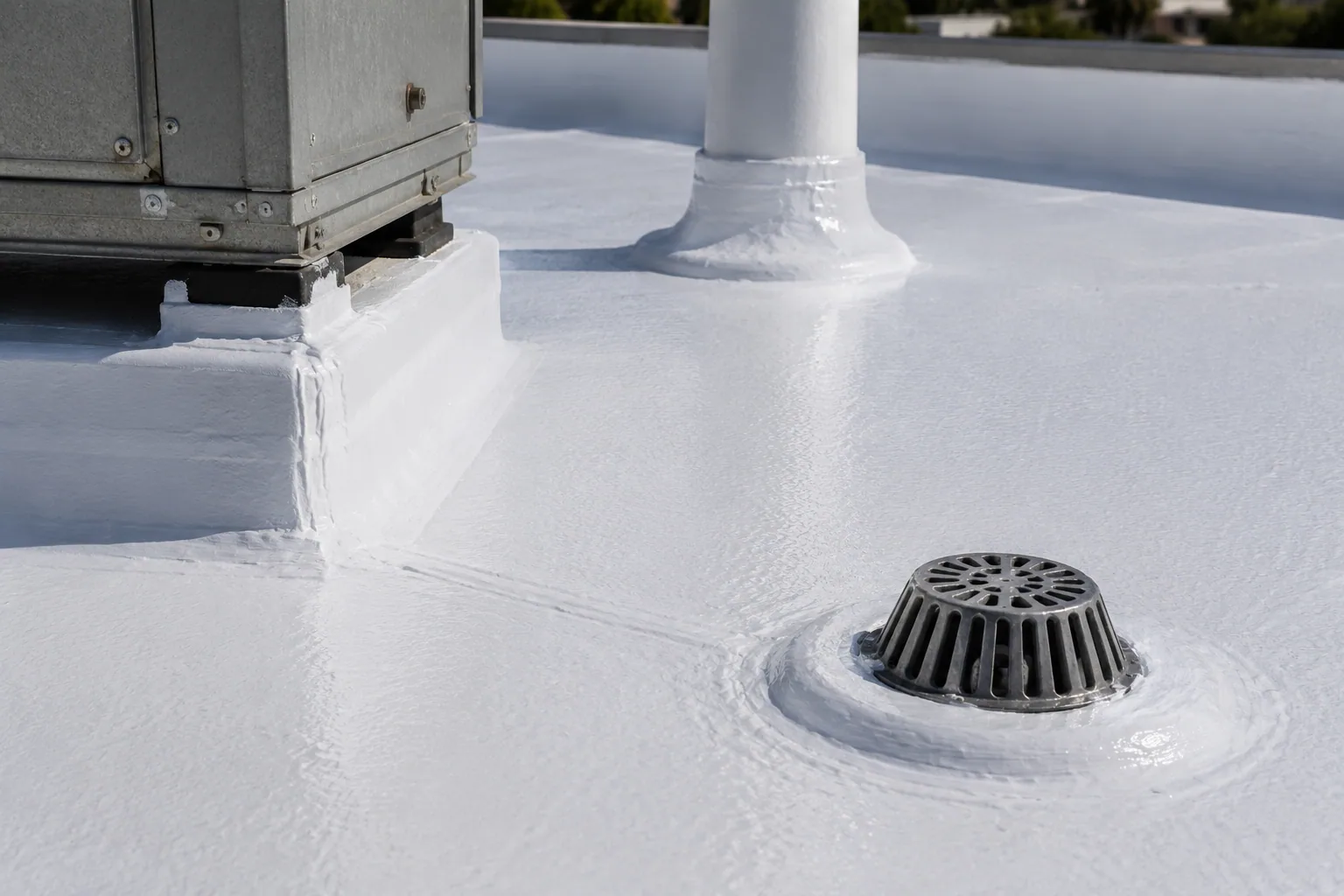
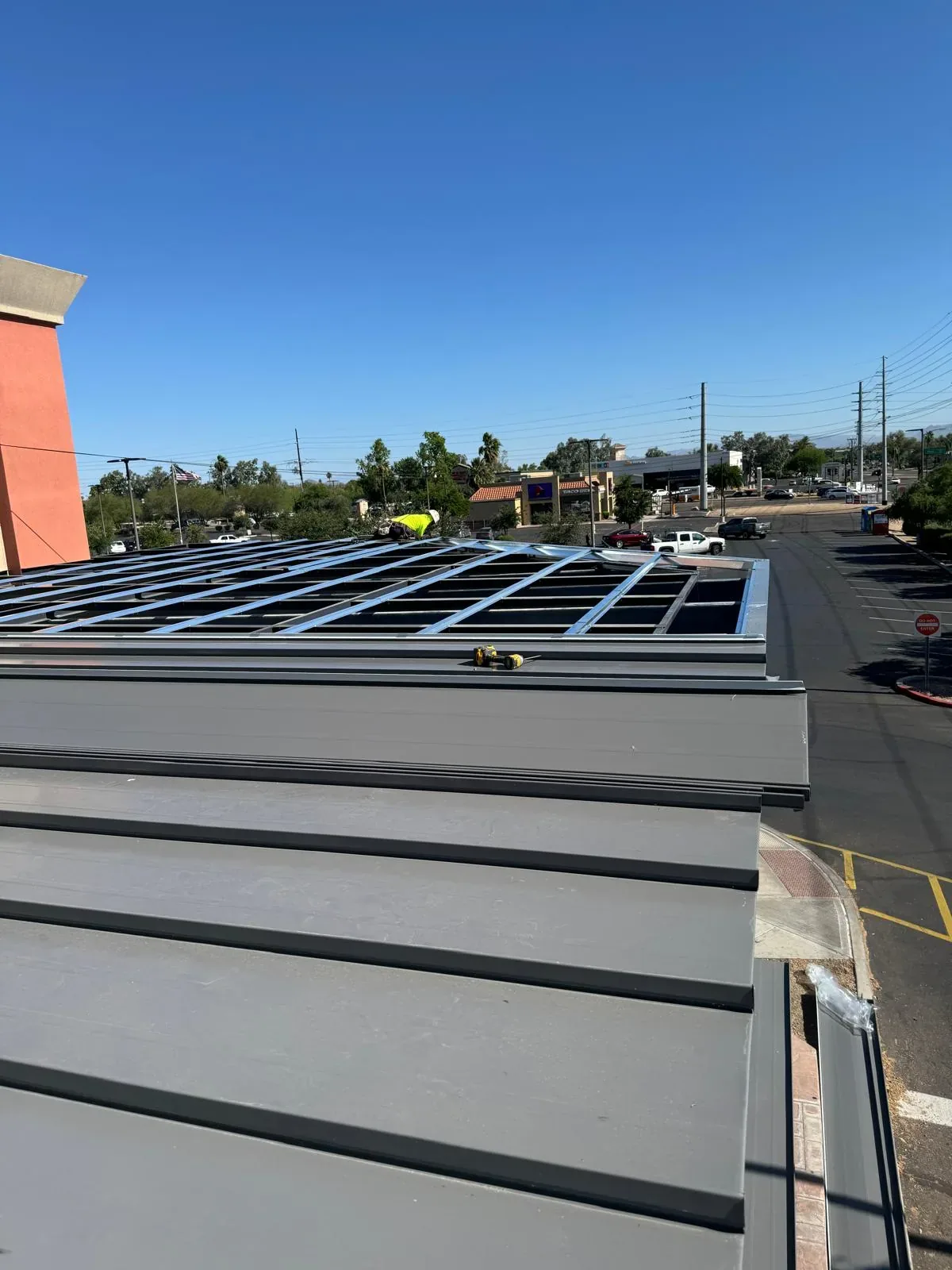
A standing seam metal roof has to keep its clips and expansion movement working; extra fasteners can do more harm than good. Silicone roof coatings need a compatible roof, careful cleaning and good adhesion. A coating cannot replace a failed flashing or prove that the insulation underneath is dry. We price detail repairs and moisture testing along with the larger system, so each option has a clear reason behind its cost.
If more of the existing roof turns out to be unusable, the tear-off grows and another part of the building may need protecting. We explain what that means before opening more roof. A good system comparison includes those deck, insulation and protection costs with each option.
The roof stays tied to its building
For roof system choices in Point Richmond, the existing layers, seams and edge details guide which system fits. We inspect the roof before recommending how new material will tie in. Moisture readings are confirmed with cores where keeping the old roof depends on them, and we patch every core hole.
The owner should compare complete jobs, including the protection and handling needed to reach sound decking. Insulation and cover board work follows what the chosen system requires. The building manager reviews the occupied spaces and stored goods below the work area. We list finished details, temporary fixes and equipment work still waiting on another trade separately. Material access and protection follow the approved work plan for that roof. Future decisions can then start from the layers we actually confirmed, not just a system label.
Bay-side exposure belongs beside the material choice
Richmond's shoreline reaches about 32 miles, and salt air matters for exposed metal components. Roofing guidance treats the first 1,500 feet from the coast as a corrosion-critical band. The address alone does not tell us which fasteners or edge pieces a roof needs. We identify the installed assembly and its exposure, then compare compatible materials and details for that specific connection.
A system name does not settle the field condition
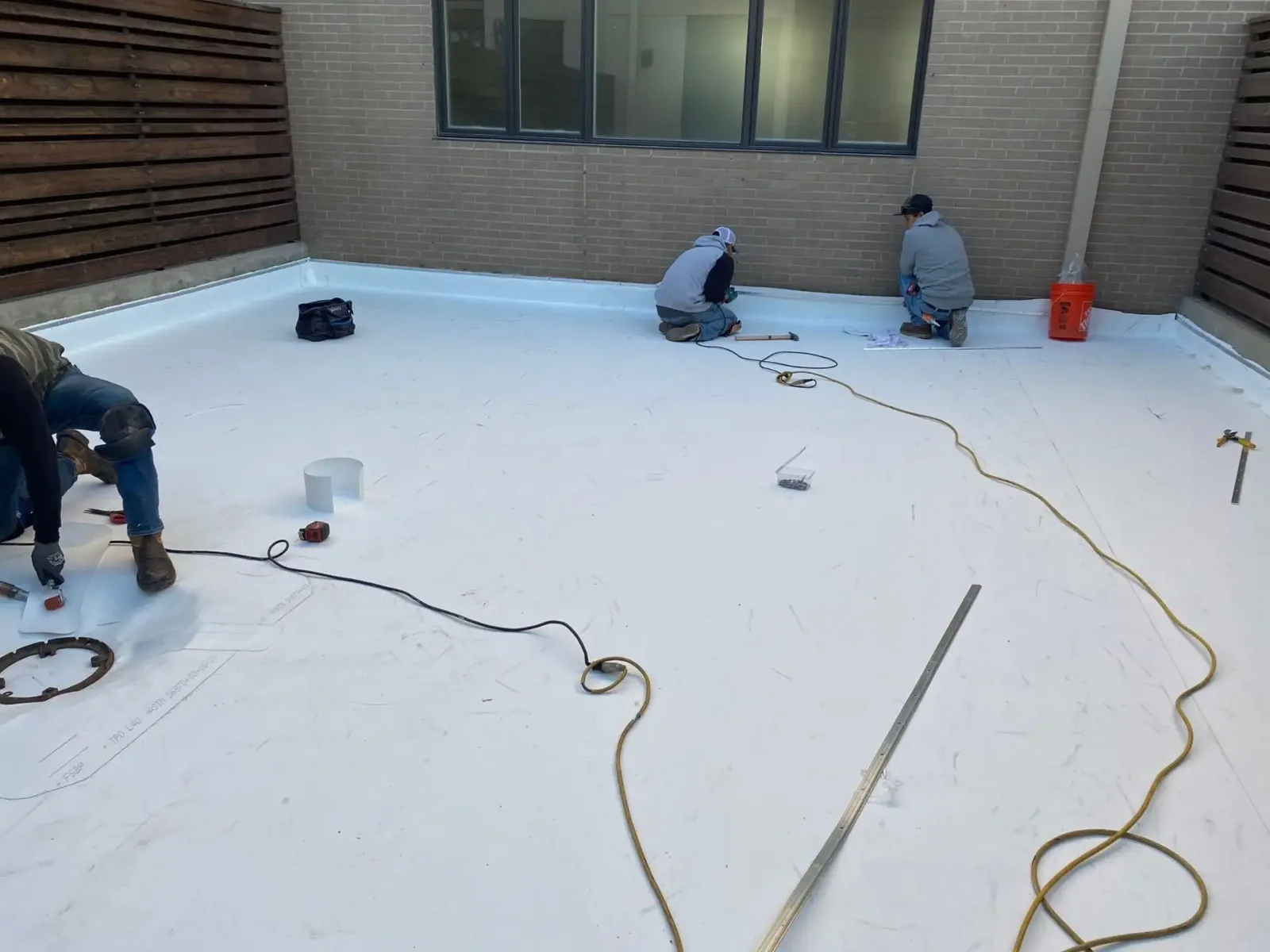
TPO, EPDM, modified bitumen and metal roofs each use different joining and attachment methods. A coating also needs a suitable surface and compatible transitions. We inspect the roof that is there, including prior repairs and supporting material. The recommendation names the preparation, edge work and penetrations needed for a complete assembly, so a lower field quantity does not leave the difficult connections behind.
Compare roof systems for your building
Tell us what is on the roof now and where the problems are. We will check the existing layers and compare the systems that will work on your building.