Built Up Roofing in Richmond, CA
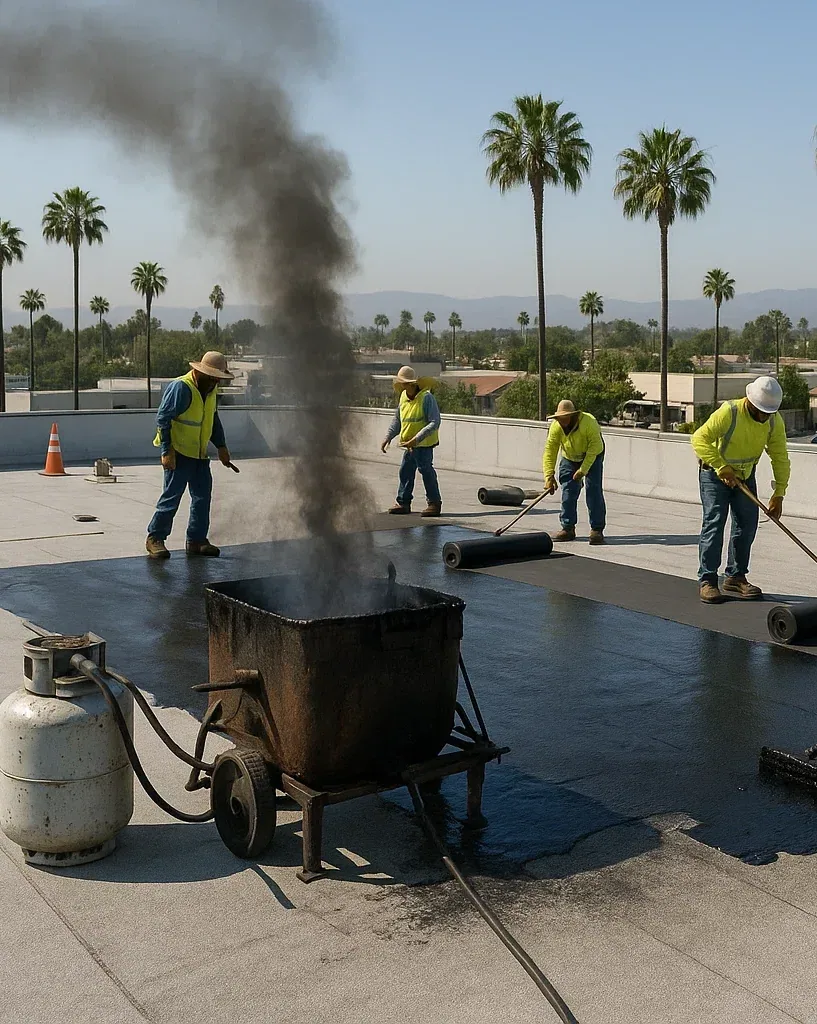
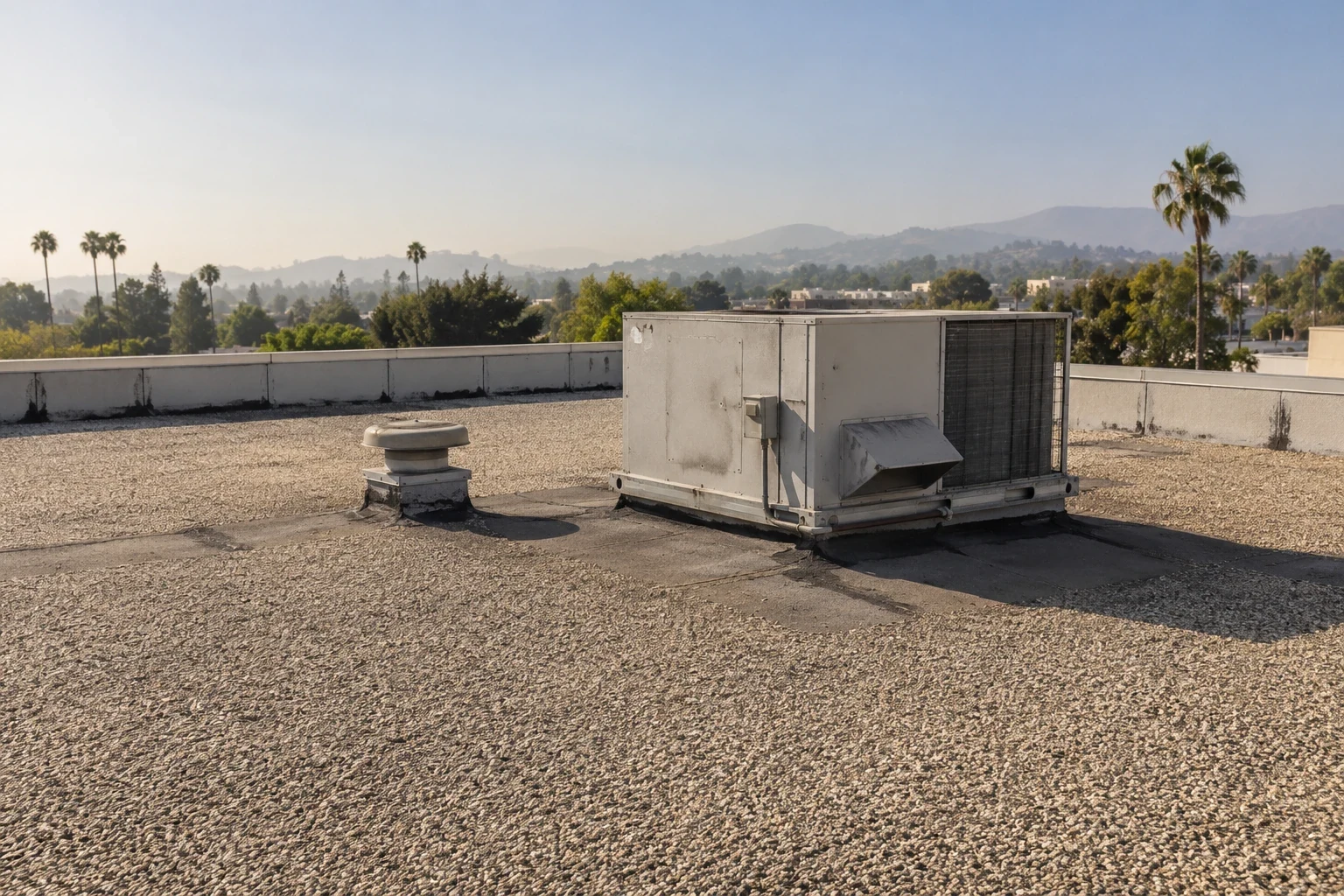
Built-up roofs, the tar-and-gravel roofs on many older Richmond warehouses, are made of alternating layers of bitumen and reinforcing felt, usually topped with gravel or a cap sheet. When one leaks at a drain, the damage is rarely just the top layer. Water works down through the plies and into the insulation, and a patch on the surface leaves the layers underneath still split. A proper BUR repair cuts back to sound material and rebuilds each damaged ply and the drain flashing so everything ties together again. We figure out what can stay and what needs to be rebuilt, and we tell you plainly when we cannot know something until we open it up. A warehouse roof repair also has to account for the drain itself and the stock below.
We compare what we see on the roof with any records you have, and note any layers we still need to check. You get a repair based on how your roof is actually built, with the insulation and flashing work included. A surface patch price should never hide the removal or rebuilding it takes to make a lasting repair. Before we finalize the estimate, we confirm which roof section is involved and who our contacts are for access.
Look at all the layers
The top of a built-up roof does not show how many plies are underneath or what old repairs are buried in it. We cut a small test section where needed and compare the layers with the repair we are planning. A commercial roof inspection on a BUR roof separates what we have confirmed from what still needs to be checked. Calling it a built-up roof does not tell you the condition under a new top coat or how old repairs will bond with new material.
You should know what the roof is made of before anyone orders material based on a guess. We identify where the repair needs to end and what materials will tie it back into the existing roof. Every BUR repair needs its own repair area, not a standard patch size. A flashing or edge may need its own repair even where the surrounding roof can stay. We list those items with our findings, so the estimate describes your roof and the work needed to fix it. Layers we have not checked are listed as unknown, not assumed sound.
How far the repair has to go
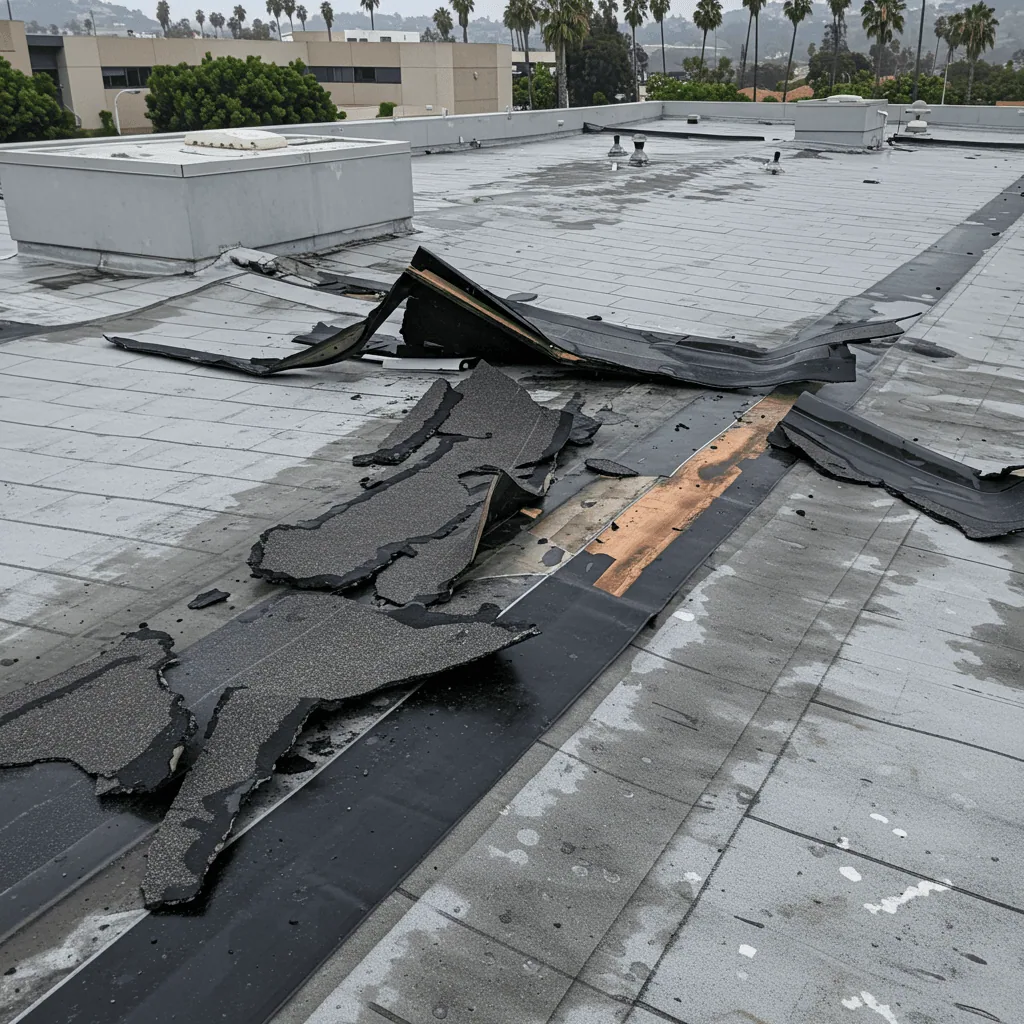
A repair through damaged plies has to tie into sound layers on all sides. We compare the damaged area with what we find in the test cuts and identify which layers need to come out and which can be prepared and reused. A commercial roof repair on BUR should use compatible materials and include the flashing work at the edges of the repair. Replacing only the top layer does not reconnect the plies below or remove material that has failed.
The estimate should explain what is being rebuilt and where the repair ends. We match the application to the materials on your roof and flag any prep question we cannot answer yet. A low price for surface materials can leave out the ply removal and rebuilding the roof actually needs. Those differences should be visible before you compare options. If an opening cannot be closed for good the same day, it gets temporary protection. The work order should cover the full repair, not just the part you can see on top.
Replacing wet insulation
Water at a failed drain often soaks the insulation well beyond the visible damage. We confirm the wet areas before deciding how much to remove, separating suspected areas from confirmed ones. An insulation and cover board replacement under a BUR drain repair should include removal, disposal and new material along with the rebuilt plies. New layers over wet insulation trap the water and the problem continues.
Opening the roof can reveal more wet insulation than expected. When that happens, we mark the area, explain the added quantity and get your approval before going further, with the opening kept dry in the meantime. You should understand why replacing insulation is different from rebuilding the plies, and what tells us the surrounding roof can stay. Every option should include the insulation work it needs, so you are comparing real differences instead of one bid that left out the wet insulation. Areas we have not checked stay listed as unknown until we test them.
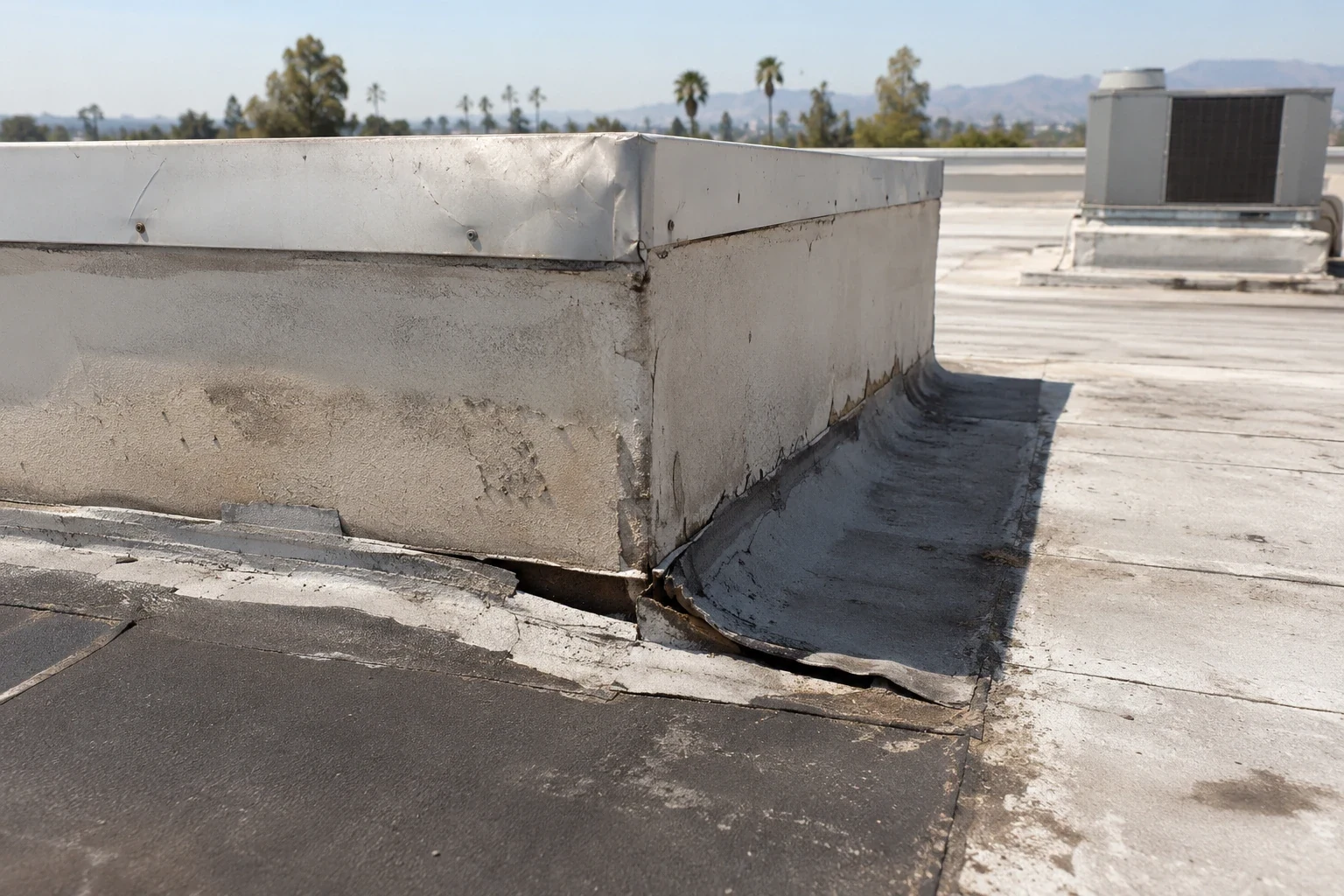
A BUR repair is not finished just because new gravel or a cap sheet hides the cut. Every exposed ply, flashing and edge needs a sealed tie-in to sound material.
Finishing at the drain
The drain itself may need its own repair before the rebuilt roof section can be finished around it. We check the drain bowl, clamping ring and flashing against the new layers, and note when plumbing review is needed. A roof drain and scupper repair separates the roofing work from any pipe or drainage-capacity issue beyond what we inspected. The roof repair needs to seal tightly into the drain, not stop at fresh roofing next to a drain that still leaks.
On a built-up roof, every ply, flashing and edge needs to close up against sound material. If equipment or other work blocks access to the drain, we arrange for that to be cleared first. Working in separate windows can add setup and protection beyond the visible repair, so those costs belong in the estimate. Having roofing material on site does not mean we can reach the drain or that the plumber's work is done. The schedule lists those steps ahead of the roof work they unlock. The same applies to built-up roofs throughout Richmond and nearby El Sobrante: every damaged felt-and-bitumen ply has to be reconnected to sound roof.
Comparing repair and replacement
A modified bitumen roof is a common replacement for BUR and uses its own sheets and application methods. A PVC roof is welded instead of mopped or torched and has different flashing and accessory requirements. We compare options with the same tear-off and flashing work included, and explain the real differences in prep instead of treating square-foot prices as interchangeable. You should see what each option fixes on your building.
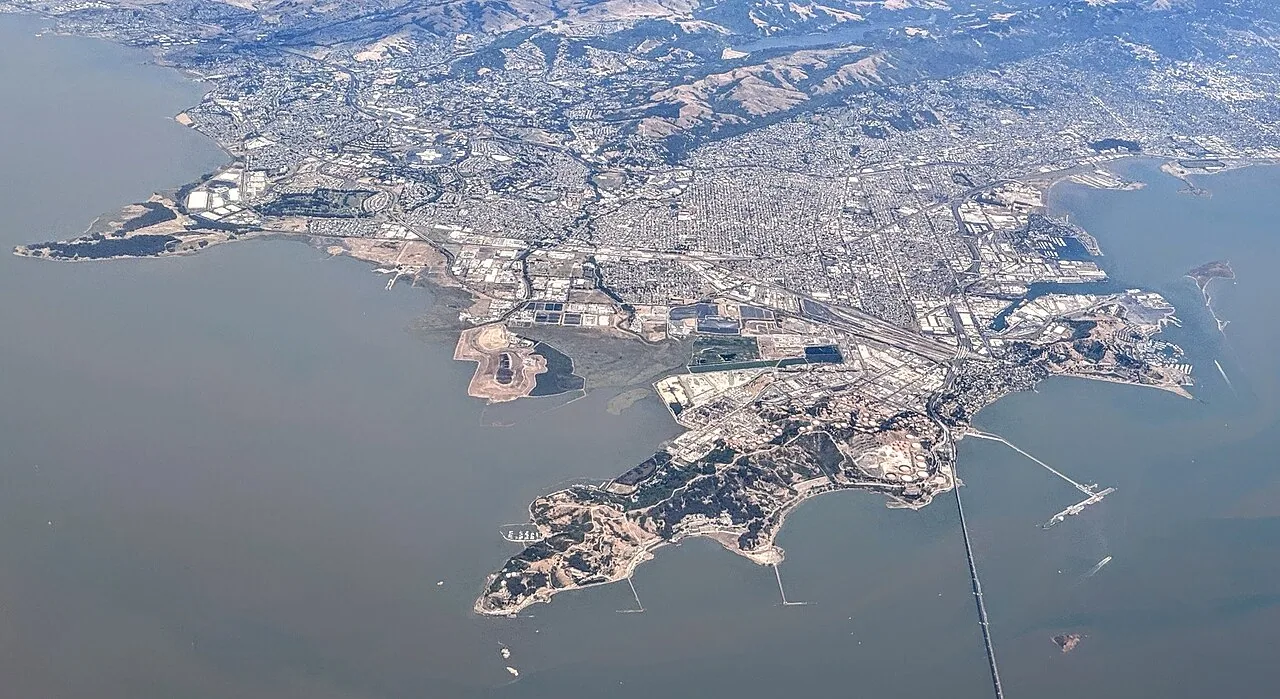
For built-up roof repairs at the Port of Richmond and across the city, keep photos of each opening and the rebuilt layers along with the materials used. Inspection results stay with the specific repair, and unchecked insulation or work still owed by other trades is listed separately. If the roof has a warranty, review its maintenance and alteration terms before anyone does later work. Note anything still unresolved. The final record shows which parts of the built-up roof were repaired and what still needs attention, so later decisions follow the actual roof rather than how it looks from above.
Commercial Roofing Questions
Does a surface patch mean the built-up roof is repaired?
Not if the plies underneath are still split. We check the layers and rebuild the damaged plies and flashing so the repair ties into sound roof.
How do you decide how much insulation to replace near a drain?
We confirm wet areas with test cuts and moisture readings, keep suspected areas separate from confirmed ones and replace what is actually wet.
Can a thicker repair or new roof affect the drain?
Yes. New layers can leave the drain sitting high. We check the drain height against the new roof and bring in a plumber or designer when needed.
What records help with future care of a built-up roof?
Photos of each opening and rebuilt area, the materials used, any warranty care terms and a list of items still waiting on other trades.


Tell us about the built-up roof and the leak