Silicone Roof Coatings in Richmond, CA
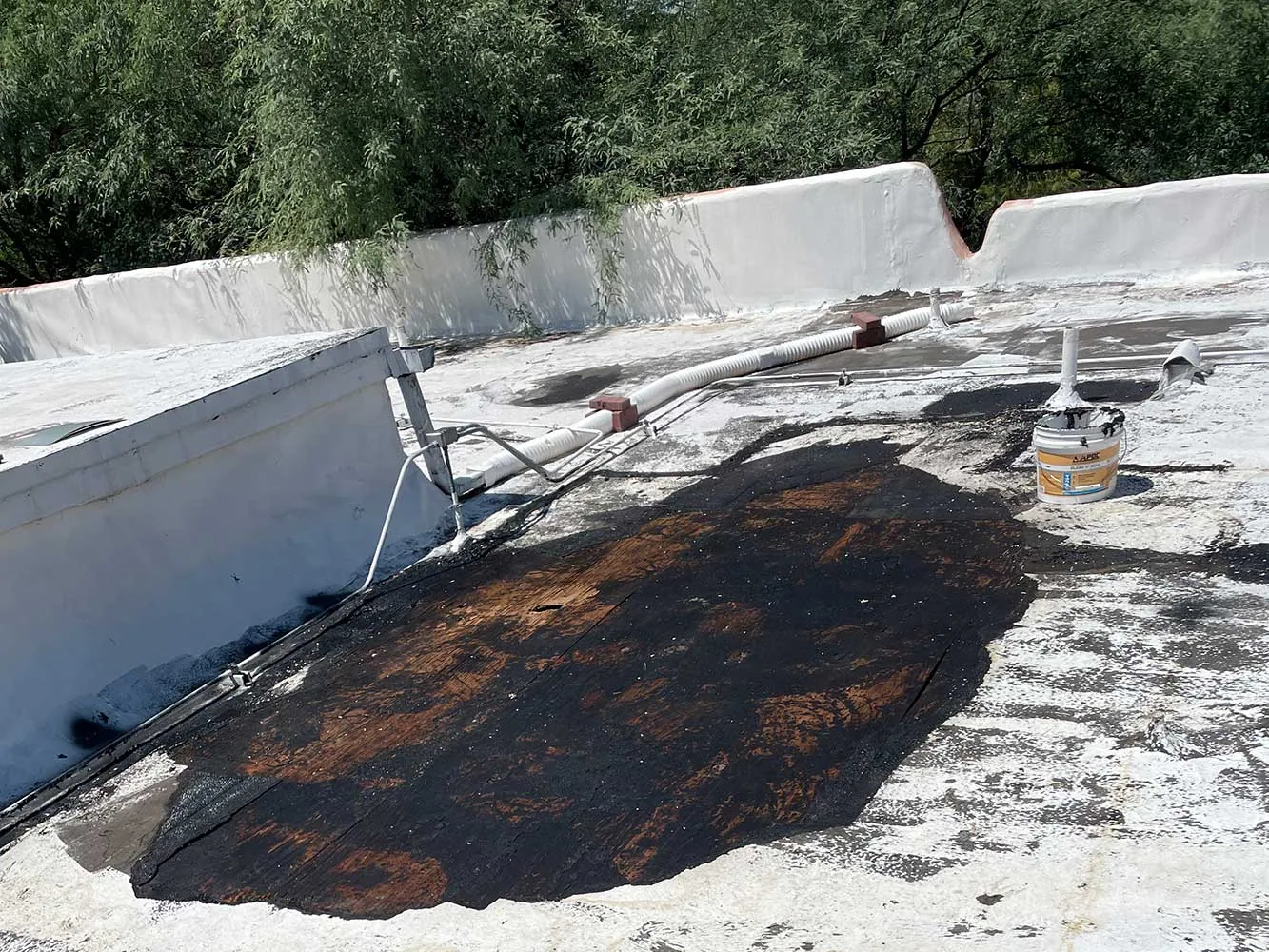
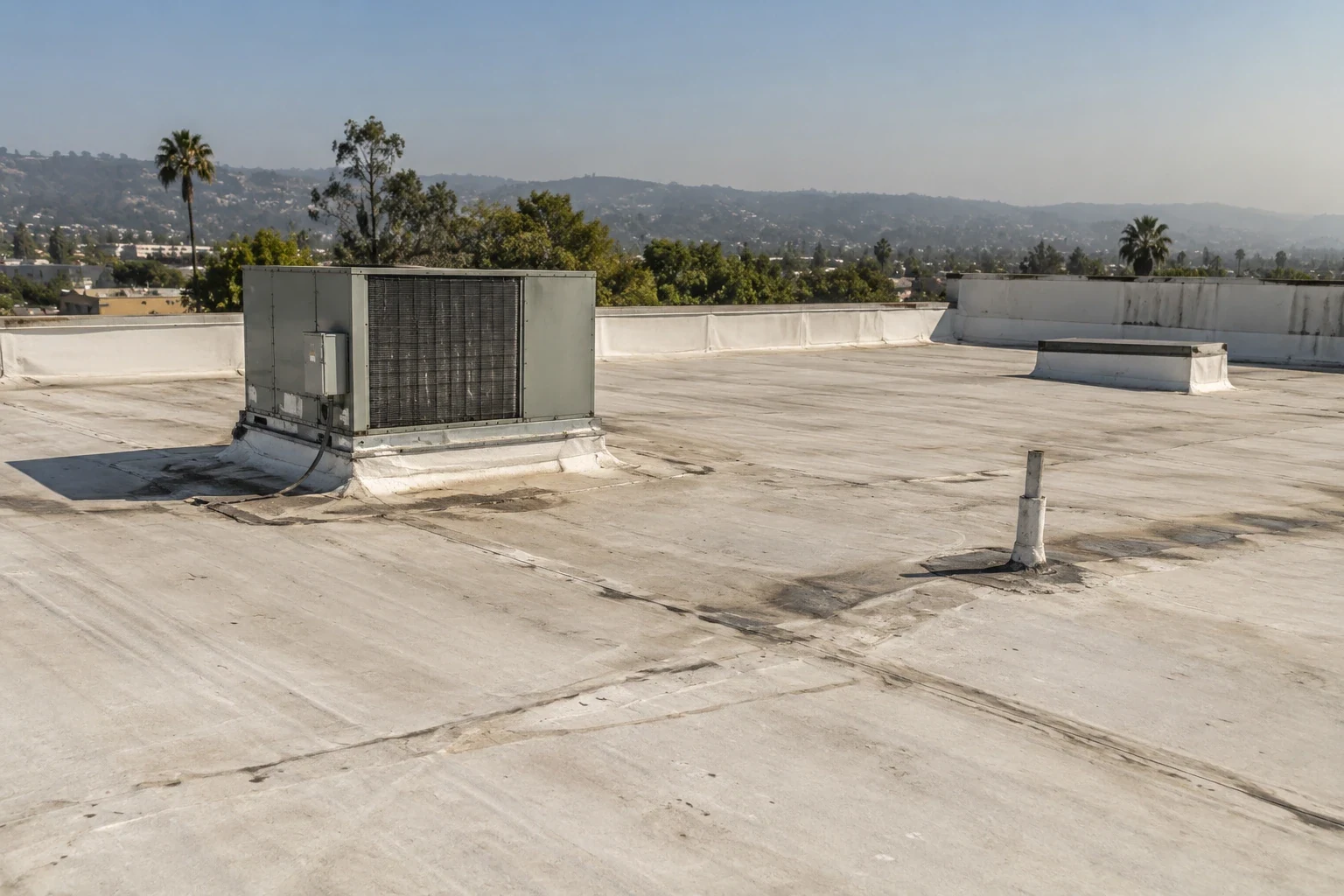
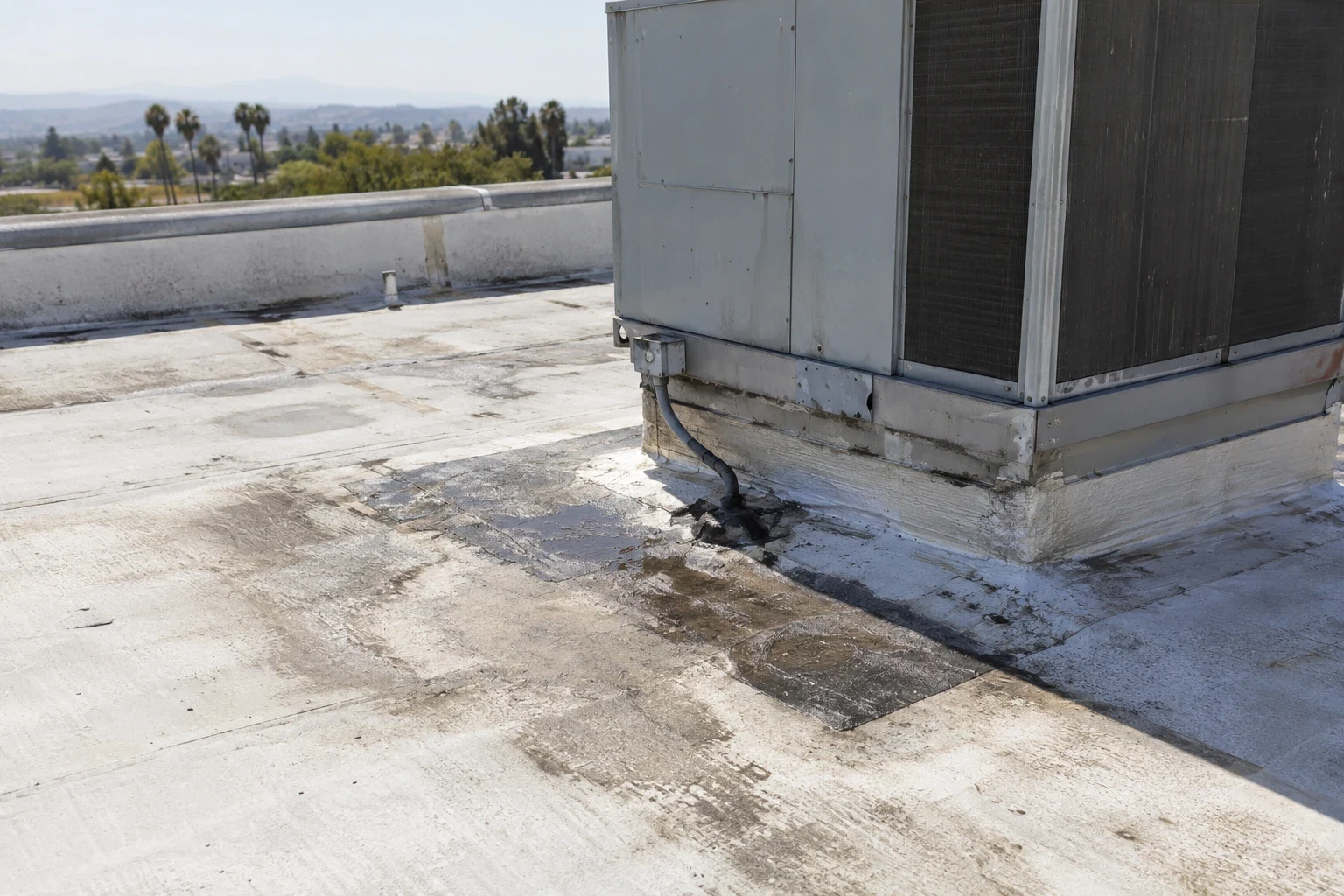
A peeling coating around a roof drain on a grocery store is a common sight in the Bay Area. Water collects at the low spot, the old coating lifts, and before long the membrane underneath is exposed and leaking into the sales floor or back room. On a grocery store roof with refrigeration units and constant traffic below, that is a problem that needs a proper fix, not another quick coat.
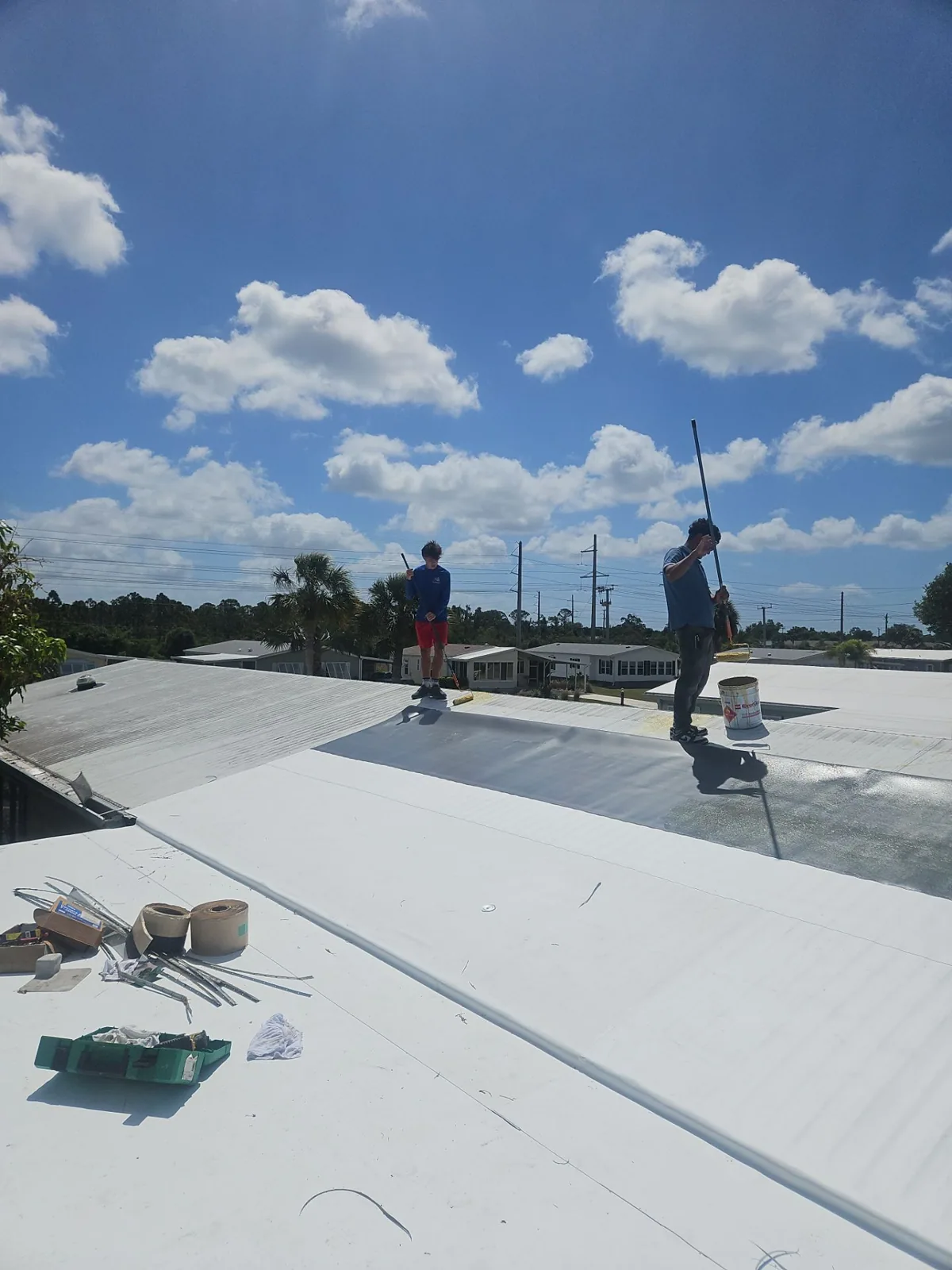
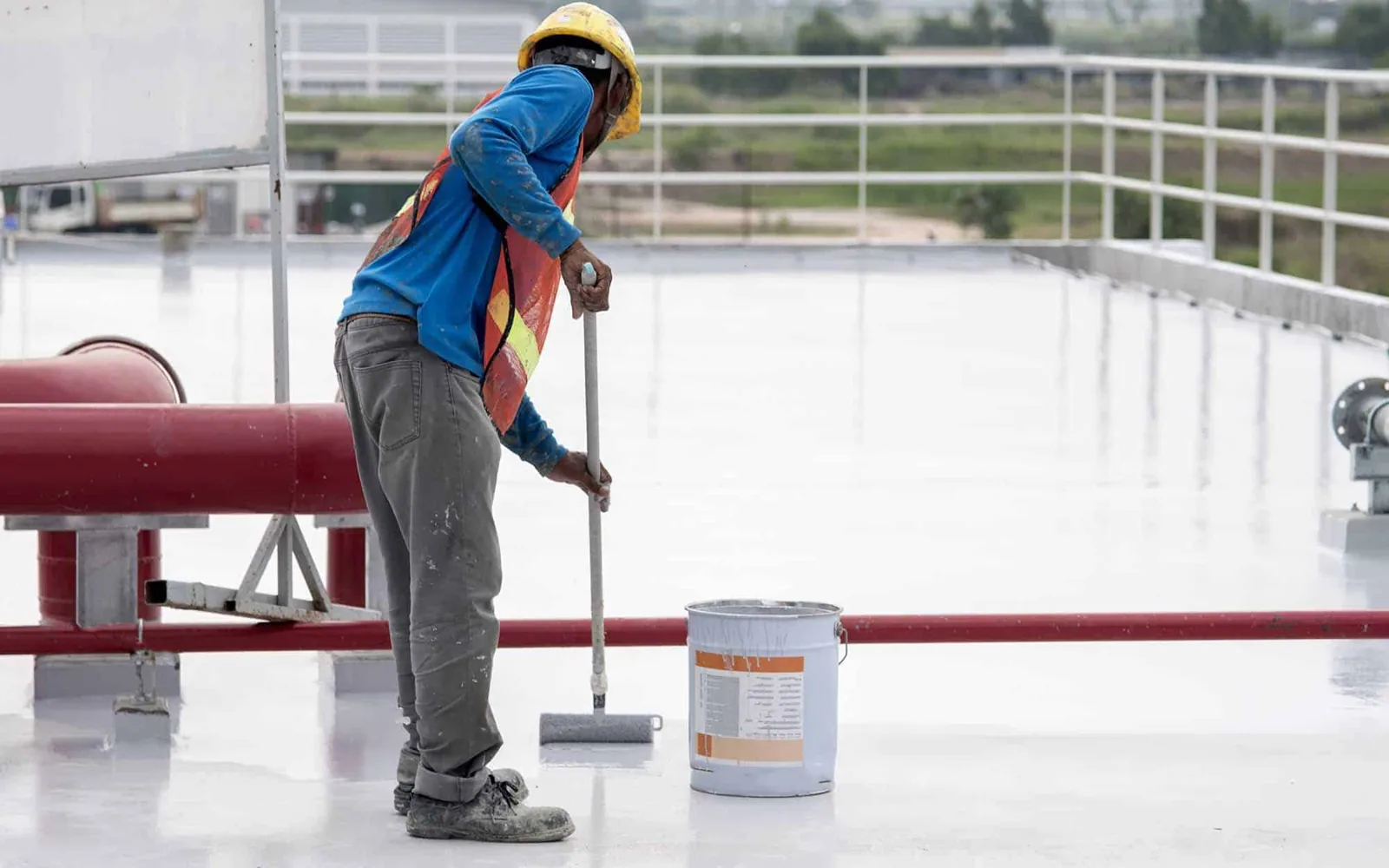
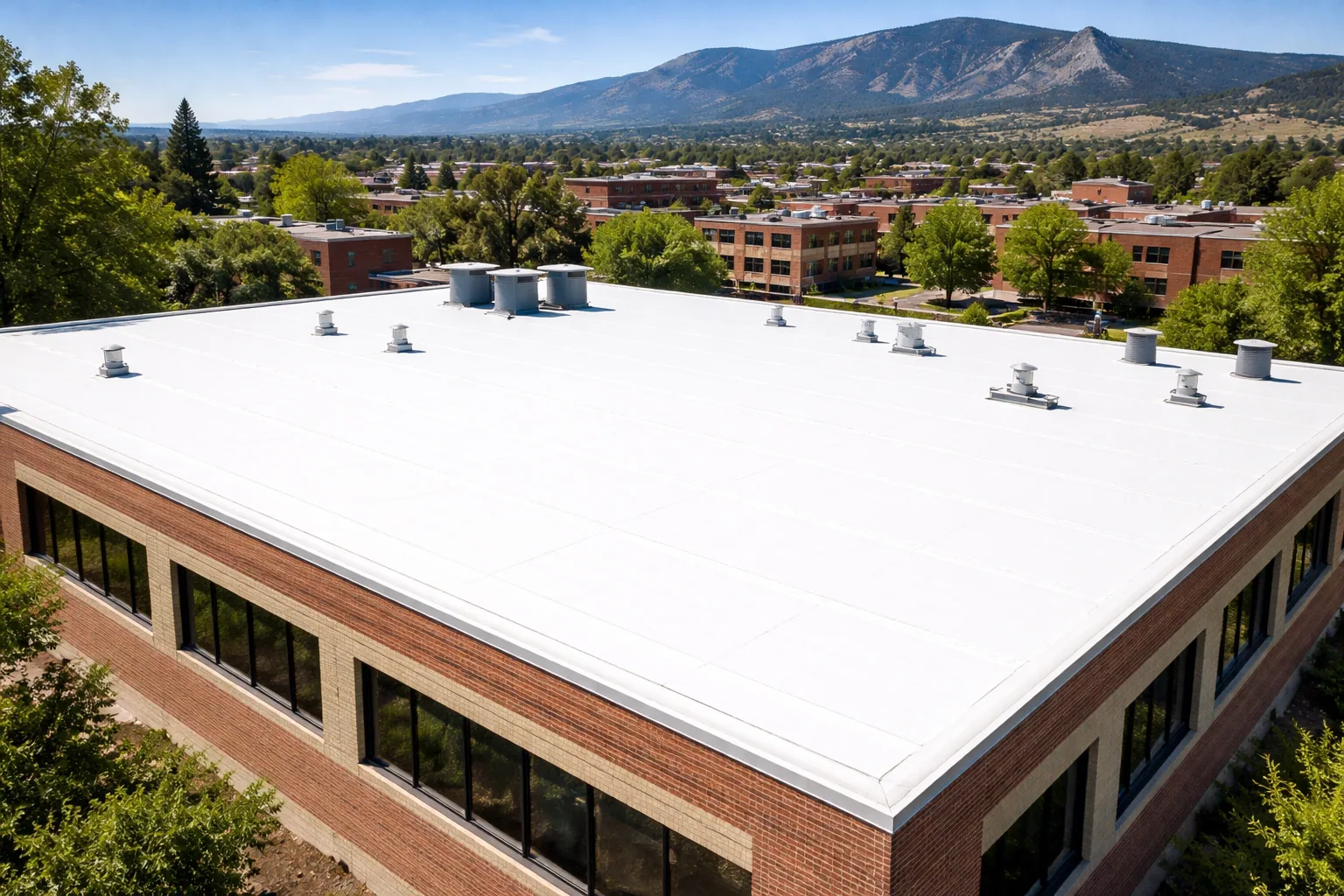
Silicone coatings handle standing water better than many other coatings, which is one reason owners choose them for flat roofs with ponding. They are not a cure-all, though. A silicone coat will only last if the roof below is sound, clean and dry, and if the existing coating is compatible. We look at what is on the roof now, fix leaks and wet insulation, deal with the drains and then talk about whether a silicone restoration makes sense for the building.
Know what the silicone will cover
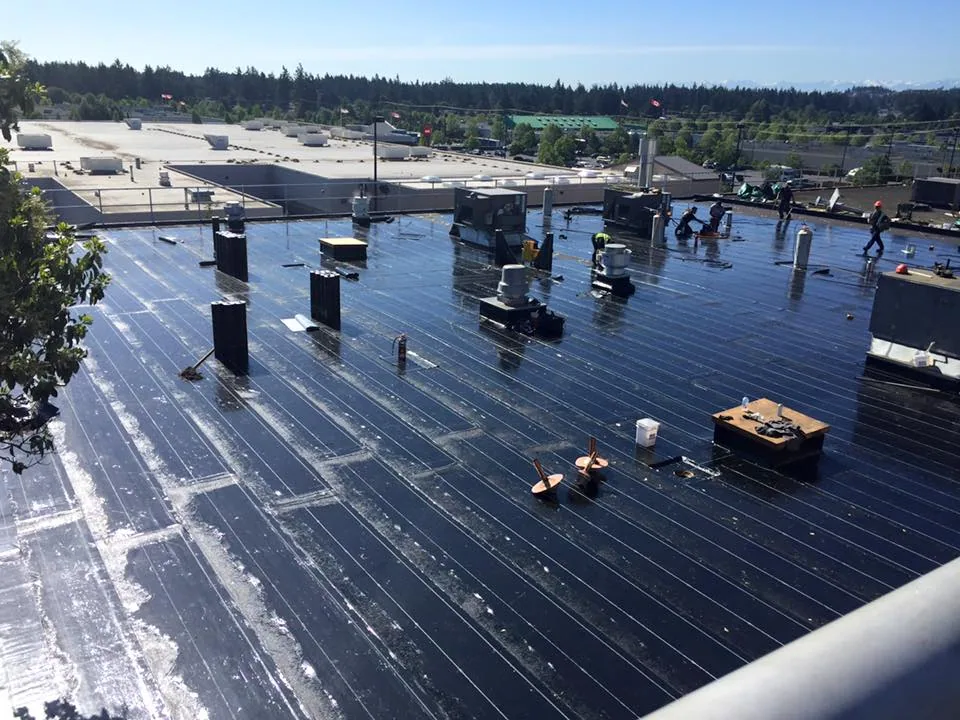
Silicone can go over many roof types, including single-ply, modified bitumen, metal and foam, but each needs its own prep. Johns Manville, for example, sells both silicone and acrylic coating lines and lists surface preparation steps for each. During a roof inspection we identify the existing membrane, any old coatings and the condition of seams, laps and flashings.
Old coatings are a frequent issue. Silicone sticks well to silicone, but other coatings applied over silicone usually do not bond, and some old acrylics need primer or removal before silicone goes on. Loose or peeling material has to come off. Dirt, oil and biological growth have to be cleaned. We often do a small adhesion test, putting down a patch and pulling it after it cures, to make sure the coating will stay. The owner gets a clear list of the prep work, because that is where much of the real cost and success of a coating job lies.
Fix the leaks before coating
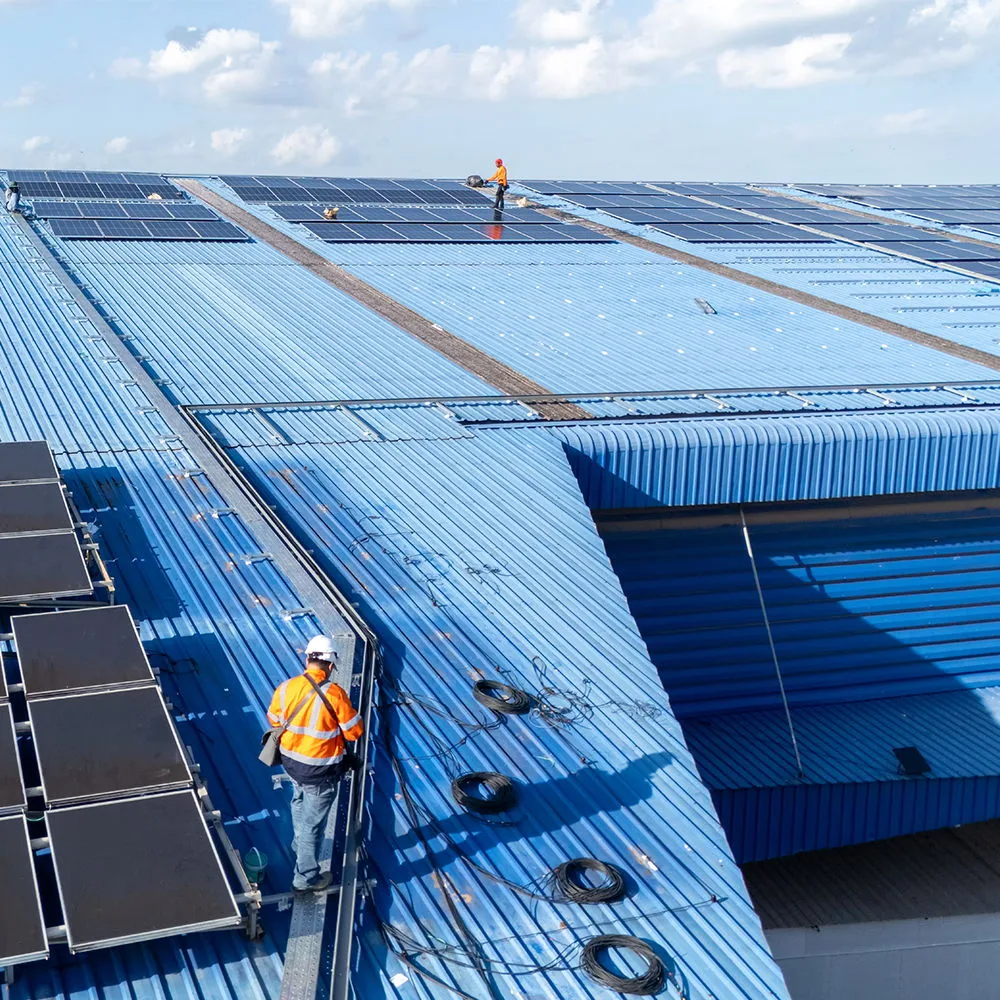
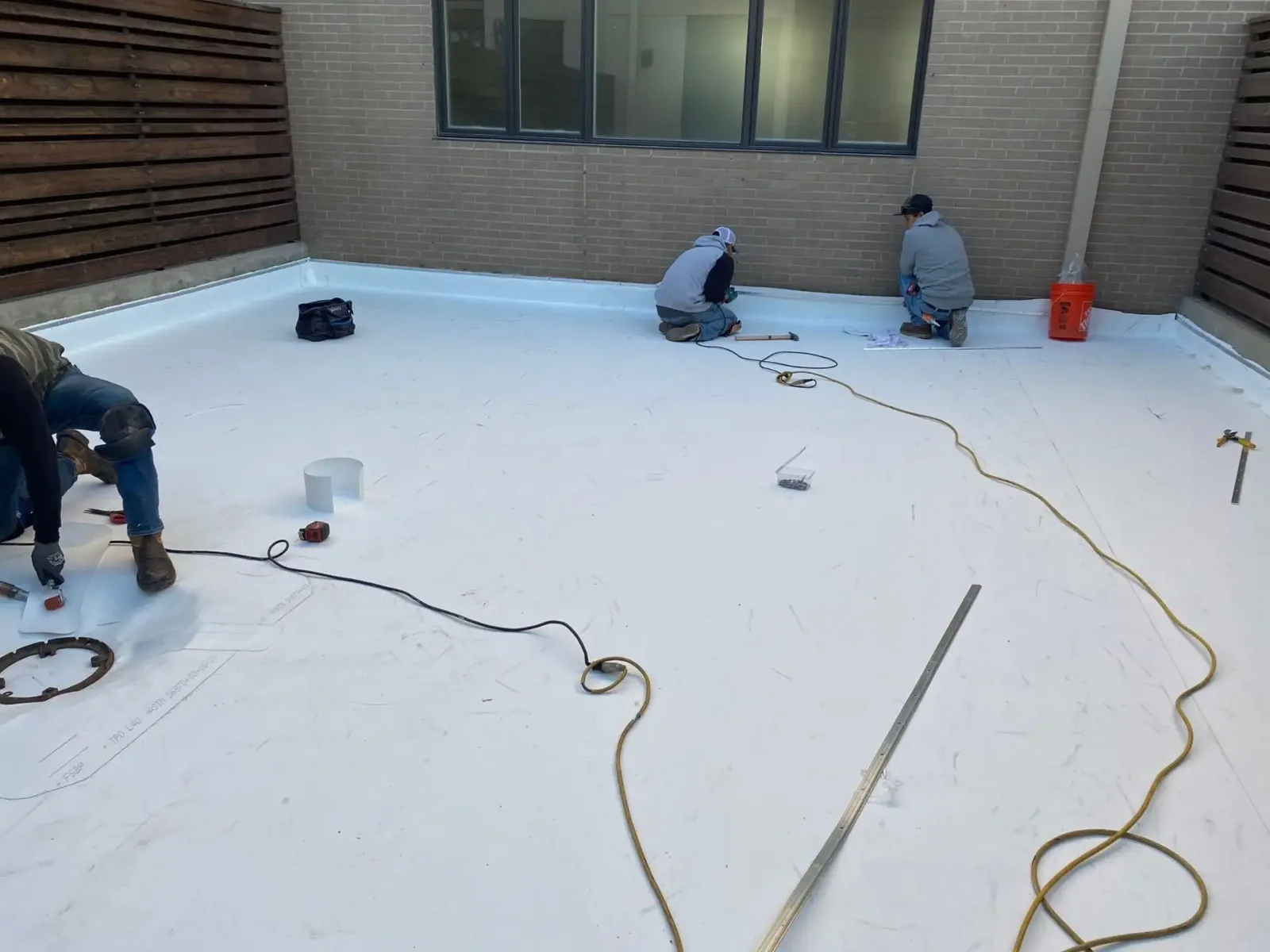
A coating is a protective layer, not a patch for open leaks. Split seams, loose flashings, cracked pipe boots and failed curb details all need to be repaired with proper roofing materials before the silicone goes on. Our commercial roof repair handles those fixes first, using methods that match the existing membrane.
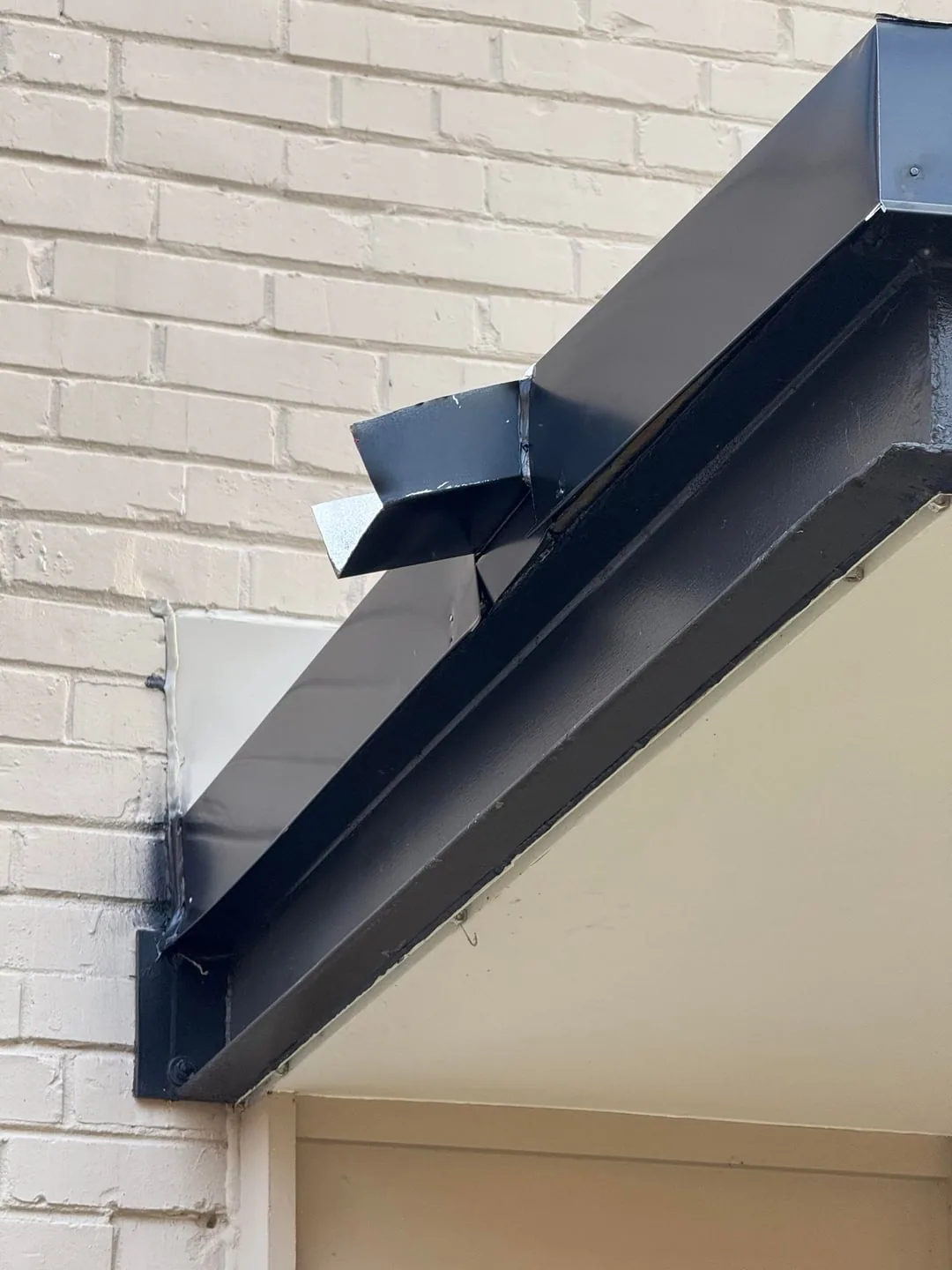
We mark each leak point and write down what we will do there. Some fixes are small, like re-sealing a seam or replacing a pipe boot. Others take more work, like rebuilding a curb flashing or replacing a section of edge metal. The silicone then goes over the repaired roof as a continuous layer. Skipping the repair step is the most common reason coating jobs fail early. The coating may look fine for a season, then the same leaks come back underneath it, and now they are harder to find. We would rather show the owner the repair list up front than have the store call us back after the next storm.
Check the insulation before you coat
Coating over wet insulation traps water in the roof. The insulation stays wet, fasteners rust and the coating can blister or peel. Before we recommend a silicone restoration, we check the roof for moisture with core cuts, a moisture meter or an infrared scan. Our insulation and cover board replacement takes care of the wet areas first.
We mark the confirmed wet areas on a roof plan and price their replacement. Areas that are only suspect are marked separately so the owner can see the difference. If too much of the roof is wet, a coating may not be the right choice at all, and a partial or full replacement could be a better use of money. We will say so plainly.
If the crew opens the roof and finds more wet material than expected, we stop and show the owner or store manager. The added area is reviewed and approved before we continue, and the roof is kept watertight in the meantime. The coating then goes over a dry, solid base. That gives the restoration a real chance of lasting the years the owner expects from it.
Make sure the drains keep up
Silicone tolerates ponding better than many coatings, but it does not fix a drain that cannot keep up. If water sits for days around a drain, debris collects, the coating gets dirty and the area stays under constant stress. Our roof drain and scupper work checks whether drains are clear, whether strainers are in place and whether the outlets are at the true low points.
Sometimes a drain sump is too shallow, or the roof sags near the outlet. Tapered insulation or a new drain can help. Clogged leaders inside the building may need a plumber. We list those items next to the coating work so the owner sees the whole picture. On a grocery store, we also plan around refrigeration units, rooftop condensers and delivery schedules. Coating has to be applied in the right weather and cure before rain, so we schedule carefully and keep the store informed about any rooftop traffic. Nobody wants overspray on a car in the lot, so we plan around that too.
Compare silicone with other options
An acrylic roof coating is often cheaper and works well on roofs that drain freely, but it does not handle standing water as well as silicone. A spray polyurethane foam roof adds insulation and can fix low spots, then needs its own coating on top. We price each option on the same repaired, dry roof so the comparison is fair, and we explain the tradeoffs in cost, ponding, maintenance and recoating.
For Port of Richmond buildings and stores around the North Bay, including larger cities like Vallejo, a coating job should leave a clear record: the existing roof type, the repairs made, the insulation replaced, the coating product and thickness, and any warranty terms. Future recoating has to be compatible with what is there now, and very few products bond over silicone later. That record makes the next decision much easier.
Commercial Roofing Questions
Does a silicone coating mean the insulation underneath is fine?
No. A coating only protects the top. We check the insulation for moisture first and replace any wet areas before coating.
What should come first in a coating project?
Repairs. Fix open seams, flashings and penetrations, replace wet insulation and clean the roof. Then apply the coating over a sound, dry surface.
Will silicone fix water ponding around a drain?
It handles ponding better than many coatings, but it will not make a slow drain work. Drains and low spots need their own fix.
How should we compare silicone with other coating options?
Price each one on the same repaired roof. Then compare how each handles ponding, its cost, recoating needs and what can be applied over it later.
Tell us about the peeling coating and the roof around it