Acrylic Roof Coatings in Richmond, CA
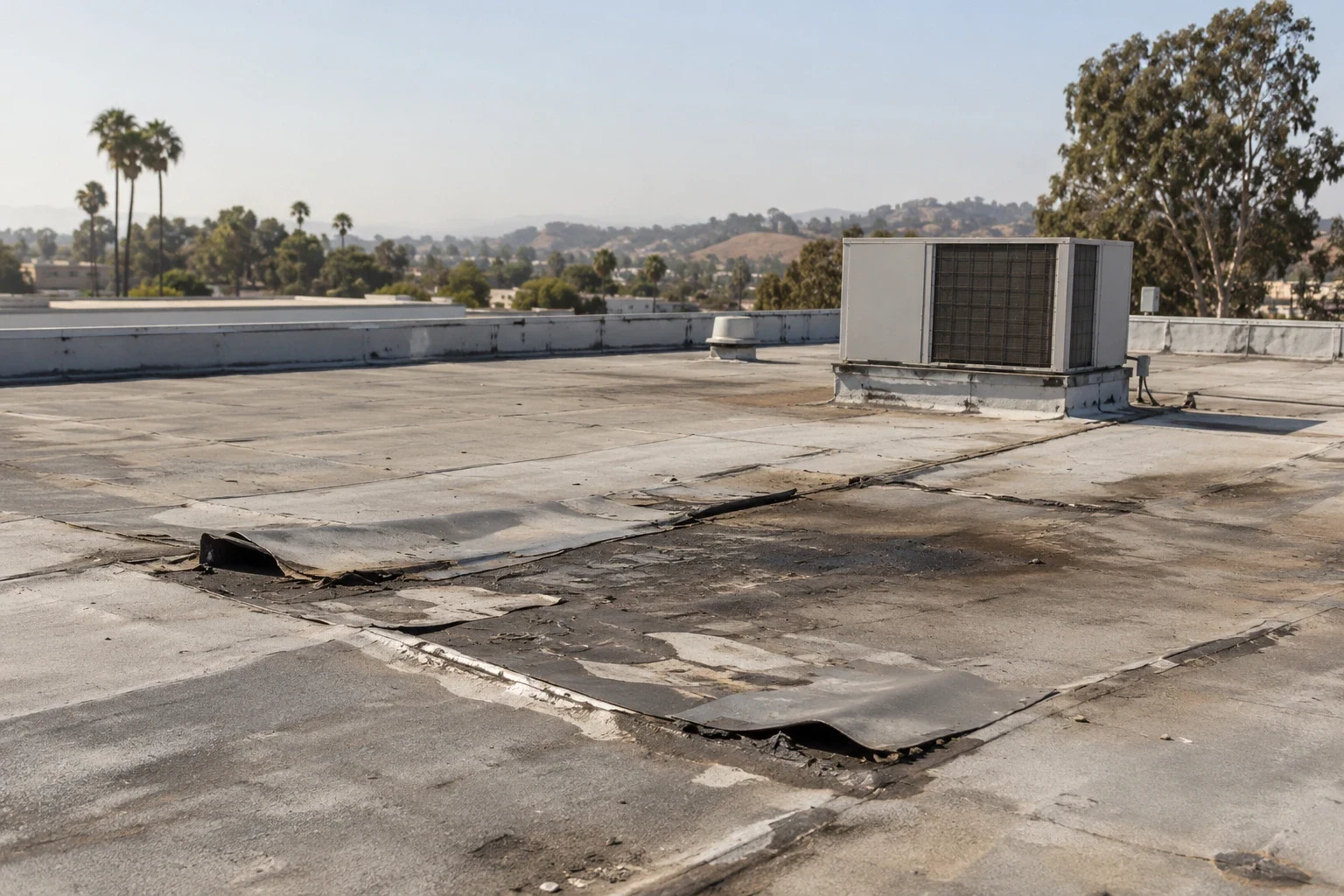
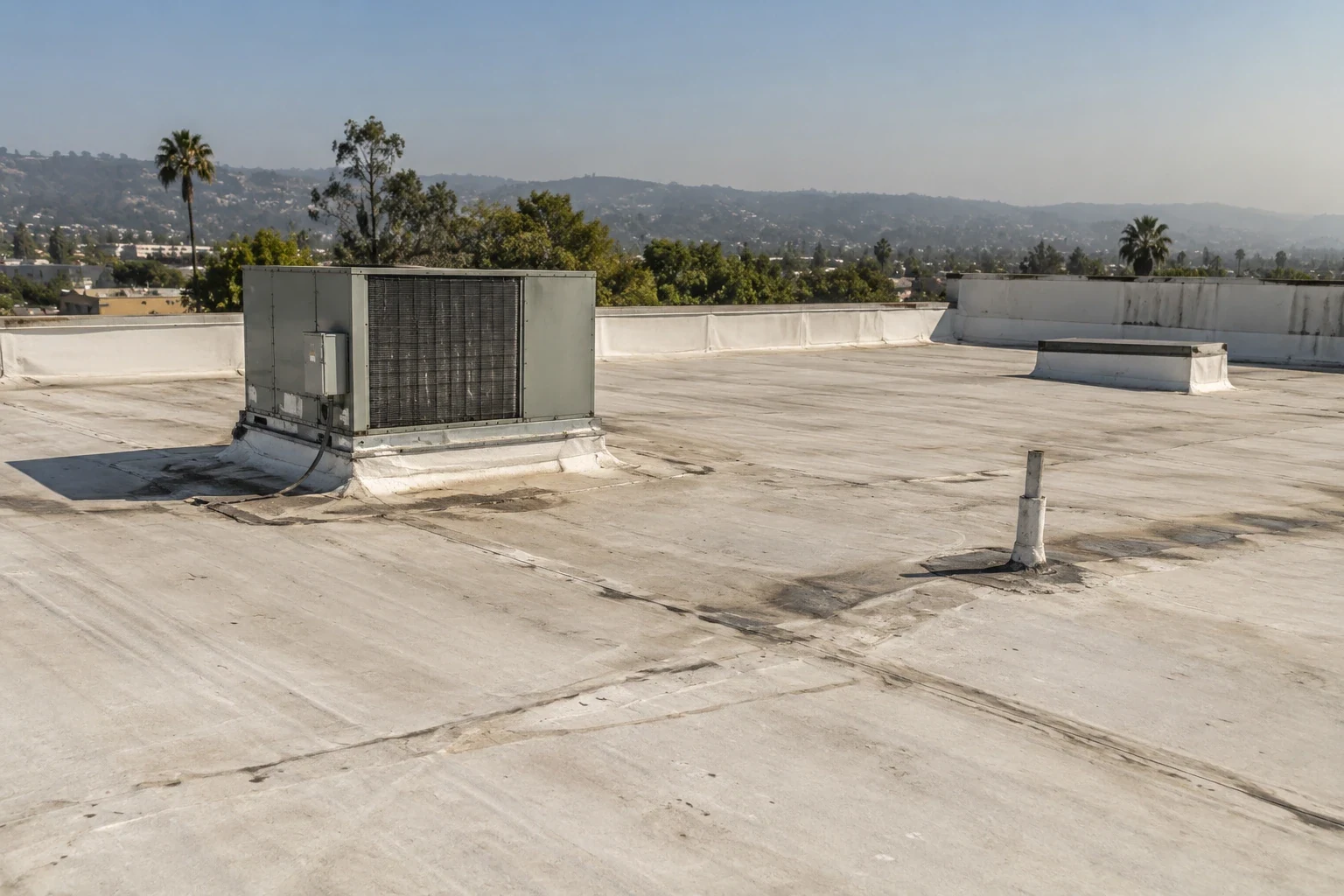
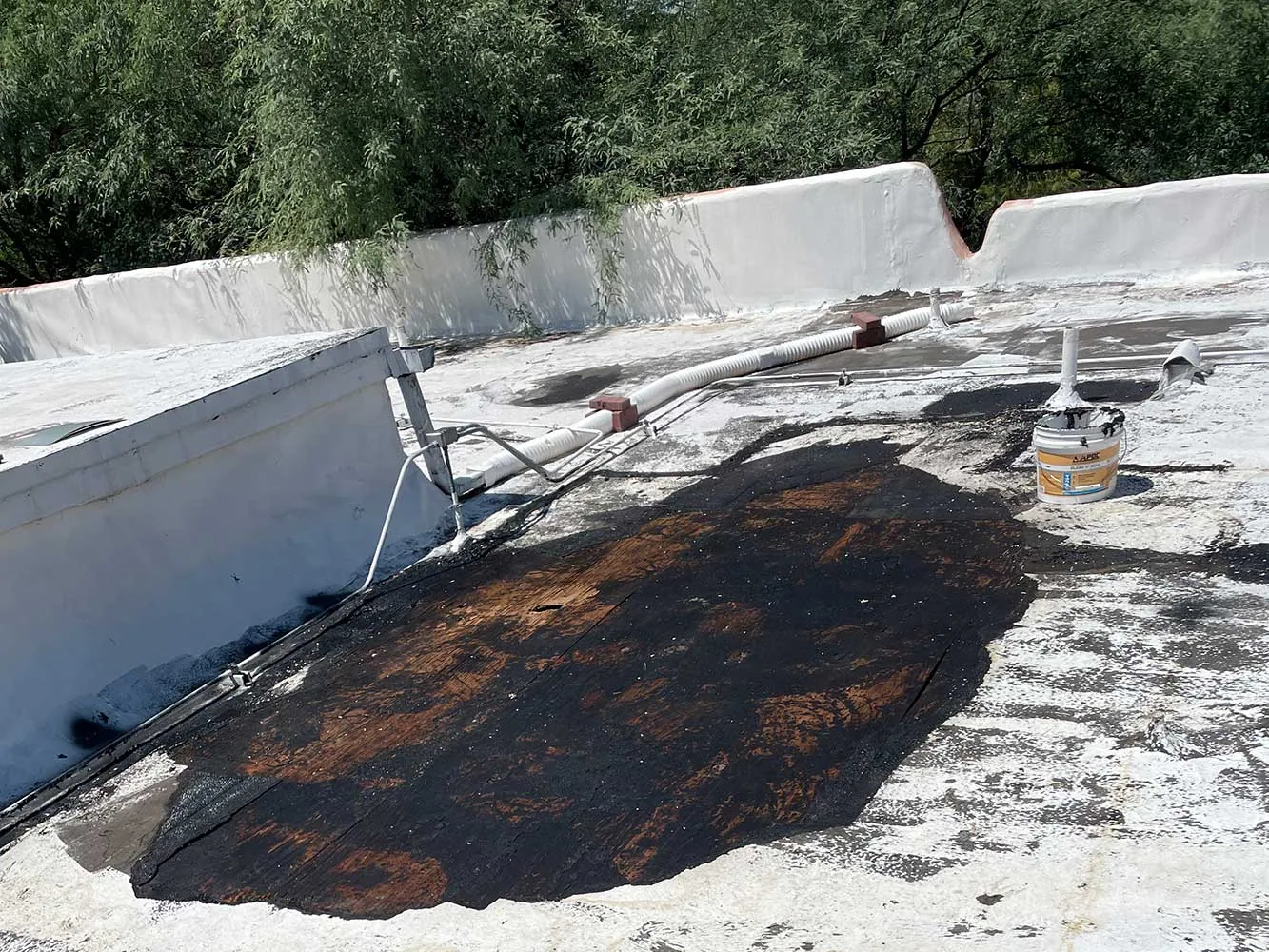
An acrylic coating can add years to a worn roof, reflect heat and cost far less than replacement, but only on the right roof. Picture a Richmond office building where the old coating is chalking away and the flashing at a wall has opened up. Rolling new acrylic over the whole field without fixing that wall detail just paints over the leak. Acrylic is water-based, so it needs a clean, compatible surface, good adhesion and a roof that drains. Water that sits on the roof for days will break it down. We look at the surface, the details and the drainage before recommending acrylic, and we price the repairs alongside the coating. An office building roof also needs its entrances and rooftop equipment planned into the work.
We compare what we see on the roof with any records you have on the existing roof and past coatings, and we flag anything we cannot confirm without testing. You get a coating option based on a surface that is ready for it, with the repairs needed to get there listed next to the coating price. The choice of product should follow what the roof needs, not the other way around. Before we schedule work in Richmond, we confirm the roof contact and any delivery or building restrictions that will affect prep.
Know what is already on the roof
Old coatings, patches and repair materials all affect whether acrylic will stick. We identify the existing surface before ordering anything, and if a previous coating is a mystery, we test it. A commercial roof inspection separates what we know from what still needs an adhesion test or a sample. A roof's color or general type does not tell us every old patch will take a new coat.
You should know exactly what surface the coating will go on and what has to be fixed first. We check the product's requirements against your roof and include cleaning, priming and repairs in the estimate. A low field price may leave out the scraping, power washing or removal the surface actually needs, so those get their own line items. A good proposal describes a surface that is ready for coating, with any uncertain areas clearly noted instead of assumed fine because a well-known product is named. Failed seams and flashings still need to be repaired before the coating can be counted on.
Prep the area that will be coated
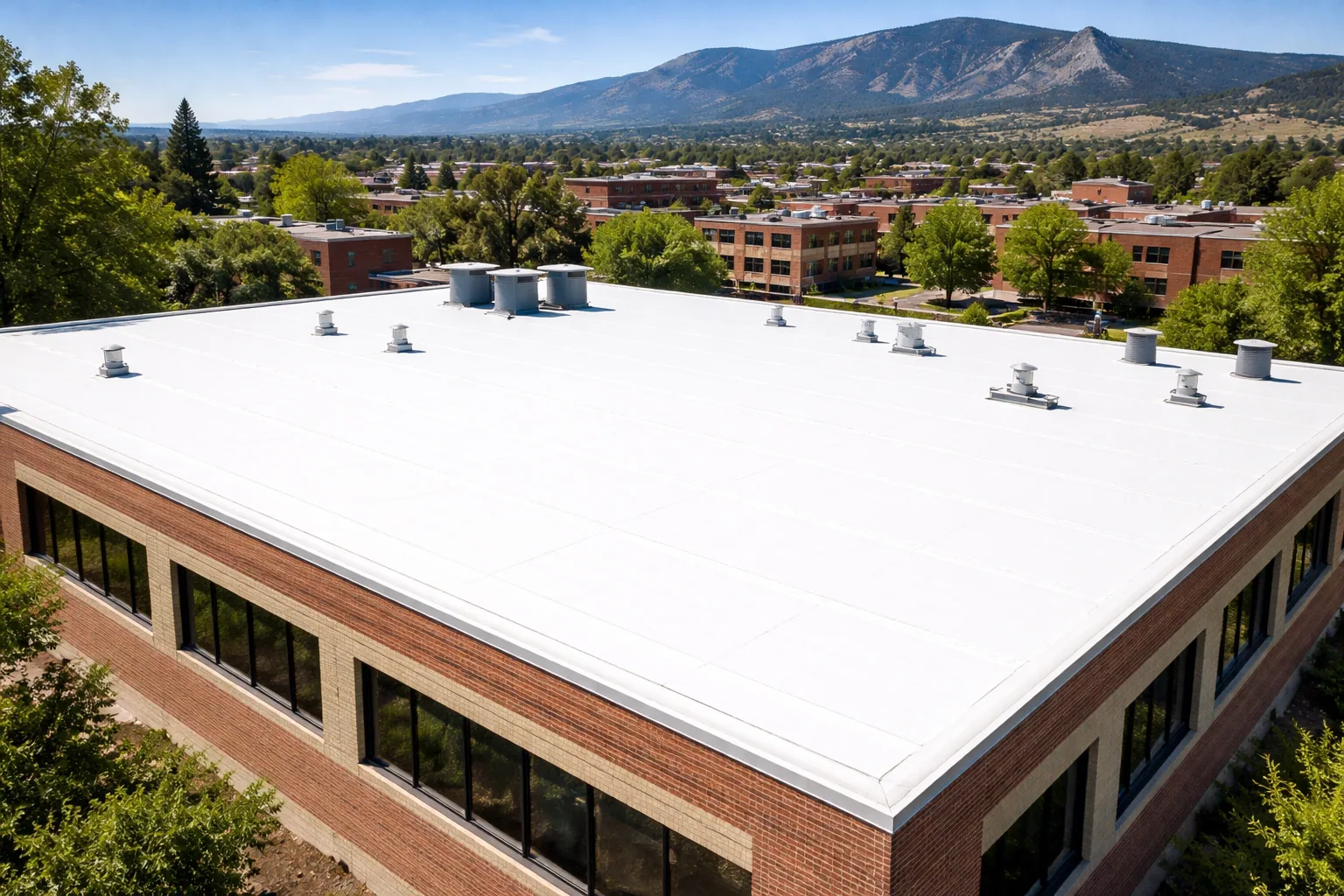
Every acrylic product has its own requirements for surface condition and prep. We define which parts of the roof will be coated and which details need repair first. A roof coating restoration scope should explain the cleaning, priming and repairs the coating depends on. A fresh white surface looks great, but it does not tell you whether the insulation underneath is dry.
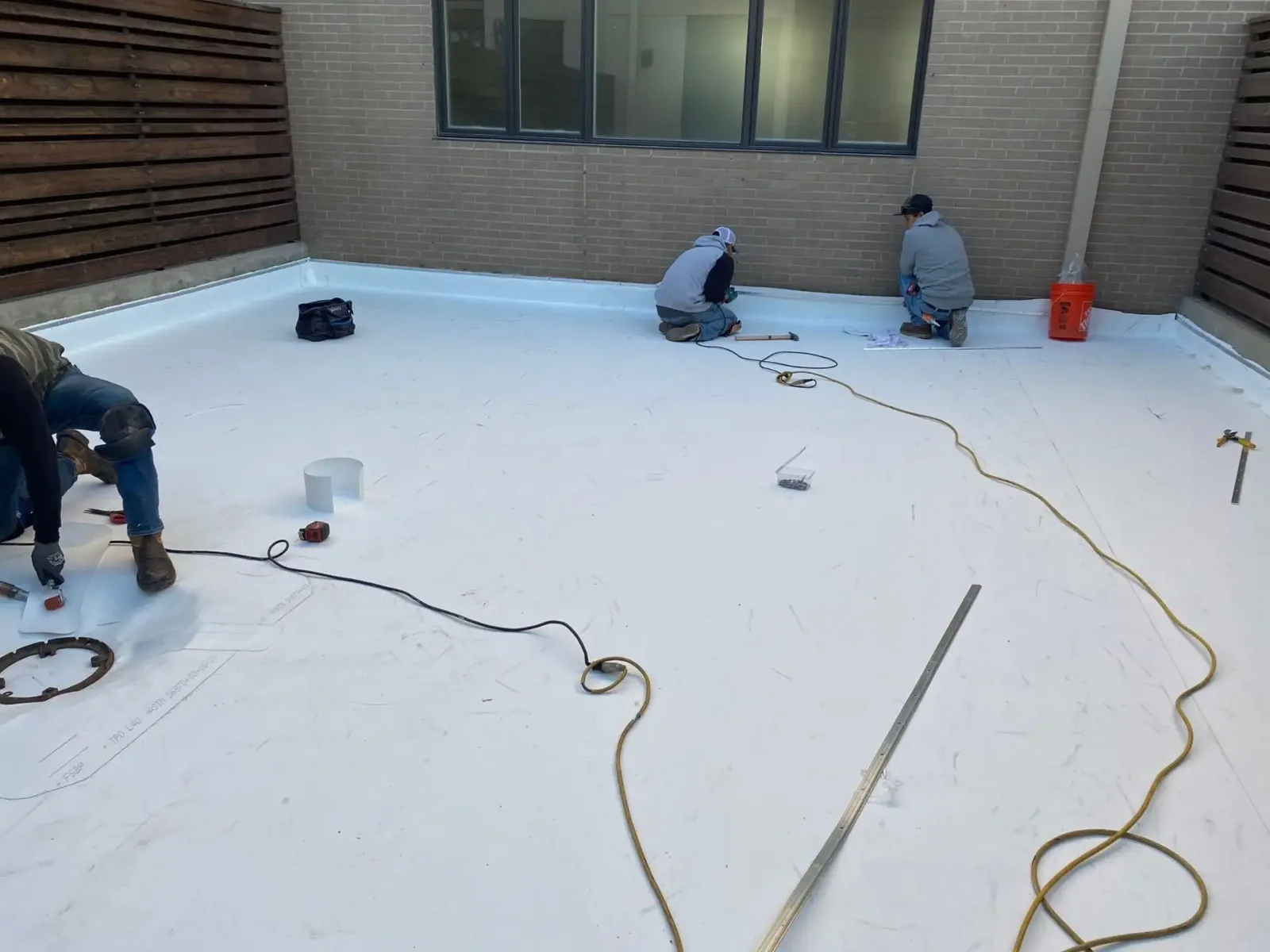
Material showing up on site does not mean the roof is ready. A clean surface may still need repairs, an equipment shutdown or a sign-off from the building owner before coating can start in that area. We list those items with the products we plan to use. If we can only work in certain windows, that may mean extra setup and protection beyond one continuous field price. The estimate reflects that. Adhesion tests and wet-film thickness checks go with the coating work, while insulation condition and flashing repairs are checked separately.
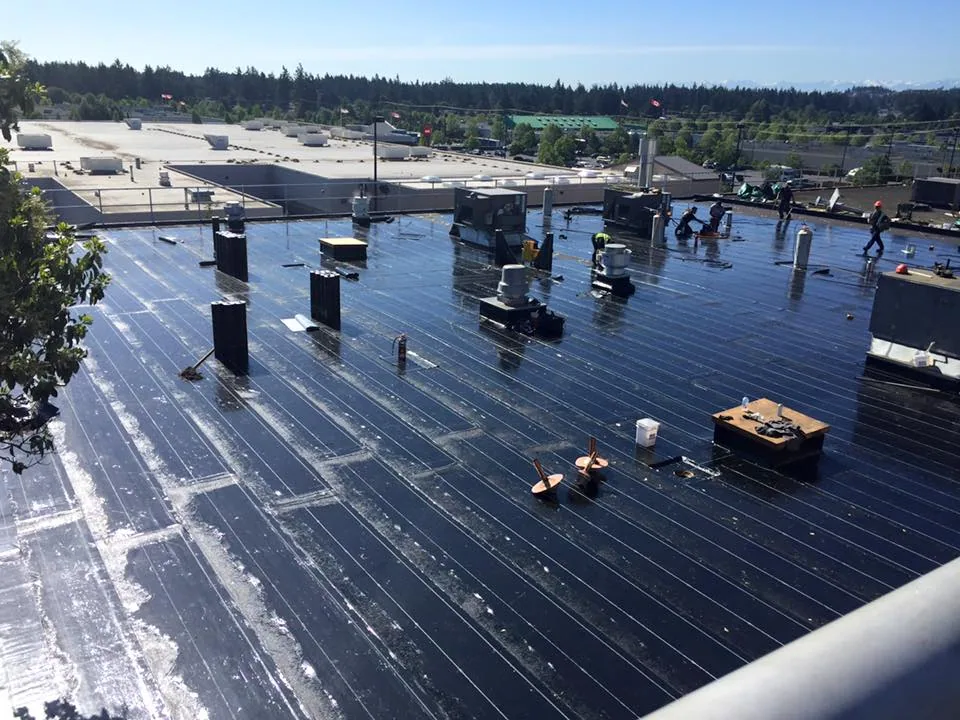
Acrylic also needs the right weather. It has to go down on a dry surface and have enough warm, dry time to cure before rain, heavy dew or evening fog moisture can wash it out. We set the coating area, remove loose or failing coating, and keep open seams and penetrations off the simple field-coat price. If the roof is too far gone to keep, we price replacement separately. That way you can see whether coating actually fixes the roof or just changes how it looks.
Repair seams and flashings first
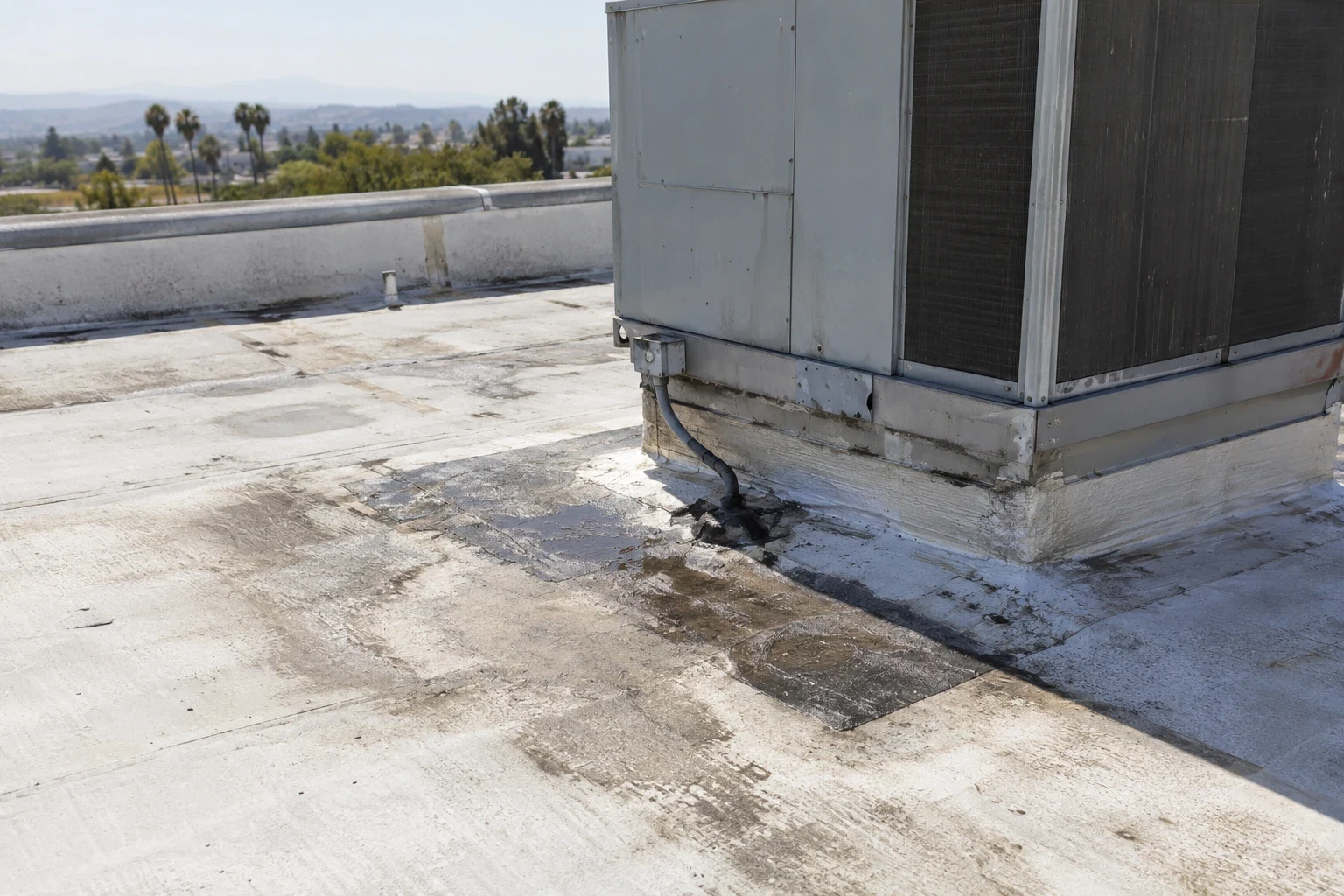
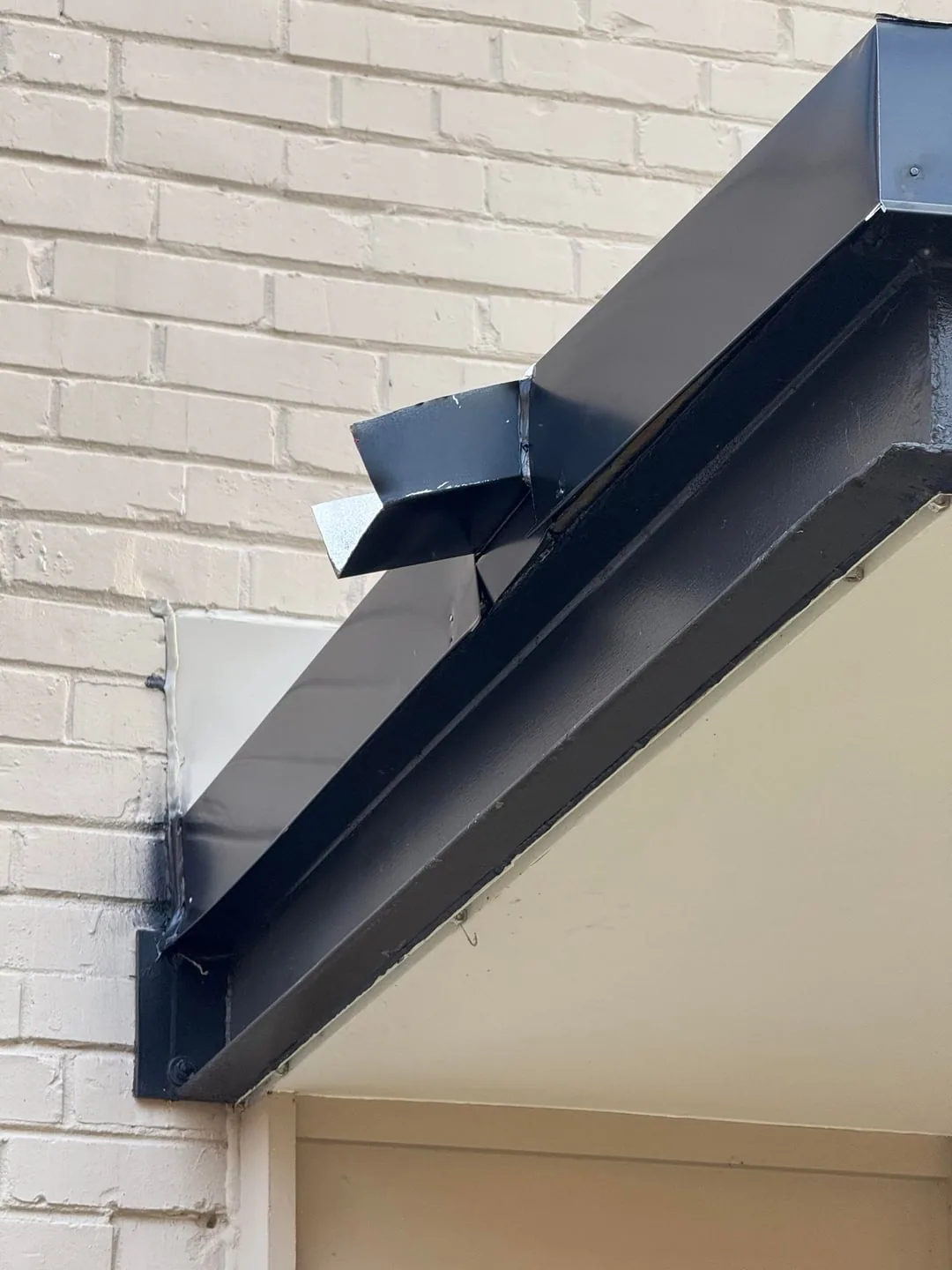
An open seam at a wall or a damaged flashing at a curb will let water in under a new coating. Those details need real repairs before the coating goes on. We follow the roof's layout and determine how far each repair needs to go. A commercial roof repair done before the coating should use materials that match the existing roof and tie into sound material. Coating cannot reach under a rooftop unit or fix equipment that belongs to another contractor.
You should see which details we are fixing and which ones are waiting on someone else, such as an HVAC unit that needs to be lifted. We arrange those steps so the flashing can be rebuilt properly. Having coating on site does not replace that work. If insulation repairs change the roof height, we check curbs, drains and walls before ordering the coating. Detail repairs are part of the coating option, so the field price does not imply every drain, curb and wall is finished.
Make sure the insulation is dry
Coating only protects the top surface. If the insulation underneath is wet, the coating will trap that moisture. We separate areas that might be wet from areas confirmed wet, and include removal and replacement in the coating option. An insulation and cover board check should state what can stay and why. New coating cannot dry out wet insulation or fix membrane that is no longer attached.
Sometimes opening the roof reveals more damage. When that happens, we mark the area, explain the added quantity, and get approval before going further, with the opening kept dry in the meantime. Surface condition and drainage guide whether acrylic is the right choice at all. You need the insulation repairs and access requirements laid out before comparing coating prices. Removal and replacement belong inside each option wherever the roof needs it, and areas not yet tested are listed as unknown until we check them.
Comparing coating options
A silicone roof coating needs its own product and compatibility review, and it handles occasional ponding better than acrylic. A spray foam roof adds insulation and slope but needs its own coating system and prep. We compare each option with the same insulation and detail repairs included, and explain the real differences in prep. You should know what each complete option fixes before comparing coating prices per square foot.
For acrylic coating projects at the Port of Richmond and elsewhere in the city, keep photos of the coated areas and repaired details with the product information. Adhesion tests and coating thickness checks go into the record with their locations, and any equipment work or untested areas are listed separately. If the coating comes with a warranty, read its maintenance and alteration terms before anyone does later work on the roof. A good record shows the surface we prepared and the repairs we made, so future decisions are based on real materials instead of assuming a fresh coat fixed everything underneath.
Commercial Roofing Questions
Does choosing acrylic tell you what prep the roof needs?
No. The specific product and the existing surface both matter. We check the product's requirements and test the existing coating or membrane before planning prep.
What else should be in the price besides the coating?
Repairs to seams and flashings, any wet insulation replacement and any equipment moves needed. The prep that makes coating possible belongs next to the material cost.
Does an adhesion test prove the insulation is dry?
No. Adhesion tests check the surface. The insulation needs its own moisture check, and wet areas are replaced before coating.
What should we keep after the coating is applied?
Photos of the coated areas and repaired details, product information, test results, any warranty care requirements and a list of items still pending with other trades.
Tell us about the worn coating and roof details