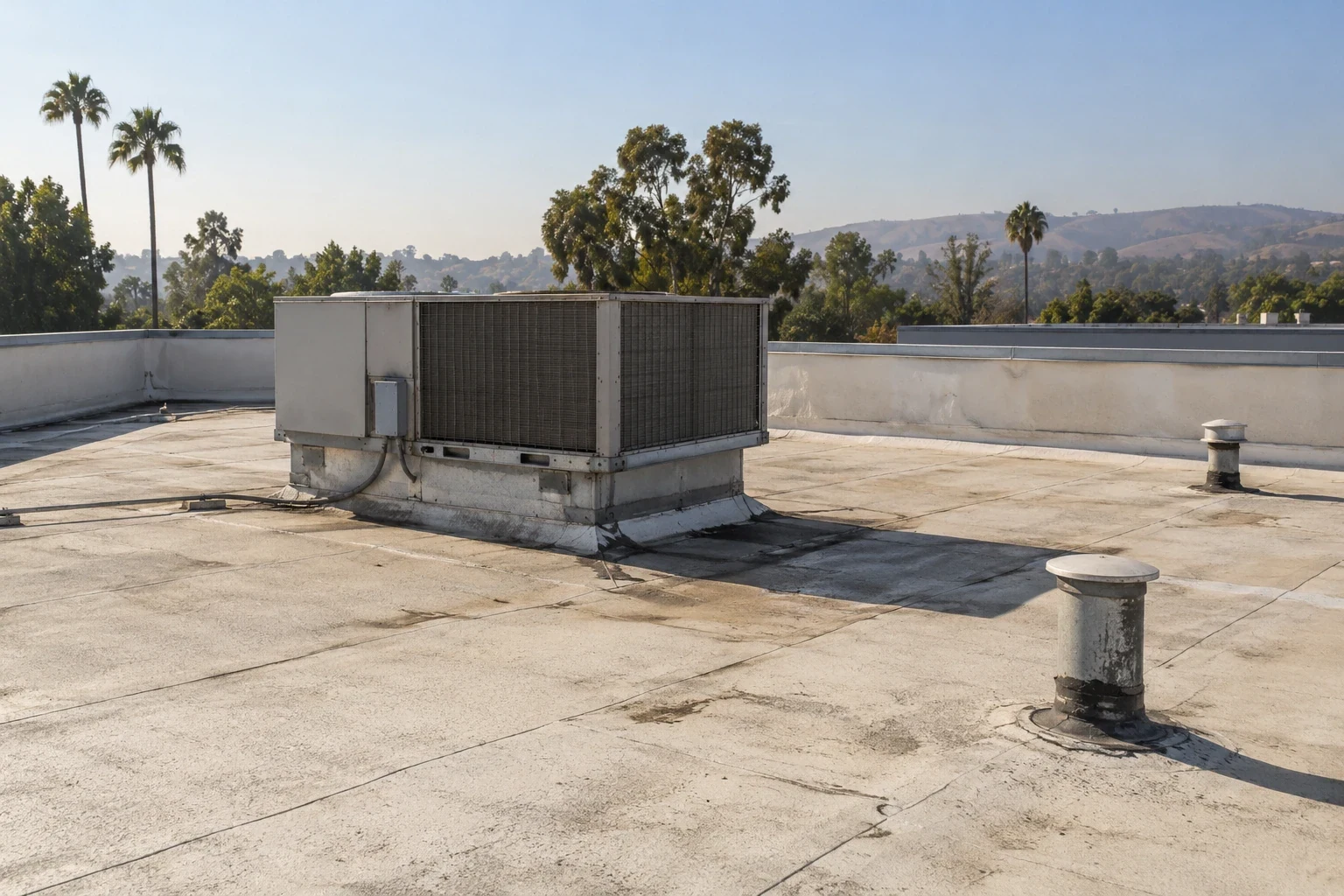
Roofing for Public Agencies in Richmond, CA
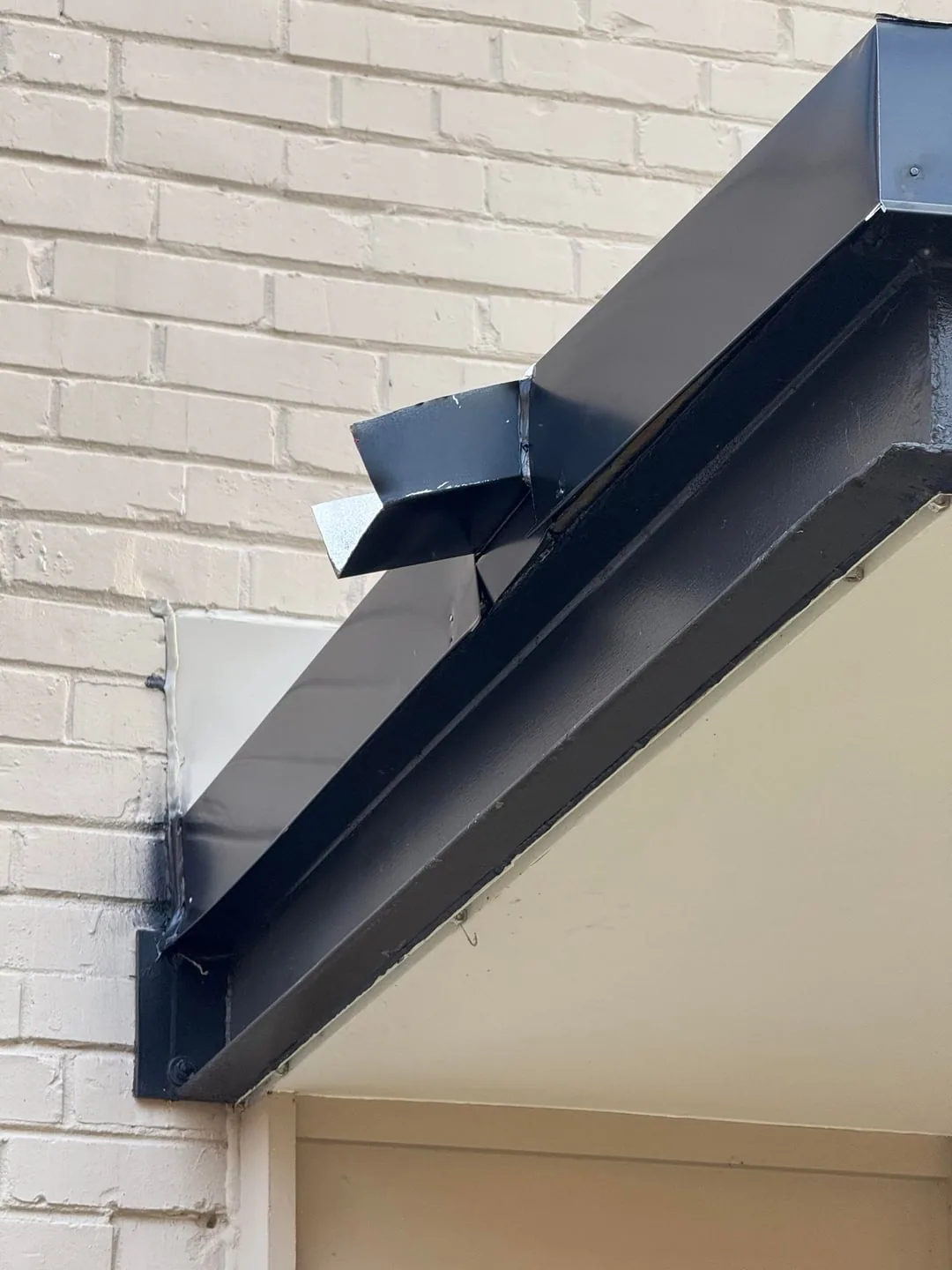
A lifted roof edge over the entrance of a Richmond public building may need repair while the agency is still arranging access to the area. Our work for public agencies ties the leak we find to the repairs it needs underneath and to a complete scope of work. We find the problem and explain what it takes to fix it. The agency handles approvals and how the building's occupied spaces are managed. The schedule keeps those steps together without assuming an inspection approval also covers tear-off or other trades' work. The agency gets a clear next step tied to the roof we inspected.
For public buildings in Downtown Richmond, our roof findings and the agency's access contact go in one record. On government building roofs, we note the original complaint and the spot we inspected. Old plans or repair history help when they match what is there now. We compare them with the roof before pricing anything. The agency can then review a repair with its purpose, approvals and any hidden condition clearly shown. On a public roof, the facilities contact and the section to be inspected are confirmed before access is arranged.
Findings the agency can review
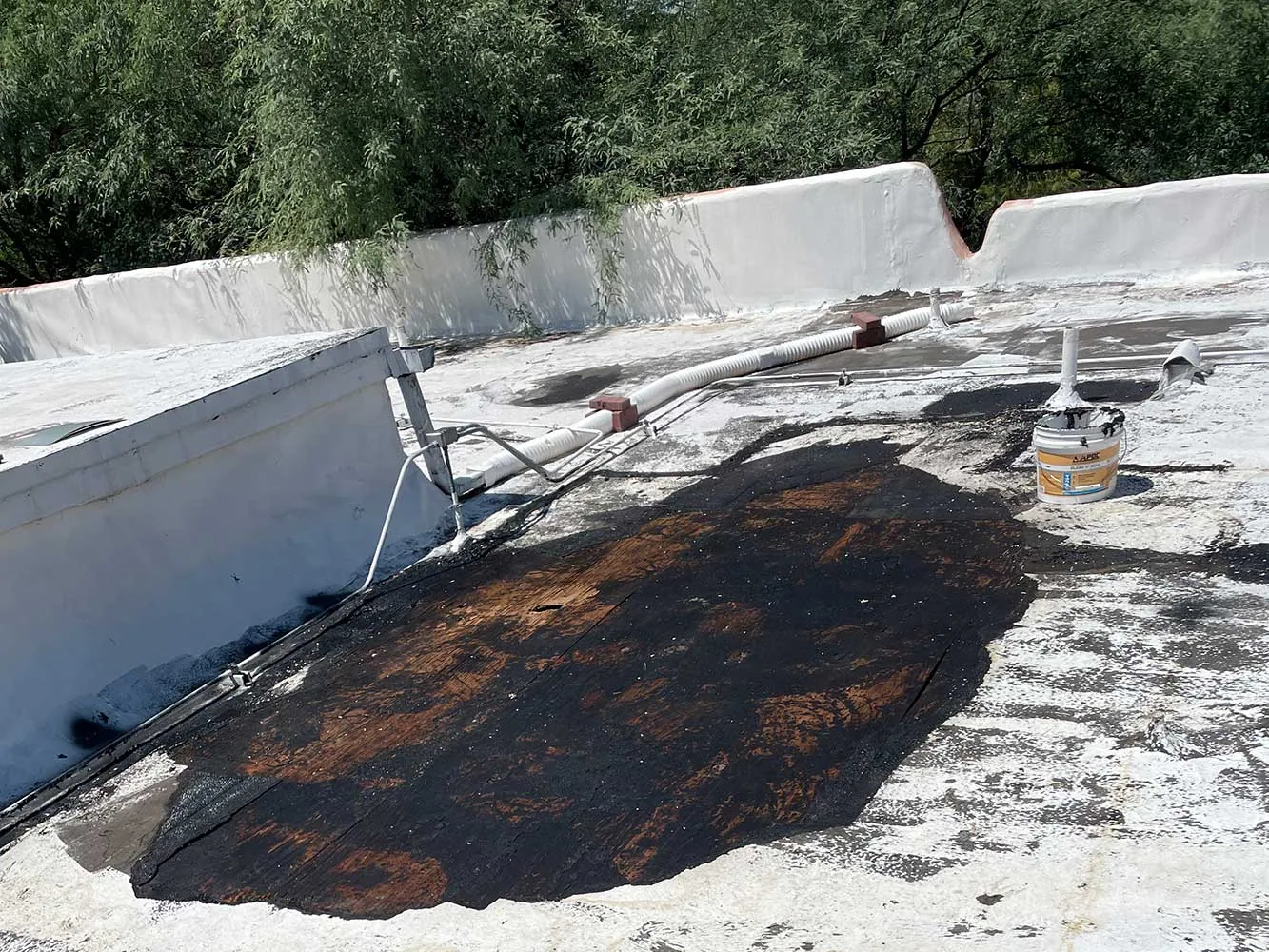
A loose edge shows an opening but can hide fastening and blocking problems behind it. We describe what our inspection confirmed and flag any further testing that could change what stays or goes. Each photo shows enough of the roof to find the spot again. Similar movement elsewhere may call for a wider inspection rather than assuming the same repair everywhere. The agency gets a report it can use for its next approval, with what we saw kept separate from hidden conditions and from roof areas we did not inspect.
Work on school district buildings involves different users and different contacts. A public agency building keeps its own approvals and repair decisions. We tie the edge we inspected to the blocking repair it needs and a proper tie-in to the roof that stays. Structural or equipment questions go to the right engineer or trade. The report explains what has to happen before the roof repair can be finished. That gives the agency a clear basis for assigning work before accepting a price or date.
Define the scope for approval
The proposal should state the repair limits, the prep and the permanent work included. Confirmed blocking replacement is backed by measurements, and any unknown extent comes with a clear change process. A lower price may leave out blocking or flashing tie-ins. The agency should understand that before comparing bids. Procurement and project rules are confirmed through the agency's own process. We do not guess at those rules from the fact that the building is public, and our inspection is never presented as approval of a contract award.
Our commercial roof repair scope for an agency roof shows what each stage delivers. A temporary repair can protect the building while the permanent prep is worked out. A larger replacement can address other confirmed problems but needs its own clear limits on what stays. We compare complete options and list other trades' work separately. The agency gets a choice it can review in its own process, with the quantities, access and deck conditions explained. Areas we have not inspected are never assumed to be in good shape just because a total has been set.
Plan access and material handling
The facilities contact sets the route for each stage of work. A ladder that works for an inspection may not work for tear-off or hauling materials. We talk through affected entrances, occupied areas and how materials will be handled. Inspection, crane lifts and equipment work may each need separate approval. Our notes list the next item holding up the start of work. Heavy loads in one spot get an engineer's review if the deck is in question. The agency can schedule deliveries with a real access plan instead of finding a problem after materials arrive.
A public building near downtown Richmond and the Civic Center still needs its specific roof and site contact confirmed. We describe the planned work before the agency sets rules for occupied areas. A tenant or public entrance can affect the order of work when it is actually in use. Those limits stay tied to the tasks they affect. The agency gets a clear plan for handling and tear-off, with approvals and repair limits kept together in one project file.
Prepare what the new edge attaches to
A permanent edge repair needs solid blocking and compatible materials. Tear-off can uncover rot beyond the first exposed strip. We mark and measure it before a revised price goes through the agreed review. New blocking or a higher finished roof can affect a nearby wall, drain or curb, so those details are worked out before parts are ordered. A temporary seal stays in place while a decision is pending. The agency can approve added prep for a clear reason tied to what we found, not a vague increase.
Edge metal and coping on a public building should fully seal the detail it is meant to fix. A finished field section may still leave a top joint or another trade's work open. We list that by location along with the next step. Material requirements are confirmed for the actual roof system. The agency sees the prep and the tie-in next to the finished metal, so completion means a specific delivered repair, not a general statement that every problem along the edge is fixed.
Keep records the agency can review
The project file ties the original findings, the blocking work and the finished details together with dated locations. Photos taken during tear-off show work hidden under the new roof. Other trades and engineers keep their own records. Remaining concerns are listed with next steps. Submittals and approvals are kept separate from the roofing work delivered. A facilities manager who was not on the original visit can understand the project without mistaking a finished surface, a scheduled date or a submitted question for every outside task being done.
When work remains for other trades, general contractors can coordinate it after the roof repair. Later changes to the building can affect a detail that was sound before. If new leaks appear, we inspect the roof as it is now and check any recorded changes before relying on old findings. We compare what we see with the dated repair records and explain the next step. The agency can take that into its next review, with earlier work, later changes and open items kept clearly apart.
Commercial Roofing Questions
Does public ownership mean a specific procurement process?
The agency's own process decides that. We confirm its requirements with the agency and keep them separate from our roofing findings.
What should an agency repair scope include?
Measured repair limits, the prep work and the permanent detail, plus what existing material stays and any areas still unknown.
Does inspection approval cover tear-off?
No. Each stage needs its own approval, and we name the contact who handles access, material handling and equipment work.
How does newly found damage get approved?
We mark and measure it and send it through the agreed change process. The roof stays temporarily sealed while the agency decides.
What is the difference between finished roofing and agency acceptance?
Our records show the roofing we completed. Agency inspections and approvals are recorded separately, through the agency's own process.
Plan your agency's roof repair