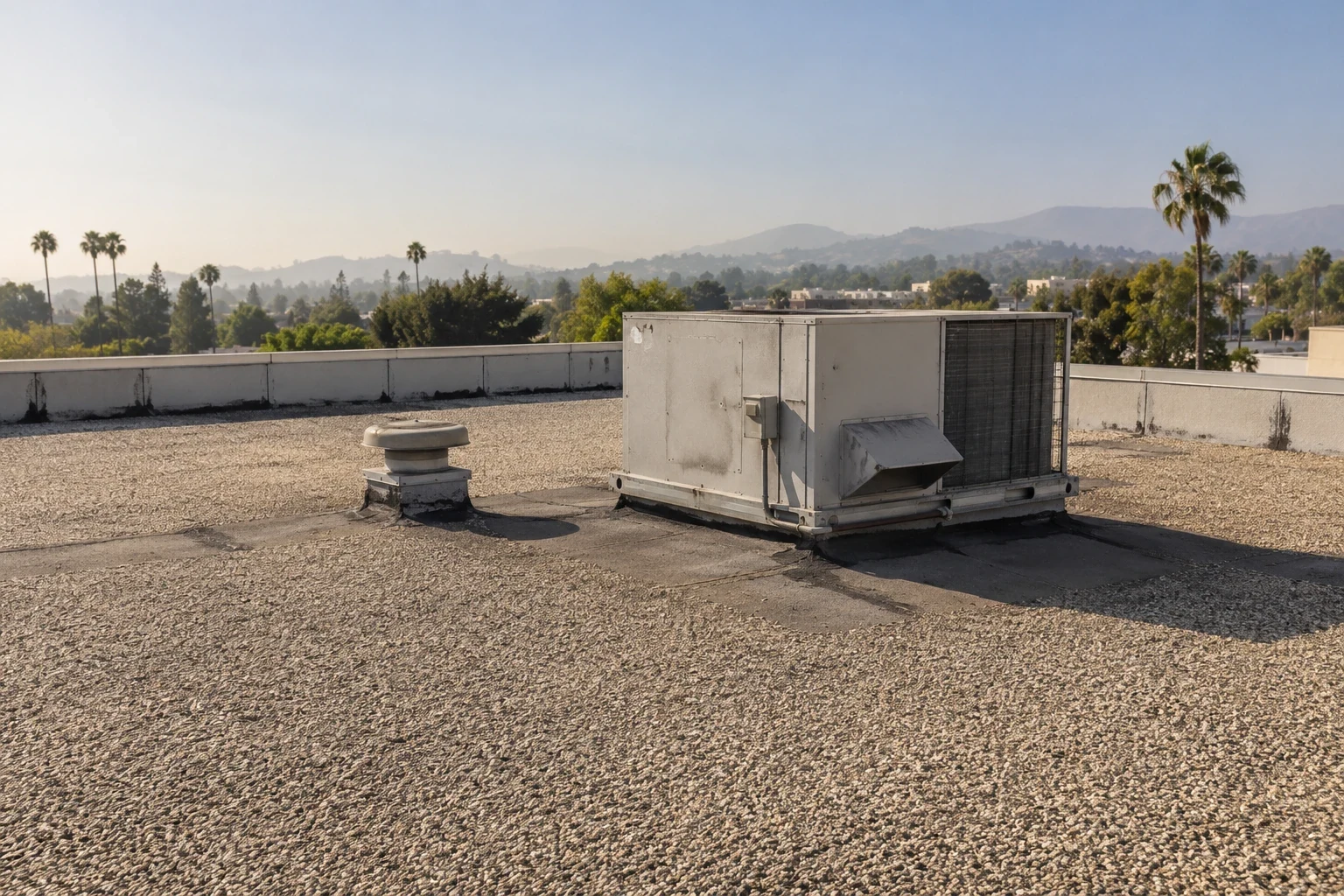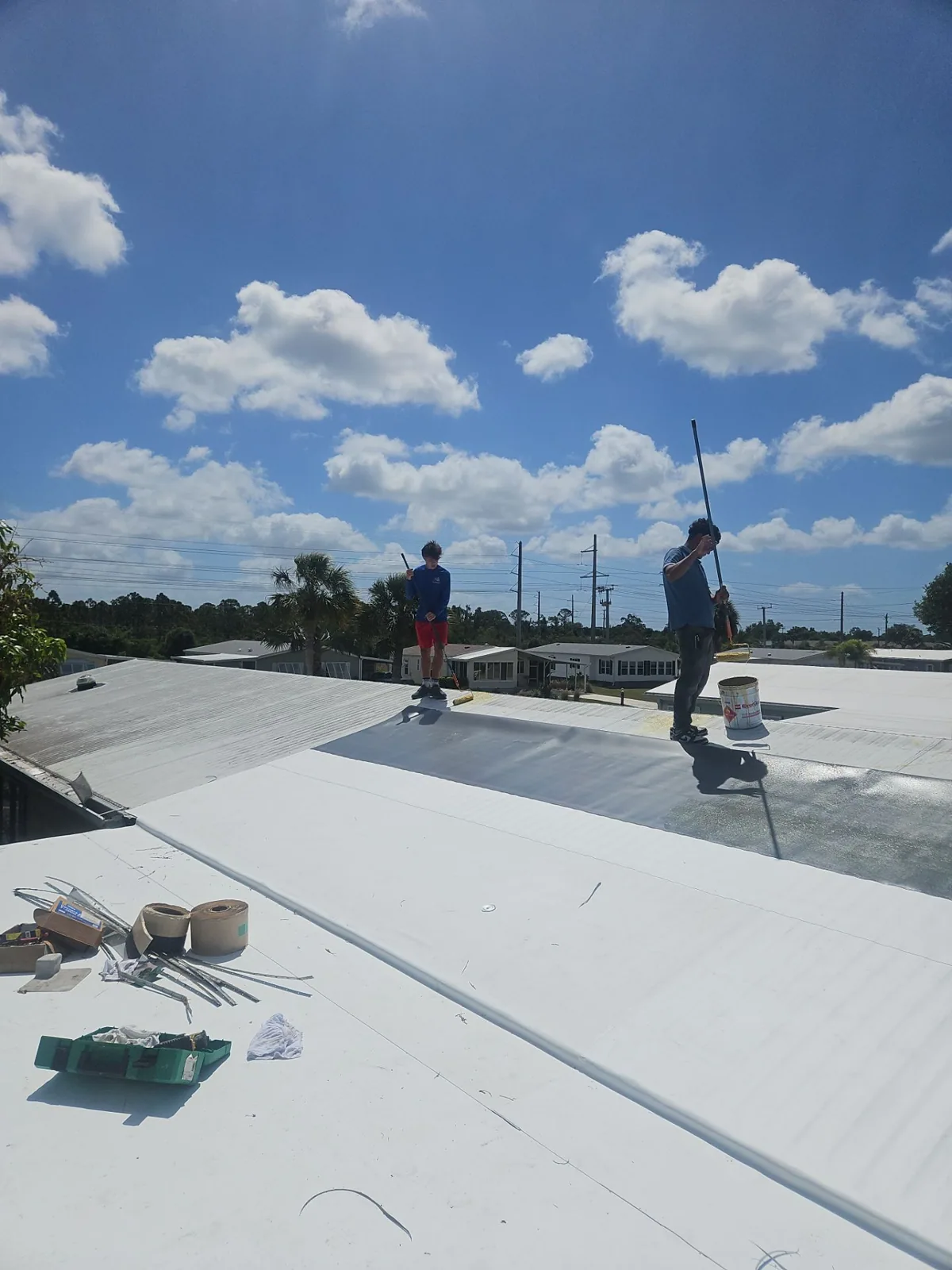
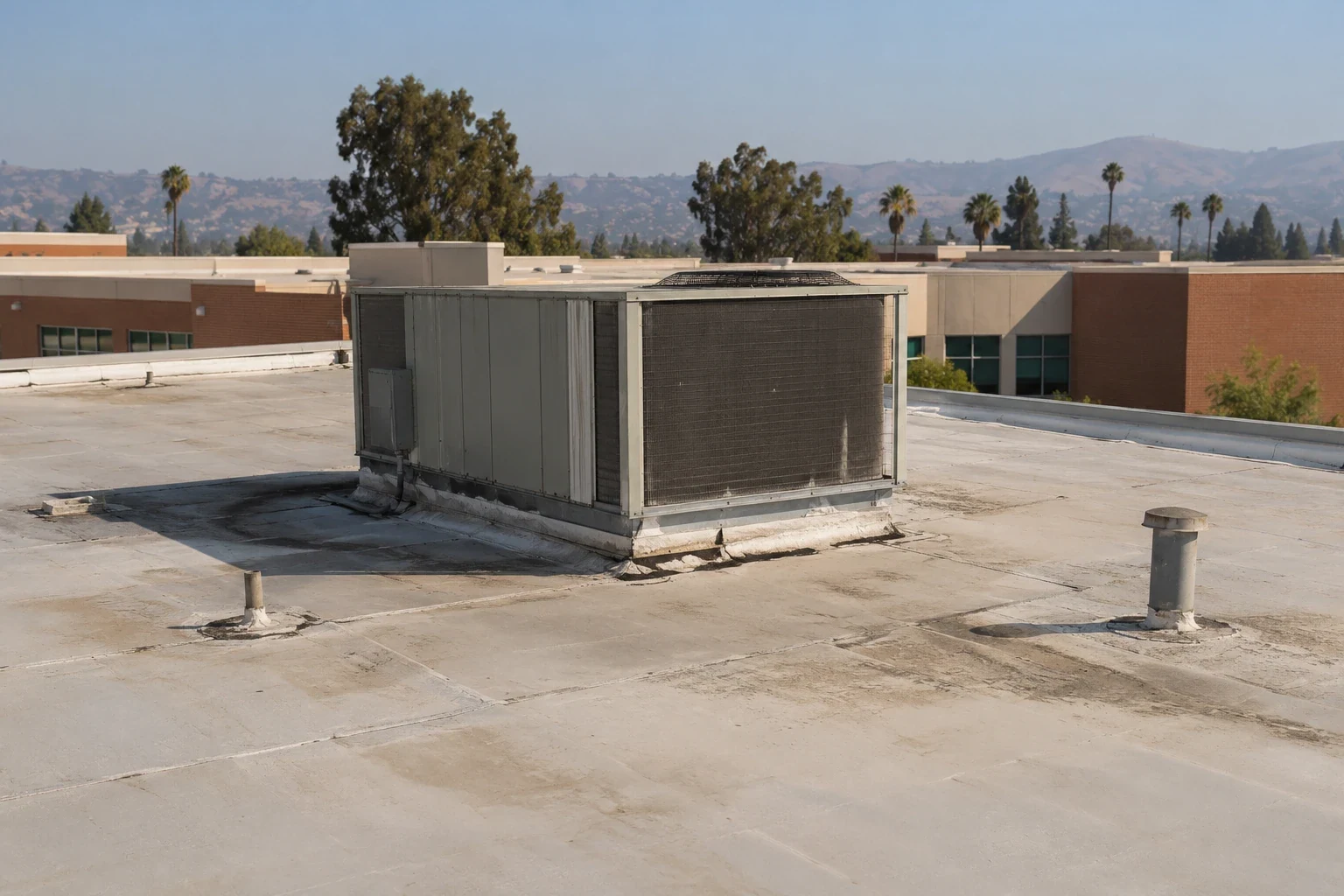
Roofing for School Districts in Richmond, CA
A failed roof drain over a classroom gives a Richmond school district a repair to plan and a room-use decision to make at the same time. Our school roofing work finds the leak, checks what is under it and lays out the order of work to fix it. District facilities staff decide how occupied rooms are handled while we explain how much roof will be open. A good plan ties those together before dates are set. The district gets a repair based on what we find on the roof, with temporary protection kept separate from the permanent drain repair and any plumbing work that still needs another trade.
For school roof work in Downtown Richmond, each building gets its own findings and access plan. A school roof inspection in Richmond starts with the district's facilities contact and the approved roof route. On school roofs, we mark the leak against a drain, unit or wall so it can be found again. Old plans can show how the roof was meant to drain, as long as they match what is there now. We compare them with the roof before recommending anything. The district can then plan the prep and room protection from a specific finding instead of a guess based on building type.
Trace the leak at the drain
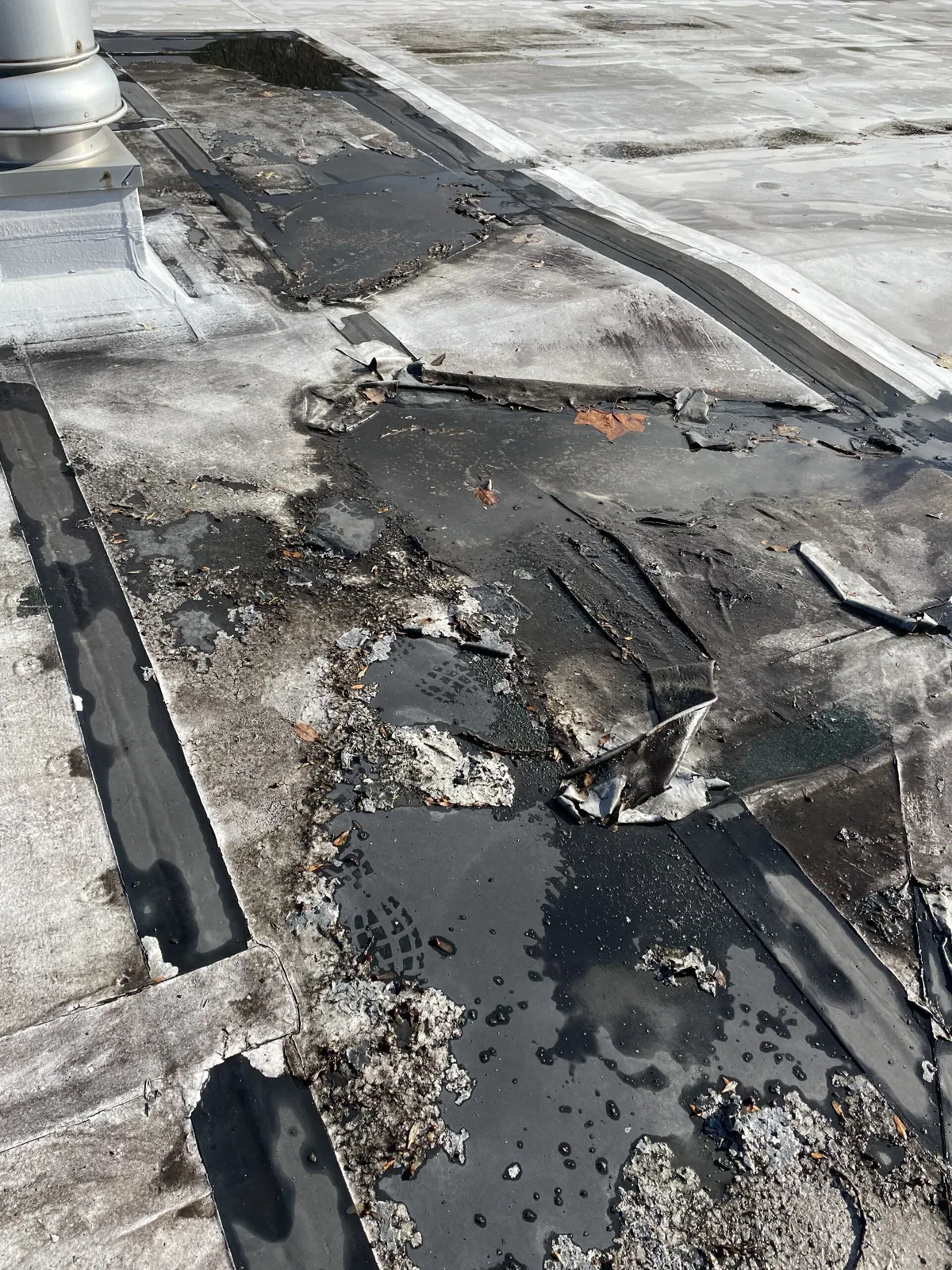
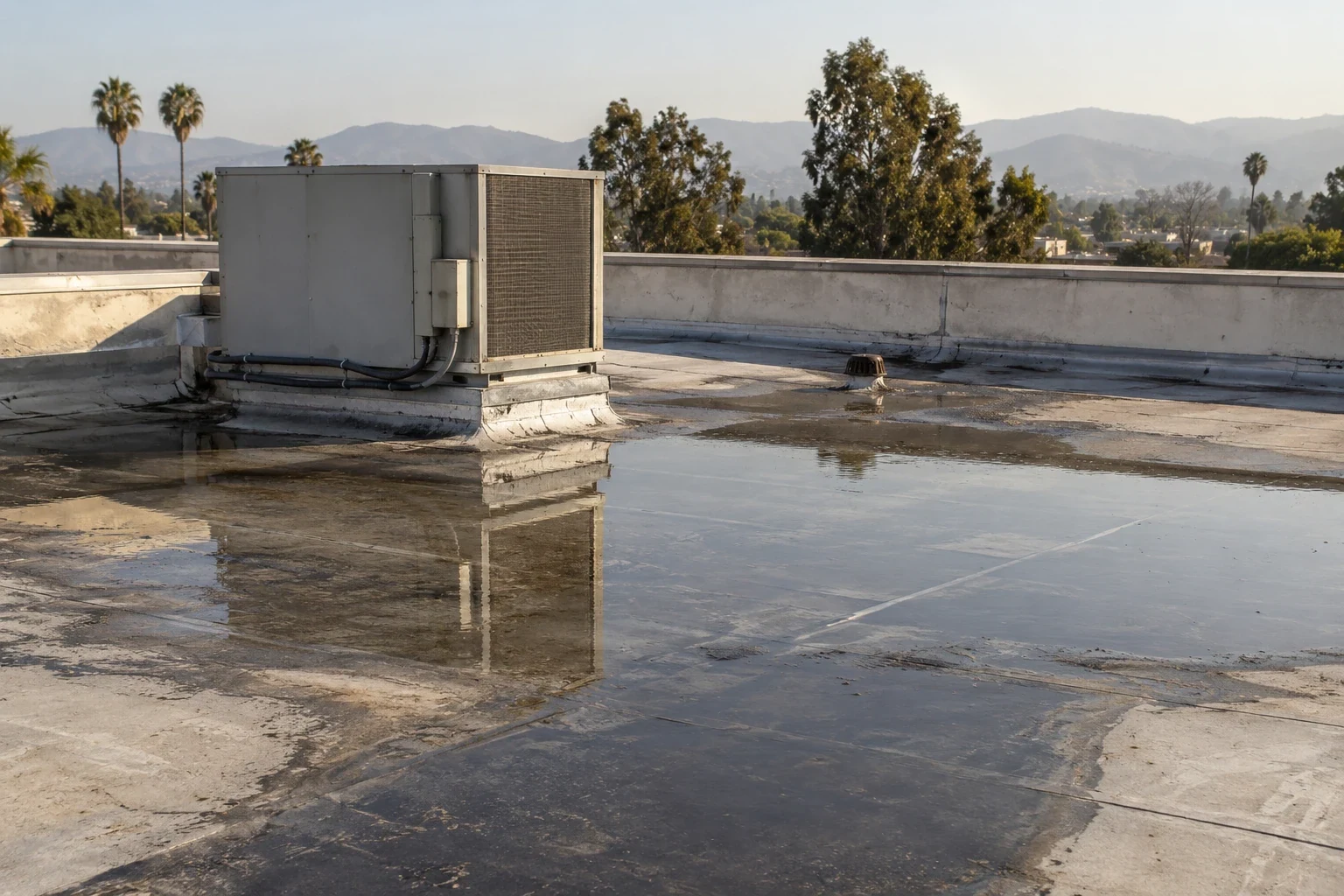
A water stain under a roof drain can come from the flashing around the drain, the drain bowl itself or the pipe below. We check the roof side and explain what we find. A clog may need clearing while a split membrane sits right next to it. Clearing debris is not the same as fixing a pipe or joint nobody has looked at. The district gets a clear explanation of the roofing work and any plumbing help needed. That lets facilities plan a useful next step instead of paying for a surface patch that leaves the real leak open.
Roofing for public agencies can involve different contacts and building uses. A school still needs its own approvals and repair decisions. We record where the drain is and how far the repair goes. Any pipe work goes to a plumber. District staff can schedule that work around room arrangements, so finished roofing stays separate from another trade's inspection. The schedule shows who handles what before the drain gets its permanent flashing.
Check the insulation around the drain
Water near a drain can soak insulation well past the visible joint. Where that changes what stays or comes out, we take cores or open a small test area. Any test opening needs approval and a plan to seal it the same day. We record where we checked and how far we can say the damage goes, and areas we have not checked stay marked as unknown. The district sees the confirmed prep next to any open question. The final tear-off follows what we confirm, not the size of the stain on the classroom ceiling.
Drain and scupper repair on a school roof has to fit the existing roof build-up and where the water is meant to go. New insulation can change how the drain sits relative to the roof around it. A nearby wall or curb may also need its flashing adjusted. We check those details before ordering parts. Structural or plumbing questions go to the right professional. The district can review a complete repair with the prep shown, so its approval covers the drain we actually inspected.
Agree on which rooms are affected
District facilities staff decide which rooms are affected and what restrictions apply. We explain the tear-off, debris handling, material movement and daily dry-in. The room plan should match the actual work and the open roof area. Permission to inspect may not cover tear-off, crane lifts or equipment work, so we sort those out before the crew arrives. Facilities can then release a section based on a clear schedule, with a contact on hand if hidden damage changes the price or how long the work takes.
For a school around downtown Richmond and the Civic Center, facilities staff confirm the building and approve the roof work. We confirm the roof access and material route with the district's contact. Materials have to be set on solid deck, with an engineer's review if loads are in question. A plan based only on roof area can miss a busy entrance or an occupied room below. The district gets those details along with the repair, so access and protection are tied to the work being approved.
Size each section so it can be finished
Each day's opening has to fit tear-off, rebuilding and a reliable dry-in within the available work window. Unexpected wet insulation or a drain that needs a plumber can change how much gets done. We set a safe stopping point before opening the roof. The district should know what a smaller finished section delivers and what is left for the next stage. Holding to a big tear-off just to stay on an early schedule can leave classrooms exposed. The order of work follows what the roof actually needs.
Occupied building reroofing at a school ties room schedules to what the crew can finish. A larger project can make sense where repeated failures have been confirmed. It still needs sound deck and insulation, coordination with other trades and proper tie-ins to the roof that stays. Extra damage found during tear-off is measured and sent for approval. Temporary protection has a clear owner and follow-up while the district decides. Facilities can explain a schedule change with a real reason instead of a vague note that the job is still on track.
Leave facilities a record by location
The district's records tie the classroom leak to the drain finding and the finished repair. Photos show replaced insulation before the new membrane covers it. Plumbing or equipment work keeps its own records. Remaining concerns are listed with locations and next steps. A facilities manager who was not at the original visit can see exactly what was fixed. Finishing the roofing does not mean every nearby system was checked, and the records keep the roofing work and other trades' tasks clearly apart.
When a district project uses general contractors, they can track the other trades' work and its status. A later unit change or new opening may affect the roof near our repair. If a classroom stain returns, we inspect the roof as it is then before blaming the old repair. The dated drain records guide that comparison and explain what the earlier work covered. The district can plan the next step with current findings, finished work and open items all clear.
Commercial Roofing Questions
Who sets the room restrictions below school roof work?
District facilities staff. We explain the roof work planned and they confirm which areas are affected before we choose how much roof to open.
Does a leak at a roof drain mean the pipe below is bad?
Not necessarily. We check the drain flashing and bowl first, and arrange a plumber's inspection if the pipe is still in question.
What happens if wet insulation goes farther than expected?
We measure it and send a change through the agreed approval process, and the roof stays sealed while the district decides.
How big should a day's school roof section be?
Only as big as the crew can tear off, rebuild and seal within the approved work window. We shrink it if conditions or other trades change the pace.
What drain records help the next facilities manager?
The original finding, the insulation repairs and the finished drain flashing by location, plus open items for other trades.




Plan your school roof repair