
Roofing Services We Provide
Commercial Roofing Questions
Where sound membrane starts, where the repair stops and any blocking, curb or access work needed to make the repair last.
No. Each curb, drain and penetration needs its own compatible flashing, and some need work by other trades first. We list those next to the roof price.
We explain the added work before opening more of the roof. The building manager reviews any effect on operations, and the cost of closing up is included.
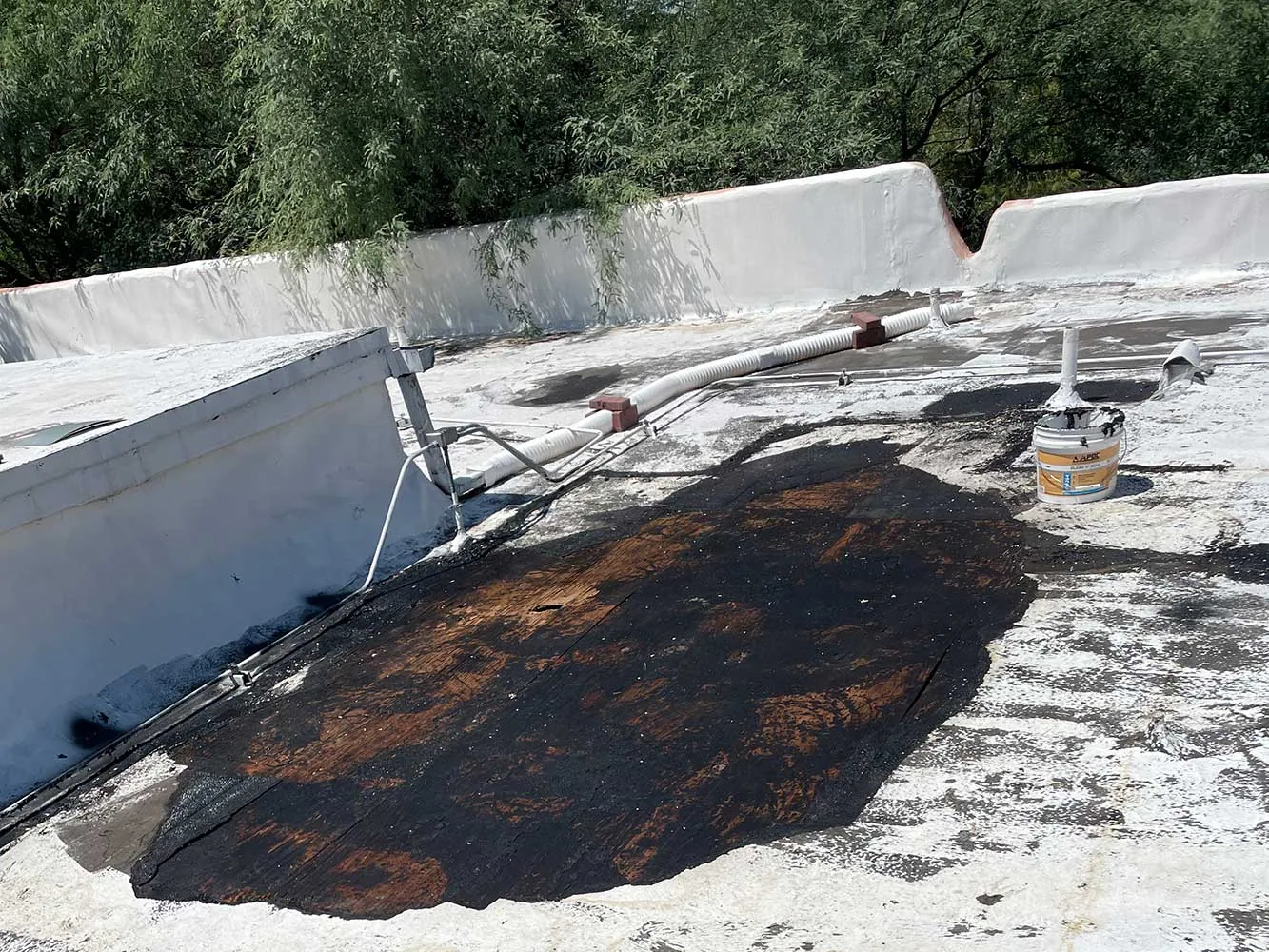
Photos showing what was permanently repaired and what was temporary, plus a list of the work still needed to finish the job.
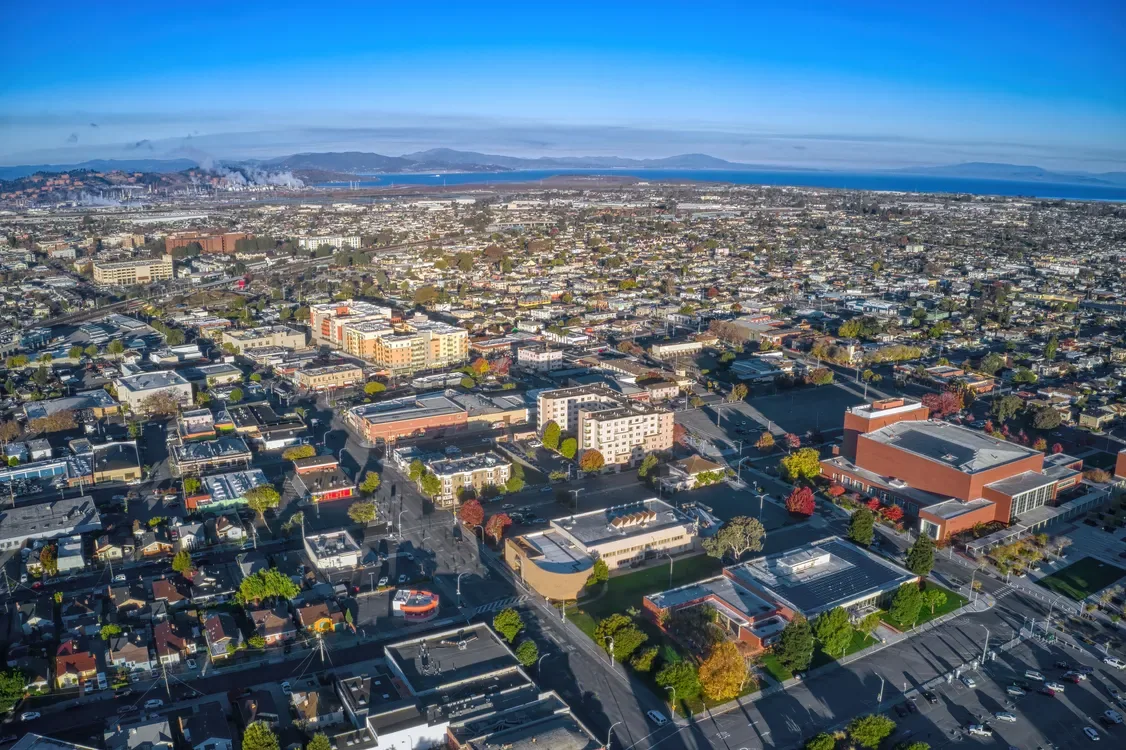
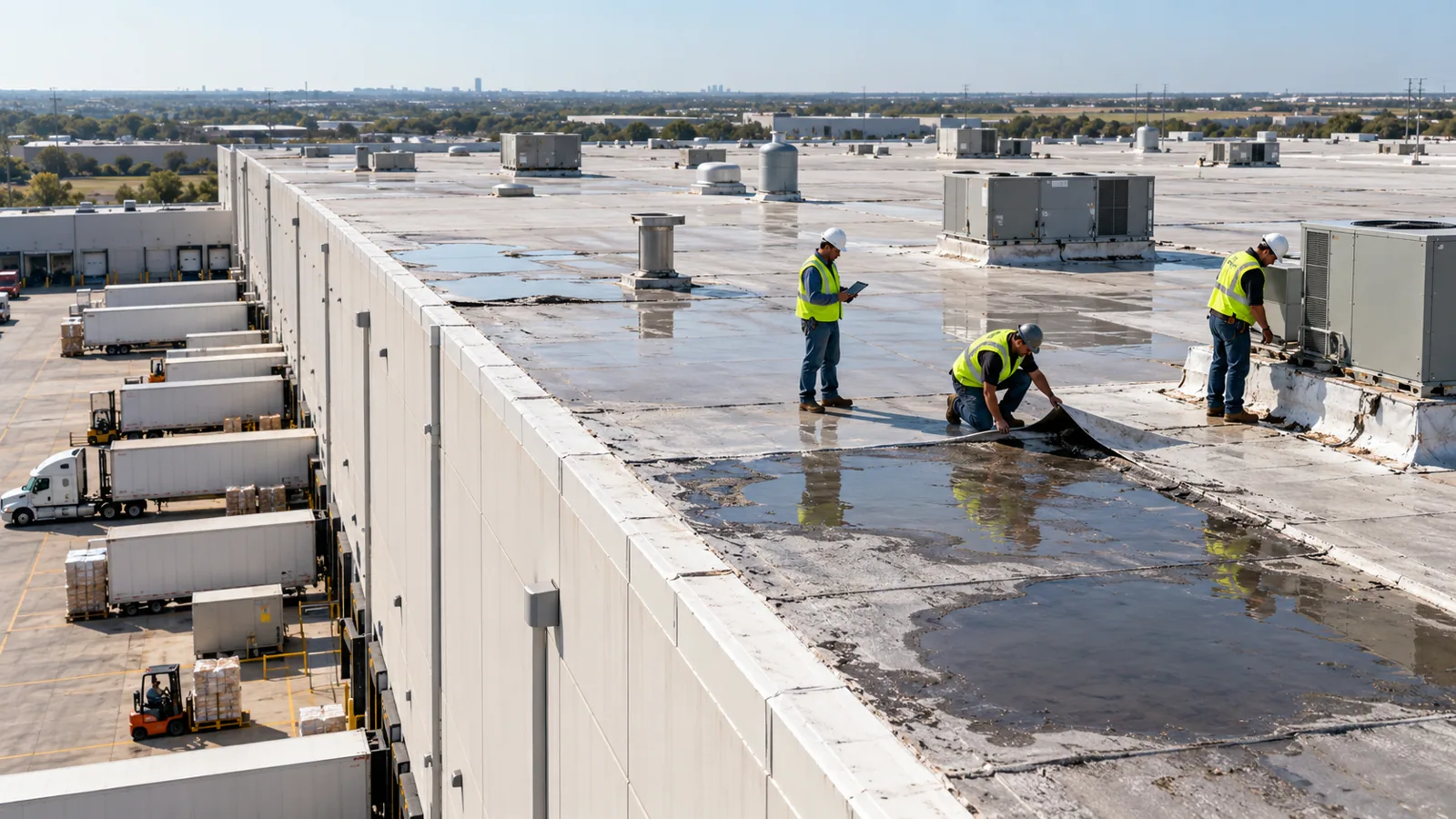
A repair that only replaces the damaged membrane can leave a Richmond, CA building owner with rotted blocking or a bad curb still sitting underneath. We are a commercial roofing contractor, and every job starts with a hands-on look at the roof. A lasting repair needs compatible materials and clear limits. It also needs a safe way to work, protection for the people and contents below and access to the deck and blocking. We put all of that in the estimate next to the membrane work, so the order of work makes sense and nobody pays for new material laid over something that cannot hold it.
Near the Port of Richmond, how a building is used and what we find on its roof decide how a repair is planned. We ask owners to share where leaks show up and any drawings or records they have for the roof. Then we inspect the roof before choosing a repair. The building manager tells us what needs protecting inside and how materials can move on site. The final price is based on what stays, what comes out and any engineering decisions involved, so the work fits the specific building we inspected.
We find what actually needs fixing
A visible hole often has weak or brittle membrane well past its torn edge. Our commercial roof repair inspections look for membrane and blocking that can actually take a new repair. TPO and PVC need clean, weldable sheet; EPDM and modified bitumen need their own compatible products. We separate material that can be cleaned and kept from material that has to come out. The owner sees where the repair stops and why, so a patch does not end short of sound roof and fail again at its edge.
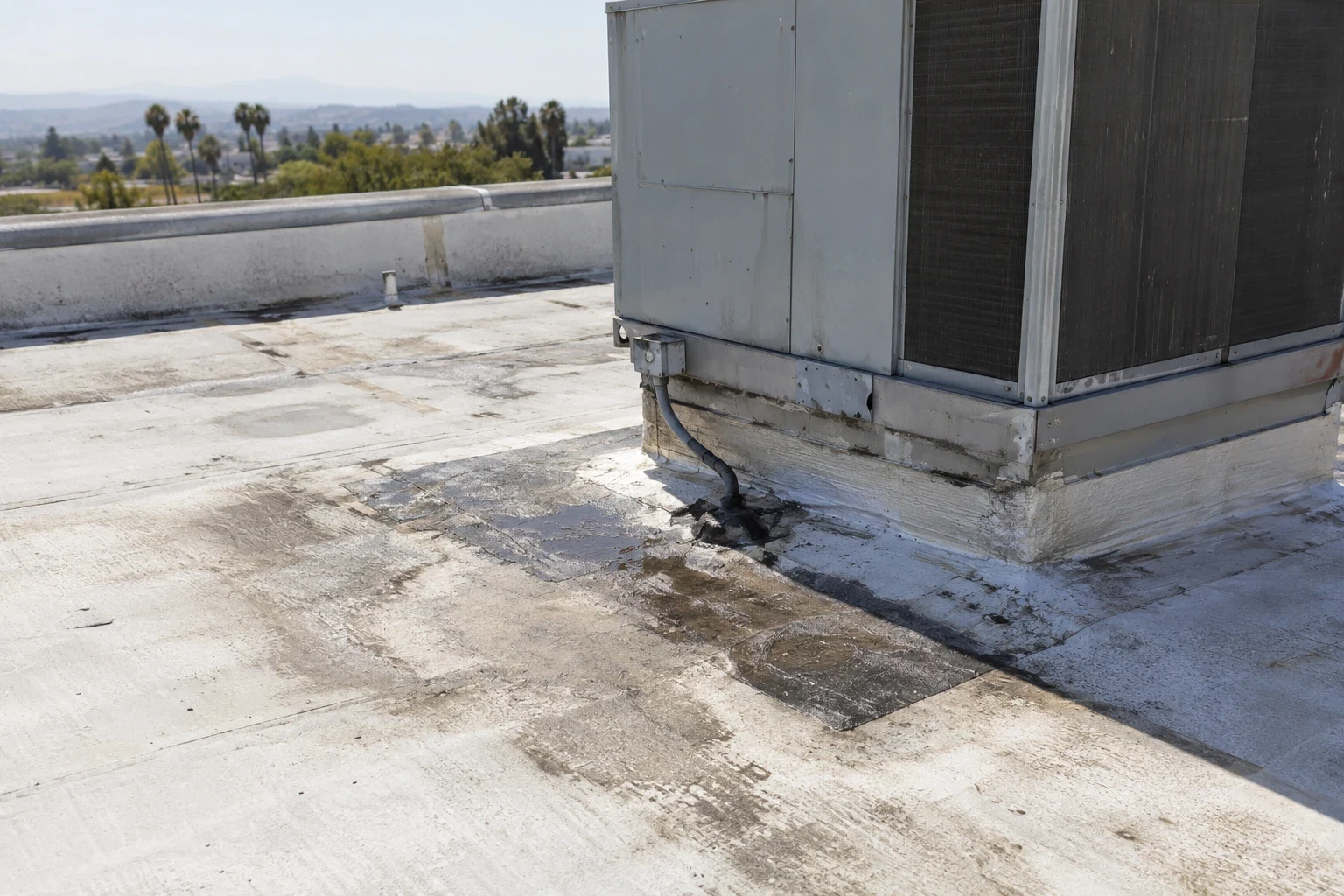
Rooftop equipment can also keep a roof from being finished even after the membrane around it is ready. Our skylight and penetration flashing work marks where the roof membrane ends and the curb or frame begins. Glazing, HVAC, gas lines and electrical work stay with the trades that handle them. Engineers make the calls on structure, loads and movement. We list those steps alongside the roofing price. New membrane cannot make the equipment around it watertight, so we show the order of work at each curb and skylight.
We match the roof system to what is underneath
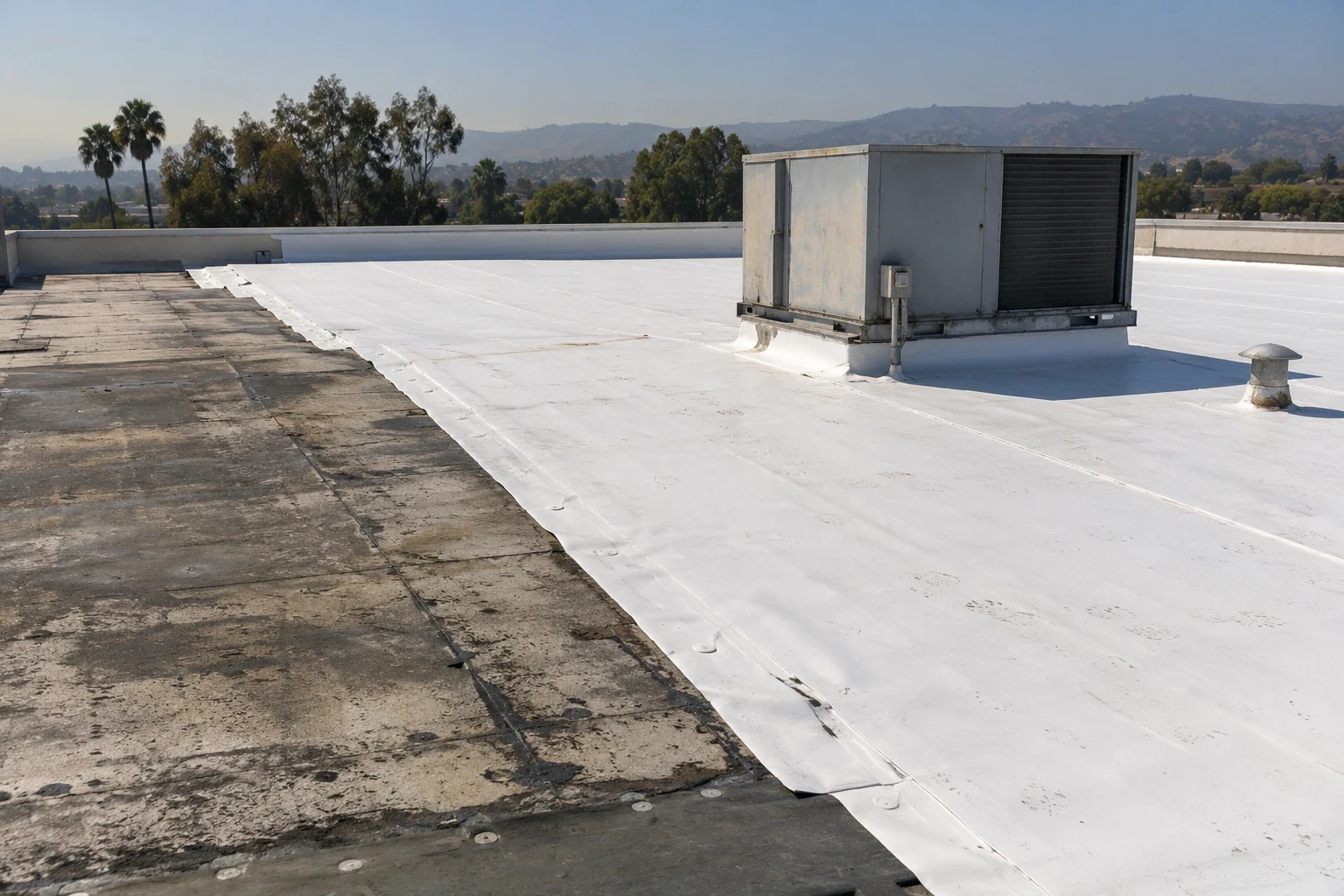
Any new roof system needs existing layers and details that can support it. Whether a roof recover makes sense depends on dry insulation and a sound deck, not on how the surface looks. We point out wet or damaged layers that would push the project toward a bigger option. A roof replacement estimate includes the real tear-off, edge work and equipment flashing. Each option is explained in plain terms next to its price, so the owner compares complete jobs instead of two square-footage numbers.
Adding insulation thickness can affect drains, flashing heights at walls and the clearance under rooftop units. Mechanical and design decisions stay with the engineers and trades who make them. We point out the details that have to change for the new roof to work and settle how they will be built before anything is sealed. Roof coating restoration only works on a clean, compatible surface with good adhesion, and failed flashing and seams still need repair first. A coating cannot fix wet insulation underneath it. The owner hears all of this before approving the larger job.
We plan the work around the building
Opening a roof can affect equipment, inventory or people well away from the spot where the leak showed up. We explain where the roof will be opened, how debris will be handled and how materials will move, so the building manager can plan. They decide what protection is needed inside and which areas we can access. Electrical, mechanical and operational work stays with the people responsible for it. Our price includes closing up any test openings we make to check the deck or insulation, and that prep work is listed separately from the new roof material.
Sometimes we find hidden damage that makes the repair bigger, which can mean protecting another area inside or changing how materials get to the roof. We explain the added work before opening more of the roof. The building manager reviews what it means for daily operations, while we keep the repair method and any engineering steps on track. The facility manager confirms roof access and interior protection before we open anything. If we have to wait on an engineer or another trade, temporary measures keep the roof dry, and we list them separately from the permanent repair.
We report findings with their cost impact
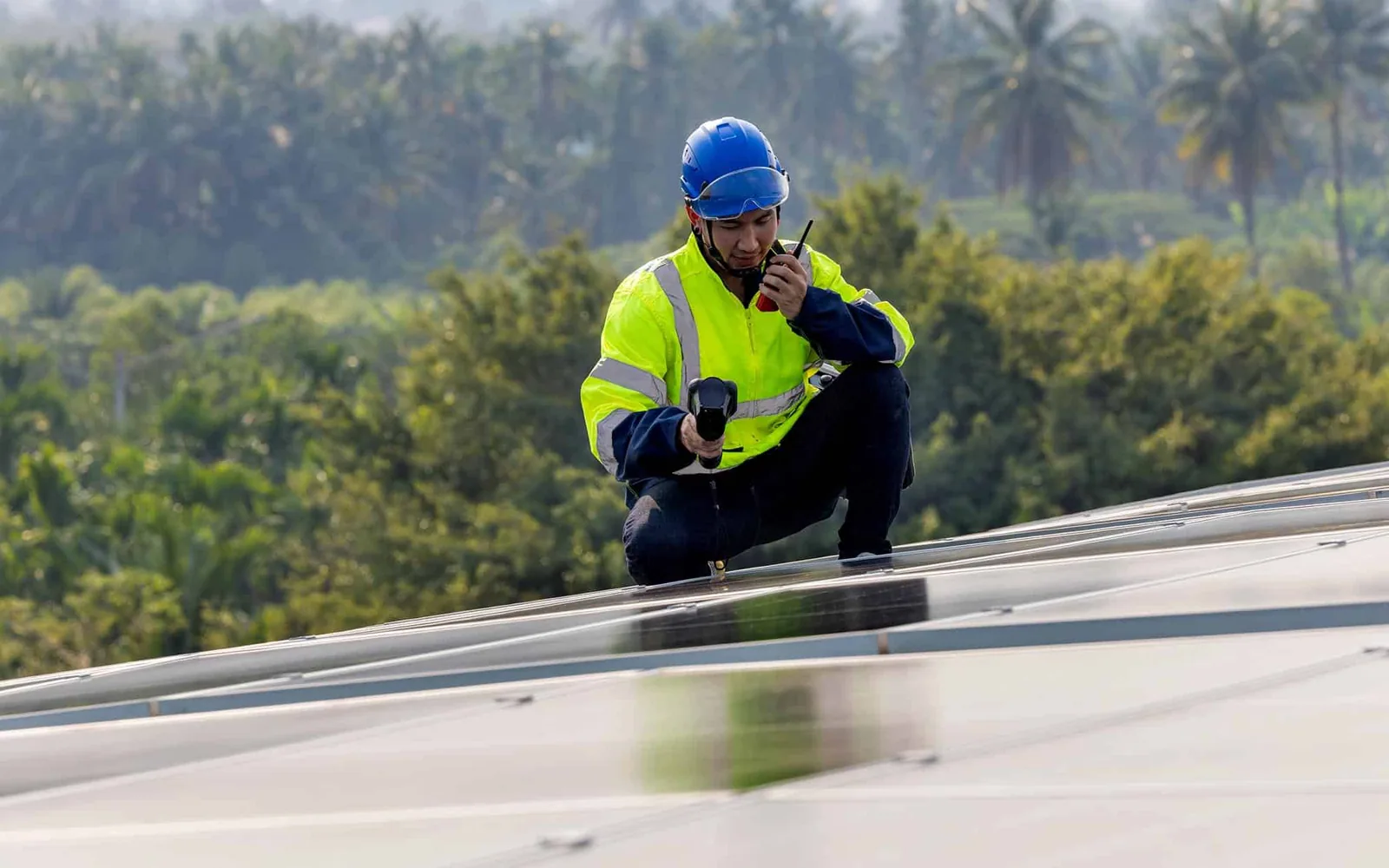
Wet insulation can sit under membrane that looks perfectly sound. An infrared moisture survey helps show where trapped water may be, and we read the results with the roof's build-up and the scan conditions in mind. Where the decision to keep existing layers depends on it, we confirm with cores. Our price includes patching those core holes and protecting the area. A thermal image raises the question but does not map every wet board across the building. The recommendation explains which finding changes the work, so any added tear-off has a clear reason tied to a spot on the roof.
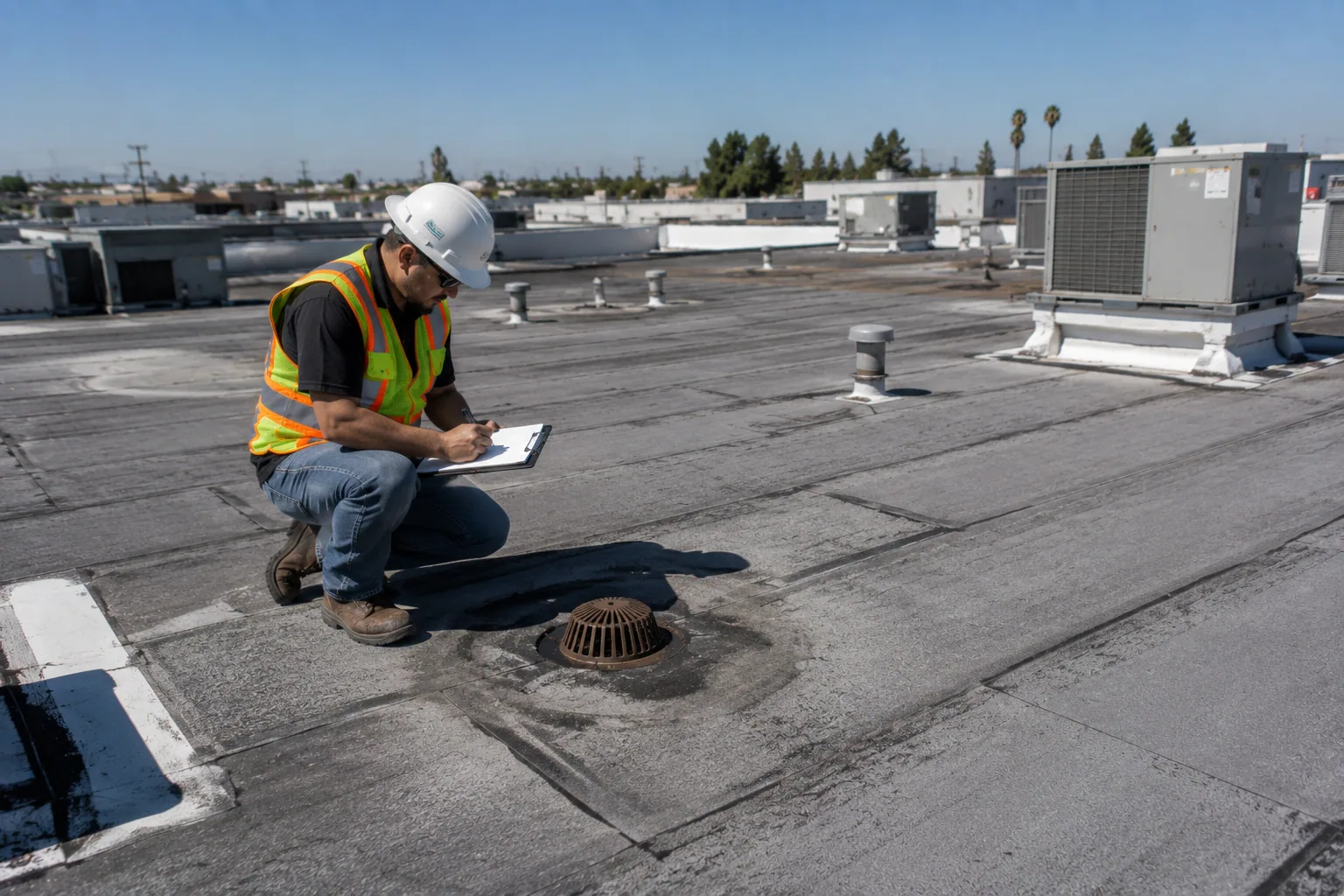
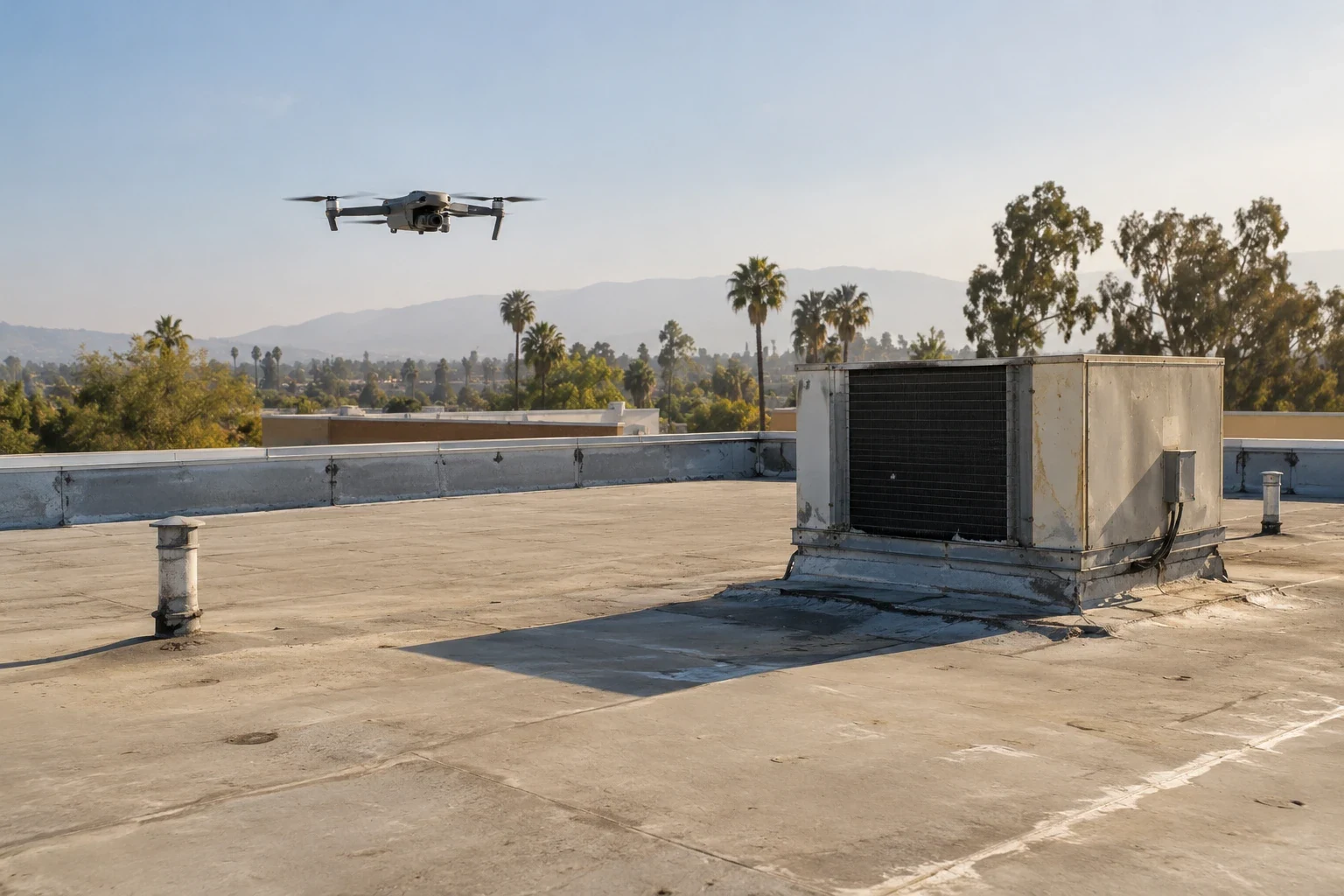
Hands-on inspection, drone photos where they help and a written report give the owner a clear picture of the roof and the open questions that still need answers. We show where each repair stops and what is needed to finish it. Closeout photos show the new details and the layers that were kept. Engineering or equipment work still pending is listed separately from temporary repairs. That way the next visit goes straight to the open item instead of adding another coating over a weak spot. The record shows what was kept, what experts decided and what was built.
We keep the roof's history useful
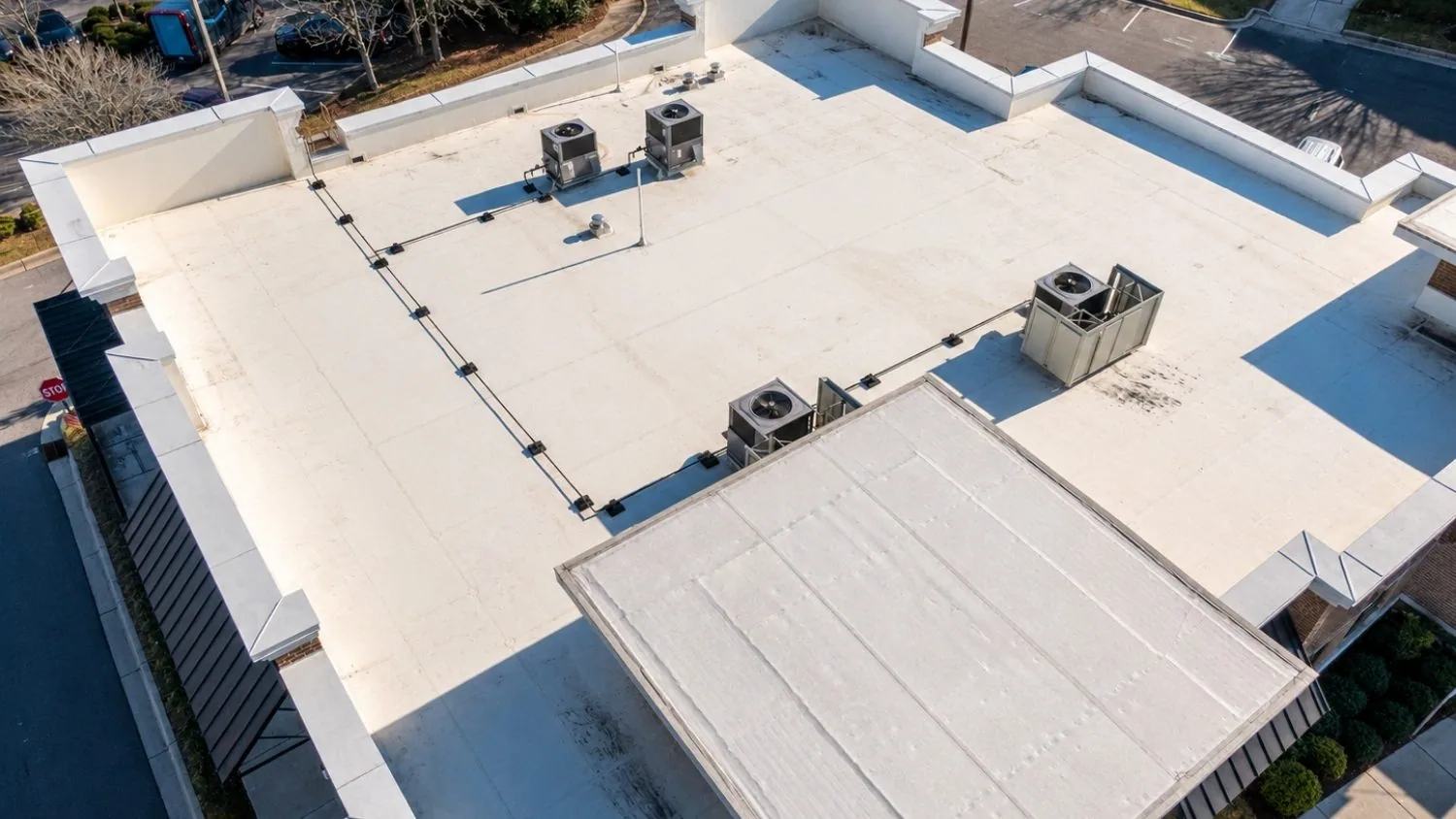
A roof asset management record tracks finished repairs and open items so each one is easy to find later. Future roofing decisions should be based on what was actually inspected on that building. Two roofs that look alike can have very different insulation, decks and access. We tie maintenance and capital questions to real details on the roof and keep any engineering steps next to the work they affect. The owner gets a next project with a clear, located reason instead of a roof-wide coating that hides a wet area or a bad curb.
Future work may open up a different part of the building or need a different route for materials. The building manager reviews protection for those areas before the new work is approved. We keep the findings and the access needed for each repair on file and note which repairs are permanent and which are temporary. A call can start with the building and the areas that need a look. Our recommendation follows what will actually work on that roof, including any other trades and prep needed, so the repair keeps doing its job and the next decision starts from solid information.
Tell us about your roof and building
Share the building, where the problems show up and how the space is used. We will inspect the roof and explain the repair options, what they cost and what each one involves.