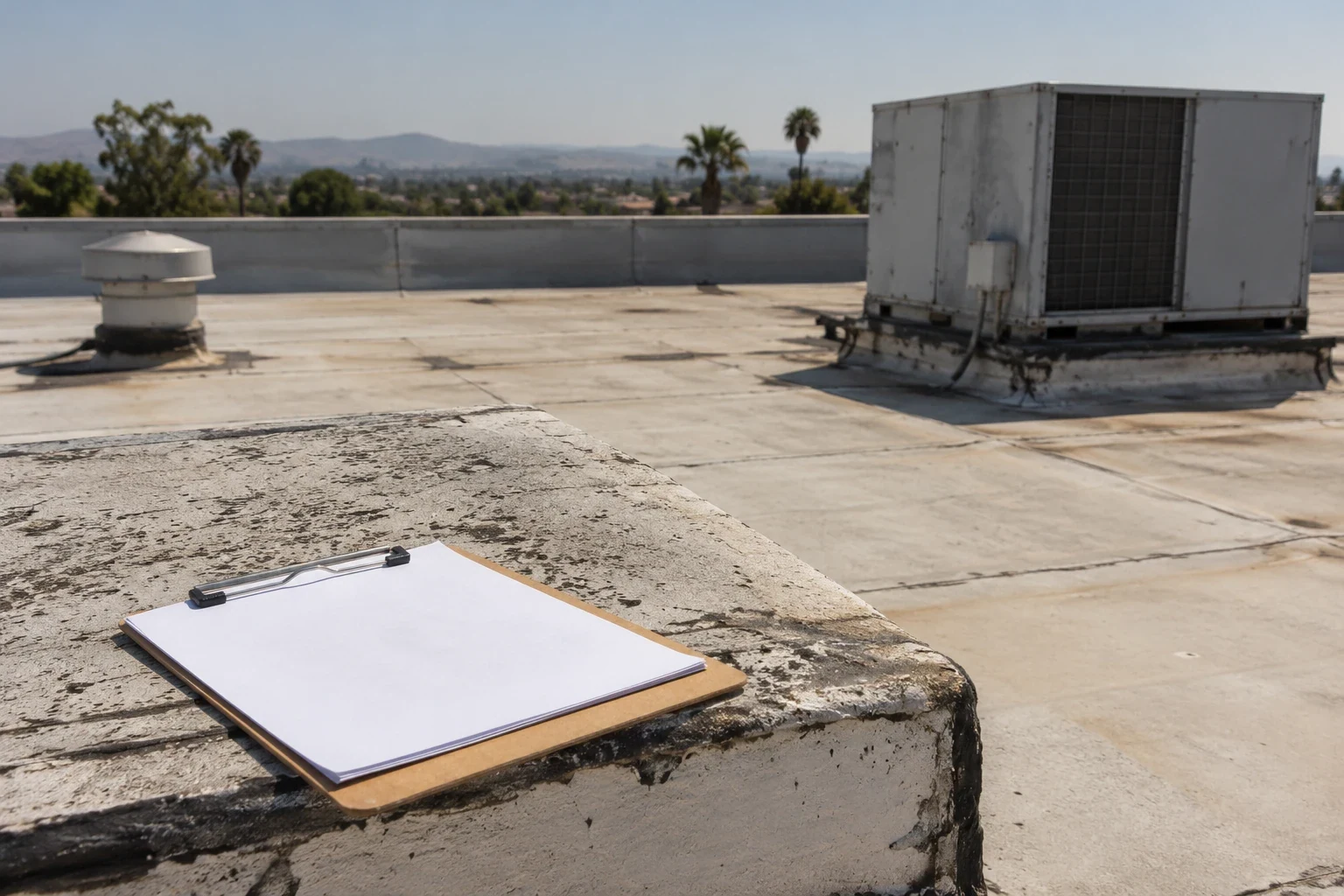
Roof Asset Management in Richmond, CA
A lifted strip of membrane at an office roof edge leaves an owner with two immediate questions: what failed, and what will it take to fix it properly? Roof asset management in Richmond, CA, keeps the answer in one place. Each roof gets a record that holds its construction, past repairs, photos, warranty details and the current list of open items. A repair decision needs more than a photo and a guess at the roof's age. We note what failed, what we could not see, and what might change the repair, so you can schedule work with a clear purpose.
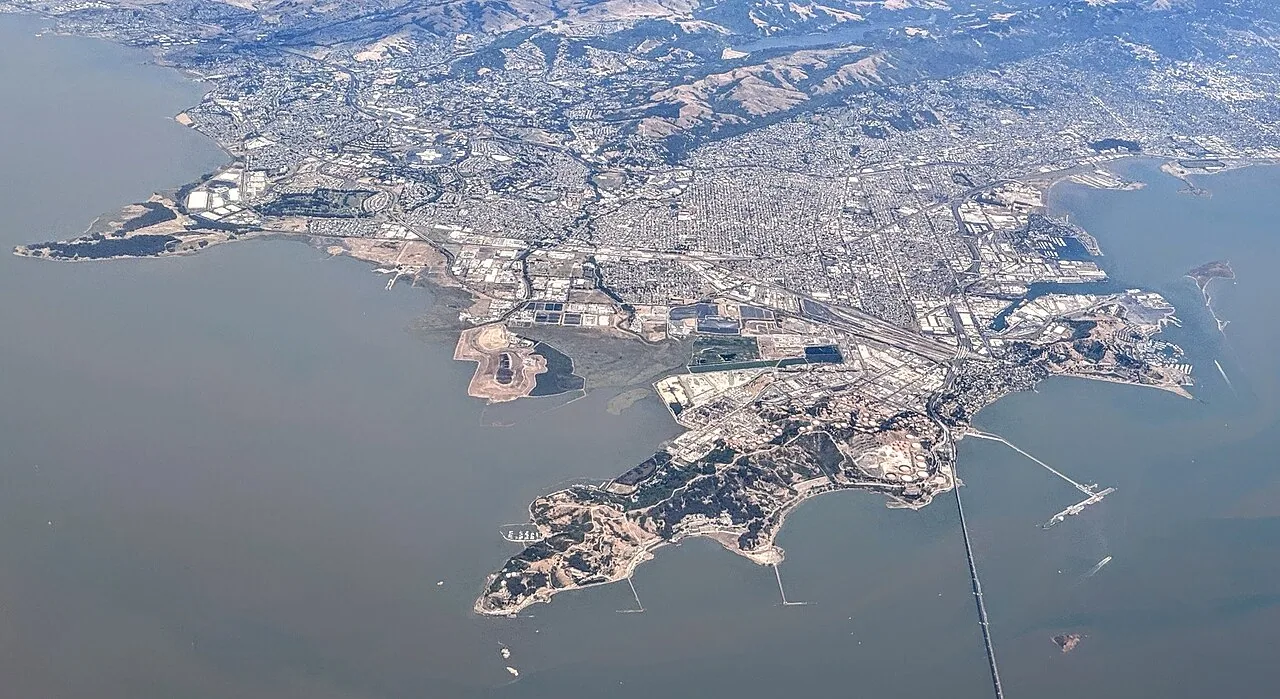
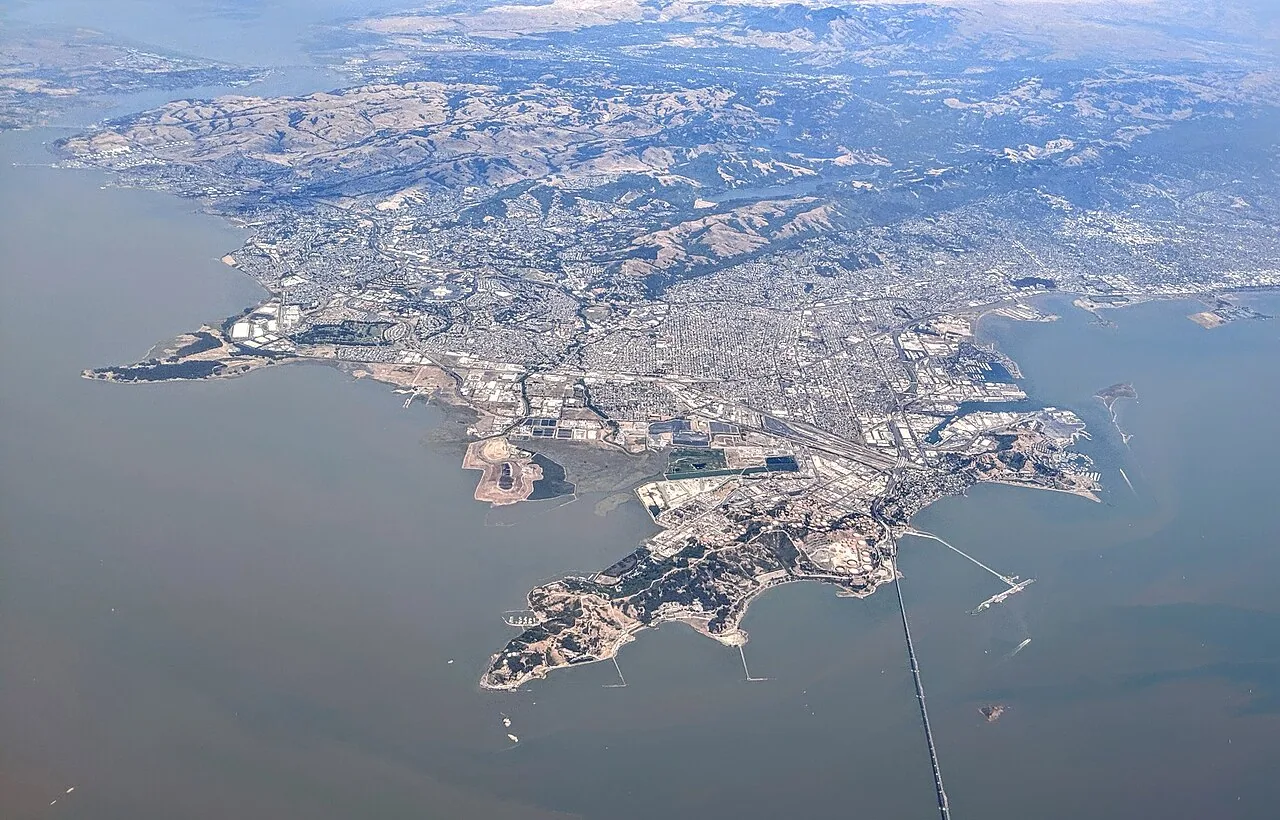
Marina Bay mixes waterfront housing, retail and light industry, so each roof record needs its own roof type, access route and repair history. We log every problem against the building and the spot on the roof where it was found, then list the next step. The same goes for an office building in a larger portfolio. Old drawings and photos go into the file only when they actually show that roof. Keeping the record accurate stops anyone from applying a neighboring building's history to the wrong repair.
Record what actually failed
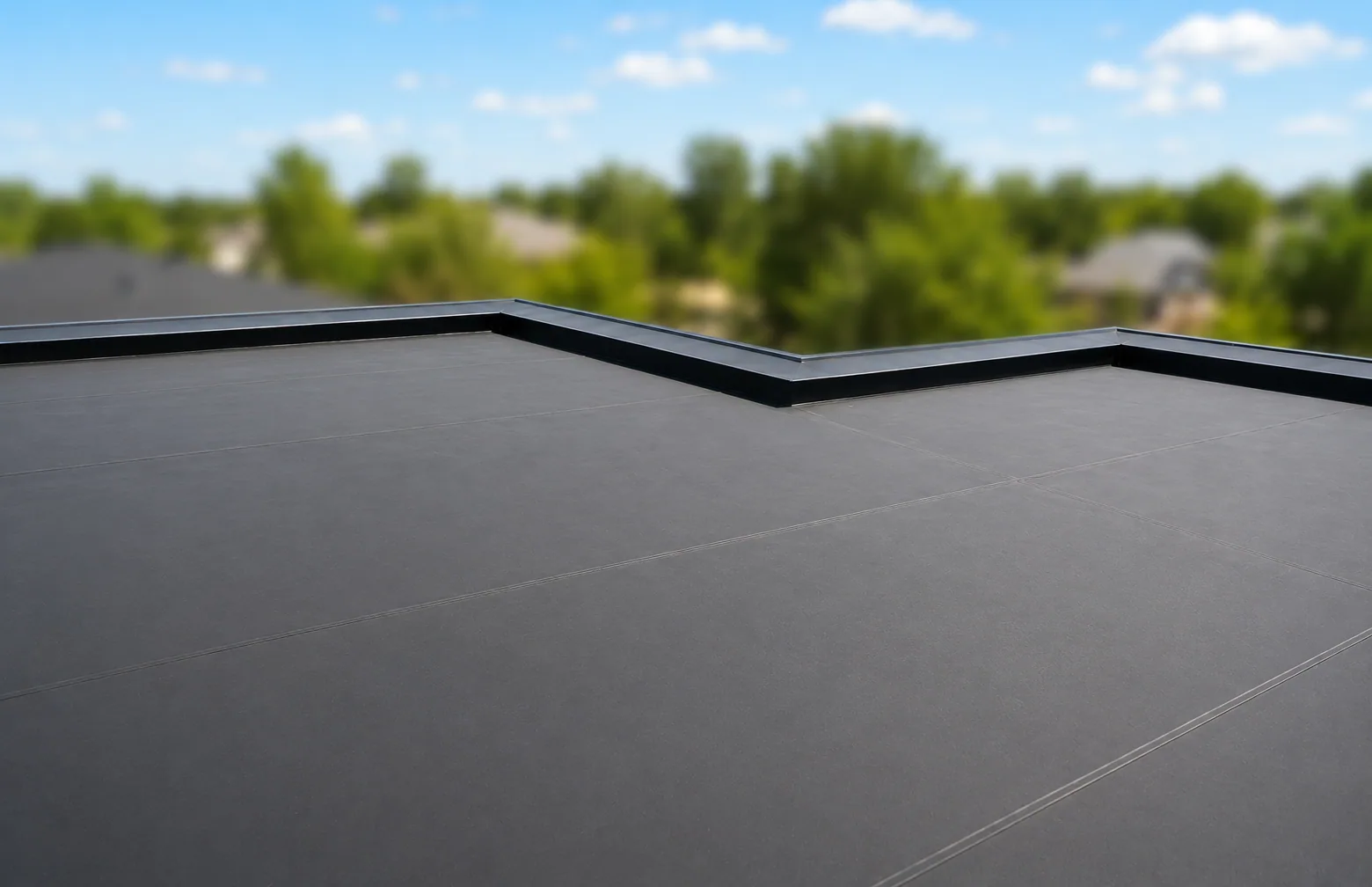
A loose edge tells you where to look, but the fasteners and wood blocking behind it are hidden. One lifted section does not prove the whole perimeter is sound or failed. We mark the edge location against features anyone can find, such as a corner, a drain or a unit number, and check what we can reach. If the blocking is rotted, the repair will be bigger than the visible strip suggests. Anything hidden that could change the method is listed as an open question with a suggested way to check it.
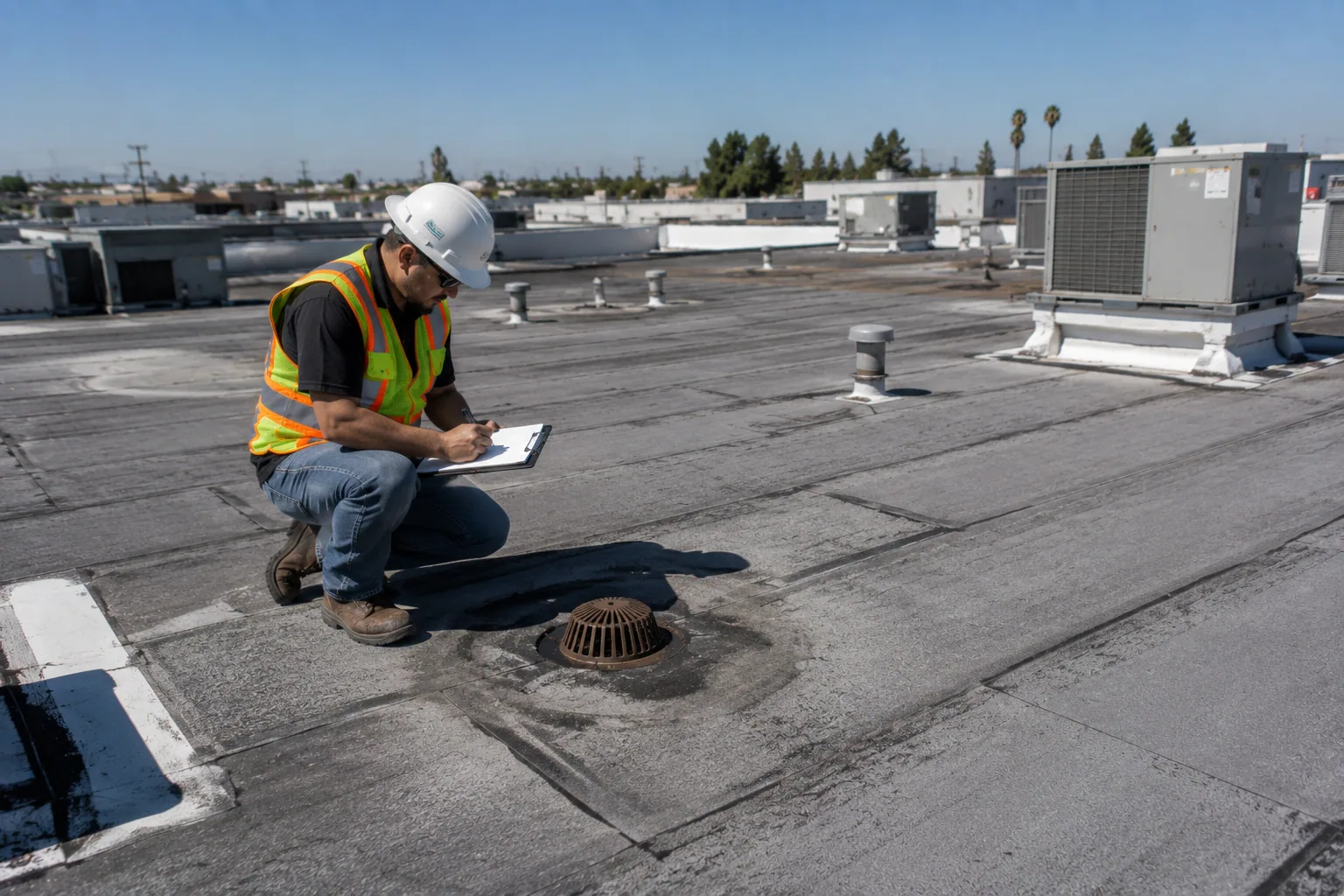
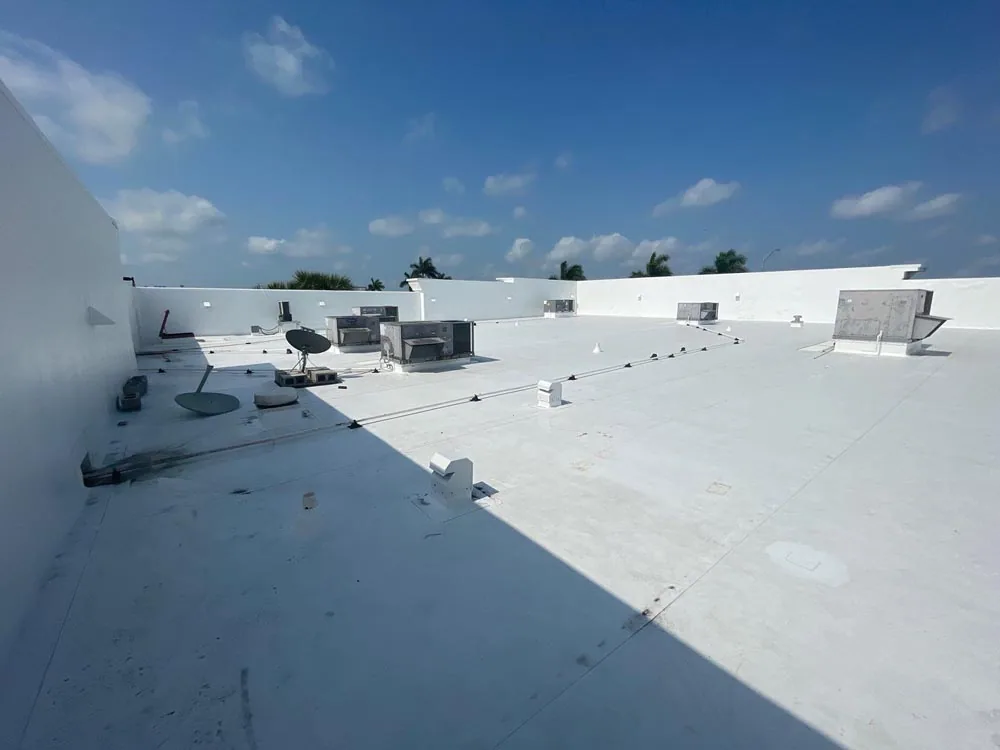
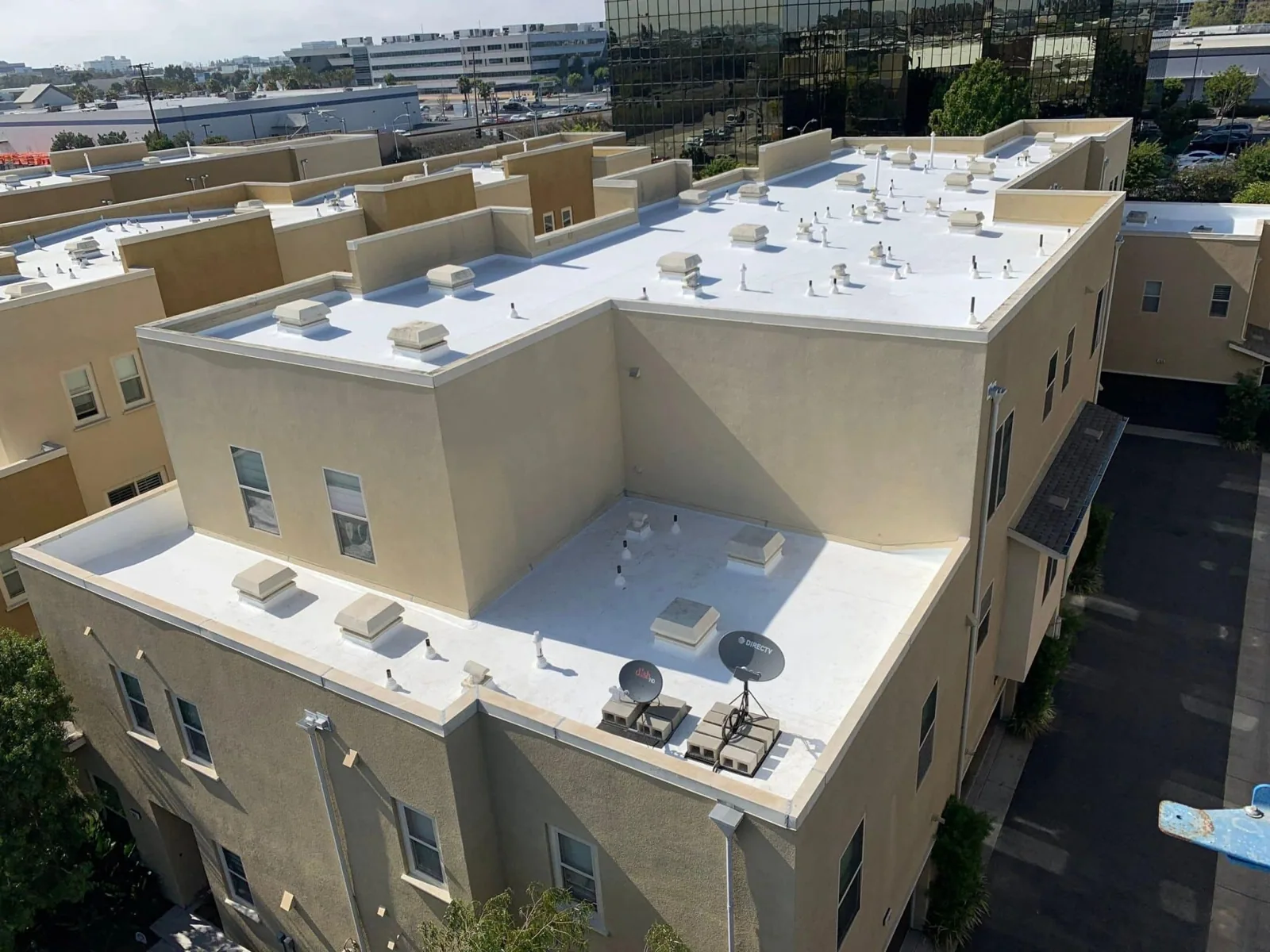
A roof condition report adds the detail: where the problem is, how much of the roof we inspected and what we could not reach. Original drawings may show a detail that later work changed, so we compare them with what is actually on the roof. A rerouted drain or a replaced HVAC unit often brings new flashing that deserves its own entry. Each report is tied to its inspection date, so a future leak has a clear earlier reference.
Access is part of the plan
Getting to the roof matters when the failed edge is above a busy entrance. We talk through roof access, where materials will be lifted and which spaces will be affected with the building contact. Every building is different, even within the same property type. A visit to inspect may not include permission to cut into the roof or move equipment, so the record notes what has been approved and what still needs sign-off. A clear access plan lets you go from finding the problem to fixing it without surprises on the day.
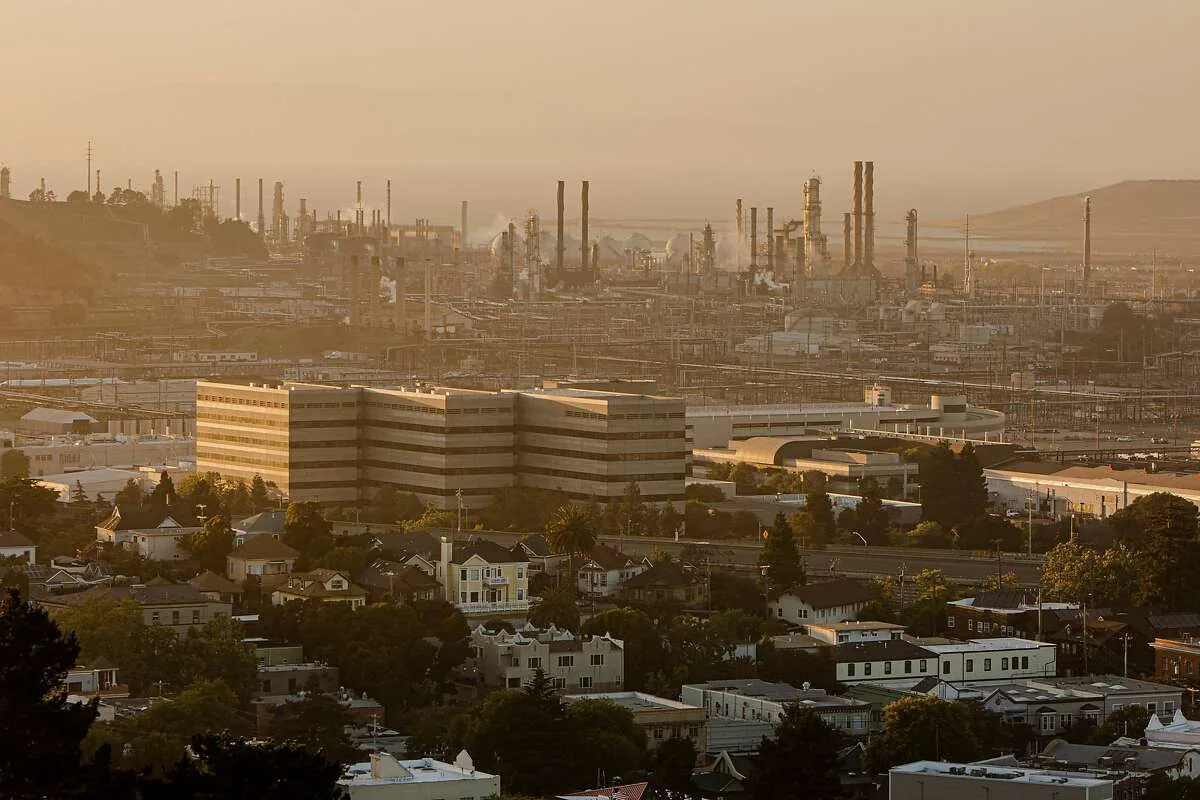
In Point Richmond, nearby refinery, chemical plant and rail yard activity can affect truck routes and delivery timing, so we confirm each building's route for materials. Port and terminal properties often have their own site rules and gate procedures. We note those rules in the record next to the work they affect. Lifting materials, opening the roof or shutting down equipment can each need different approval than a walk-through inspection.
Rank the repairs
A leak over occupied space may need a temporary patch right away. That patch helps, but it is not the same as rebuilding the edge properly. A lasting repair needs sound wood behind the edge, compatible membrane and metal, and a clean tie-in to the surrounding roof. We explain what could hold up the permanent fix and what information would settle it. A cheaper bid that skips the wood replacement is not equal to one that includes it, even if both say they repair the same edge.
Roof capital planning uses the asset record to compare repair, larger renewal and further testing. Each option needs a clear scope. A full replacement may solve more confirmed problems, while a targeted repair can still make sense if the rest of the roof is sound. We list what each option leaves undone. Spending decisions follow what the inspections found and how the building operates, not just the roof's age or a standard replacement schedule.
Every item on the priority list connects the problem to its consequence, the access needed and the decision you have to make. We separate active leaks from wear that can be scheduled, and we do not put a quantity on work the inspection has not confirmed. Each item says what must be repaired, what can stay and what would trigger a closer look. That gives you a list you can actually budget and schedule from.
Record the finished work
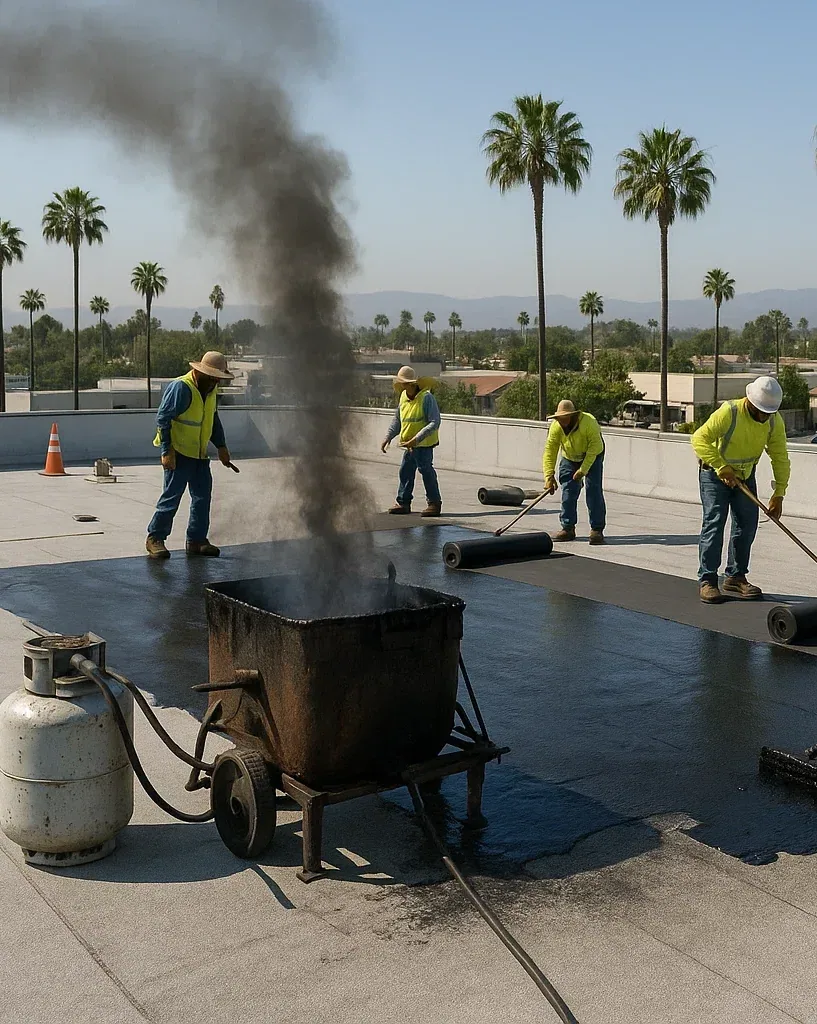
After the repair, the asset record shows exactly what was done: wood replaced, membrane installed and how it ties into the existing roof, with dates and photos. If a section is finished but the flashing around an HVAC unit is still waiting on the mechanical contractor, that is listed separately. Hidden damage found during the work is measured and approved before more work proceeds, and the area is kept watertight in the meantime. You can tell at a glance which repairs are permanent and which are temporary.
A commercial roof repair entry should explain why the scope and method were chosen. Photos taken during tear-off show prep work that the finished roof hides. The entry lists materials used and the area covered, but it does not assume a manufacturer or inspector has signed off unless they have. If a new rooftop unit later disturbs a repaired area, that change gets its own dated entry, so the next manager can see how the roof has changed before deciding what to do.
Compare new problems against the history
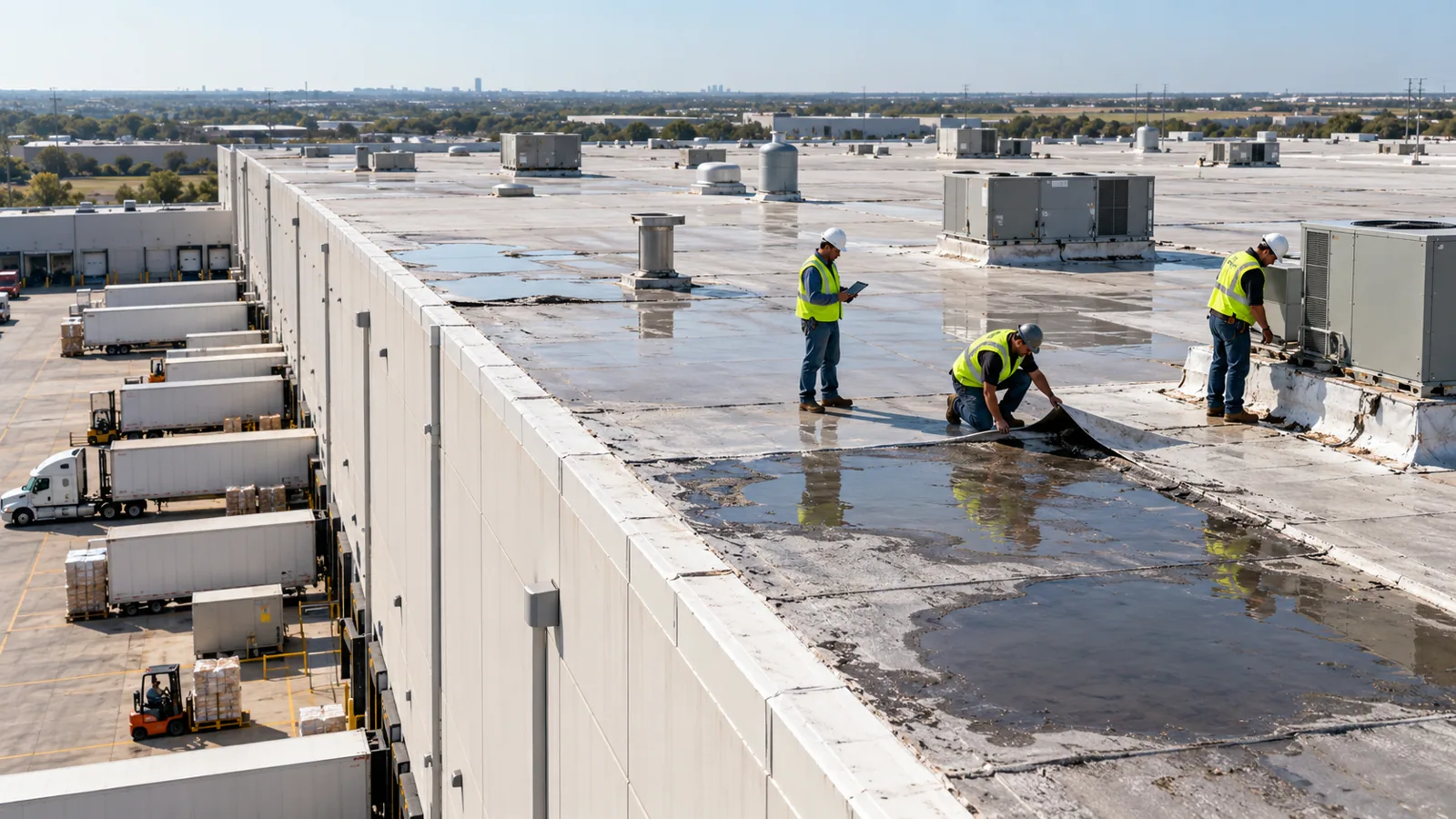
When a new leak is reported, we inspect the roof as it is now, even if an earlier repair sits nearby. Water travels under membranes and along decks, so the stain inside may be some distance from the entry point. We compare the new finding with past repair locations and check the details around them. That helps us tell a new problem from a failed repair. Being close to an old repair does not by itself mean the old repair failed, and the recommendation explains what we actually found.
Preventive roof maintenance visits use the record to check known repair spots, clear drains and look for new damage around equipment. Each visit lists the areas inspected and the work done, rather than treating the scheduled date as proof that everything was fixed. New problems are added with a location and next step, and open questions stay open until answered. You carry an accurate roof history into each visit.
Commercial Roofing Questions
What goes into the record for a loose roof edge?
The location, photos, the condition of the wood and fasteners we could check, the repair recommended, and any hidden conditions that could change the work.
Does an inspection visit include permission to start repairs?
No. Roof access for an inspection is usually separate from approval to cut into the roof, lift materials or shut down equipment, so we confirm those before work starts.
How are temporary repairs recorded?
Each temporary patch is logged with its location, the date and why it was installed, alongside the permanent repair still needed and who is responsible for it.
Can an old repair explain a new leak?
It can point us where to look, but we inspect the current roof before blaming the earlier work. Water often travels before it shows up inside.
How do you compare repair and replacement costs fairly?
Each option has to cover the same scope, including wood replacement, insulation and flashing work, with anything uncertain shown as a separate allowance.
Get your roofs on one clear record