Roof Condition Reports in Richmond, CA
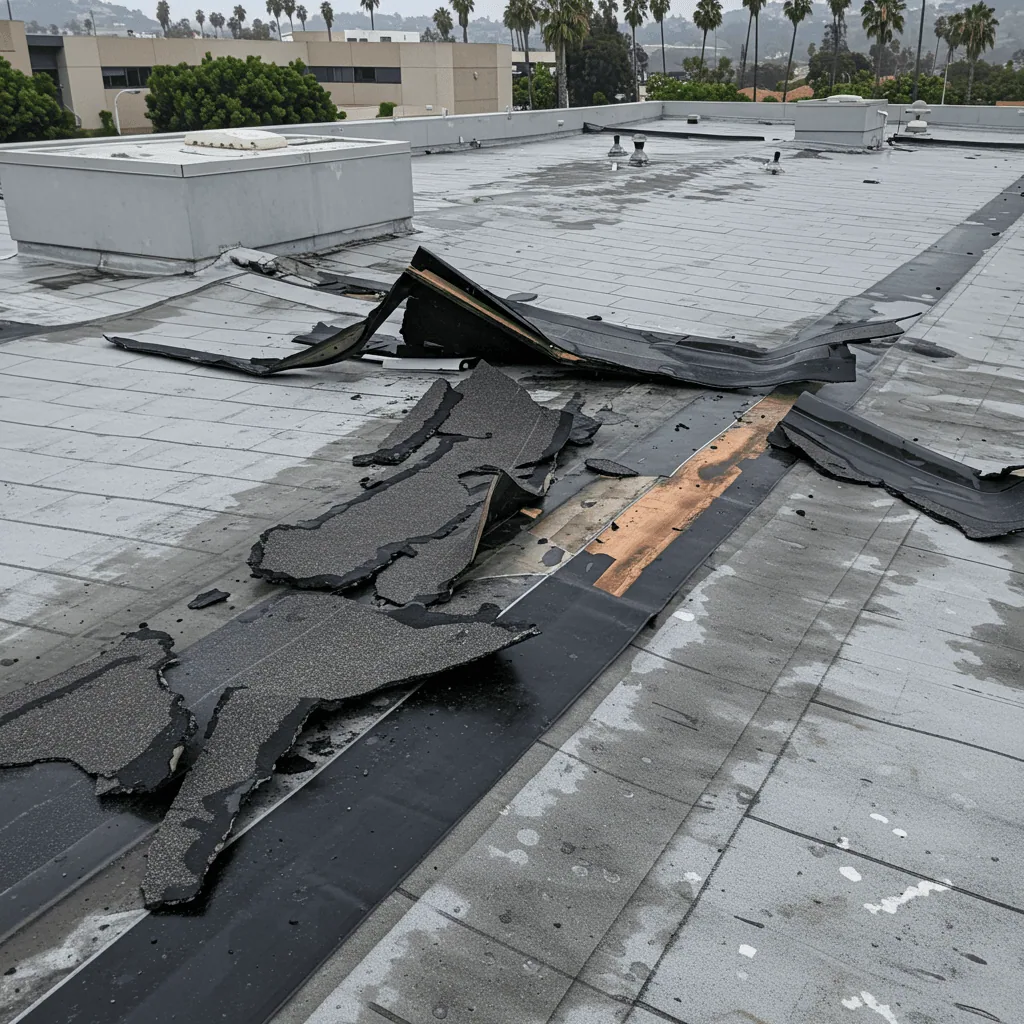
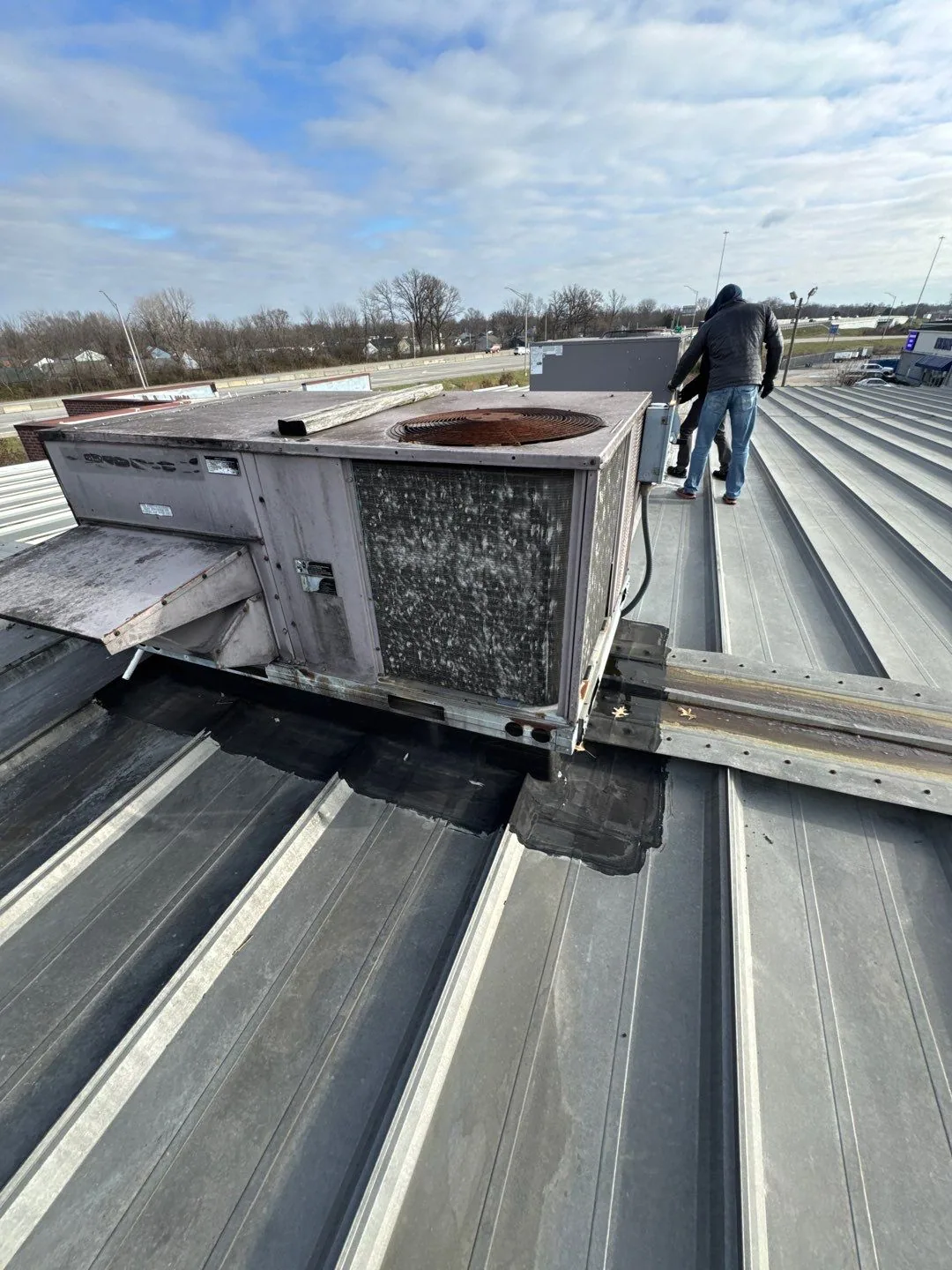
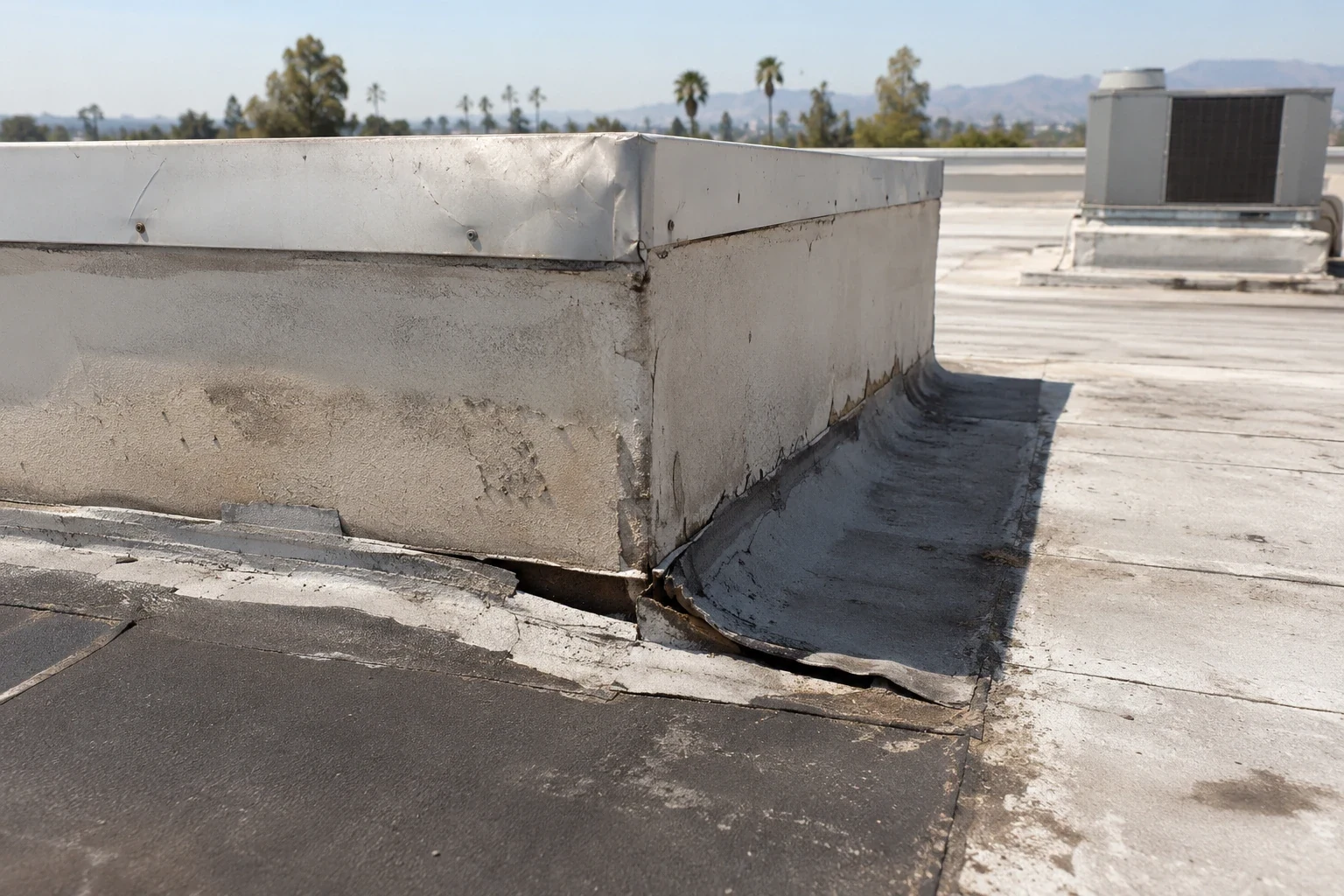
A split corner at a rooftop unit curb tells a Richmond owner something is wrong, but not how big the repair will be. Our roof condition reports in Richmond, CA, tie each problem to a spot on the roof, explain what caused it as far as we can tell, and list the next step. We describe what failed and what still needs checking before a permanent repair can be priced. A simple good, fair or poor rating is not enough when the decision depends on wet insulation, a newly installed unit or a flashing detail we could not reach on the first visit.
Marina Bay mixes waterfront housing, retail and light industry, so the neighborhood tells us nothing about any one building's roof or how to get onto it. For each report there, we mark findings on a roof plan, describe what was inspected and list what comes next. On an office building roof, a leaking curb should be linked to the ceiling stain below where possible. Drawings and old photos help when they show the same building. Every finding notes how much we could see, so you can tell a repair that is ready to price from a question that needs more testing.
Describe what we found
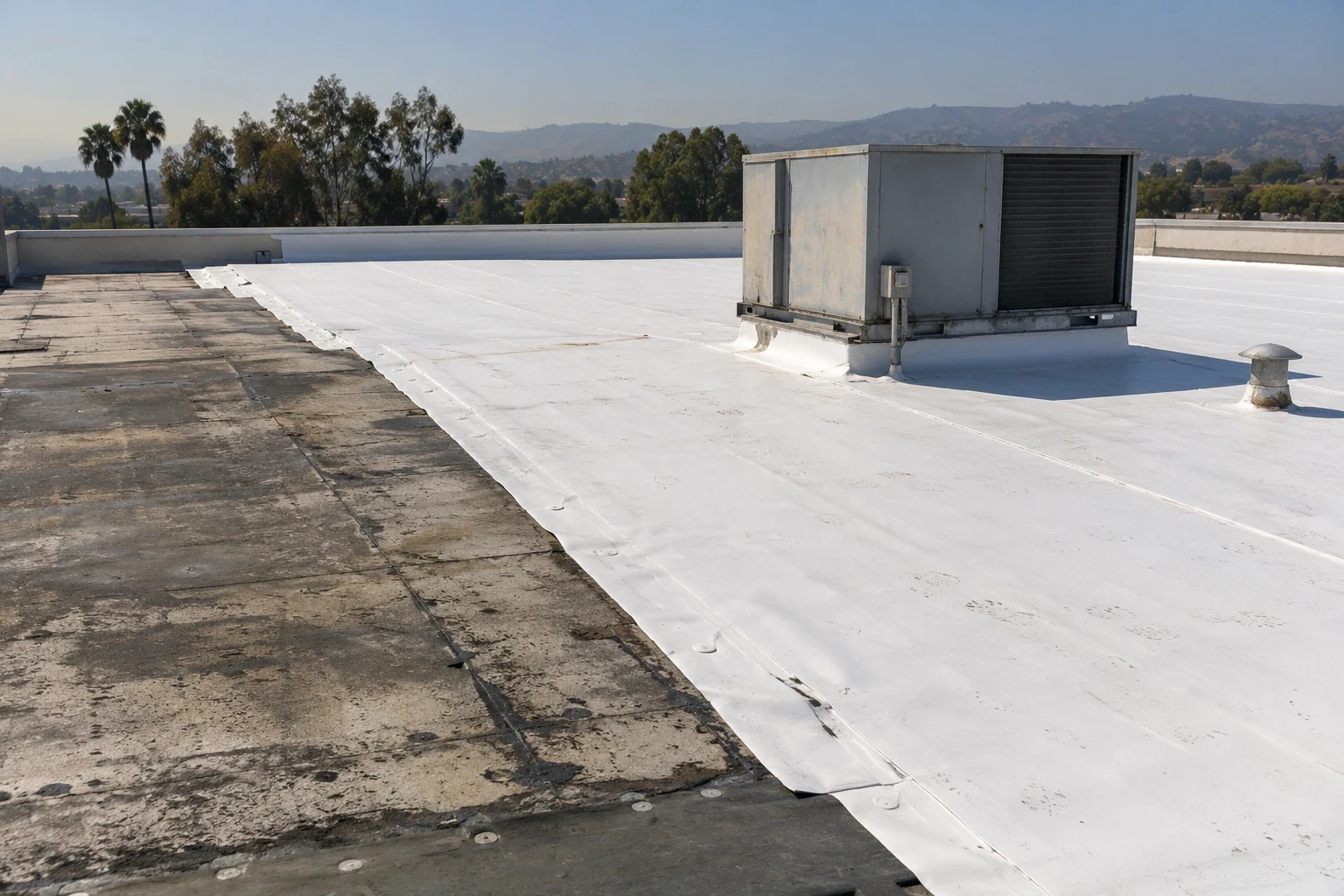
An open corner at a curb can let water in more than one way. We check the membrane flashing at the base, the metal cap at the top and the unit itself, as far as we are allowed to reach. The report says exactly what we saw and where we could not look. A patch at the base will not stop water coming through a loose top cap. A leak inside the unit housing is a job for the HVAC contractor. Knowing that before you approve a repair saves paying for the wrong fix.
A commercial roof inspection feeds the report with locations and notes on the roof layers we could check. A photo can show an open seam without proving what the insulation underneath looks like. We write findings so the next contractor can act on them. A suspected cause is labeled as suspected until testing confirms it. Old repair materials are noted when they affect what new material will bond to. Each recommendation follows from what we saw at that spot, not from a general statement about the whole roof.
When hidden layers matter
Wet insulation can make a repair larger than the visible split. Where the insulation's condition decides whether to replace or keep it, we recommend testing. A moisture-meter reading or thermal image tells us where to look, and a core cut confirms what is actually there. The report says where we took cores and which nearby areas are still unknown. A ceiling stain can show where a leak ends up, but it cannot tell you how much insulation to replace. That way you approve testing that answers a specific question, not a hidden guess built into a repair price.
An infrared moisture survey needs the right weather conditions and someone who knows how to read the images for that roof type. Results are tied to the core samples that confirm them. We separate likely wet areas from confirmed wet areas. The report says what the survey was meant to answer. A scan is useful, but it does not prove that everything outside a warm spot is dry or that the full repair is already defined.
Access limits and open questions
The report states where the inspection stopped. If we could not reach the back side of a unit or a fenced-off roof section, that is noted next to the issue it affects, along with what access we would need to return. You can see whether the open item could change the repair or simply falls outside this visit. Permission to inspect is not the same as permission to cut into the roof, lift equipment or have a technician open a unit. Knowing that helps you line up the right people for the next step.
I-580 exits at Marina Bay Parkway/South 23rd Street and Regatta Boulevard serve the district, but they do not tell us where to get onto a particular roof, so we confirm roof access with the building contact. Buildings in North Richmond each have their own ladder, hatch and material lift arrangements. We confirm which areas will be affected and what we are allowed to inspect. If an HVAC or electrical contractor has to shut down or open equipment, the report says so. Access limits are tied to the work they affect, so you can plan the next visit without guessing.
Turn findings into a repair list
The report separates problems that need protection now from ones that need more information first. An open seam over occupied space may justify a temporary patch while we check the layers underneath. That patch has a location and a follow-up date, and it is never treated as the permanent repair. We rank next steps by what we found and what happens if each item is left alone. You get a repair list where every item has a reason, instead of a general recommendation that leaves you wondering where to start.
Roof capital planning uses the report's findings to compare targeted repairs with larger renewal. We spell out what each option would fix and what it would leave in place. Similar problems elsewhere may justify more testing before you approve a larger area. A summary rating cannot replace a defined scope. You can use the report to request comparable bids that show prep work, height changes at curbs and edges, and HVAC coordination, so the spending decision is based on the roof itself.
Every report is dated
A report describes the roof on the day it was inspected. Later equipment work, storm damage or a new penetration can change things. We keep the inspection date, locations and photos together, and later completion records show which recommendations were actually done. Open items stay separate from finished repairs. A manager who joins later can understand the earlier findings without assuming the roof is still in that condition. A new leak gets compared with the roof as it is now, with the older report as a reference.
The roof asset management record carries those findings forward through later work. A replaced unit curb can affect flashing nearby that was fine before. The new setup gets its own entry and a fresh look. We explain how the new finding changes the next step while keeping the earlier repair history intact. You end up with a clear sequence of inspections and decisions, with access and repair notes tied to specific places on the roof, not a vague conclusion about the building as a whole.
Commercial Roofing Questions
What should a good roof condition report include?
Each problem's location on a roof plan, photos, the roof layers we could check, a recommended next step, and a clear note of anything we could not inspect.
Can photos tell you how much insulation to replace?
No. Photos show the surface. Moisture testing and core cuts tell us how much insulation is actually wet, and we recommend them where it changes the repair.
How does the report handle areas you could not reach?
It names the area, explains what access we would need to inspect it, and says whether the unknown could affect the repair decision.
Is a roof rating enough to budget repairs?
No. A rating is a summary. Budgeting needs a defined repair scope, including prep work, flashing and any HVAC coordination.
Can an old report explain a new leak?
It is a useful reference, but we inspect the roof as it is now, note any changes since the last visit and trace the new leak before drawing conclusions.

Get a clear written report on your roof