School Roofing in Richmond, CA
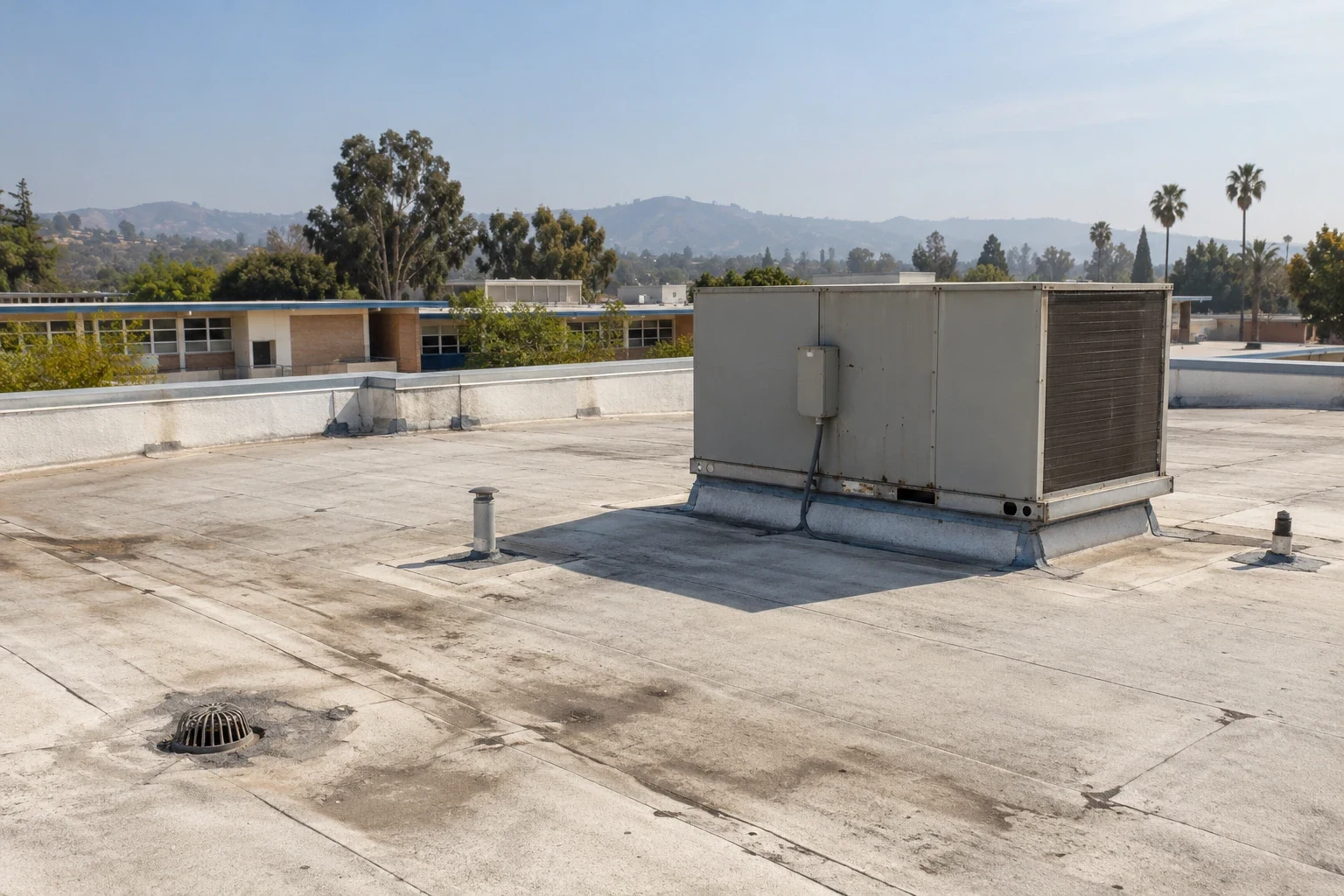
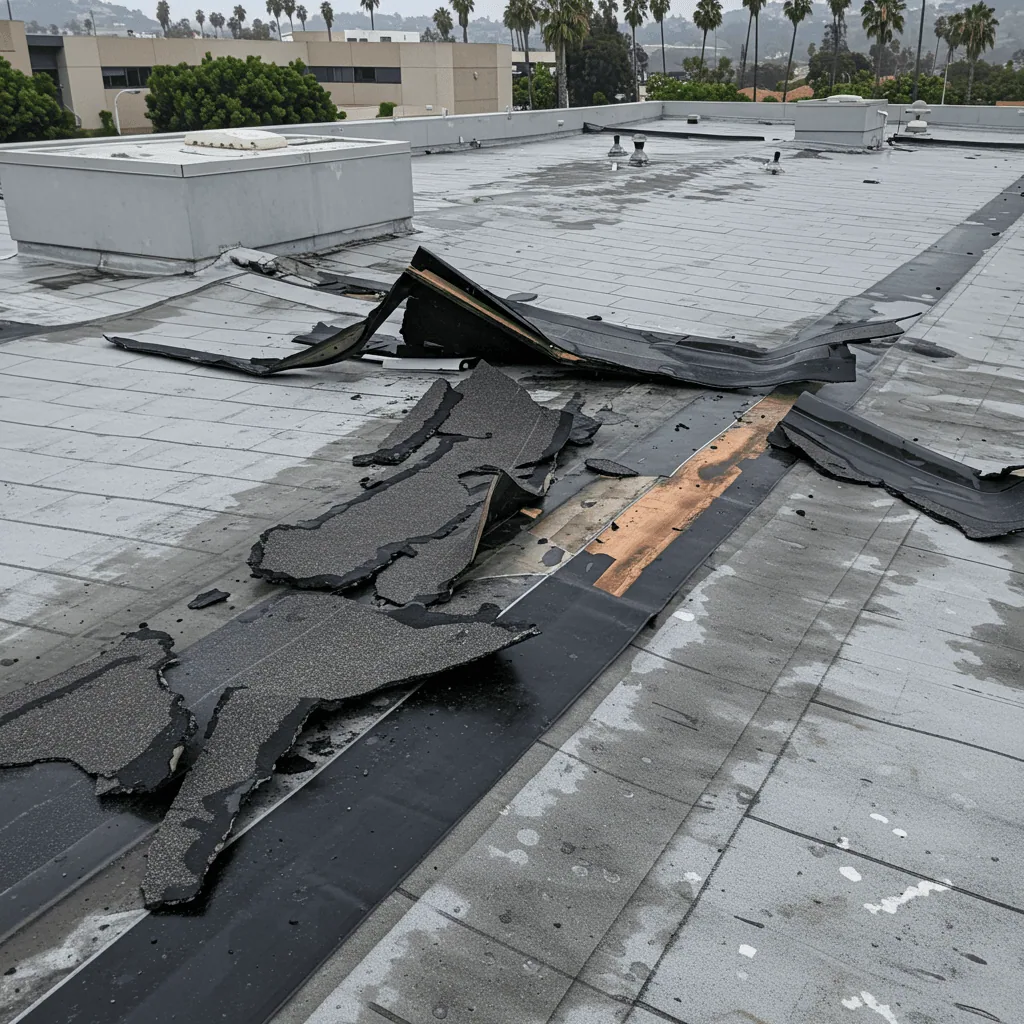
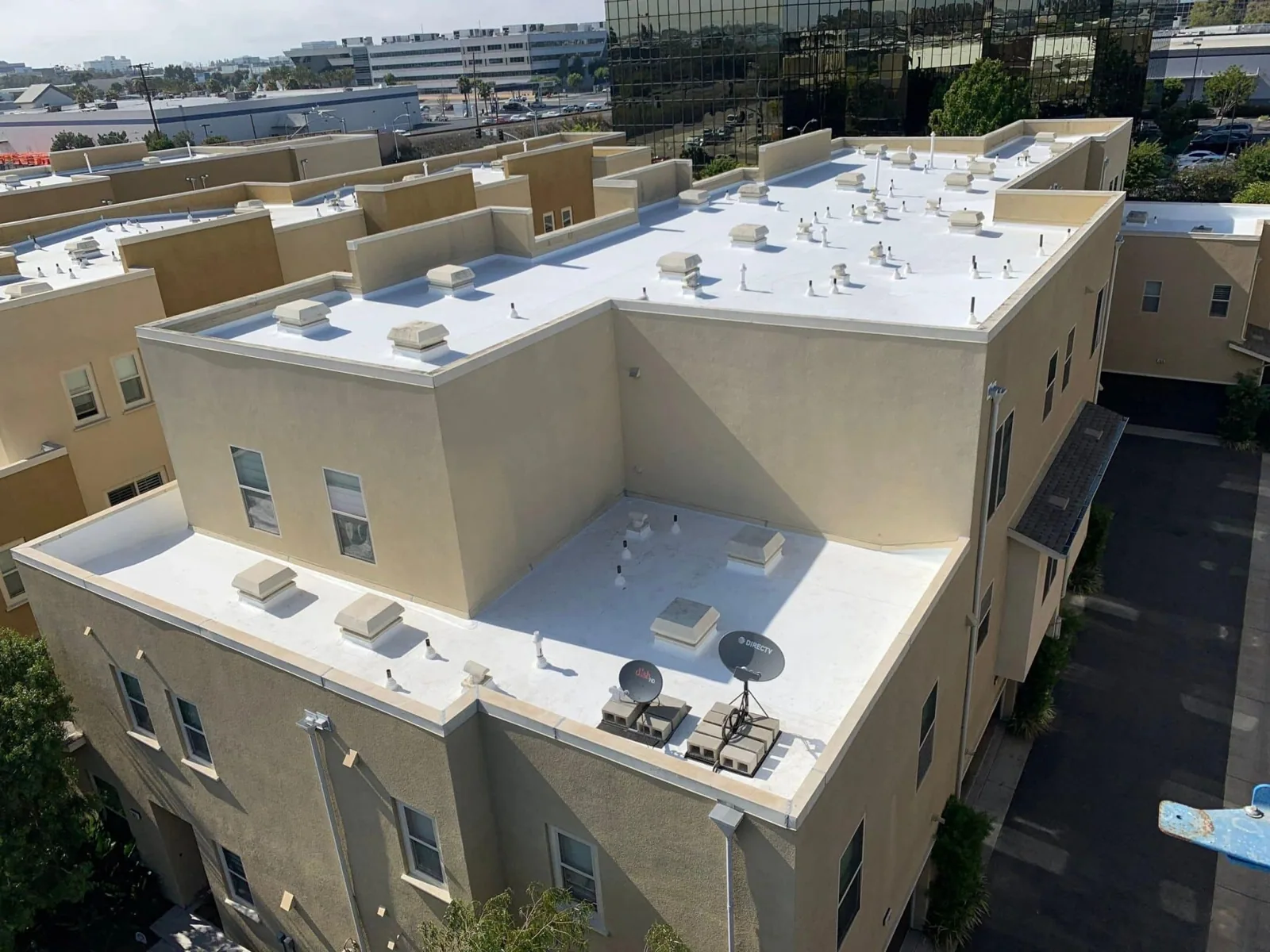
Schools are often a patchwork of buildings from different decades: a low classroom wing that runs into a taller gym, a library tacked onto the back, a covered walkway between them. Wherever a lower roof meets a taller wall, the flashing has to turn up the wall and be tucked under counterflashing or siding. That detail is a common leak point. Once the flashing pulls away, water runs down behind it into the classroom ceiling. A proper fix usually means cutting back damaged membrane, checking the wood and insulation at the wall, and sometimes repairing the wall itself, which may be a job for another trade.
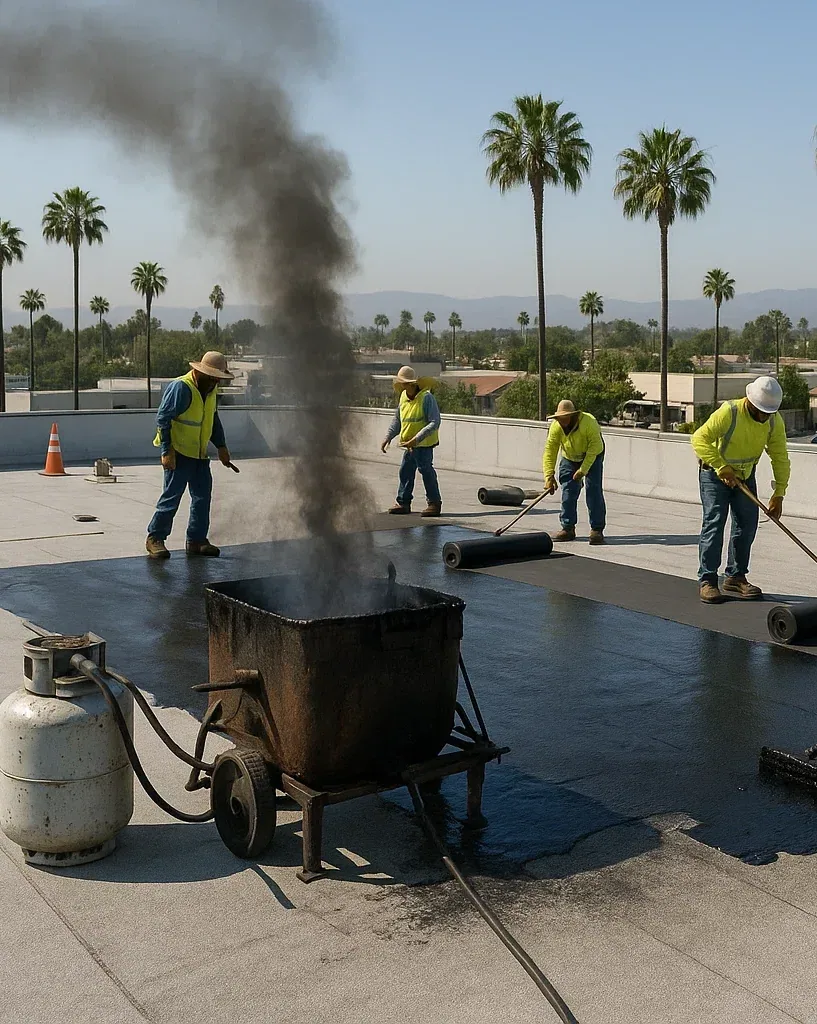
For school roof work in Richmond, the roof opening and the classrooms below each need their own protection plan. Send us any construction records and the rooms affected by leaks. Your facilities staff set protection and arrange access, and much of the work is planned for weekends or school breaks. We inspect the roof before choosing a repair, and the price follows the insulation and wall conditions we actually find. The scope says which roof work can go ahead now and which wall repairs need to happen first.
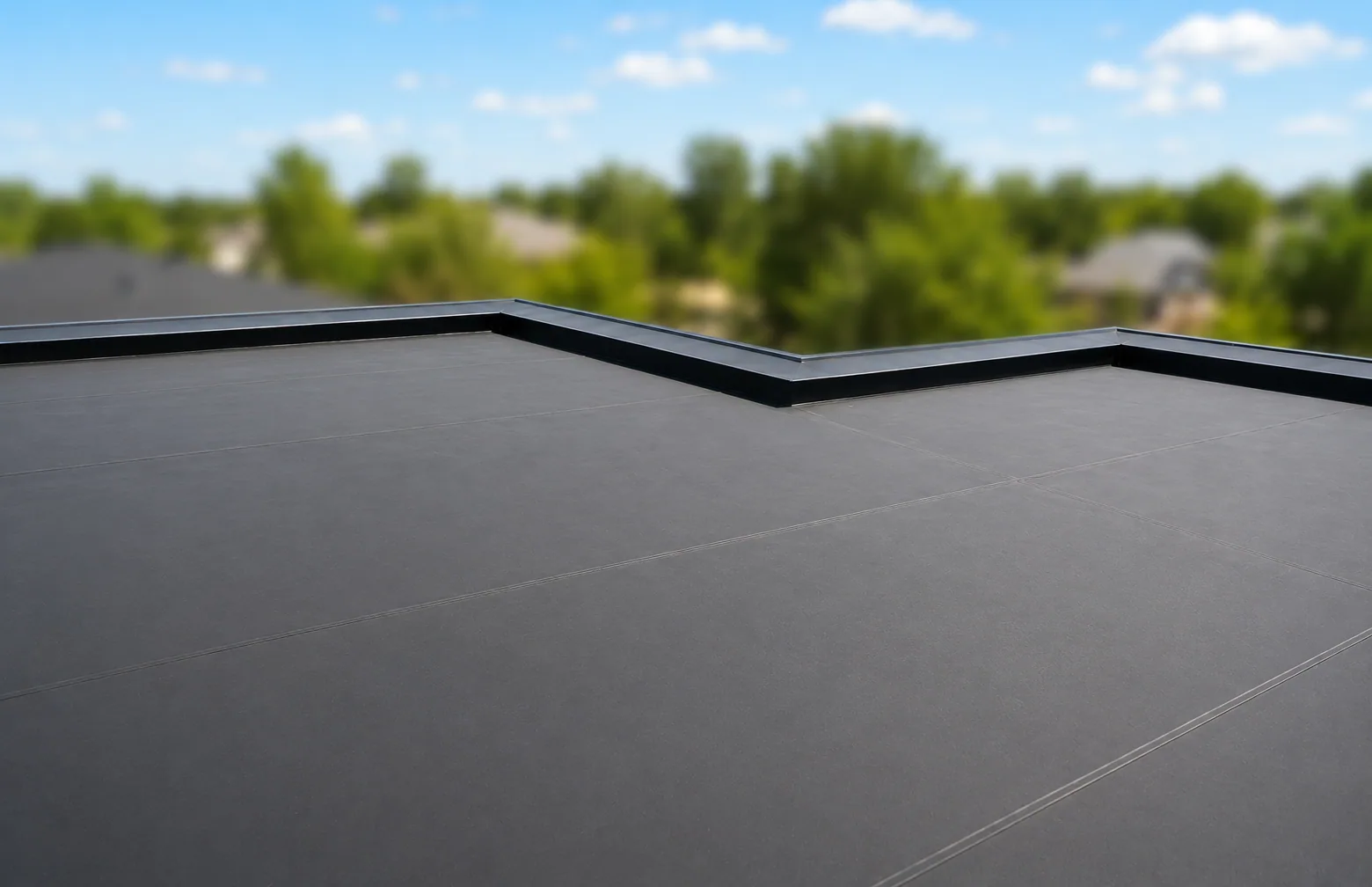
Two surfaces meet at a level change
Where a low roof meets a taller wall, the repair depends on both the roof membrane and the wall above it. Flashing failure repair at those spots checks the base flashing, the counterflashing and the wall surface. Stucco, siding or masonry repairs go to the trade that handles them. We list those steps next to the roofing so a new layer is not expected to fix both. The price explains how far the membrane has to be cut back to reach sound material, so a short visible split does not hide wet insulation or wall damage behind it.
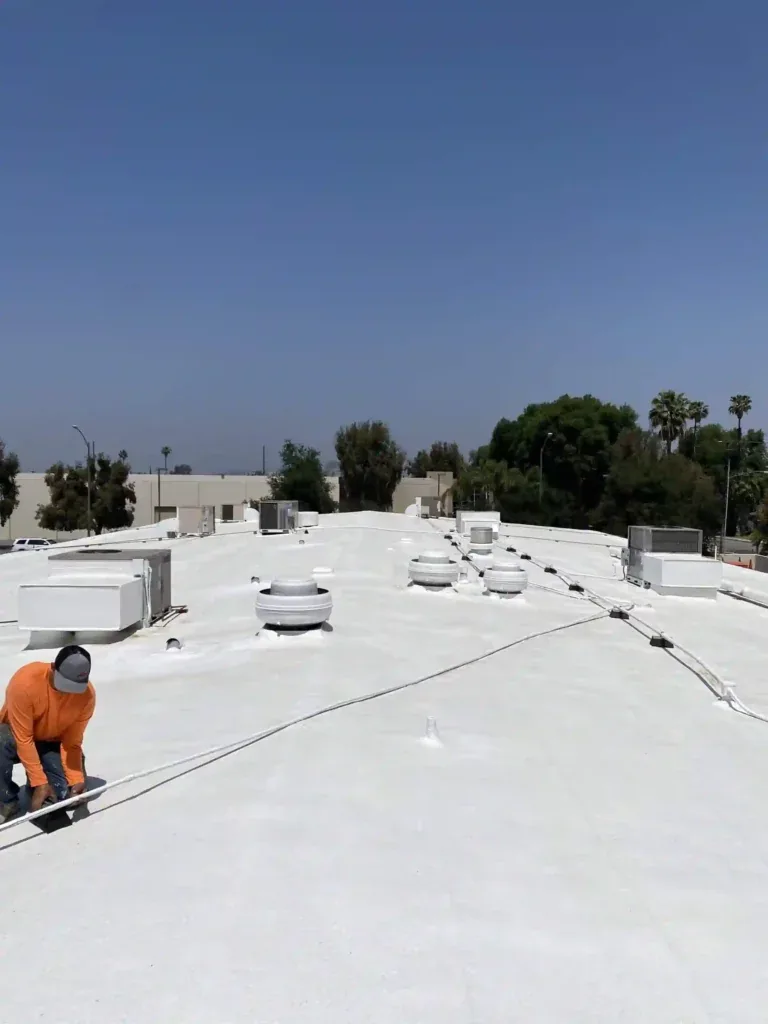
The membrane also has to suit the new flashing. Raised wall and penetration flashing work checks the existing membrane and the wood behind it. TPO and PVC are heat-welded to clean, sound sheet; other roofs use their own methods. We remove membrane that cannot hold a lasting repair and keep what is still sound. If the wall framing or a building joint raises a structural question, the designer or an engineer decides. You get a repair price that shows the wall work and the full length of new flashing.
The ends of a wall flashing run often meet a corner, a parapet or another roof section, and each needs its own detail. We check those ends and explain what they need to stay watertight. A repair that stops at the first straight section can leave the corner leaking. The proposal shows where the roofing work finishes and which wall or design item still needs attention, so you know when the detail is truly complete.
Protecting classrooms and hallways
An opening above a classroom or hallway can affect more rooms than the one where the leak was reported. For reroofing occupied buildings like schools, we share the planned openings, debris routes and material handling with facilities staff. They set protection and access, and decide when work can happen around classes. Equipment and electrical questions go to the right trades. Patching any test openings is included, so the bid ties protection to the actual rooms below instead of one general allowance.
If more wet insulation turns up, the work may reach another room or change the material route. We explain the larger area before removing more. Facilities staff review protection, and the roof repair still includes any wall work that has to happen first. Temporary roofing may stay in place while a wall or design issue is resolved. Facilities staff tell us which wings are in use and what protection is needed around each opening. Electricians handle any affected equipment. Temporary patches are recorded separately from the finished wall flashing.
Checking the insulation first
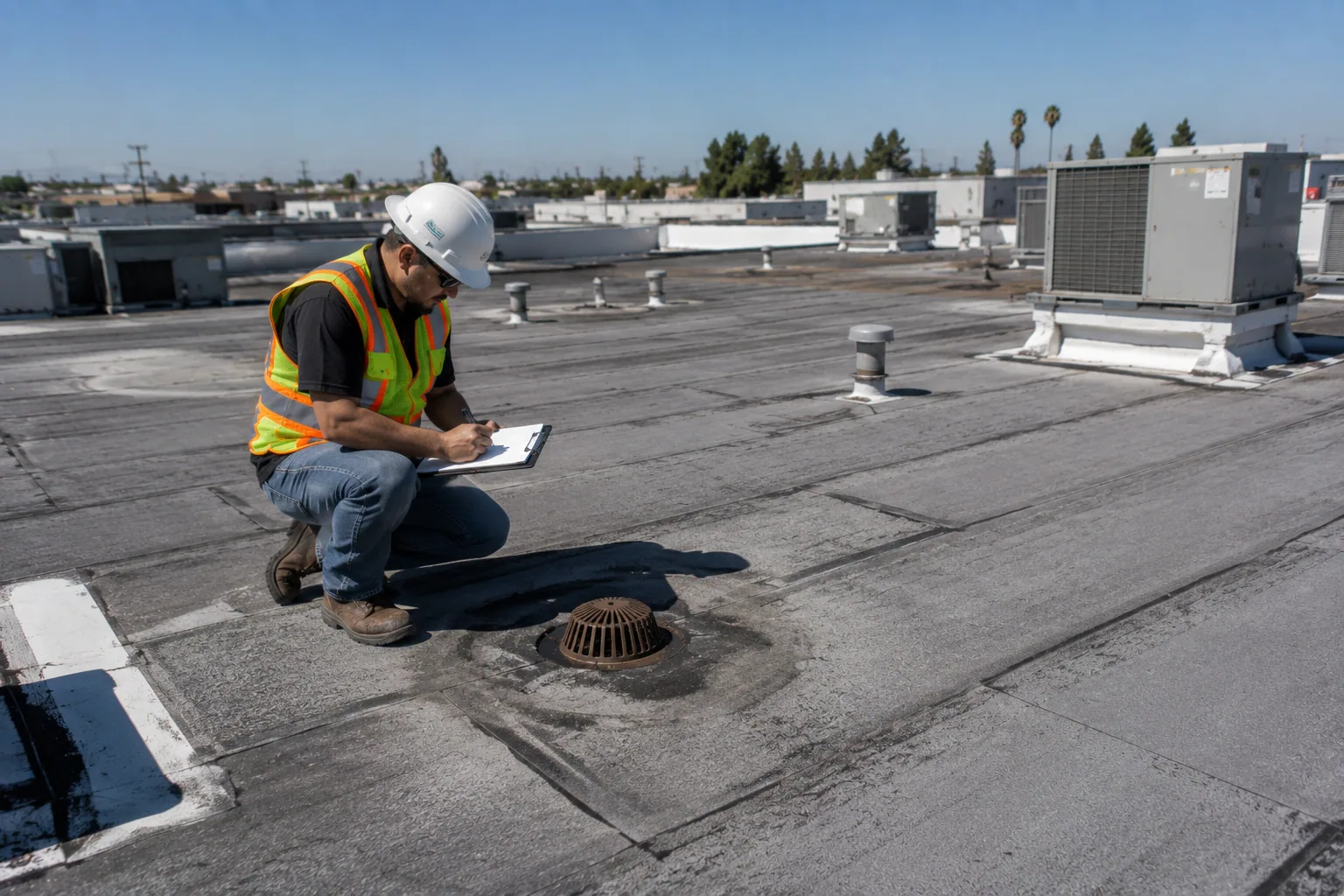
The roof away from a leaking wall can look fine while the insulation underneath is wet. An infrared moisture survey helps find likely wet areas, but readings depend on the roof build-up and the conditions during the scan. We confirm with core cuts wherever the decision to keep insulation depends on it, and patch each test spot. Facilities staff know which rooms are below. A scan alone does not show every layer. We explain whether findings keep the repair local or make it bigger, tied to the insulation next to that wall.
A full reroof can change flashing heights at walls, drain levels and clearances around equipment. The designer and other trades decide on those changes. We list them alongside the reroof price before comparing it with a local repair. Each option should include complete wall flashing and the protection needed to do the work. A new roof that ends at an unrepaired wall leaves the leak in place. You get a comparison based on the insulation and wall conditions we actually found.
A classroom wing can have different access and protection needs from a gym or kitchen. We match each part of the roof work to the space below and note which rooms or hallways are affected. Openings are sized so they can be protected and closed the same day, and insulation questions are answered before ceilings are disturbed more widely. You get a clear order of work for each part of the building instead of one plan for the whole campus.
School roofing in Richmond
For school roofing in Downtown Richmond and the Civic Center area, the classrooms below and the roof-to-wall joint each need a clear plan. Send us your construction records and the facilities contact. We inspect the roof before recommending materials, and facilities staff review protection. Final photos show the rebuilt flashing, the insulation we kept and any wall items still pending. Future inspections can go straight to those spots and tell finished work from temporary patches.
Other public buildings have similar wall details with different people below. A college or university roof often has expansion joints between wings. A government building roof sits over public offices with set hours. We document each school's repairs separately, because a similar roof elsewhere can have different insulation and protection needs. Future budgets can start from what we actually inspected and fixed.
Commercial Roofing Questions
What can hold up a roof-to-wall repair at a school?
Usually wall damage above the flashing, such as cracked stucco or loose siding. That trade fixes the wall, then we install new flashing on sound membrane.
Which rooms need protection if the work area grows?
Any room under the larger opening or along the material route. Facilities staff review the new area with us before we open more roof.
Can a full reroof skip the wall flashing work?
No. A new roof still has to be flashed properly at every wall, and added thickness can shorten the flashing height. Those details are included in the price.
How will we know the repair is finished?
Final photos show the rebuilt flashing and the insulation we kept, with any temporary patches or wall work still pending listed separately.



Tell us about the school roof and classrooms