Government Building Roofing in Richmond, CA
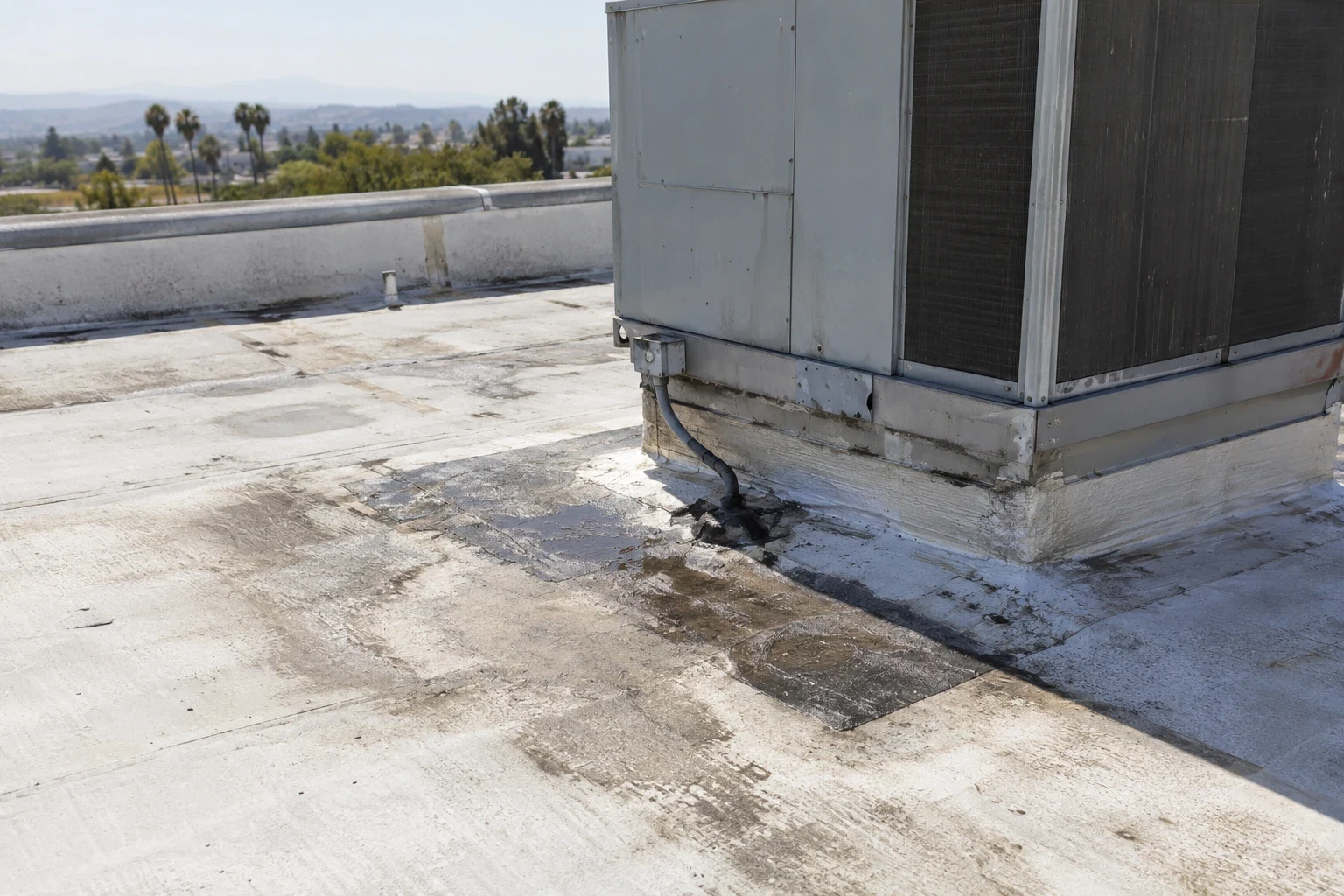
A leak at a roof drain on a government building often gets handled by clearing the strainer and calling it fixed. If the membrane has pulled away from the drain flange, the water keeps going straight past the seal and into the building, even with the drain running freely. A lasting repair needs sound membrane around the drain, a clamping ring and flange in good condition, and sometimes a plumber to fix a cracked drain body or leader underneath. We inspect each of those and tell you which one is the problem. Public lobbies, offices and service counters below the roof add their own protection and access needs.
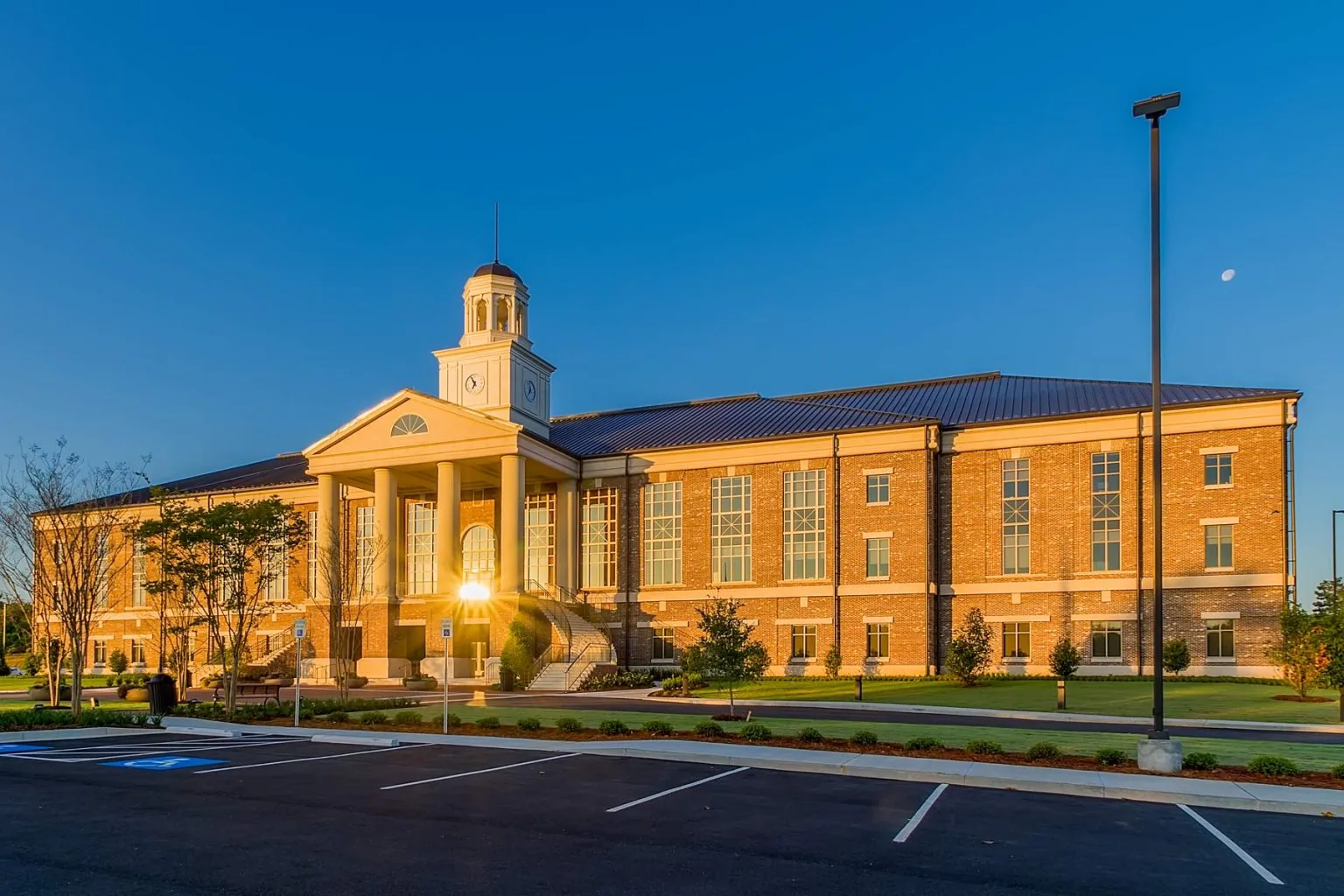
For government building roof work in Downtown Richmond, approved access and the roof work belong in one clear scope. The Civic Center area includes City Hall, the former Hall of Justice, the Civic Auditorium and the Main Library at 325 Civic Center Plaza, and every building has its own roof and its own rules. Send us the drain locations, any roof drawings and the public or staff areas below. We inspect the roof before choosing a repair. Facility staff review protection and access for the building, and plumbing work goes to a plumber. The price follows what we find on this roof, including the insulation and drain condition.
Sealing the membrane to the drain
Membrane can pull away where it meets the drain flange, especially if the flange is corroded or the clamping ring is cracked. Our roof drain and scupper work checks the drain body, ring and the membrane around it. We look at the corners and edges of the repair area too, rather than assuming free-flowing water means the drain is sealed. Drain bodies and pipes are plumbing work. The bid shows the roofing repair separately, so you can tell a clear drain from one that is actually watertight.
The membrane around the drain also has to be in good enough shape to bond to. Seam failure repair near drains follows the actual roof system and the condition of the surface. TPO and PVC are heat-welded to clean, sound sheet; other roofs use their own methods. We clean and reuse membrane where we can and replace it where it cannot hold a lasting seam. A repair priced only to the first visible split can stop short of sound material, so the scope covers the full area the repair needs.
When water will not reach the drain
Water standing near a drain can mean the deck has sagged, the insulation has crushed, or the drain sits higher than the roof around it. Ponding water repair looks at those causes. Drainage design and structural questions go to an engineer or the building's designer. We identify which roof work can go ahead and which has to wait for a design decision. A new layer of membrane cannot fix poor drainage, so the bid shows those steps next to the roofing and explains why a larger repair might be needed at a particular drain.
Adding insulation can change the height of drains and the flashing at nearby walls. We explain those effects before comparing a larger reroof with a local repair. Designers and other trades make the decisions that fall to them. Every option needs its own flashings, dry insulation and drain work. A new roof that ends at a drain still waiting to be lowered or replaced leaves the job unfinished. You get a comparison that lists every step needed, in the right order.
Protecting public and staff areas
Opening the roof around a drain can affect lobbies, offices or records rooms beyond where the leak first showed. For reroofing occupied buildings, we share the planned openings, debris routes and material handling with facility staff. They set protection and access for public and staff areas. Equipment and electrical work stays with the trades that handle it. Patching any test openings is included in our price, so the interior protection needed is not hidden inside a roof-area number.
If wet insulation turns up beyond the first area, the work may reach other public spaces or change how material gets to the roof. We explain the larger opening before going further, and facility staff decide how it affects operations. Temporary roofing may stay in place while a plumbing or design issue gets resolved. Before we open the roof, facility staff tell us about service hours, public entrances and any restricted areas, and they arrange our inspection access. Electricians handle any live wiring. Temporary patches are recorded separately from finished drain repairs.
Checking the rest of the roof
The roof away from the drain can look fine and still hide wet insulation. Infrared scans help find likely problem areas, but the results depend on how the roof is built and the conditions during the scan. We confirm with core cuts wherever the decision to keep insulation depends on it. Each test spot is patched, and facility staff know what sits below. One scan cannot prove the condition of every layer in the building. You get findings tied to specific locations and what each one means for the repair, rather than one drain being used to judge the whole roof.
Final photos show the finished drain seal and the insulation we kept around it. Plumbing or design items still pending are listed separately from finished roofing. Protection notes stay with the area that was opened, and future work in another part of the building will need its own review. Temporary patches are marked with their locations. That record lets future budgets go straight to a specific drain, insulation question or design item still waiting on attention.
Government roofing in Richmond
For government building roofing in Downtown Richmond and the Civic Center, approved access and the roof work belong in one clear scope. Send us your construction records and the interior areas below the work. We inspect the roof before recommending a repair. Facility staff review public access and protection, and plumbing items are listed next to the roofing. Test openings are patched before we leave.
Other institutional buildings have similar drains with different people below. A college or university roof often has expansion joints between building wings and a campus schedule to follow. An office building roof sits over tenants who need clean, quiet halls. We keep each government building's drain repairs documented on their own, so a later comparison starts from what we actually inspected and fixed. A similar-looking roof on another building can have very different insulation and drainage.
Commercial Roofing Questions
If the drain is flowing, is the leak fixed?
Not necessarily. Water can still get past a loose membrane seal or cracked clamping ring. We check the seal and the membrane separately, and plumbing issues go to a plumber.
Who decides on changes to roof slope or drain height?
An engineer or the building's designer makes drainage and structural decisions. We build the roof to match their plan.
What happens if the repair area grows over public spaces?
We stop and show facility staff the larger area. They review protection and access for the spaces below before we open more roof.
What gets recorded if a drain is only temporarily sealed?
The plumbing or insulation issue holding up the permanent repair, kept separate from the finished drain work and the insulation we kept.
Tell us about the drains and public areas below