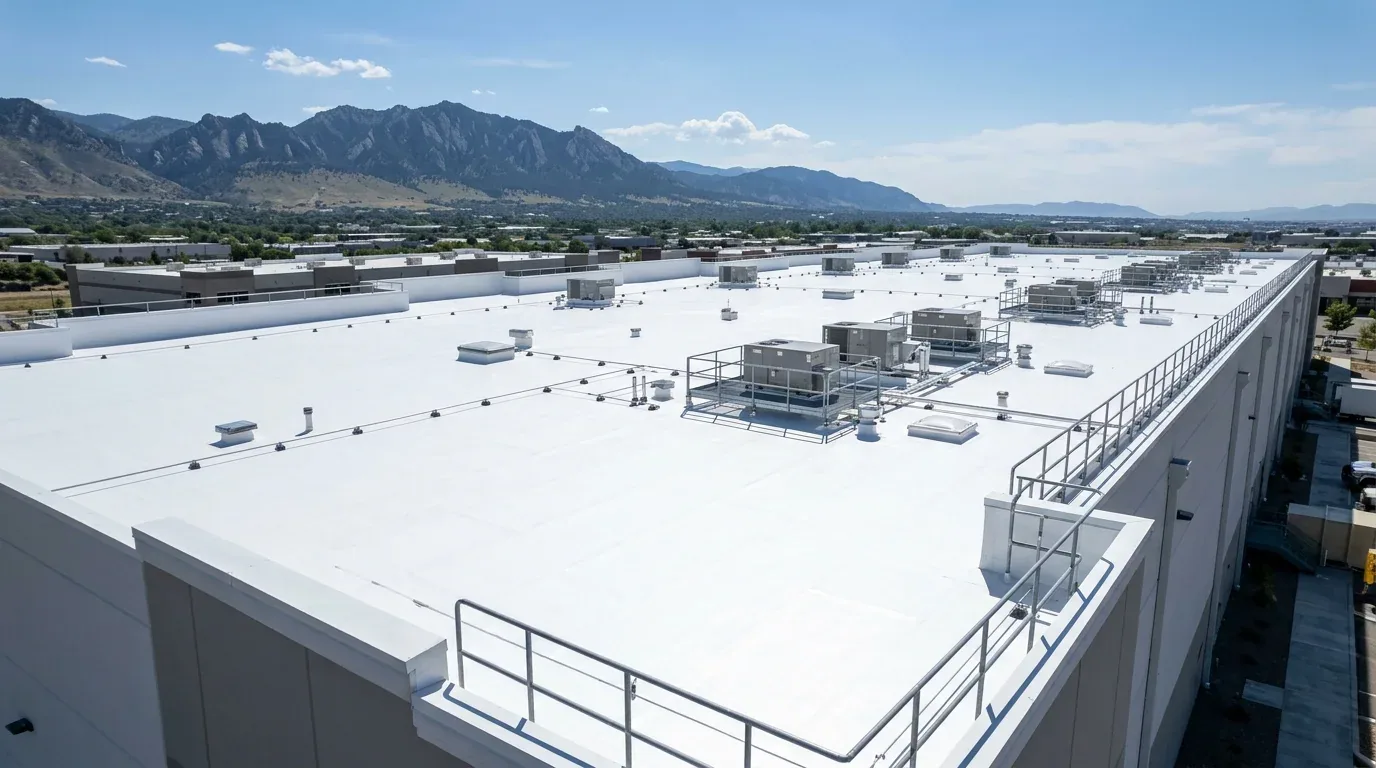
Seam Failure Repair in Richmond, CA
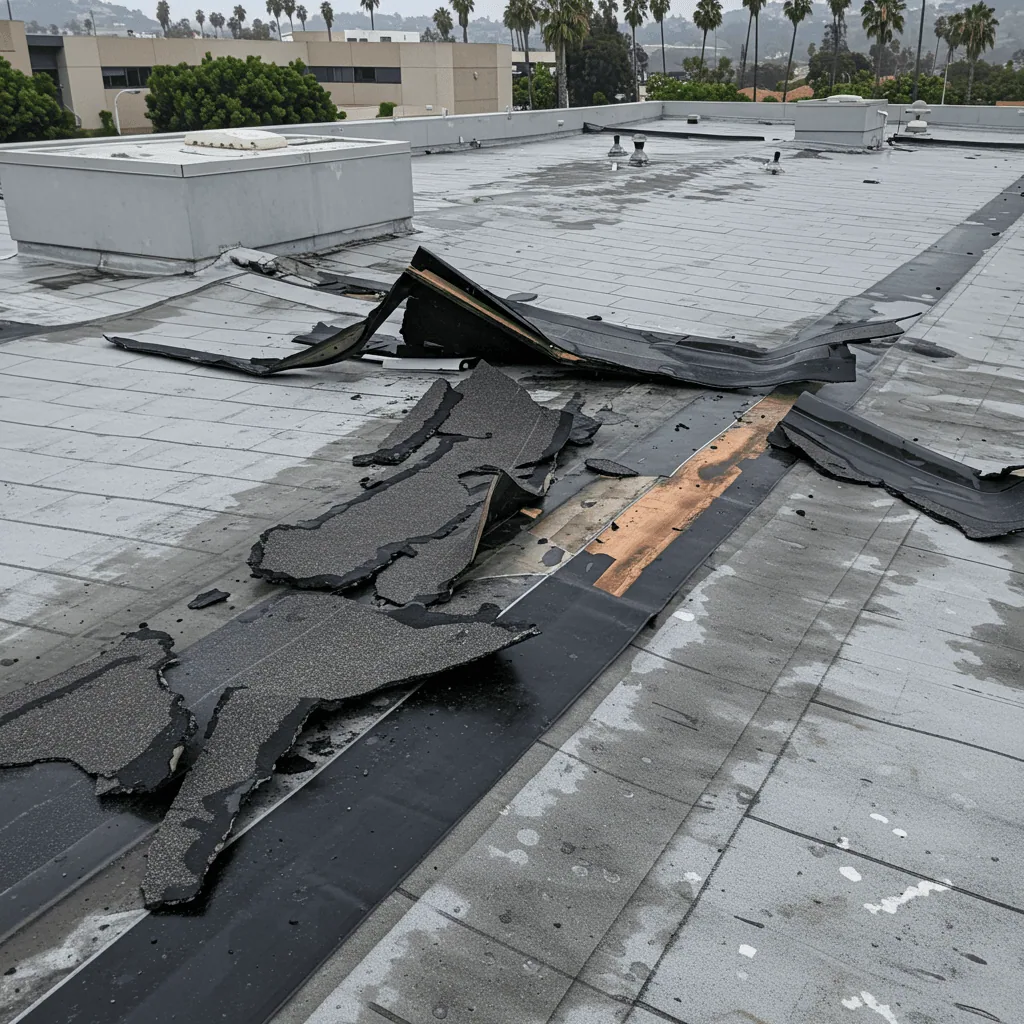
An open lap on a Richmond warehouse roof is a direct path for water, and the membrane on either side of it may not be in good enough shape to take a new seam. Seam repair means following the split out to sound membrane on both sides before deciding how far to cut back. We find the opening and inspect the roof next to it. A lasting repair needs clean surfaces, a compatible seam and a patch that reaches solid material. The owner should know that before the seam is sealed again, because closing the visible split can leave a weak lap or wet insulation untouched.
On warehouse roofs, we mark each open seam against a drain, skylight or roof hatch so it can be found again. A leak inside points us in the right direction, but inspecting the roof tells us which seam needs work. We compare any earlier repair records with what is on the roof now. The owner gets a clear seam repair based on this roof, not an assumption that every membrane with the same brand name behaves the same. Every warehouse job starts with its own site contact and access plan.
Check the membrane on both sides of the seam
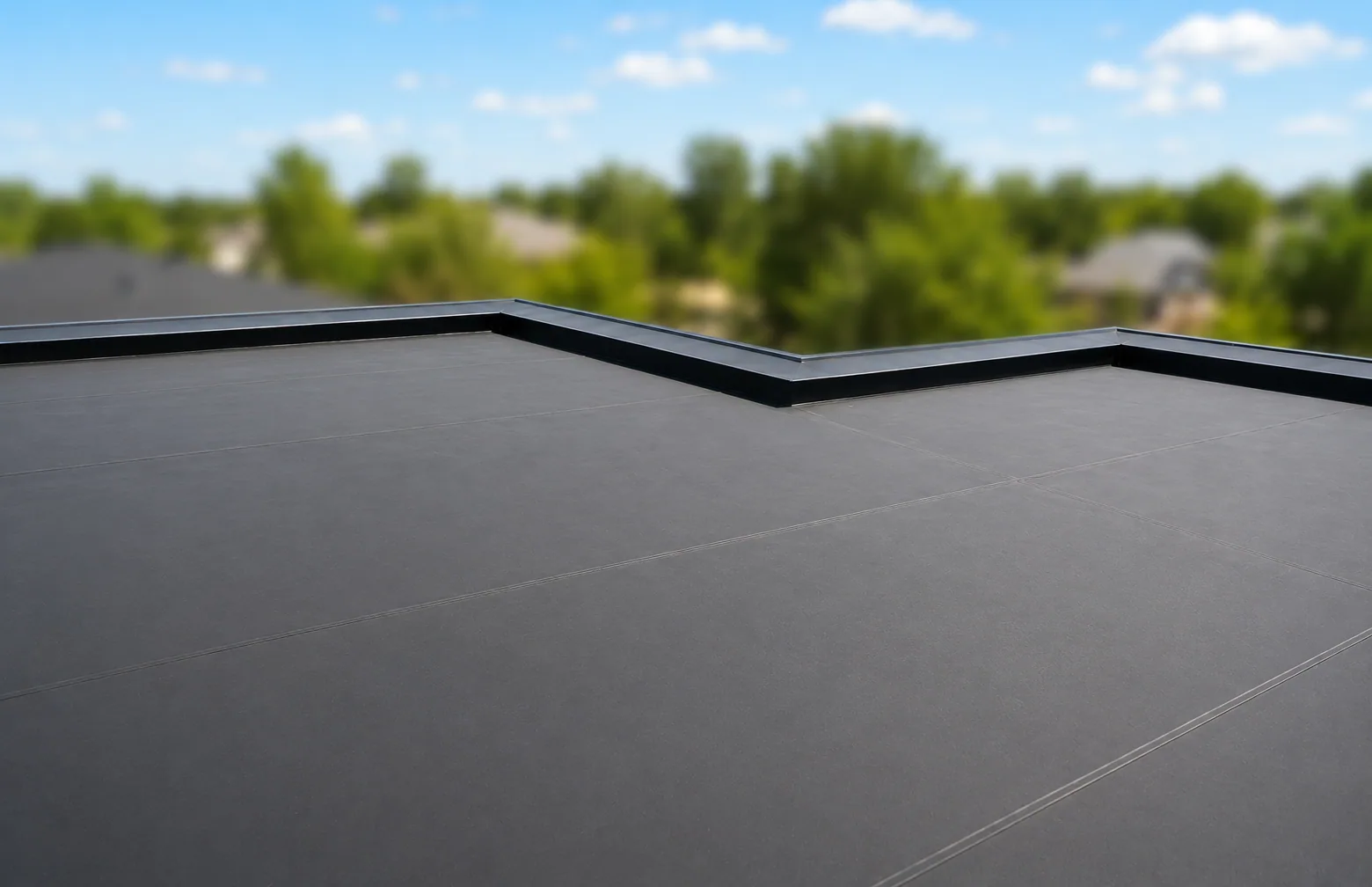
A seam can fail because of dirt and weathering, a poor original weld or adhesive, or roof movement that needs a closer look. We describe the opening and the condition of the membrane around it. Dirt, chalking and old coatings all affect cleaning and prep. The repair method has to suit the actual membrane, whether it is TPO, PVC, EPDM or modified bitumen. If we cannot tell what the roof is made of, we find out before ordering. The owner gets a repair based on the real membrane, not one technique applied to every roof because the leak happens to follow a seam.
A puncture near the seam is a separate repair and may need its own check of the insulation below. We note how each opening relates to the others. Weak or brittle membrane next to the lap can change how far the repair has to go, and we check that before setting a price. The owner can compare each repair without every scuff nearby being lumped into one job. A clear map helps the crew find the area and understand exactly which seam the estimate is meant to fix.
Check the insulation under the seam
Water coming through a seam may have soaked the insulation below. Where that changes what we keep or replace, we take a core or open a small area. Moisture readings help us decide where to look, but only opening the roof confirms the condition. We note where we checked and what we found. Wet insulation farther out is treated as unknown until someone checks it. The owner sees what we confirmed and what is still a question, so the repair is approved for the real damage, not just a strip over the split.
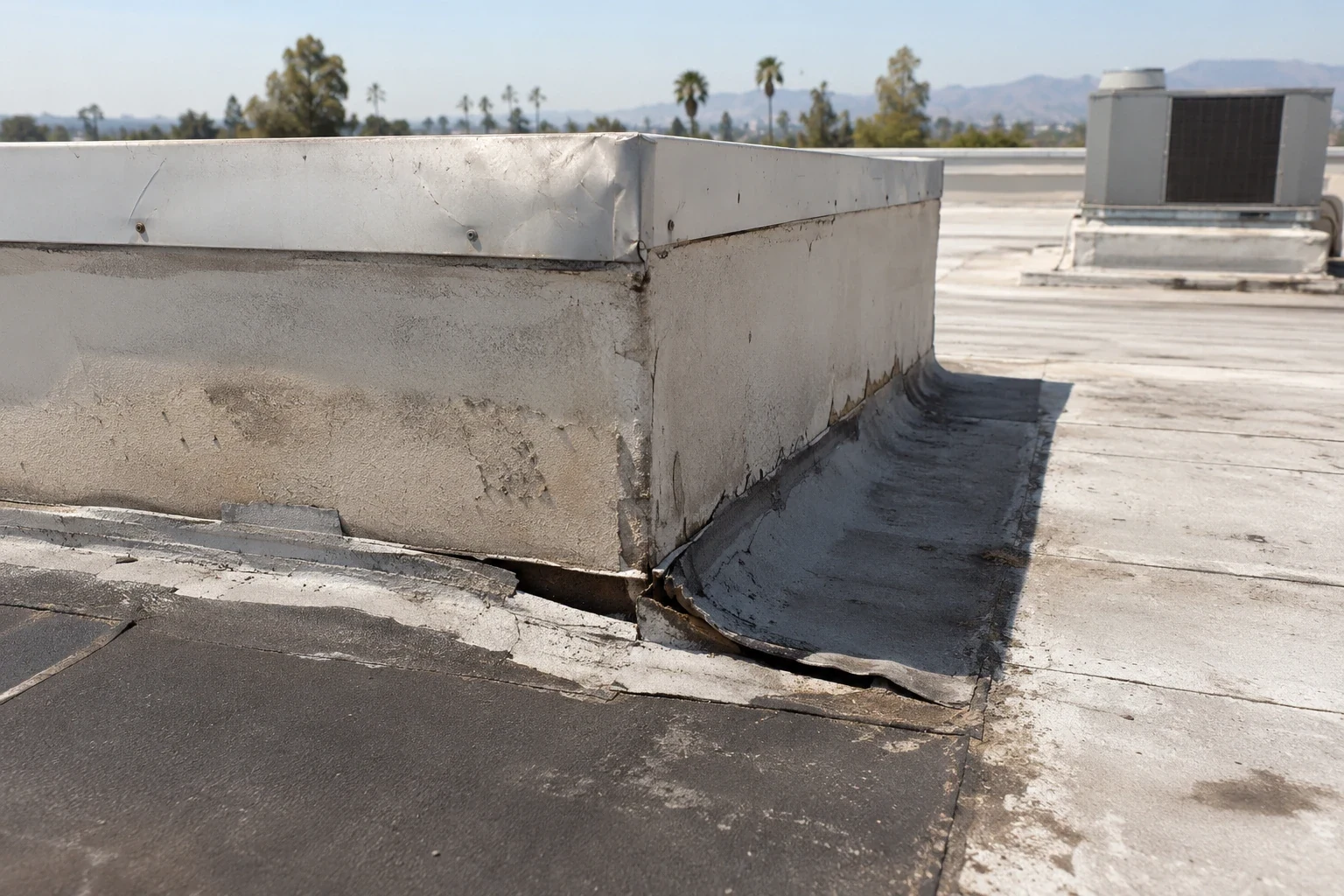
Flashing at a nearby wall can be a second leak path close to the seam. Its top edge, corners and base all deserve a look if they could explain the leak. A perfect new seam will not stop water coming in at an open wall detail. We explain how far the seam repair runs and list the flashing work separately. Old patch material around the flashing can affect how the repair ties into the existing roof, so we account for it before the owner compares prices.
Plan access and staging
The building manager confirms how we get on the roof and which areas are occupied. Cutting out a failed seam may need separate approval from the inspection visit. We talk through how much roof will be opened, where materials will be staged and whether any equipment has to be moved. Heavy loads in one place get reviewed when needed. Sorting this out ahead of time means the crew arrives ready to work instead of finding out on site that only an inspection was approved.
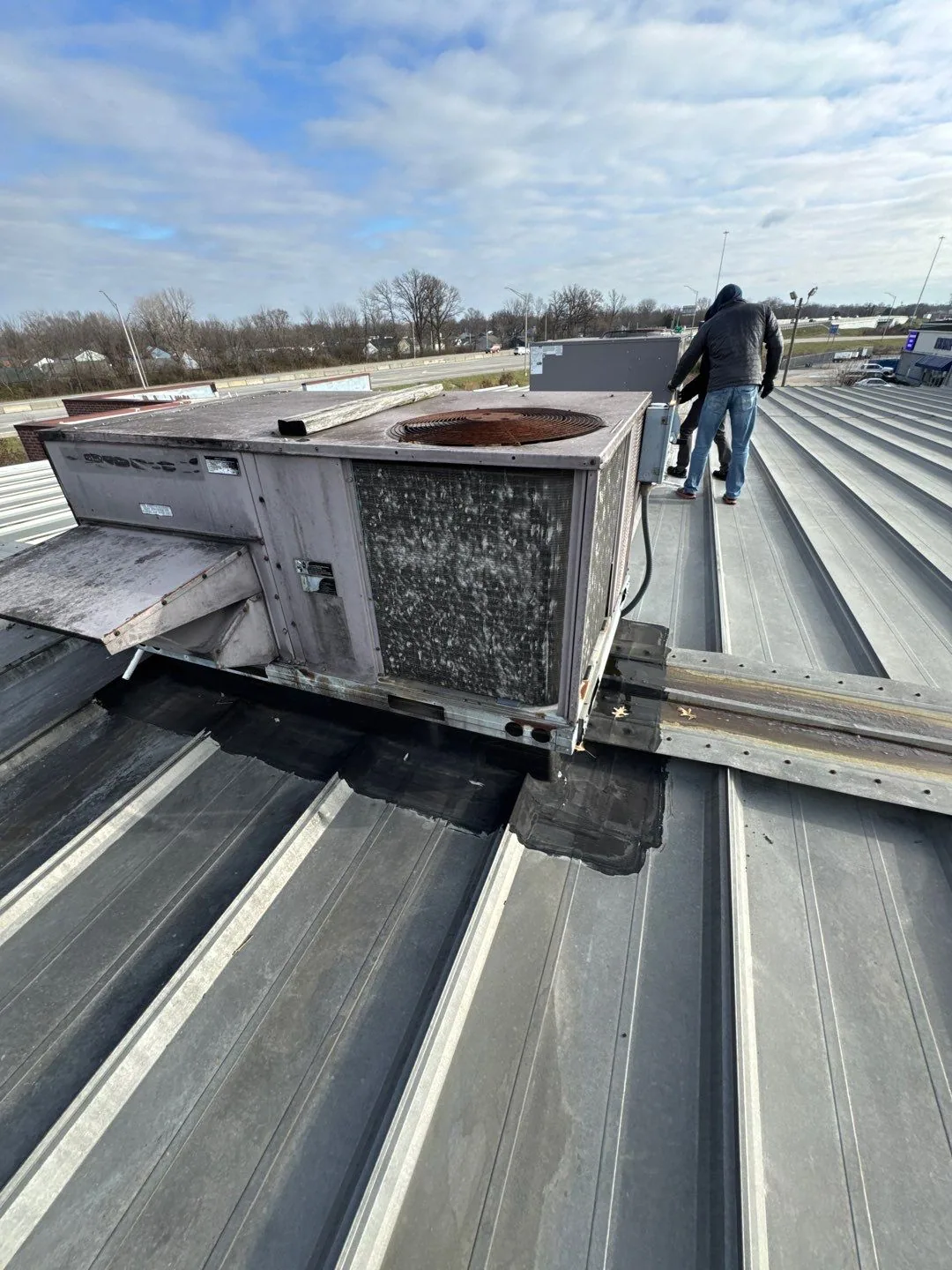
On seam repairs, the condition of the seam and the membrane around it sets how far the repair goes. A roof in North Richmond has its own building contact and access rules, and we plan the repair area within them. If a unit has to be disconnected or lifted, the mechanical contractor does that work. The owner gets a schedule that separates inspection, tear-off approval and the permanent repair, so each next step is clear for that particular building.
Finish the prep before sealing the seam
The new seam has to tie into membrane that can take a proper weld or adhesive bond. Wet or damaged insulation may need to come out and be replaced first. New insulation that changes the roof height can affect a nearby drain, wall or curb, so we settle the insulation thickness before ordering flashing. If more damage turns up once the roof is open, we measure it and send a change for approval. A temporary seal keeps the area dry while the owner decides on the extra work.
Insulation and cover board repair under the seam stays within the marked repair area. The estimate shows what existing material stays and where the new work meets it. Seam requirements depend on the membrane: an old adhesive or coating may call for different prep than clean, untreated sheet. We describe the repair in those terms so the owner can compare options. Where seams keep failing across a roof, a larger replacement may make sense, and it is priced with the insulation and edge details it needs. Along the Richmond Parkway industrial corridor, we follow an open seam to sound membrane and solid attachment before deciding where the repair stops.
Show the finished seam
The closeout shows where the seam opened and photos of the prep work hidden under the finished repair. We record the repair limits and the materials used. Work that belongs to other trades, such as a unit that still needs reconnecting, is listed separately with who is responsible. A finished seam may leave a nearby detail waiting on someone else, and we say so by location. A facility manager who picks up the building later can see exactly what changed at the seam without relying on a vague note that the roof was repaired.
If another leak shows up, the dated seam records help with the next commercial roof repair. New equipment, foot traffic or another opening can damage nearby membrane after our repair. We inspect the roof as it is now before blaming the old seam. A stain that keeps coming back may need a new trace instead of a longer strip over the old repair. The owner gets a next step based on what the roof looks like today, compared against what we actually did before.
Commercial Roofing Questions
How do you decide how to repair an open seam?
We confirm the membrane type and the condition of the surface on both sides, then use the cleaning, primer and weld or adhesive that membrane calls for.
Does a small split mean the insulation underneath is dry?
Not necessarily. Water can travel under the membrane, so we take a core or open a small area where wet insulation would change the repair.
What if a nearby wall flashing is also open?
We list it as a separate repair. Fixing the seam will not stop water coming in at an open wall detail.
Can new insulation change the seam repair?
Yes. Thicker insulation raises the roof surface, so we check nearby drains, walls and curbs before ordering materials.
What records help if the seam leaks again later?
Dated photos of the opening, the prep work and the finished repair. We compare them with the current roof before deciding what failed.


Get the failed seam repaired properly