Membrane Puncture Repair in Richmond, CA
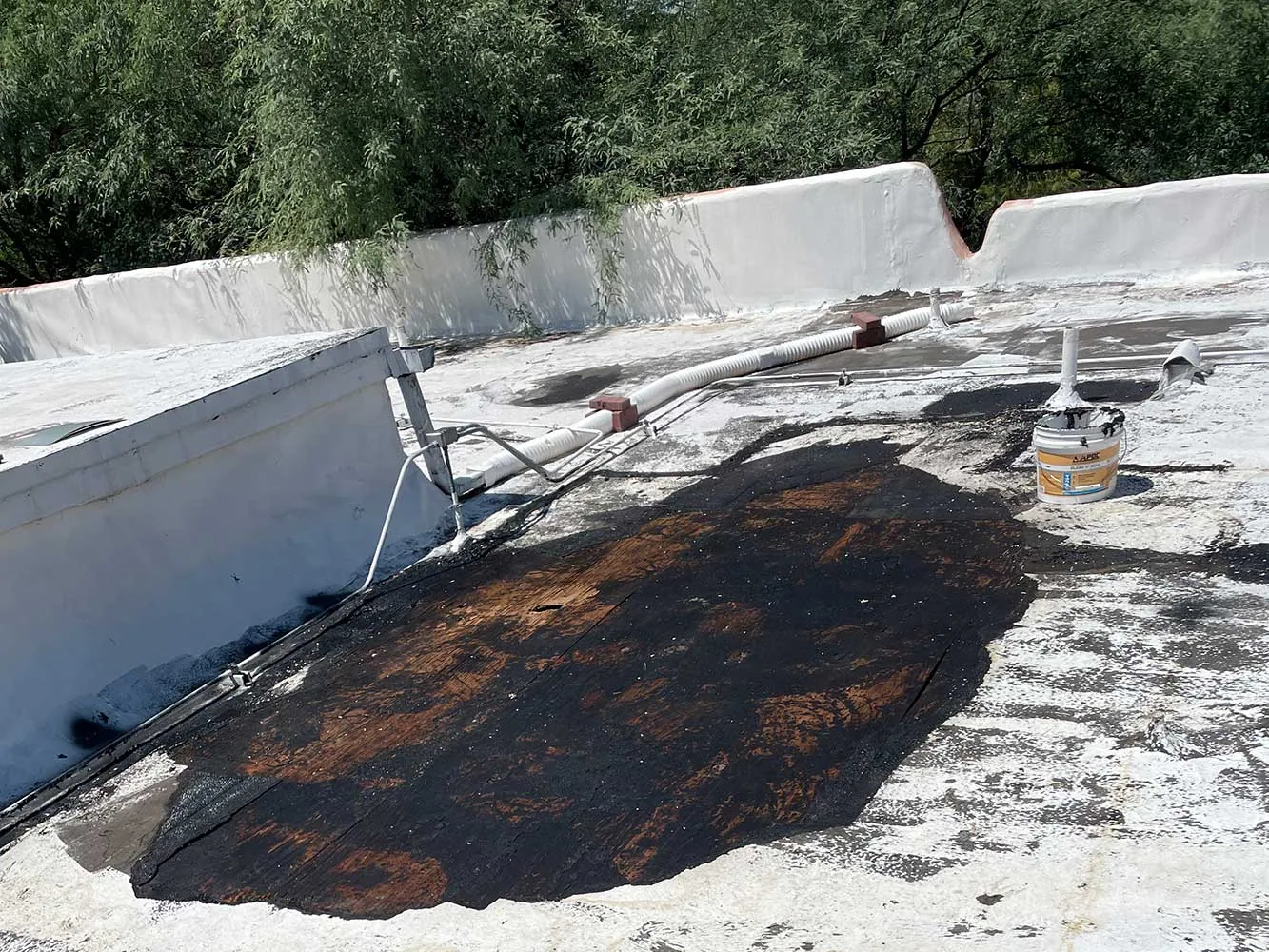
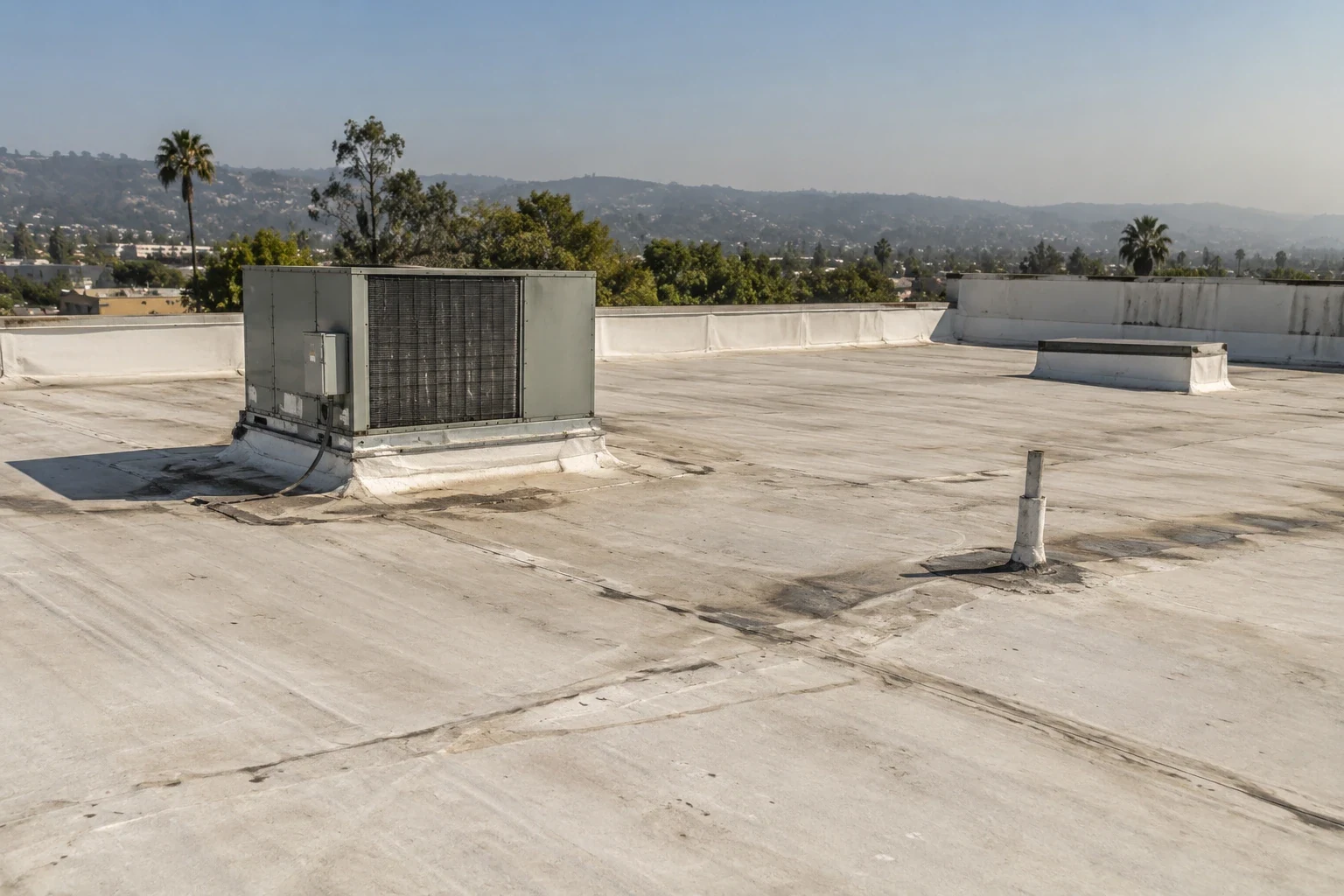
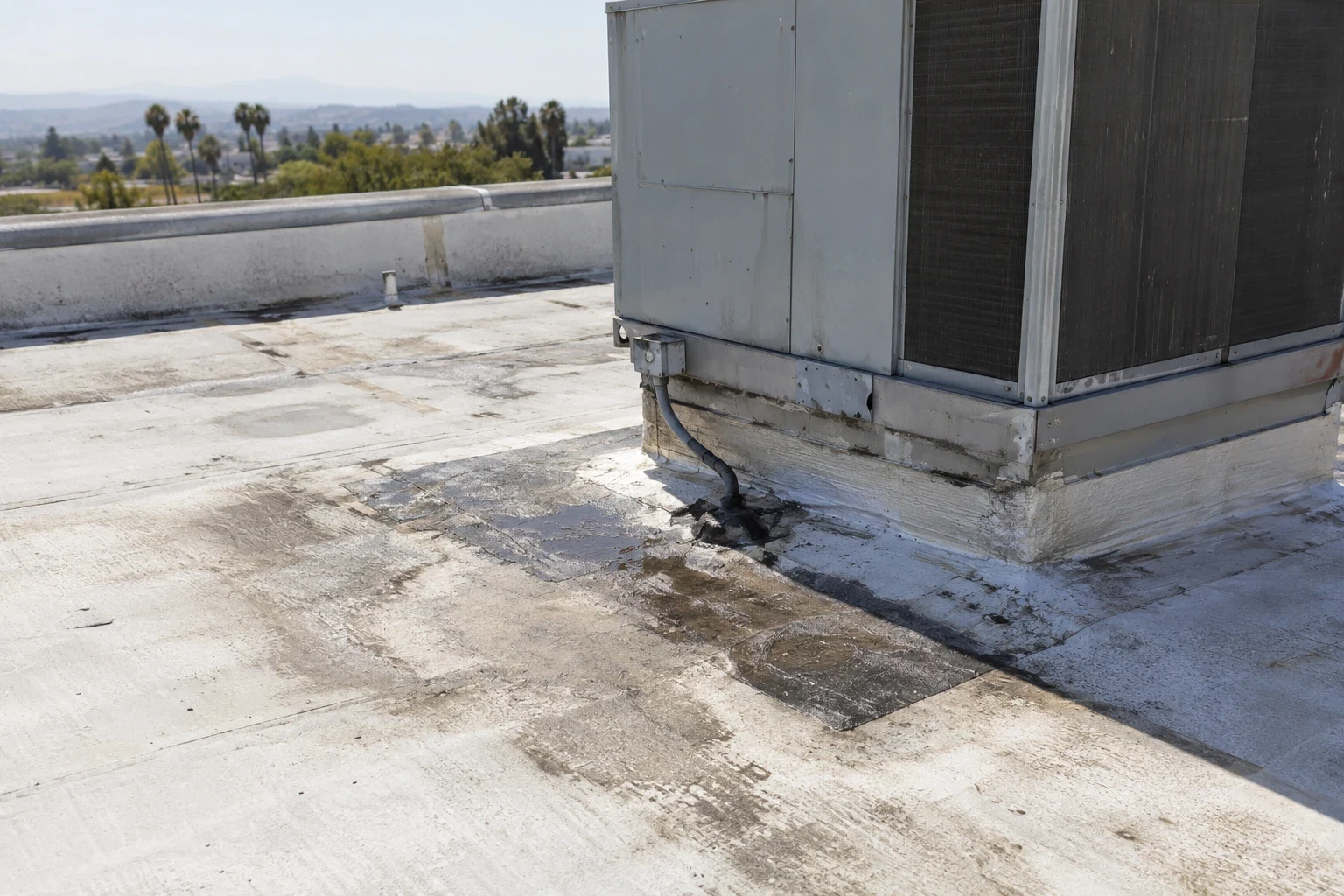
A small hole next to a rooftop unit can leave a Richmond building owner wondering how much damage sits underneath. Puncture repair means checking the hole itself, the insulation below and the membrane around it before deciding how big the patch needs to be. We find the puncture, inspect the surrounding roof and look for anything that would change the repair. The hole may be the size of a screwdriver tip while the wet insulation under it spreads several feet. We explain both, so the repair covers everything that is actually damaged, not just the mark on the surface.
When we are called out for a puncture repair in Richmond, the building manager confirms how to reach the roof and roughly where the leak is. On office building roofs, we note each puncture next to a curb, drain or unit that someone can find again. Photos and service dates from recent rooftop work help when they match the building. We look at the hole before saying what caused it or how to fix it. Dropped tools or recent HVAC service may explain the damage, but deciding who pays is a separate conversation.
Find every hole, not just the obvious one
Where there is one puncture, there is often another cut or a loose seam nearby. We walk the area around it instead of assuming the most visible hole is the only one. Each opening gets marked and described. We separate real holes from scuffs and marks that do not go through the membrane. A leak inside the building tells us where to start, but water can travel before it drips. The owner gets a clear list of what needs repair, with locations precise enough for the crew to find each one and know how far the patch must extend.
An open lap next to the puncture is a seam failure, and it needs its own repair. Sealing a seam takes different prep from patching a hole in the field of the roof. Old coatings, adhesives or earlier patches can also keep new material from bonding. We note those conditions where they affect the repair. The estimate shows which fix goes with which opening, so the owner can see there are two problems, and one patch over the hole will not stop water coming in through the seam beside it.
Make sure the patch will bond
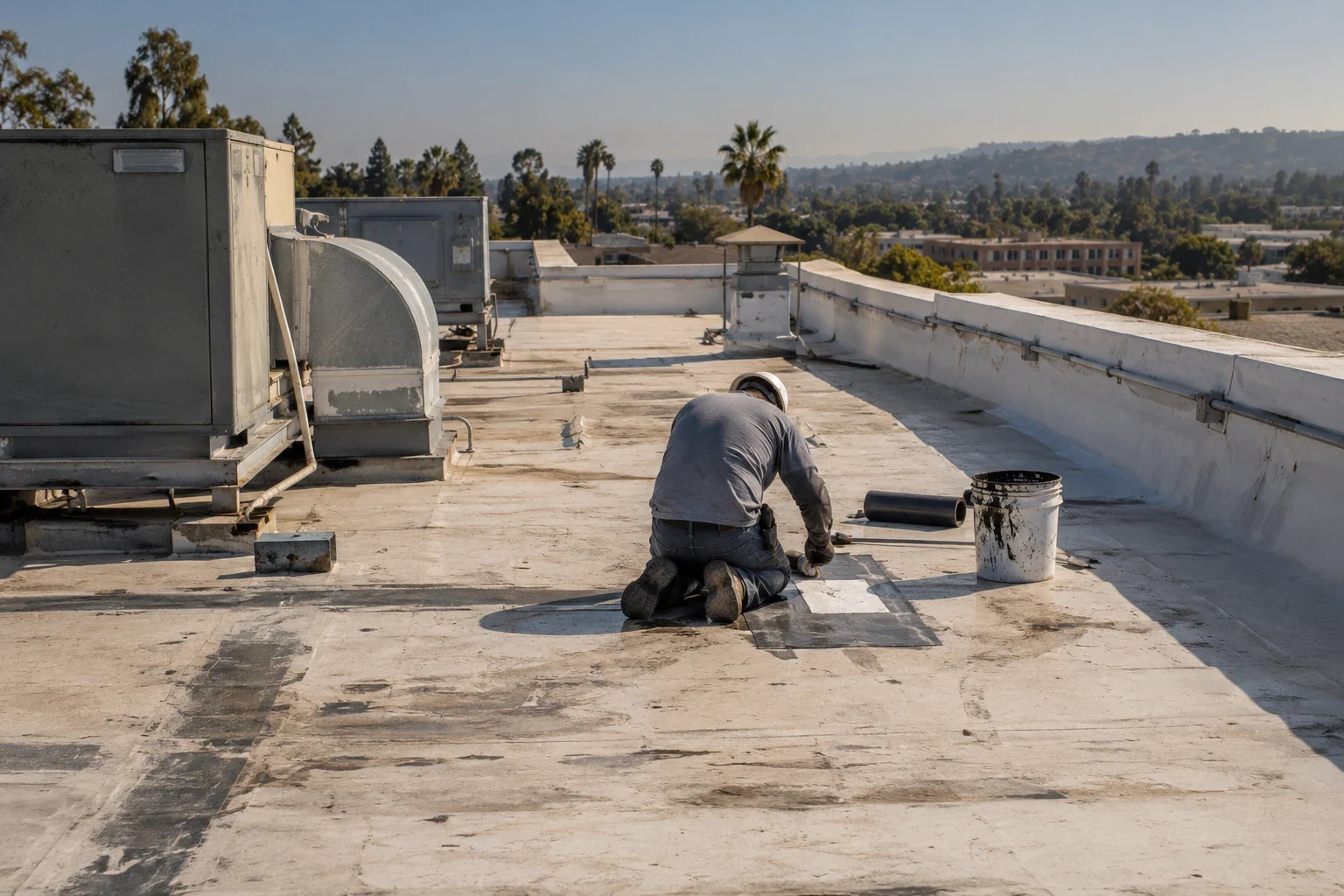
A permanent patch needs to match the roof membrane and stick to a properly cleaned surface. An older, weathered or coated membrane needs more prep than a newer, clean sheet. We confirm what the roof is made of before choosing how to patch it. If we cannot tell the membrane type right away, we find out instead of using a one-size-fits-all fix. The owner should know what prep we plan and why. A hole that has simply been covered over is not a finished repair unless the edges are fully bonded and the material underneath is sound.
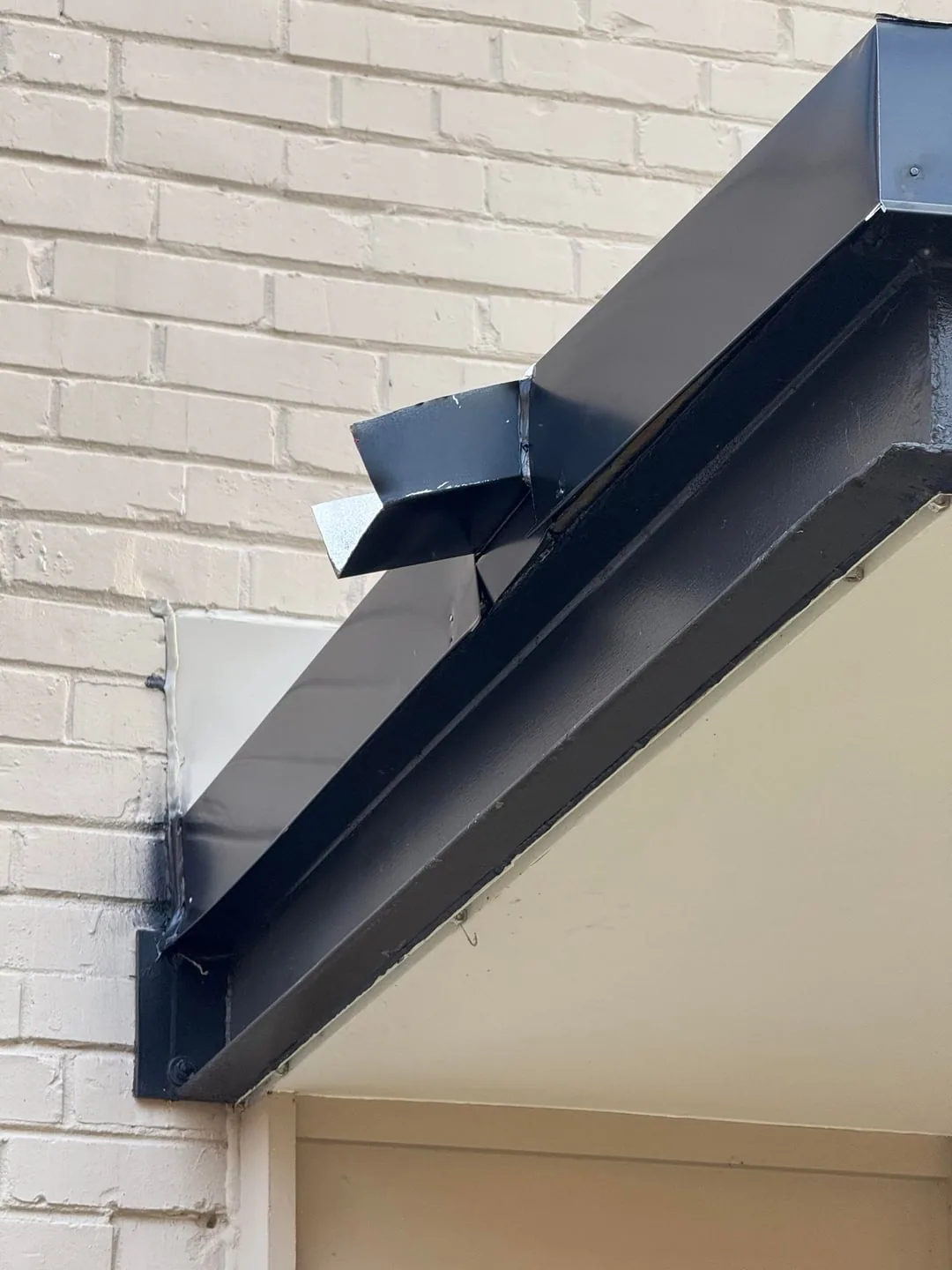
If the flashing at a nearby curb has also failed, we inspect it separately, since water can enter there without ever passing through the puncture. We note the condition of that flashing and how it relates to the patch. A loose detail at a unit or wall may need its own repair before the area is fully watertight. The owner can approve the puncture repair on its own while knowing the curb still needs work, so no one assumes every detail around the unit was checked and fixed.
A patch needs clean, compatible membrane on every side. We check whether the puncture went through only the top sheet or reached the insulation and cover board, and we open the area if that is the only way to tell. A puncture next to a seam, drain or curb may need a differently shaped patch than one in open roof. The repair record notes the patch size and how it was sealed, so anyone looking later can tell a proper repair from a cover over wet insulation.
Check for wet insulation before keeping it
Water that gets through a puncture often soaks the insulation below. Where that would decide what can stay, we take a core sample or open the roof to look. The result tells us the condition at that spot, and we say so. Wet insulation a few feet away may still be unknown even after one clear sample. The owner gets a plain explanation of what we confirmed and what could still change the size of the repair. That way the cost is based on the actual damage, not on the diameter of the hole.
When insulation or cover board replacement is part of a puncture repair, we explain what comes out, what goes back and how it ties into the dry material around it. New insulation that is a different thickness can affect a nearby drain or curb, so we check those before ordering the membrane. If opening the roof reveals more wet material than expected, we measure it and send a change for approval. A temporary seal keeps the area dry while the owner decides, and the extra work and its cost are shown plainly.
Protect the repair from the next round of foot traffic
The path HVAC techs and other trades use across the roof can damage a repair all over again. We talk with the building manager about how people and equipment actually move on the roof. Where carts or heavy parts cross the same spot again and again, walkway pads or a different route can help. Heavy loads in one spot may need an engineer's review. We do not blame foot traffic just because a hole sits near a unit, but we do point out the activity that needs to be managed so the new patch lasts.
A puncture and the insulation under it need to be checked separately. A building near Point Richmond gets its own site contact and roof access route, and we agree on how materials move to the work area before delivery. Permission to inspect does not mean approval to cut out wet insulation or disconnect equipment. The owner gets a schedule that spells out who does what. On a warehouse roof at the Port of Richmond, we check the hole and the insulation and membrane around it, because either one can change how big the repair needs to be.
Keep a clear record of the repair
When the job is done, the owner gets photos showing the original puncture and any insulation that was replaced. We record the patch material used and where it meets the existing membrane. Any other problems we noticed nearby are listed separately. If a mechanical contractor still needs to finish work on a unit, that is noted too. The owner knows exactly what was repaired without relying on a vague note that the area around the unit is fixed. Dated photos help if another leak shows up after more rooftop work.
If another commercial roof repair is needed near the old patch, we inspect the roof as it is at that time. New cuts, a moved unit or a separate open seam can create a new leak path. We compare what we find with the earlier repair before blaming it. A stain that keeps coming back may need a fresh trace instead of a bigger patch. The owner gets a recommendation based on current conditions, with the earlier repair and any new damage kept clearly apart.
Commercial Roofing Questions
Can a small puncture need a bigger repair?
Yes. If water has soaked the insulation underneath, that wet material has to be cut out and replaced, and the repair grows to match.
Does a hole next to a unit mean the HVAC contractor caused it?
Not necessarily. We record the location and any service dates you have, but the cause and who pays are settled separately from the repair.
How is a second opening at a seam priced?
As its own repair. A seam needs different prep from a field patch, so the estimate shows both instead of assuming one patch fixes everything.
How do we protect a new patch from future foot traffic?
Walkway pads along the routes techs actually use, and a review of where heavy equipment is set down, help keep the repair from being damaged again.
What should the repair record include?
The puncture location, any insulation that was replaced, the patch material and photos, plus a list of nearby issues that were not part of the repair.



Get the roof puncture repaired properly