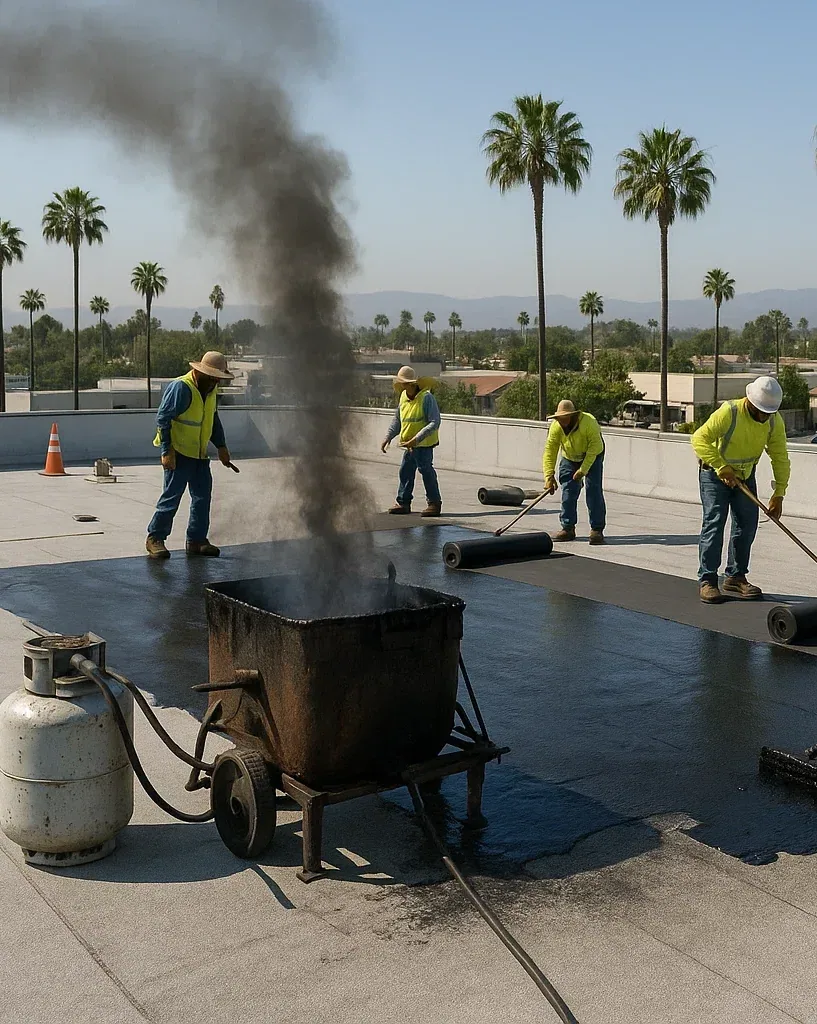
Modified Bitumen Roofing in Richmond, CA
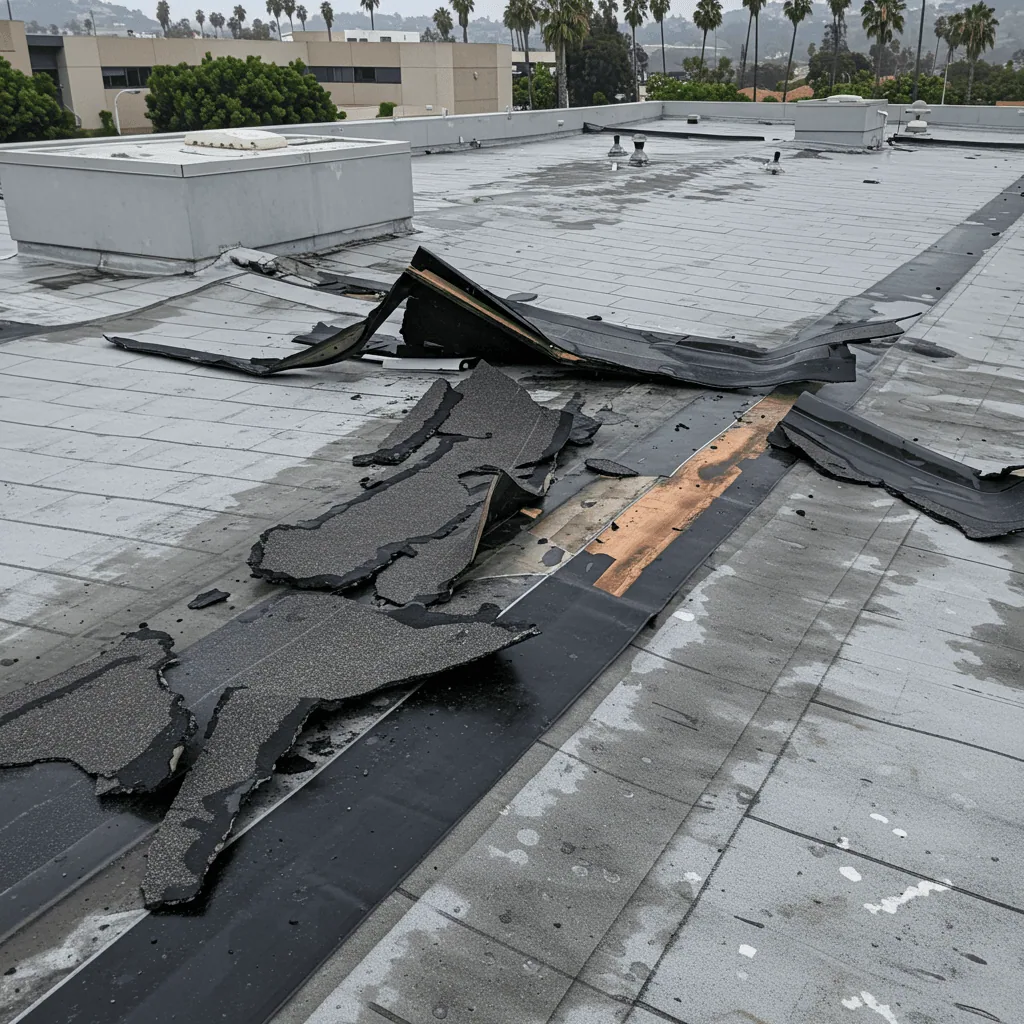
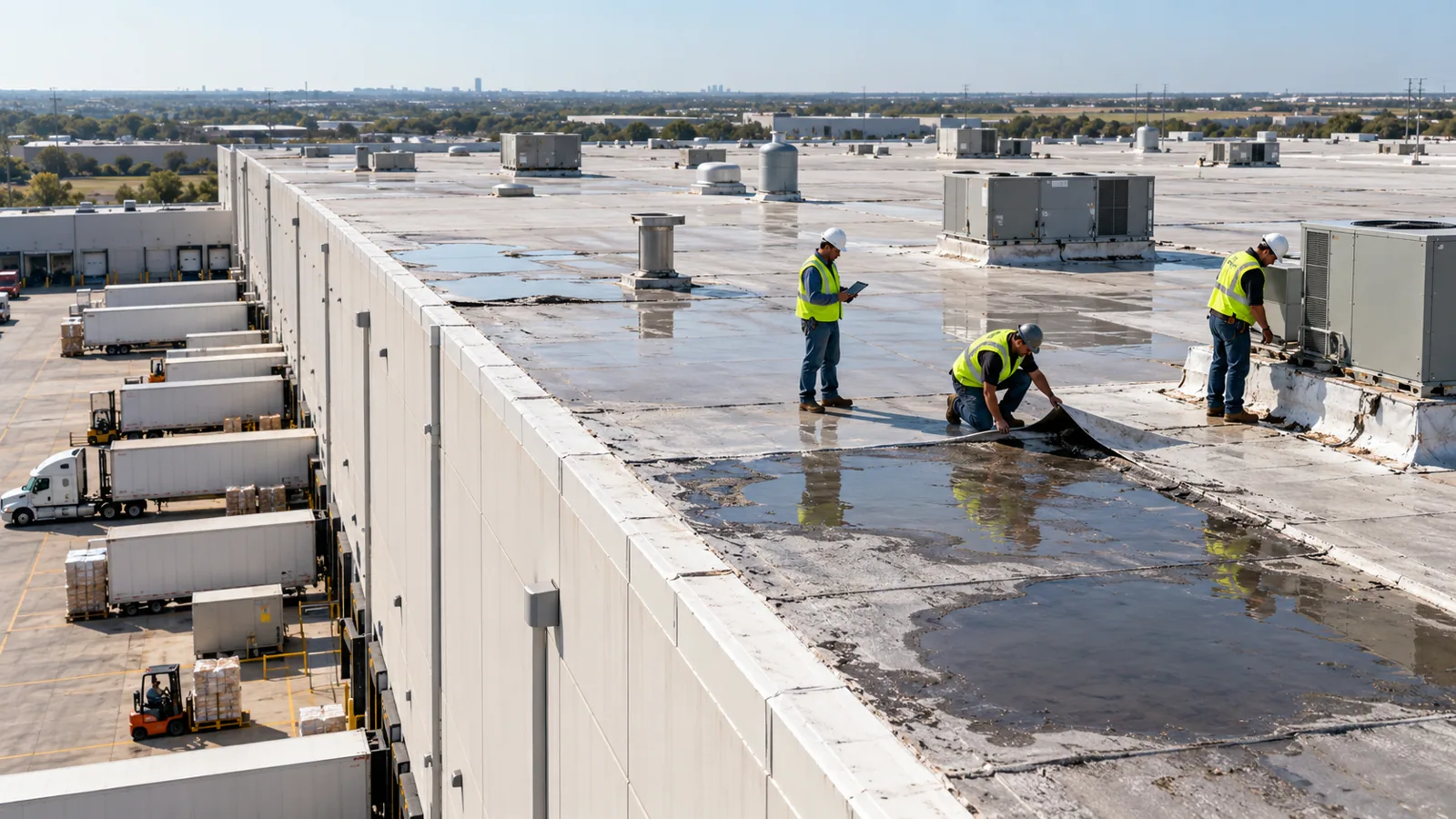
A split lap on a modified bitumen roof over a Richmond shop or plant usually starts small: a seam that has lifted at the edge, a crack along a granule-surfaced cap sheet, or a blister that finally opened. Water then works under the sheet and into the insulation. On a manufacturing plant roof, that leak can show up far from where it started, often over equipment or production lines.
We start by finding the actual failure instead of coating over the area where the stain appears. That means checking the lap, the sheet around it, any old patches and the insulation underneath. Modified bitumen comes in two main families, SBS and APP, and they are installed differently: torched, mopped with hot asphalt, set in cold adhesive or self-adhered. A repair needs to match what is already there. Once we know the sheet type, how it was installed and whether the layers below are dry, we can give the owner a repair price and, if it makes sense, a replacement price for comparison.
Identify the sheets and old repairs
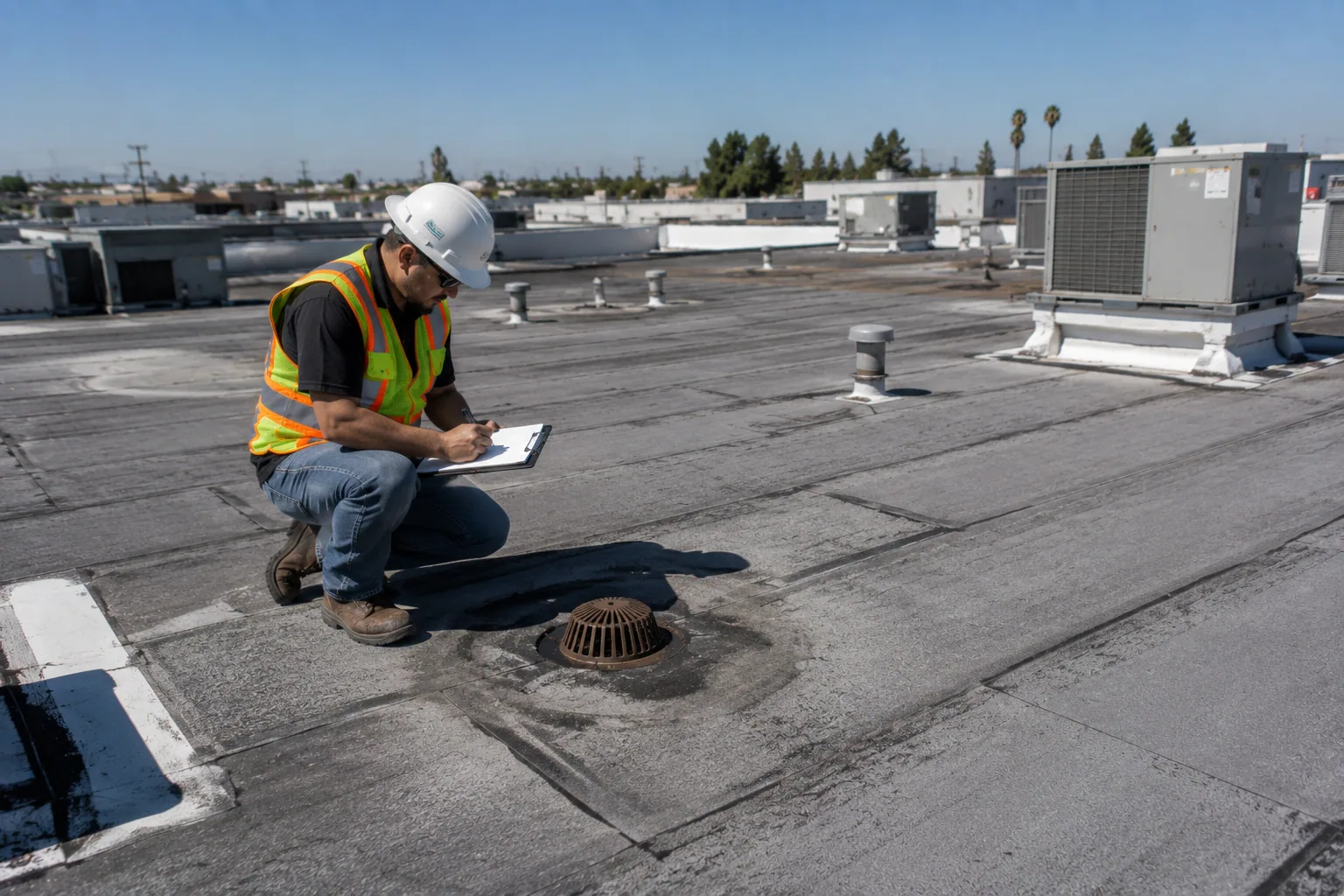
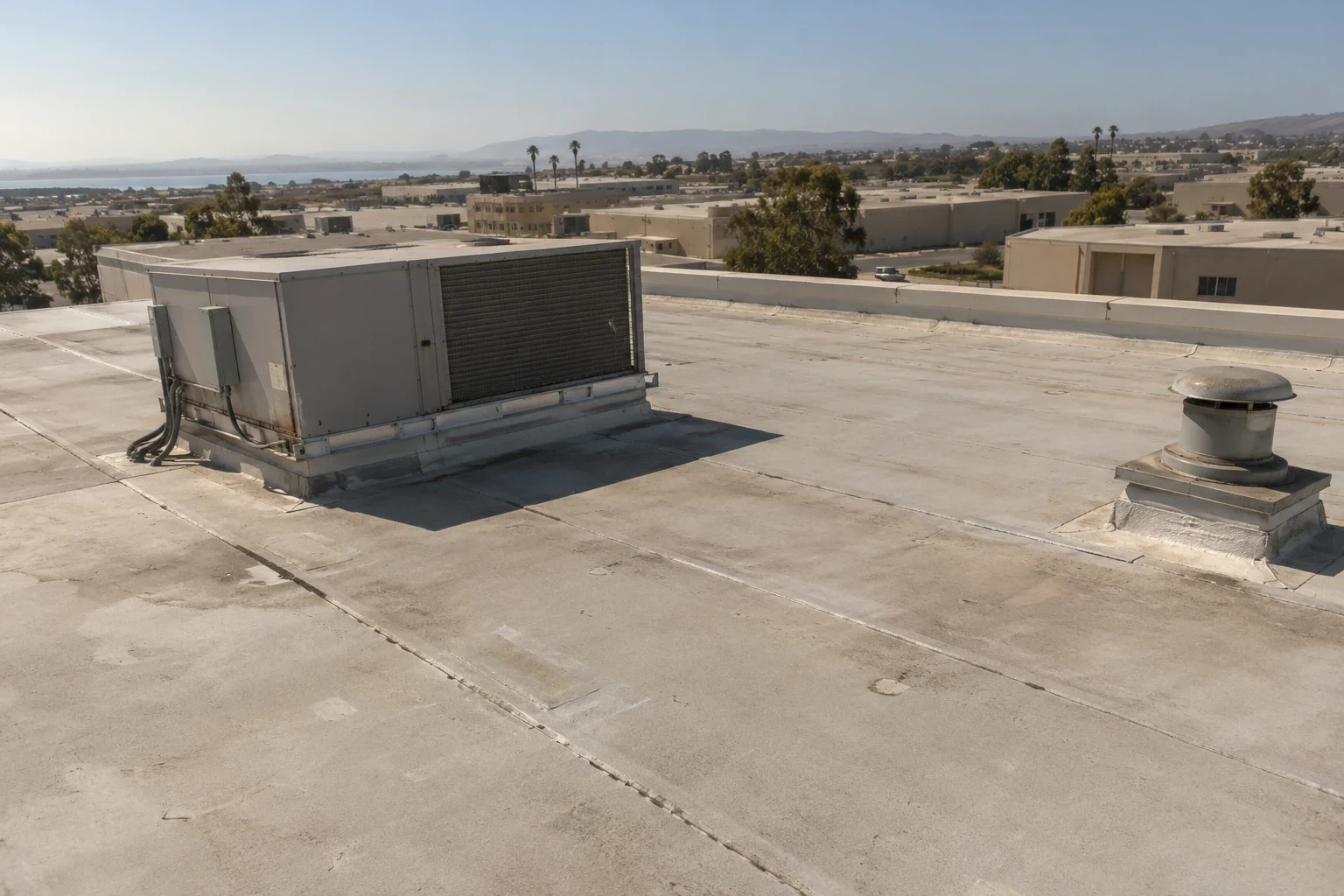
Many older roofs around Richmond have several layers of history: the original two-ply system, a few torch-on patches, maybe a coating or a layer of mastic from a past emergency repair. During a roof inspection we sort out what is the original sheet, what was added later and what condition each is in. That tells us whether a new patch can bond properly or whether the old material needs to come off first.
Old mastic and coatings can stop new sheet from bonding. A torch-applied patch over a cold-applied or coated surface may not stick, and heat can damage some old repairs. We note which areas are clean original sheet and which need cleaning or removal. If records show the product and installer, we use them. If not, we look at sheet thickness, surfacing and laps to tell SBS from APP. The owner gets a plain summary of what is on the roof and how that affects the repair.
Match the repair to how it was installed
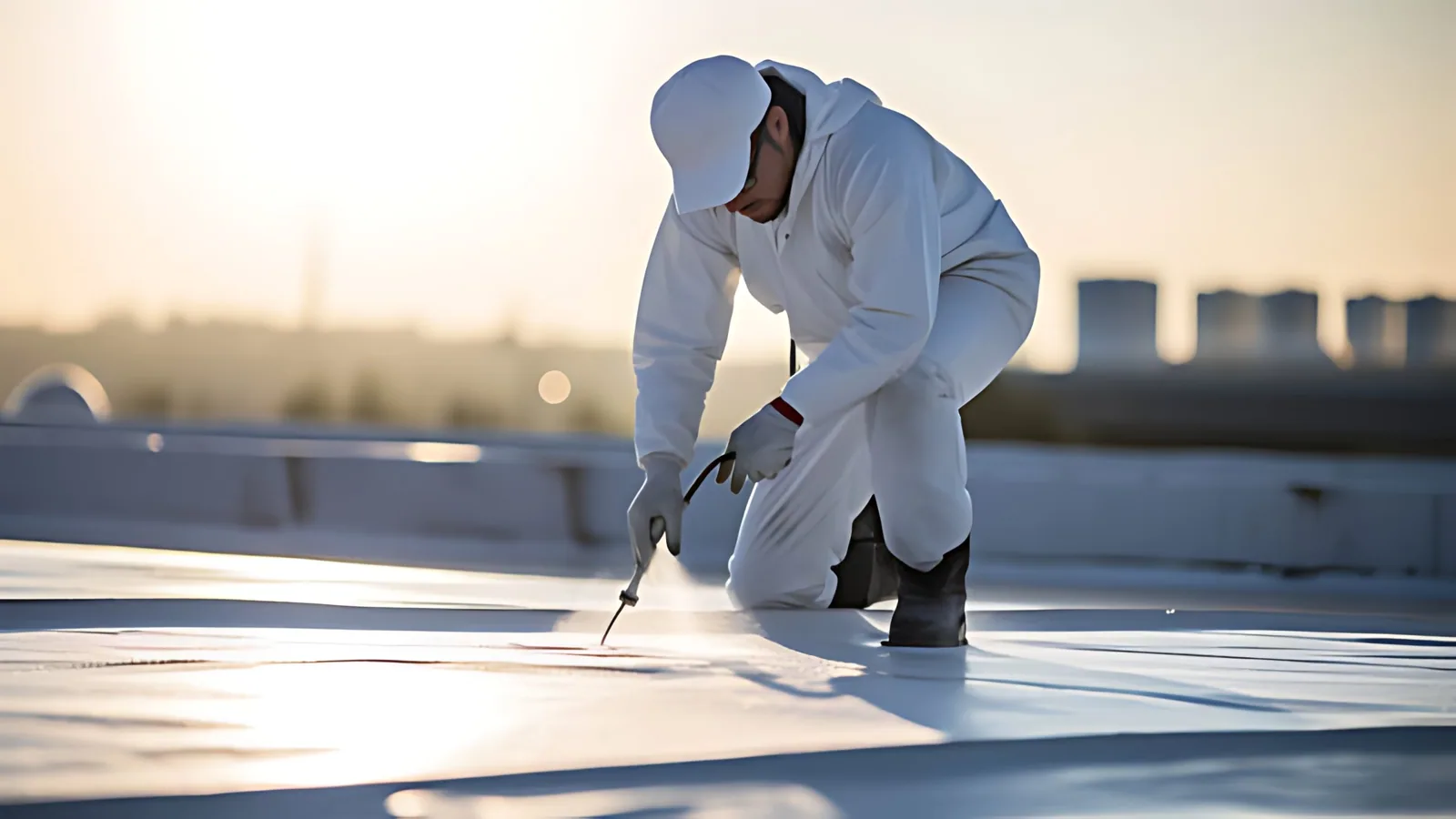
SBS and APP sheets are not interchangeable in the field. SBS is often set in hot asphalt or cold adhesive; APP is typically torched. Johns Manville, for example, makes SBS systems installed in cold adhesive, and those adhesives work only on surfaces they are rated for. Our commercial roof repair uses the method that matches the existing roof and the building. On an occupied building, torch work near rooftop units, wood blocking or roof openings may not be the right choice, and a cold or self-adhered method can be safer.
We also look at how the lap failed. A lap that was never fully bonded needs to be opened and re-set, not just sealed on top. A sheet that has shrunk and pulled away from a wall needs new base flashing. Surface cracking from age and sun may mean the cap sheet is near the end of its life. We explain which of these we found, what the repair involves and how long it is likely to hold compared with a broader fix. That lets the owner choose with clear expectations instead of a vague promise.
Find out how far the water spread
Water that gets through a split lap can soak insulation and, on older buildings, the wood fiber or perlite board under it. Wet insulation loses its value and can let fasteners rust. Before we decide how much to remove, we check moisture around the leak with core cuts, a meter or an infrared scan. Our insulation and cover board replacement is priced from those results, with wet areas marked and suspect areas called out separately.
A new patch over wet board will not hold and can trap water that keeps damaging the deck. If the crew opens the roof and finds more wet material than expected, we stop, show the owner the area and the added amount, and get approval before continuing. The roof is kept watertight while that is decided. When comparing a repair with replacement, both prices should include the insulation work they actually need. A low repair price that skips wet board is not a real saving. We would rather show the full picture before work starts than surprise anyone partway through.
Prepare the curbs, walls and edges
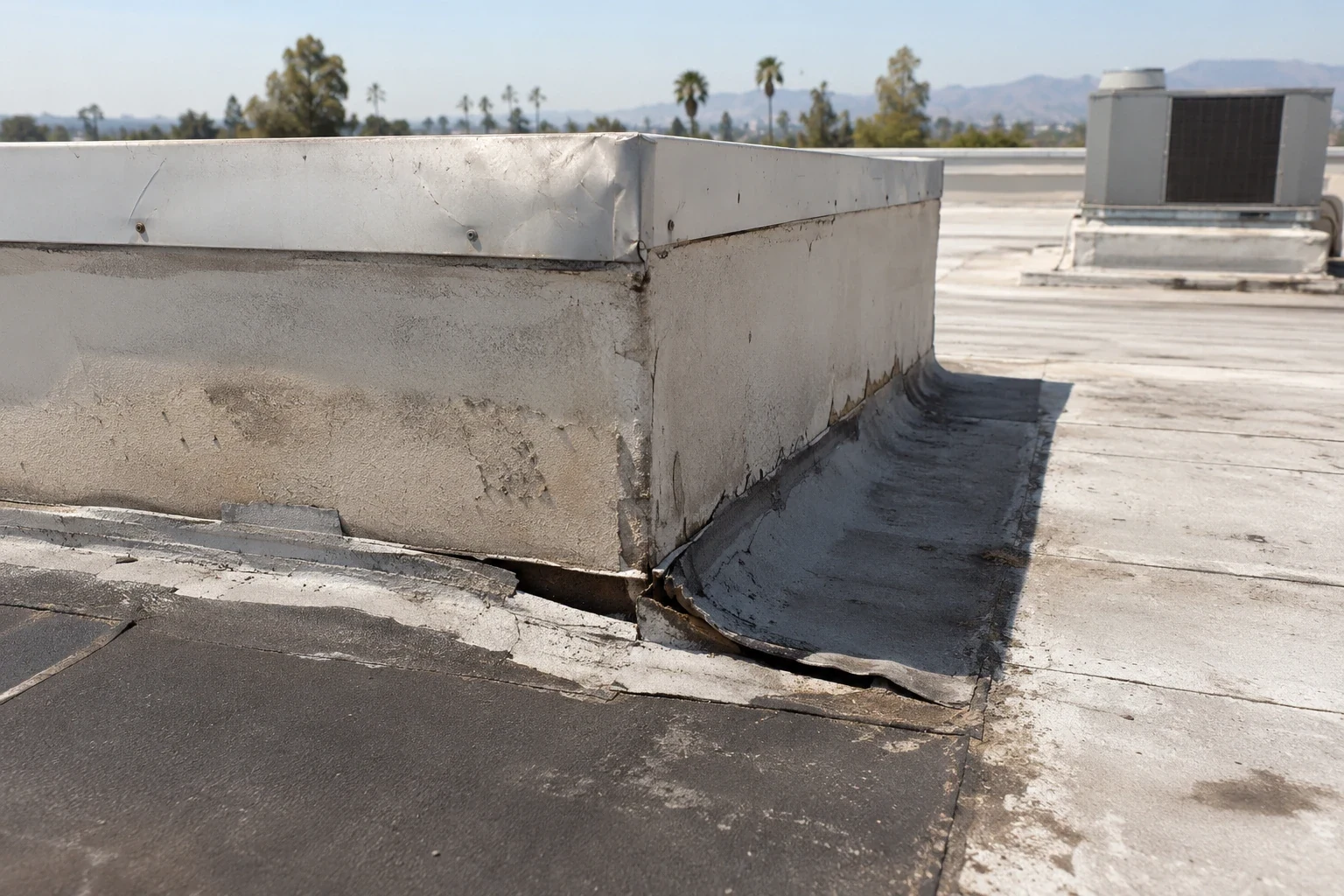
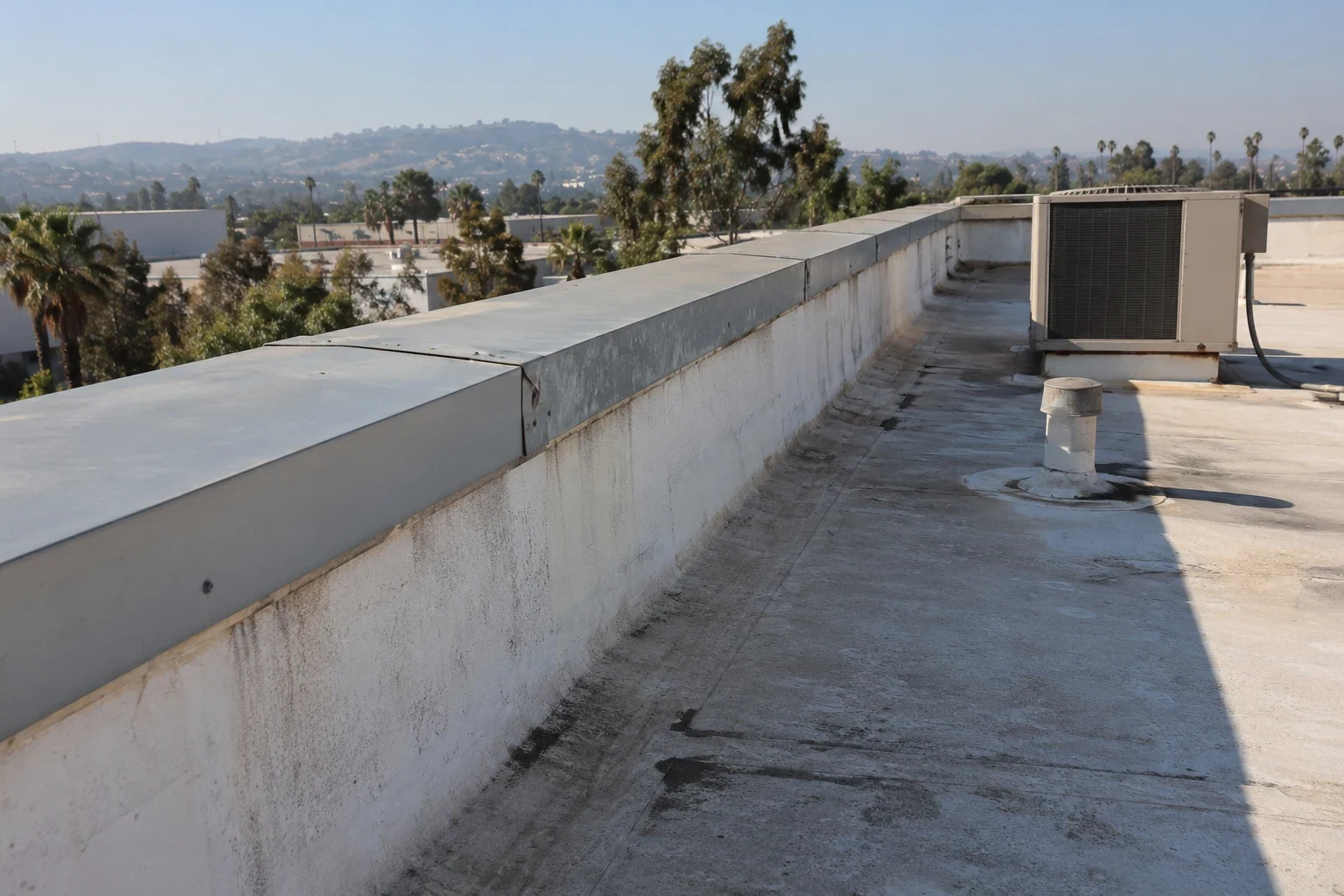
Most modified bitumen leaks start at the edges: base flashings on parapet walls, the corners of curbs, the metal at the roof edge and the seal around drains. These are the spots where sheets meet something rigid and move at a different rate. Before the new sheet goes down, we check the wall surface, the curb height, the edge metal and the drain clamping ring. If a wall has crumbling stucco or rotted blocking, that needs to be fixed so the new flashing has something solid to bond to.
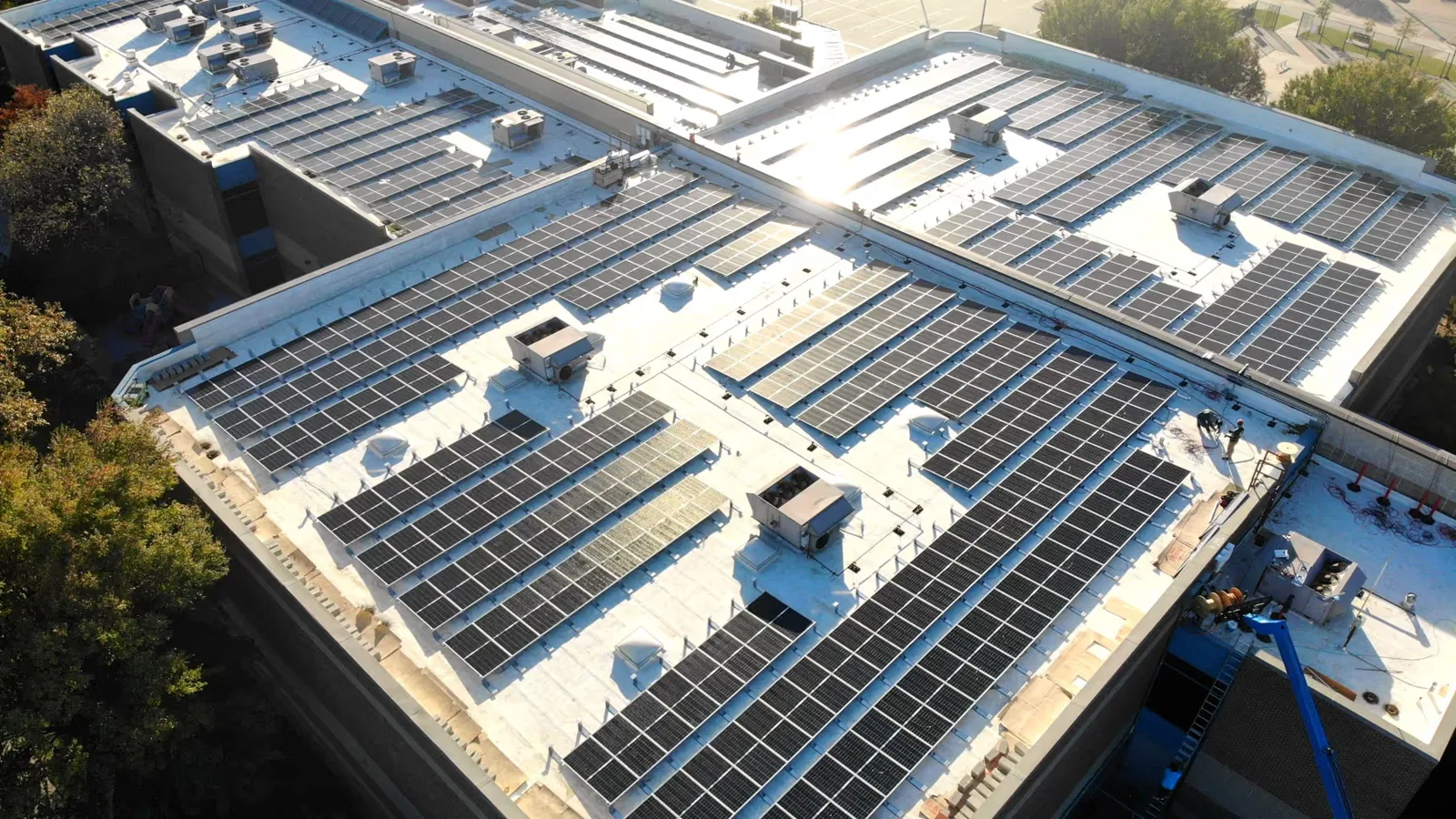
On an occupied building, rooftop units may need an HVAC contractor to disconnect or lift them before we can flash their curbs. Torch work near those areas needs extra care and sometimes a fire watch. We schedule around tenants and operations below and agree on hours, deliveries and noise. If the job is split into phases, setup costs go up, and we show that difference in the estimate. Each night the roof is closed and sealed. Doing the edges right is the difference between a repair that lasts and a callback a few months later. We list each of those edge details so the owner can see what is included.
Compare modified bitumen with other roofs
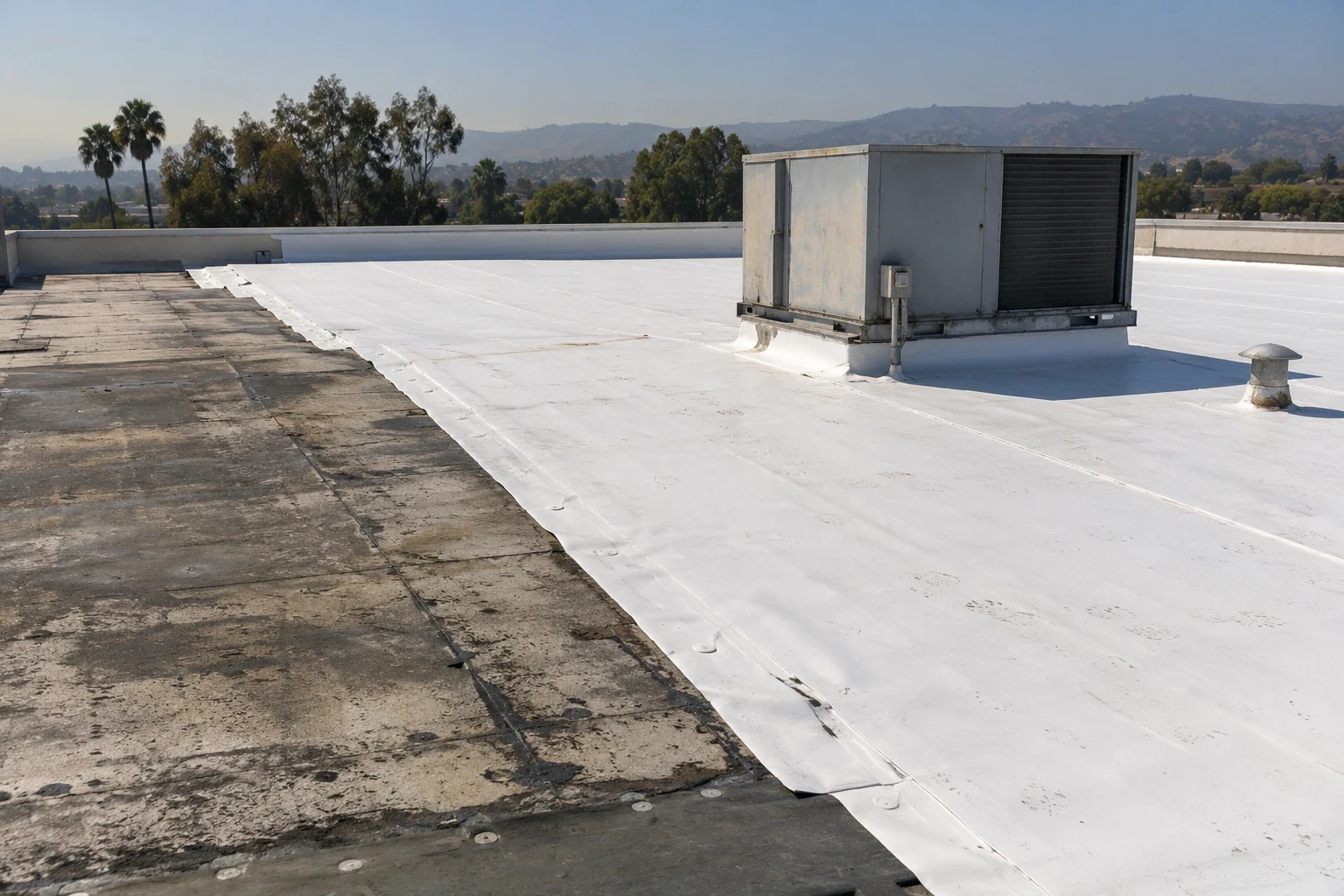
When a modified bitumen roof is near the end of its life, owners usually compare a few options. A built-up roof is the closest relative: multiple plies of asphalt and felt with a gravel or coated surface. A TPO roof is a single-ply membrane that welds at the seams and is often lighter and reflective. We price each one on the same tear-off area and the same insulation repairs so the comparison is fair, then explain the differences in installation, seams and long-term care.
For Port of Richmond buildings and similar industrial sites in Marina Bay and North Richmond, records are often thin. When we finish, the owner gets photos of the repaired laps and flashings, notes on the sheet type and installation method, and a list of areas we did not reach. If a warranty applies, read its terms before anyone adds coatings or new penetrations. That record helps the next contractor work on facts rather than guesses about what is under the cap sheet.
Commercial Roofing Questions
Does knowing a roof is SBS or APP tell you how to repair it?
It helps, but we also check how it was installed: torched, mopped, cold adhesive or self-adhered. The repair has to match the existing system and the surface.
How do you decide how much insulation to replace near a failed lap?
We test around the leak for moisture and replace boards that are confirmed wet. Suspect areas are marked and priced separately so nothing is hidden.
Can the new sheet go down before the curbs and walls are ready?
No. Curbs, walls and edges need to be prepared first, and rooftop units may need an HVAC contractor to move them before we flash.
What records should we keep after a modified bitumen repair?
Photos of the repaired areas, the sheet type and install method, any warranty terms and a note of areas not inspected. That helps future repairs.
Tell us about the failed lap and your roof