Roofing for Real Estate Investors in Richmond, CA
A failed wall flashing on a Richmond investment property can make two repair bids look alike when they actually cover very different work. For portfolio decisions, we compare what the inspection found with the work each property really needs. We inspect the leak and identify the sound material the permanent repair has to tie into. The owner sees which questions are still open and what each option keeps. That gives the capital decision a real basis instead of a surface-only price that leaves the needed prep out of the scope. A useful comparison ties quantities to what was inspected and leaves unknown conditions marked as unknown until someone checks them.
For a commercial property in Richmond, we confirm the roof and the property contact before making access or construction decisions. On office building roofs under investment review, we compare the records provided with the wall flashing as it is today. Earlier repair history helps guide the inspection when its dates and locations match. The recommendation follows the problem we find and what we could and could not confirm. The owner can then discuss the price as a specific job on a specific roof, with any open question that could change its size kept in view.
Define exactly what is being priced
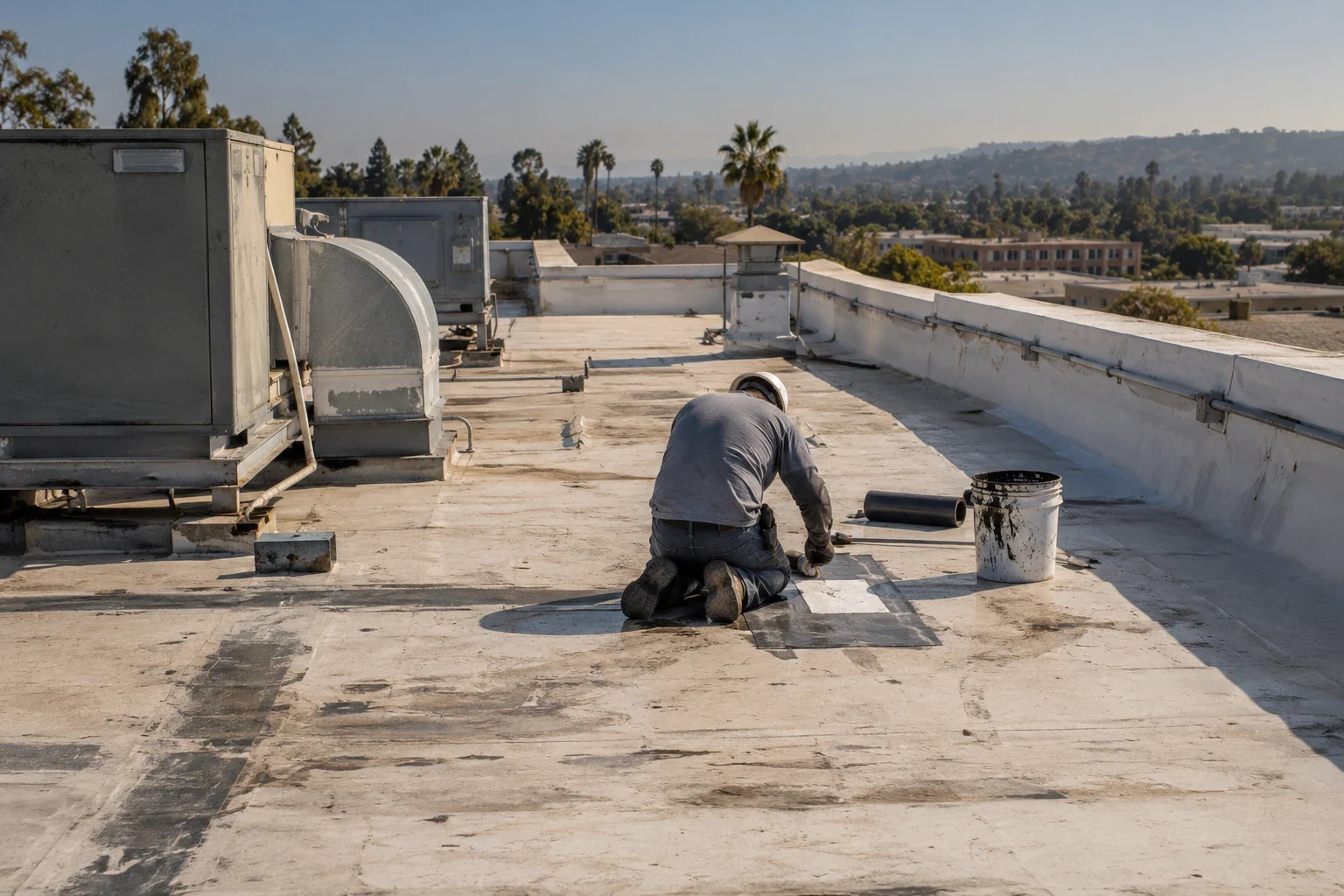
A visible gap shows where water gets in but can leave the top wall joint or the blocking behind it in doubt. We inspect the details we can reach and record how they relate. A new patch at the bottom can leave a leak open above it. Rotted blocking may need wider prep before a permanent flashing can go on. The investment file should list those tasks instead of putting one total against a general leak description. The owner gets a plain explanation of what the repair will deliver and what still needs checking before the price is final.
Bringing in property management companies helps settle access and tenant arrangements for each building. The manager brings the complaint and any records, and our inspection defines the roof repair. They answer different questions. A tenant complaint cannot tell us about hidden blocking, and our roof finding cannot approve a tenant disruption on its own. We include both in the proposal, so the owner can compare a price that includes the real delivery costs with one that leaves access and handling for later.
Compare what each option keeps
A focused repair may leave sound roof in place around it. A larger replacement can fix other confirmed problems but changes the prep and the tie-ins at walls and curbs. We explain those differences for the actual roof. Keeping existing material requires that it can take the new work, and we test hidden blocking where it affects tear-off. A replacement label does not answer every hidden quantity either. The owner sees which findings support each option and which assumptions could still change it, so an old budget is never treated as proof of the roof's current condition.
A commercial roof replacement option should list the layers removed and kept, the new flashing details and any equipment work. Thicker insulation can affect drains, walls and curbs, and those details belong next to the field price before materials are ordered. A larger scope can make sense where confirmed repeat failures would otherwise mean opening the roof again and again. Its benefits should follow those findings. The owner can then weigh the bigger commitment with the full scope visible, including work outside it and anything still waiting on testing or approval.
Keep the unknowns in the decision
An unanswered question about the blocking or insulation deserves a clear next step, not a hidden allowance dressed up as certainty. We recommend testing where it can change what stays or goes. Our notes record where we checked and how far we can say the damage goes. Areas we have not checked stay marked as unknown. A clear change process explains how added damage would affect the price. The owner gets a starting scope and the decision that could still change it, so any further testing answers a specific capital question.
A due diligence roof survey compares the roof assumptions in a deal with the roof that is actually there. Where access was limited, we say what that kept us from confirming. Permission to inspect may not cover test cuts or work by other trades, and we explain what approval the next round of testing needs. The owner can use that report for an acquisition or ongoing management, keeping an uninspected area separate from conditions guessed from another section. The capital figure then follows what the evidence actually supports.
Include the real costs of getting the work done
For owners using general contractors to deliver the work, access and handling costs should be clear next to the roof price. We talk through the approved route, material movement and occupied spaces with the property contact. A shared entrance or service area may change the order of work when it is in use. The proposal explains the prep each option needs. Heavy loads and equipment work get the right engineer or trade involved. The owner can compare full delivery costs instead of picking a low number that leaves the way into the job unsolved.
Real estate investors can weigh capital choices against repair limits based on what was inspected. For a building around downtown Richmond and the Civic Center, we confirm the approvals the planned work needs with the property contact. Access to inspect is kept separate from approval to tear off or lift materials. Each open item gets a next step and a person responsible. That keeps the investment schedule tied to real readiness. Portfolio reviews we do in nearby American Canyon follow the same approach, comparing each roof's documented condition with the repair and capital choice it supports.
Carry finished work into the next budget
The closeout shows what the approved capital work actually delivered. Blocking repairs, finished flashing and the limits of the material we kept are photographed by location. Work by other trades is recorded separately. A finished field area can still leave a nearby detail open, and that next step stays visible. The owner can bring the roof's real status into the next review. A scheduled date or a submitted question does not mean the work is done or that another party has accepted it.
Roof capital planning for the next cycle compares later findings with that finished work. Equipment changes or new damage can affect the roof after the previous project. A recurring stain needs an inspection of the roof as it is then before a new price is set. The earlier records help find what changed and explain past spending within its actual scope. The owner gets a clear next step with current conditions, delivered work and open items in view, so the investment discussion follows the roof instead of repeating an outdated total.
Commercial Roofing Questions
What makes two roof investment totals comparable?
The same repair limits, the same layers kept and the same related work. Compare each price against the findings and assumptions behind it.
Does a full replacement price settle every hidden quantity?
No. Wet insulation and blocking still need checking where they affect tear-off, and the price should show how unknown areas will be handled.
How should access costs enter the comparison?
Confirm the real access route and what work is allowed, then include the prep each option needs to be delivered.
Which open question is worth another survey?
One whose answer would change a specific repair or capital decision. We explain what material or access limit is keeping us from answering it now.
What should be rechecked before the next budget?
Any changed details and new leaks, compared against the dated records of the work already done.



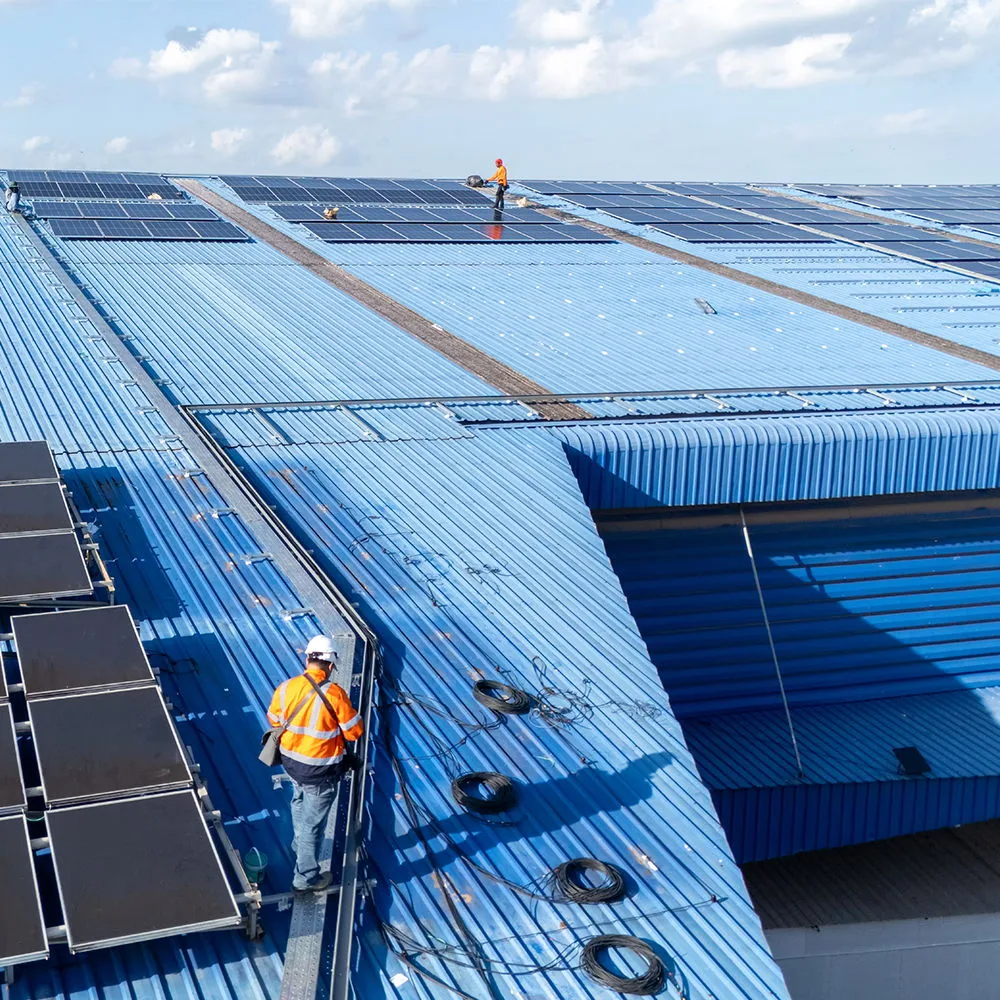
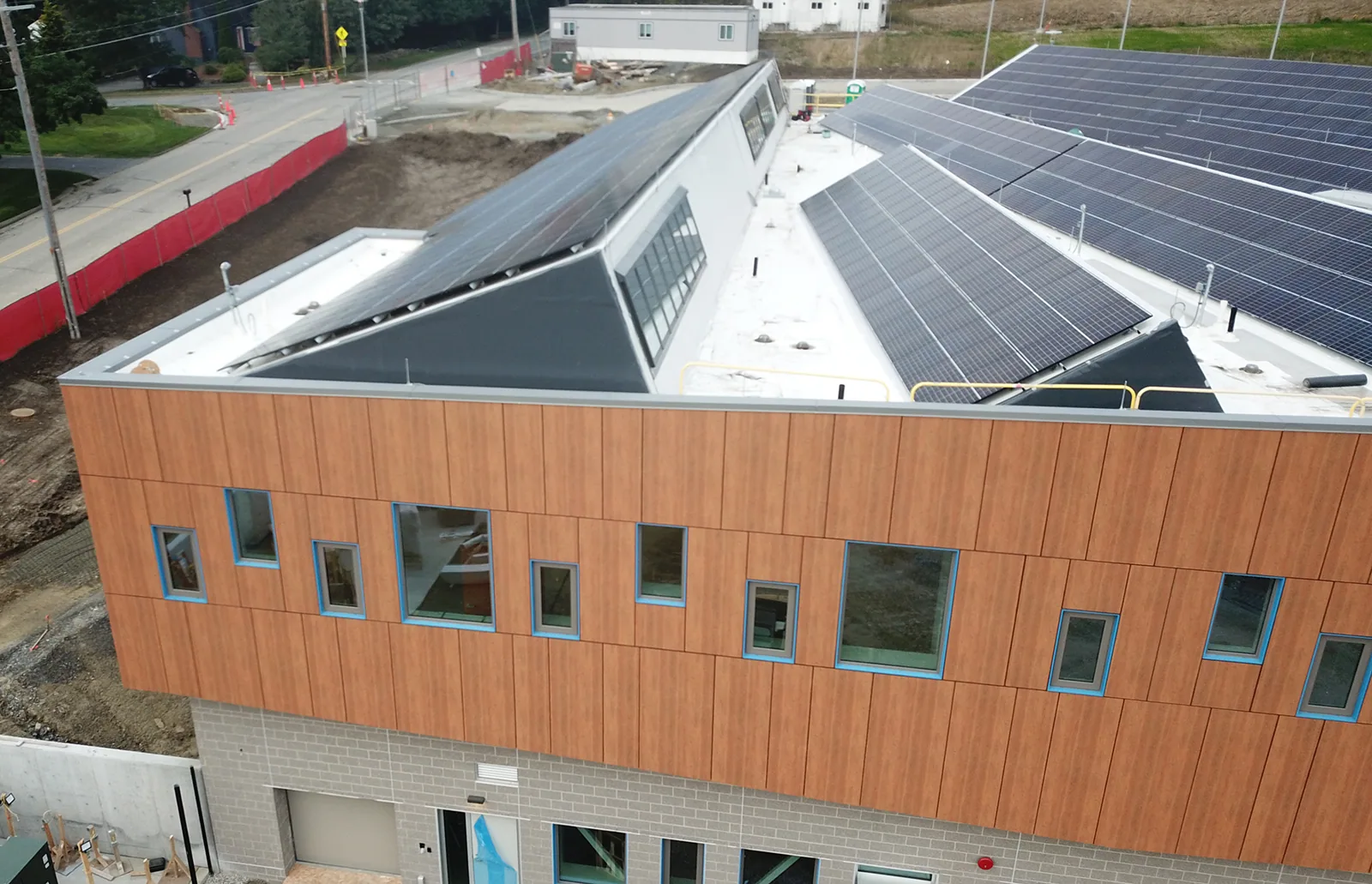
Compare roof options by the work they deliver