
Roofing for General Contractors in Richmond, CA
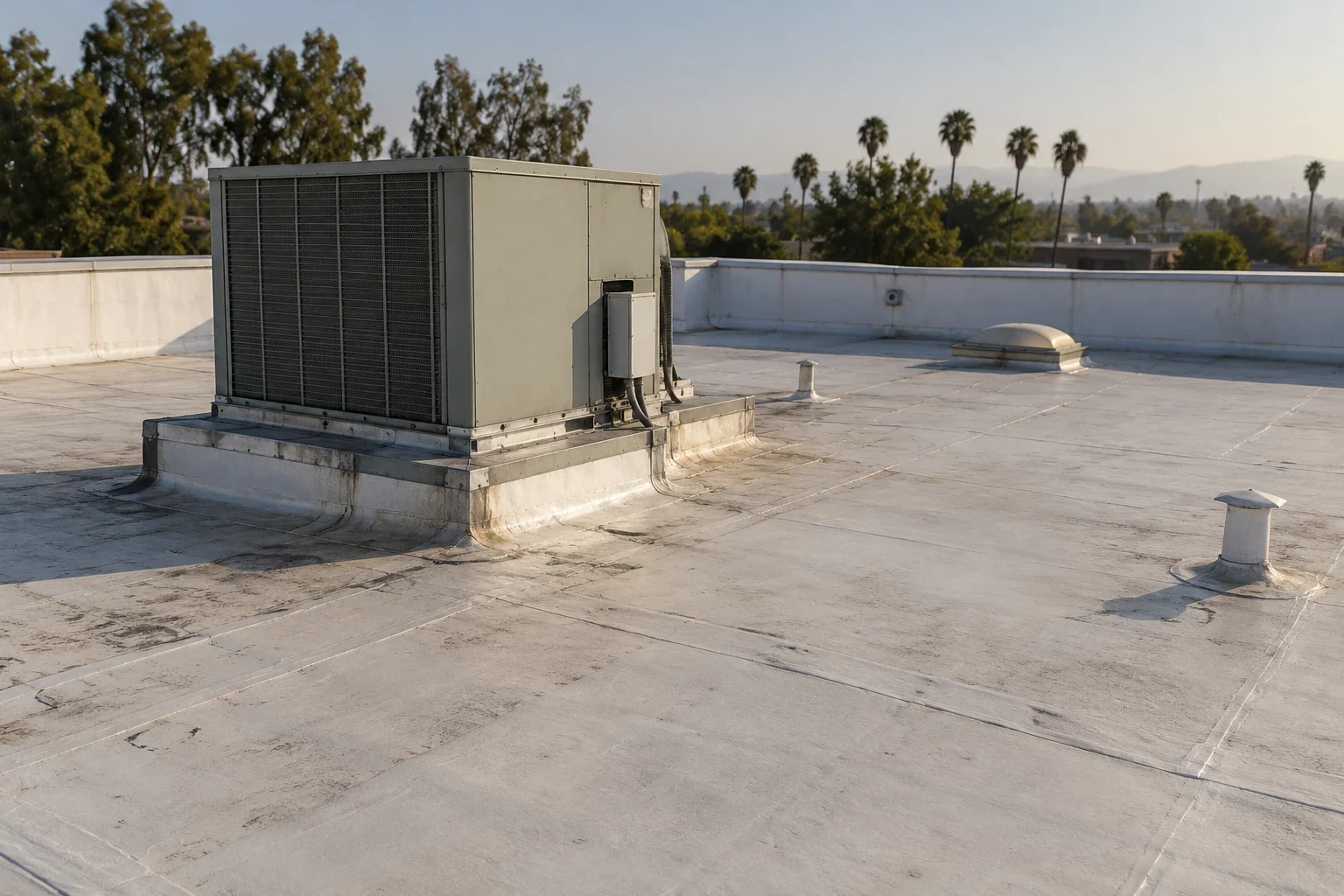
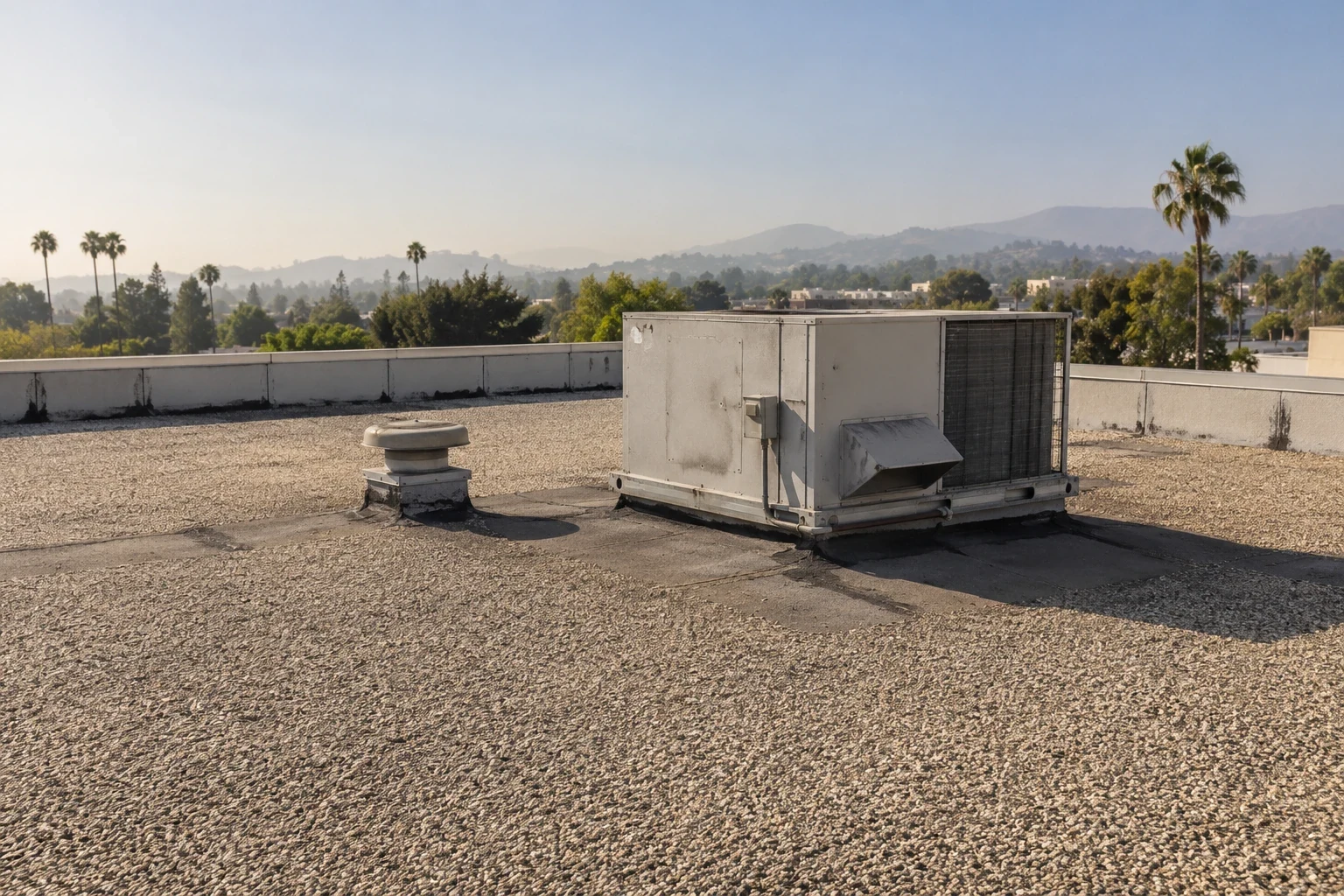
When a rooftop unit is being swapped next to open flashing, a Richmond general contractor can end up with a roof detail nobody can finish until the mechanical work is done. We spot that kind of conflict before tear-off and material orders are set. We inspect the curb, wall or drain and explain what the roof needs there for a permanent tie-in. The GC can then schedule the trades around a clear finish point. If another trade is holding things up, we seal the area temporarily and list it separately. The result is a roof schedule that shows what has to happen first, so the crew never opens a section it cannot close.
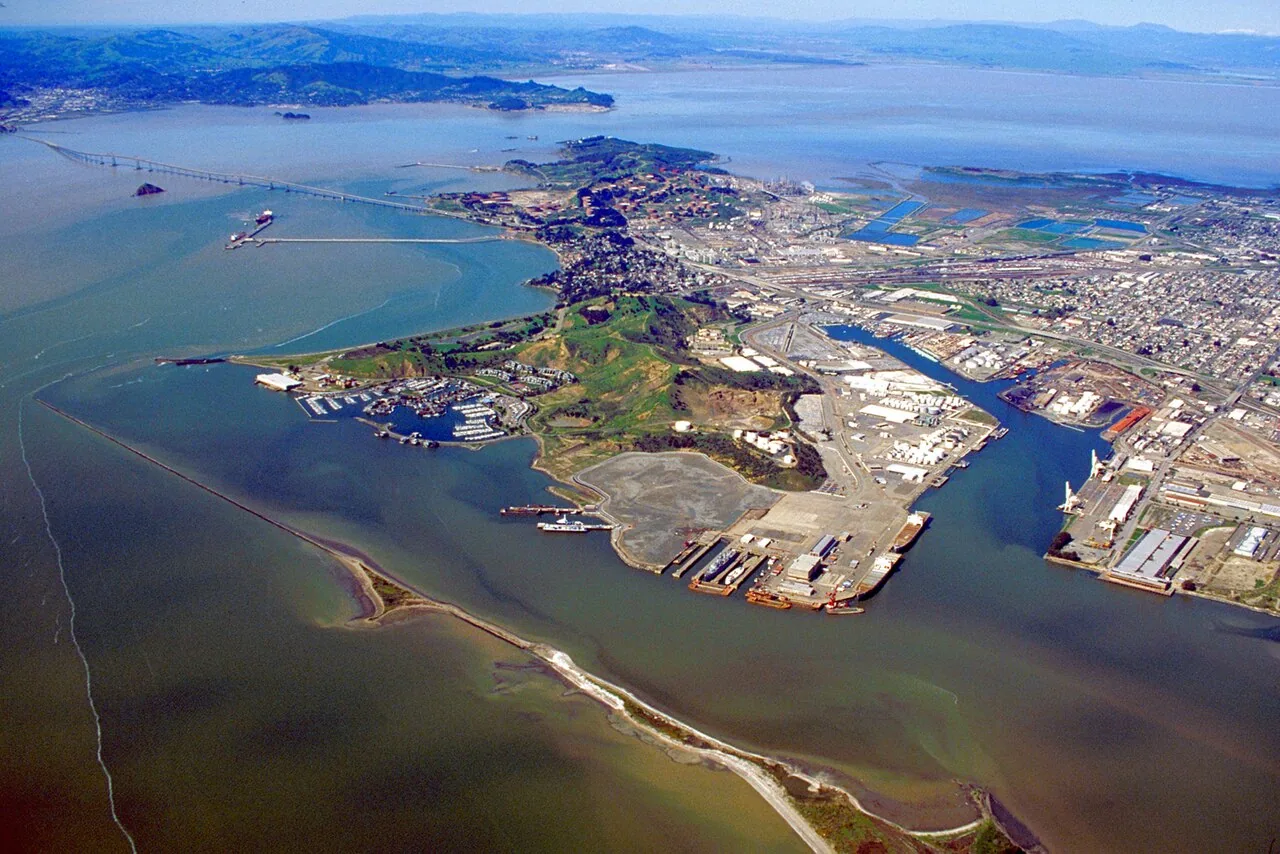
Around the Port of Richmond, general contractors can line up roof scopes by confirming materials, access approvals and unfinished details early. On warehouse roofs, every curb, wall and drain in the scope gets an exact location. We compare the drawings with later changes and with what is actually on the roof. The roofing scope then follows the real conditions, and any equipment work by another trade is listed next to it rather than assumed done because it shows on an old drawing. The scope also spells out what has to be in place before we start and what we turn over when we finish.
Where our work meets the other trades
A curb corner may need rebuilding while the unit on top is still waiting to be disconnected or moved. Those are separate tasks. We inspect the roof and describe how far our work needs to go. The unit itself stays with the mechanical contractor. A patch on the membrane cannot fix an unfinished unit or a loose top termination. The GC gets a clear roofing limit and a specific item that has to happen first, so no one treats one trade's finished area as proof the whole detail is done.
When property management companies control the building, the property manager arranges roof access and confirms which spaces are in use. Our findings explain how much roof will be opened. Inspection, equipment service and tear-off may each need their own approval. We keep those approvals tied to the work they affect. The GC can then build a schedule with the right contacts in place, and an early approval to look at the roof is not stretched to cover crane picks or tear-off nobody signed off on.
Check the details before the roof goes on
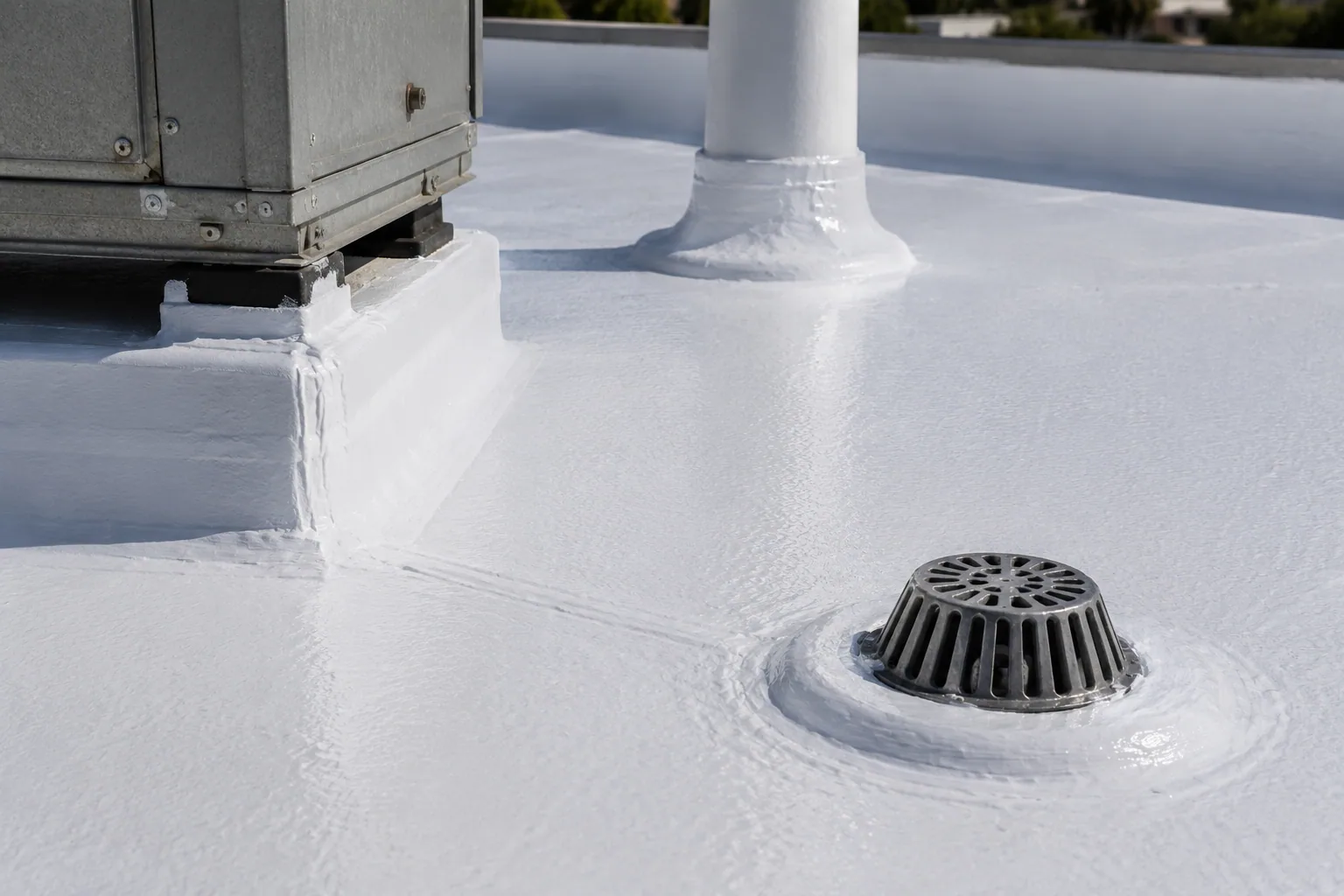
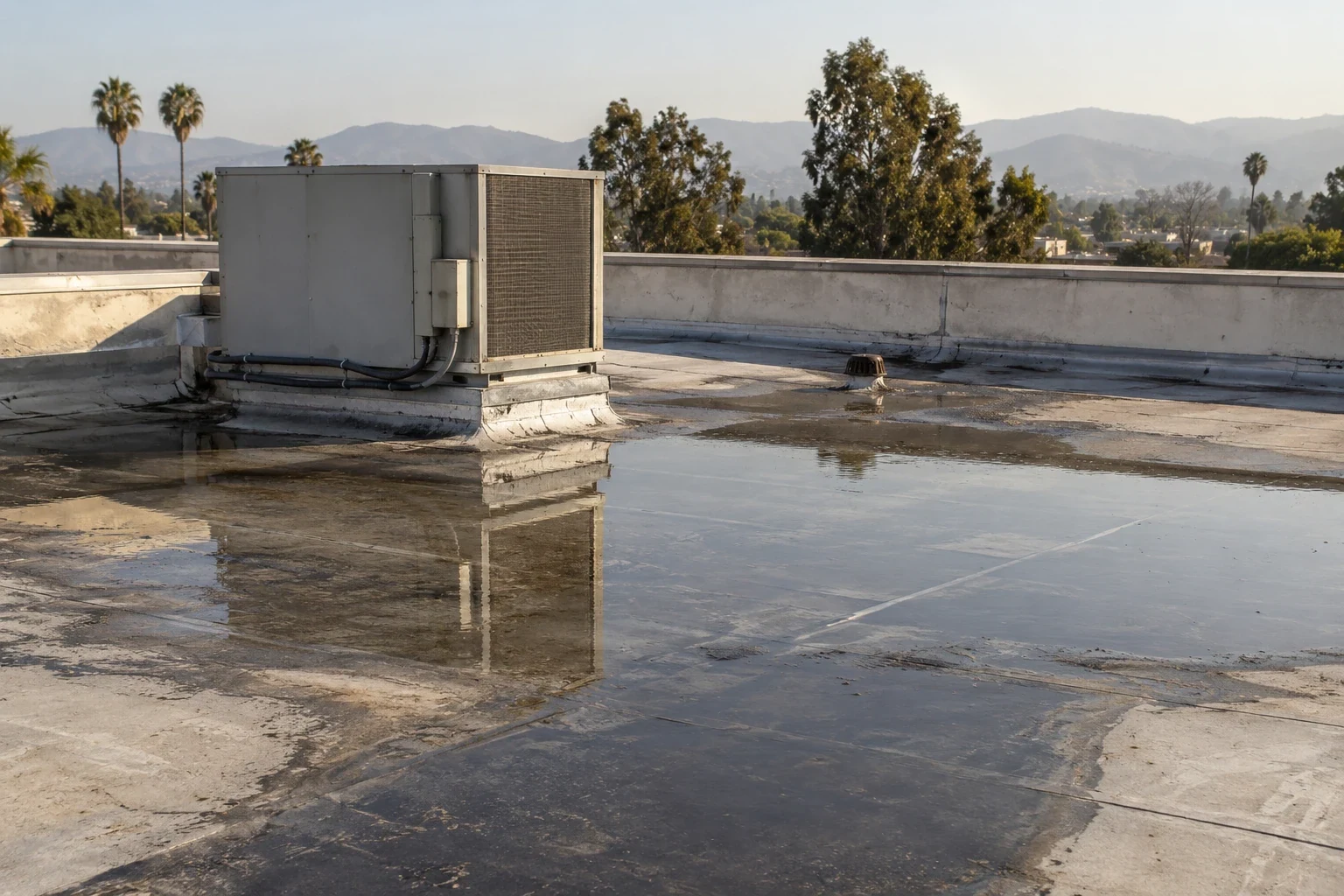
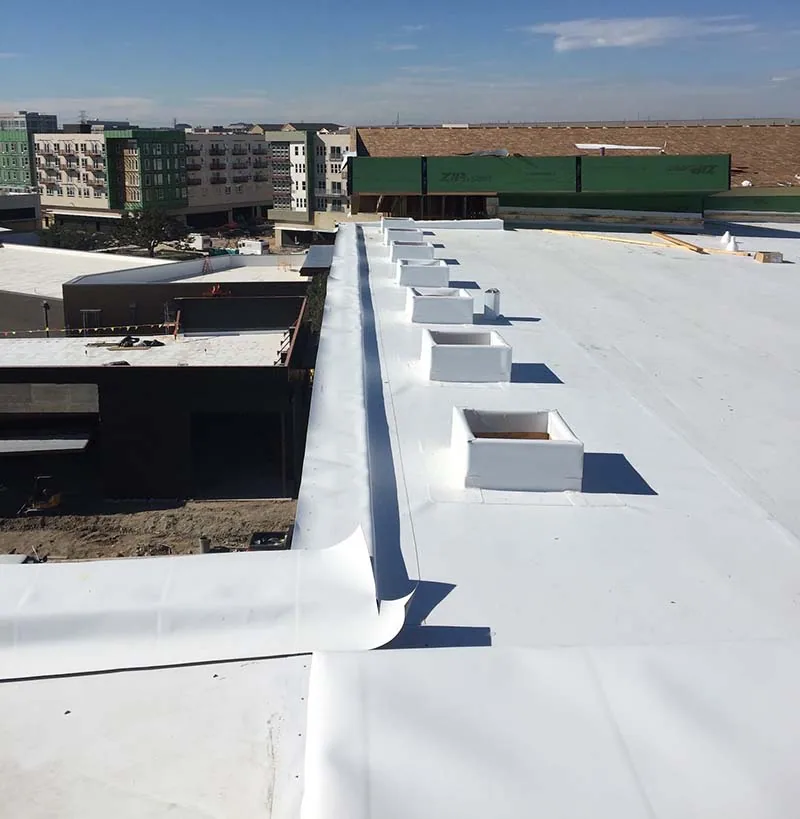
Curbs, walls and drains need solid blocking and the right heights before new membrane is installed. A taller curb changes how it meets the wall or the field of the roof. Thicker insulation can leave a drain sitting too high. We compare those details with the planned roof system instead of reusing the old section unchanged. Structural questions go to the engineer. The GC learns which dimension or blocking issue has to be fixed before ordering, so a finished curb is not mistaken for proof that every detail around it is ready.
Rooftop equipment curbs and supports are scheduled with mechanical and roofing work kept separate. Disconnecting a unit may let us start prep while a gas or electrical line elsewhere is still waiting. Our scope explains what we can finish once the unit is set. If we cannot see the condition of the blocking, we test it where that changes what comes out. The GC gets measured prep work and clear notes on what we could and could not see, so any change in price follows real conditions.
Plan access and material handling
The GC needs a workable route for each stage, confirmed with the building operator. A ladder that works for an inspection may not work for hauling off tear-off debris or bringing up insulation. We talk through ground staging, where loads will sit on the roof and which spaces are occupied. Heavy loads get an engineer's review if the deck condition is uncertain. The access plan shows what each stage needs, so deliveries do not assume the inspection route also covers a crane lift or a full material drop.
Downtown Richmond's Civic Center includes public buildings, and roofing for general contractors there means spelling out what the roof needs before we start and what we turn over when done. A job around downtown Richmond and the Civic Center has its own roof and its own approvals. We confirm staging and hoisting with the project contact. A shared entrance or service yard can affect the route when the building is in use. The GC can schedule access alongside the other trades, with a clear next step whenever a missing approval is holding up the roof.
Only open what can be closed the same day
Each section has to be torn off, prepped and sealed within the time available. If another trade runs late, that capacity shrinks. Before tear-off starts, the crew needs a set point where the section can be sealed for the night. The GC should know which sections are permanently finished and which are temporarily sealed while waiting on a curb or unit. Temporary work gets a location and a follow-up date. The schedule follows what is actually ready, not an early schedule that assumed every trade would show up on time.
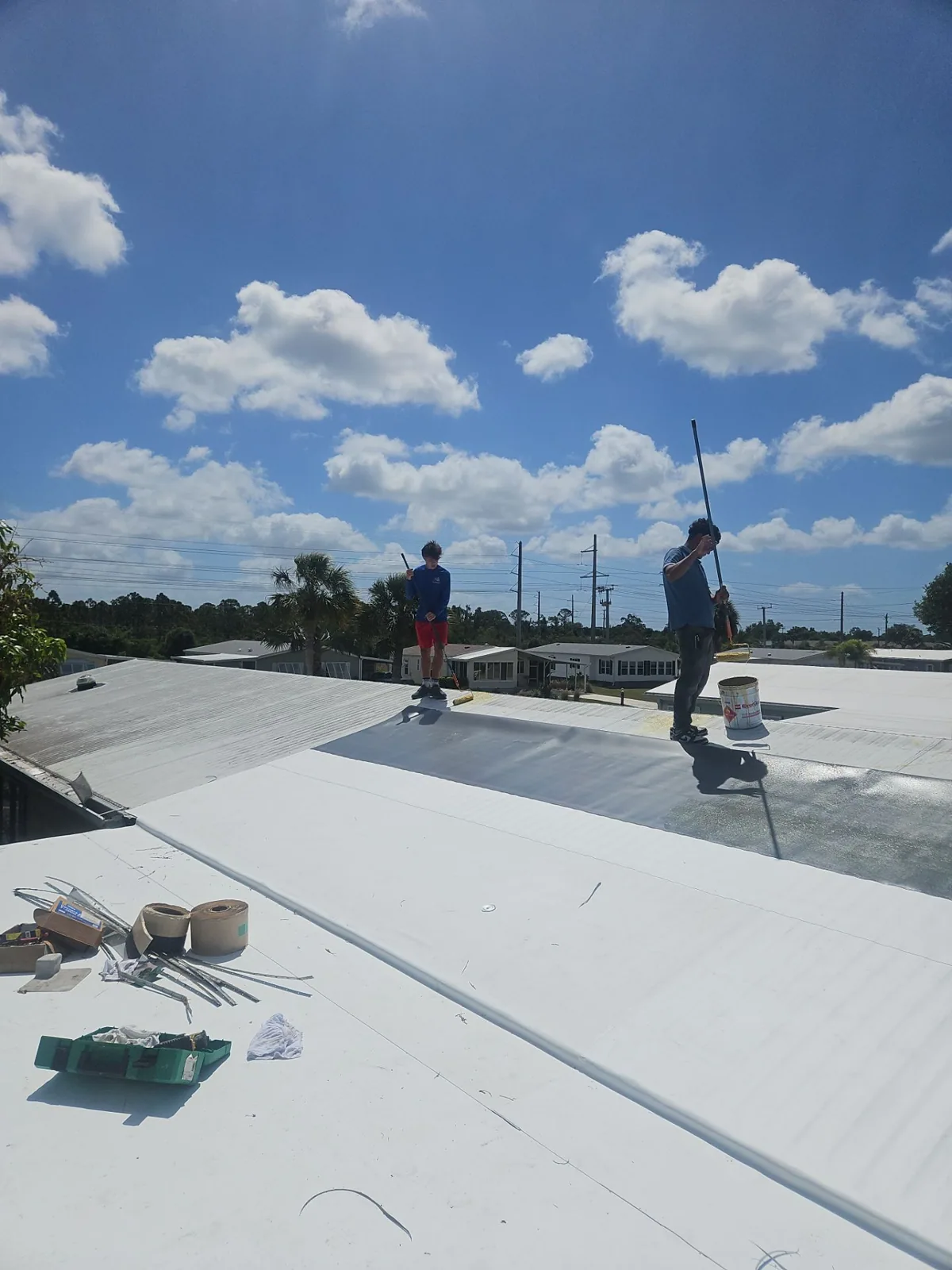
Occupied building reroofing for a general contractor ties that daily capacity to the building's real restrictions. We explain where the roof will be open, how debris comes down and how materials move, so the operator can review the affected areas. If we find hidden damage during tear-off, we measure it and send a change for approval. The roof stays sealed while that change is reviewed. The GC can then plan a smaller section or a different phase, with daily dry-in kept separate from unfinished blocking or curb work.
Turn over a clear finish point
Our closeout shows the blocking and deck repairs and every detail we finished. A completed field section does not mean the curb next to it is done if it is still waiting on the mechanical contractor. We list each unfinished detail and the next step by location. Other trades keep their own records for their work. The GC gets a clear record for the project turnover, with temporary seals marked separately from finished work. Inspections or approvals by others are recorded as they actually happen, not assumed from a photo or a schedule.
For real estate investors and REITs, those records show exactly what roofing was delivered. Later changes to the building can affect a detail that was fine at turnover. If a new leak shows up, we compare the current roof with the dated records before blaming the earlier work. The records explain why the job had its scope and what was left out. The owner can then plan the next project with current findings, finished work and other trades' responsibilities kept clear.
Commercial Roofing Questions
What should the roofer flag when another trade's work affects the roof?
What the roof needs at that curb or wall, where our work stops and which trade has to finish first before we can install the permanent detail.
Can an old drawing settle a curb that has changed?
No. We compare the planned detail with what is on the roof now and settle height, blocking and tie-ins before ordering.
How should a late trade affect roof tear-off?
Only open what can be sealed that day. The waiting area gets a temporary seal and a note on what is holding up the permanent finish.
Does inspection access cover material handling?
Not automatically. Crane lifts, repeated material hauling and heavy loads on the roof each need confirmation with the building operator.
How do we know the roofing stage is complete?
The closeout shows the blocking and deck repairs, every finished detail and a list of items still waiting on other trades.


Sort out the roof details before the next trade