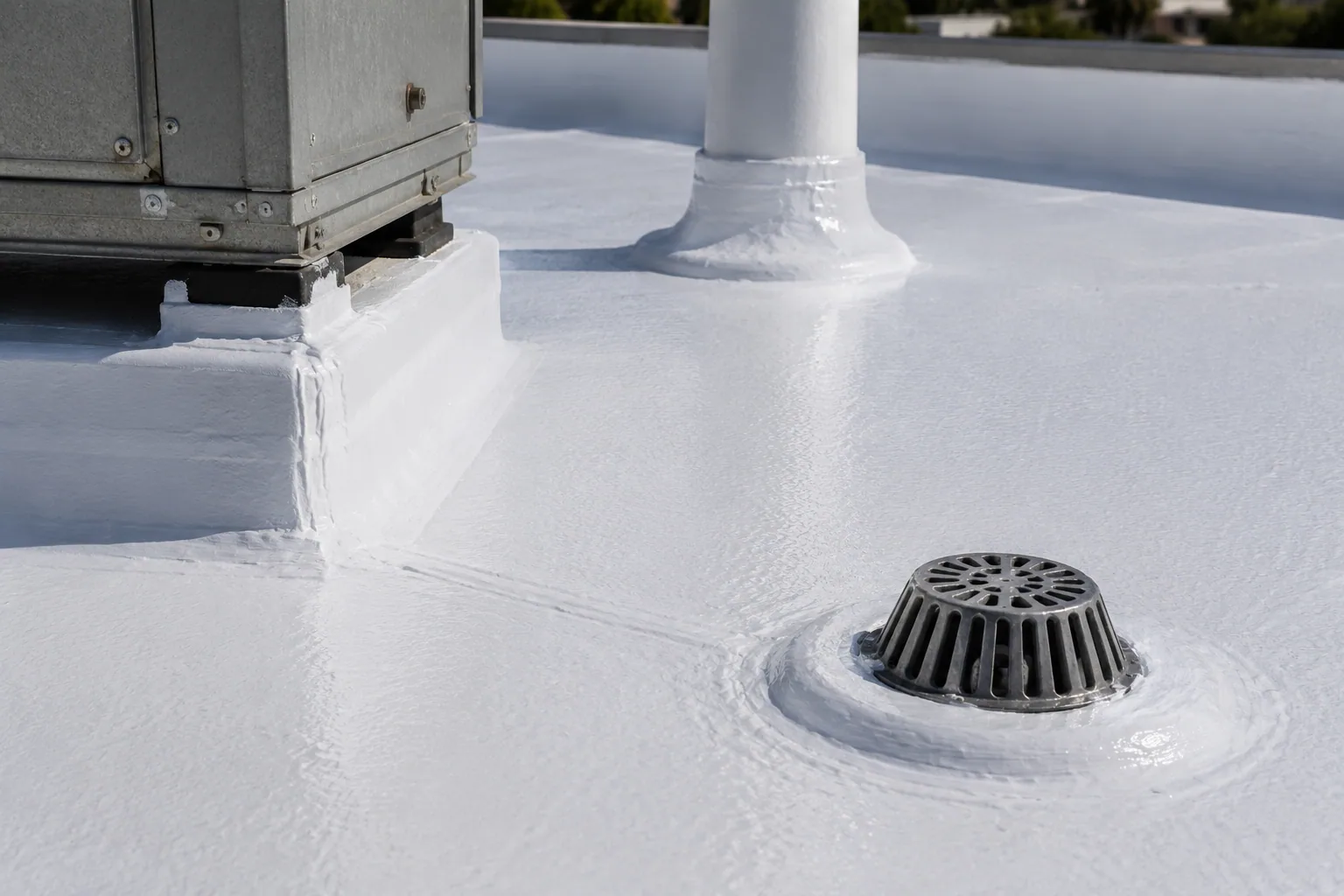
TPO Roofing in Richmond, CA
A TPO seam that has pulled apart next to a rooftop unit is one of the most common leaks we see on Richmond distribution and warehouse roofs. The fix might be a small heat-welded patch, or it might be the first sign that a larger area of the roof needs work. Which one depends on what the membrane, the insulation and the attachment look like around that seam, not on how big the opening is.
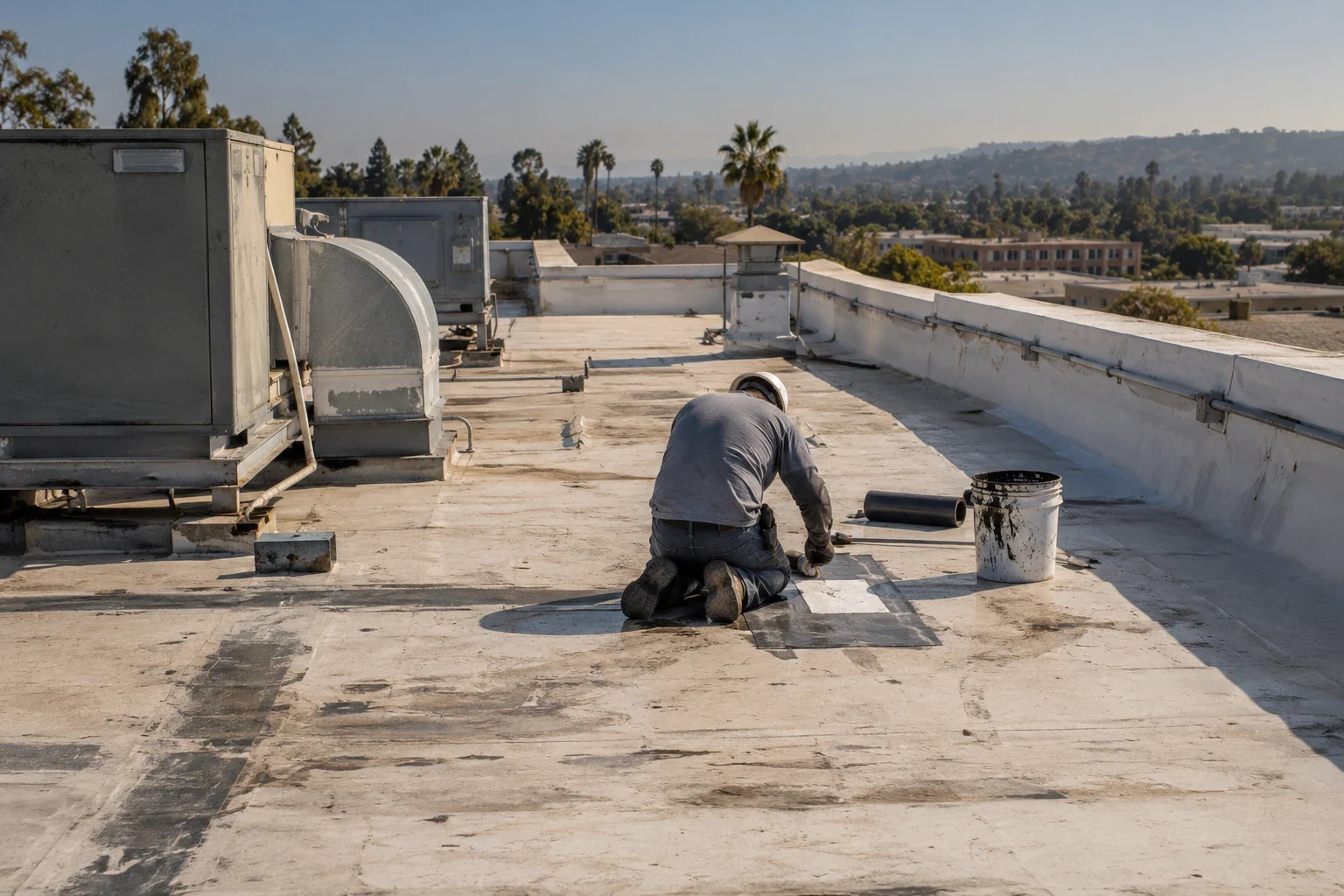
TPO is a single-ply membrane, and its seams are joined by melting the two sheets together with a hot-air welder. A good repair needs a compatible patch, a clean, prepared surface and a weld that runs continuously into sound membrane. On a distribution center roof, there's usually also equipment, dock traffic and a tight operating schedule to plan around. We inspect the area, check any roof records you have, and give you an estimate that covers the seam, any wet insulation underneath, and the equipment work needed to reach the detail. If we can't tell yet how far the damage goes, we say so and explain how we'll find out. We'll also want to know where we can stage material and who on site we should coordinate with.
Identify the receiving membrane
Before we weld anything, we need to know what's actually on the roof. A white single-ply sheet isn't always TPO; it could be PVC, and older patches may be a different material altogether. TPO won't weld to PVC, and some patch products won't bond to aged membrane without the right preparation. During a commercial roof inspection we identify the membrane, look at earlier repairs, and note any curbs, drains or wall flashings near the problem area.
Old warranty paperwork or installation records help, but they don't tell us the roof's current condition. Twenty years of sun can make a TPO sheet brittle or chalky, and a weld that would hold on newer membrane may not hold on that. We'll show you where the existing seam failed, why, and how far the repair has to extend to reach membrane in good shape. If a wall termination or the flashing on a unit curb is part of the leak, it goes in the estimate too, rather than being left for a second call later.
A sound TPO repair needs compatible material, enough overlap and a clean surface to weld to. We treat field seams separately from the flashings at drains and curbs, since each is detailed differently. And no weld, however good, fixes wet or crushed insulation beneath it. If some of the roof has to come out first, the estimate shows that step before the new tie-in.
Separate seam and attachment duties
The weld and the attachment are two separate jobs. The weld keeps water out at the seam; the fasteners or adhesive hold the roof down against wind. A seam can pull apart because the weld was poor, but it can also open because the sheet underneath wasn't fastened properly and has been flexing in the wind. When we do a commercial roof repair on TPO, we look at both before deciding what to fix.
On the welding side, we run test welds on scrap at the start of the day and probe the finished seams once they've cooled, which tells us the weld itself is good. It doesn't tell us anything about the insulation, the fasteners or the deck below. If the membrane is loose, the plates are pulling through or the insulation has crushed around fasteners, that needs its own repair, or the new seam will fail the same way. Manufacturer instructions govern welding temperatures and fastening patterns for each system, so we follow the installed system's requirements rather than a one-size-fits-all approach. You'll know which problem the repair is fixing, and whether anything else is on the list.
Confirm retained supporting layers
When water gets in through a split seam, it spreads sideways through the insulation, often well past the visible opening. That's why we don't size the repair from the top of the roof alone. We take core cuts or moisture readings around the leak to separate insulation we know is wet from areas that are only suspect, and we price the tear-out based on what we actually find.
Our roof insulation and cover board replacement shows the area to be removed, disposal and new material as separate items. If we open the roof and the damage keeps going, we stop, show you photos and the location, and agree on the added amount before continuing, with the roof sealed temporarily so nothing gets wet overnight. That matters when you compare bids. A cheap price for a new patch on top can look attractive, but if it skips the wet insulation, you'll be paying for it again when the patch fails or the deck starts to rust. Whether you choose a local repair or a larger section of new roof, any wet insulation has to come out either way, and we show it in both options.
Make the permanent details accessible
On most commercial TPO roofs, the bulk of the leaks start at penetrations: rooftop units, exhaust fans, pipes and drains. The open field might be easy to reach, while the seam that actually leaks is tucked under a unit or behind a duct. Sometimes the mechanical contractor has to disconnect or lift equipment before we can repair the flashing properly. We'll tell you which work belongs to another trade and when our crew goes in afterward.
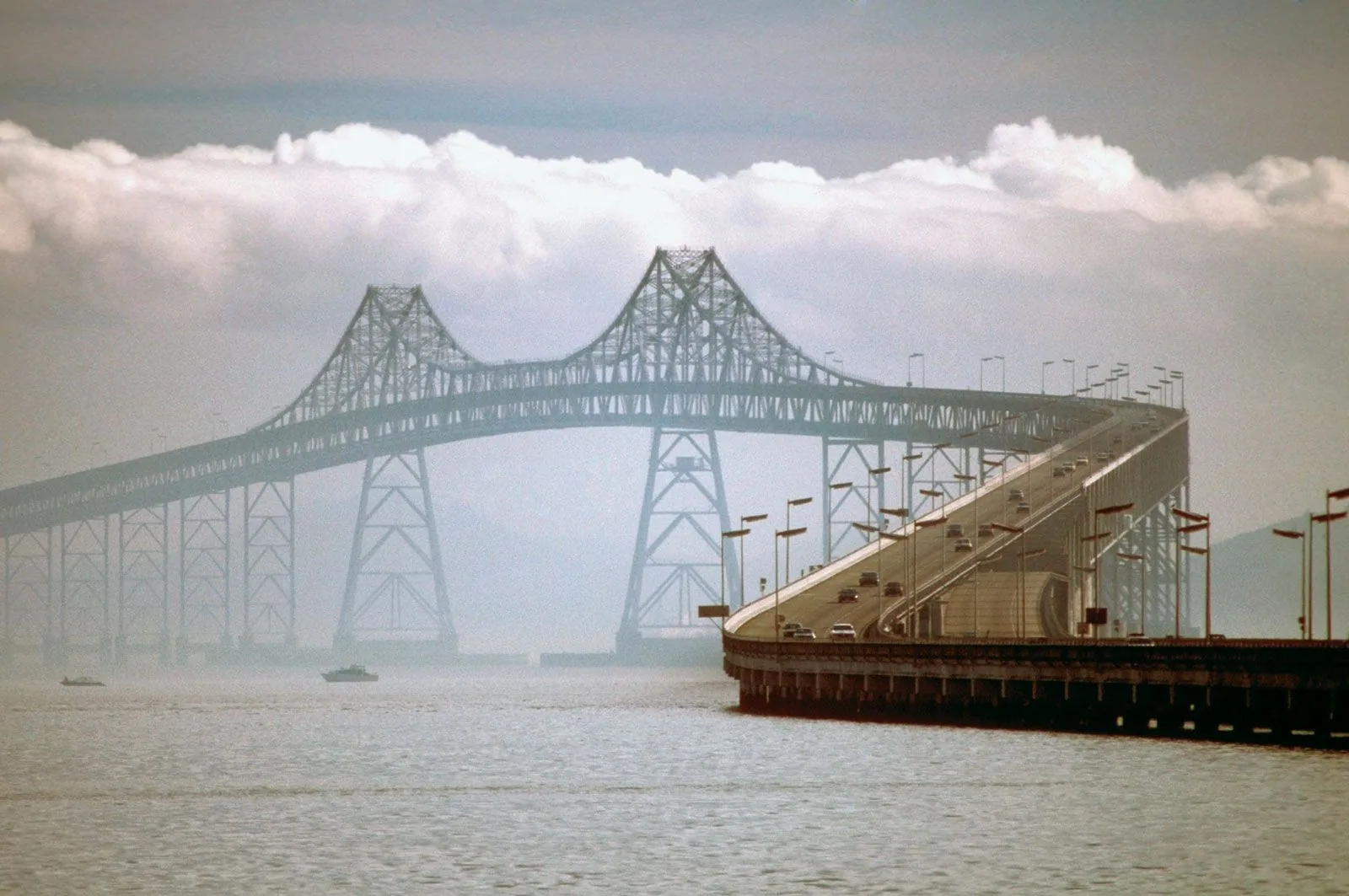
For buildings that stay open during the work, our occupied building reroofing plans each phase to keep tenants dry and operations running. Splitting the job into several visits can add setup and temporary protection costs, so we show you that against doing the work in one push. Adding insulation can also raise the roof surface, which means curb flashings and drain bowls may need adjusting, and we include that work so the finished roof actually drains and seals. We also handle TPO repairs across the bridge in San Rafael, where the same rules apply: confirm the membrane type, clean it properly and weld into sound sheet.
Compare complete alternatives
Sometimes the better answer is a different roof. A PVC roofing system is also heat-welded but holds up better against grease and certain chemicals, which can matter near restaurant exhausts or process vents. An EPDM roofing system uses taped or adhered seams instead of welded ones and has its own flashing details. When we compare options, we price each against the same core cuts and the same insulation replacement, so you're comparing the roofs themselves and not just the price of the top sheet.
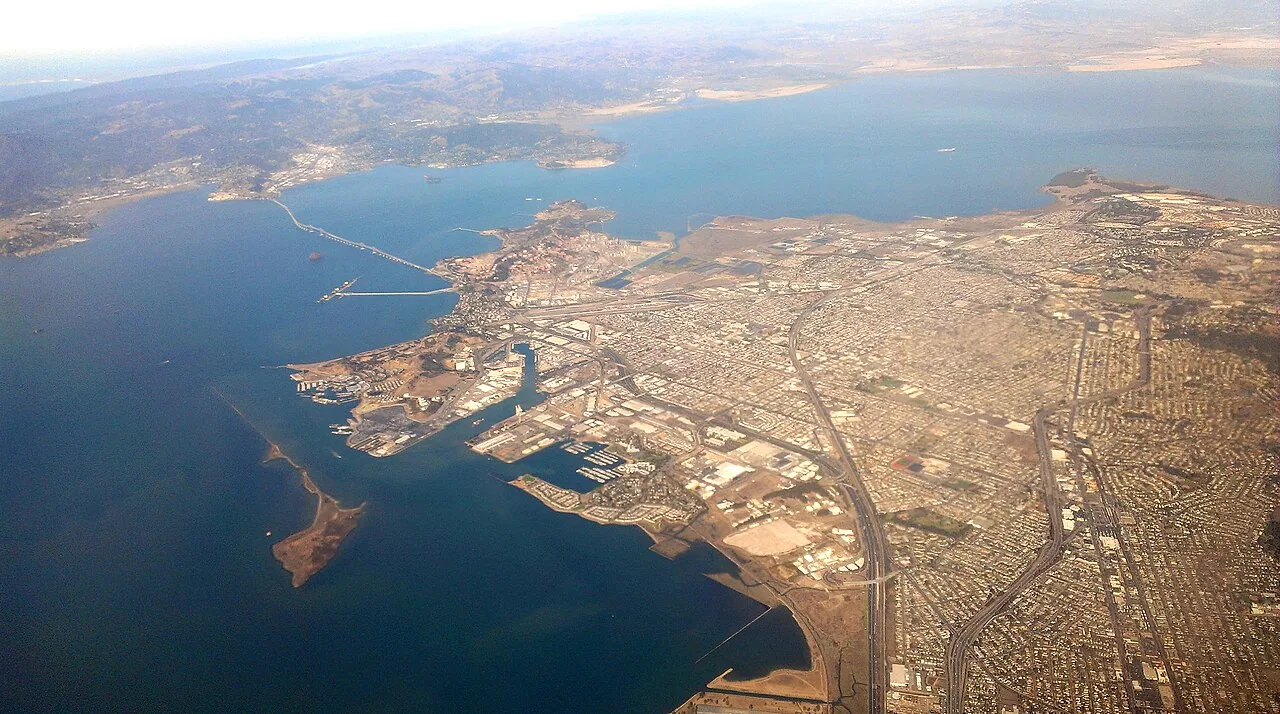
For TPO projects near the Port of Richmond, where buildings take steady wind off the Bay, we provide a closeout package when the job is done: the membrane and accessories installed, where insulation was replaced, the locations of new flashings and photos of the work in progress. Any items left for another trade, such as a unit that still needs reconnection, are listed separately. If the job includes a warranty, we go over its maintenance requirements and what kinds of later roof changes could affect coverage. That gives your maintenance team and the next contractor a clear picture of what was done and where.
Commercial Roofing Questions
Does a sound TPO weld accept concealed supporting layers?
No. A well-made weld only seals the seam. Wet insulation or loose fasteners underneath still need to be checked and repaired, or the new seam can fail again.
What should guide a local seam repair boundary?
The membrane type, how far the seam has failed, and moisture readings in the insulation around it. Nearby curb or wall flashings that leak should be included too.
Can TPO and PVC accessories be treated as interchangeable?
No. TPO and PVC don't weld to each other, and each system has its own patches, flashings and adhesives. We confirm the membrane before ordering parts.
Which details should remain after TPO construction?
A record of the membrane and parts installed, where insulation was replaced, flashing locations and photos. Open items and warranty maintenance terms should be listed as well.



Tell us about the split TPO seam