
Explore Service Areas









Commercial Roofing Questions
No. The district helps locate the work, but we identify the installed assembly and its condition during inspection before selecting a repair method.
The affected roof area, material route, equipment restrictions and interior protection needs belong in the work order. The building contact confirms which arrangements apply.
Often, work can be organized by area with protection and closure planned around building use. The actual sequence depends on the roof condition, access and the activities beneath the work.
We document each roof separately. Findings, material quantities, access needs and unresolved conditions stay attached to the building where they were examined.

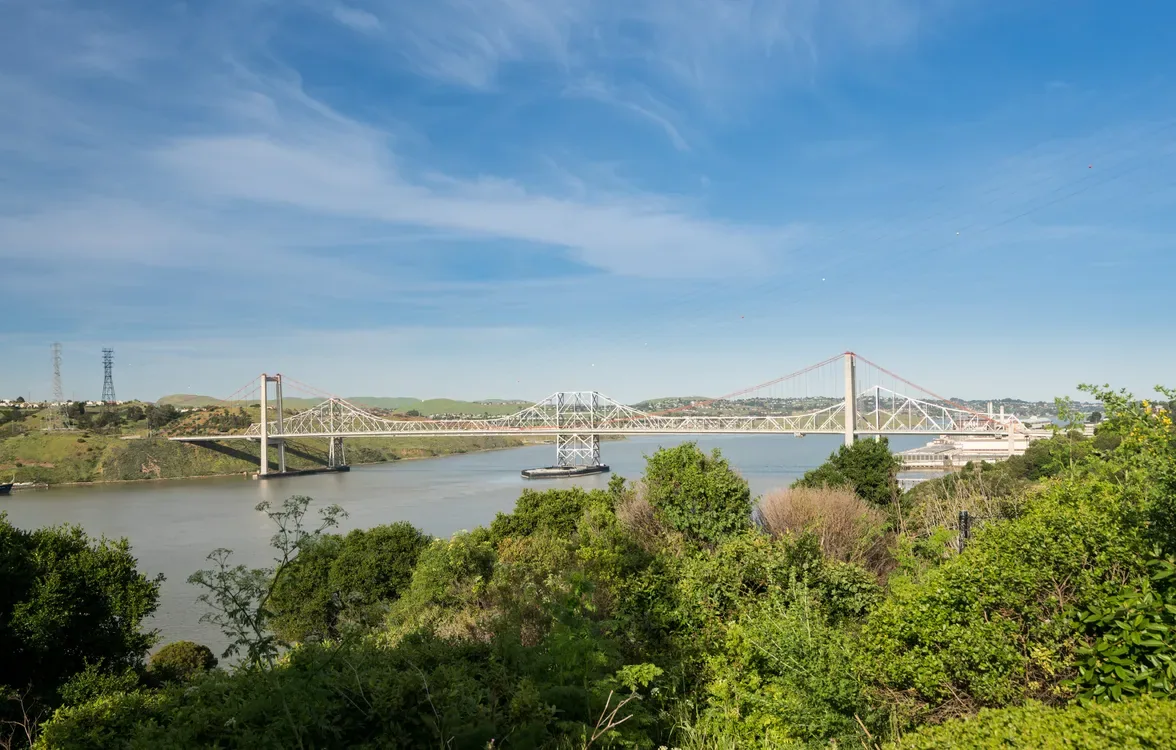
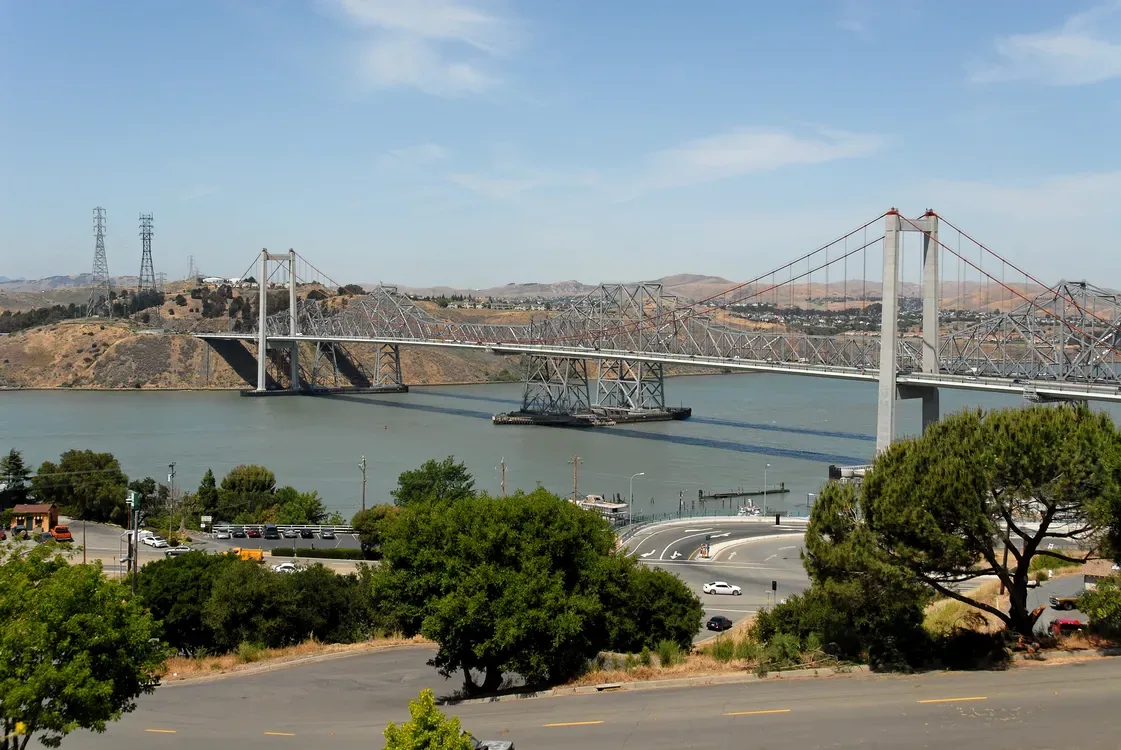
Commercial roofs across Richmond, CA, sit in varied settings, so each property needs an access plan suited to its building. A warehouse near North Richmond can present a different material route from a civic building downtown. We inspect the roof, find what failed, and set repair limits that match the work needed to fix it. The service area includes Richmond’s waterfront, industrial corridors, business districts and nearby municipalities. Each proposal follows the building’s actual assembly and the operating contact’s access requirements.
The Waterfront
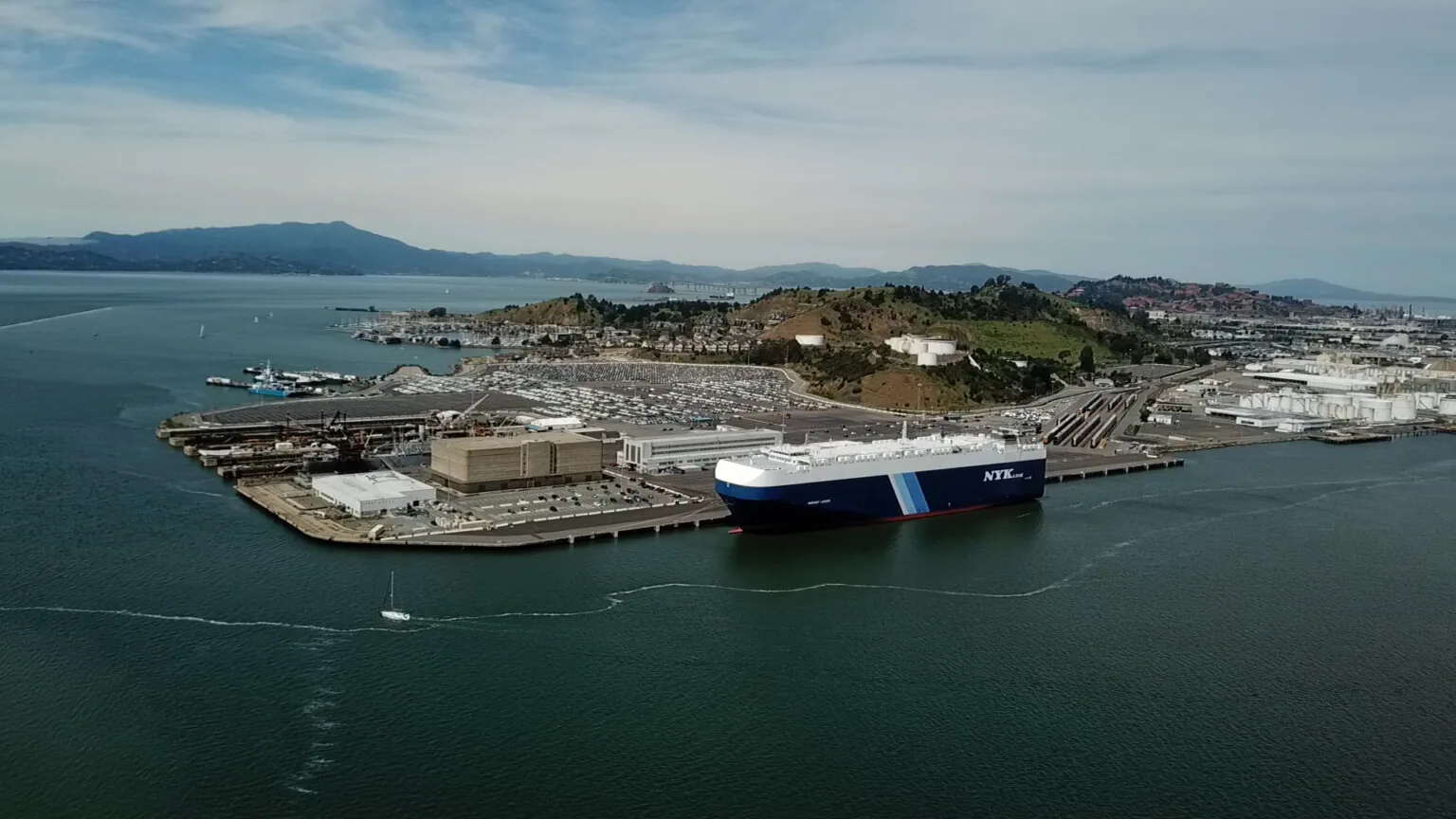
The Port of Richmond covers a broad waterfront area with multiple terminals and cargo operations. That context makes it useful to identify the roof section, the approved route for materials and any operating restriction before work is set. We keep terminal or yard coordination separate from the roofing finding: a delivery plan cannot establish whether backing is sound or a perimeter connection is complete. The roof inspection locates the defect, checks the material that will receive the repair and records any support that still needs examination.
Industrial Corridors
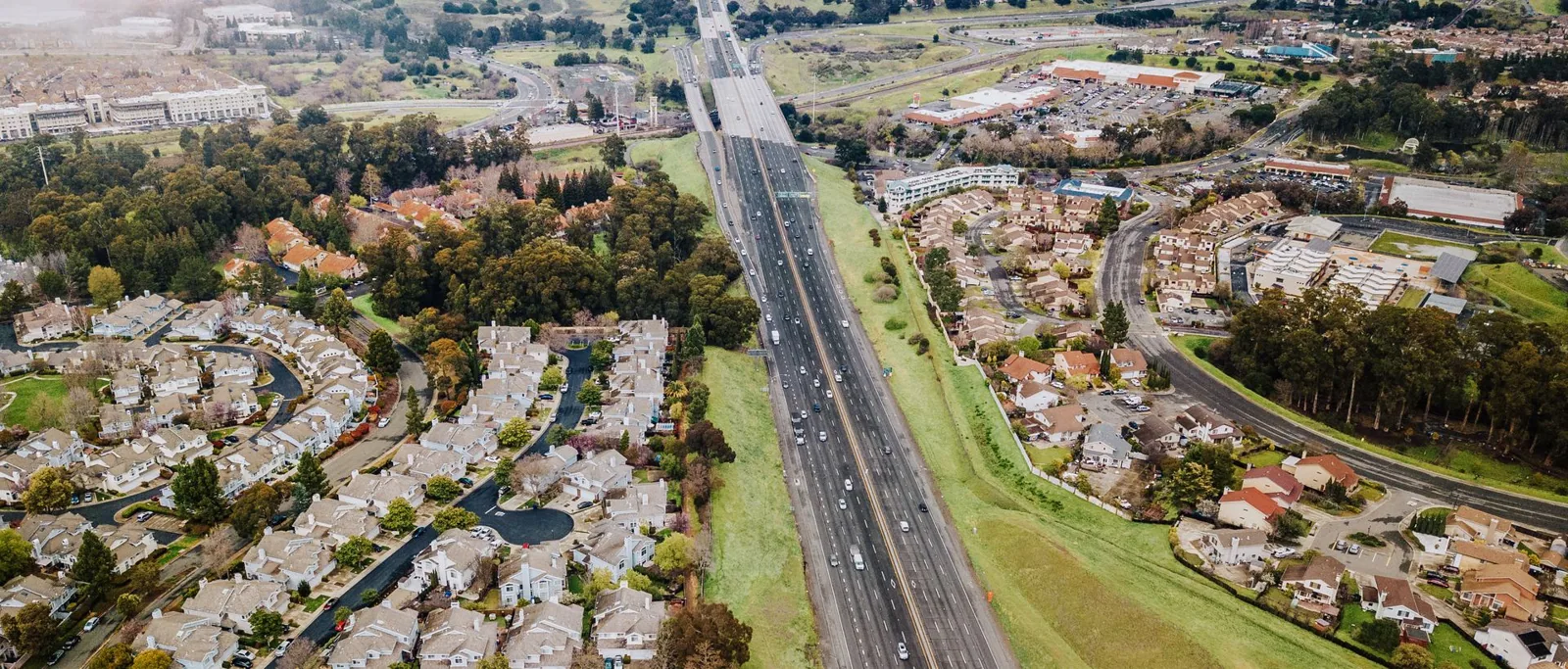
The Richmond Parkway corridor connects I-580 and I-80 and passes industrial and logistics areas. Truck movement can affect where equipment and roofing material can be staged, so the work order should identify the route that is actually available at the building. Around the Inner Harbor and Cutting Boulevard, warehouses and manufacturing uses make a clear scope especially useful: it should say which part of the roof opens, what stays protected, and which other trade has to finish first before the new roof can be tied in.
Districts With Different Roofs
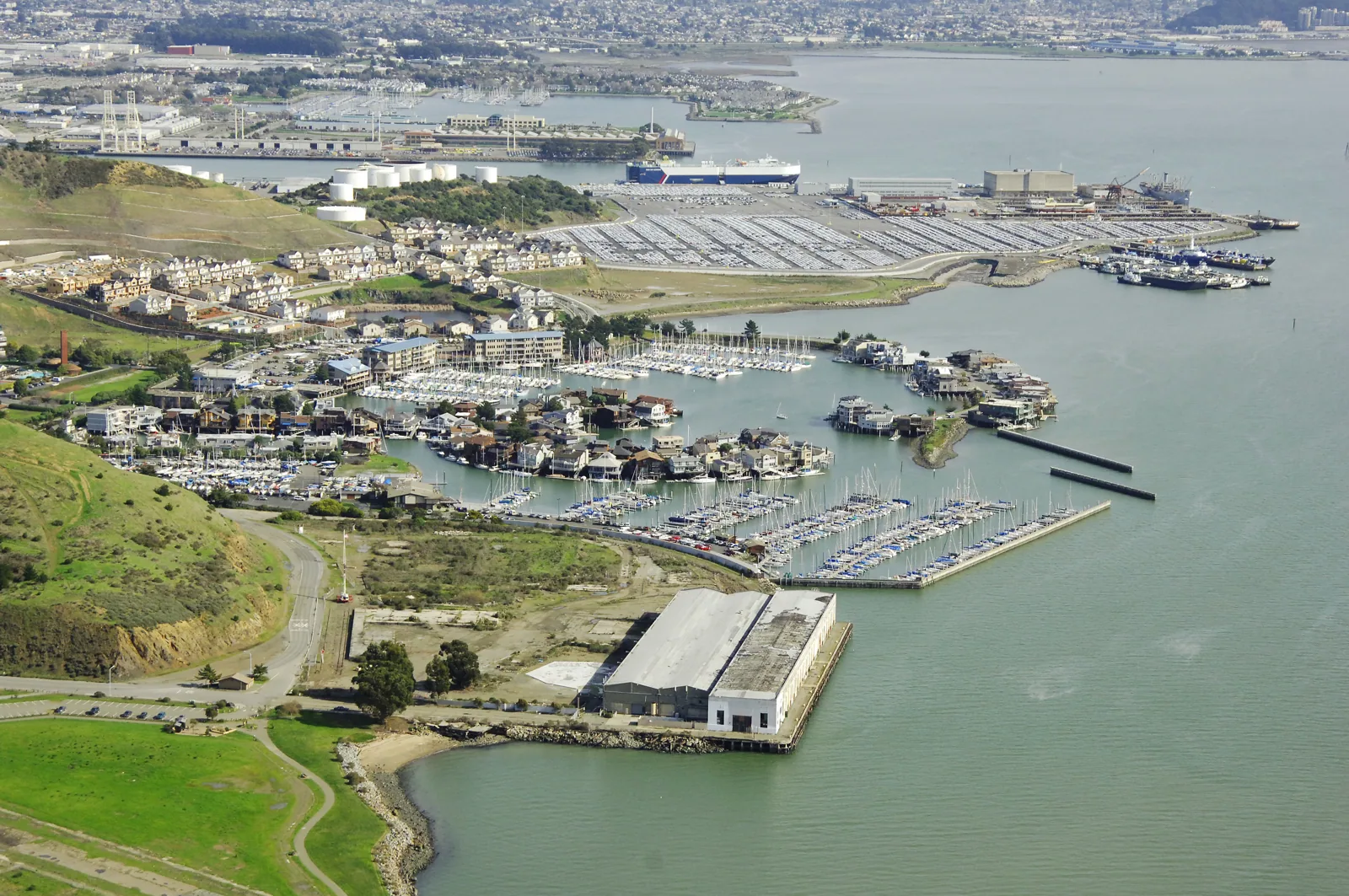
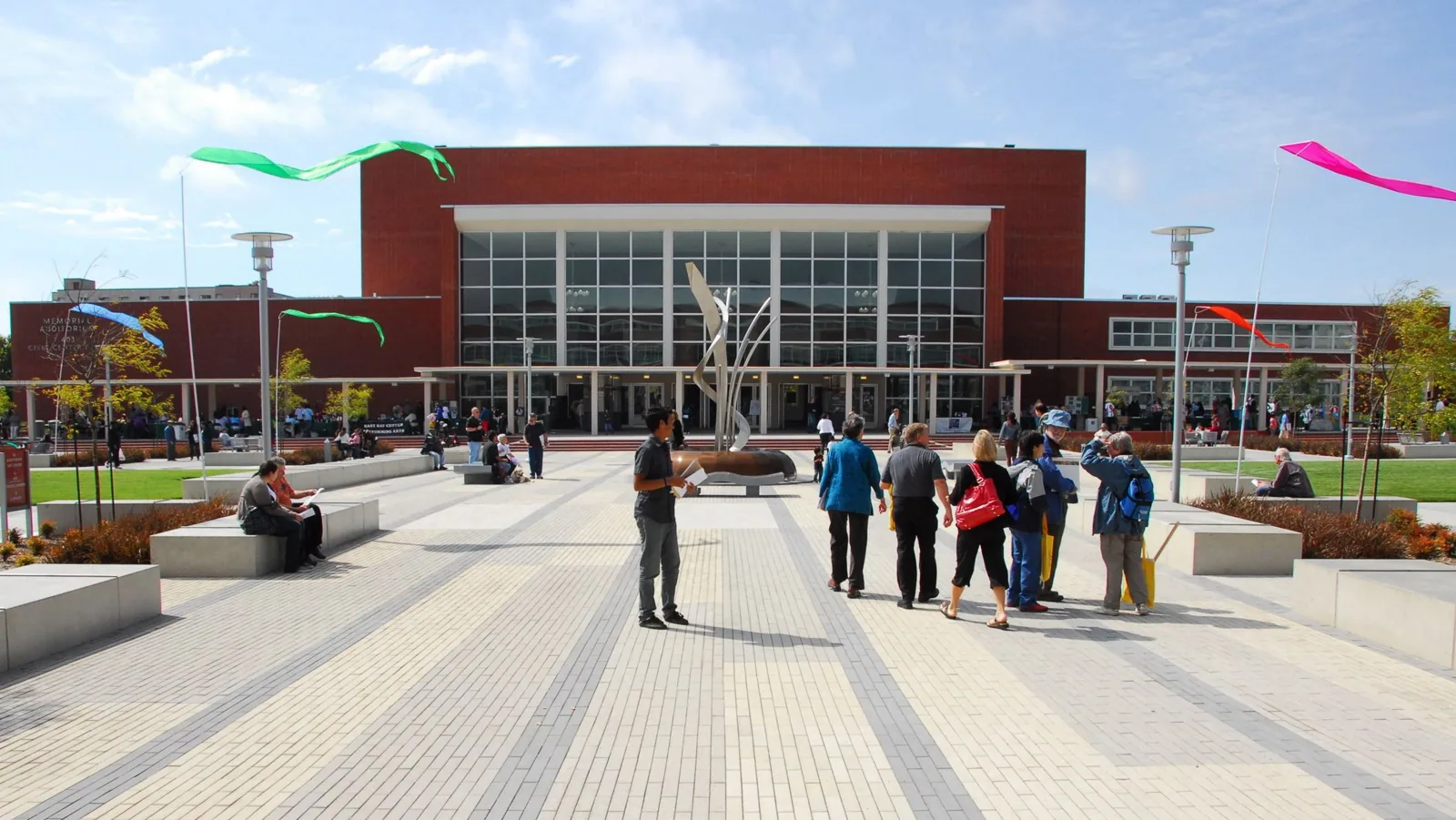
Marina Bay is among Richmond’s listed industrial and warehouse areas, while the Downtown Richmond Civic Center contains civic buildings. Those place names help orient the work, but they do not establish a particular roof’s material or condition. We check the assembly at the building, compare visible damage with the material that will take the repair and treat any hidden deck or insulation question as open until inspection answers it. If the work crosses a wall, drain, curb or a section of roof that stays, the scope names the detail that must be finished there.
Set the Work Order
Before removal begins, the building contact identifies the area to be reached, the access route and any occupied space that needs protection. We separate temporary weather protection from permanent correction, record what the inspection confirms and keep another trade’s equipment or design responsibility with that party. When work spans more than one property, each roof receives its own findings and quantity; nearby construction is not evidence about the next building. The owner can then compare a localized repair with broader replacement using the same permanent endpoints and the preparation each option requires.
For buildings near Point Richmond, the same roof-first sequence applies: locate the defect, check the material the repair will tie into and plan the way in before committing to removal. A clear scope makes it easier to coordinate the repair with building use and understand which task comes next.
Describe the roof and how the building is used
Tell us the Richmond-area municipality or district, the roof concern and who can coordinate access. We can inspect the affected assembly and prepare a work sequence tied to its condition and operating needs.