Local weather advisory
Coastal Flood Advisory: Commercial Roof Help in Richmond
The National Weather Service has issued a coastal flood advisory covering Richmond. Heavy rain and drainage loading can expose roof leaks, blocked drains, and ponding water. This is a weather exposure advisory; it does not establish damage to a specific roof.
Do not access a roof during hazardous weather. Protect people first, avoid water near electrical equipment, and request roofing help when conditions permit.
National Weather Service · Updated Oct 28, 2026, 7:20 AM UTC

Commercial Roofing in Orinda, CA
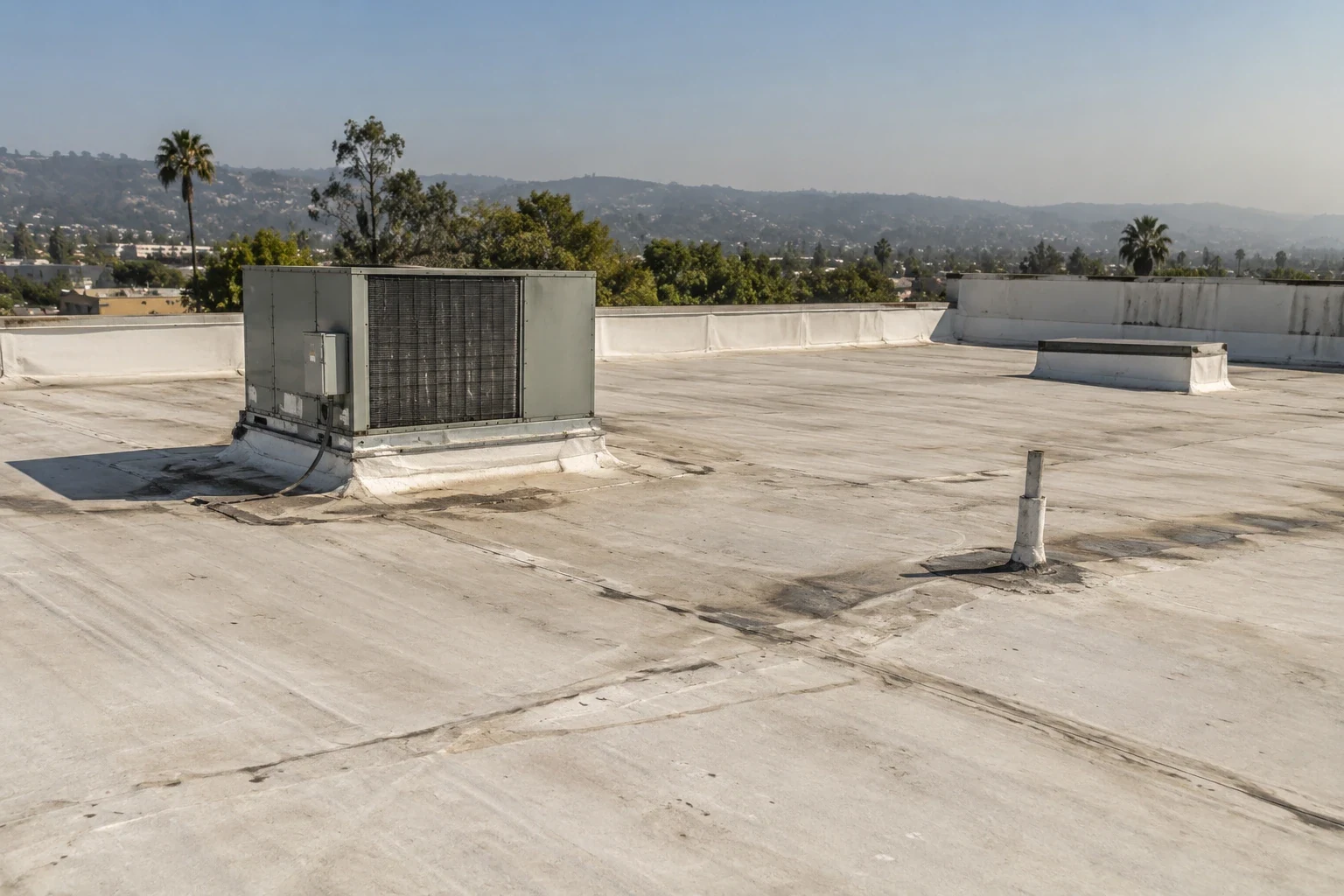
A split in the membrane where one roof level steps down to another is one of the harder leaks to fix on an Orinda commercial building. The crack may be in the lower membrane, the flashing that runs up the wall, or the seal at the top edge, and each is reached from a different spot. We look at the whole step: whether the lower membrane turns up the wall in one piece, and whether the top termination is still fastened. The two sides often need different prep, so we size both before giving you one price. A patch slapped on wherever the split is easiest to reach can leave the real leak untouched. We find the failed piece first, then plan where the crew works and how they get there.
Our Richmond, CA crews serve Orinda, which sits along State Route 24 with BART service through town. Getting to the building is the easy part; the layout of the roof decides how the repair goes. The same goes for our commercial roofing in Lafayette, where we plan the material route from each building's own entrances and roof levels instead of assuming neighbors share one way up.
A roof step has several joints, not one
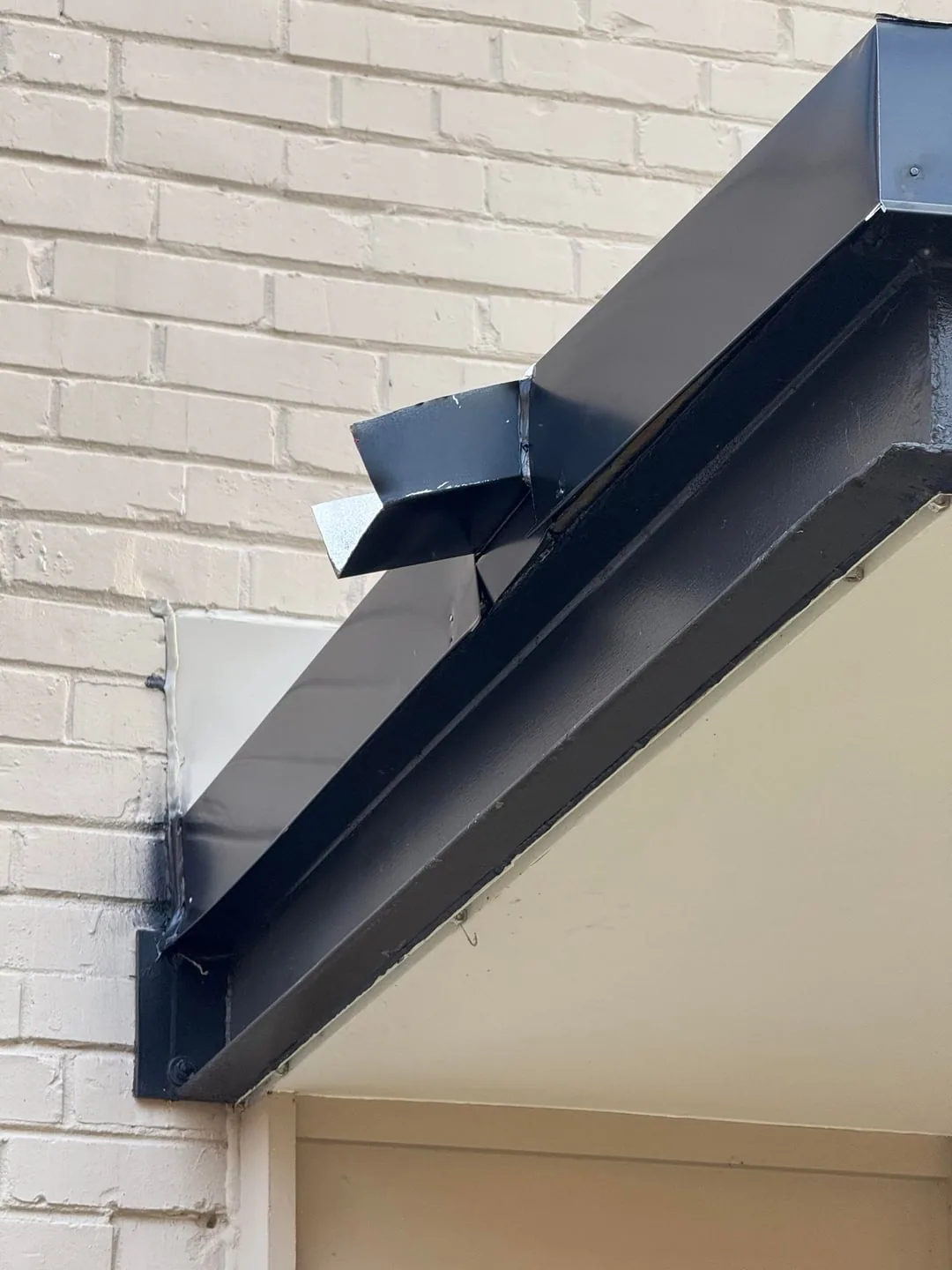
A stepped roof usually has a flat membrane on the lower level, flashing that climbs the wall, and a counterflashing or termination bar at the top. Each piece has to lap correctly onto the next. Water can slip in behind the top seal and show up as a split lower down, so we inspect the full height of the step. Our findings name the defect we saw and flag any other joint that needs a closer look. That is much more useful than a general note to seal the step.
Buildings with two roof levels sometimes move slightly where the sections meet. If the joint is built to move, locking it down with a stiff patch can just crack somewhere new. Our wall and penetration flashing repair starts by identifying what the flashing is attached to and how it should be joined. If the joint needs an engineer's or designer's input, we say so and keep that separate from routine membrane work before the step is closed back up.
Check the lower roof for trapped water
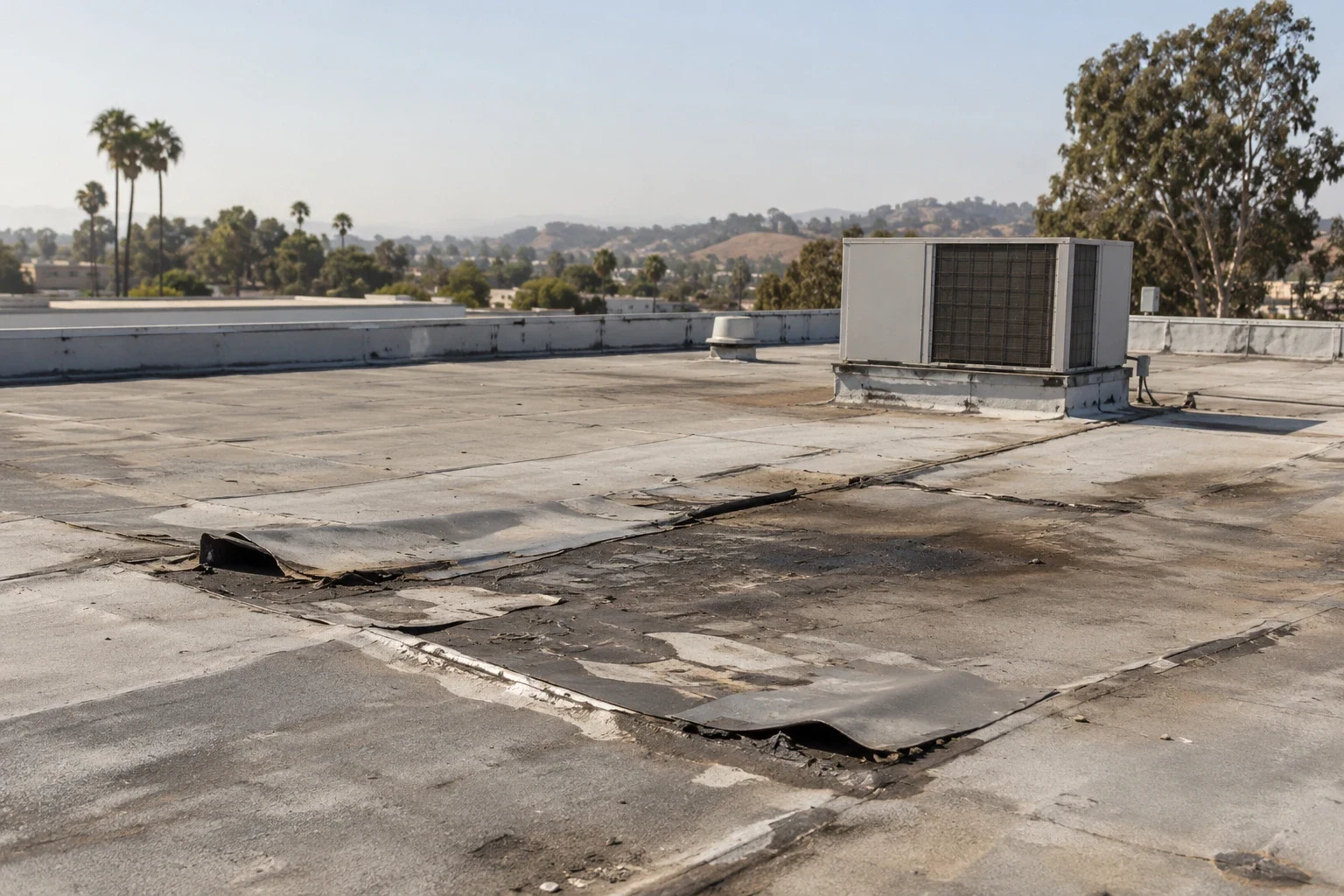
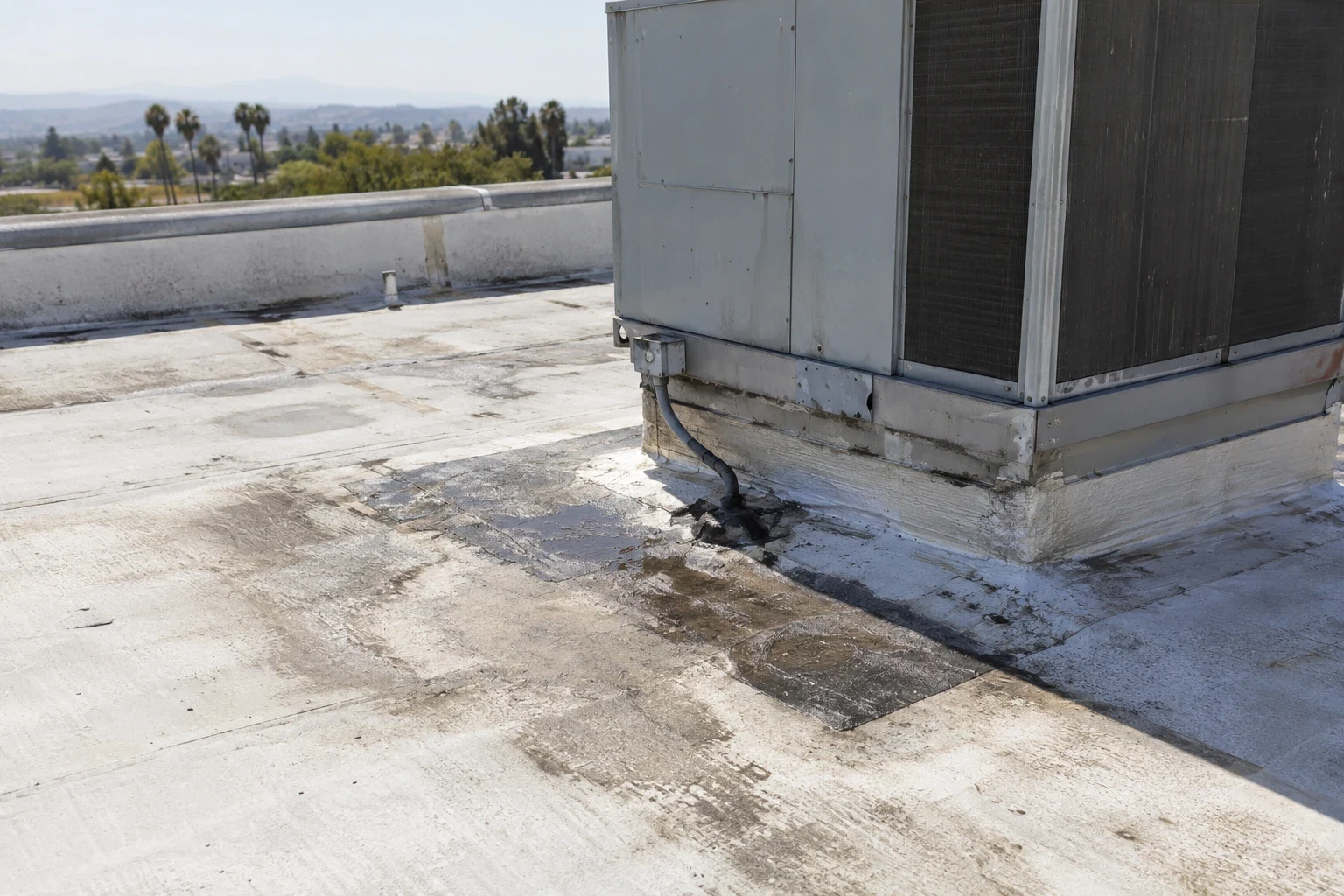
A split above a lower roof can let water spread under membrane that still looks fine on top. We check the roof around the step and run moisture tests when the signs call for it. A wet reading is a reason to dig further, not an automatic tear-out line. We confirm it with methods that suit the roof type. If we need to cut a test opening, patching it is part of the same plan.
When wet insulation or cover board has to come out, we check the deck before new material goes in, since the rebuilt step needs a solid base. Our insulation and cover board replacement lists what was removed and what replaces it. New flashing on top of soaked insulation will not last. That is often why a repair grows past the visible crack at the step.
Two roof levels make access harder
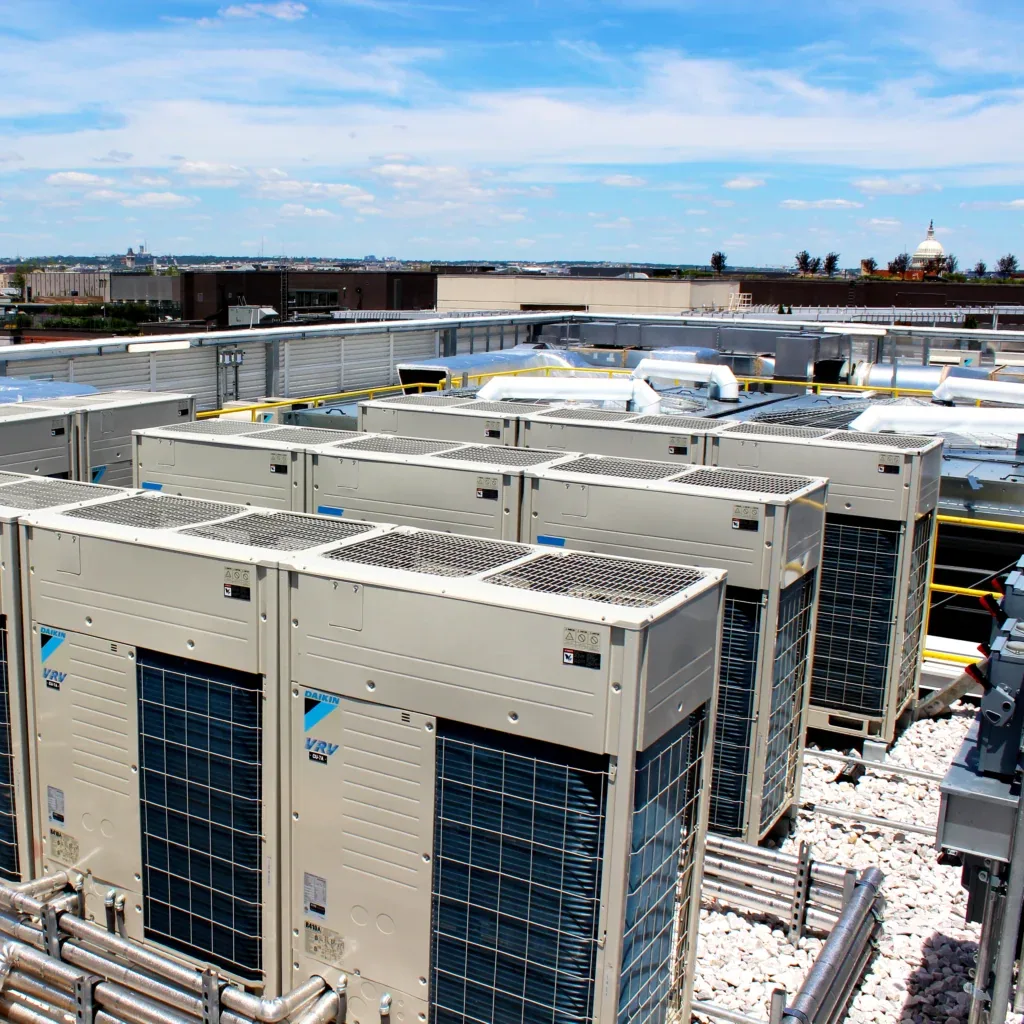
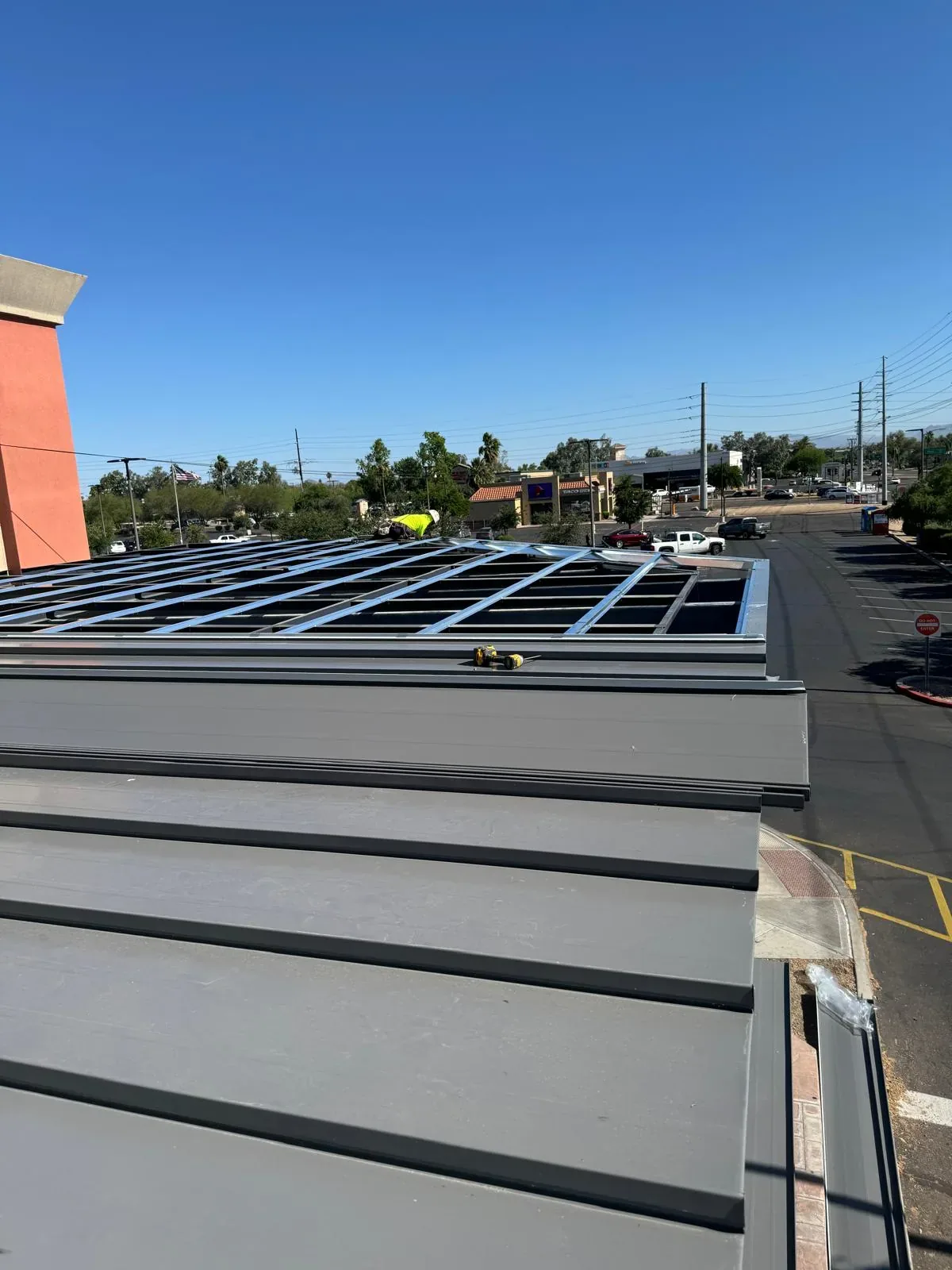
Materials lifted onto one roof level may have no easy path to the other. We work that out before setting a schedule. Roof hatches, ladders, height changes and rooftop units all affect where the crew can stand and how debris gets down. You tell us which rooms and hallways below need to stay open. With that, we can set a practical order for opening the joint and doing any repairs underneath first.
We confirm the lift point and the work area at the building itself, including space to handle long flashing pieces. Our roof repairs in Walnut Creek plan for split-level roofs the same way. We agree where material arrives, where it sits during the job and how the open joint is kept dry while the work is underway.
The new flashing has to end on solid material
New flashing has to start and stop on solid material at both ends. We check the lower lap and the top seal before deciding where the repair begins and ends. A good patch on the flat roof will not fix a crumbling wall surface or a loose top edge. Our proposal shows how the pieces meet. If the repair has to extend farther to reach sound material, we explain why based on what we found, not on a standard patch size.
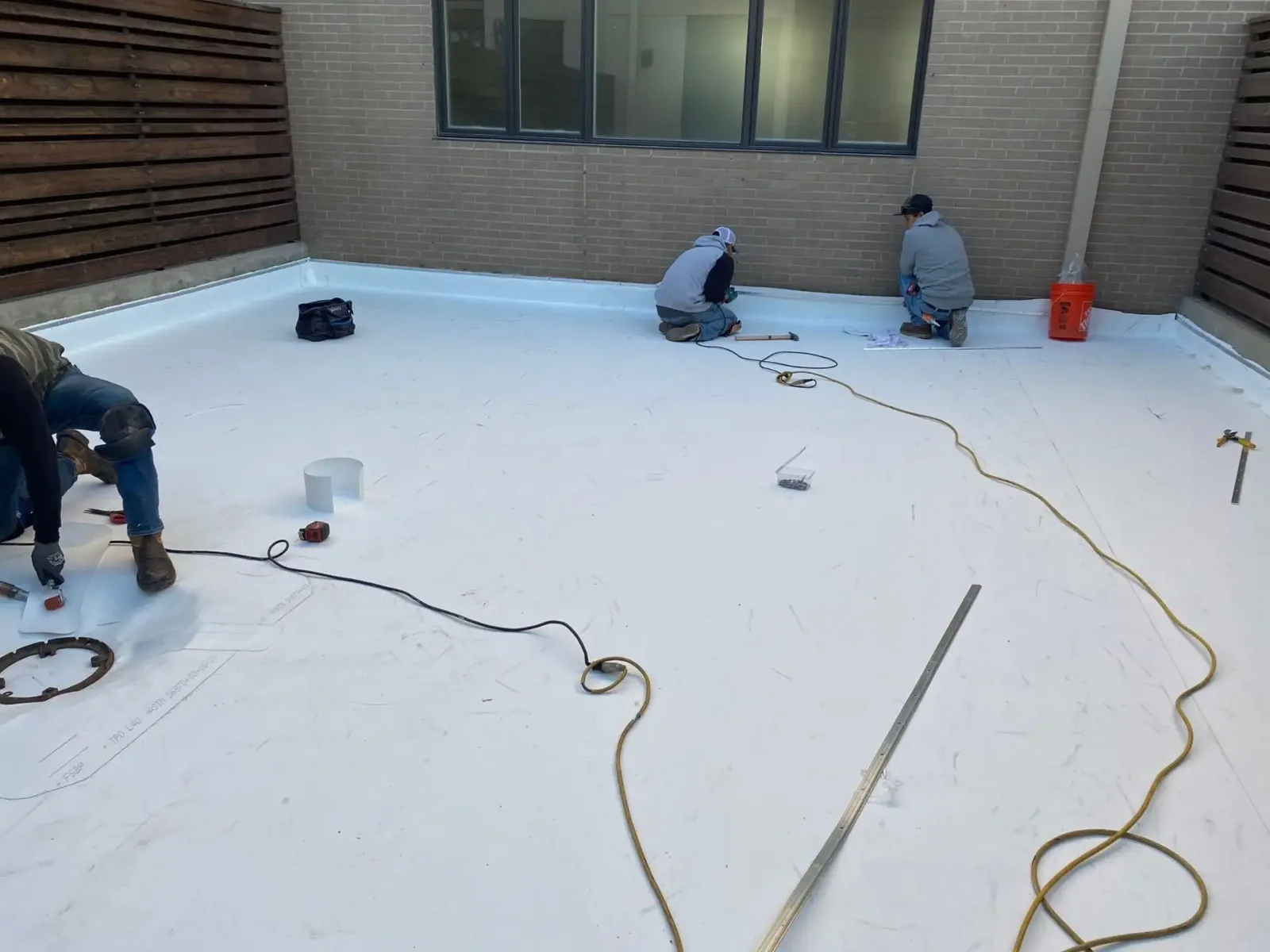
On KEE membrane roofs, the existing sheet and any accessories have to accept the prep and welding method we plan to use. Other roof systems have their own repair steps. We confirm what is on the roof before choosing materials, since a product that merely covers the split is not enough. The schedule includes tear-out, prep and the seal at the upper level. When we finish, we check the work against the planned detail, not just how smooth it looks.
Photos and notes keep the repair clear
Photos taken while the step is open show joints that the finished flashing will cover. We note the failed piece, what we found underneath, and what was replaced or kept. The written summary separates the roofing work from any wall or structural repair at the same step. You can see exactly what was done and what, if anything, is still another trade's job.
If several steps on the roof show similar splits, it may be worth inspecting a wider area before paying for another spot repair. We compare the details and conditions, then sort out what needs doing now and what can follow. A roof condition report with a repair plan puts those steps in order so the next spending decision follows the evidence. Emergency patching is available under our normal terms, and we explain how it differs from the final repair.
Commercial Roofing Questions
Why examine the upper connection when the split is below it?
Because water often gets in through a loose top seal and runs down before it shows. We inspect the whole step and find which piece actually failed, so a patch at the bottom is not mistaken for a fix while the top stays open.
Can one rigid patch cover a joint between two roof levels?
Usually not. If the joint is meant to move, a stiff patch can crack again or cause a new leak nearby. We check how the step is built, pick a flashing method that fits, and recommend a design review if the existing joint is unusual.
What changes the removal boundary below the step?
Wet or damaged insulation, plus how far we need to go to reach solid membrane. We test and explain how we decided the size. New material needs a dry base and a sound edge to tie into.
How do you keep access clear while both levels need work?
We plan the access route, lift point and work areas before opening the joint, and decide which level gets the materials and how debris comes down. You tell us which areas below must stay open so we can work around them.
Which record helps distinguish roof repair from related wall work?
The written scope and the photos taken while the step was open. They show which parts were roofing and which belonged to another trade, so you have a clear record of what was finished and what is still assigned elsewhere.
Plan the repair across both roof levels