KEE Roofing in Richmond, CA
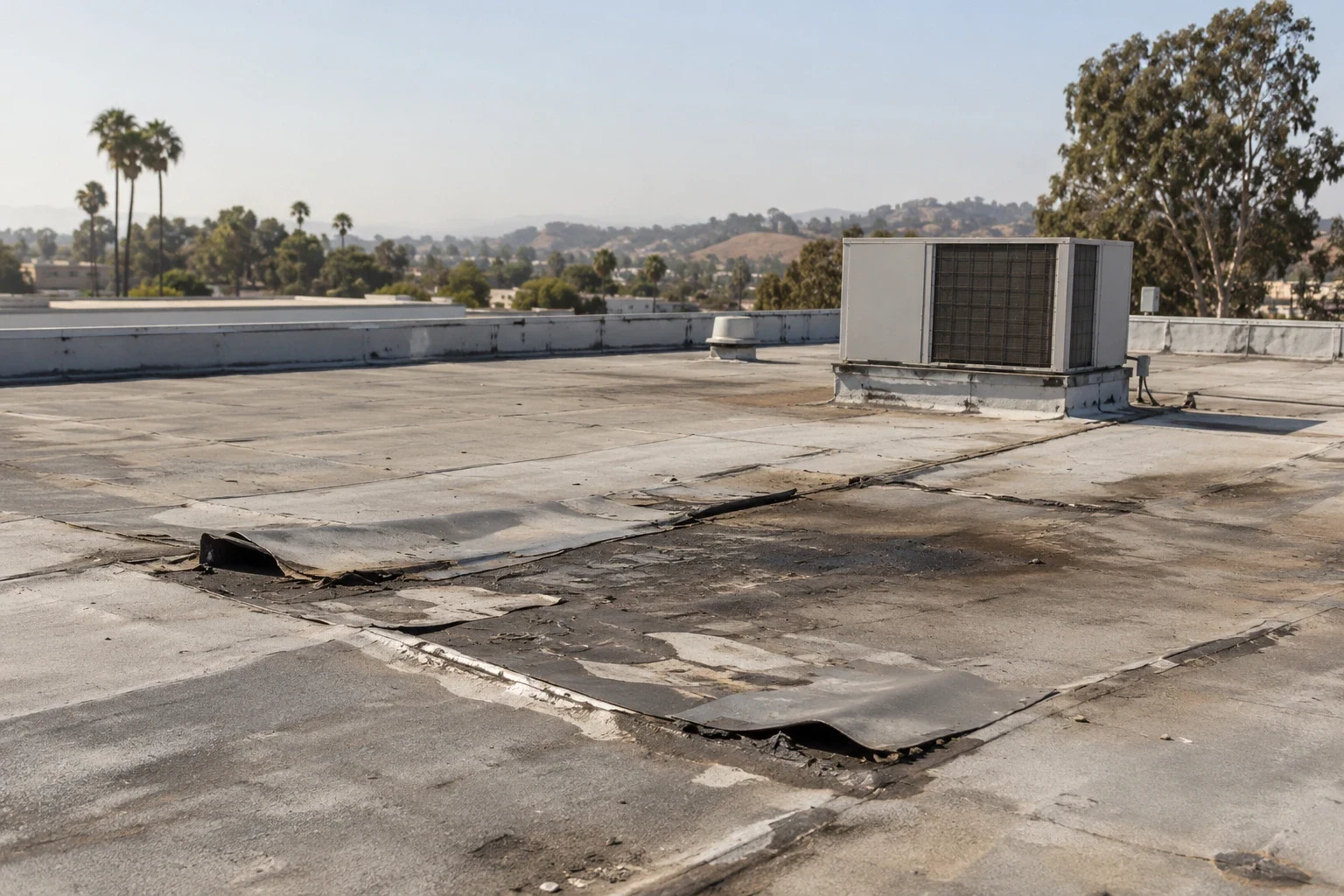
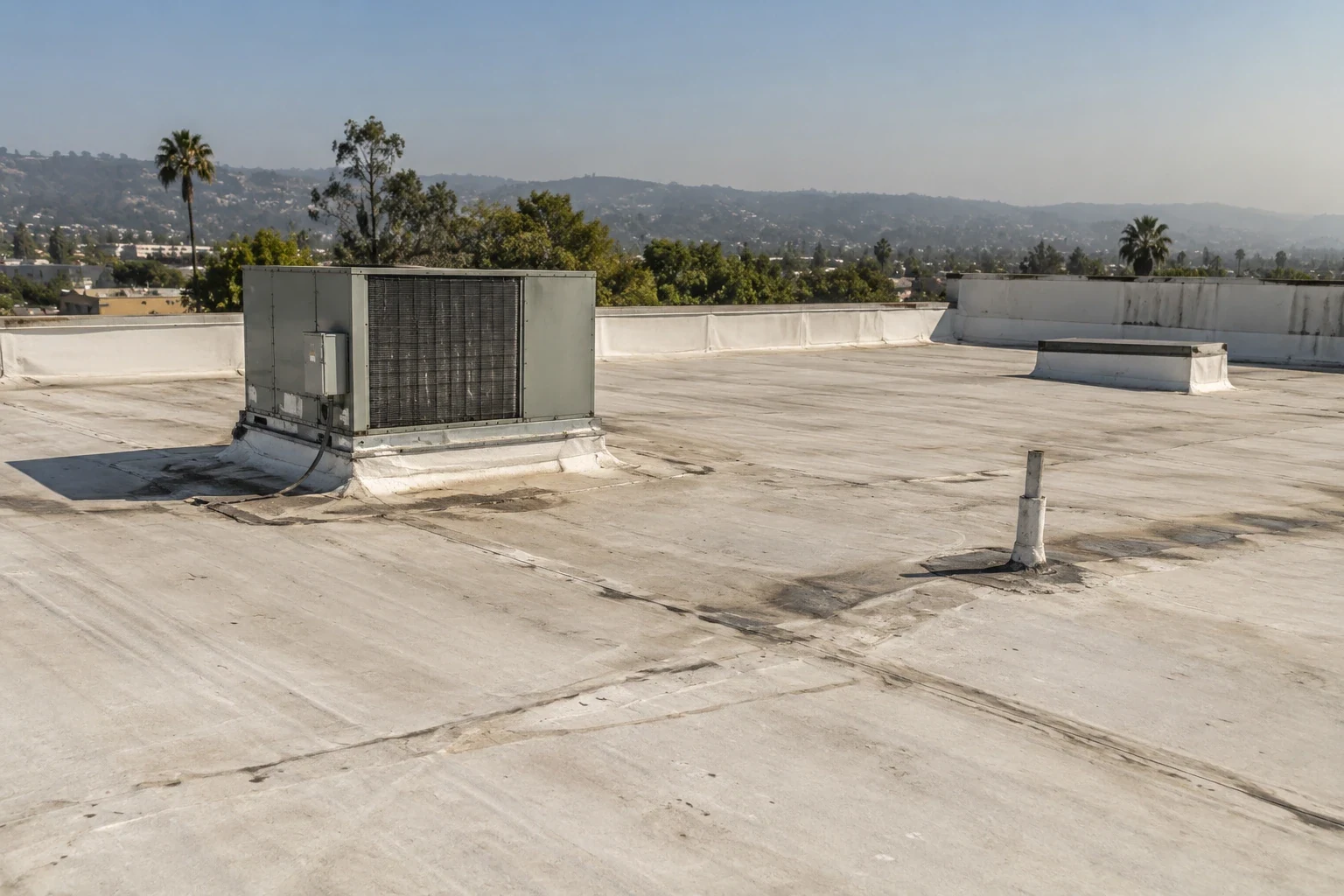
A leaking curb on a Richmond commercial roof that the records call "KEE" is not ready for a repair until someone confirms what membrane is actually up there. KEE is an ingredient blended into some PVC-based sheets, not one single product, and the repair materials have to weld to the sheet that is really installed. We look at the roof itself, compare it with any product records the owner has, and flag anything we cannot confirm before we price the work. On a flex industrial building, that usually means checking the curb flashing, the field sheet next to it and whether the rooftop unit has to be lifted or disconnected first.
Many of the KEE roofs we see sit on warehouse and light-industrial buildings around the Port of Richmond, Marina Bay and North Richmond. Our job on those roofs is simple to describe: find out why water is getting in, fix the detail so it stays fixed, and tell the owner plainly whether the rest of the membrane is worth keeping. If the insulation under the leak is wet, or the curb is too short to flash properly, that goes in the estimate up front. You get one clear scope instead of a cheap patch followed by a change order.
Confirm which membrane is on the roof
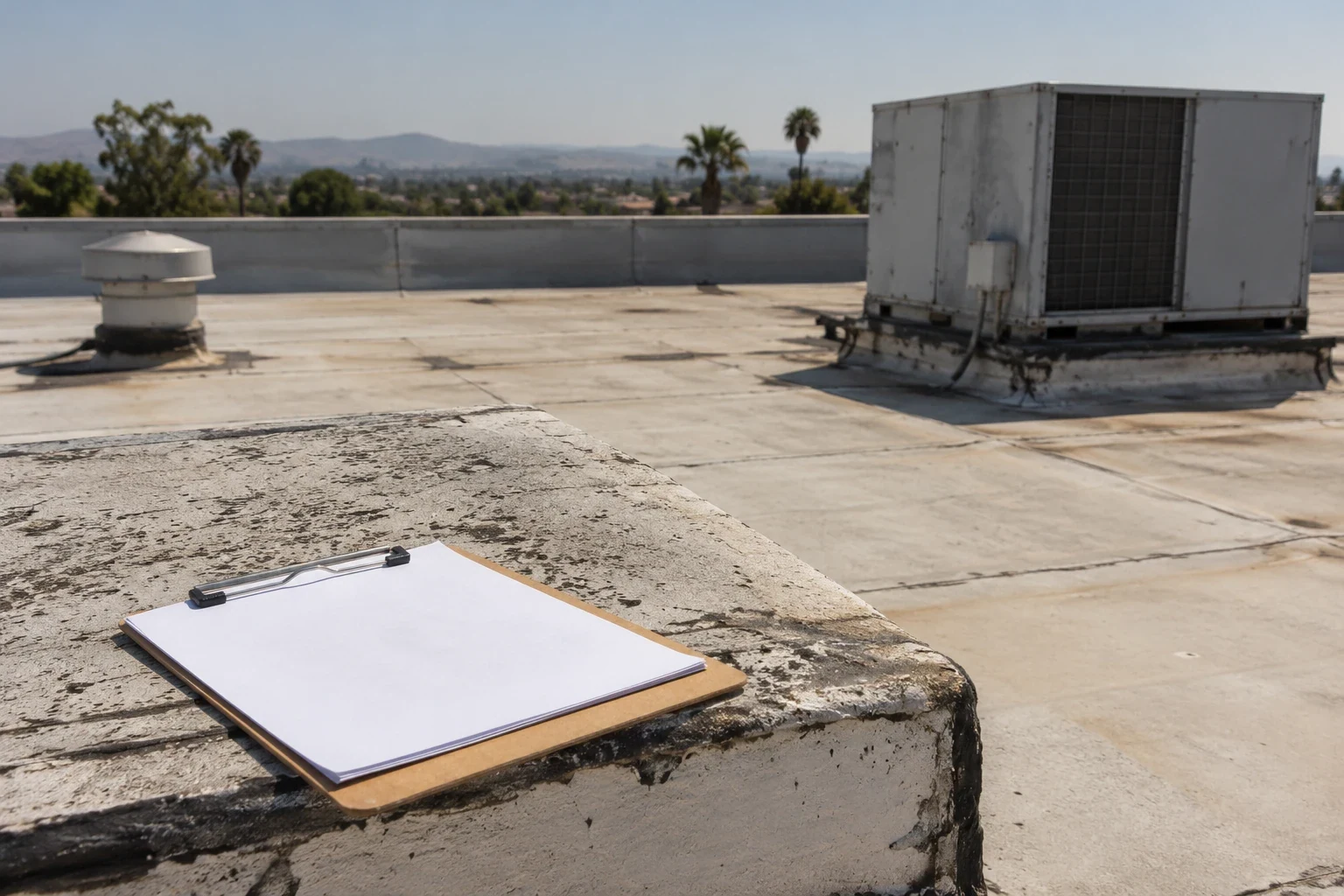
Plenty of membranes are sold as KEE or KEE-enhanced, and they do not all behave the same way. IB ChemGuard, for example, is a PVC-based membrane that uses KEE, but that fact tells you nothing about an unrelated roof installed by another manufacturer. During a roof inspection we look for printed markings on the sheet, check the original project paperwork if it exists and, when needed, cut a small sample. We note what we confirmed and what is still an open question at the leaking detail.
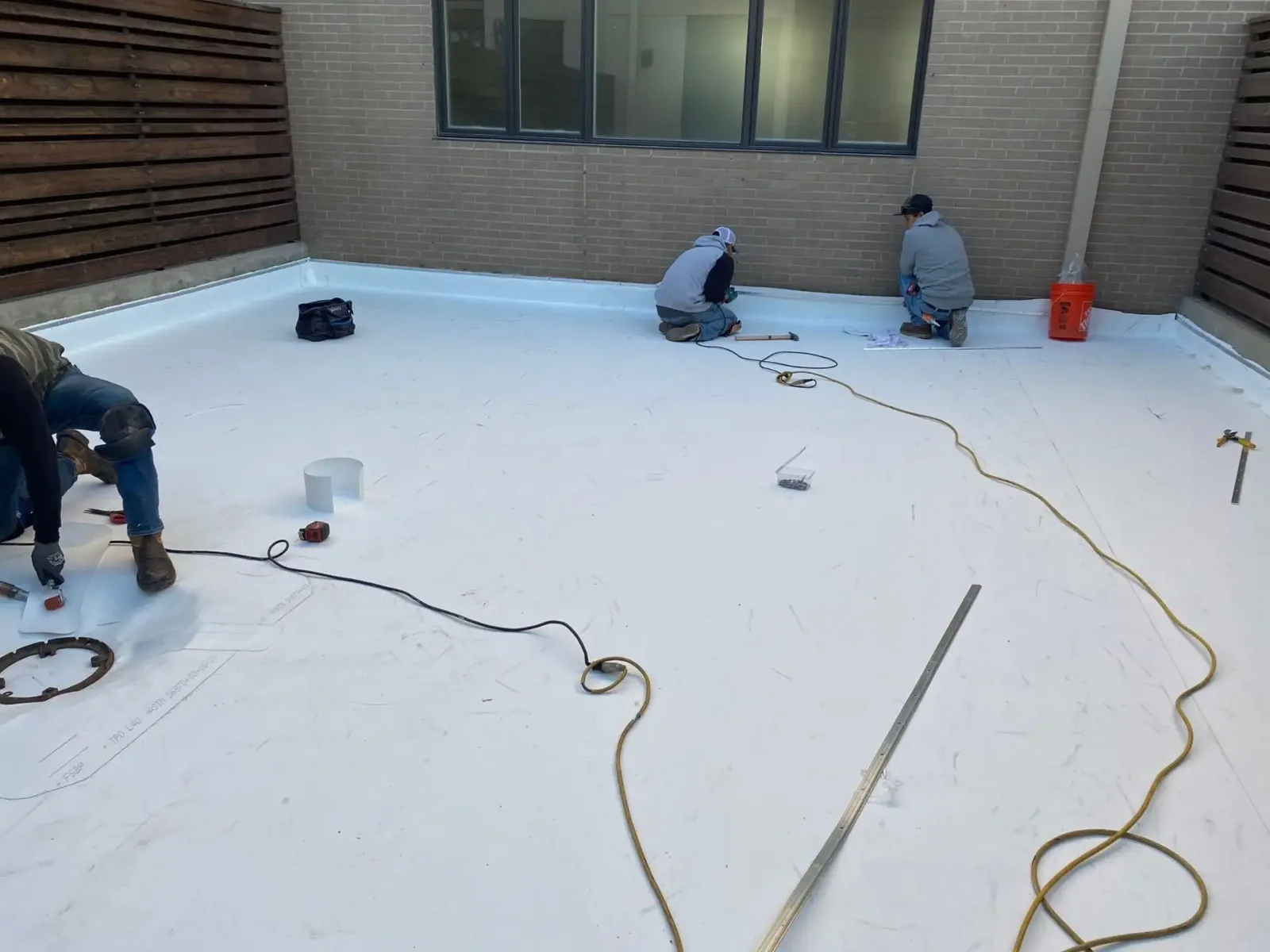
This matters because the flashing, membrane and accessories in a repair must be compatible with the existing sheet. Two white membranes can look identical and still refuse to weld together cleanly. An old patch on the roof may also be a different material from the field sheet, and new work cannot simply be welded to it and assumed sound. Identifying the membrane does not answer every question, either. How the roof is fastened, and whether the insulation below is dry, are separate checks that we make before we commit to a repair method.
Once we know what the roof is, we pick the flashing and seam method that the manufacturer calls for and match it to the defect we found. Guessing "it's basically PVC" is how mismatched repairs get installed. The scope we hand the owner lists the membrane we identified, the detail that needs work and the reasons we think the surrounding sheet can stay in place.
Trace the leak at the curb
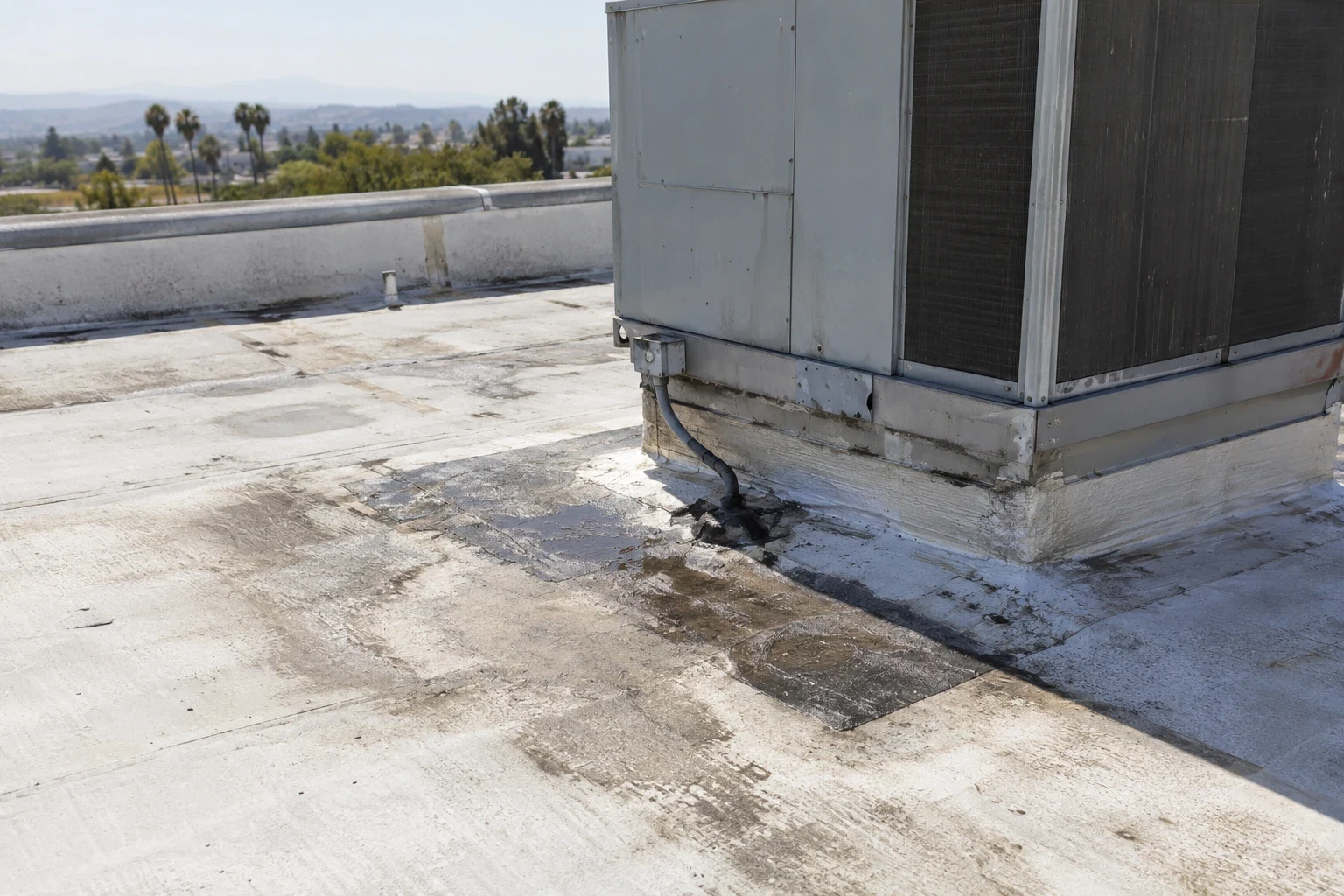
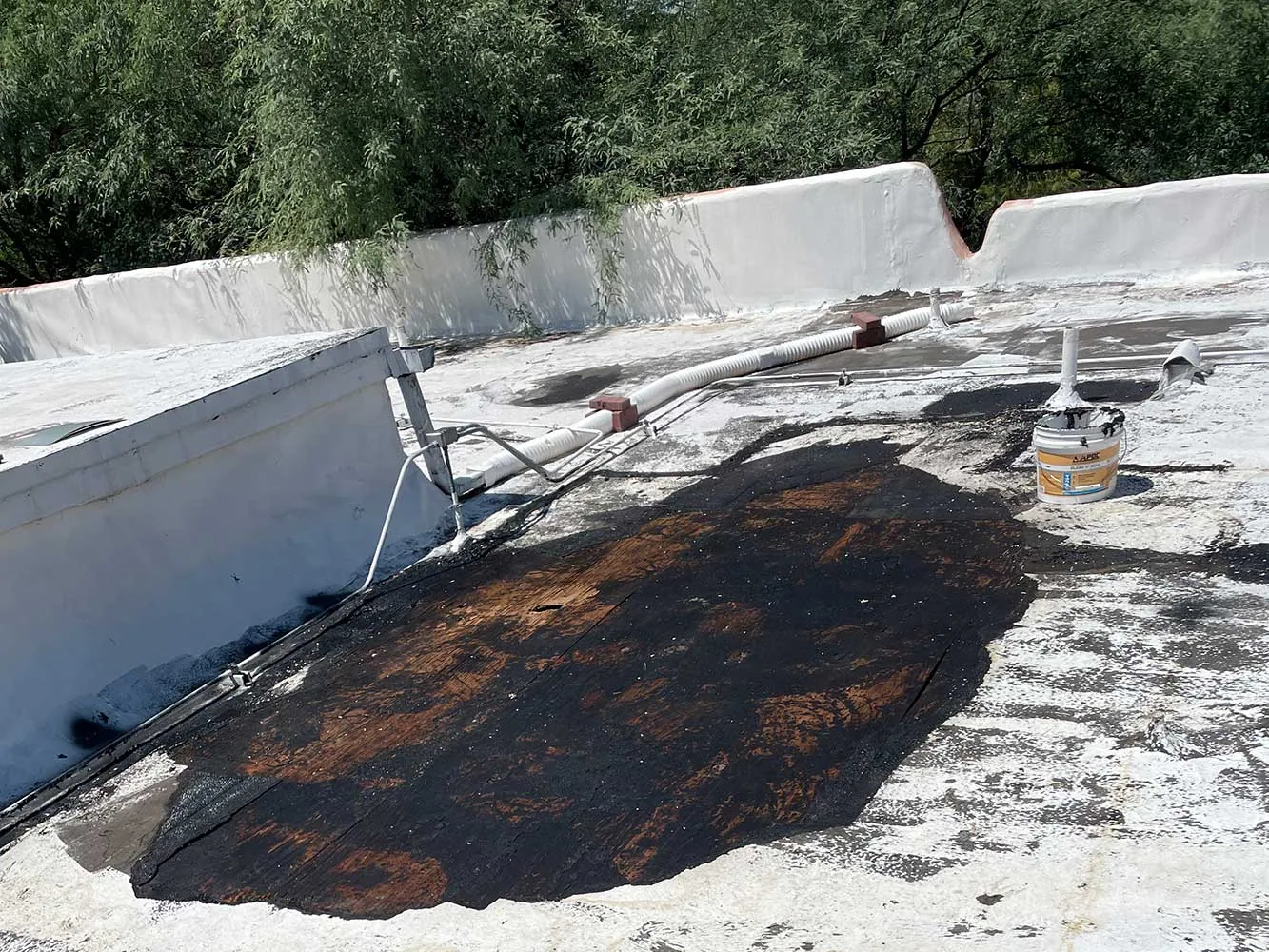
A split at a curb can come from a few places: the membrane flashing itself, the seam where the flashing meets the field sheet, or a gap on the equipment side such as a loose curb cap or a cracked unit housing. Each one has a different fix. We take the curb apart as far as needed to see where the water actually enters. Our penetration and curb flashing work covers the roofing side, but if the unit needs a mechanical contractor to disconnect it, we say so instead of patching around it.
The owner should know exactly where our repair starts and stops and what preparation it needs. We use the welding method and accessories that the confirmed membrane requires, not a one-size approach for anything labeled KEE. Project specifications, when they exist, get read against what is actually on the roof. If new insulation raises the roof surface, the curb may end up too short for a proper flashing height, and raising it becomes part of the job. We put those items in writing next to the tear-off and rebuild, and we keep a small local repair separate from any larger option, so the estimate shows what you are actually paying for.
Check the insulation under the repair
Water that gets past a failed curb or seam often spreads through the insulation well beyond the visible tear. Before we decide how much to remove, we check moisture in the area around the leak, by core cuts, a moisture meter or an infrared scan depending on the roof. We mark which boards are confirmed wet and which are only suspect. Our insulation and cover board replacement is priced from those findings, so you can see where tear-off happens and why the rest stays. A new membrane over soaked insulation will not last, and it can hide fastener problems underneath.
Sometimes opening the roof shows more damage than the survey did. When that happens we stop, show the owner or facility manager the actual area and the added quantity, and get approval before we keep going. The roof stays watertight while the new scope is agreed. If you are comparing a small repair with a bigger replacement, both options should include the insulation work they really need. A cheaper membrane can look like a saving until you notice it skipped the wet boards. We explain those differences before anyone orders material, and we leave unknown areas marked as unknown until they are checked.
Plan around equipment and tenants
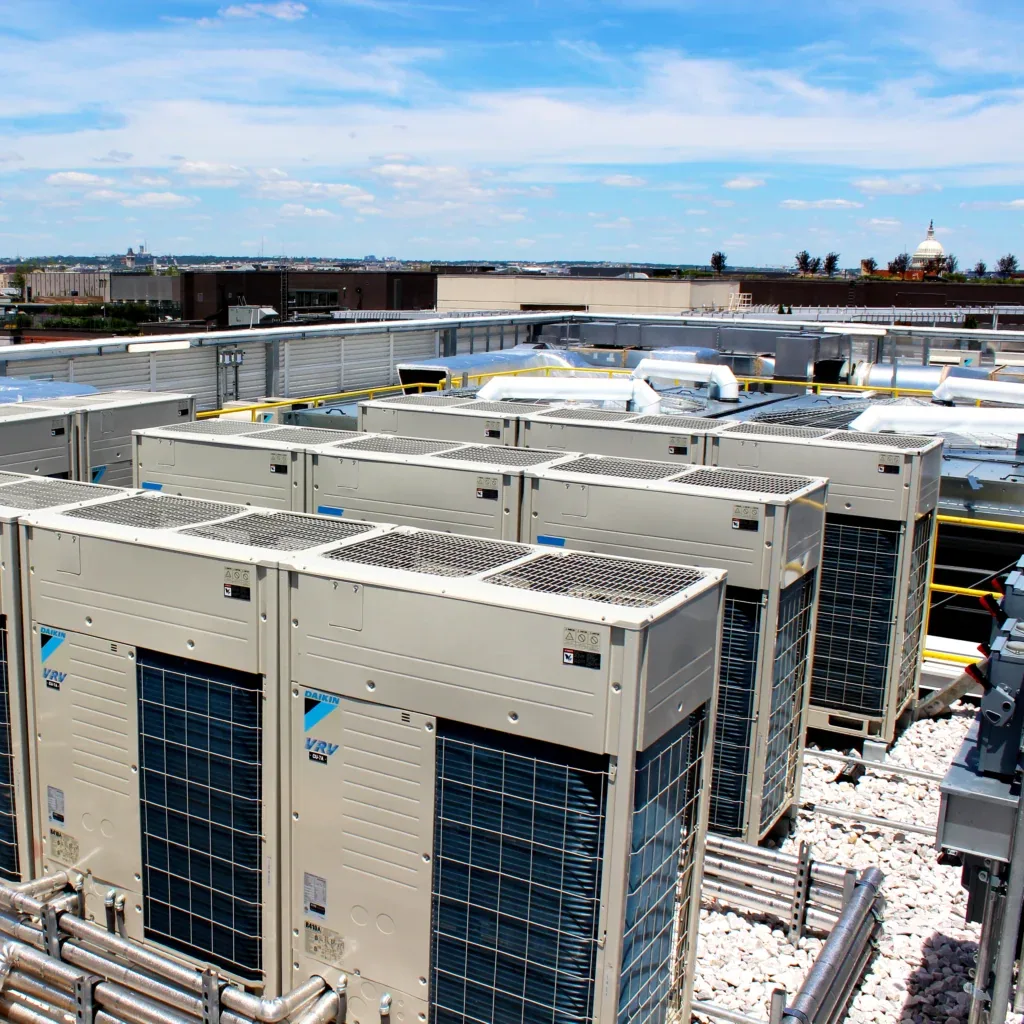
Having the membrane on site does not help if a rooftop unit still sits on the curb that needs flashing. Someone has to shut it down, disconnect it and lift or support it, and that work usually belongs to the HVAC contractor. We schedule that step and list the roofing work that follows it. For KEE work in Richmond we also agree on the site contacts, working hours and any limits on noise, odor or deliveries before the crew arrives.
On an occupied building, we separate the open field sections we can do any time from the details that wait on another trade. Splitting the job into several visits can mean extra setup, extra crane or lift time, and more temporary protection, and the owner should see that before comparing bids. We show which task goes first and how the roof gets closed up at the end of each day. Material orders follow that sequence. The equipment and insulation items sit right next to the roofing price instead of turning up later as extras. On a job in Kensington, for example, we would still start by confirming the installed sheet and whether its surface will take a clean weld.
Compare KEE with other membranes
A PVC roof is a close relative of KEE, but it still needs its own product check and compatible accessories. A TPO roof welds differently, uses different flashings and needs the same insulation repairs if the deck below is wet. We price each option on the same tear-off area and the same set of details so the comparison is fair. Similar-looking white membranes are not interchangeable, and we explain the practical differences in seams, flashing and prep for each one.
For Port of Richmond buildings, the port covers roughly 200 acres with a mix of city-owned and private terminals, and many roofs there have changed hands more than once. When we finish, the owner gets photos of the installed membrane and repaired details, any test results we agreed on, and a note of what we did not inspect or what still waits on another trade. If a warranty is offered, read its maintenance and alteration terms for the specific product before anyone adds coatings or new penetrations later. That record lets the next contractor work from facts about the roof rather than a label on an old invoice.
Commercial Roofing Questions
Does a KEE label tell you which repair materials will work?
No. KEE appears in several different membranes. We confirm the actual product on the roof, then use the flashing and accessories its manufacturer calls for.
How do you decide how much insulation to replace near a leak?
We test the area around the failed detail for moisture and replace the boards that are confirmed wet. Suspect areas are marked and priced separately.
If the membrane is on site, can the curb be flashed right away?
Not if equipment still sits on it. The unit usually has to be disconnected or lifted by the HVAC contractor first, and we schedule our flashing right after.
How should I compare KEE with another membrane?
Price each one on the same tear-off area, the same insulation repairs and the same details. Then compare seam method, flashing and prep, not just the sheet cost.
Tell us about your KEE roof and the leak