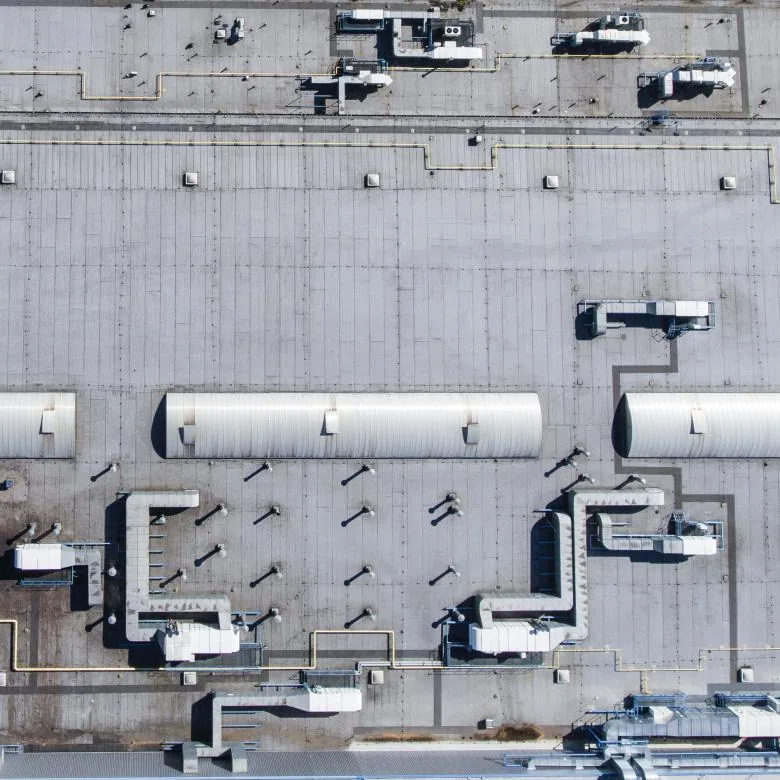
Manufacturing Plant Roofing in Richmond, CA
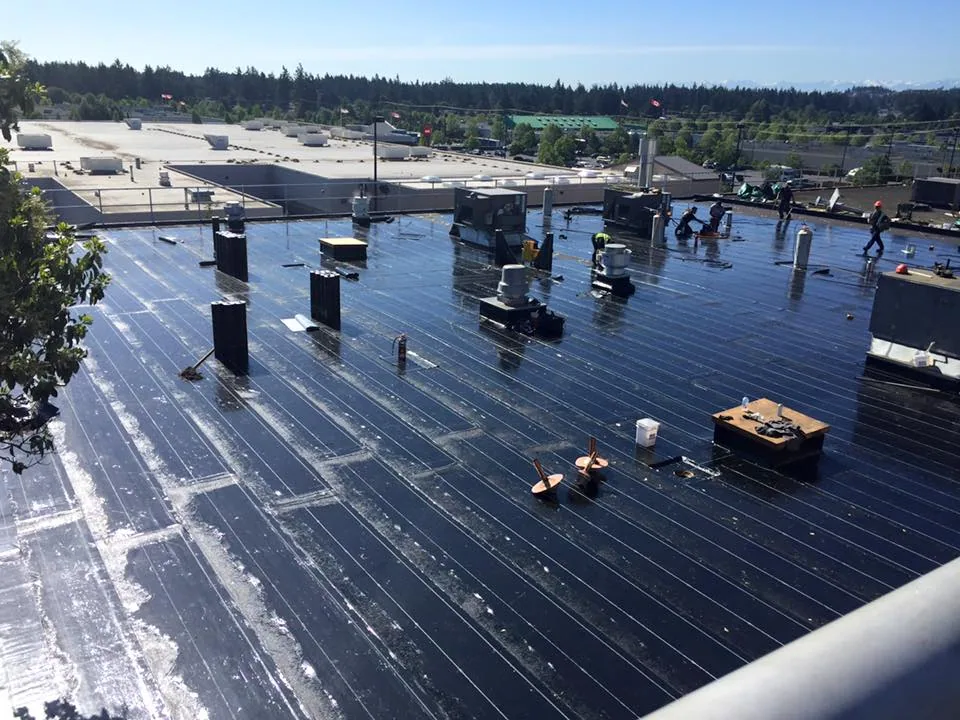
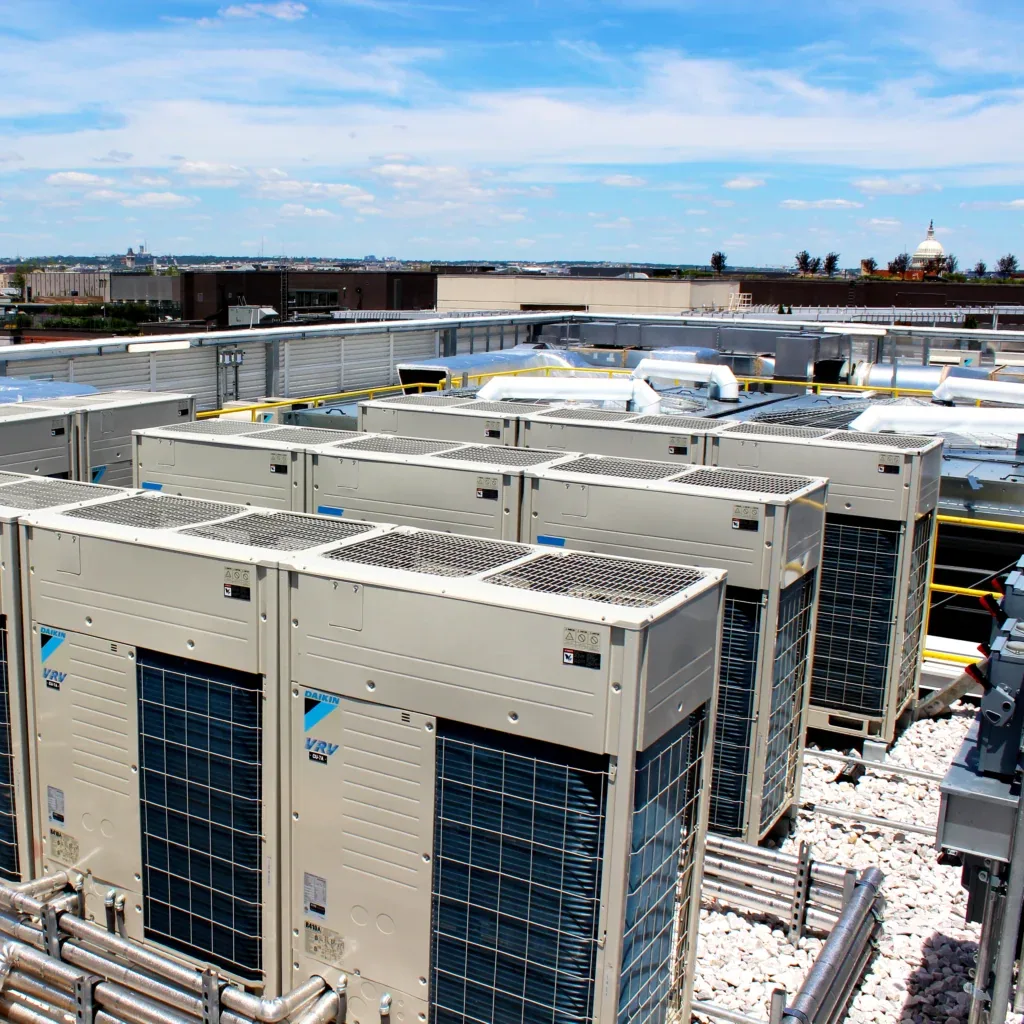
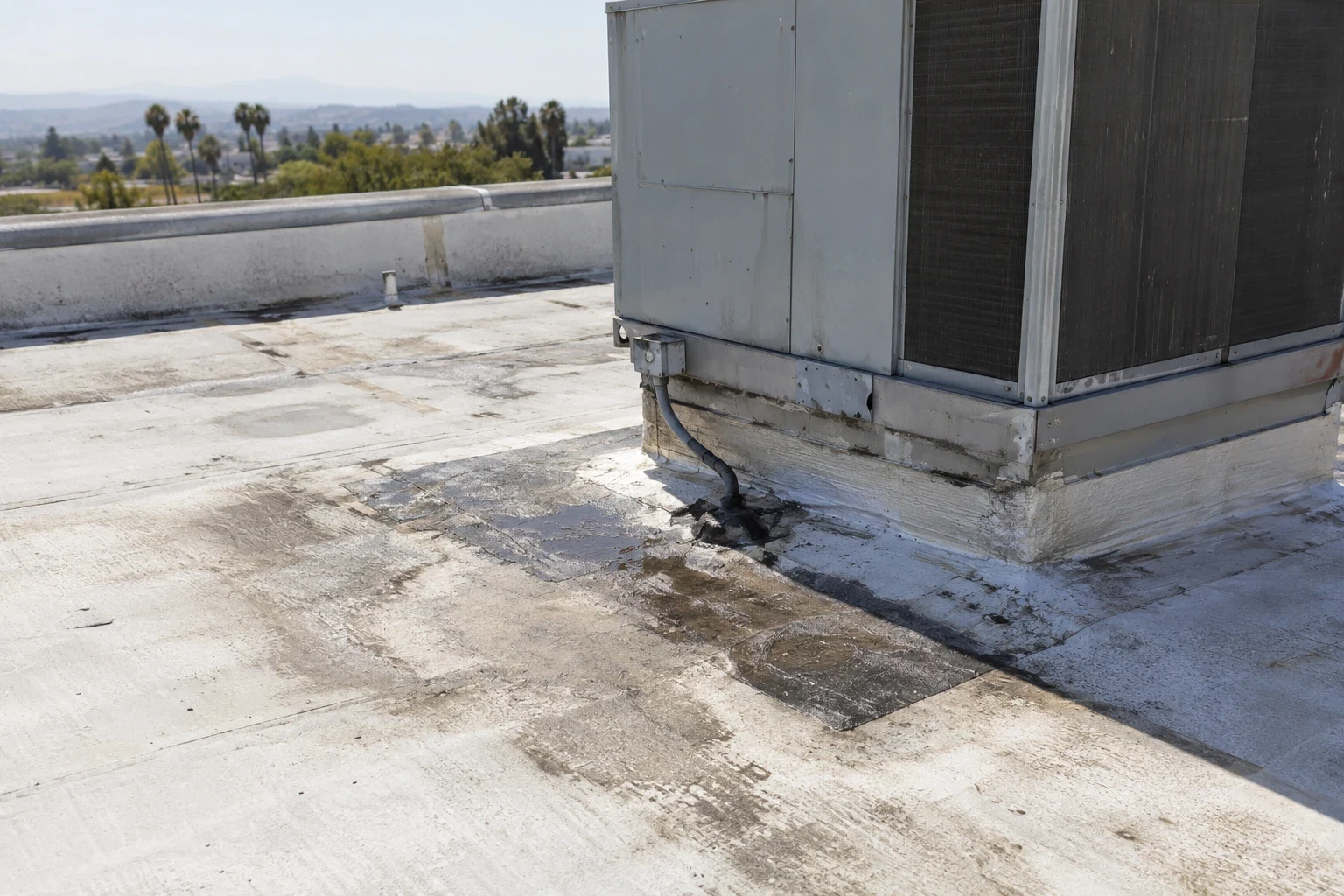
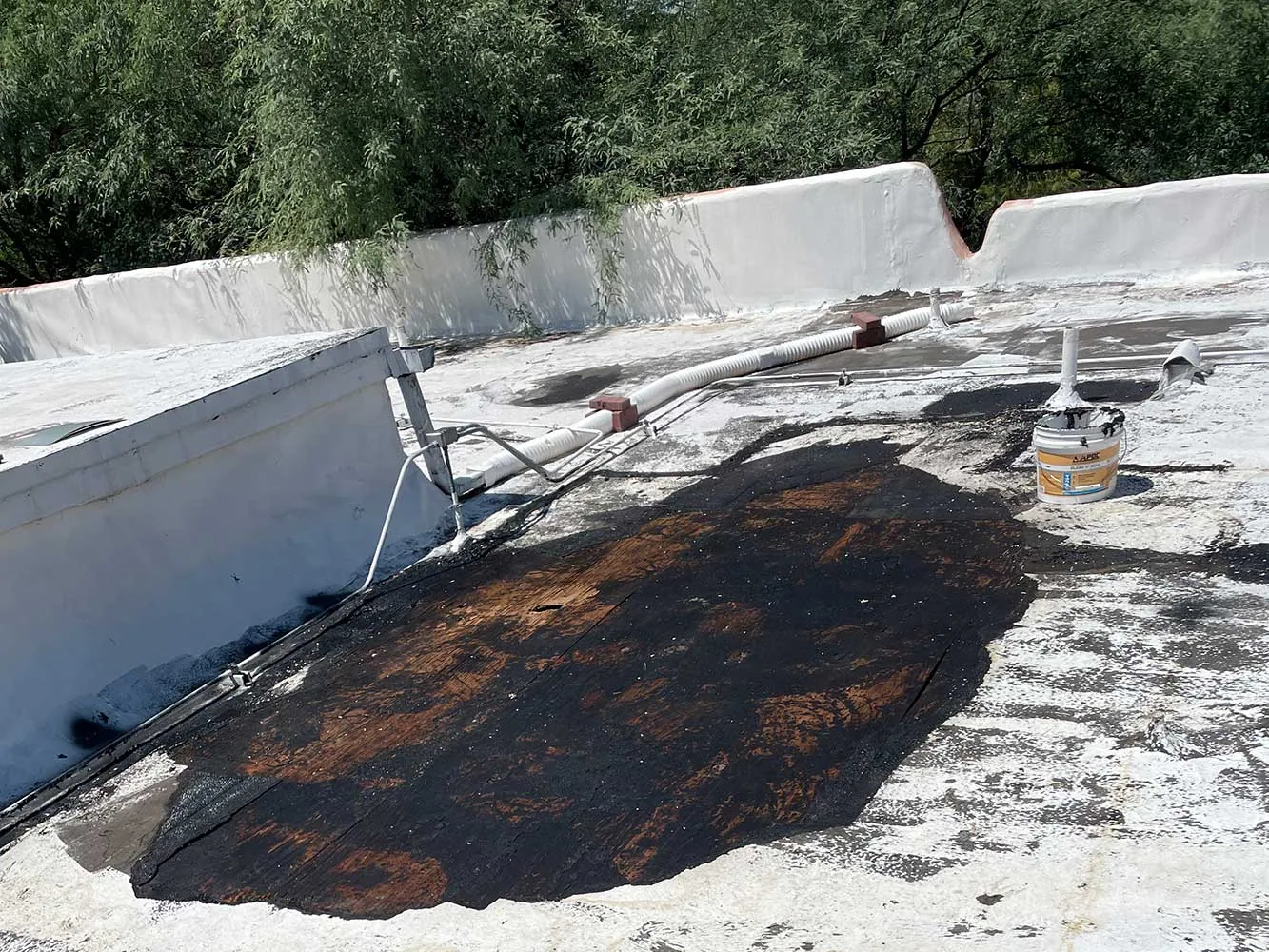
Manufacturing roofs carry exhaust fans, dust collectors, makeup air units and process piping, and many of them vent oil, solvent or heat straight onto the membrane. Over time that residue softens or contaminates the roof around the curbs, and the flashing splits right where the equipment sits. Smearing mastic around the curb might slow the leak, but it will not hold on contaminated membrane, and the unit may need to be lifted or shut down before the flashing can be rebuilt properly. We inspect the curb, the membrane around it and the equipment on top, then explain what the repair takes and who needs to do what first.
For plant roof work in Richmond, roof problems and process-area restrictions are planned as separate pieces of work. Send us the equipment locations near the leaks, any roof records and the production areas below. We inspect the roof before choosing a curb detail. Plant staff decide on protection, shutdown windows and access, and mechanical contractors handle their equipment. The visit is planned around your production schedule, and the scope lists the repair area, crew access and the order of work next to the materials needed.
When the equipment has to move first
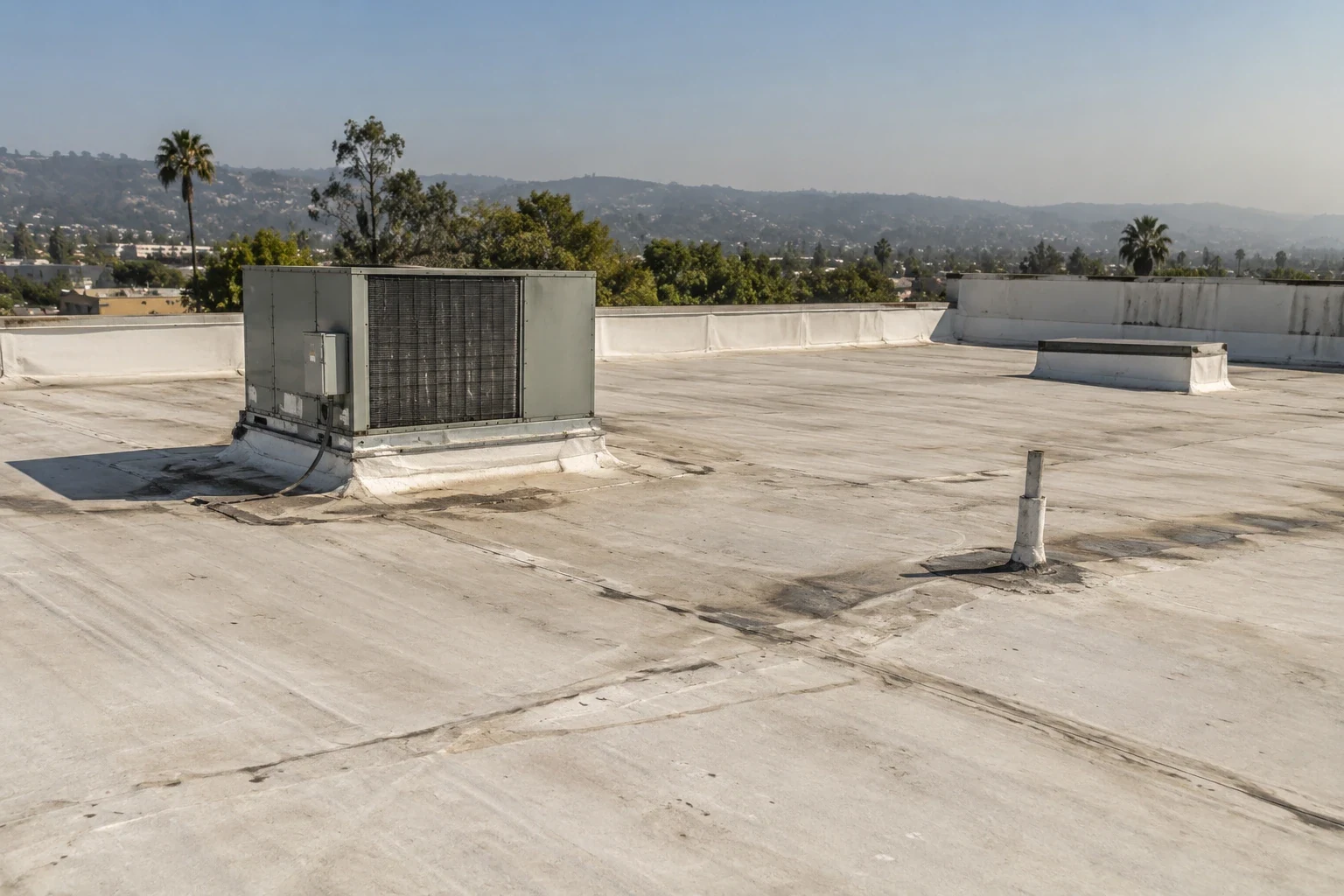
Sometimes we cannot reach the base of a curb until the unit on top is shut down, disconnected or lifted. Rooftop equipment curb and support work checks how the membrane meets the curb and how much room there is to work. Mechanical contractors handle service and clearance questions, and structural questions go to an engineer. We point out the step that has to happen before we can get to the flashing, and the membrane or insulation work that follows. The bid separates a curb that is ready for roofing from one still waiting on the mechanical contractor.
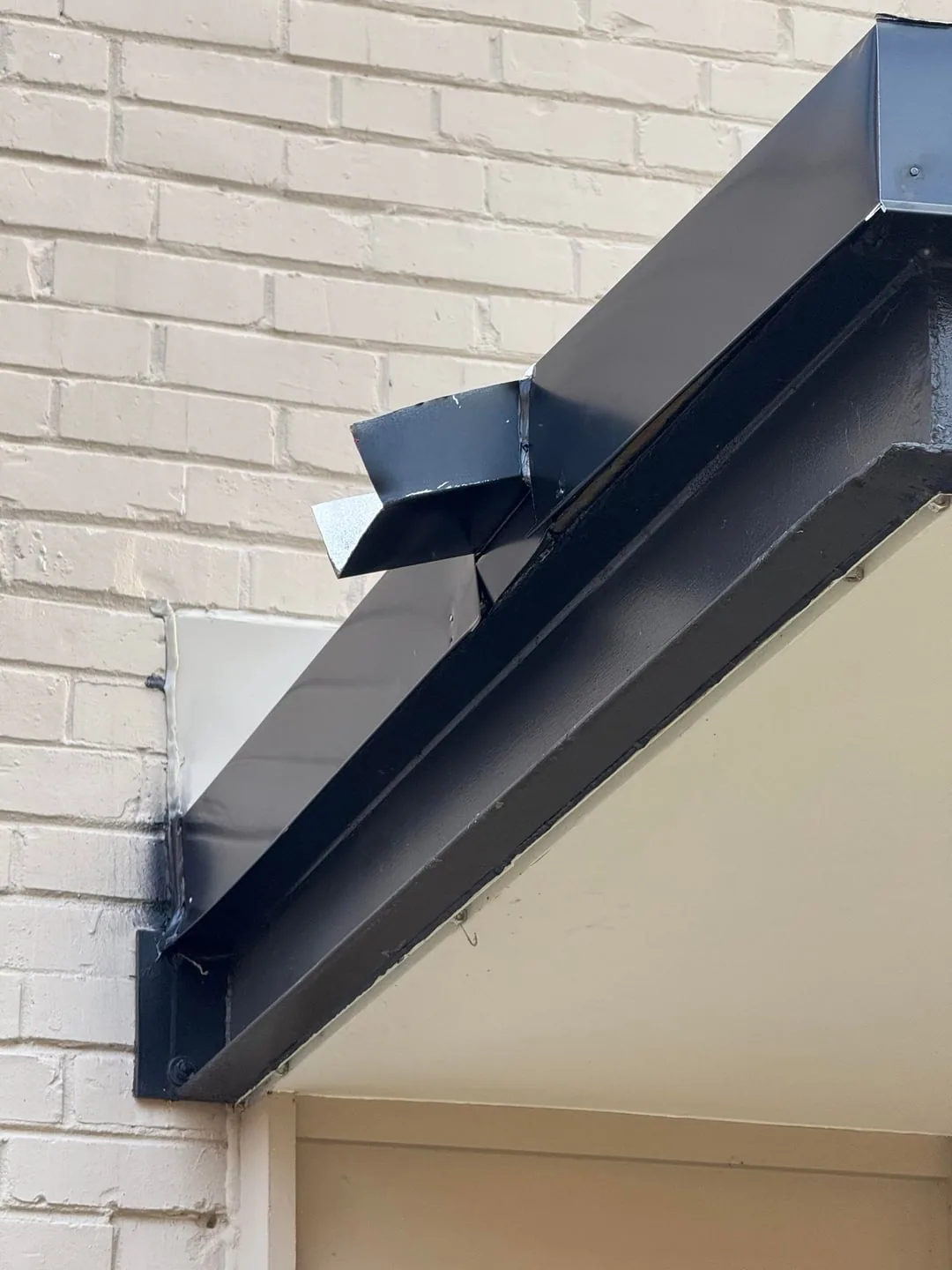
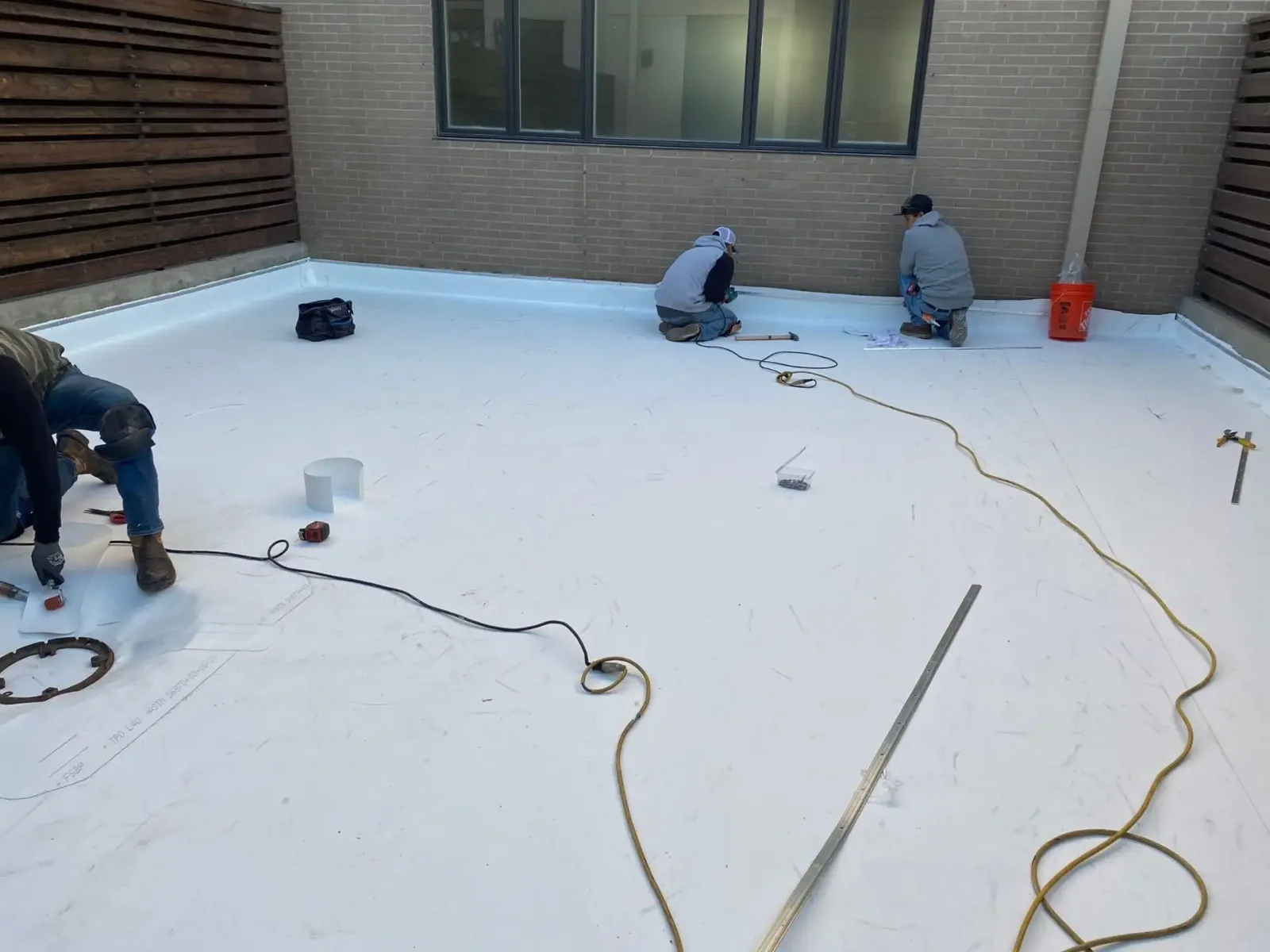
The membrane around the curb also has to be clean and sound enough for the repair method. Curb and penetration flashing at plant equipment often means cutting out membrane that has been softened or stained by exhaust. TPO and PVC flashings are heat-welded to clean sheet; other roof types use their own methods. Where residue has damaged the membrane, cleaning will not fix it, and that section is replaced. You can see what the roof repair includes and which equipment step is separate, so the full order of work is clear.
Working above production
Opening the roof over a production line can affect more of the floor than where the leak showed up. For reroofing occupied buildings like plants, we share the planned openings, debris routes and material handling with plant staff. They decide on protection for equipment and work areas. Process, mechanical and electrical work stays with those teams. Patching any test openings is included in our price, so the bid is not assuming one protection setup works across every line in the building.
If more wet insulation turns up, the opening and the route to the curb may change. We explain the larger area before opening more roof and show which equipment areas are affected. Temporary roofing may stay in place while an equipment or design issue is sorted out. Plant staff identify production zones, roof access and protection requirements before tear-off begins. Electricians check any affected equipment. Temporary patches are recorded separately from finished curb work, so it is clear which spots are still waiting on another step.
What is under the membrane matters
The roof away from the curb may look fine, but the insulation underneath can still be wet. An infrared moisture survey helps find likely wet areas, but readings depend on the roof build-up and the conditions during the scan, and heat from process equipment can throw them off. We confirm with core cuts wherever the decision to keep insulation depends on it. Each test spot is patched, and plant staff know what is below. The repair is sized to dry insulation and to the areas where cores show it has to come out.
A thicker roof or a different system can change curb heights, drainage and access to equipment service panels. Mechanical contractors and the designer make those decisions. We list the curb prep alongside the larger option so the price does not stop at a curb still waiting on someone else. A local curb repair and a larger reroof should each include everything they need to finish. You can then compare complete options instead of one repair against a square-foot price that leaves out insulation or equipment work.
Room to do the job right
Any roof repair needs enough room to prep and finish the flashing, and equipment can be in the way. We identify where we can reach the curb and where another trade has to clear access. Material also has to reach the roof without skipping the protection the plant requires, and that cost belongs in the comparison. The bid ties those steps to the specific curb and membrane. A recoat is not finished just because coating is on hand if the flashing at the equipment still cannot be properly repaired.
Final photos show the rebuilt curb flashing and the membrane around it, not just the outside of the unit. Equipment, design or insulation items still pending are listed separately. Future service visits can go straight to the repaired curb, and a larger reroof proposal can start from the clearance and insulation questions we recorded. The record shows what is permanent, which temporary patches are still in place, and what step is holding up the rest. Future roof work starts from facts about each curb, not from how the equipment looks.
Manufacturing roofing in Richmond
For manufacturing plant roofing in Downtown Richmond and the industrial areas around it, equipment zones and roof details are scoped separately. Send us your roof records and the contact who arranges access. We inspect the building before recommending curb materials. Plant staff review protection and material handling, and the roof work and equipment work are planned together. The scope stays tied to the plant we actually inspected.
Other industrial buildings have similar curb details with different operations below. A flex-industrial roof often splits responsibility among several tenants. A cold storage roof has to separate roof leaks from condensation inside. We document each plant's curb repairs on their own, because another building's roof can look similar and still have different insulation and equipment needs. You get a clear record of what is finished and what is still pending, so your next budget goes to real problems.
Commercial Roofing Questions
What can keep a curb repair from being finished?
Usually the equipment on top. If the unit has to be shut down, disconnected or lifted, the mechanical contractor does that first, then we rebuild the flashing on sound membrane.
Which production areas need protection during roof work?
Any area under an opening or along the material route. Plant staff review each work area with us, and that can include spots beyond the first leak.
Can a full recoat skip the curb repairs?
No. The curbs still need proper flashing and enough height for the new system. Equipment work stays on the list until it is done.
What should future equipment service crews know?
Where the curbs were rebuilt and what was replaced, shown in photos, plus a list of any temporary patches and open items.
Tell us about the equipment and roof leaks