Warehouse Roofing in Richmond, CA
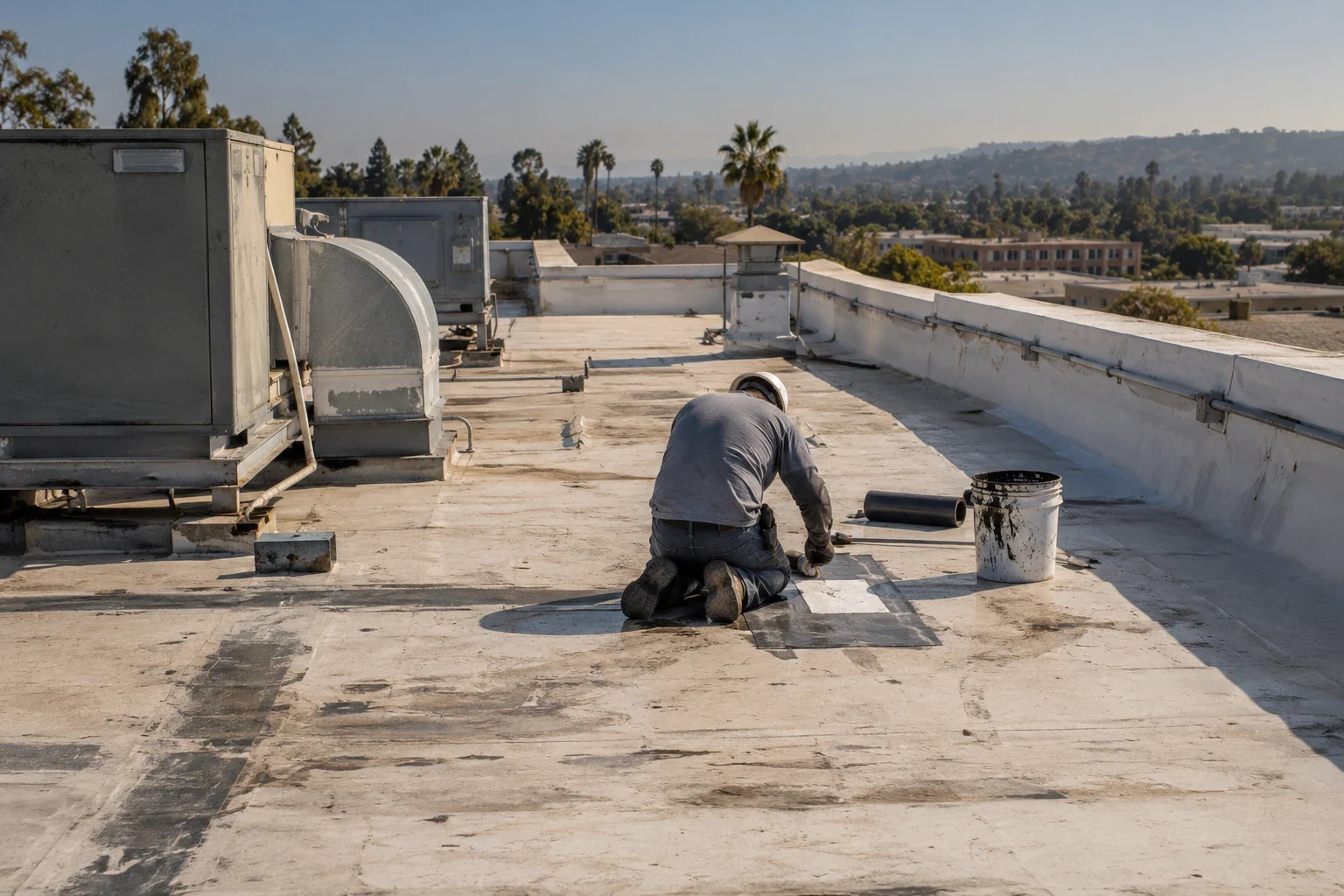
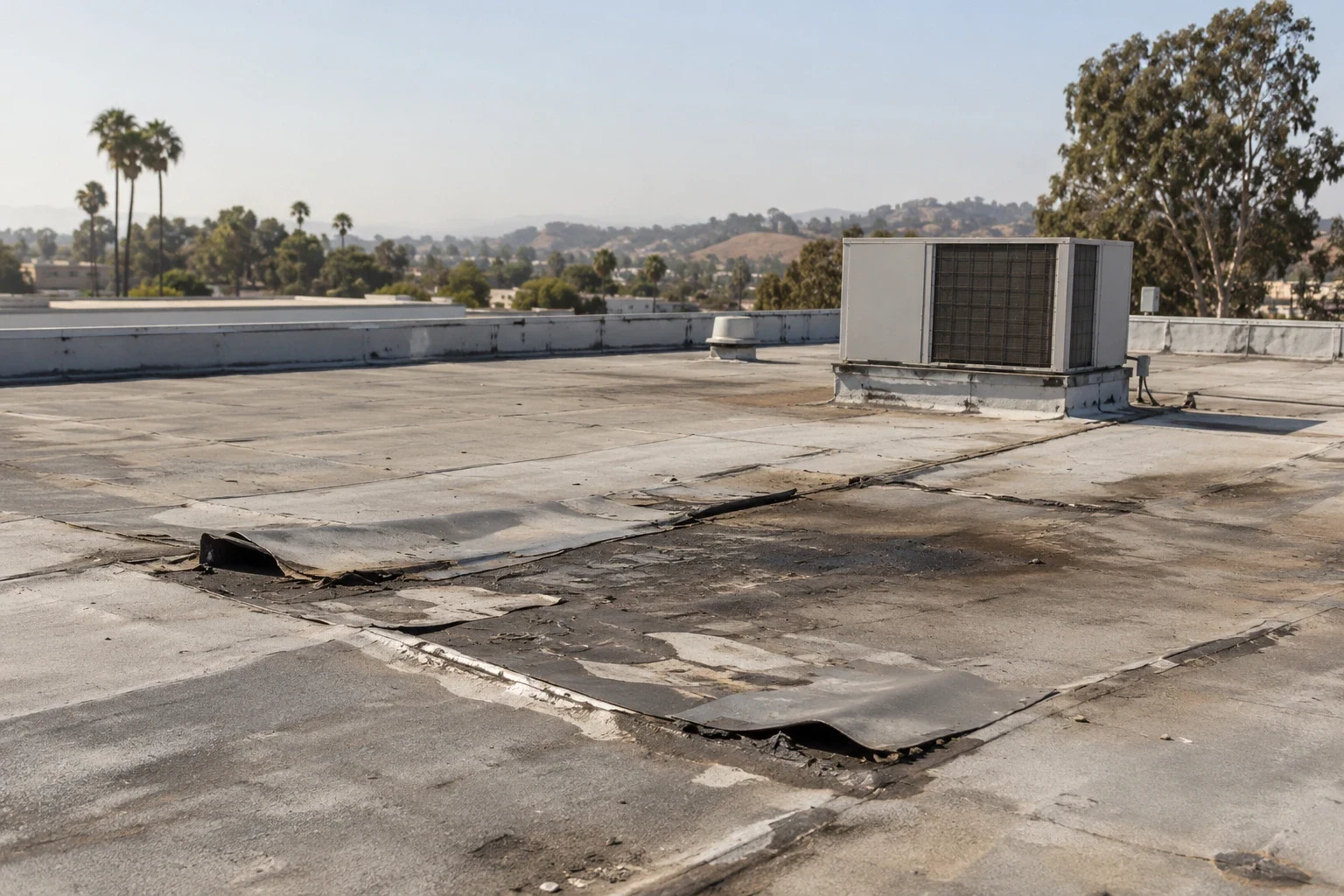
Warehouse roofs along the bay take steady wind, and the roof edge is where it does its damage. Edge metal that has worked loose lets wind get under the membrane at the perimeter, and once the edge lifts, water follows. The metal you can see is only part of the problem. The wood nailer it was fastened to is often rotted or split, and the insulation behind it may be wet. Screwing the old metal back down rarely holds for long. A lasting repair means replacing bad nailers, re-securing the membrane at the edge and installing edge metal that is fastened into solid wood. Under all of it are racks of stock and forklifts that need protection while we work.
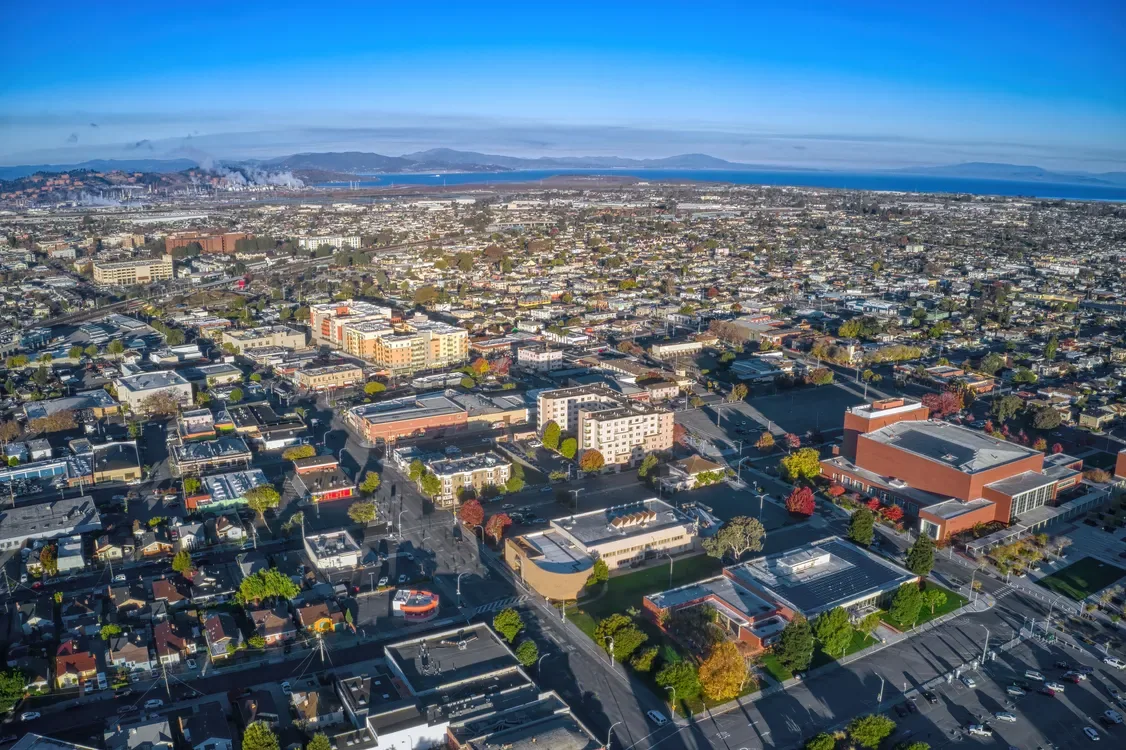
The Cutting Boulevard and Harbour Way South corridors in the Inner Harbor are full of industrial buildings, and the Port of Richmond runs terminals for all kinds of cargo nearby. Each building has its own entrance and material route. Your facility contact tells us the approved way in, and we inspect the edge and the materials behind it before recommending a repair. Your team reviews stock protection and arranges roof access. The order of work follows what we find at the edge and the stock below, so you can see exactly why the repair is the size it is.
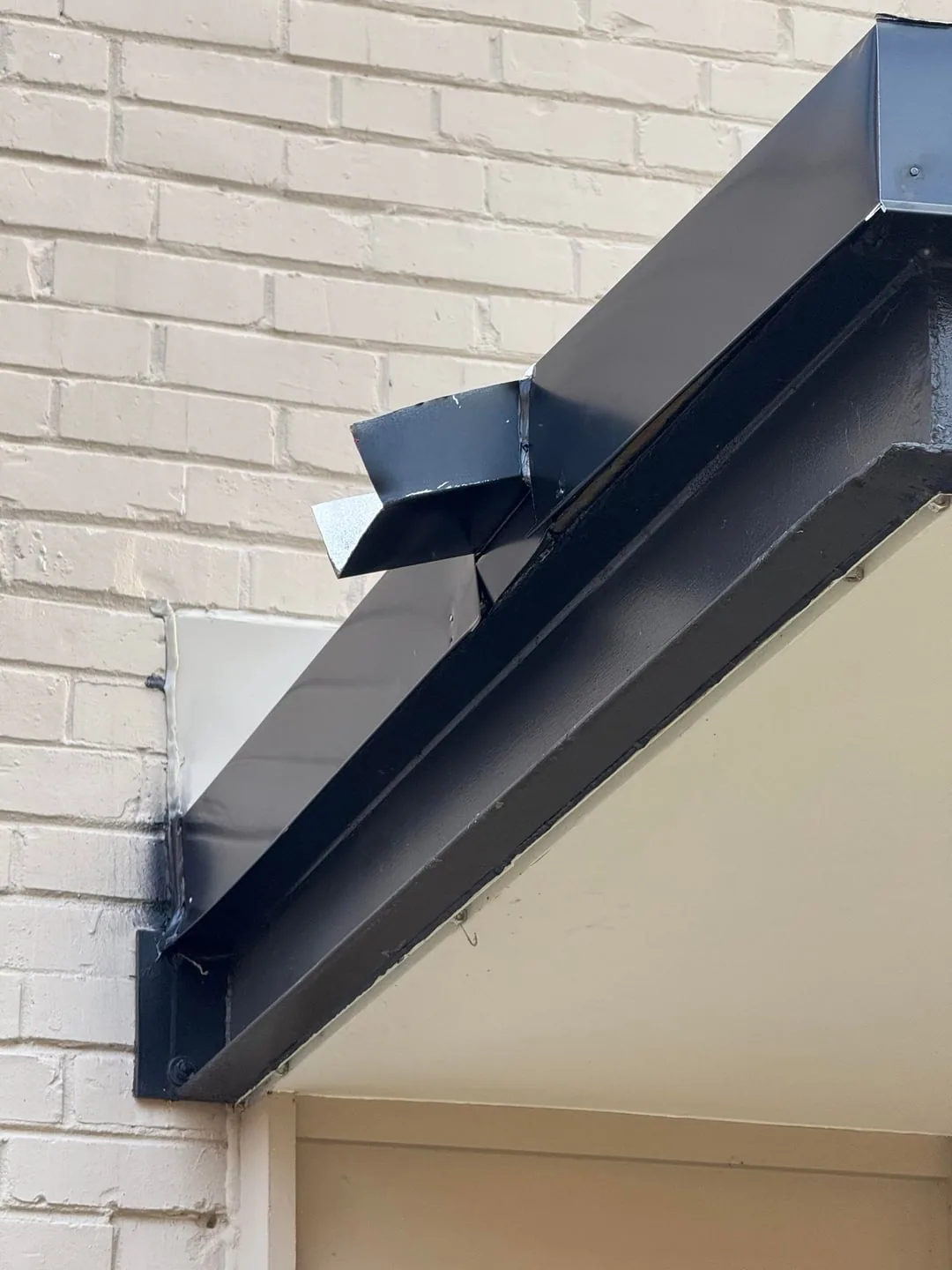
Edge metal needs solid wood behind it
More screws through loose edge metal will not hold if the wood under it is rotted. Our edge metal, coping and gutter work checks the nailer and how the edge is attached. Questions about structure or wind design go to an engineer or the project designer. We explain how much wood needs to be replaced and which metal can be reused. The edge metal price includes the nailer and fastening work, so a short loose section does not hide a long run of rotted wood.
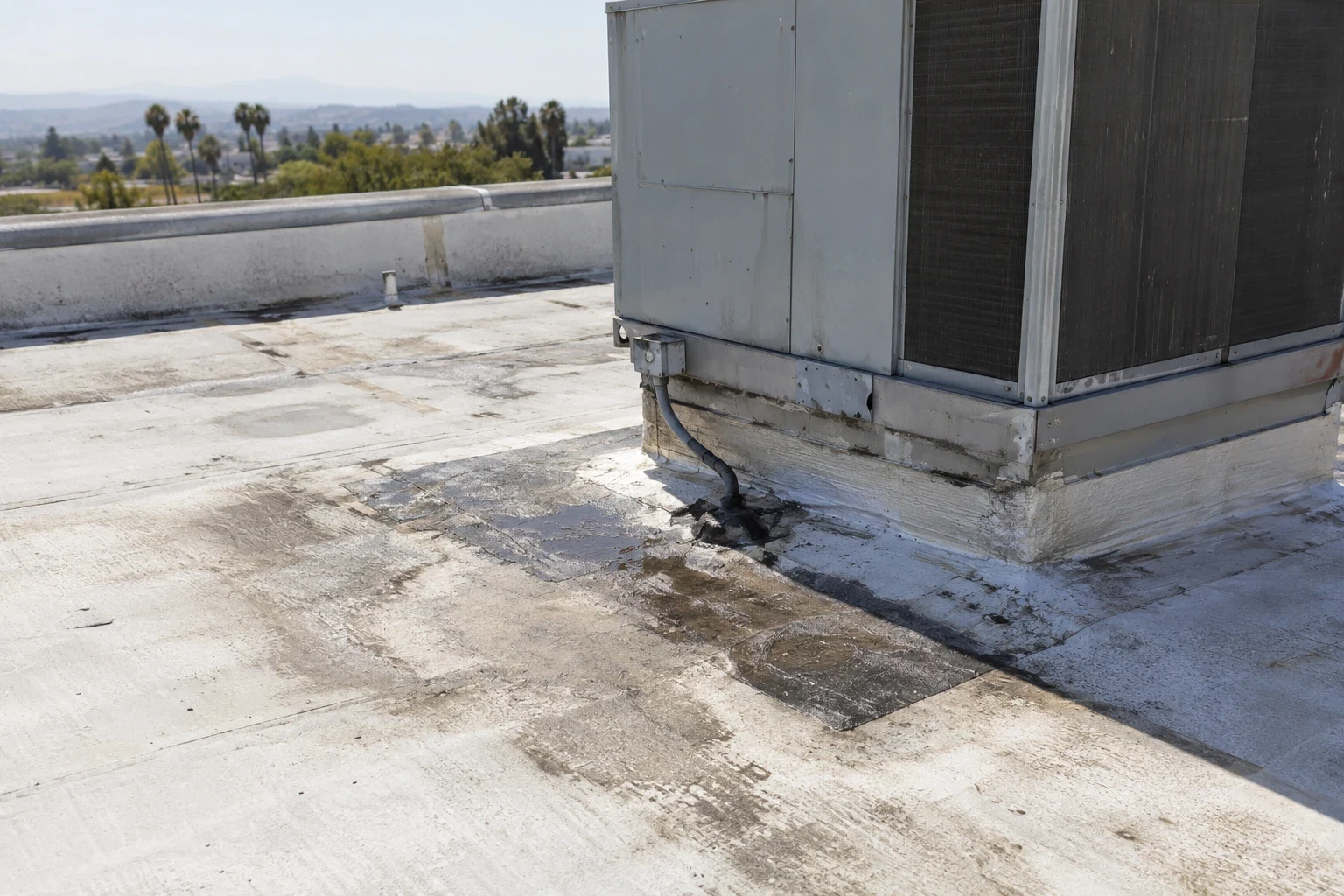
The membrane at the edge also has to be properly sealed to the new metal. Flashing failure repair at the perimeter checks the membrane and any equipment or wall that ties into the edge. TPO and PVC are heat-welded to clean, sound sheet; other roofs use their own methods. We clean and reuse sound membrane and cut out what cannot hold a lasting repair. The repair record shows where the finished edge stops and what is still waiting on another trade, so new metal does not cover a membrane edge that still needs work.
Corners and ends where the edge meets a wall or another roof section need their own details. We check those transitions and describe how each one will be closed. A repair that stops at the first solid fastener can leave the corner open. The bid shows the corner work and materials separately, along with any other trade work, so the new edge has a clear finish point instead of loose ends.
Working above racks and stock
An edge repair above high racks needs a different plan than one over an open aisle. For reroofing occupied buildings like warehouses, we share the planned openings, debris routes and material handling with your operations team. They decide how stock is protected and which aisles stay open. Equipment and electrical work stays with the right trades. Patching any test openings is included in our price, so you are not relying on one protection allowance based only on the fact that it is a warehouse.
If more rotted wood or wet insulation turns up, the work may reach another storage area or change the material route. We explain the larger area before opening more roof, and your team reviews the impact on stock and forklifts. Temporary roofing may stay in place while a design or equipment item is resolved. Your operations contact tells us about shipping and receiving times and forklift paths before work begins. If an opening has to stay protected overnight, we describe the temporary closure, where it is, and who checks it before the crew leaves. Temporary protection is recorded separately from the finished edge.
Insulation decides what stays
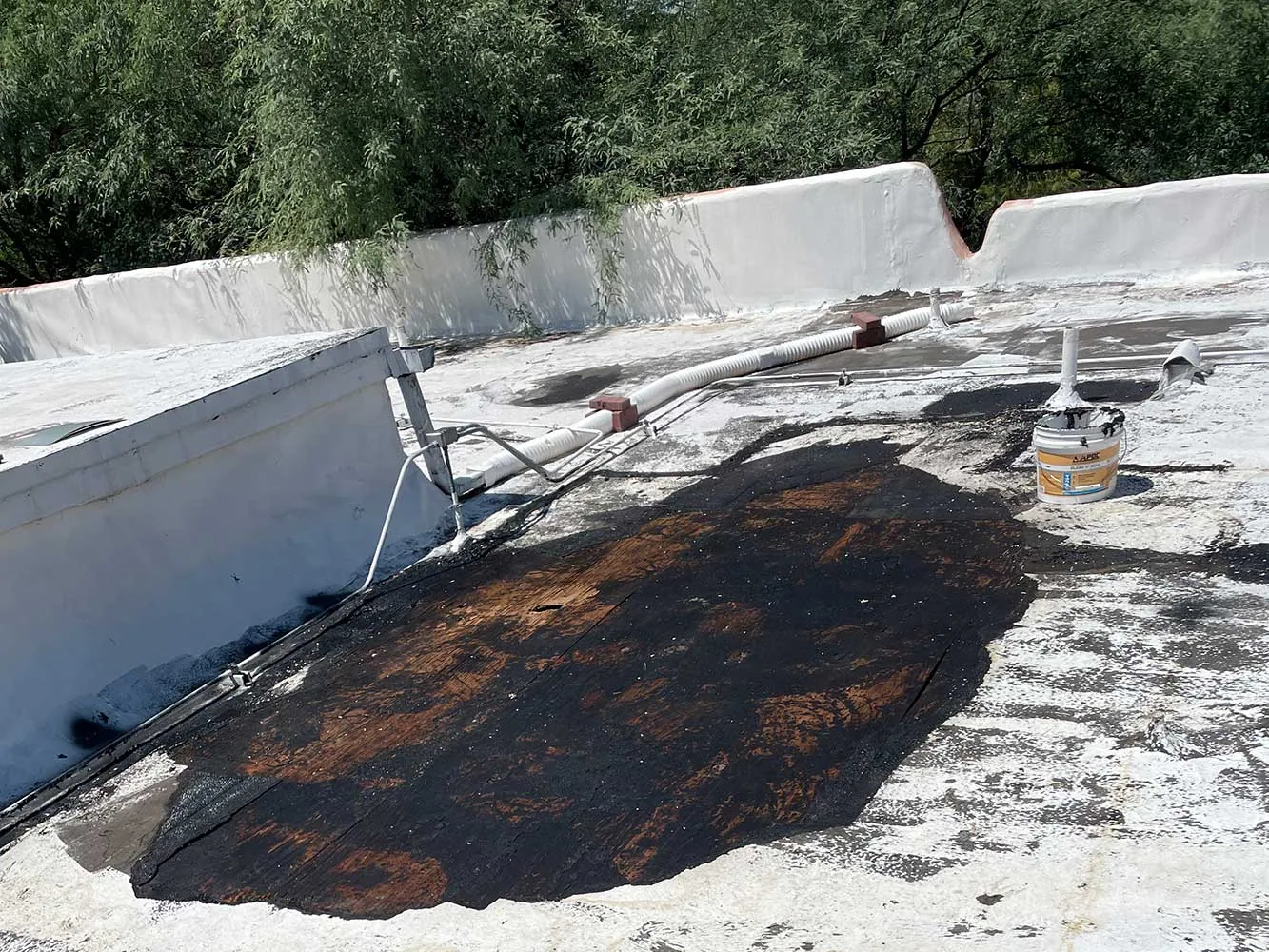
The condition of the insulation under the roof can change how much needs to be replaced next to the edge. An infrared moisture survey can find likely wet areas, but readings depend on how the roof is built and the conditions during the scan. We confirm with core cuts wherever the decision to keep insulation depends on it. Each test spot is patched, and your team knows what is below. A surface look or a thermal image cannot prove every layer is dry. You get a specific finding about the insulation, not a blanket recommendation to replace the whole warehouse roof.
A full reroof or added insulation can change drainage and the height at the edge, which affects the metal and gutters. The designer and other trades decide on those changes. We tie their items to the reroof price and identify which step has to happen before the edge can be finished. That lets you compare a local edge repair and a larger reroof as complete projects. You can see which option stops the current leaks and which needs more prep, with each price tied to the materials and details actually on your roof.
Racking and stored goods make interior protection part of the roofing decision. We identify which aisles or work zones sit below the repair and agree how they will stay clear while material is handled overhead. If an opening is needed to check the insulation, its temporary cover and patch belong in the same task. That way the roof repair and the warehouse floor plan work together instead of leaving your team to work around an open roof.
Warehouse roofing in Richmond
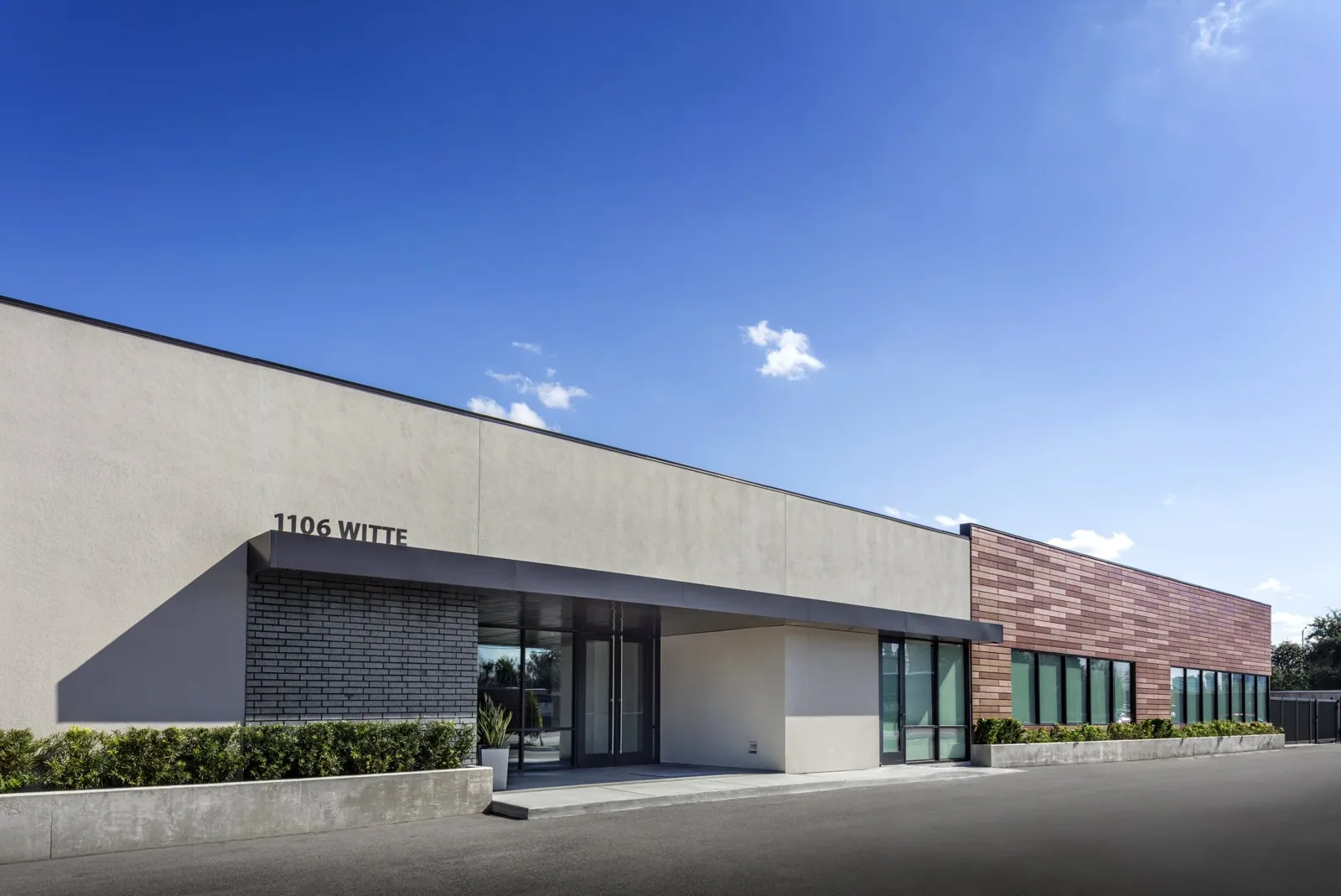
At the Port of Richmond, terminal access follows the rules for each site. The warehouse contact tells us the approved entrance and stock layout, and shares any roof records and the material route. We inspect the edge before choosing materials, and your team reviews stock protection and handling. Final photos show the new nailers, the rebuilt edge and any temporary protection, with anything still waiting on another trade clearly listed.
Other industrial buildings have similar edge details with different operations inside. A distribution center roof sits over fast-moving goods and busy docks. A flex-industrial roof often covers several tenants with different needs. Any later coating or roof work on the warehouse should start from the edge and insulation we actually confirmed. We keep finished work and open items separate, so future spending goes to a real problem instead of a guess borrowed from another building.
Commercial Roofing Questions
Does loose edge metal just need more screws?
Usually not. If the wood nailer behind it is rotted, new screws will not hold. We check the nailer and replace bad wood before re-securing the membrane and installing new edge metal.
What changes how much stock protection is needed?
The size of the opening and where material moves. If the repair grows, your operations team reviews protection for the additional storage areas.
Can an infrared scan tell you every layer is dry?
No. It points to likely wet areas, which we confirm with core cuts where the decision depends on it. Each test spot is patched.
What should the final record include?
Photos of the new nailers and edge, the insulation we kept, and a list of any temporary protection or open items for other trades.
Tell us about the warehouse edge and stock below