Local weather advisory
Coastal Flood Advisory: Commercial Roof Help in Richmond
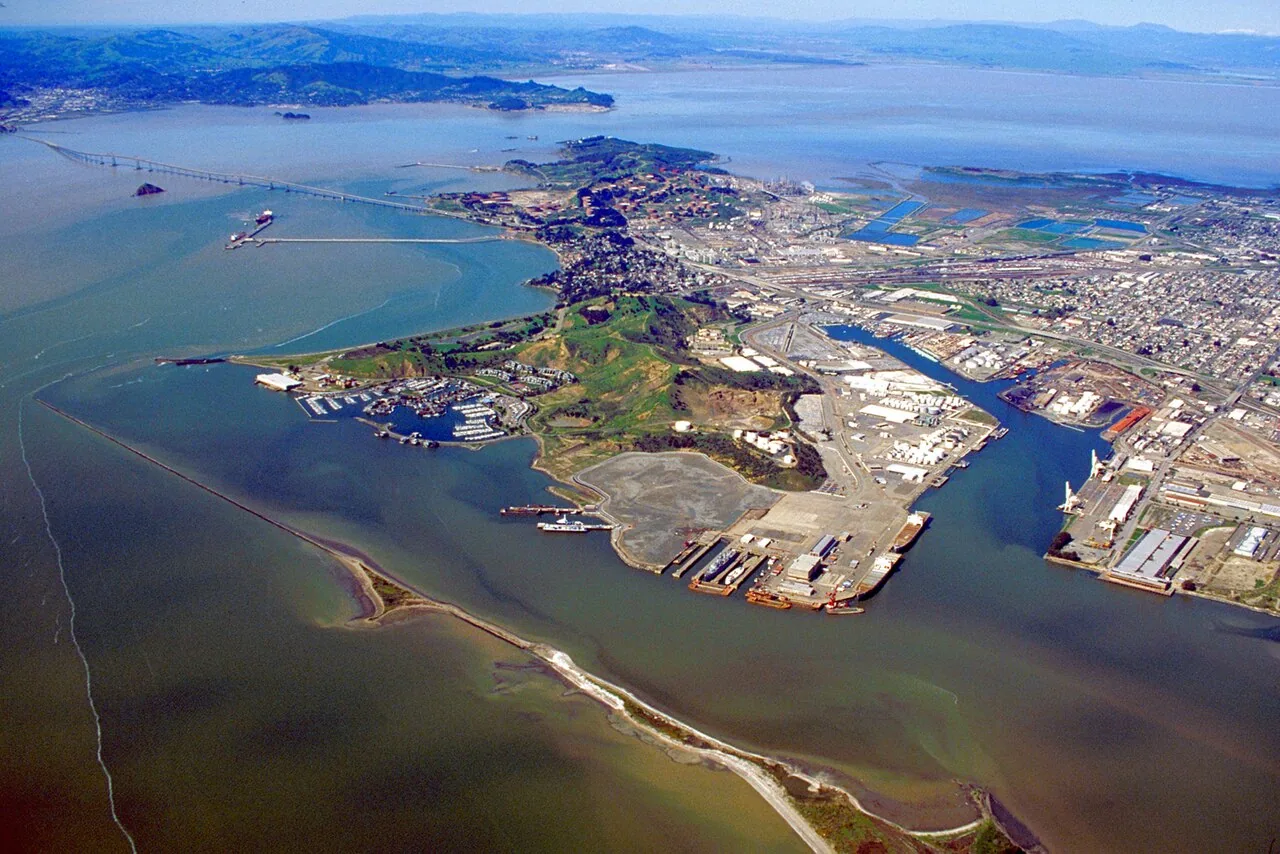
The National Weather Service has issued a coastal flood advisory covering Richmond. Heavy rain and drainage loading can expose roof leaks, blocked drains, and ponding water. This is a weather exposure advisory; it does not establish damage to a specific roof.
Do not access a roof during hazardous weather. Protect people first, avoid water near electrical equipment, and request roofing help when conditions permit.
National Weather Service · Updated Oct 28, 2026, 7:20 AM UTC
Emergency Roof Repair in Richmond, CA
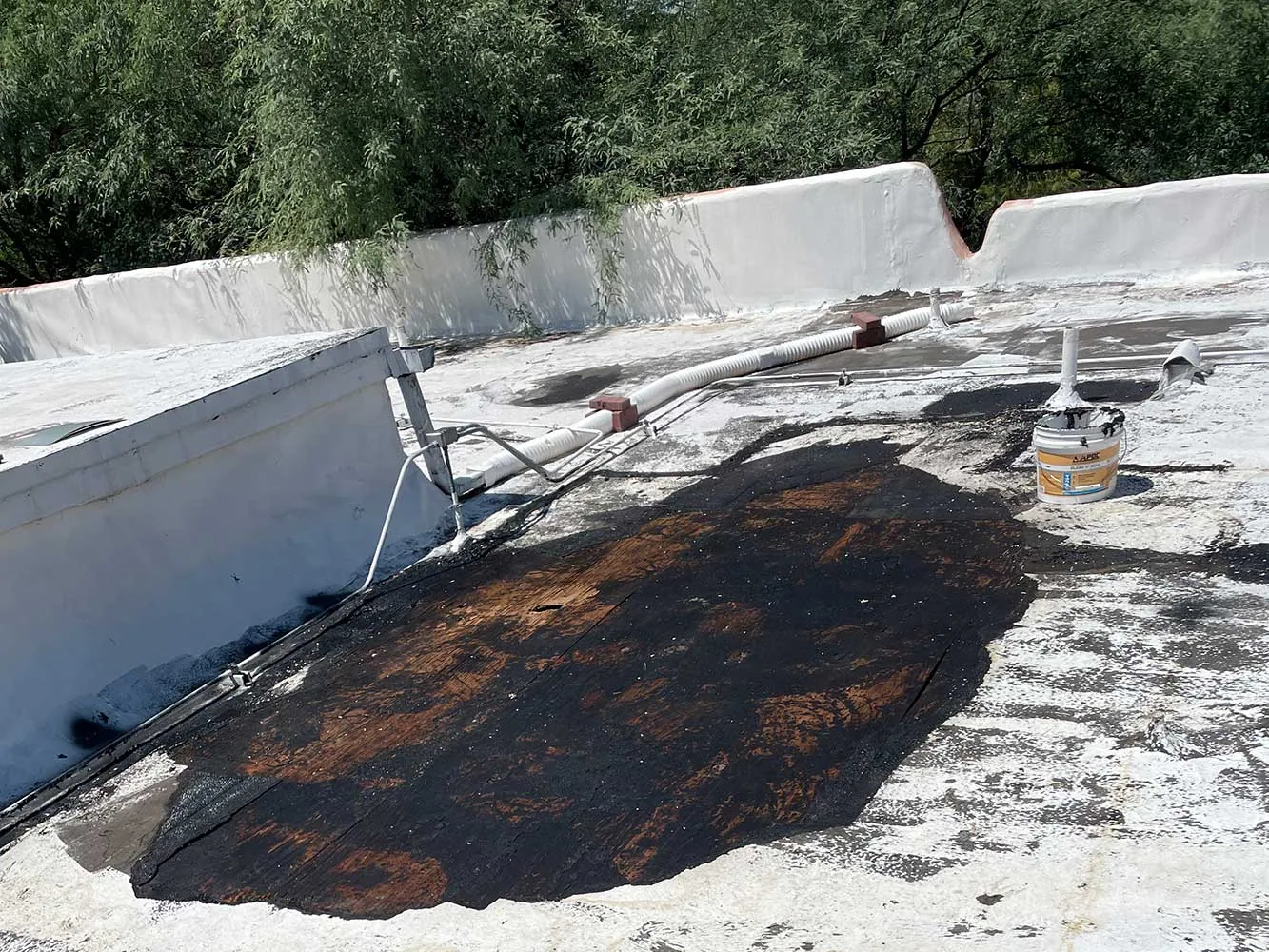
When wind peels back a roof edge on a Richmond shop or warehouse, the first job is simple: keep more water out of the building. The second job, the permanent repair, can wait a day or two while we figure out what actually failed. We answer urgent roofing calls day and night, including weekends and holidays, and what we can do on the first visit depends on safe roof access and the weather. On a big-box retail roof, an open edge can let wind-driven rain run across a large area of insulation, so speed matters.
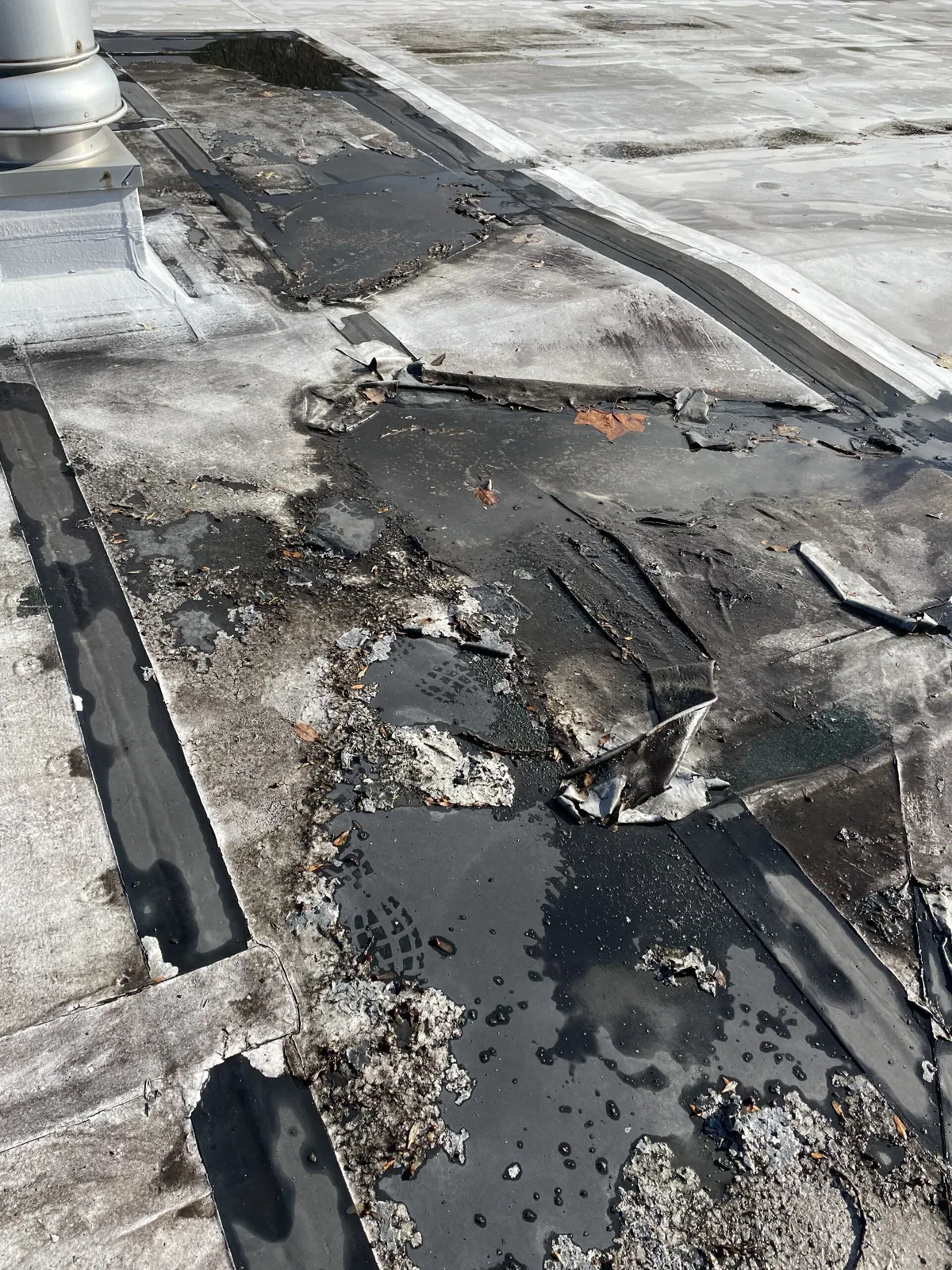
Around the Port of Richmond, most emergency calls are a torn seam, a lifted edge, or a puncture from a fallen object. We tarp, patch or seal the opening, then tell you plainly what is temporary and what still needs a real repair. If a rooftop unit or another trade's equipment is in the way, we say so up front rather than promise a fix we can't reach yet.
Stop the water first
The temporary fix has a clear edge. We seal the opening, weight or fasten the protection so it stays put in wind, and steer water toward a working drain. Then we note exactly where the protection starts and stops, so nobody later assumes the whole roof was checked. A quick roof inspection of the area around the damage often turns up a second loose seam or cracked flashing that is better caught now than in the next storm.
Temporary protection does not dry out wet insulation or fix a rotted deck, and it can't fix a leaking HVAC unit. We tell you which of those issues may be present and what it will take to confirm them. If the crew needs to get through a tenant space, a locked roof hatch or a loading area, we ask for that access when you call so the visit isn't wasted. Our goal on day one is a building that stays dry and a short list of what comes next.
Trace where the water went
Water that shows up on a ceiling tile is often not right under the hole. It can run along the deck, follow a pipe or travel down an insulation seam before it drips. So once the obvious opening is protected, we trace the path. A leak investigation checks the membrane, nearby flashing, curbs and penetrations between the stain and the damage we found on top. If a rooftop unit or a wall above the roof is the real source, we tell you and the right trade can look at it.
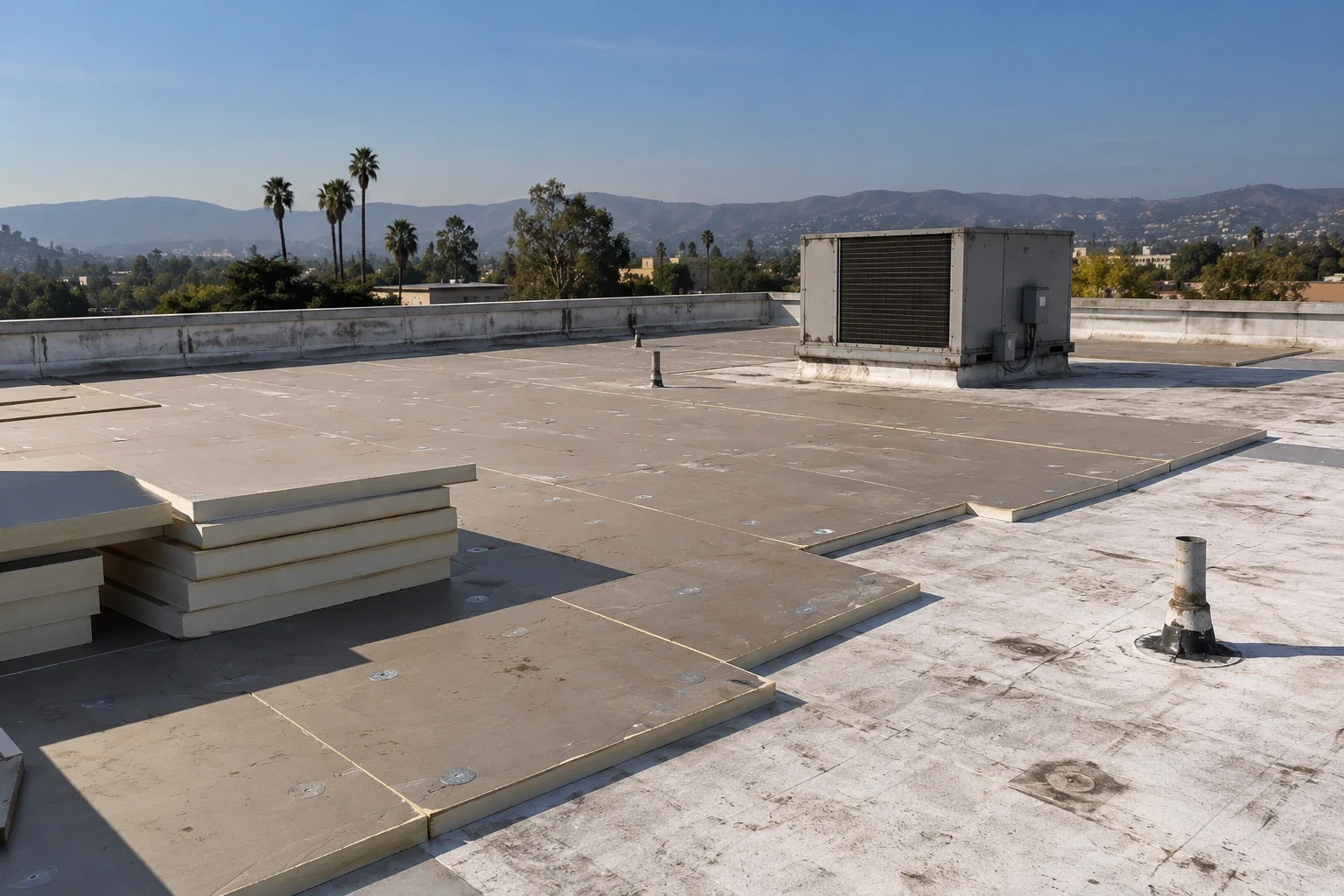
We also check how far the water spread under the membrane. A few core cuts or a moisture meter reading tells us whether the insulation around the damage is still dry or needs to come out. That answer drives the cost of the permanent repair. A dry-looking surface after the storm passes doesn't mean the layers underneath are dry. Wet insulation left in place keeps rotting the deck and loses its insulating value, so we would rather confirm it than guess and have you pay to open the same spot twice.
Make the permanent repair
The permanent repair starts with knowing what roof you have. An old patch can hide the membrane type, and a TPO patch won't bond to EPDM or a coated surface. On a TPO roof, we match the membrane, heat-weld the new material to clean, sound sheet, and replace the edge metal or flashing that failed instead of just covering it. Roof edges usually fail because the metal or the fasteners let go, so the fix includes rebuilding that edge properly.
If the insulation or deck under the damage is wet or soft, we cut it out and replace it before the new membrane goes down. Putting fresh membrane over wet material just traps the problem. When we open the roof and find more damage than expected, we stop, show you photos, and get your approval for the added work before we continue. The temporary protection stays in place while you decide. Our estimate spells out the area being replaced, the materials, and the edge or flashing work, so you can compare options without guessing what is included.
Coordinate equipment and access
Sometimes the permanent repair can't happen until someone else does their part. A rooftop unit may need to be disconnected and lifted by the mechanical contractor before we can flash its curb. A tenant may need to clear a space under the work area. Those steps go on the schedule next to the roofing work so nobody is surprised.
For a permanent roof repair, we plan where the crew loads material, how they reach the roof, and what hours work around your operation. If equipment has to be moved more than once, that adds time and cost, and we would rather tell you now than add a change order later. While we wait on another trade, the temporary protection stays in place and we check on it after heavy rain. In North Richmond and around the industrial areas, we often coordinate with HVAC contractors and building engineers on the same visit so the roof gets closed up for good as soon as the equipment is out of the way.
Photos, records and follow-up
On Port of Richmond buildings and elsewhere, we close out every emergency call with photos and a short report. It shows where the temporary protection went, what we permanently repaired, and anything still waiting, such as a curb that needs the HVAC contractor first. That way, if water shows up again, you know right away whether it's coming from a spot we fixed or somewhere new.
If your roof is EPDM, the permanent fix uses EPDM repair materials, primers and tapes made for that membrane. We record what was installed so the next contractor knows what's on the roof. If the roof is under a manufacturer warranty, check its repair terms before work begins. Some warranties require an approved contractor or specific materials, and we can help you read through those requirements.
A tarp or temporary patch is meant to hold for days or weeks, not years. Leaving it too long lets UV, wind and foot traffic break it down, and water can start getting in again. Once the building is dry, schedule the permanent repair while the damage is still small.
When we remove the temporary protection, we look at the material under it one more time before the final seams and flashing go in. That last check is quick, and it keeps a hidden problem from being sealed under brand-new membrane.
Commercial Roofing Questions
What should I do first when the roof starts leaking?
Move people and equipment away from the water, catch drips if you can, and call us. We will stop the water with temporary protection first, then plan the permanent repair once we know what failed.
Does a tarp or temporary patch mean the insulation is dry?
No. Temporary protection only stops new water. We check the insulation and deck under the damage with core cuts or a moisture meter before deciding what can stay and what must be replaced.
Why can't you finish the repair on the first visit?
Sometimes the damage sits under or next to rooftop equipment that another contractor has to move, or the weather won't allow a proper weld or adhesive bond. We protect the area and schedule the permanent repair as soon as those issues are cleared.
How do you price the permanent repair after an emergency?
We measure the damaged membrane, flashing and any wet insulation or deck, then quote the repair with materials and labor listed. If we find more damage once the roof is open, we show you photos and get approval before doing extra work.

Tell us where the water is coming in