
Explore Commercial Roofing Services

Commercial Roofing Questions
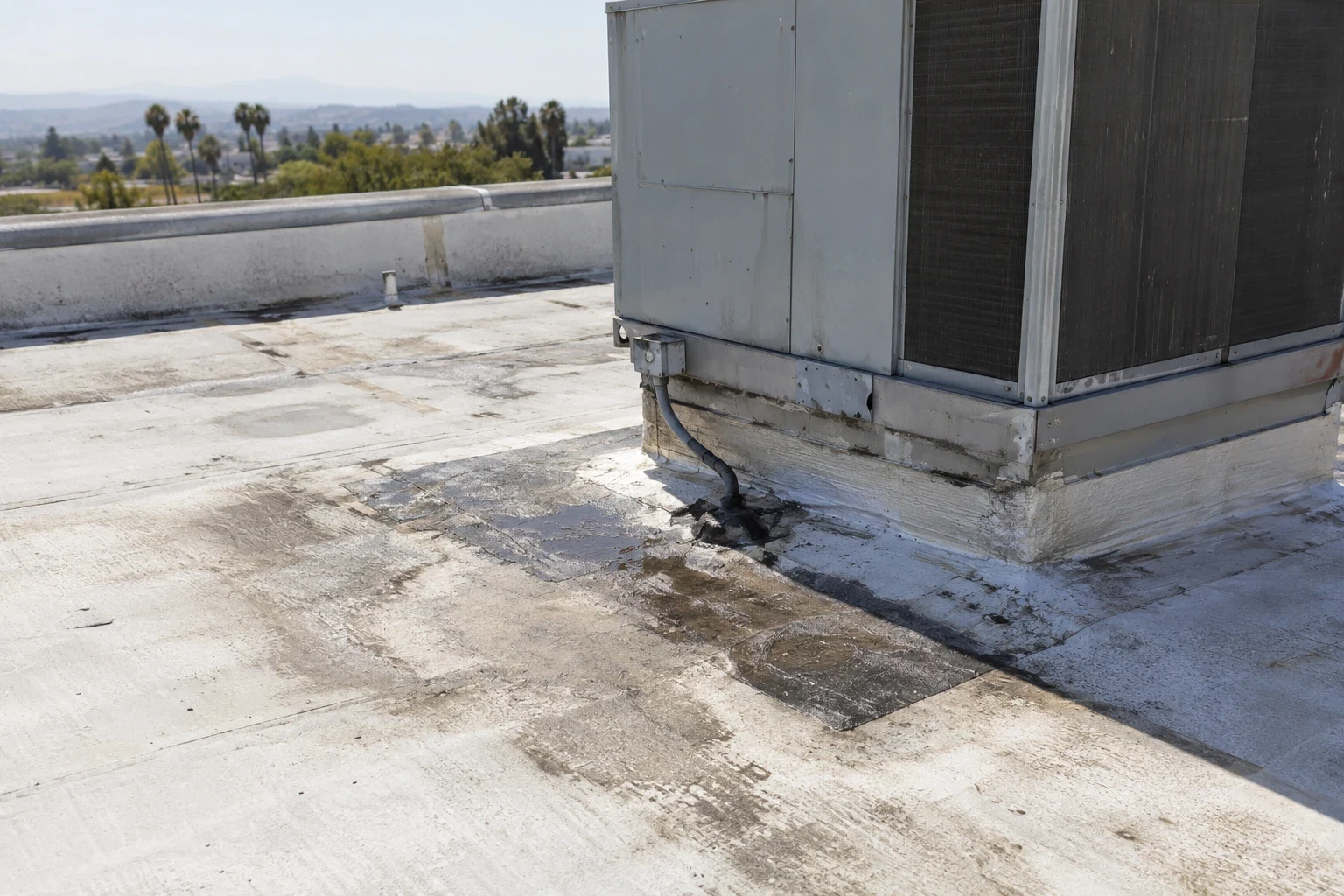
A proper repair to sound membrane and solid backing. We also flag any equipment or access work that has to happen before the permanent fix.
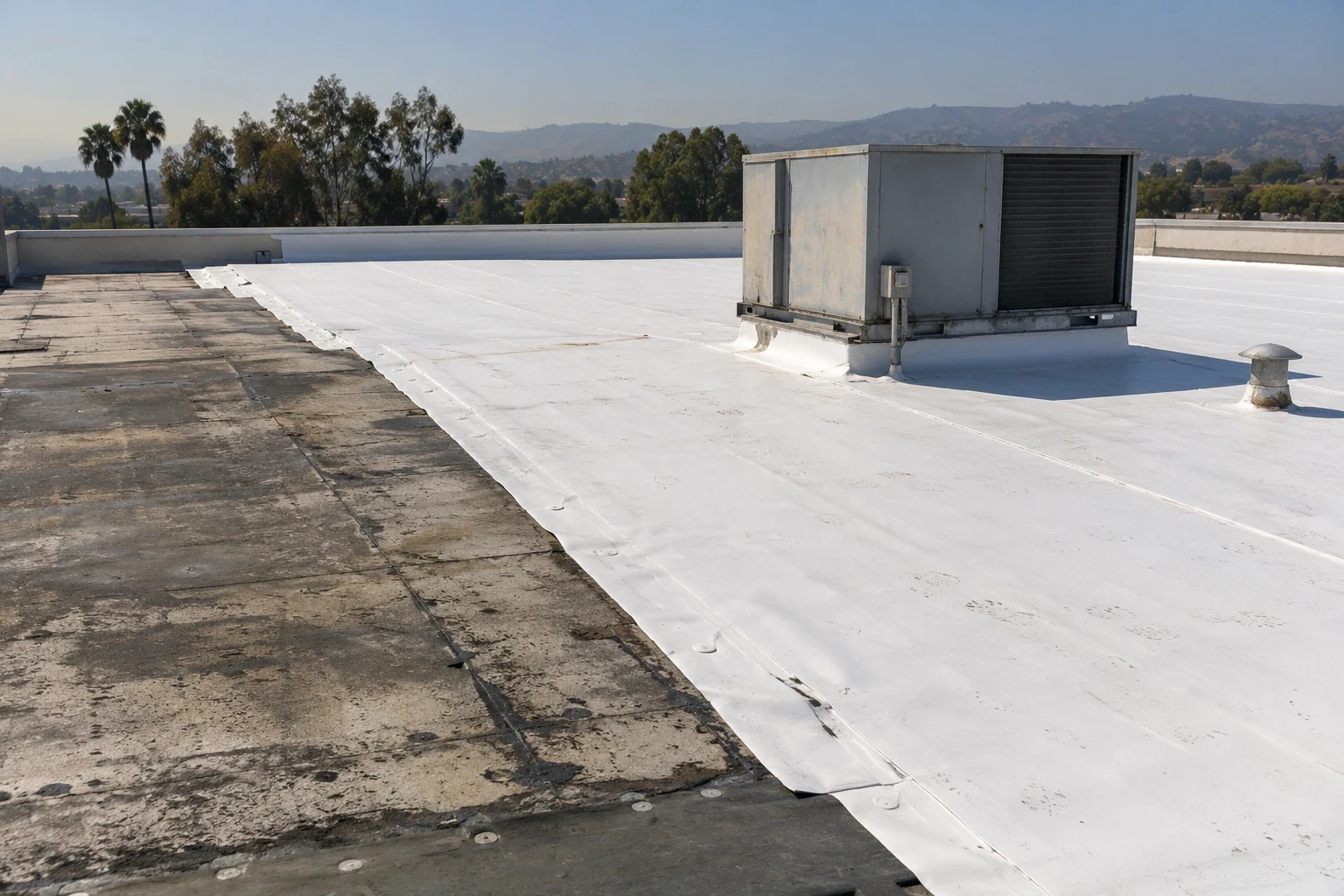
How much of the existing roof can stay. Replacement includes new flashing at every edge and curb, plus protection for the building during tear-off.
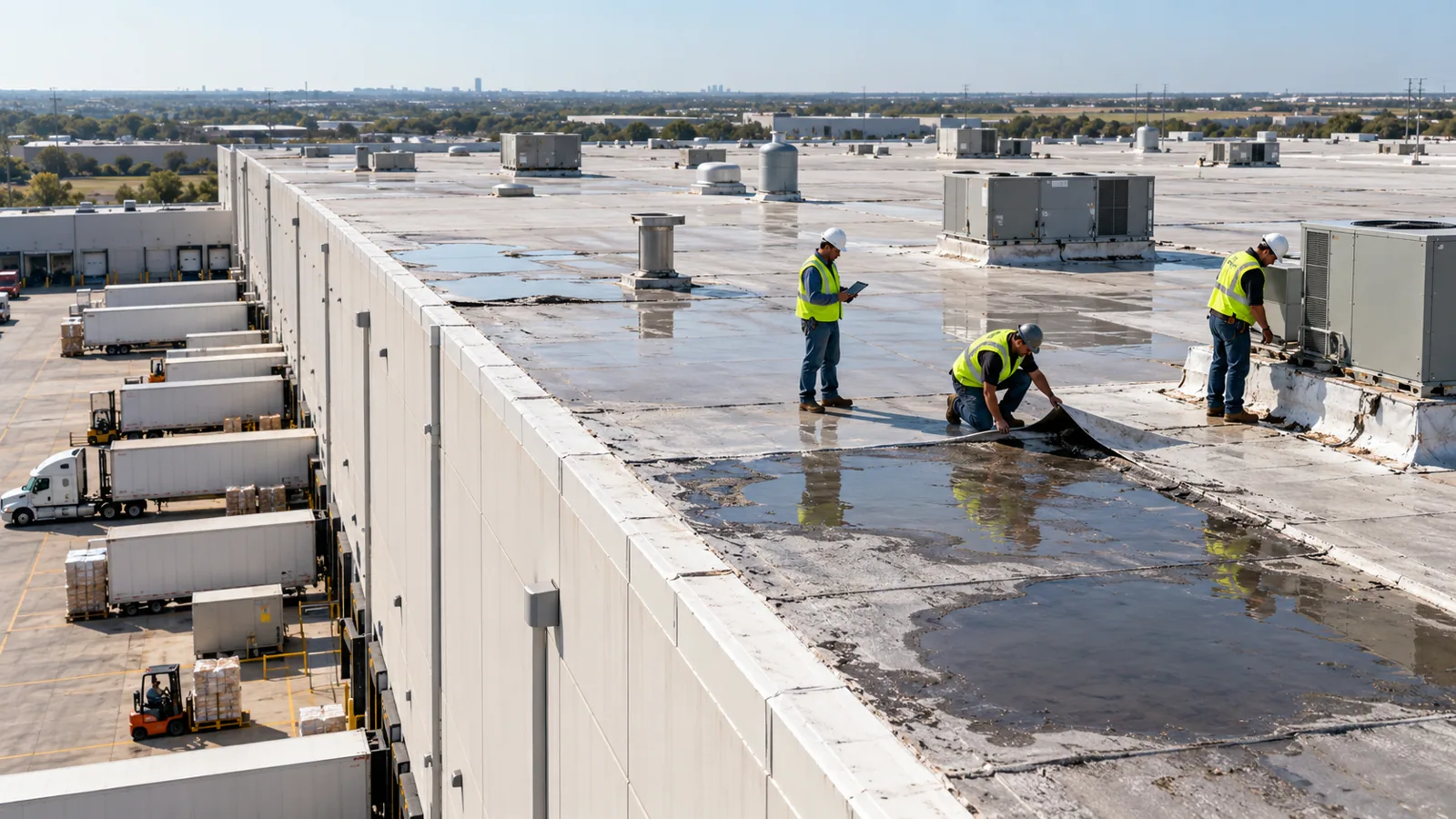
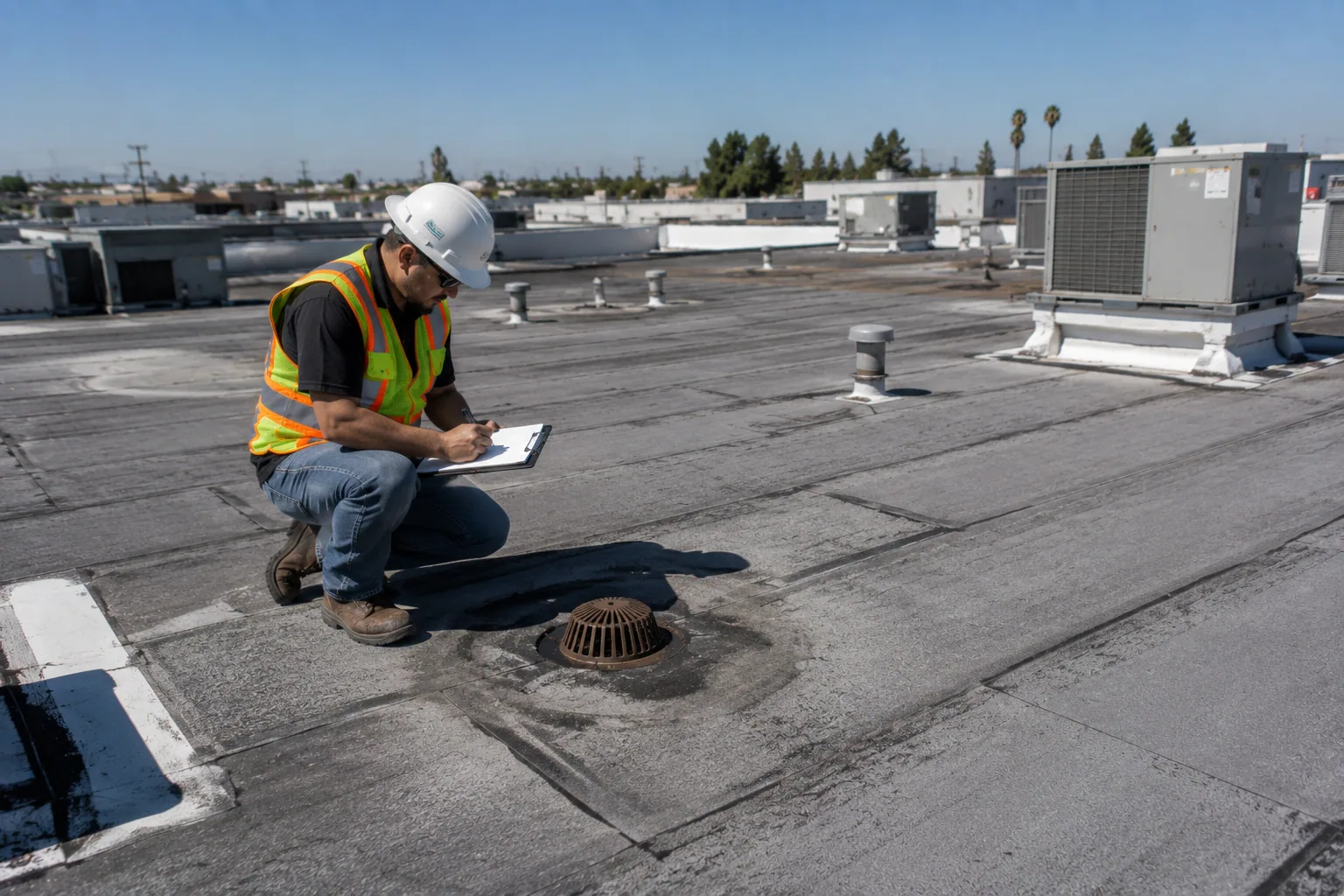
We locate the reported failure and inspect reachable material around it. The visit should identify how far the repair needs to go, any hidden condition that could change it, and the access needed for the next stage.
Temporary protection can limit an active opening. Permanent work still needs sound material to tie into and a complete connection. We record what remains before the building returns to its usual use.
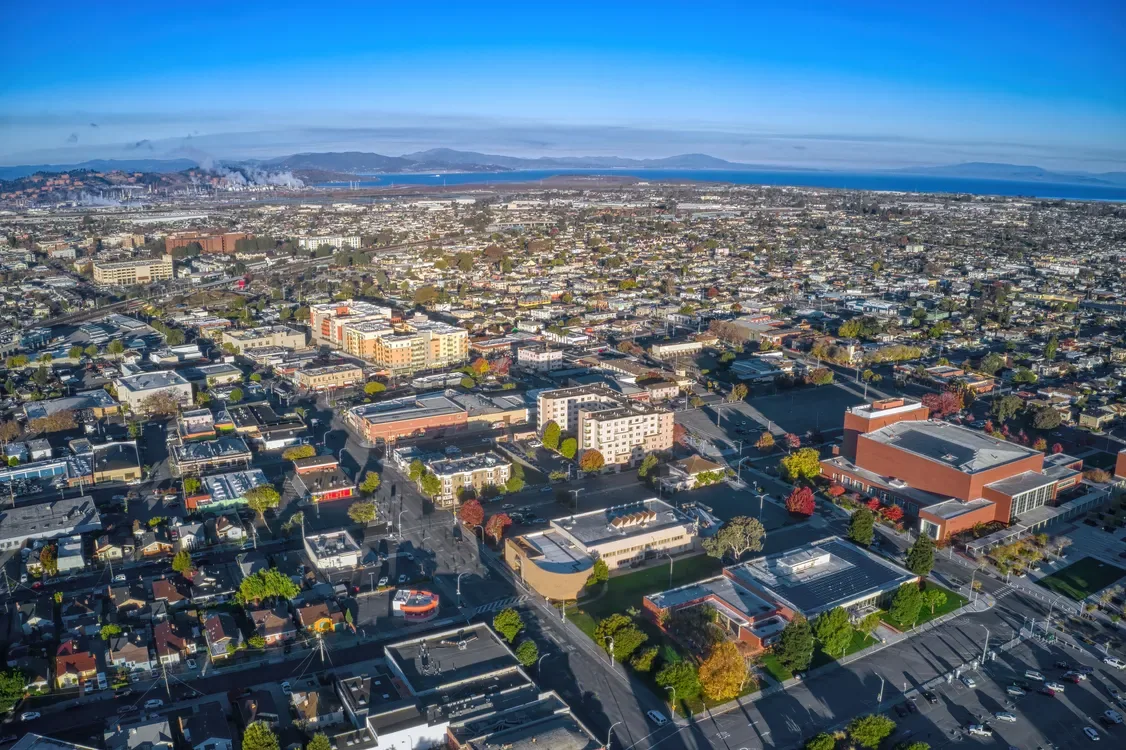
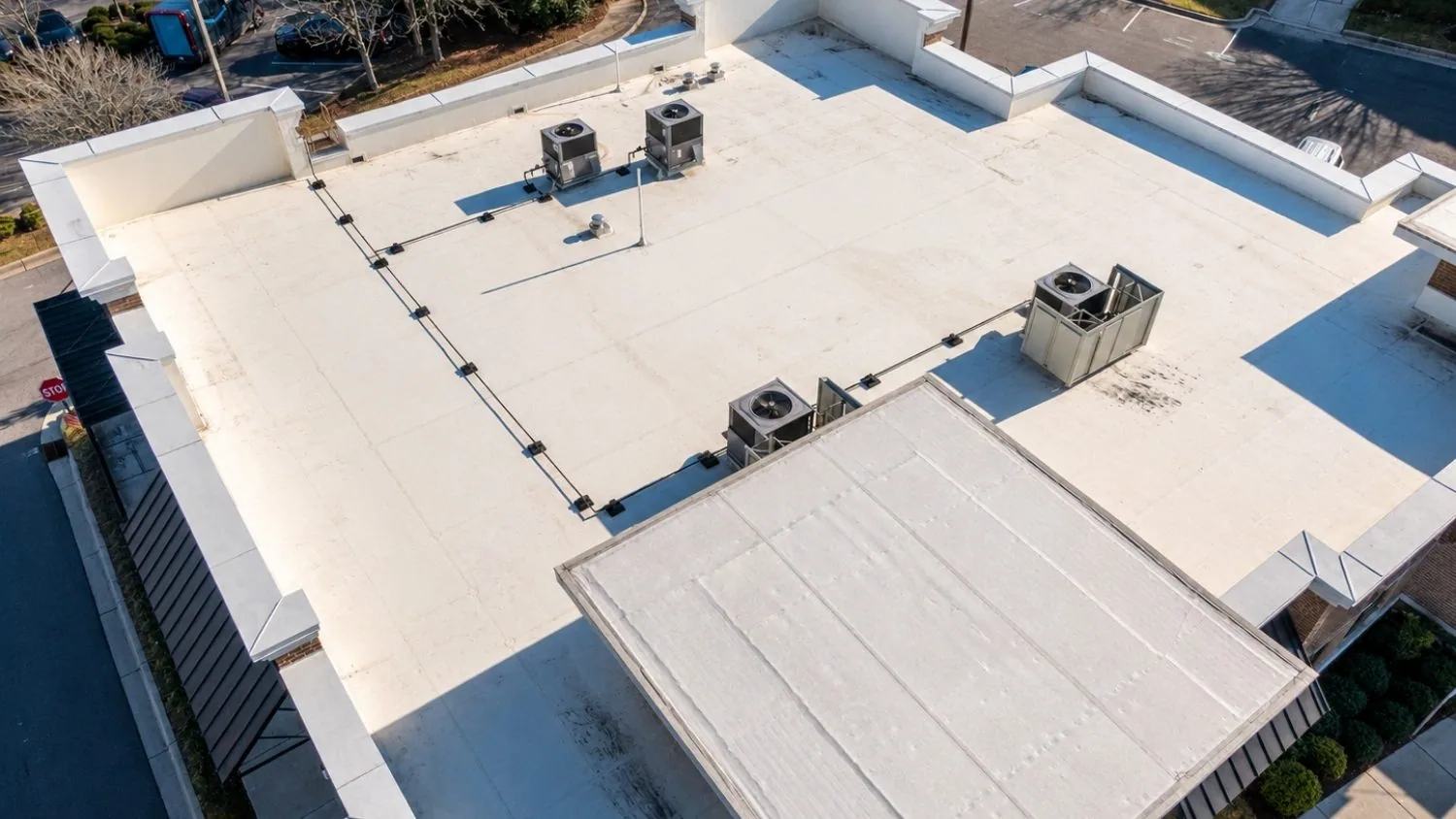
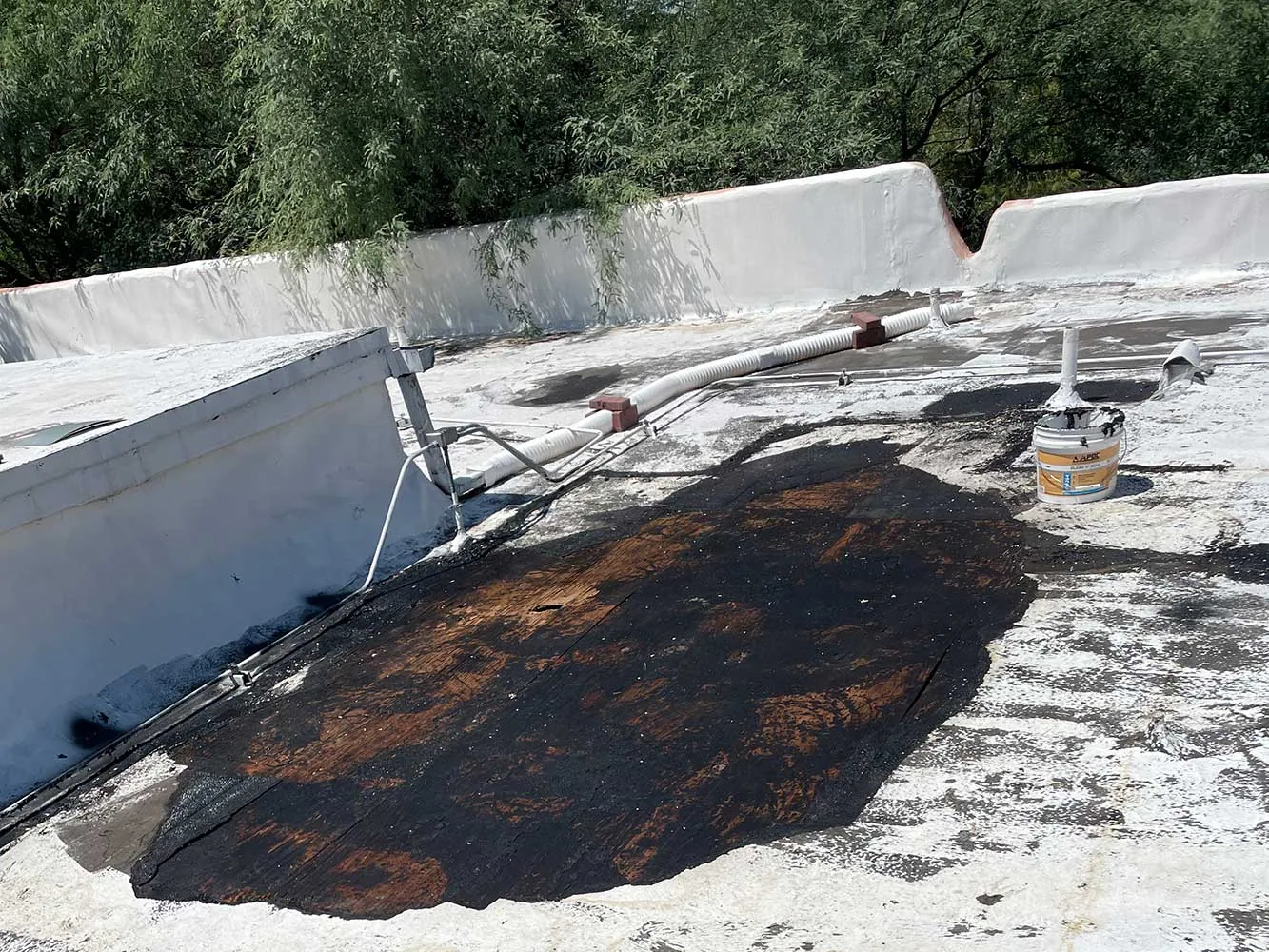
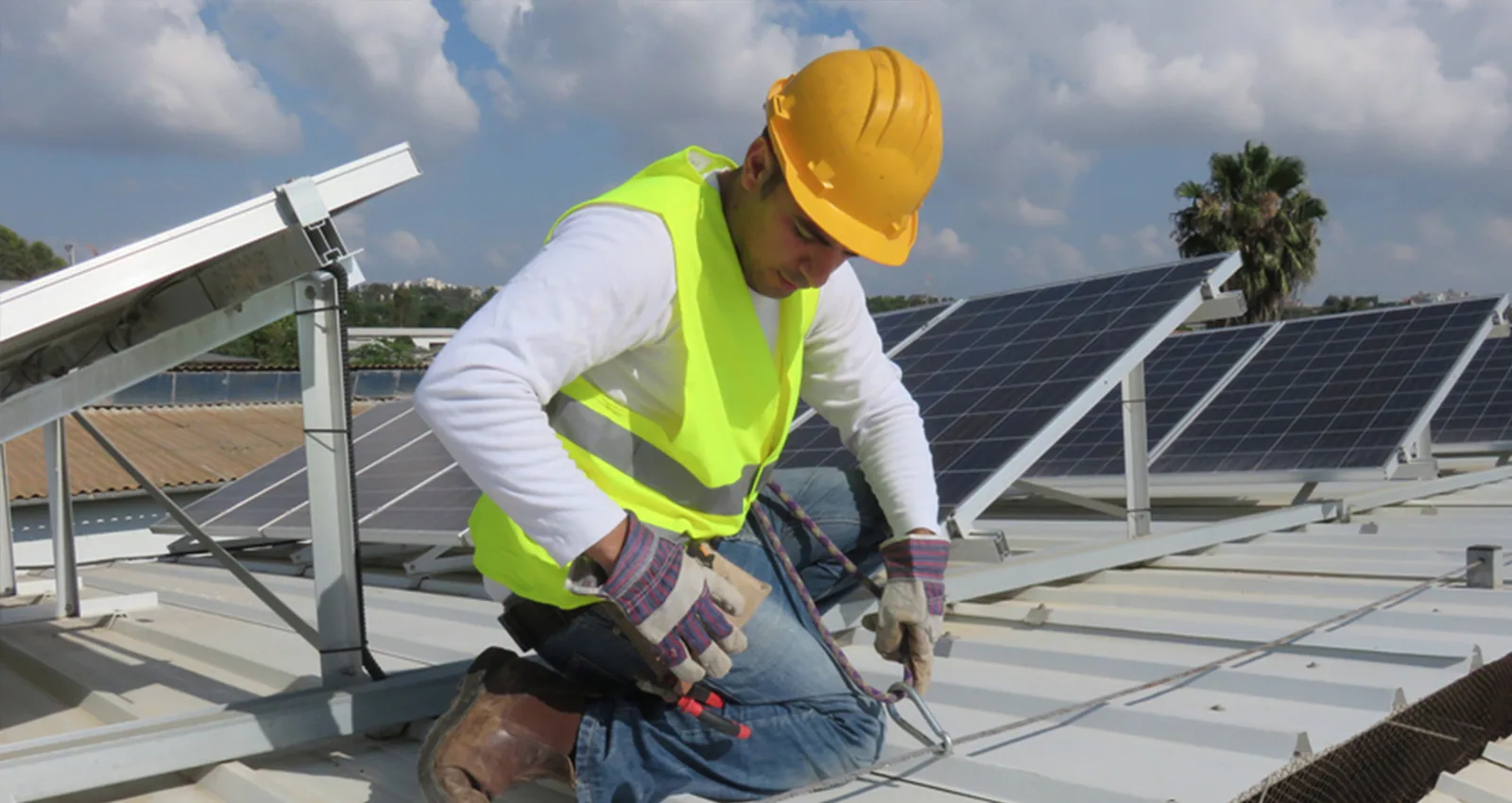
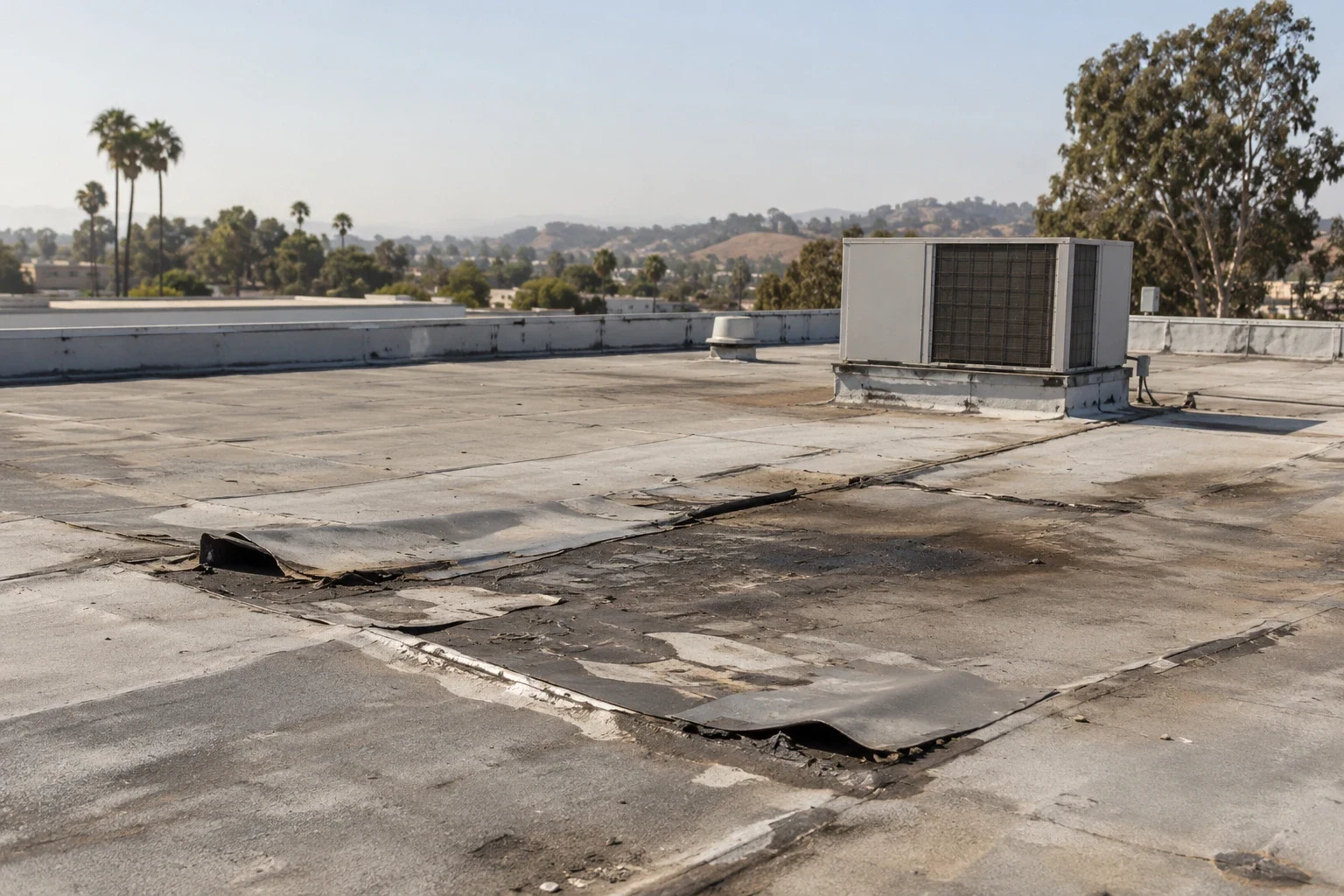
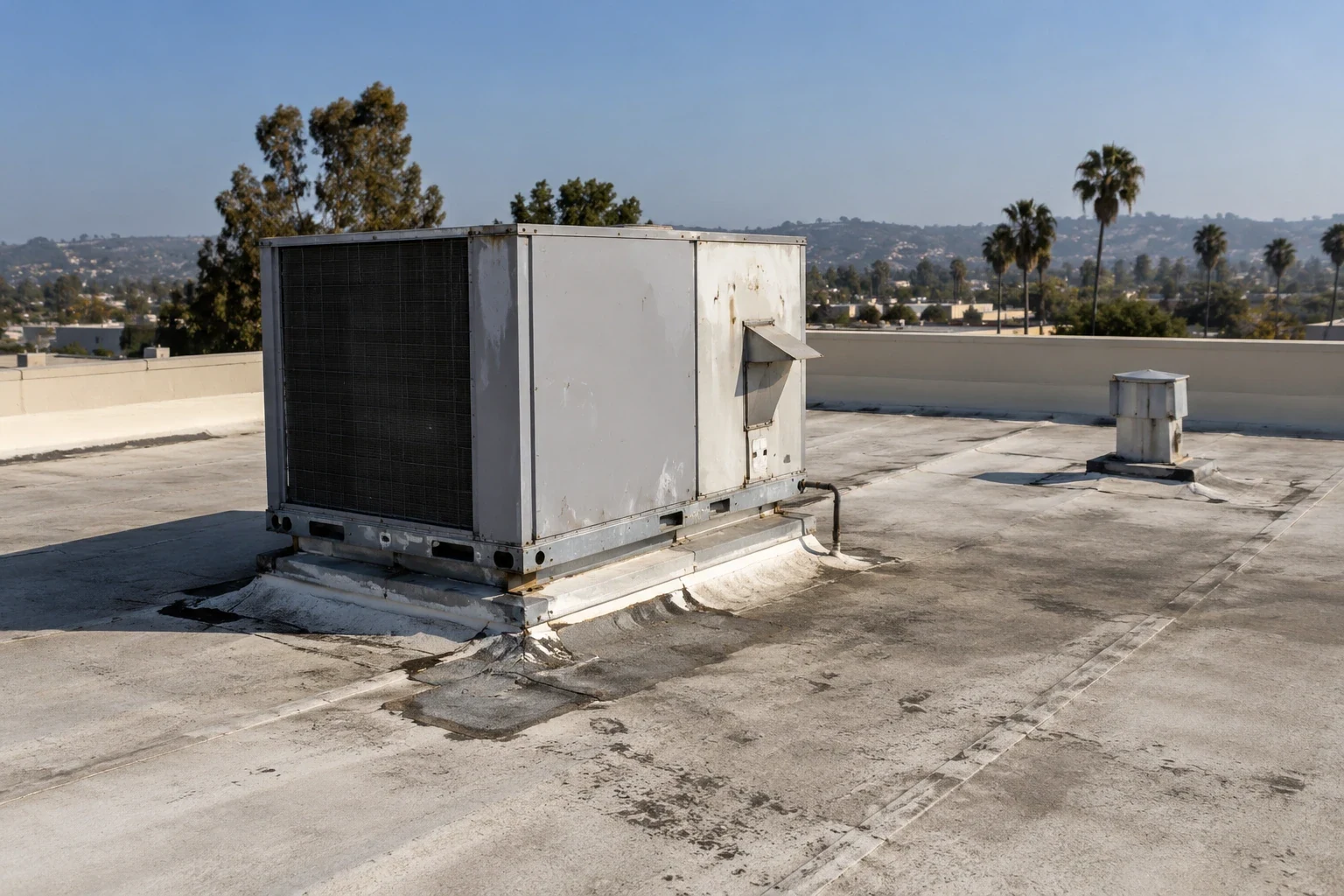
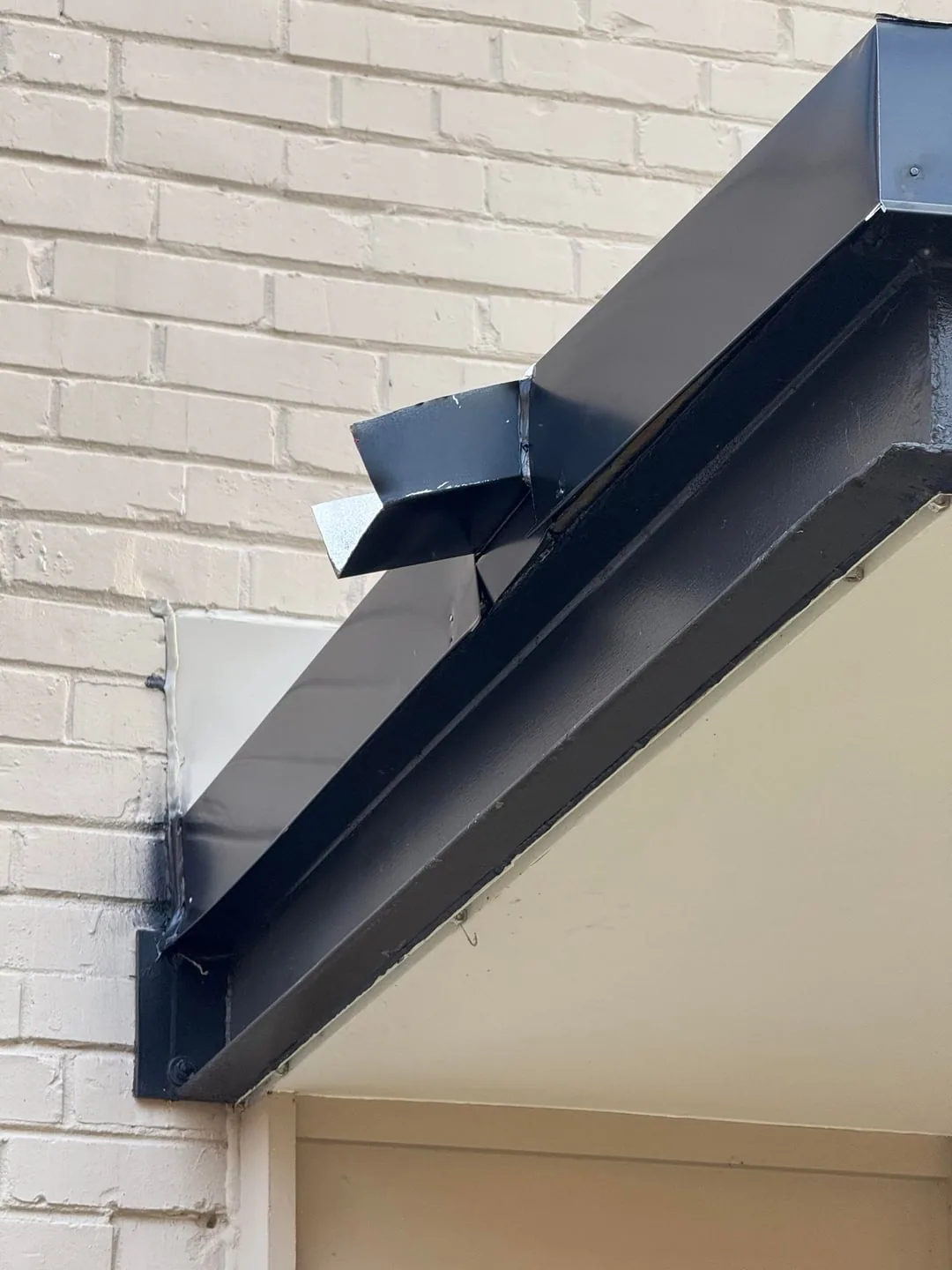
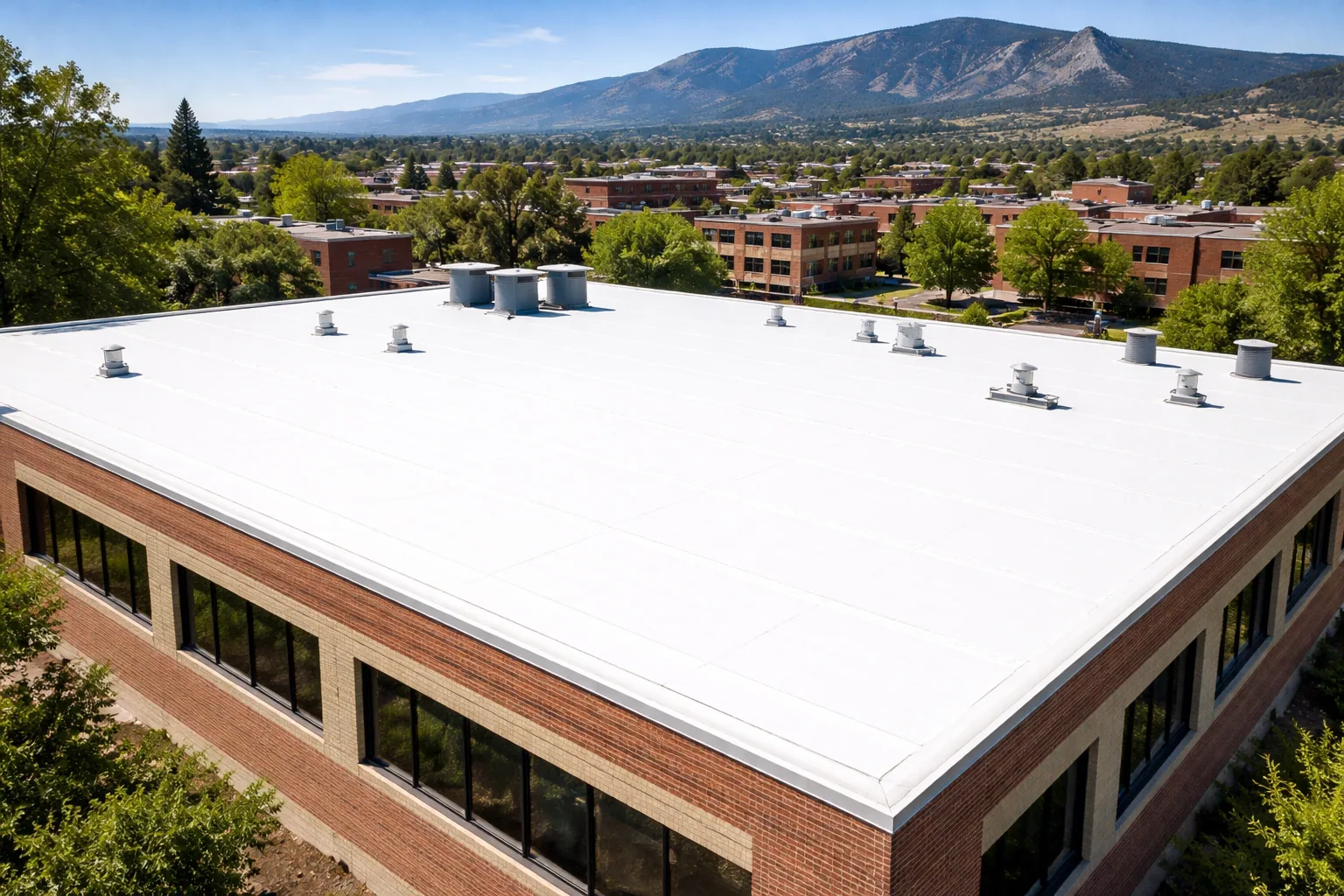
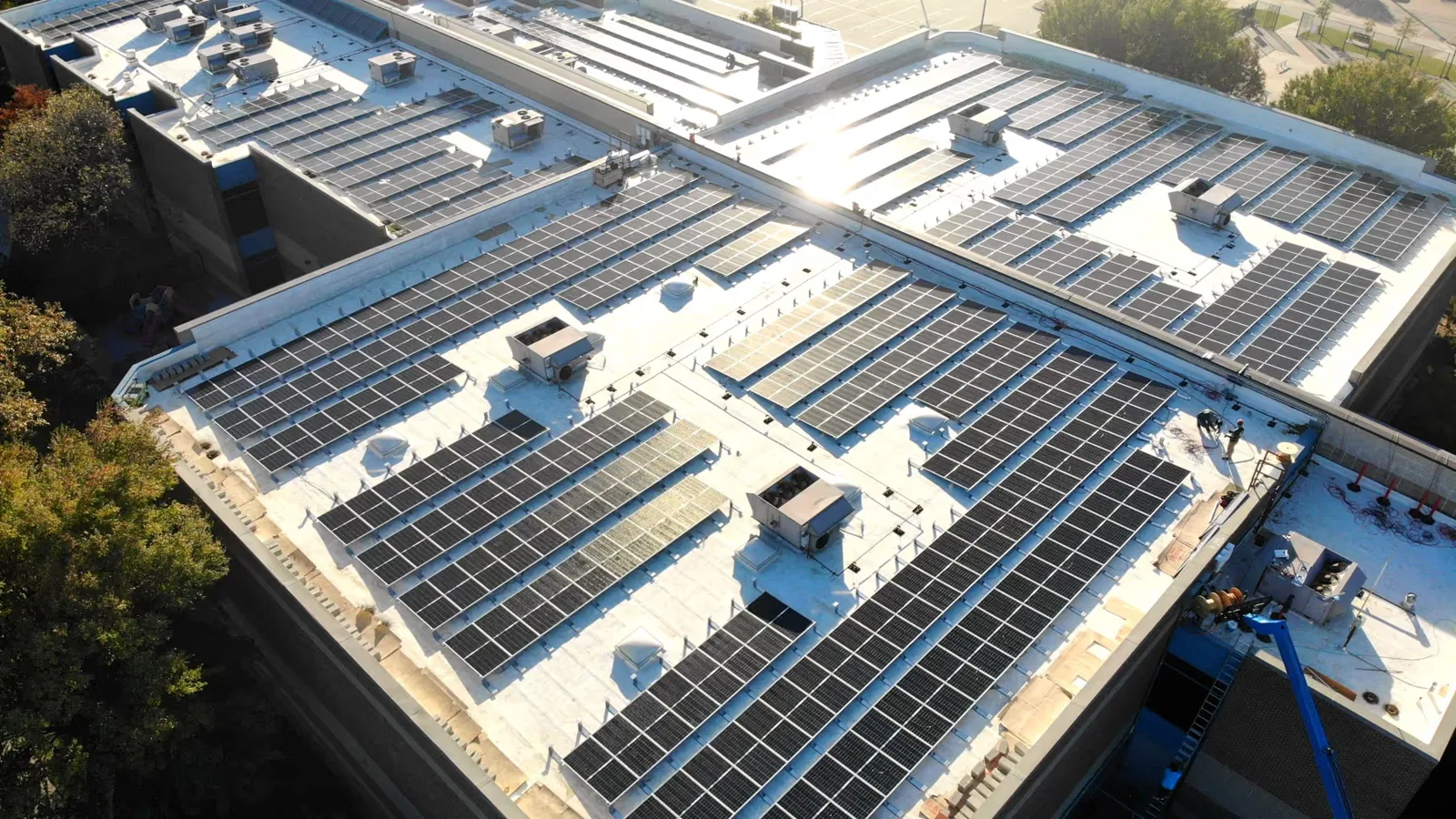
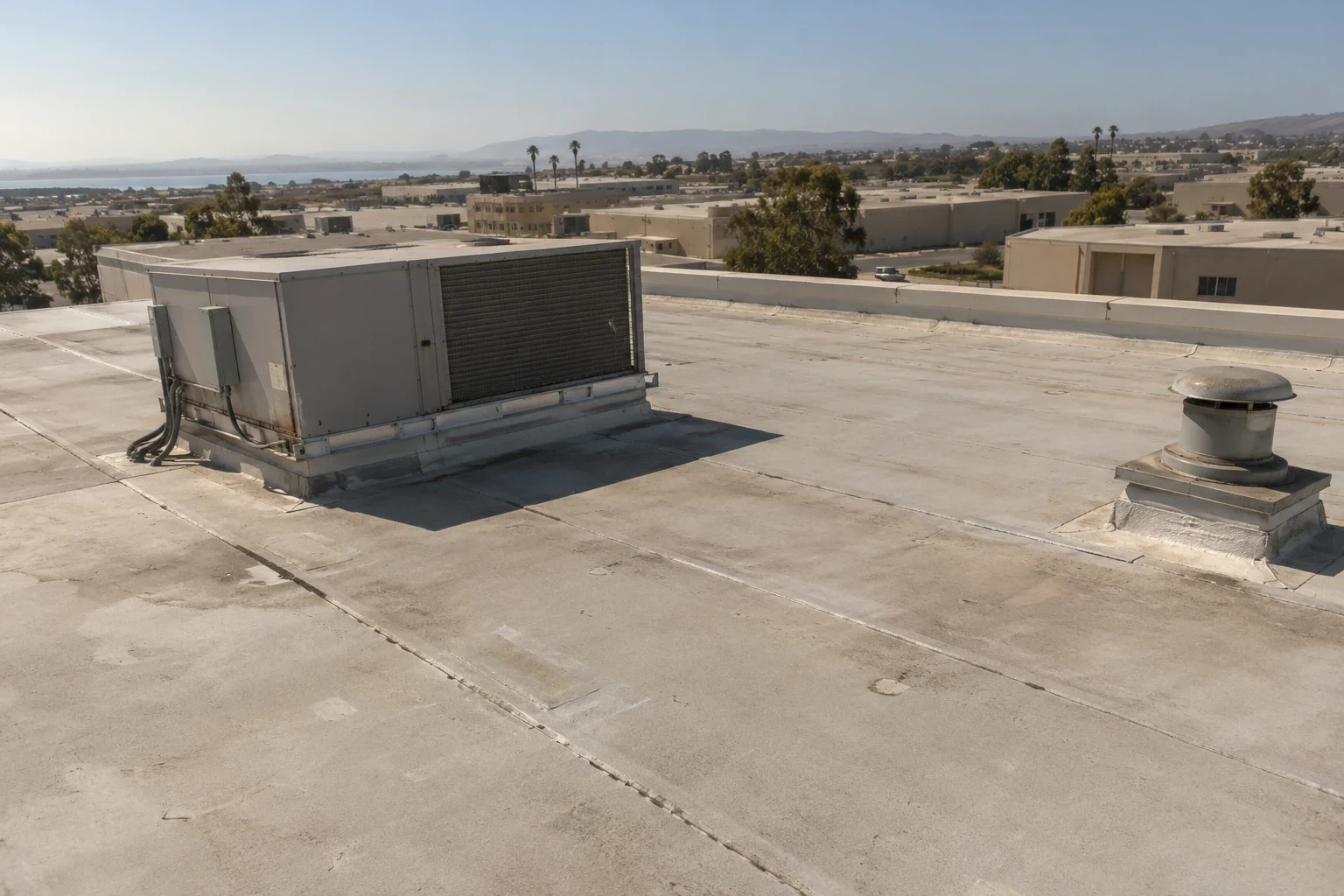
An open seam or loose flashing on a Richmond, CA commercial roof needs a proper permanent fix before anyone decides on a coating or a new roof. We inspect the membrane and what is under it, then explain the order of work needed to close the leak. Commercial roof repair handles a local problem and keeps the sound roof around it. Commercial roof replacement means a larger tear-off with new flashing at every edge and curb. The owner sees the real difference between the two, including access and any work by other trades that has to happen first.
The problem decides the prep work
A drain that flows freely can still need drain and scupper repair if its flange or clamping ring no longer seals to the membrane. Plumbers handle the drain body and pipe. A leak at a raised detail may instead need skylight and penetration flashing work, with solid blocking and enough access to the curb. We explain the support work next to the new flashing, so a coating does not hide unfinished work underneath.
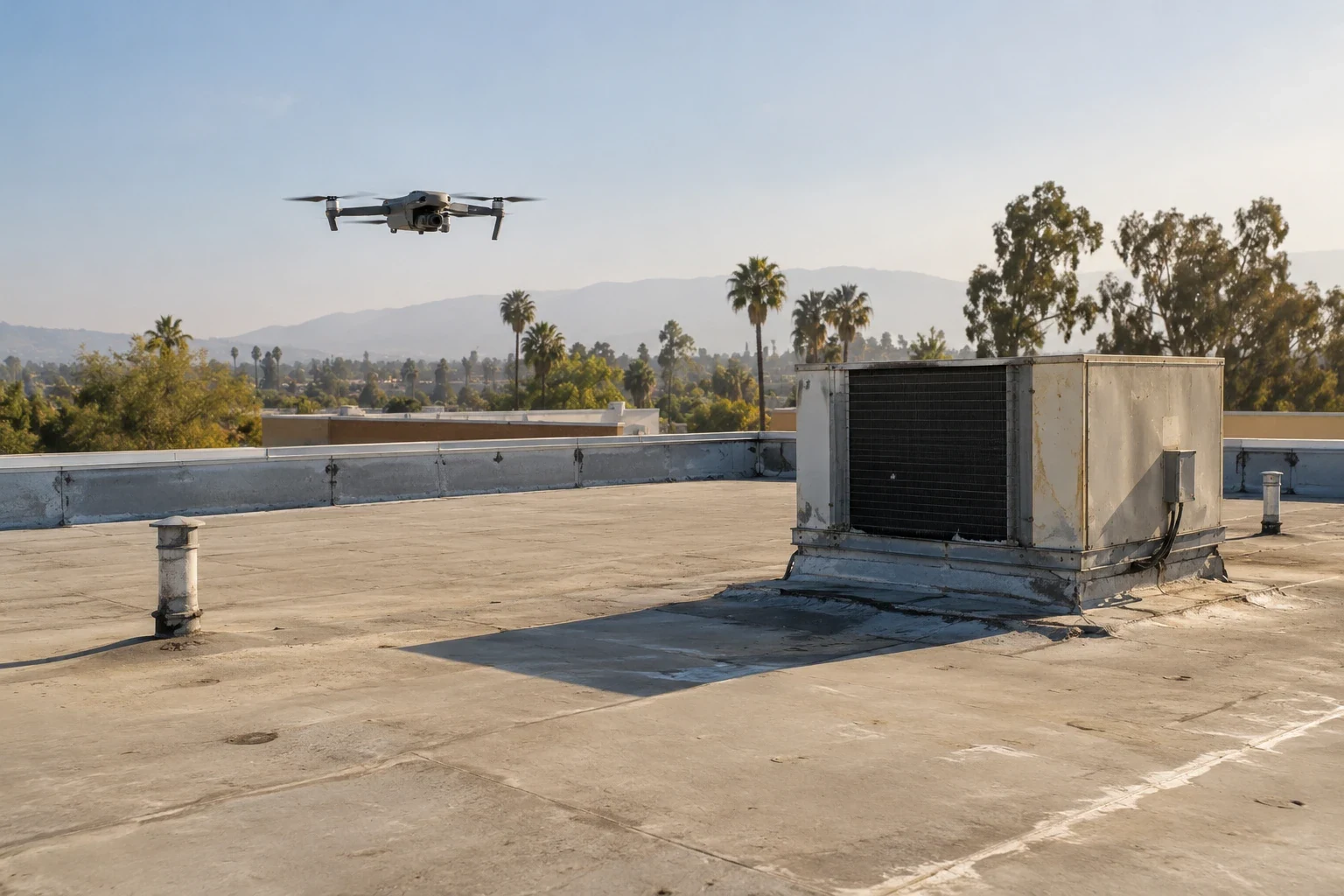
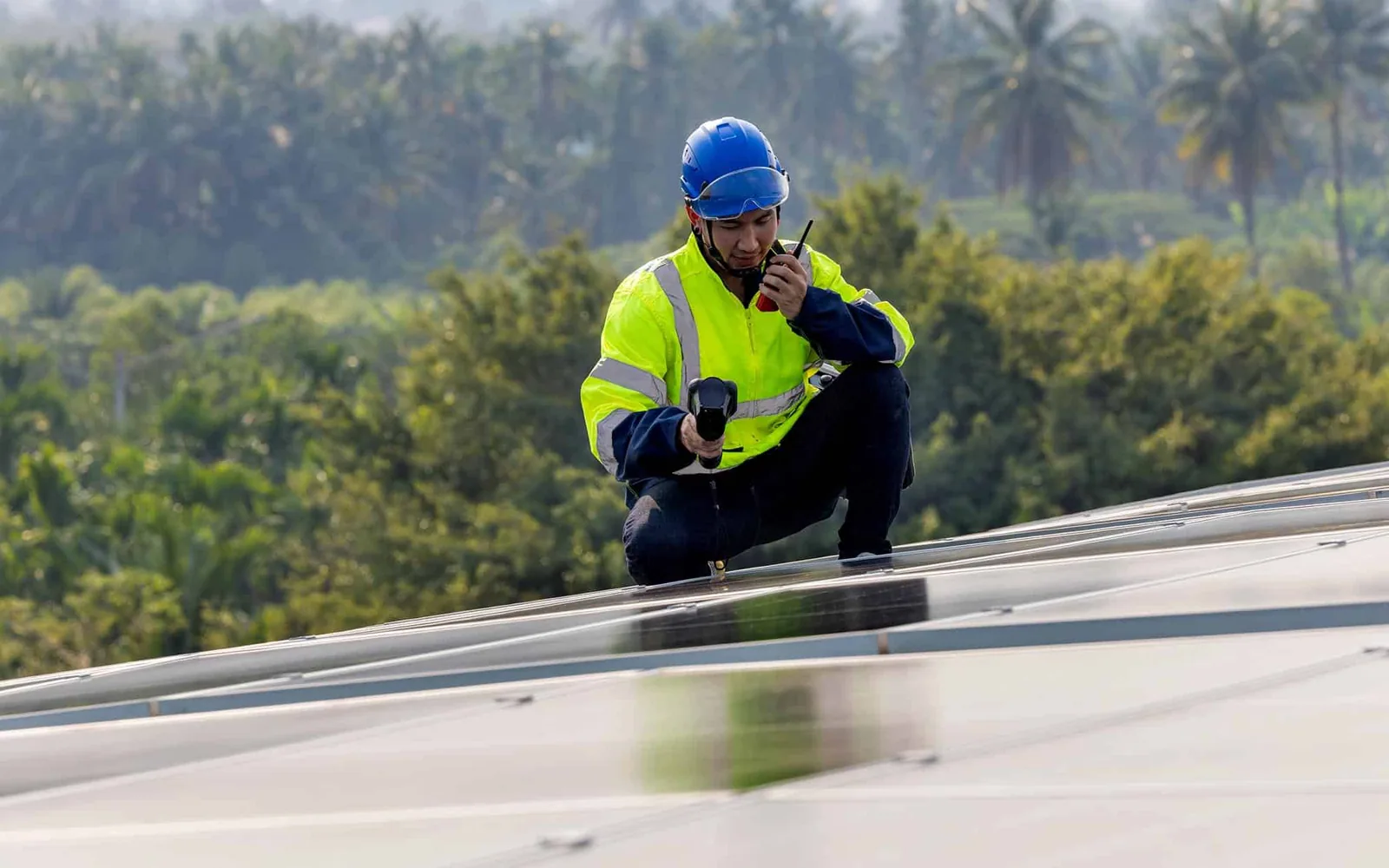
Keeping the existing roof means the insulation and deck under it have to be sound. An infrared moisture survey shows likely wet areas, and we read it with the roof's build-up and scan conditions in mind. Where keeping the old roof depends on it, cores confirm what is there, and we patch every hole. The building manager reviews protection for stored goods and occupied areas below, so the comparison between options includes the real work, not just square footage.
If a deck or insulation finding makes the repair bigger, it can change both the price and how materials get to the roof. We explain the added work before opening more roof, and the building manager reviews the affected areas. Our recommendation keeps that prep next to the permanent repair.
Access is part of the price
For roof work around the Port of Richmond, we inspect the damaged area before pricing the repair. Around the Port of Richmond, each property's roof is checked before a repair limit is set. We ask for the problem areas and any roof records. The building manager reviews material access and protection for the area we will open.
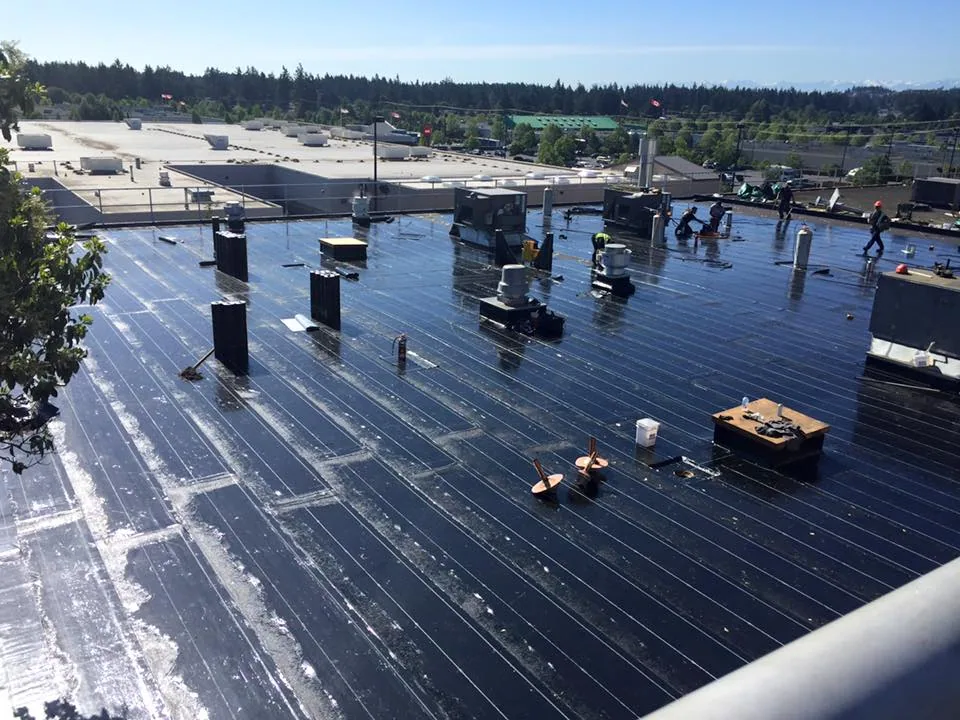
Occupied building reroofing should show where the roof will be open, how debris will come down and how materials will be handled. More damage found along the way can change that plan, and we explain it before opening more roof. Roof condition reports separate permanent repairs from temporary fixes and work still waiting on other trades. The property manager confirms access and affected spaces before the work is scheduled. The finished repair stays easy to identify afterward, so future budgets go to a specific spot on the roof.
A storm mark starts the inspection, not the removal quantity
A tree fell through a Richmond home's roof during the January 4, 2023 bomb cyclone; another blocked both directions on Richmond Parkway. That event gives local context, but it does not diagnose another building. We inspect the reported area, its edges and the interior position. Then we mark what can stay, what needs opening and what must be protected while the repair is underway.
The access route belongs in the service scope
Port of Richmond facilities handle several kinds of cargo across city and private terminals. A roof visit near an active terminal needs the building operator's access rules and delivery route confirmed first. We ask where trucks move, where material can land and which tenant areas need protection. Those answers set the order of work. They do not change the repair method required by the roof.
Tell us what is failing on your roof
Send the problem areas and any roof records you have. We will compare a lasting repair with larger options and explain the access the work will need.