Cool Roof Installation in Richmond, CA
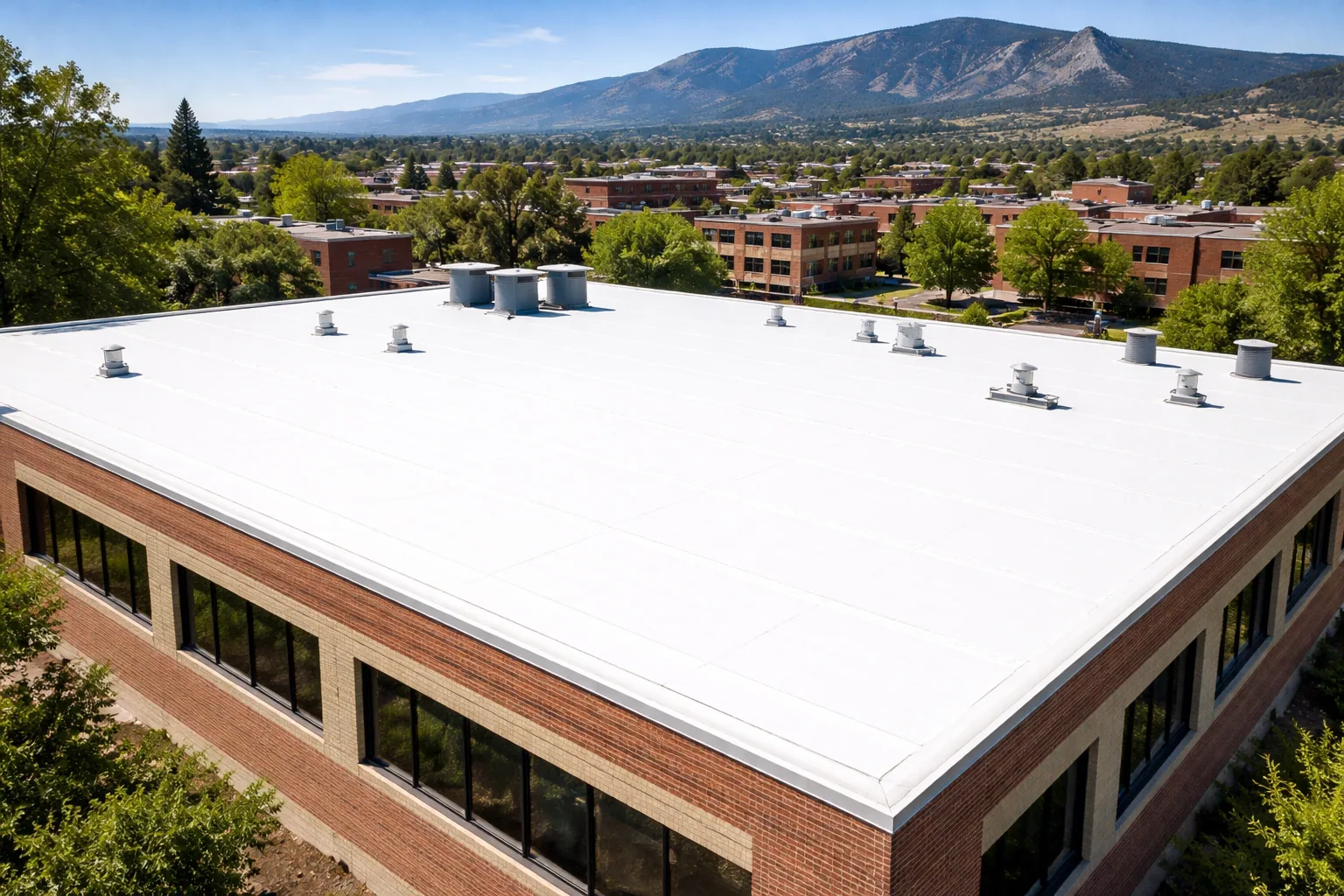
A faded, chalky roof surface on a Richmond retail center is an easy sell for a bright white cool roof. But if the wall flashing next to it has pulled loose, a new reflective surface will not stop that leak. A cool roof reflects more sunlight and can cut the heat the roof absorbs, which can ease the load on rooftop units in summer. It does not fix a failed flashing or dry out wet insulation underneath. Those repairs have to be part of the job.
A shopping center roof also comes with tenants below who are open for business, so material deliveries, crane picks and noisy work need to be scheduled around them. Our specification lists the surface prep, the repairs and every edge, curb and drain detail needed to finish the new roof. Before we recommend a product, we look at the roof you have now and flag anything we cannot confirm from the surface. You get a complete option: the reflective surface, the repairs beneath it and the detail work around it, with an honest view of what the cooler roof will and will not do for your building.
Check the existing roof first
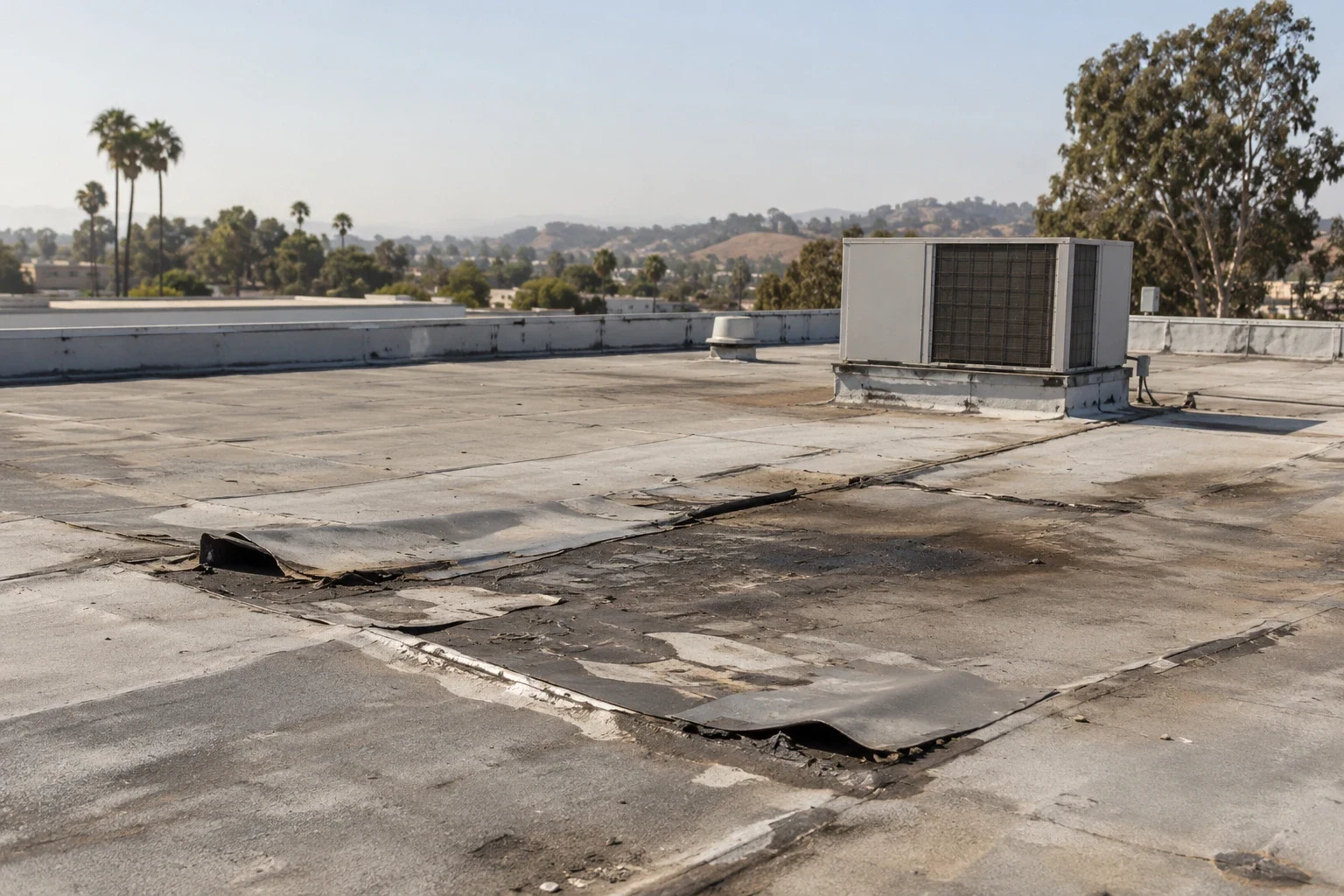
Any reflective system has to bond to, or sit on, what is already there. That means we need to know the current membrane, the old repairs and the condition of the insulation underneath before anything is ordered. A roof inspection answers those questions and points out any areas that still need testing. Two roofs that look the same from above may have very different patches, coatings or wet spots below.
You should know what your roof can support before choosing a product. We separate the spots we suspect are wet from the ones we have confirmed, and we recommend cores or a moisture scan where the answer matters. A new surface choice does not answer a moisture question or settle how the new system will be attached. We price those items as part of the job instead of letting a product name stand in for the whole scope. For any cool roof, the surface has to be clean, sound and draining properly before the new layer goes on.
A reflective coating changes the top surface, not the condition underneath it. We decide whether the existing roof can stay, mark the seams and penetrations that need repair and confirm that the coating is made for your membrane. The coating also needs a clean stopping point at drains, curbs and edges. The estimate includes prep and those details along with the field coating, so you can compare a coated roof with a replacement on equal terms.
Remove what is wet
Wet or crushed insulation has to come out and be replaced, no matter how reflective the new top surface is. We measure those areas and include removal, disposal and new material in every option we price. Our roof insulation and cover board work explains what can stay and why. A white membrane laid over damp insulation traps the moisture, and that is a different problem from the one a cool roof solves.
Opening the roof sometimes shows more damage than the test cuts suggested. When that happens, we show you the location and the added quantity and get your approval before going further, and the roof is sealed while you decide. A low bid can look attractive because it leaves this work out. When we compare a coating with a new membrane, both options include the same insulation repairs wherever they overlap, and any untested areas stay clearly marked until they are checked. That way the decision rests on what the roof can actually hold, not on how the surface looks.
Finish the details
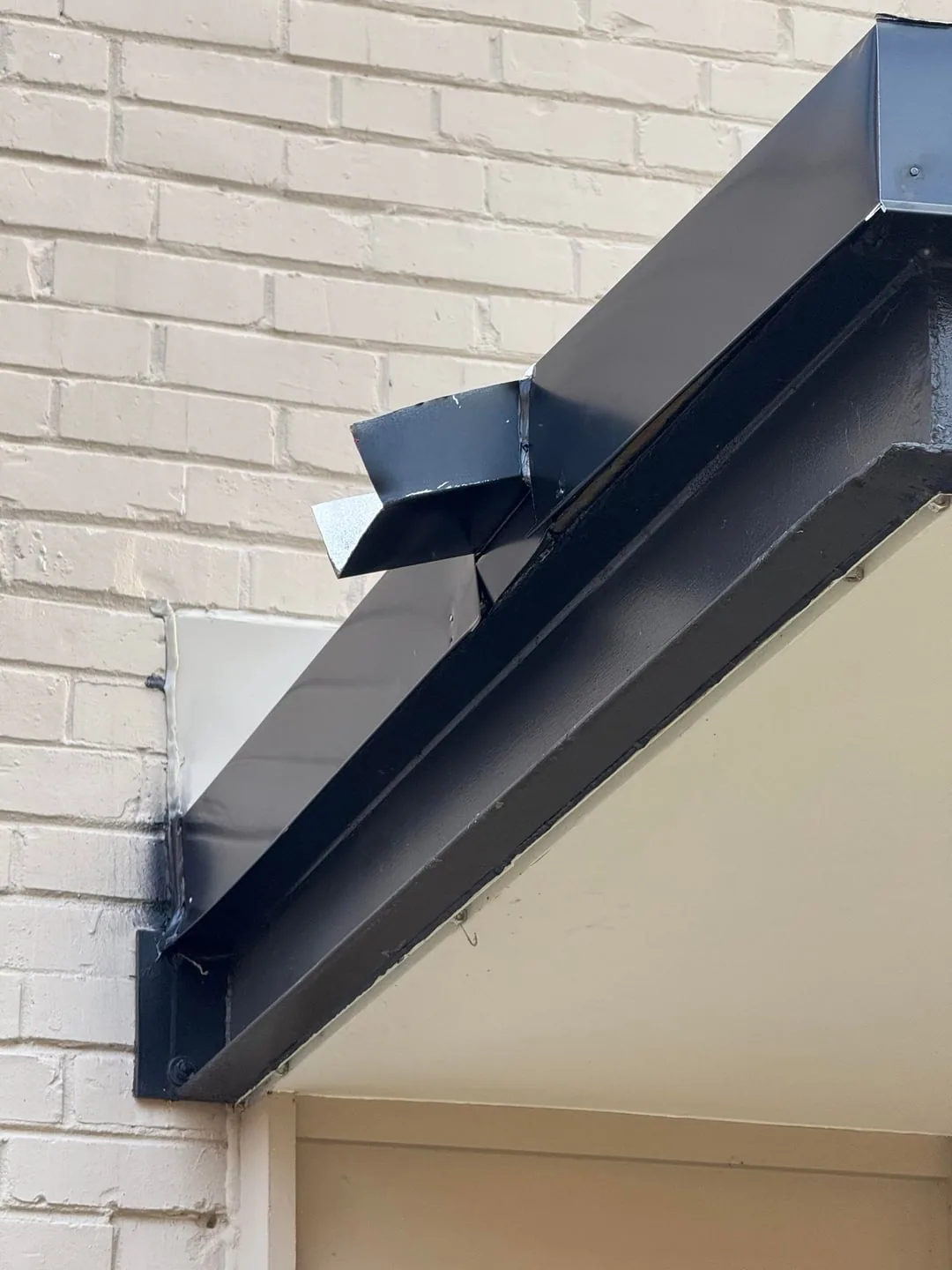
A bright new field does not finish the curbs, walls and drains. Each detail needs its own flashing in a material that matches the new roof. Our skylight and penetration flashing work covers pipes, vents, skylights and equipment stands, and we plan any equipment moves and insulation repairs before materials are ordered. A detail we cannot reach yet stays on the open-items list even while the rest of the job moves forward.
Adding insulation or cover board can raise the roof surface, which may mean flashings at walls and curbs have to be rebuilt taller. We check those heights before the job starts. If another trade has to move a unit or repair a wall first, we coordinate that timing with you. Having the materials on site does not finish those details, so the estimate shows the full order of work along with the new surface.
Compare the roof options
A TPO roof comes white and reflective from the factory and is installed with welded seams. A PVC roof is also reflective, also welded, and often chosen where grease or chemicals land on the roof. Each one has its own flashings, attachment and prep. We do not assume a product will perform well on your building just because the name is familiar. You get product data next to the actual work each option includes, and any energy estimate is tied to your building, not a generic claim.
A reflective coating can extend the life of a roof that is still basically sound. Roof coating restoration only works over a clean, dry surface with all the repairs done first, so we compare the full prep and repair cost, not just the price of the coating. Check any manufacturer warranty terms for the products you are considering. If you need an engineer or an energy consultant to review the choice, we keep that separate from our roofing scope. A reflective surface alone cannot tell you exactly what you will save on energy. On Hilltop commercial roofs, a cool roof still depends on a clean surface, working drains and solid edge details.
Keep a record of the new roof
For Port of Richmond buildings and every other project, we give you a closeout record with the products installed, the insulation areas we replaced and photos of the finished details. The checks we agreed to are listed next to the work they cover. Areas we did not open or test are labeled as such, so the record does not suggest more than we verified. Anything still waiting on another trade is listed separately.
Keep the product data sheets and maintenance requirements with the building file. Many reflective roofs need periodic cleaning to keep reflecting well, and some warranties require it, so check the terms before any repair or alteration. A general claim about reflectivity does not prove your building is saving a set amount. What matters is a roof built correctly over a dry, solid base. With a good record in hand, future maintenance and repairs are easier to plan, and any question about energy performance can be checked on its own merits.
Commercial Roofing Questions
Will a reflective surface fix wet insulation underneath?
No. Wet insulation has to be found and replaced before the new surface goes on. A cool roof reduces heat absorbed by the roof, but it does not dry out what is underneath.
How should I compare cool roof options?
Compare complete jobs on your building: the same insulation repairs, the same edge, drain and curb details and the same prep. Then look at product data, warranty terms and expected service life.
Is any cool roof product automatically approved for my project?
No. The specific product and your project requirements need to be checked together. We confirm the product fits your roof and any requirements that apply before we order it.
What records should I keep after a cool roof is installed?
Keep the product data, the list of repaired areas, the photos and the maintenance requirements. Cleaning and inspection schedules help the roof keep reflecting well and protect any warranty.


Tell us about the roof and what it needs