Solar Ready Roofing in Richmond, CA
Solar panels usually stay on a roof for 20 years or more, and once they are installed, getting to the roof underneath gets slow and expensive. If a Richmond office roof already has a split flashing at a rooftop unit or a few soft spots, now is the time to fix them, not after the racking is bolted down. Solar ready roofing means making sure the roof under the array is sound, dry and detailed for the attachments that are coming.
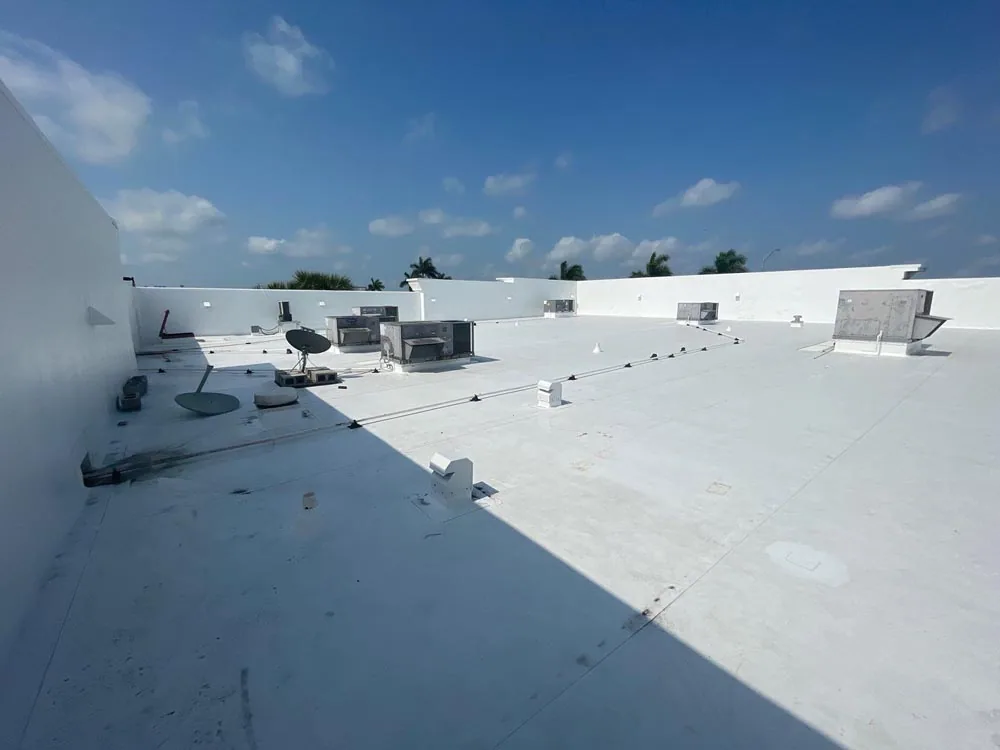
On an office building roof, we start by looking at the existing membrane, the insulation underneath and the planned array layout. For buildings near the Port of Richmond, the same applies: the roof condition, the structural design and the planned penetrations all need review before anyone decides whether to repair or reroof first. We check past roof records against what we see on the roof and list any areas that still need testing. Structural loads and the solar design itself belong to the engineer and solar installer; our job is the roof they attach to. Panels do not make an old roof any better, so the roofing work has to be done right first.
Check the roof that will stay
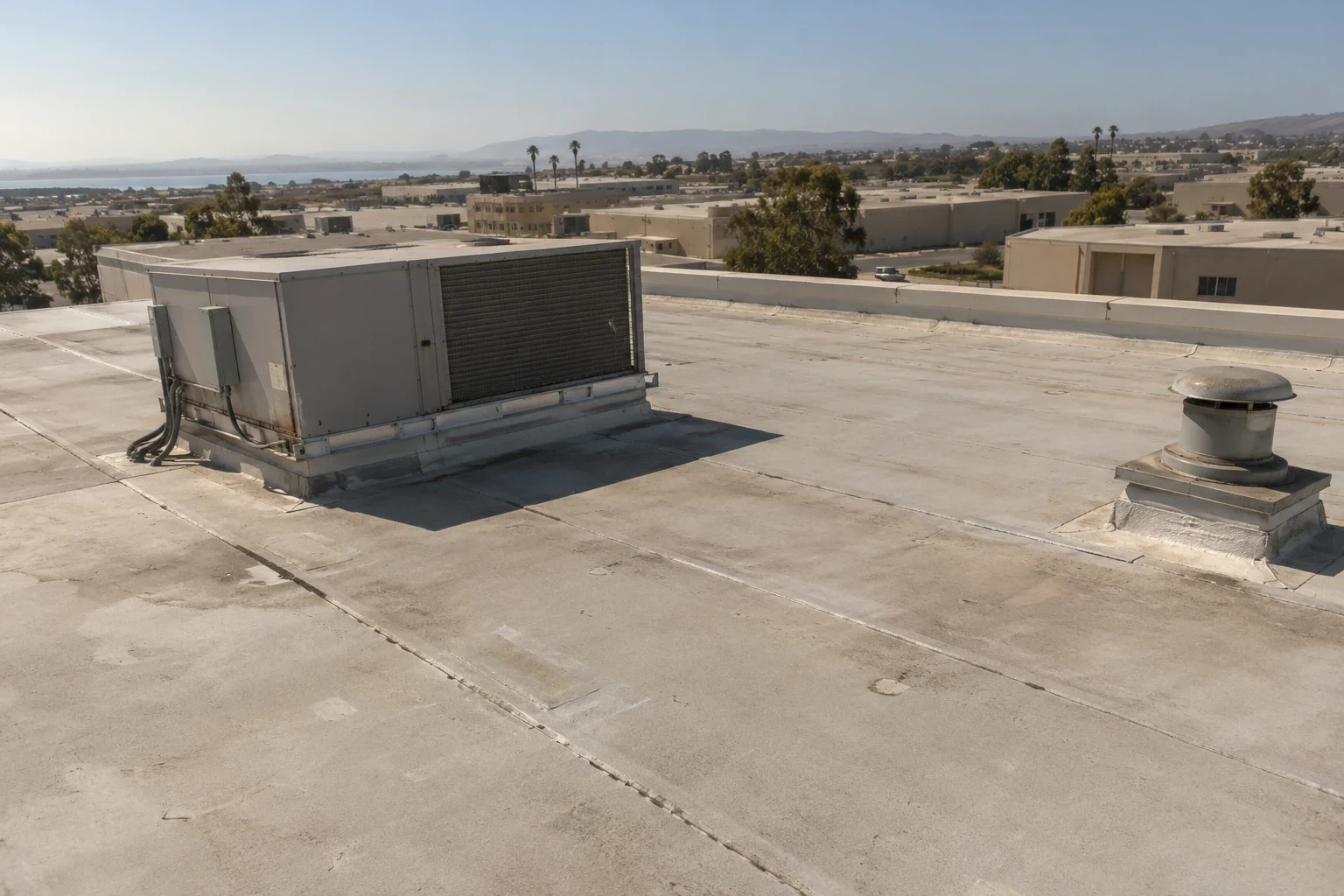
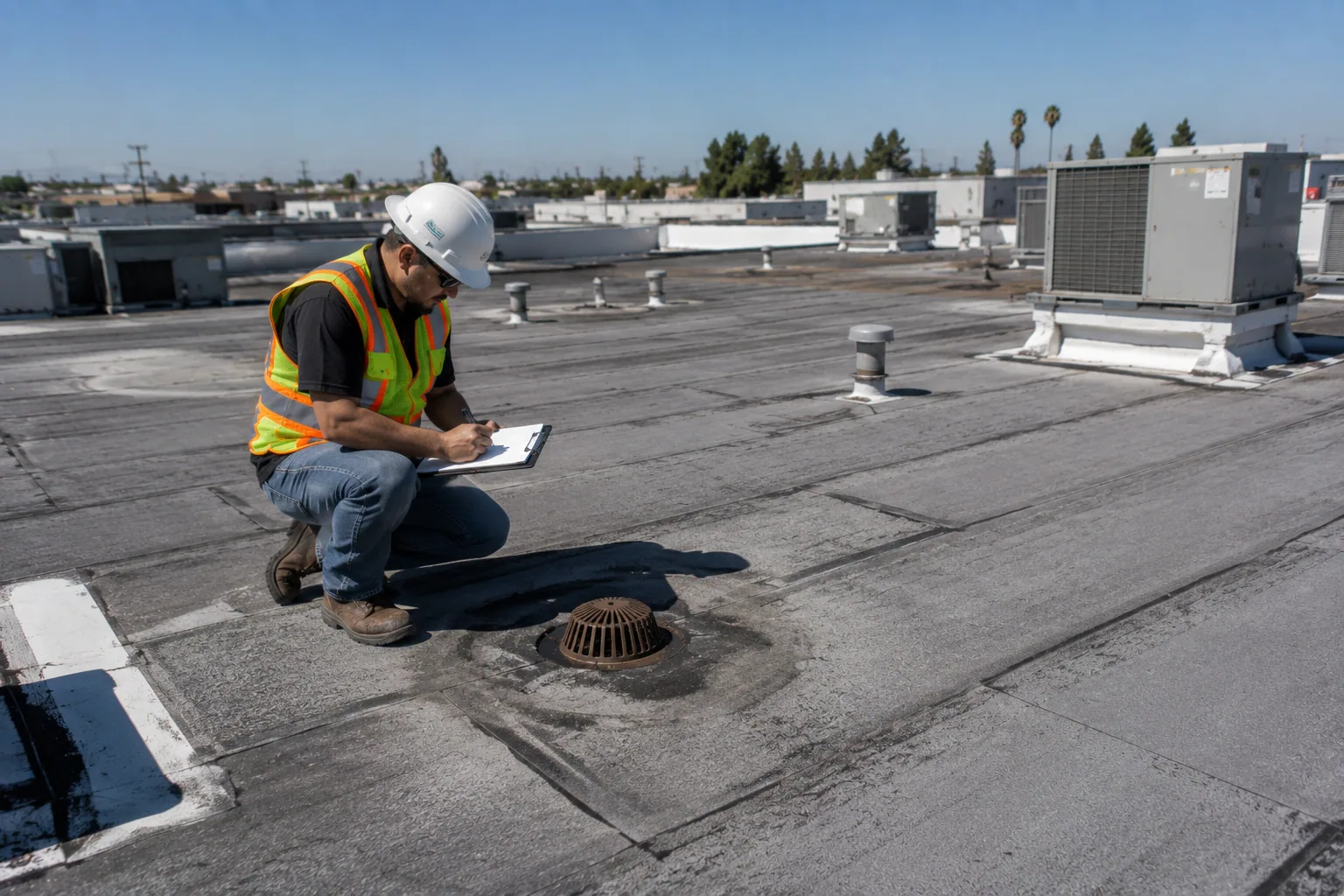
A roof can look fine from the surface and still have wet insulation or failing seams underneath. Before panels make access harder, we take cores in the array area and check seams, flashings and drains. A roof inspection before solar marks past repairs, wet areas and anything we have not been able to test yet. Old warranty and product records help us identify the roof system, but they do not tell us its condition today.
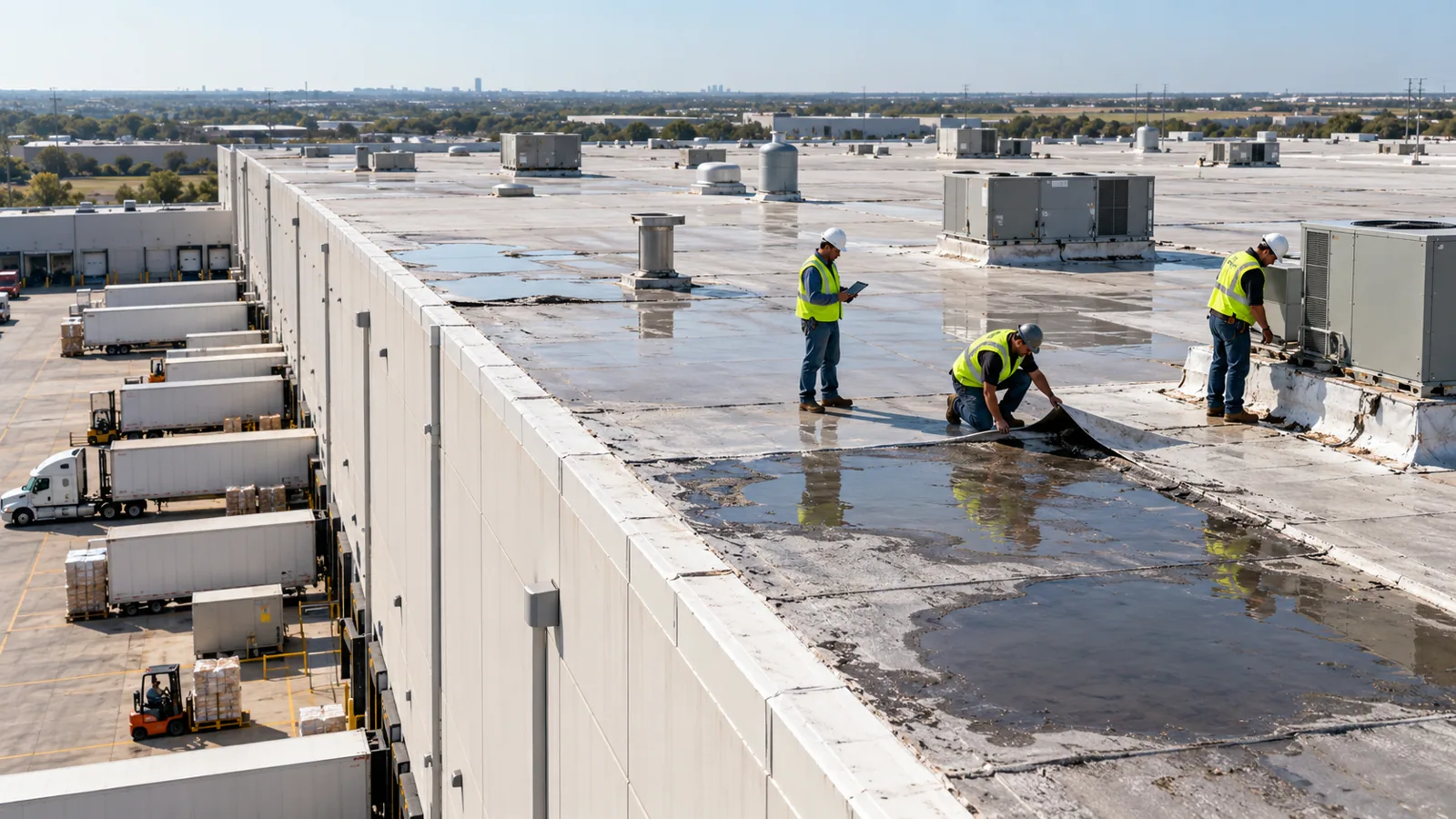
You should know which parts of the roof can stay under the panels and what needs fixing first. Confirmed wet insulation comes out and gets replaced as part of the roofing work; suspect areas get cored before anyone decides. Planned solar does not make wet insulation acceptable or a split seam watertight. We tie the repairs to the array layout so you can see the roofing cost for the area that will be covered. If some areas still need testing, we say so instead of assuming they are dry just because the panels are coming.
Plan around the solar layout
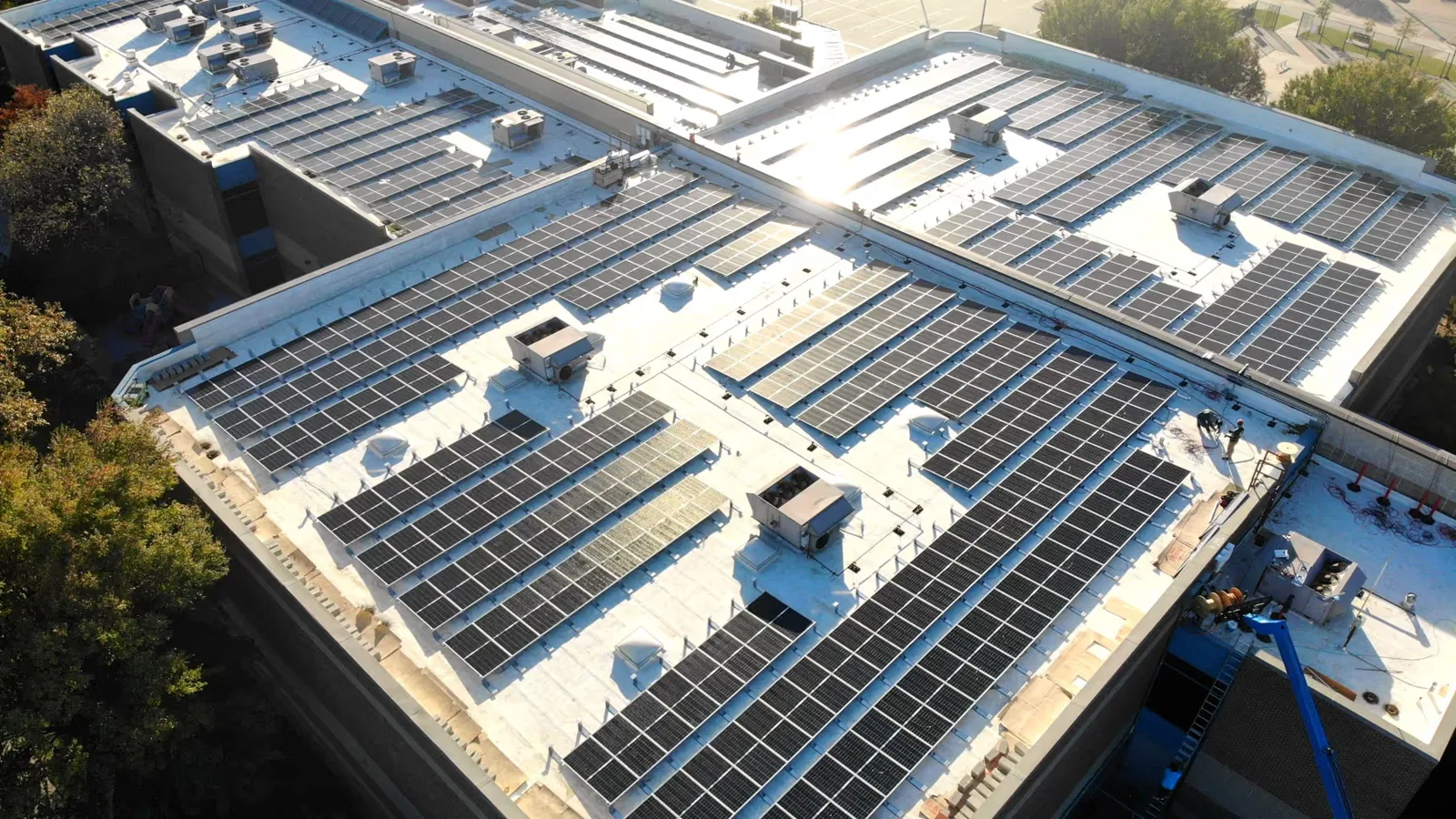
How the panels attach decides what the roof needs. A ballasted system sits on the roof with weights and few penetrations; an attached system needs flashed mounts tied into the deck or structure. We need the actual solar layout before pricing the roof prep. Equipment supports and curbs for solar need the right insulation and flashing under them, and we coordinate with the solar installer on who installs and flashes each mount. Structural, electrical and solar design questions belong to the engineer and installer.
Two systems with the same number of panels can create very different roofing work: different penetrations, different walkway pads, different conduit runs. We list what the roof prep includes and who handles each connection. If the mount spacing or support details are still being designed, we wait for them before ordering roof materials. Choosing a membrane does not settle whether an attachment is acceptable. The work order says which roofing tasks we can finish and which depend on the solar contractor’s decisions.
Solar adds weight, penetrations, conduit routes and maintenance walkways to the roof. Those should be reviewed before anyone prices the membrane work.
Fix it before the panels go on
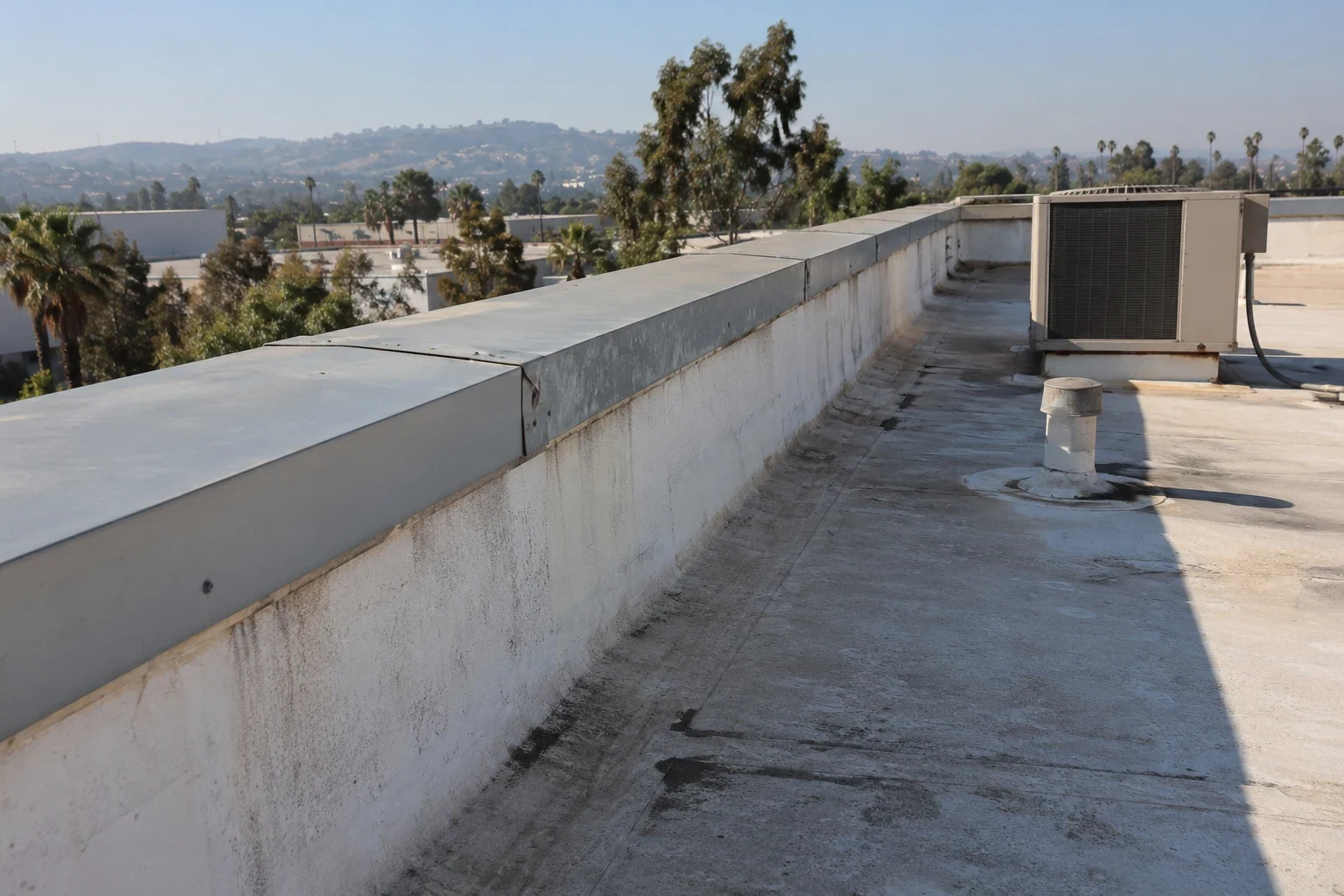
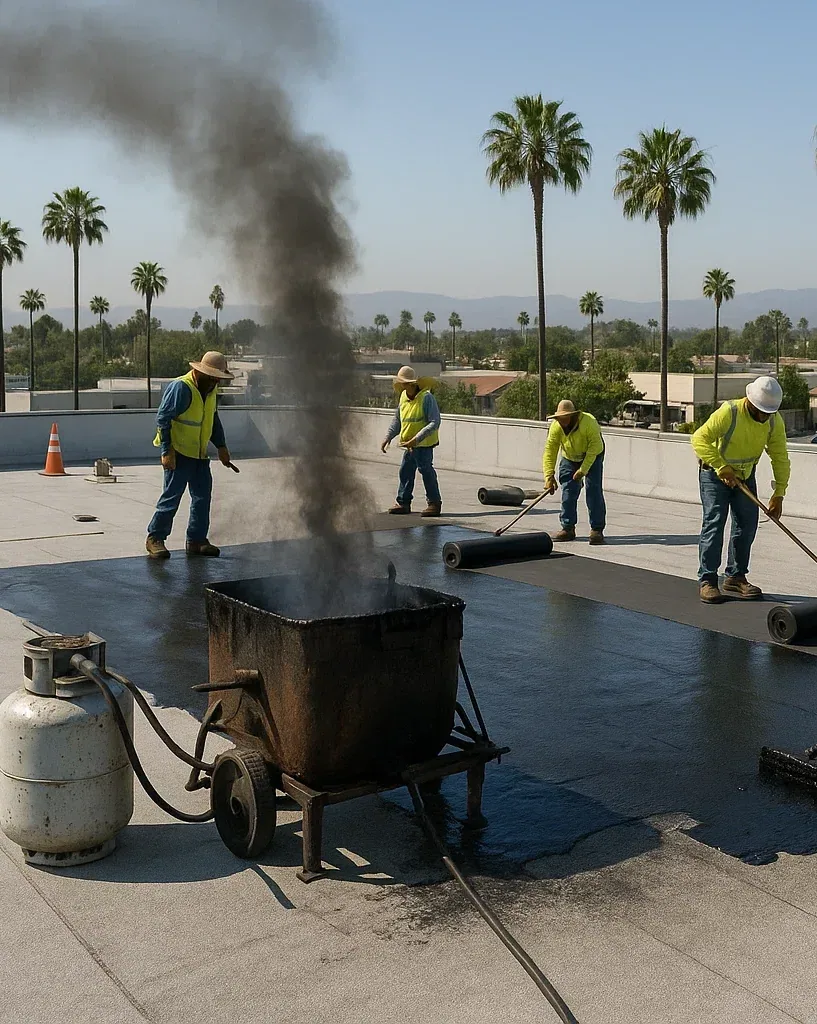
A failed wall flashing or curb detail should be fixed before panels go over it. Once an array is in place, reaching that spot may mean pulling panels. We compare the array footprint with the repair locations and leave clear routes for maintenance. A commercial roof repair done before solar uses compatible materials and replaces wet insulation at each detail. A quick patch may get the roof through a season, but not through the life of the array.
Marina Bay sits on open waterfront where wind and salt air reach the roofs. Before panels are added there, we check how the attachments will meet the existing roof and its framing. We plan the repair around your building’s access rules and any equipment another trade has to move. You should see the full order of work before comparing a small repair price with the complete prep. A pallet of new parts does not make a blocked detail reachable. Before scheduling, we confirm the roof area, the right contact and any limits on interior access or material handling.
Compare roof options
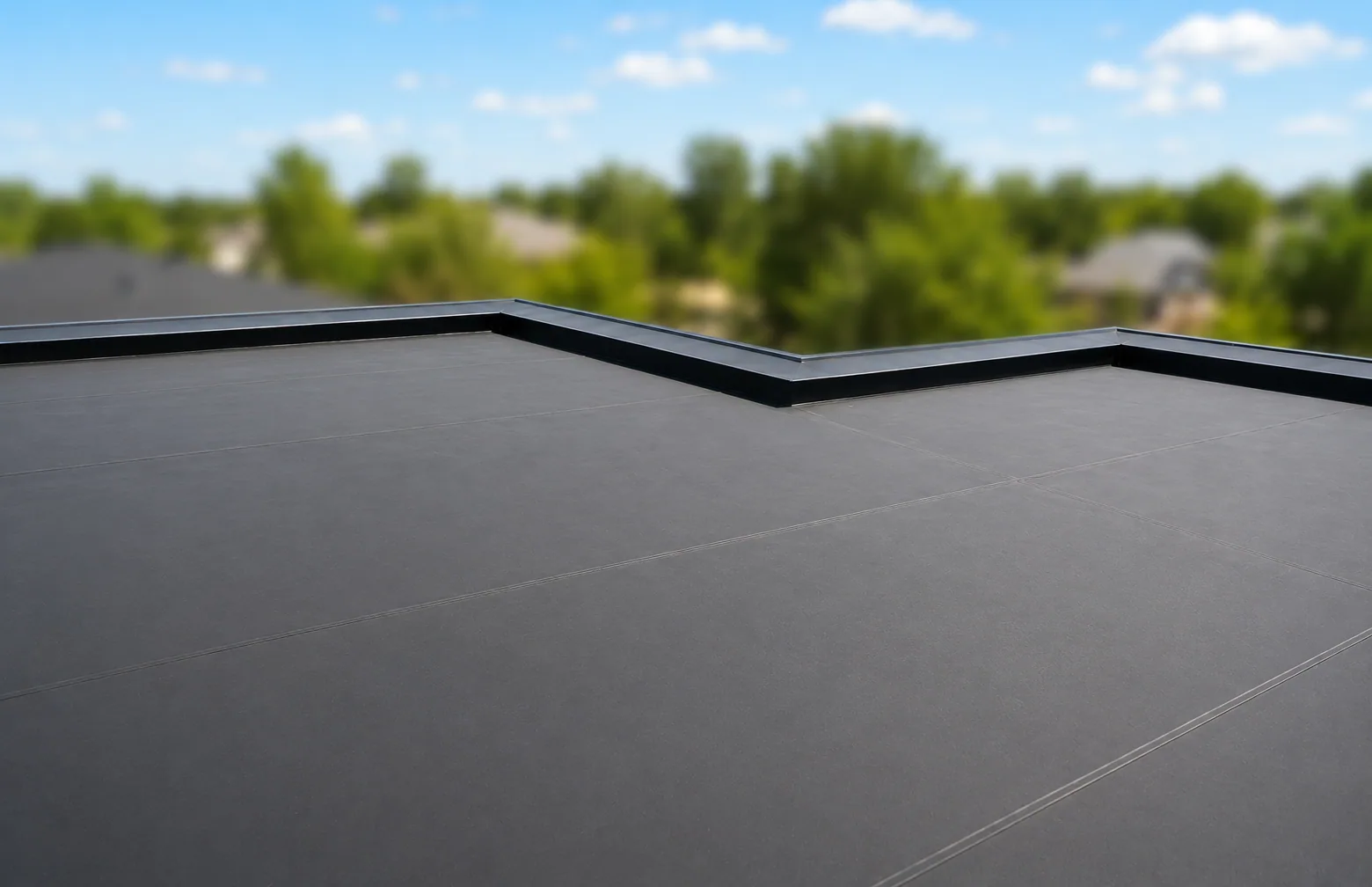
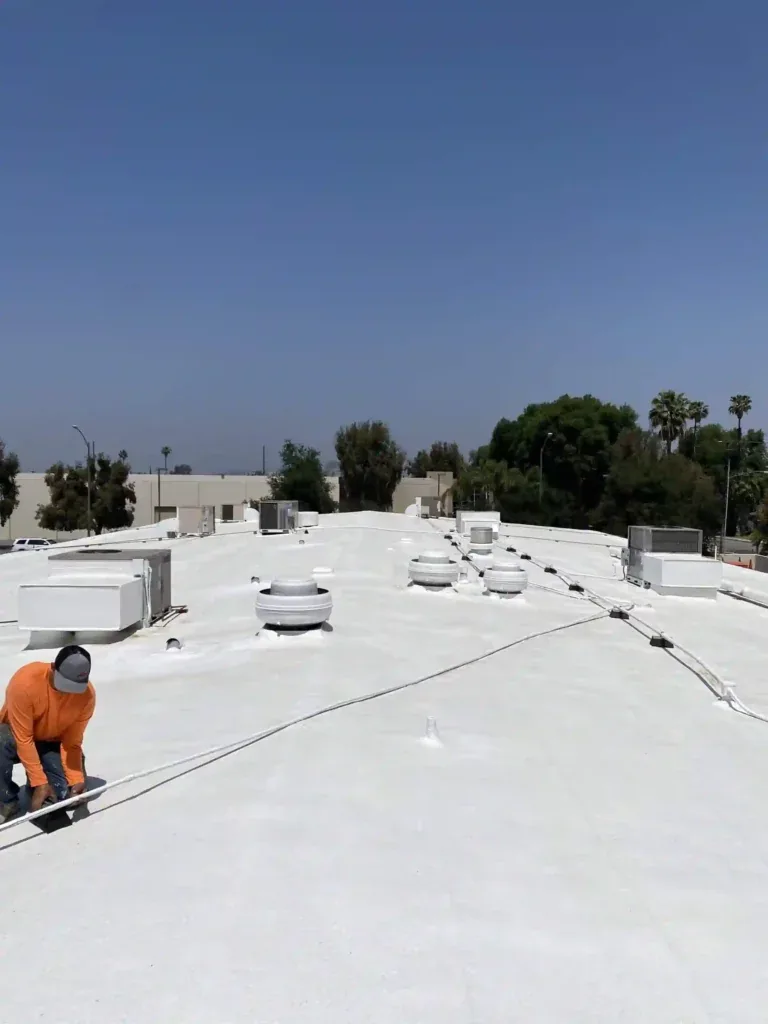
For solar ready roofing, the attachment points and future penetrations belong in the reroof scope. TPO is common under solar arrays, and an EPDM roof can also work, with its own flashing methods and accessories. We keep the same insulation and repair work in each option, so the comparison shows real differences in tear-off, details and prep. You should see the full scope next to each membrane’s price.
Solar also changes the timing of your next roof. If the roof is near the end of its life, a roof replacement before the panels go on often makes more sense than tearing off and resetting the array a few years later. We base that call on the roof’s condition, not just its age. If there is a manufacturer warranty, check its rules for solar attachments and penetrations before installation, and get unclear terms answered in writing. Solar output and structural design stay with the solar installer and engineer. A product name or a general “solar ready” label does not answer those questions.
Keep the roof reachable later
For solar projects in the Port of Richmond area, we record where we repaired the roof and what we installed near each planned mount. We take photos of the insulation and flashing work and keep our roofing work separate from the solar installation, which the installer documents. Roof inspections we did go with our record; areas we never tested are not covered by it. You should also know how a crew will reach the details that will need maintenance later.
Roof maintenance after solar goes in needs a plan: walkway paths between panel rows, access to drains and curbs, and who to call if the array has to be moved for a repair. Get any unclear warranty terms answered in writing and keep the answers with the roof records. The record should say what we made ready and what still needs work. If a leak shows up under the array years from now, you can check it against the exact repair and tell roofing work apart from the solar system.
Commercial Roofing Questions
Does planned solar mean we can keep the existing roof?
Only if the roof is in good shape. We core the array area and fix wet insulation and failed details first, because getting under the panels later is slow and costly.
What should the roof scope include for a solar mount plan?
The specific mount locations, flashing for each penetration, walkway pads and any insulation repairs under the array. Structural and electrical review stays with the engineer and solar installer.
Does the membrane choice settle how panels attach?
No. The mounting system and structural design decide that, reviewed by the solar installer and engineer. The membrane choice decides which flashing methods and accessories we use.
What records help with future roof work around the panels?
Where we repaired the roof, what we installed and how to reach drains, curbs and other details. Keep warranty rules for roof alterations and contact info for the solar installer with that record.
Tell us about the planned solar array