Local weather advisory
Coastal Flood Advisory: Commercial Roof Help in Richmond
The National Weather Service has issued a coastal flood advisory covering Richmond. Heavy rain and drainage loading can expose roof leaks, blocked drains, and ponding water. This is a weather exposure advisory; it does not establish damage to a specific roof.
Do not access a roof during hazardous weather. Protect people first, avoid water near electrical equipment, and request roofing help when conditions permit.
National Weather Service · Updated Oct 28, 2026, 7:20 AM UTC
Commercial Roof Seam Repairs in Pittsburg, CA
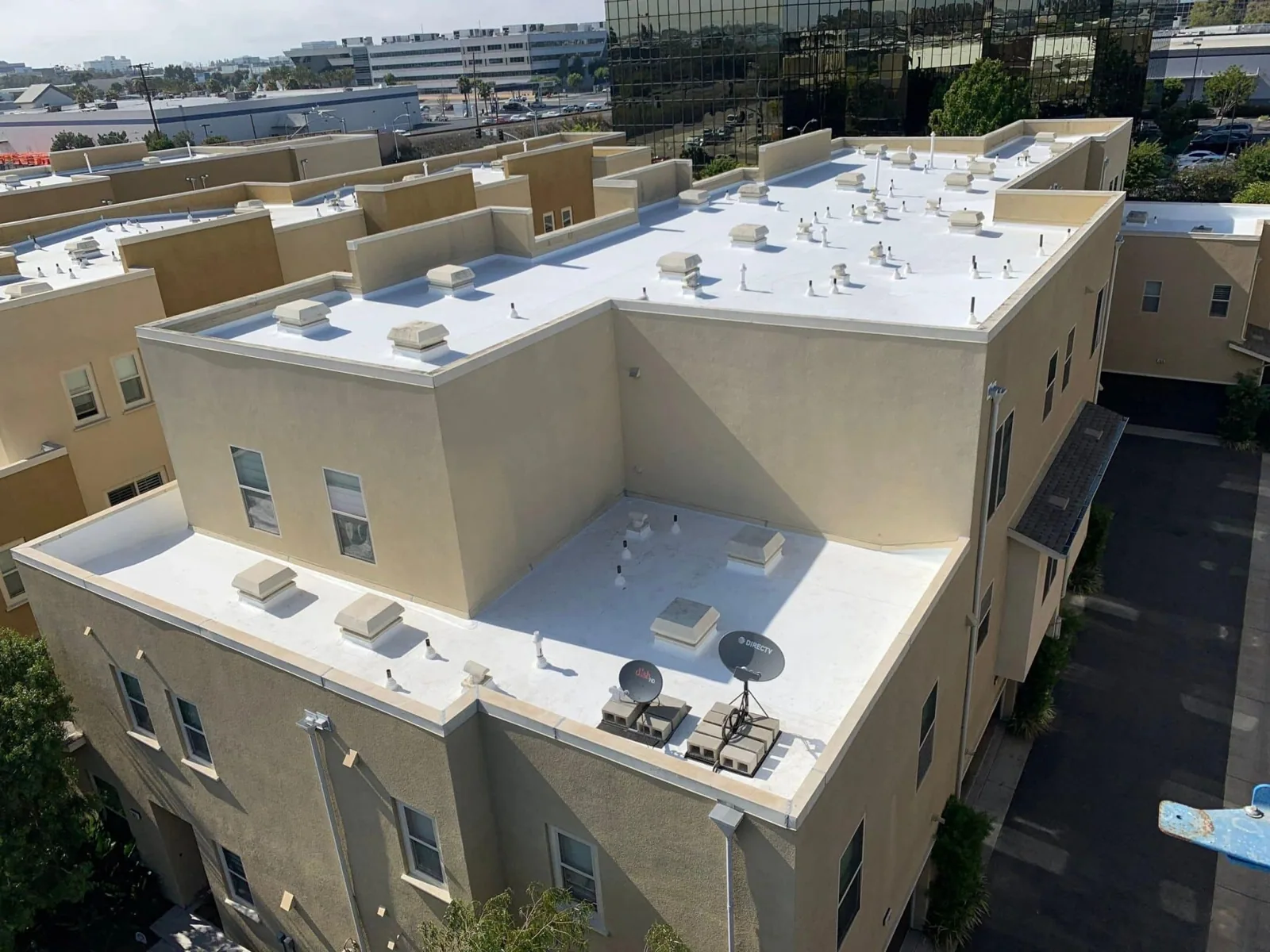
An open seam on a Pittsburg commercial roof often looks like a small, simple fix. The visible gap shows where two sheets of membrane came apart, but it does not tell you how sound the surrounding membrane is or whether water has reached the insulation underneath. We check both before choosing how to rejoin the seam. Our proposal then lays out how materials get to the roof, how much will be opened up and the order of work that seals the seam for good.
Our Richmond, CA crews serve Pittsburg, on the south shore of Suisun Bay along State Route 4. The city has steel and chemical plants, Los Medanos College and two BART stations, but none of that tells us what is on a given roof. We check the membrane, the seam and the delivery access at each building. Our Martinez roof repairs work the same way: separate the open seam from any damage underneath before deciding where the crew and materials go.
Know the membrane before repairing the seam
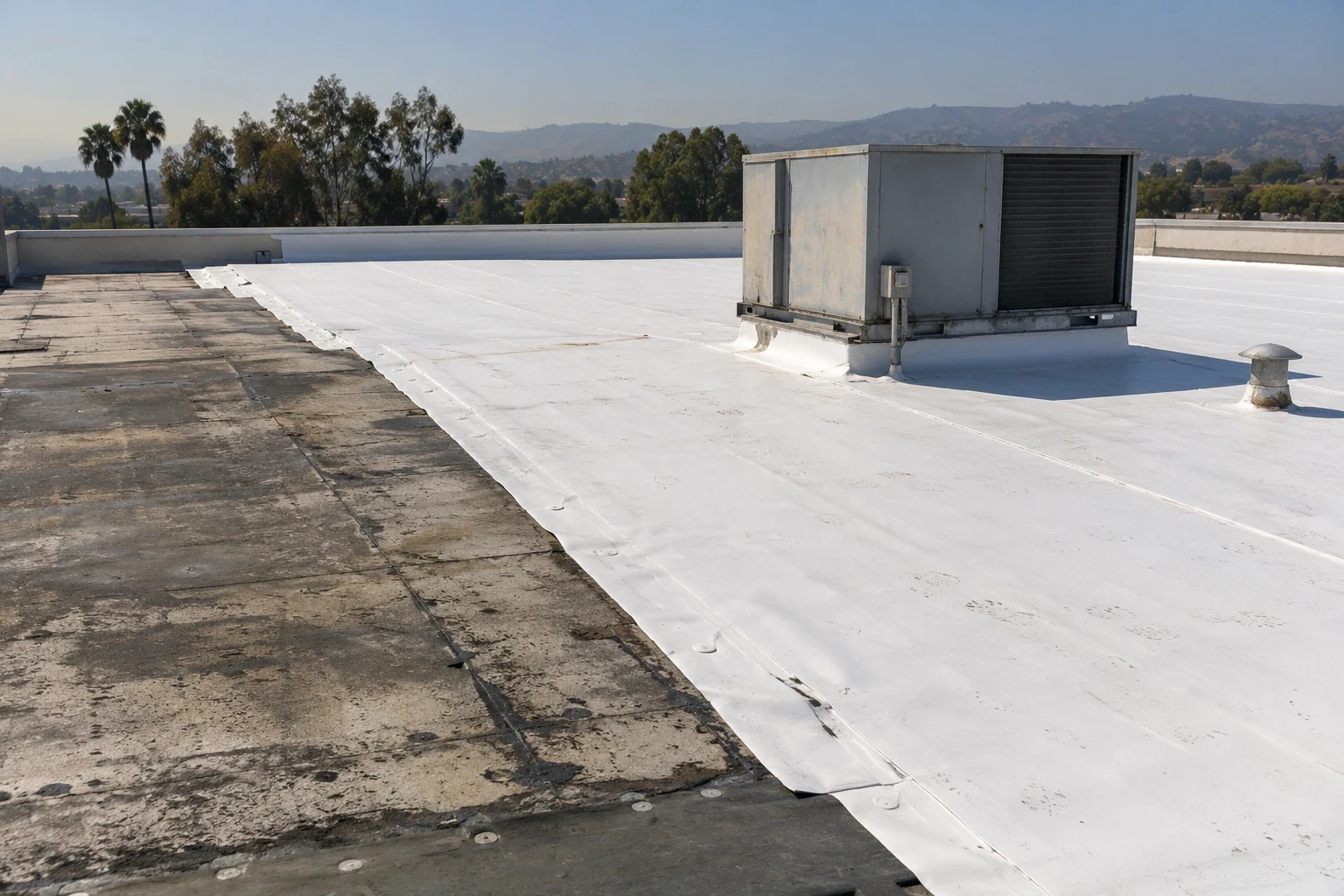
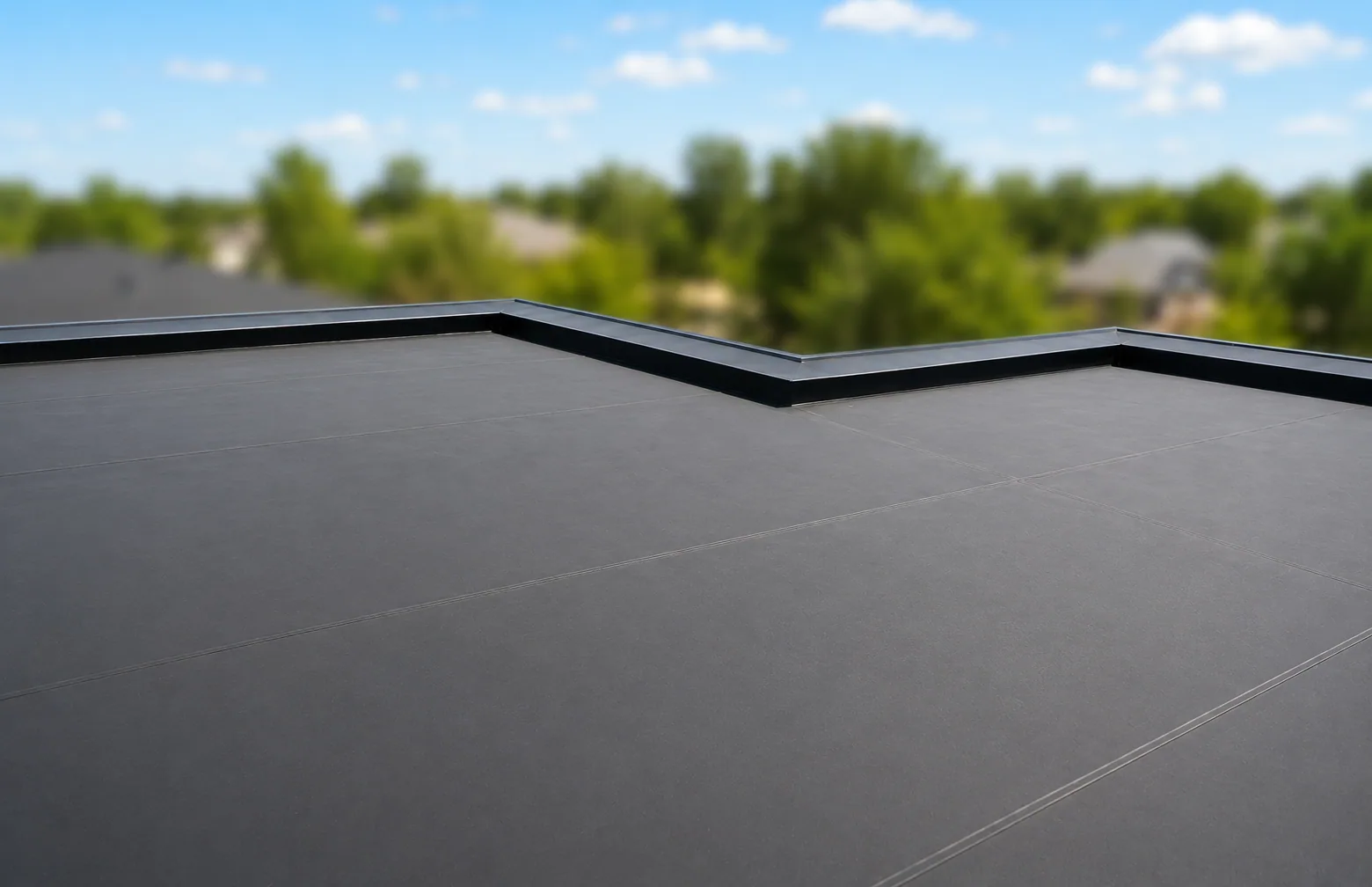
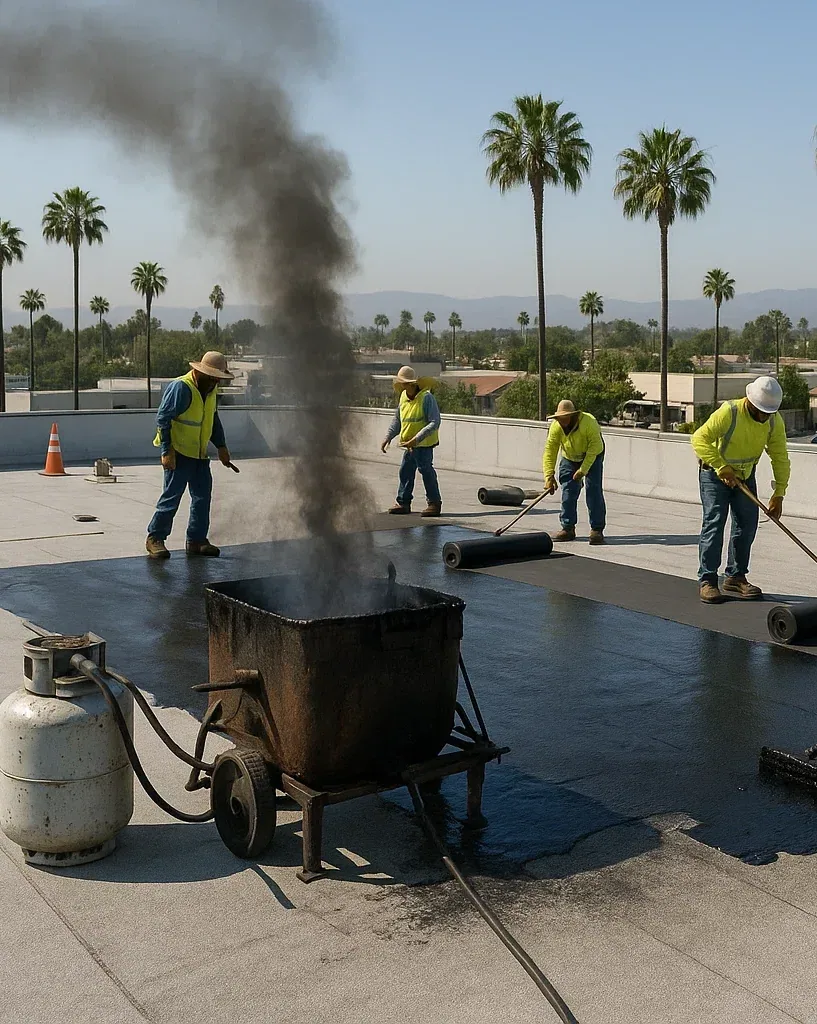
Commercial membranes are not all seamed the same way. TPO and PVC are heat-welded, EPDM uses tapes and adhesives, and modified bitumen is torched or set in adhesive. The repair has to match the existing roof, and the material around the seam has to be in good enough shape to bond to. Looks alone can fool you, so we check any roof records along with the membrane itself before picking materials and prep. We then tell you what came apart and whether a local repair will hold.
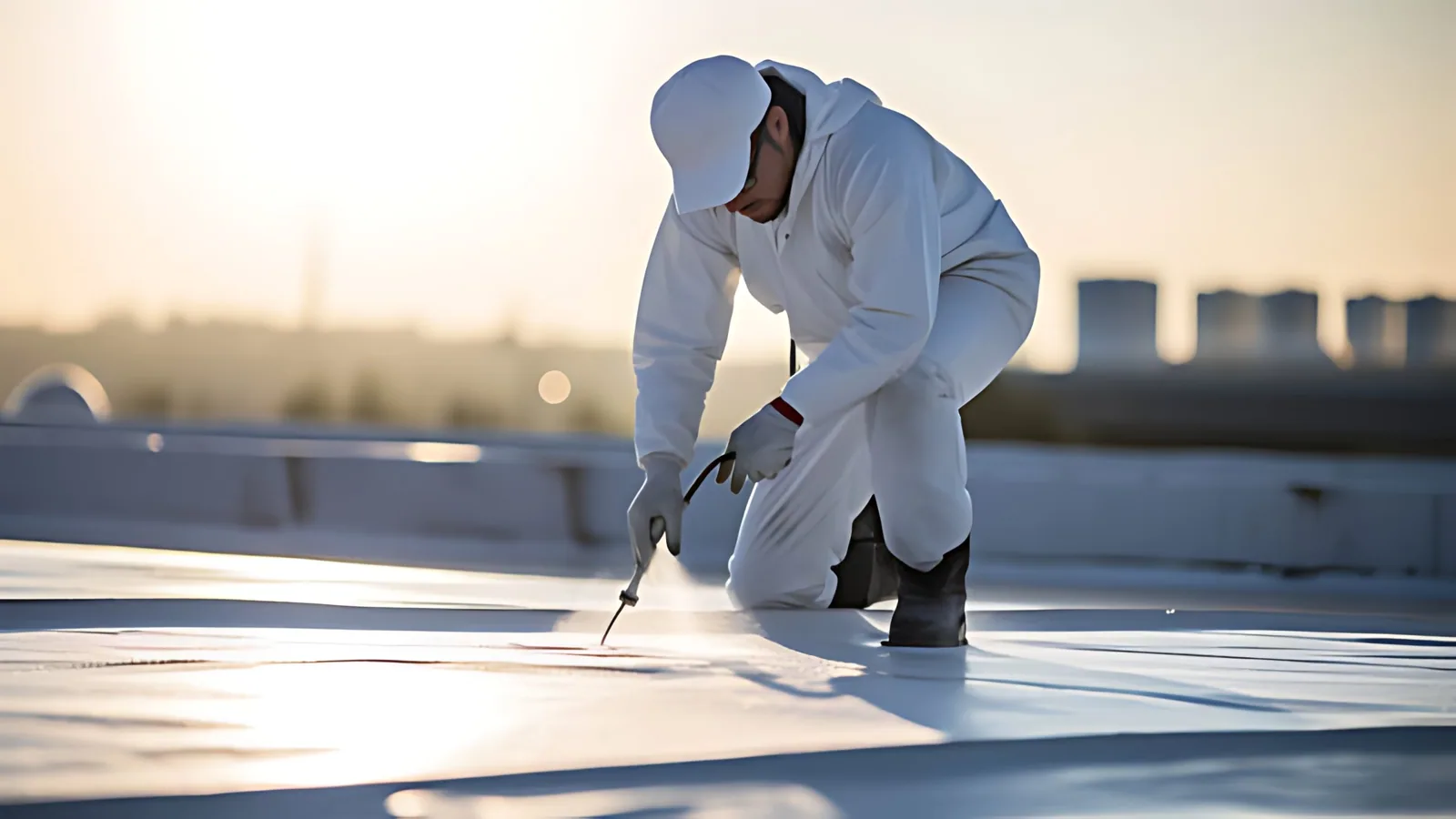
Our TPO seam repairs depend on cleaning and prepping the sheet properly and using the right welding settings for its age and condition. Rubber and asphalt roofs need different methods altogether. We do not swap in whatever closes the gap. If the existing membrane is too weathered to weld or bond directly, a larger patch or a replacement section may be needed, and we size it based on where the roof is still sound, not on how narrow the gap looks.
An open seam can soak the layers below
Water that gets in through an open seam can soak the insulation or cover board below it. We check the area around the seam and test for moisture when there is reason to suspect hidden damage. A wet reading has to be confirmed before it decides how much comes out. You get a clear picture of three things: the seam failure you can see, the damage we confirmed under it, and anything that still needs a closer look.
When wet layers have to be removed, we inspect the deck once it is exposed and rebuild with proper support and a clean tie-in to the existing roof. Our insulation and cover board replacement under a damaged seam is documented separately from the new membrane on top. That keeps a fresh patch from hiding wet insulation, and explains why some seam repairs involve more than closing the gap.
Plan the route across the roof
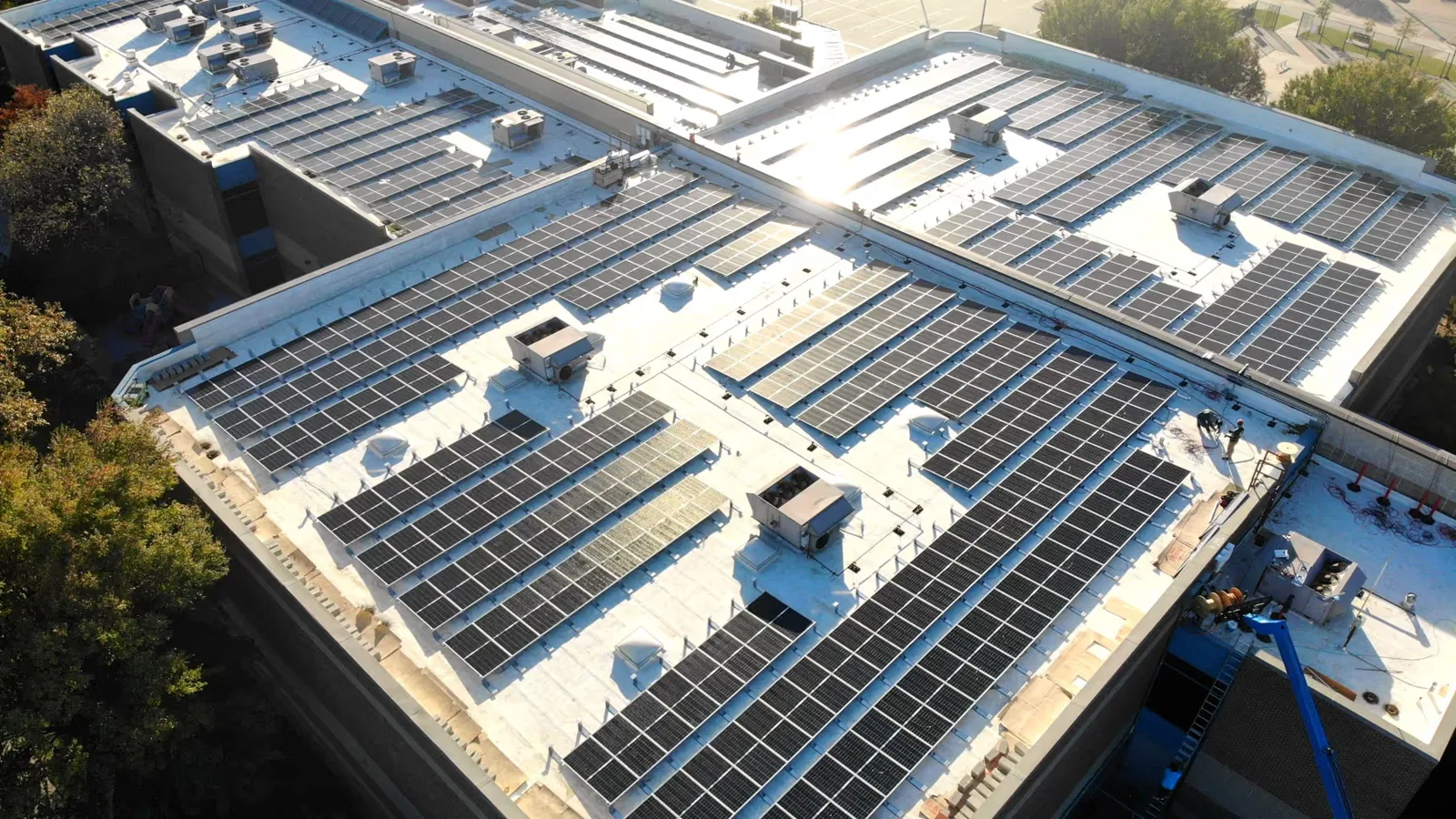
A long seam repair may sit well away from the roof hatch or ladder. We check the path across the roof, the rooftop equipment in the way and the space we have to work before setting a schedule. You tell us which rooms below are occupied and which hallways need to stay open. Materials going up and debris coming down need a route that respects those areas. We plan that route before we open the roof, so any exposed area can be closed quickly.
We confirm the entrance, the delivery spot and the way up to the roof with your building contact before anything is moved. Our crews plan the same way for commercial buildings in Benicia, checking the real roof route and room to handle long rolls. If wet insulation or a damaged deck has to be fixed first, that happens before the new membrane goes on, even if the materials are already on the roof.
The repaired seam needs solid edges
A new strip of membrane can cover the gap and still end on weak material. We find solid membrane past the damaged area and prep it properly before tying in. The ends and corners of the patch matter as much as the middle. A patch that is sealed in the center but loose at its edges has not fixed anything. Our scope covers the whole repair, edges included.
If the surrounding membrane is too worn to hold a small patch, a wider repair may make more sense, and we only recommend that after inspecting it. Our commercial roof repairs spell out what stays and what gets replaced. We also separate other problems from the seam itself. A curb or wall flashing next to the seam needs its own inspection; patching the field seam does not fix it.
What we find decides the next step
When we finish, the record shows which seam failed, any wet layers we replaced and how the new seam was joined. Photos taken while the roof was open show conditions the new membrane covers. Parts kept and parts replaced are listed separately. If another leak shows up later, it can be compared against a clear record instead of a blurry photo of new membrane. Anything outside the approved work stays on the list as a known next step.
If several seams are failing, it may be time to look at the whole roof before paying for more spot repairs. We compare the conditions and tell you whether the pattern changes the repair-or-replace decision. A roof survey for a property decision can separate the urgent fixes from bigger concerns. Emergency service is available for active leaks, and we are clear that a temporary patch is not the final repair.
A seam repair also has to end past the visible split. We check whether the seam runs into an old patch, whether the membrane can be cleaned and prepped, and whether a drain or curb gets in the way of the weld. Those details decide how long the repair is and how it is finished.
Commercial Roofing Questions
Why identify the membrane before closing an open lap?
Because different membranes are joined in different ways, and the existing sheet has to be in good enough shape to bond to. We identify the roof system and the failed seam first, so the repair fits the roof you have rather than just patching over the gap.
Does a moisture reading decide how much material comes out?
Not on its own. We confirm wet areas with methods that suit the roof, usually core samples. That gives the tear-out a clear basis, instead of assuming the whole area is wet or dry.
What can make a narrow seam defect need a wider patch?
The solid membrane needed to tie into may be further out than the visible gap. Worn membrane, wet insulation and the seam layout all affect the size. We explain which one drove it so the patch ends on good material at every edge.
Can another nearby detail be included without its own examination?
No. A curb, wall or penetration has its own flashing and may need a different repair. We inspect it and price it separately. Patching the field seam does not fix a raised detail next to it.
Which findings suggest reviewing more than the first failed lap?
Similar open seams elsewhere on the roof, or membrane that is too worn to hold a repair. We compare what we find before recommending more work, and keep the urgent fix separate from any larger repair or replacement decision you would need to approve.
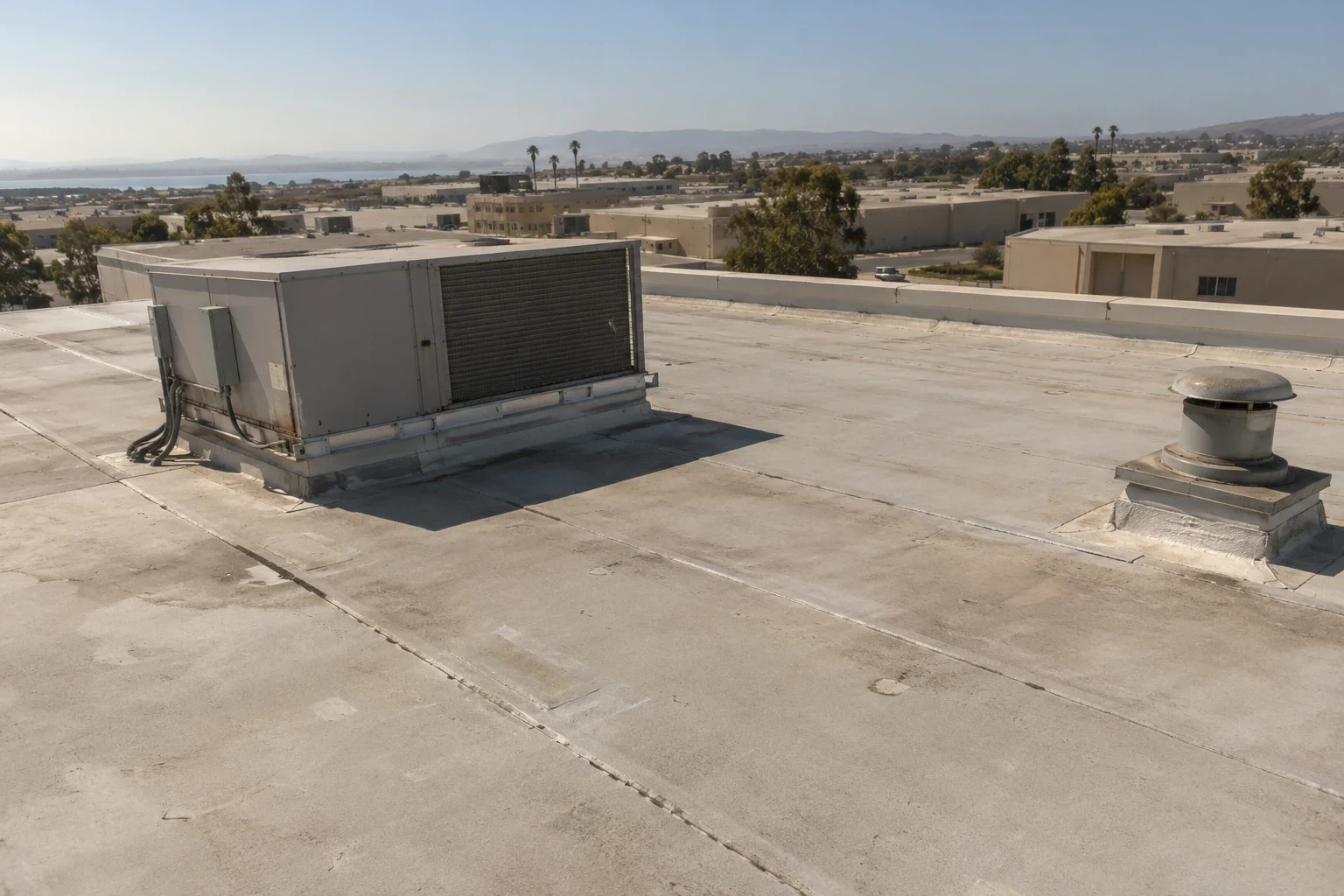
Find out how big the seam repair really is