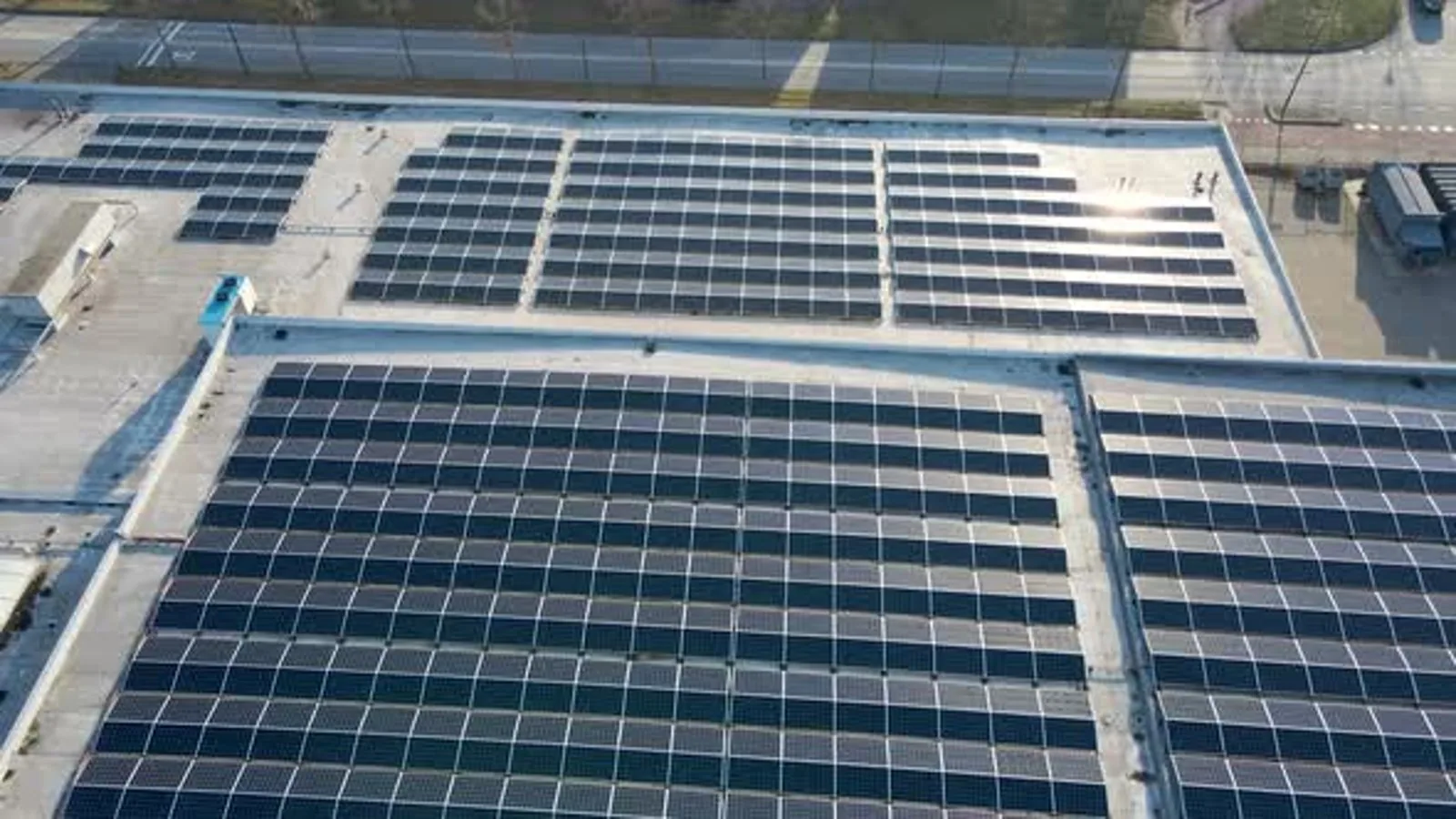
Due Diligence Roof Surveys in Richmond, CA
A buyer walking a Richmond building during escrow usually has one roof question: am I inheriting a repair bill, and how big is it? A lifted edge, a soft spot near a drain or a patched curb can change the answer. Our due diligence roof surveys in Richmond, CA, give you a clear picture before you commit. We walk the roof, photograph the problems we find, check the edges, drains, seams and rooftop units, and tell you plainly which items need work now, which can wait and which we could not judge without opening the roof. The goal is a report your broker, lender and future facility manager can all read, with no promise about parts of the roof nobody could see.
Buildings around Downtown Richmond often come with a stack of old invoices and warranty letters. Office building roofs are a good example: the seller may hand over a repair receipt from years ago, and it is only useful if it matches the area we are standing on. We check that before relying on it. Anything we could not reach or see, such as the deck under a wet area or flashing behind a cladding panel, is listed as an open question with a suggested way to answer it before closing.
Find the problems that affect the purchase
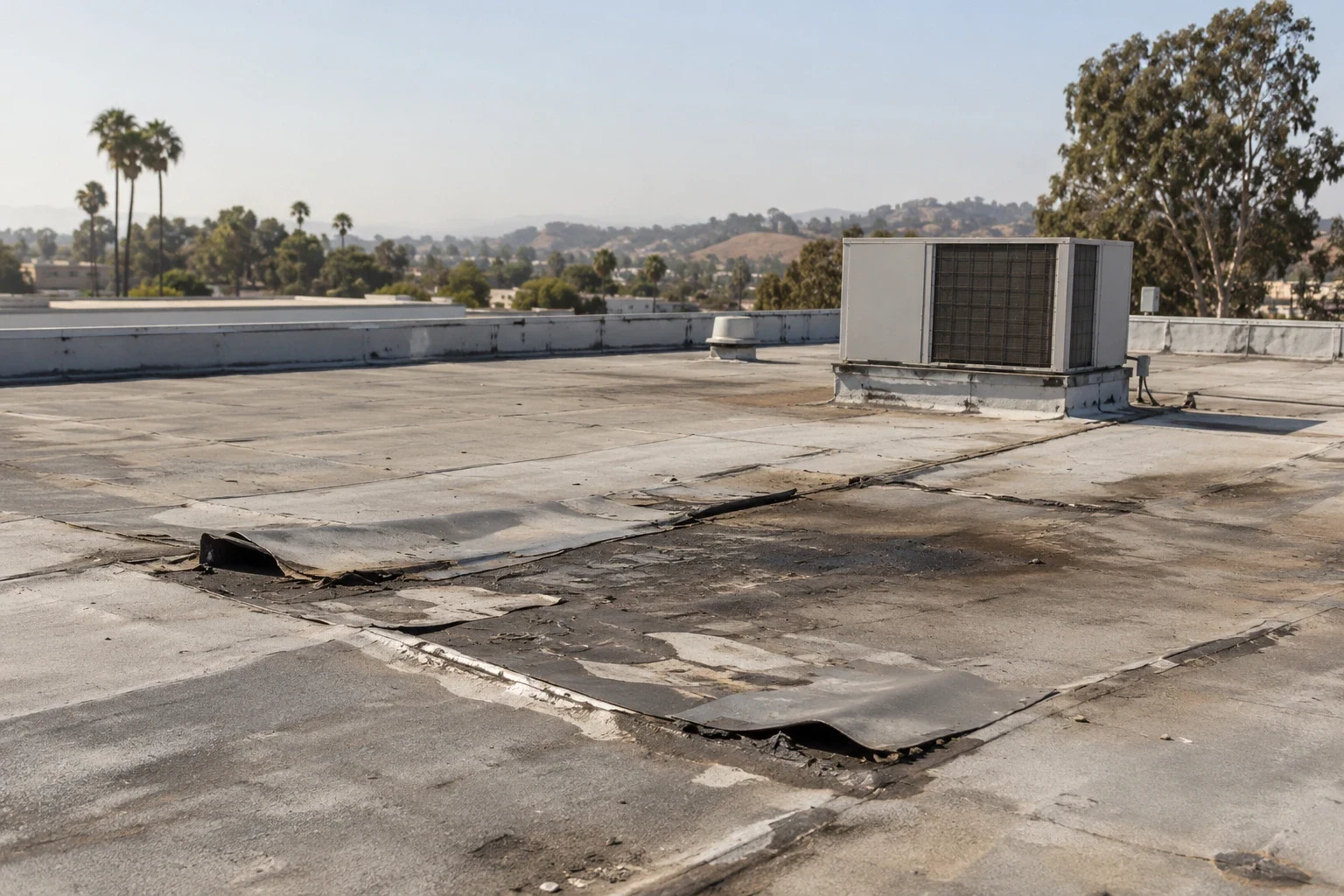
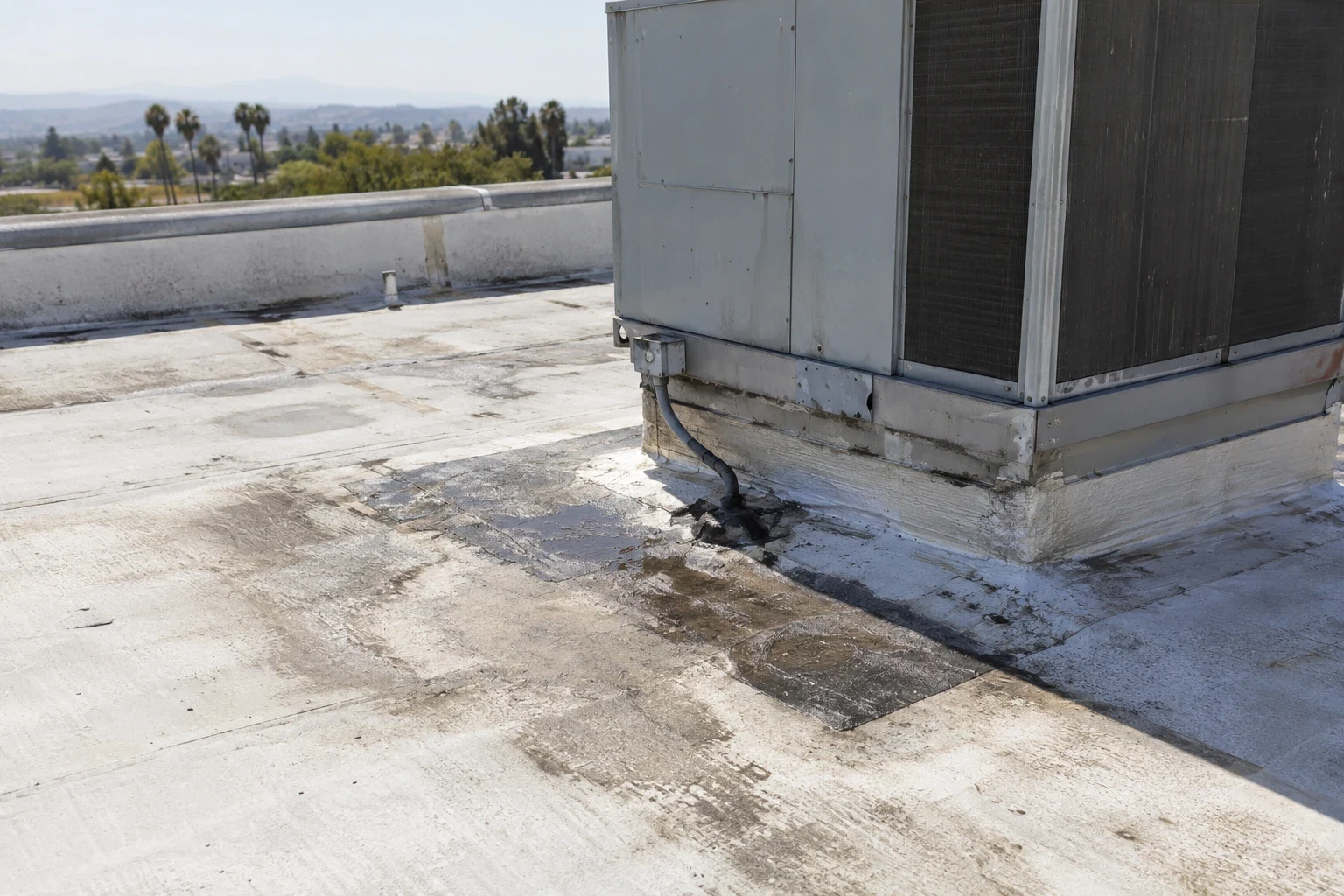
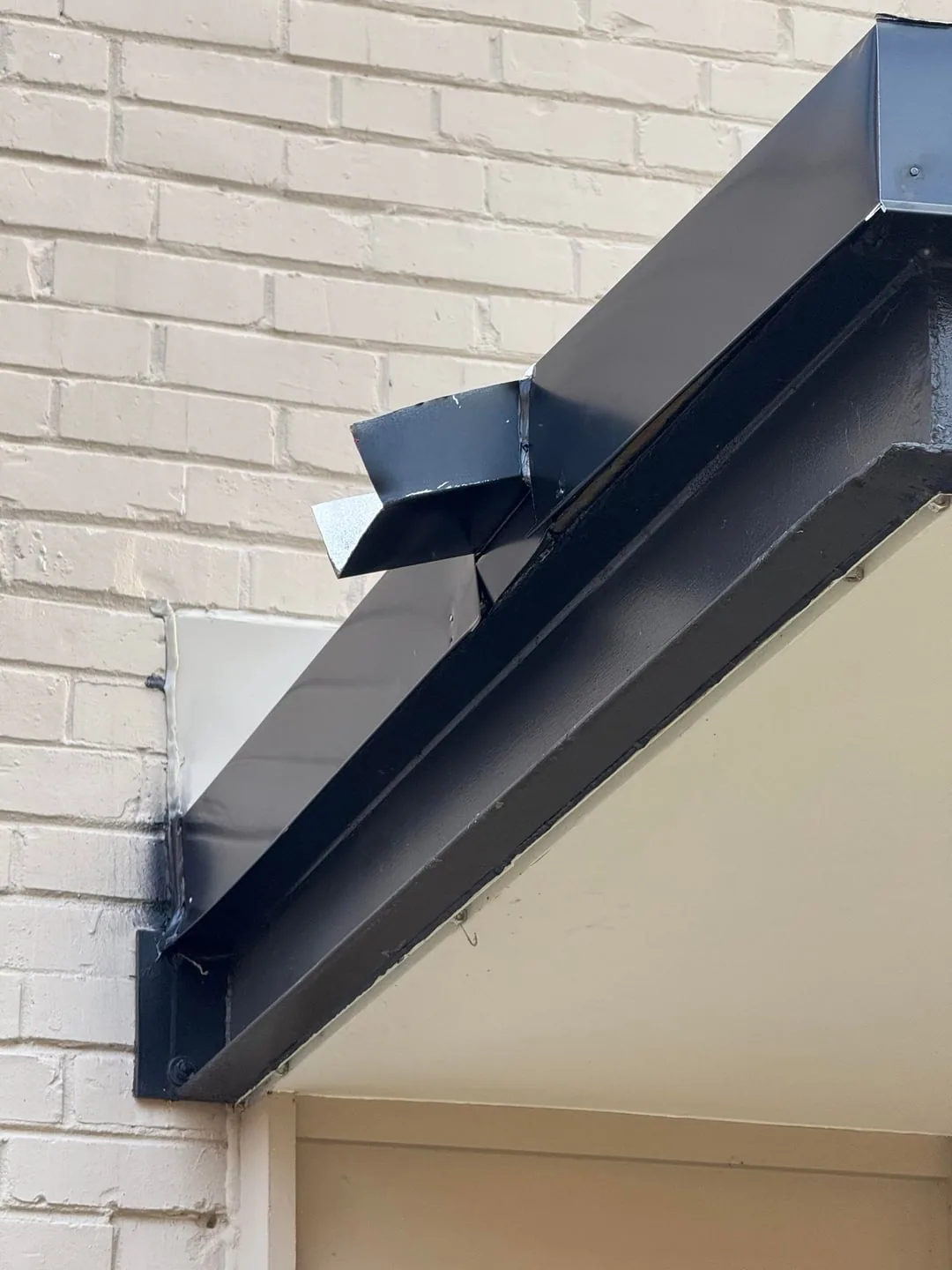
A loose perimeter edge is a common find. The metal or membrane has lifted, but the fasteners and wood blocking behind it are hidden, so we look closely at the exposed section and note whether the same thing is starting at other corners. One bad corner does not mean the whole perimeter has failed, and we will not price it that way. What you get is a marked-up roof plan showing where each problem sits, with photos tied to those spots so a seller, a contractor or your own team can find them later.
A proper commercial roof inspection separates normal aging from defects that actually let water in. Old coatings can hide open seams or cracked wall flashing, so we say where a coating limited what we could see. Seller paperwork helps us decide where to look, but it does not replace what is on the roof today. If one extra test, such as a few core cuts, would settle a question that matters to the price, we recommend it and explain why.
Can the existing roof stay?
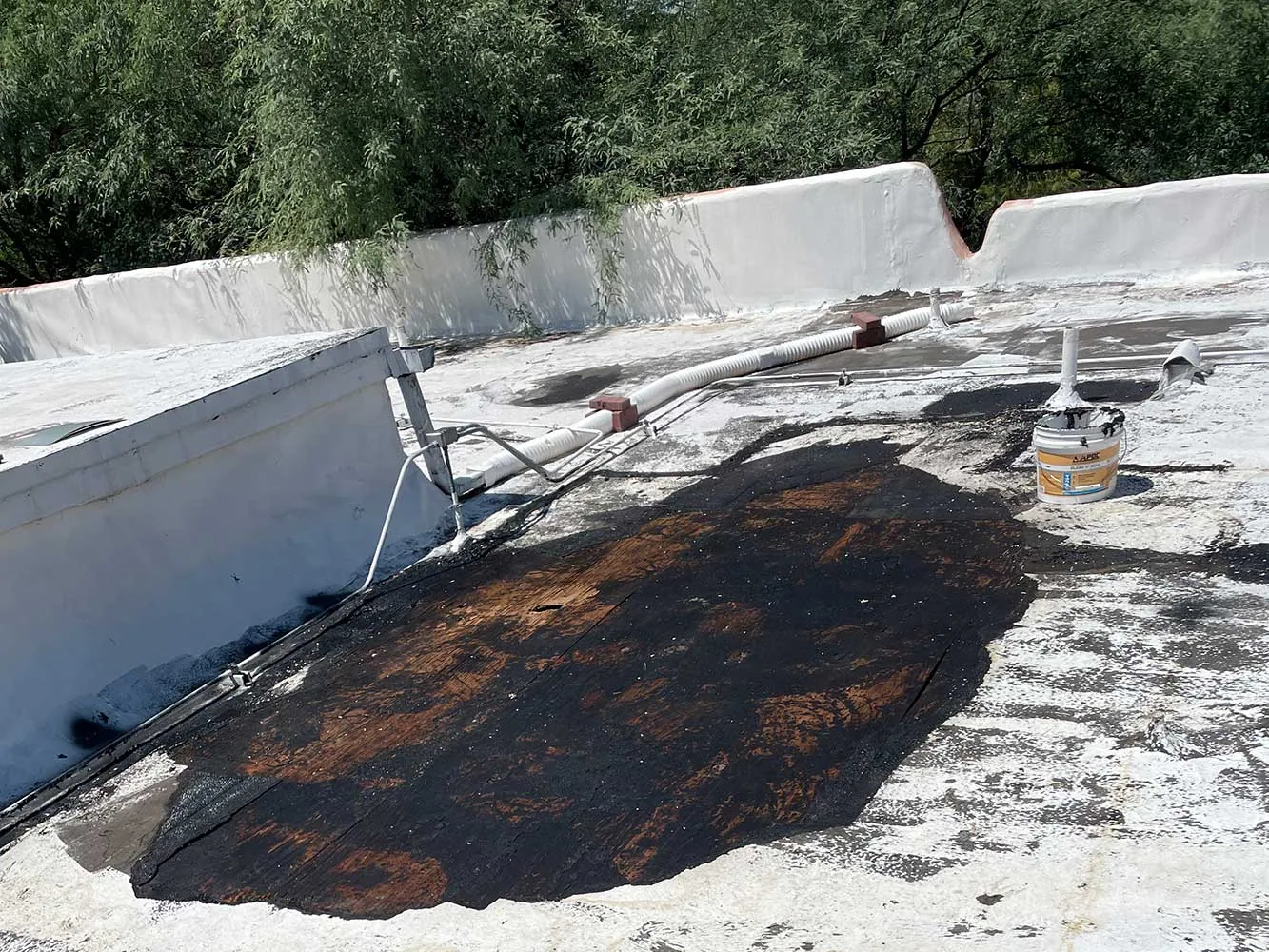
Many deals assume the current roof can be kept and repaired, or covered with a new layer. That only works if the insulation is dry and the deck and edge blocking are sound. Wet insulation, rusted deck or rotted wood at the perimeter can turn a modest repair budget into a tear-off. When those layers decide the outcome, we recommend moisture testing or test cuts at specific spots. A clean-looking surface or a seller's preferred plan is not proof that the hidden layers are in good shape.
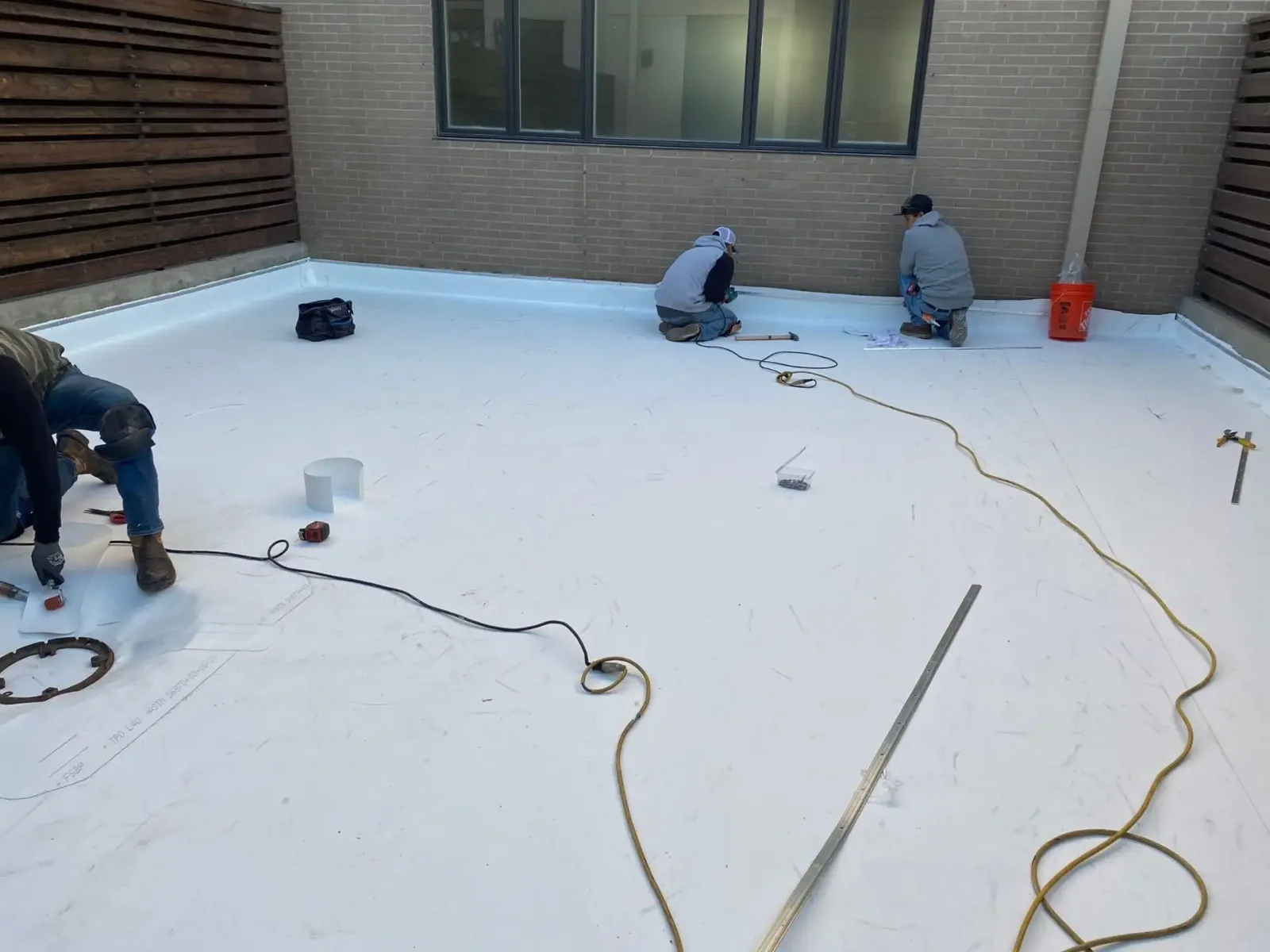
If a roof recover is on the table, we check whether the existing roof can hold new attachment and what the added height does at drains, parapet walls and equipment curbs. Raising the roof a few inches can mean extending curbs, resetting drains and rebuilding edge metal, and those costs belong in the comparison from the start. We lay out what a recover would really involve next to a full tear-off, so you are not comparing a partial price against a complete one.
A pre-purchase roof survey should separate what was visible from what was hidden. We list the areas inspected, penetrations, drainage and edge conditions, then state what we could not check. If moisture or attachment uncertainty could change the budget, the report suggests a specific follow-up test instead of guessing at a quantity. You can then weigh known repairs against a sensible contingency for the unknowns.
Access and survey limits
Escrow timelines are short, and a one-hour roof walk cannot answer everything. We confirm with the property manager or seller's representative how we get on the roof and what we are allowed to do there. Walking the roof is one thing; cutting test holes or opening equipment panels usually needs separate permission. If we were not allowed into an area, the report says so plainly and does not assume it is in good or bad shape. That way you know exactly which questions are still open and can ask for access before your contingency period ends.
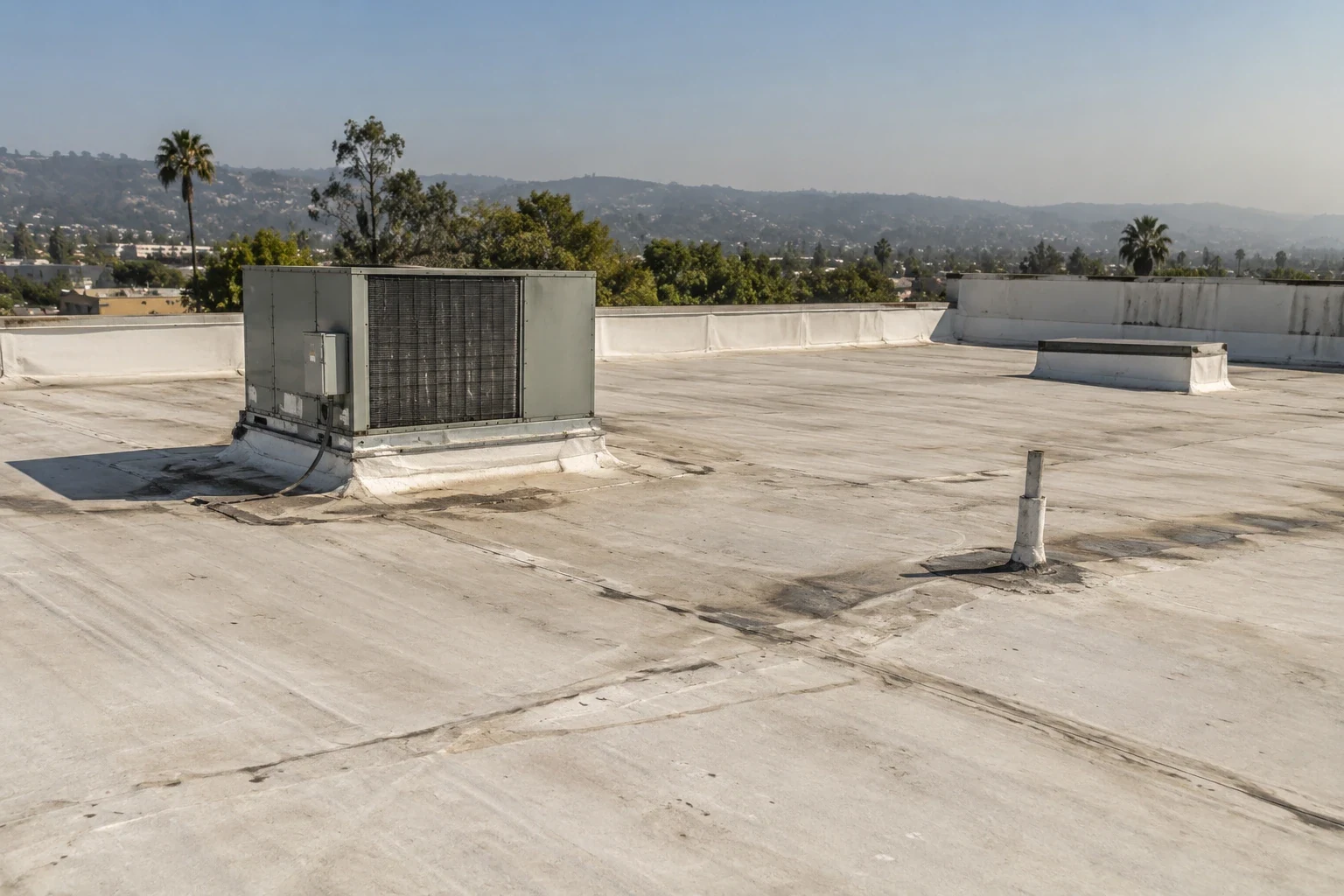
Each property has its own roof hatch, ladder or lift arrangement, including buildings near North Richmond, and we note how the roof is reached. If you later plan repairs, things like crane access for materials, tenant notice and rooftop equipment shutdowns can add cost. We flag those early so a repair number in your purchase review is not missing the practical work needed to get crews and materials onto the roof.
Repair now or replace later
Buyers often have to choose between targeted repairs and budgeting for a new roof. A repaired edge or a few new seams can buy years if the rest of the roof is sound. Widespread wet insulation or repeated leaks may make replacement the better value, with more disruption to tenants. We explain what each option includes, so two prices are actually comparable. If one bid includes replacing rotted blocking and another leaves it out, we point that out. Neither number is a guarantee about hidden conditions, and the report says so.
After purchase, roof capital planning can turn the survey into a budget: urgent leak repairs first, follow-up testing next, and a larger replacement or recover in a later year if the findings support it. Structural or mechanical questions go to the right engineer or trade. We also compare the seller's existing roof budget against what we actually found, so your deal team understands the real roof cost instead of a rough guess.
Carry findings into ownership
Keep the survey date, the areas inspected and the scope of the visit with the closing documents. If the seller makes repairs during escrow, ask for photos and invoices that show exactly where the work was done. Roofs change after a survey: a storm, a new rooftop unit or a careless service technician can damage areas that were fine. The purchase report describes the roof on the day we inspected it, so a new owner should plan a follow-up visit rather than rely on it forever.
Once you own the building, roof asset management keeps the open items from the survey on a list with a next step for each. Areas we could not reach during escrow are worth checking early. Repairs made at closing give you a dated starting point if a new leak shows up. Your facility manager inherits a clear history of what was found, what was fixed and what still needs attention.
Commercial Roofing Questions
Can a roof survey find hidden problems before closing?
Only partly. A visual survey shows the surface, edges, drains and flashings. Wet insulation or a damaged deck needs moisture testing or test cuts, and we recommend those where the answer could change your price.
What should a seller's roof repair quote include?
It should state exactly what will be repaired, what prep work such as replacing rotted wood is included, and what is excluded. Anything uncertain should be listed as a separate allowance, not buried in the total.
Does permission to inspect include cutting into the roof?
Usually not. Test cuts and opening equipment panels need the owner's specific approval, along with an agreement on who patches the openings afterward.
How do you judge whether a roof can be recovered?
We check whether the existing roof is dry and sound enough to hold a new layer, then look at what the extra height does to drains, walls and curbs. We price that against a full tear-off.
What should the new owner keep from the survey?
The report, photos, inspection date, any repairs made during escrow, and the list of areas we could not reach. Each open item should have a next step.
Get a clear roof answer before you close