Local weather advisory
Coastal Flood Advisory: Commercial Roof Help in Richmond
The National Weather Service has issued a coastal flood advisory covering Richmond. Heavy rain and drainage loading can expose roof leaks, blocked drains, and ponding water. This is a weather exposure advisory; it does not establish damage to a specific roof.
Do not access a roof during hazardous weather. Protect people first, avoid water near electrical equipment, and request roofing help when conditions permit.
National Weather Service · Updated Oct 28, 2026, 7:20 AM UTC
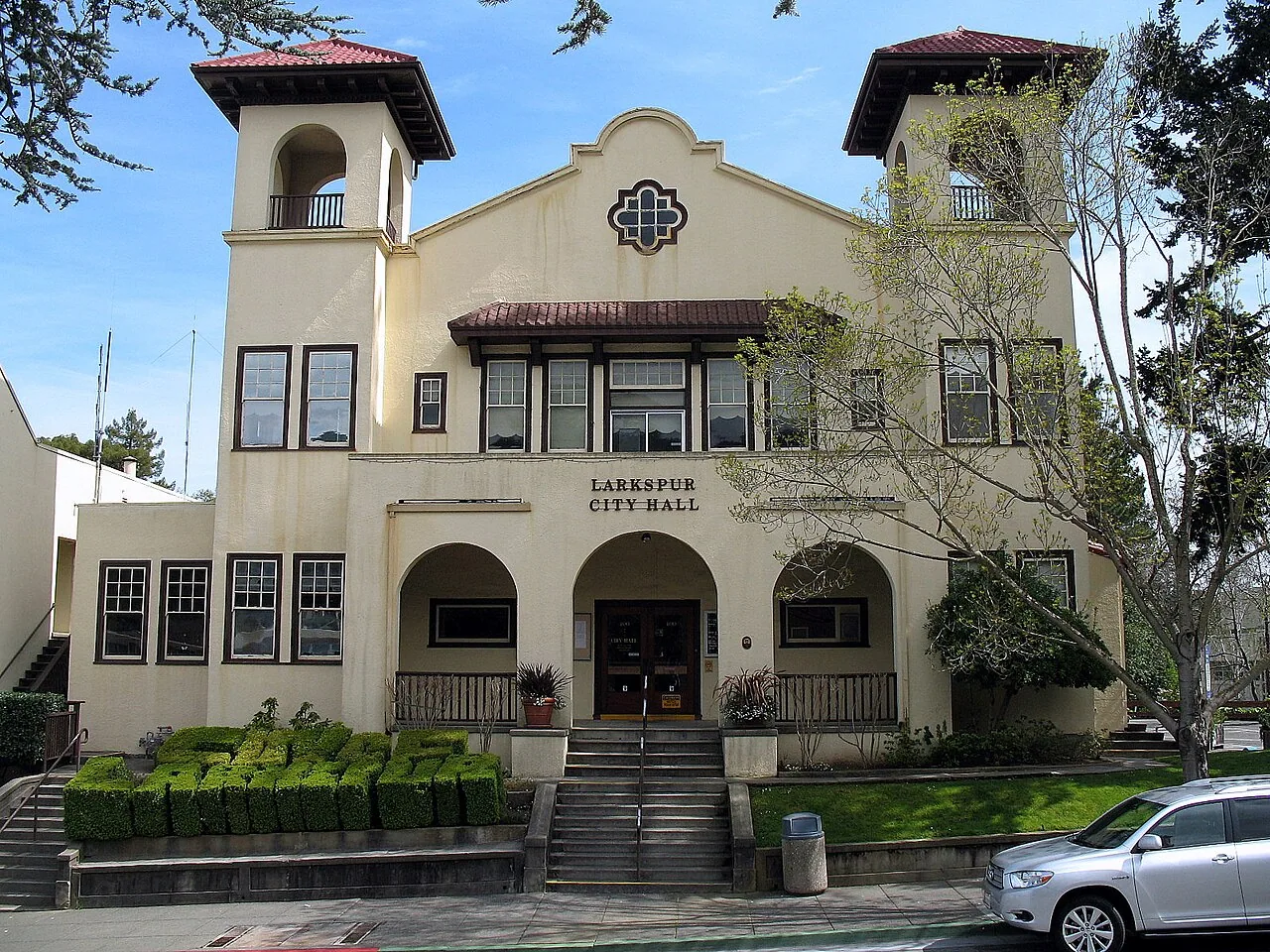
Commercial Roofing in Larkspur, CA
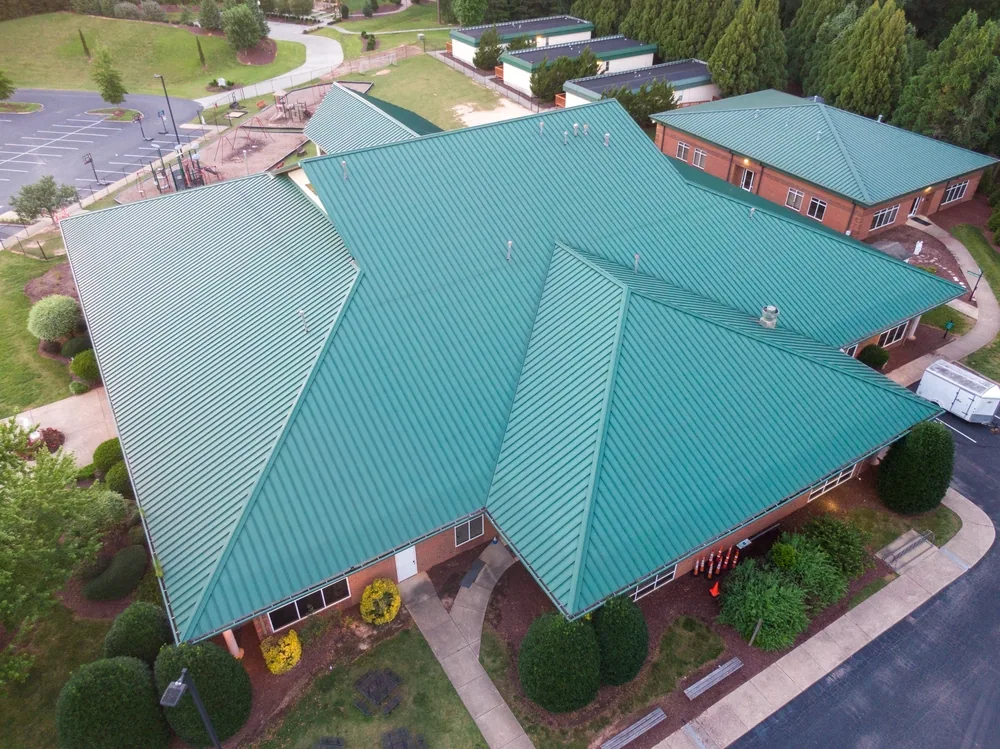
A metal roof seam that has pulled open on a Larkspur commercial building needs more than a fresh bead of sealant along the gap. The panels may have shifted, the fasteners may have stopped holding, or the metal around the opening may be too rusted or bent for a spot repair. We find out which it is before deciding how to close the seam. Then we plan the route onto the roof and the working space around the actual length of panel involved.
Our commercial roofing service from Richmond, CA includes Larkspur, where much of the commercial activity sits around the ferry terminal at Larkspur Landing and the historic downtown. Ferry and SMART train traffic near Larkspur station can affect deliveries and parking for a roof job, but it tells us nothing about any one building's roof. Our San Rafael commercial roofing work starts the same way: with the problem we find on site, then the route for materials and the order of the permanent repair.
The joint movement needs room
Metal panels grow and shrink as they heat up and cool down. A roof seam has to allow that movement and still keep water out. When a seam opens, we look at how it's formed and fastened instead of assuming more screws will fix it. A fastener in the wrong place can pin the panel so it buckles or tears somewhere else. The repair follows the way the roof system was designed and the condition of the surrounding metal, with a closer review of the detail if the findings call for one.
A lap that has slipped apart is a different problem from a panel that has torn around a fastener, and we note them separately because the fixes differ. Work on standing seam metal roofing starts with identifying the panel profile and how the seams lock together. The visible line doesn't show how the hidden clip or lock is holding up. If we need to open the seam to see, we include that step and the reassembly in the estimate before you approve the permanent repair.
The metal around the gap sets the limit
Any repair product needs a sound surface to stick to. Peeling paint, rust, bent metal or a seam that is still moving will keep a new seal from holding. We check the metal beyond the visible gap and list the prep the chosen repair needs, such as wire-brushing, priming or replacing a section of panel. Sealing over bad metal can look finished without actually closing the seam. Our repair list states plainly which panels can be cleaned and sealed and which need to be replaced.
Fasteners need something solid to bite into. A screw that spins without tightening can't be judged by its head alone. We check what it's fastened to and keep the roof panels separate from the framing underneath. Our commercial roof inspection records those differences. If we see signs of a structural problem or a change in load, we flag it for an engineer rather than pretending a bigger patch can solve it.
The sheet route affects handling
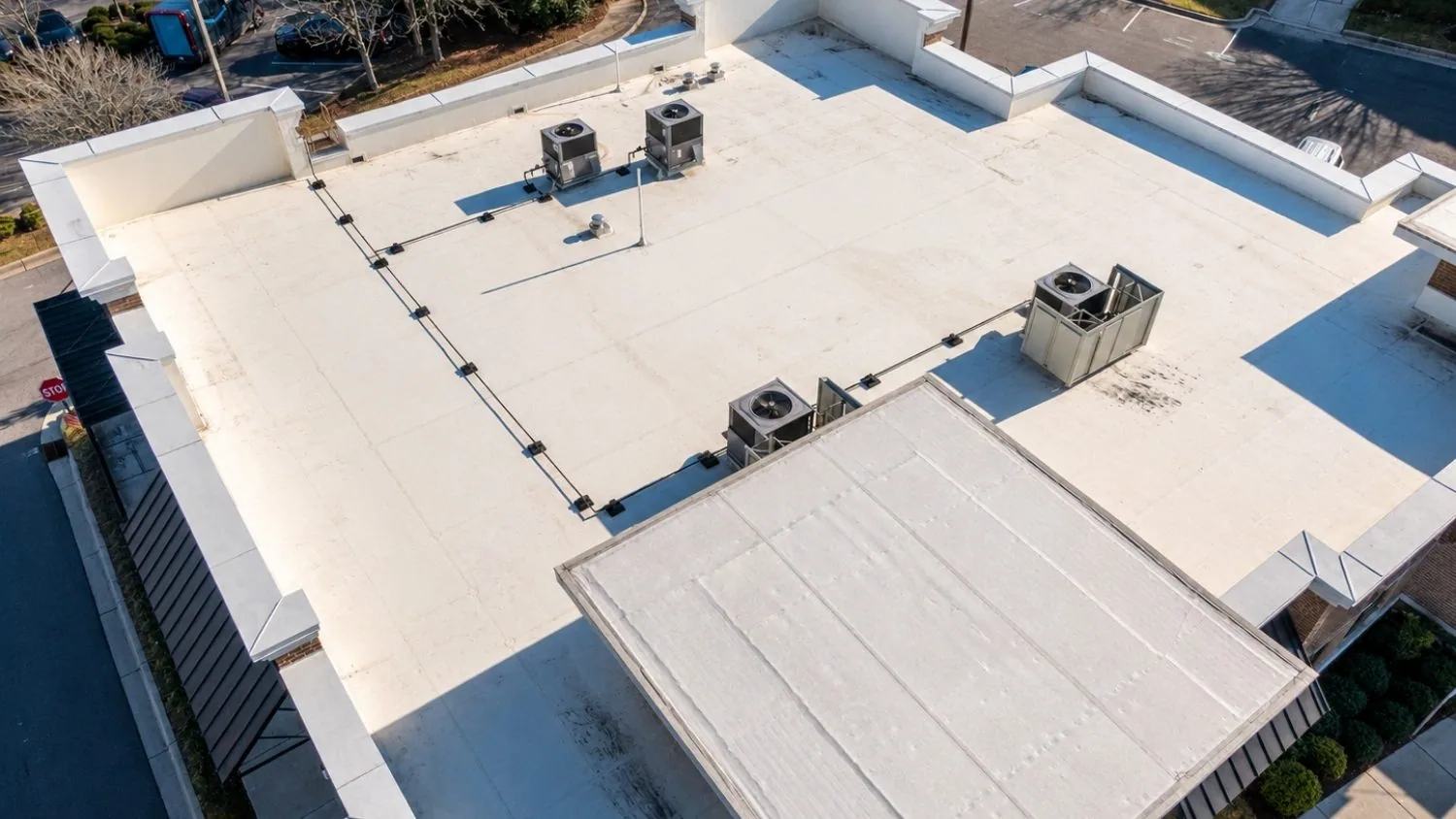
A long replacement panel needs a very different route onto the roof than a small repair kit. We check roof access, the path across the roof and the space beside the failed seam. Rooftop units, changes in roof height and busy areas below can all limit that path. You help us identify the spaces that must stay open. We agree where materials will be dropped off and how old panels come down before anyone opens the seam.
The building itself decides how that works. We walk the proposed route against the real entrances and open space at the property. Our roofing jobs at Corte Madera commercial buildings plan around panel lengths and the paths people use in the same way. Putting those details in the work order keeps us from showing up with a panel we can get onto the roof but have no room to handle.
The repair method has to be compatible
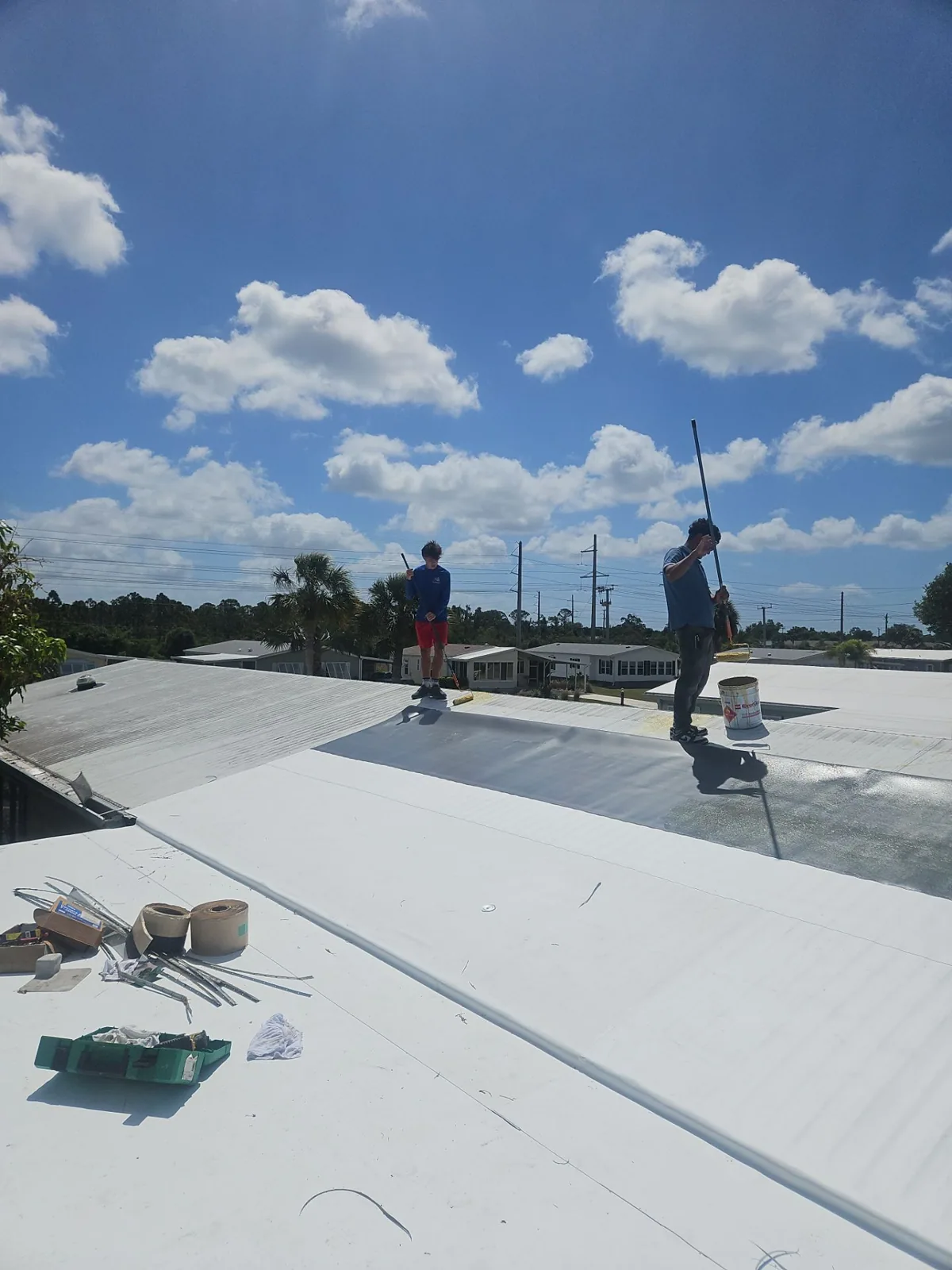
A liquid-applied product can work well on a sound metal seam, but it won't replace missing fasteners or make rusted-through metal solid again. We check the seam and the product's prep and application requirements before recommending it. If the roof needs new panels, clips or a changed detail, those come first. A coating should go over a sound seam, not hide a mechanical problem left underneath.
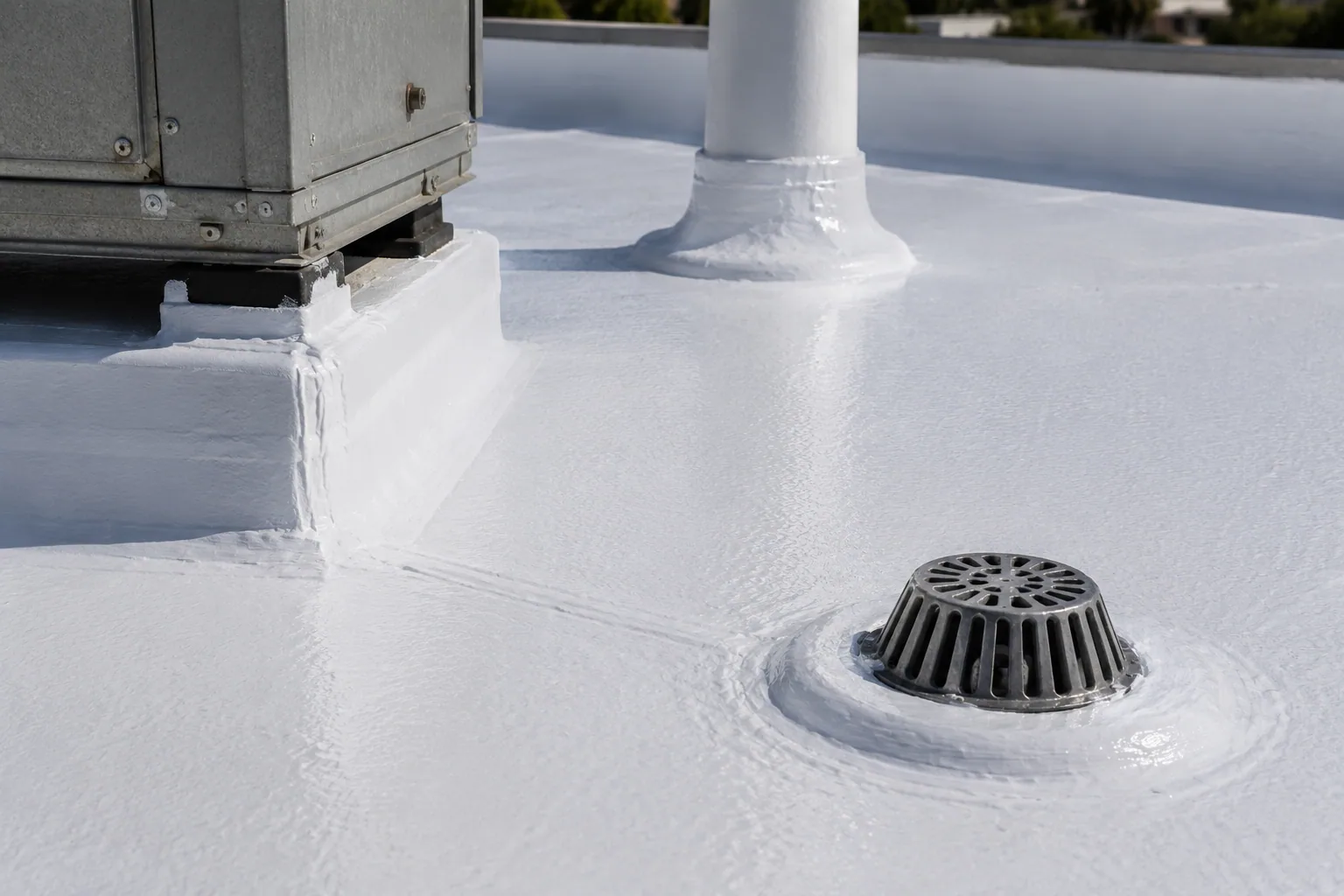
If you're weighing silicone roof coatings against a seam repair, it helps to know which problem each one fixes. The condition of the metal, how much the seam moves and the shape of the panels around it drive that choice. We confirm product compatibility and prep for your roof. Where a narrow strip of coating would leave the main failure in place, the estimate shows the bigger repair and explains why the visible gap is only part of the job.
The findings guide the next repair
A finished metal seam repair should come with a clear record of what was done, not just a photo of the top. We document the failed part, the prepped area and the metal we replaced or kept. Any framing or support concern is listed separately from the roofing work. Photos taken while the seam is open show the parts that will be hidden again, so you can tell the finished waterproofing apart from any related issue that still needs attention.
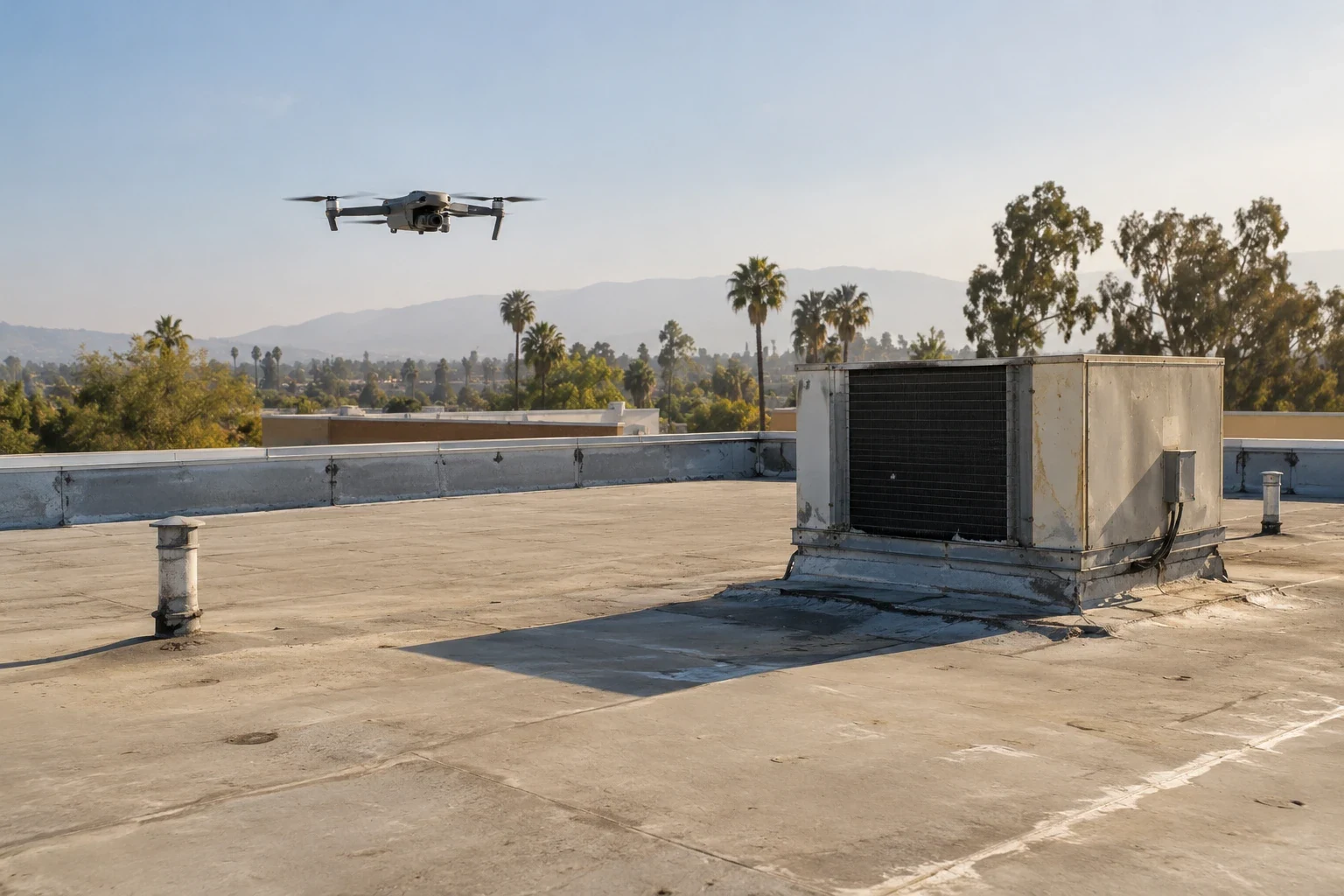
When the same type of seam keeps opening in different spots, it may be worth inspecting a larger section of roof before trying another one-off fix. We can track those findings through roof asset management and set the next repairs in order of priority based on the pattern. Our emergency crews can stop an active leak, but a temporary seal has its limits and is not the permanent fix. The permanent seam repair stays on the list, with the prep and method written down.
We separate a standing seam that has opened from a fastener or flashing failure close by. Our inspection follows the seam along its full length and checks whether the panels next to it can still move freely. The repair material and fastening have to match the panel profile; a stiff bead of sealant that ignores movement can leave the seam ready to open again. The written scope lists the compatible seam repair and any panels that need replacing.
Commercial Roofing Questions
Will extra fasteners close a moving metal seam?
Usually not on their own. We check how the panels are meant to be fastened and how they move. A screw in the wrong place can lock the panel and cause buckling or a new tear, so we choose a repair that matches the roof's design.
Can a coating repair metal that has torn around a fastener?
No. A coating won't replace a lost mechanical connection. The torn metal and what it's fastened to have to be fixed first. A compatible coating can then be part of the finished weatherproofing, with the right prep for that roof.
Why do you need the size of a replacement panel before scheduling?
Panel length affects how we get it onto the roof and how much room we need beside the seam. We check that before delivery, along with the route for removing the old panel so it doesn't block a path people need.
How do you tell a surface problem from a structural one?
It depends on what's failing. Worn paint or an open seam is a roofing issue. A fastener that no longer holds may point to the framing underneath. We document what we find and recommend an engineer's review before closing up the area if needed.
Should similar problems elsewhere on the roof change this repair?
They may justify a wider inspection, not automatic replacement. We compare the seams and their condition, then explain any pattern that affects the decision. The estimate lists which problems are included and which are a separate next step.
Plan the route for your metal seam repair