Local weather advisory
Coastal Flood Advisory: Commercial Roof Help in Richmond
The National Weather Service has issued a coastal flood advisory covering Richmond. Heavy rain and drainage loading can expose roof leaks, blocked drains, and ponding water. This is a weather exposure advisory; it does not establish damage to a specific roof.
Do not access a roof during hazardous weather. Protect people first, avoid water near electrical equipment, and request roofing help when conditions permit.
National Weather Service · Updated Oct 28, 2026, 7:20 AM UTC

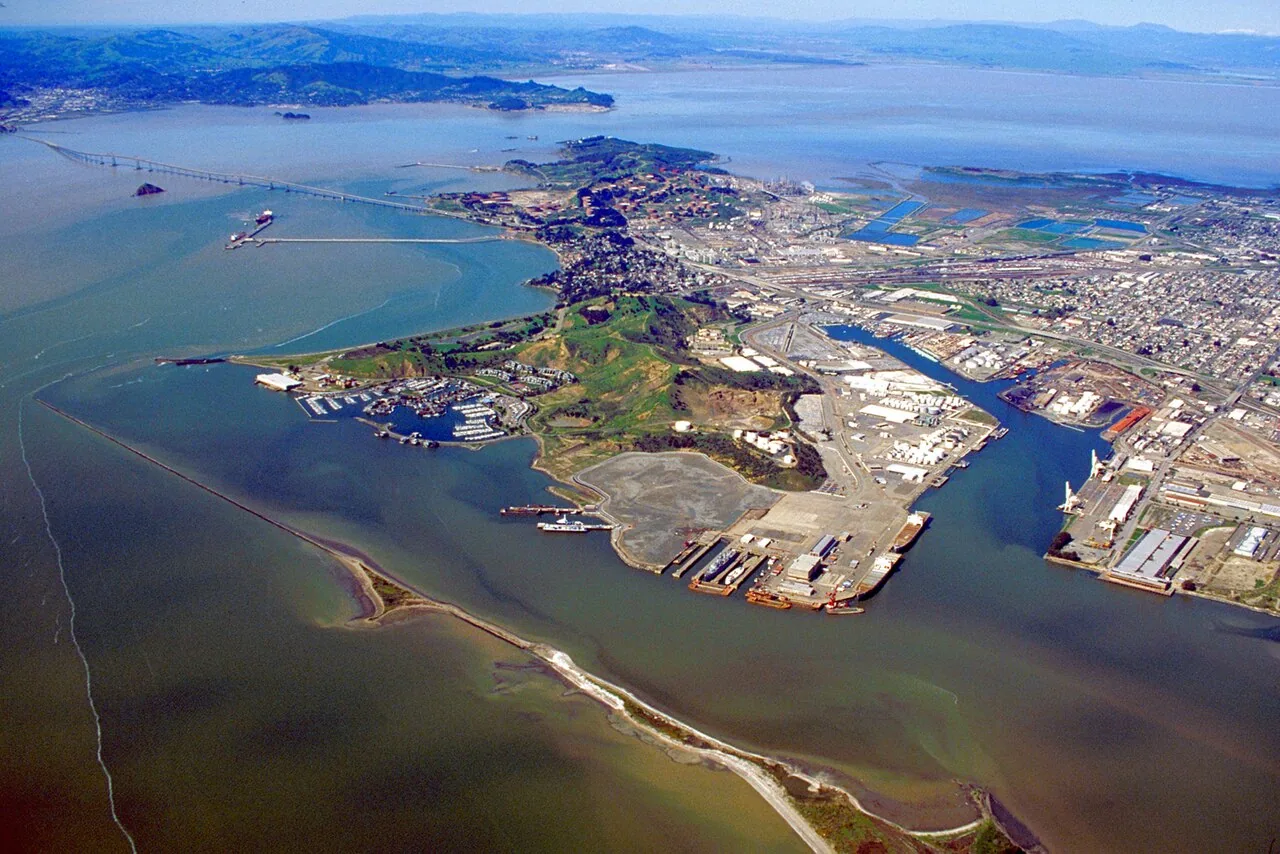
Commercial Roofing in Richmond’s Port Priority Use Area
A roof problem in Richmond's Port Priority Use Area needs an inspection of the actual building and how it's used. The city's general plan reserves this stretch of waterfront for port-related uses, and the terminals here are a mix of city-owned and private operations. None of that tells us how old a given roof is, what it's made of or what shape it's in. We start with where the water is showing up, which parts of the roof we can reach and the operating limits you tell us about.
Roofing next to port and marine activity means keeping the roof work clearly apart from the trucks, cargo and equipment around it. Before the commercial roof inspection, we confirm site access, any escort or safety rules, equipment limits, where we can stage, and who on site can approve a test cut. The first walk covers seams, penetrations, drains, edges and old patch areas. You get a clear account of what we saw and what we couldn't get to.
Follow the water path and identify the assembly
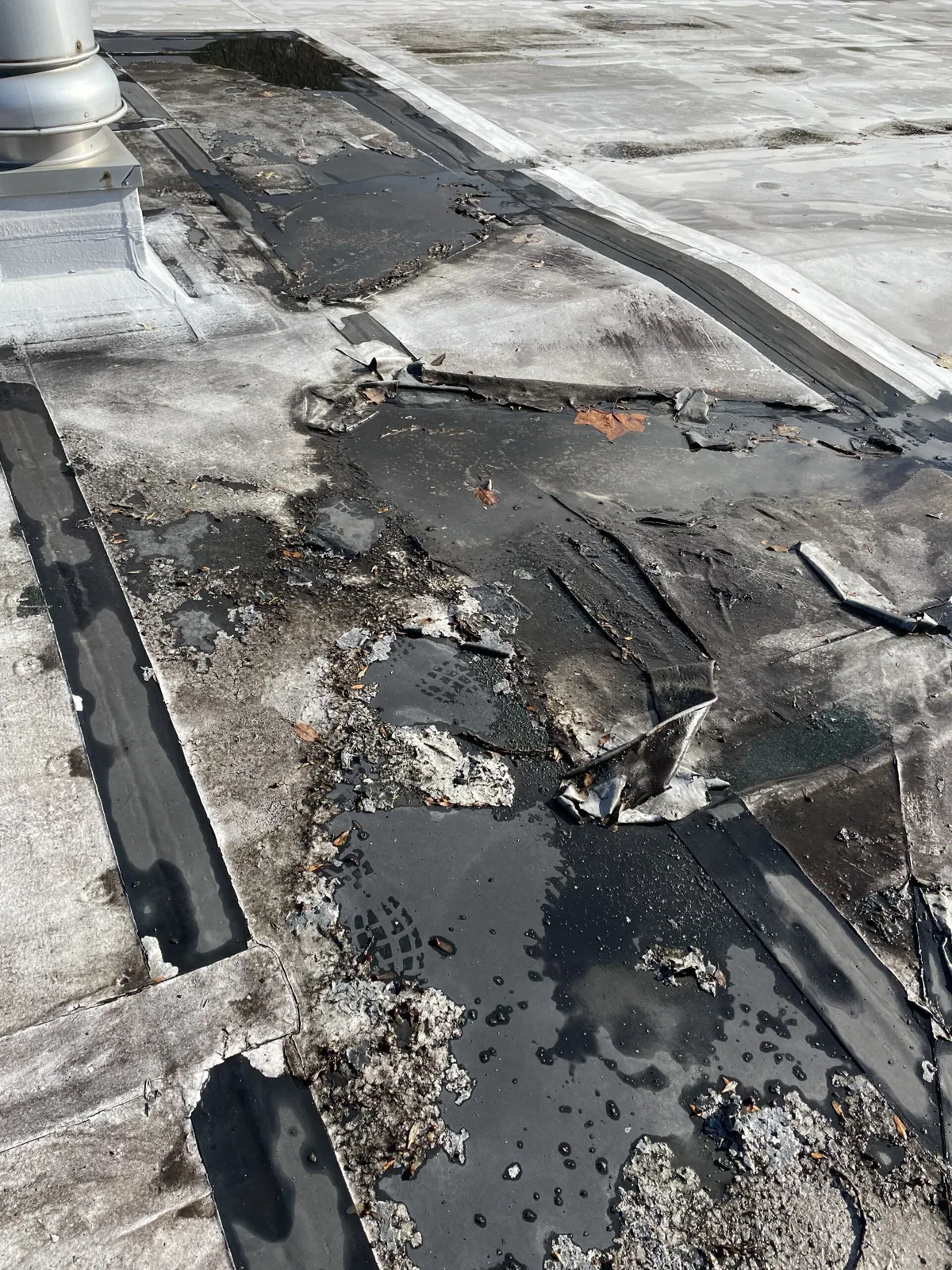
A stain inside doesn't always sit right under the hole in the roof. Water can run along a deck joint or between insulation boards before it drips, so we compare the room below with the roof above it, nearby drains, curbs and wall flashings. We note the roof system and visible construction before choosing any prep. If we can't tell what the roof is from records or looking at it, we say what test would tell us rather than guessing at a spec.
The M-4 Marine Industrial zoning around the Santa Fe and Harbour Channels allows terminals, cargo handling, port-related manufacturing and rail uses. That tells us what kind of businesses can operate here, not what goes on at your property or what's on your roof. A roof condition report sticks to what we found on the building: confirmed damage, open questions and any areas we couldn't inspect because of equipment or restricted access.
Plan around the operating footprint
The port has several terminals and cargo types, and it ties into I-80, I-580 and two rail lines. If you tell us there's active loading, rail movement, vehicle traffic or cargo handling near the work area, the roofing schedule has to work around it. We don't guess at live operating rules from a map. Your site contact tells us the approved routes, staging spots, overhead hazards, delivery windows and protected areas before the crew moves any material.
When vehicles or cargo move right next to the work, the site plan needs a clear line between the roofers and the operation below. We confirm who controls gates, walkways, overhead clearance, lift placement and deliveries. We don't set the terminal's rules; your team does, and the written scope shows how our schedule follows them. If we can't keep that separation, we reschedule that section of roof or break it into a smaller, controlled area.
The written scope sets the tear-off limits, temporary dry-in, tie-in detail, debris handling, cleanup and sign-off. For commercial roof repair, we isolate the confirmed problem and protect the opening while we prep sound material to tie into. If we find hidden damage, we stop at the approved line until the person who signs off decides how to proceed. That keeps cargo, production or tenant schedules tied to your rules instead of a guessed port-wide schedule.
Separate drainage and edge conditions
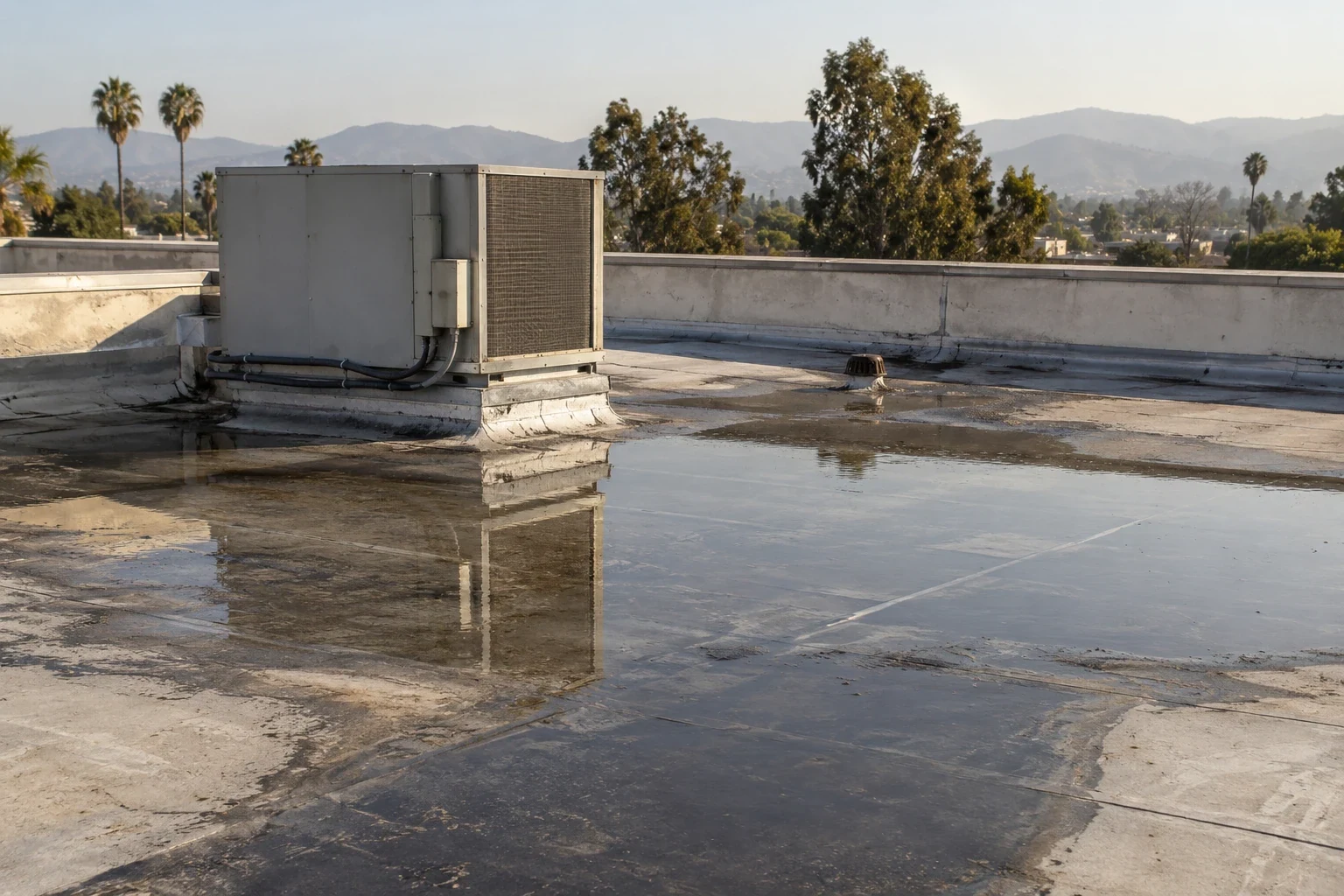
Water at a wall or roof edge can come from damaged edge metal, failed flashing, a blocked drain path or more than one of those at once. We inspect the edge and the drainage on that side of the roof together, then follow the water toward an outlet. A roof-drain and scupper assessment handles a confirmed outlet problem; it doesn't replace a separate repair where membrane or flashing has opened up. Our report separates the cause, the fix and any work for a plumber or other trade downstream.
Wind off the open water around the channels can work edge metal loose over time, so it's worth checking after a hard storm, but wind in the area doesn't prove a given roof is damaged. We look for movement, missing fasteners, open seams or bent edge metal and note how much of the edge is affected. When edge work is confirmed, coping and gutter repairs have to fit the roof system and what the metal fastens to. The estimate lists the measured length and how the edge will be sealed.
Choose an intervention that fits the evidence
A spot repair only lasts when the roof around it is sound enough to tie into. If moisture runs under the surface or we can't tell how well the roof is attached, a test cut can show whether the repair can stay small. We decide what the test should answer, how we'll close it and who approves it before we cut. The proposal keeps confirmed quantities apart from optional testing and explains how the result could change tear-off, dry-in and patching.
At a roof edge, we also check the metal, the parapet and the wall beside it before choosing a replacement piece. The measurements need to include corners, transitions, splices and any change in what the metal fastens to, not just the straight run you can see. The proposal says which sections come off, how the backing will be prepped and where water could get in while the edge is open. That helps facility staff compare a spot repair with a larger edge job without confusing feet of metal with the full labor and closeout.
A larger restoration or replacement needs a roof plan, measured areas, the roof system identified, a list of edges and penetrations, and a plan for protecting what's below. Work on an occupied facility can be staged to limit exposure and access issues, but it has to follow your actual operating rules. Occupied-building roofing plans set work zones, temporary dry-in and turnover points, so your staff know which areas are affected and when each roof section is back in service.
The port-priority and marine-industrial designations are broad planning labels. They don't mean one owner controls the property next door, or that terminals share one schedule. If we work on more than one building, each roof gets its own condition notes, quantities and approved work limits. Shared setup only gets compared once each building's access and protection needs are clear.
Close the job with a traceable roof record
At closeout we note the building, the roof area inspected, the roof system we found, the repair completed and any area we didn't open. Photos tie each finding to a location, and the closeout lists materials used and any temporary protection removed or left in place. If equipment or restricted access limited the inspection, we say so and note the follow-up needed. Your next facilities review can then tell finished repairs from open issues.
Before you request a visit, send us the roof area, what's happening inside, operating limits and any records that might identify the roof system. We'll confirm the approved route, work area and who can approve testing. For another waterfront property at the Port of Richmond or a nearby building in Point Richmond, each building's condition still drives its own scope. The work plan follows what we find on that roof.
Commercial Roofing Questions
Can the port area identify the roof assembly?
No. Zoning and the general plan describe how the land can be used. Roof records and an inspection tell us what's actually installed. We check the material and how it's attached before recommending a repair or tie-in.
How do you work around active port logistics?
Your site contact tells us the current access, staging, delivery and protection rules, and we schedule the work around them. We also confirm who can approve a change if conditions on site differ from the work order.
Can you repair drainage and perimeter damage together?
Yes, when the inspection confirms both problems and the roof detail allows it. The scope still lists each repair and its measured area.
When do you recommend opening the roof for testing?
When something hidden could change the size of the repair or tip the decision toward replacement. We explain what we're checking, how we'll close it and who approves it before we cut.
Plan a roof inspection in Richmond’s port area