College & University Roofing in Richmond, CA
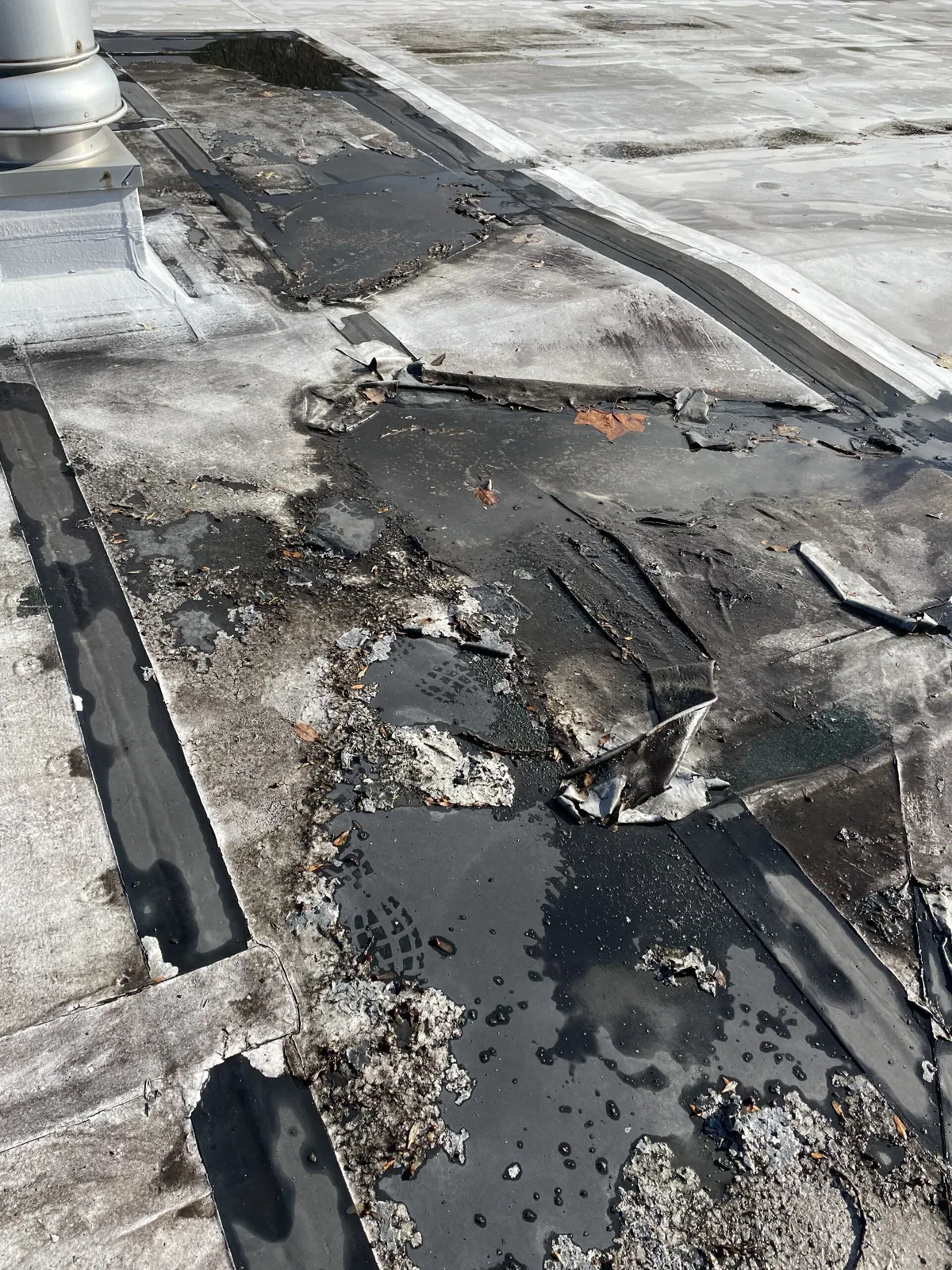
Campus buildings are often built in phases, and where one wing meets another there is usually an expansion joint that lets the two structures move independently. When the roof cover over that joint tears, the instinct is to seal it shut with something rigid. That makes it worse. The joint is supposed to move, and a stiff patch will crack again the first time the buildings shift with heat or settling. A lasting repair uses an expansion joint cover or flexible detail designed for that movement, and sometimes the joint itself needs an engineer to confirm how much it moves. We inspect the joint, the membrane on both sides and the insulation below.
On a campus, each building has its own roof, its own history and often its own facilities contact. For college and university roofing around San Pablo and Richmond, including buildings like those at Contra Costa College, we review each roof individually. We inspect what is there before recommending a repair. Campus facilities staff decide on interior protection and arrange our access, and any structural or movement questions go to the right designer. The price follows that building's actual roof and the details being repaired. Every roof and every expansion joint gets its own finding.
Expansion joints need a flexible repair
An expansion joint needs a different kind of detail than an ordinary seam. When a repair raises questions about how far the joint moves or how the cover attaches, a structural engineer or the project designer should settle it. Flashing failure repair at an expansion joint starts with checking the curbs on each side, the membrane and the insulation. We list any equipment or framing work that needs to happen before the joint can be closed for good. Caulking across the gap does not create the flexible detail the joint needs. The bid should show the design step next to the roofing work, so you know exactly what is being fixed.
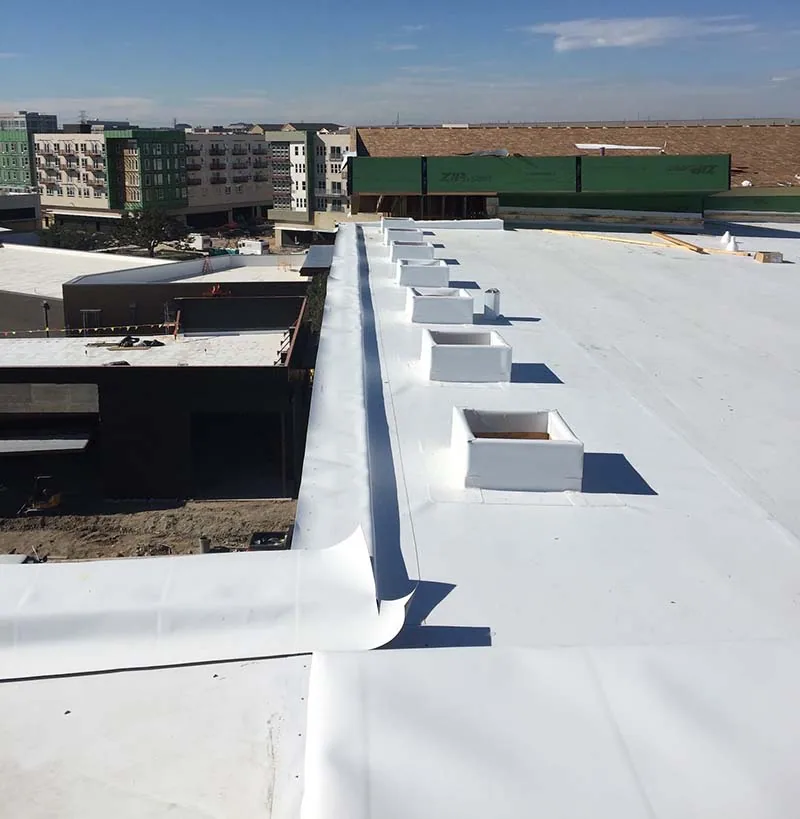
The membrane on each side of the joint must also be in good enough shape to bond to. Raised curb and penetration flashing work checks the actual membrane where the new detail will attach. TPO and PVC are heat-welded to clean, sound sheet. Other roof types use their own methods. Material that cannot hold a lasting bond gets removed; material that is still sound gets cleaned and reused. The price includes that prep before the joint is closed up.
Protecting classrooms, labs and hallways
An opening over a classroom, lab or hallway can affect more space than where the leak was first reported. Reroofing occupied buildings on a campus starts with sharing the planned openings, debris routes and material deliveries with facilities staff. They set protection for each space and decide when we can work. Electrical and mechanical items go to the appropriate trades. Patching any test openings is included in the price, so you are not assuming one protection allowance covers every room on campus.
If wet insulation turns up beyond the first area, the opening may grow into another room or change the delivery route. We explain the larger area before opening more roof and identify which spaces need a fresh review. Temporary roofing may be needed while an engineering or equipment question is answered. Before we stage material, the facilities contact marks occupied rooms and equipment areas, and arranges our inspection access. Electricians handle any live wiring. Temporary patches are recorded separately from finished joint repairs, so the campus knows which spots still need work.
What hidden damage can change
The roof next to an expansion joint can look intact while the insulation underneath has been soaking up water for years. An infrared moisture survey can point to wet areas, but the readings depend on how the roof is built and the weather during the scan. We confirm with core cuts wherever the decision to keep insulation depends on it. Each test spot is patched, and facilities staff know which rooms are below. We explain which findings make the repair bigger. A scan alone cannot tell you the condition of the whole roof, and the result on one building does not apply to others on campus.
A different roof system or added insulation can change flashing heights, equipment clearances and drainage. Those decisions belong to the project's designer and other trades. We list those items alongside the larger reroof option before comparing it with a local repair. Every option should include its flashing and insulation work. A new roof that stops at an expansion joint still waiting on design leaves that joint unfinished. We keep insulation findings, joint design and roofing work clearly separated, so your choice is based on what can actually be completed.
Finishing the ends of the repair
A rebuilt expansion joint has ends where it meets parapets, walls or other roof areas, and each end needs its own flashing detail. We check those spots and describe anything that needs to happen first. If the design of an end detail is in question, the designer settles it. A repair priced only along the visible tear may leave those ends out. You should get a clear finish point that includes every piece the new detail ties into, so it does not stop short beside another weak spot.
Final photos show the finished joint and the membrane around it, with anything still waiting on another trade listed separately. Future inspections can refer to the completed joint at its exact location. We separate permanent work from temporary patches and from insulation items still pending. That record helps campus budgeting: which joints are finished, which are waiting on a design decision, and which spots are only temporarily protected. It keeps each repair clear so future campus work can start from what each building actually needs.
Campus roofing near Richmond
For campus roof work in San Pablo, each building needs its own roof and access review. Send us your construction records and the facilities contact who arranges access. We inspect the roof before recommending a repair, and campus staff review the protection plan. The scope covers that specific roof and the insulation we found, with any design questions and the work schedule listed next to the roofing.
Other public and education buildings have similar joints and flashings with different occupants below. A school roof usually needs to be scheduled around the school year. A government building roof brings its own approval process and access rules. We document each college building separately, with open items tied to their exact locations. Future roof projects can then start from real findings instead of a campus-wide guess about tear-off and protection.
A single campus can have many different roof systems and heights. We separate each work area, note which details we can reach, and plan protection for the rooms below. Wherever an expansion joint, skylight or equipment stand crosses the roof, that spot gets its own finding before quantities are added up.
Commercial Roofing Questions
Can a roofer decide how an expansion joint should be built?
The project designer or a structural engineer sets how much the joint needs to move. We build the roof detail to match that, using materials that suit the membrane on both sides.
What happens if more roof needs to be opened over a classroom?
We stop and show facilities staff the larger area. They review protection and access for the rooms below, and test openings are patched as part of the work.
Can one infrared scan cover every roof on campus?
No. Each roof needs its own scan, and readings should be confirmed with core cuts wherever the decision to keep insulation depends on them.
What gets recorded if a joint is only temporarily closed?
The reason the permanent repair is waiting, such as a design decision, plus photos of the finished sections kept separate from the temporary work.




Tell us about the campus roof