Grocery Store Roofing in Richmond, CA
Grocery roofs carry a lot of refrigeration equipment: condensing units, rack systems, exhaust fans and the piping that connects them. When water shows up inside near that equipment, it might be a roof leak, or it might be condensate from a unit draining onto the roof or a refrigeration line sweating through a penetration. The wet spot alone does not tell you which. We inspect the roof, figure out where the water is really coming from, and separate roofing repairs from equipment work that a refrigeration contractor needs to handle. Stock and customers below the work area need protection whichever it turns out to be.
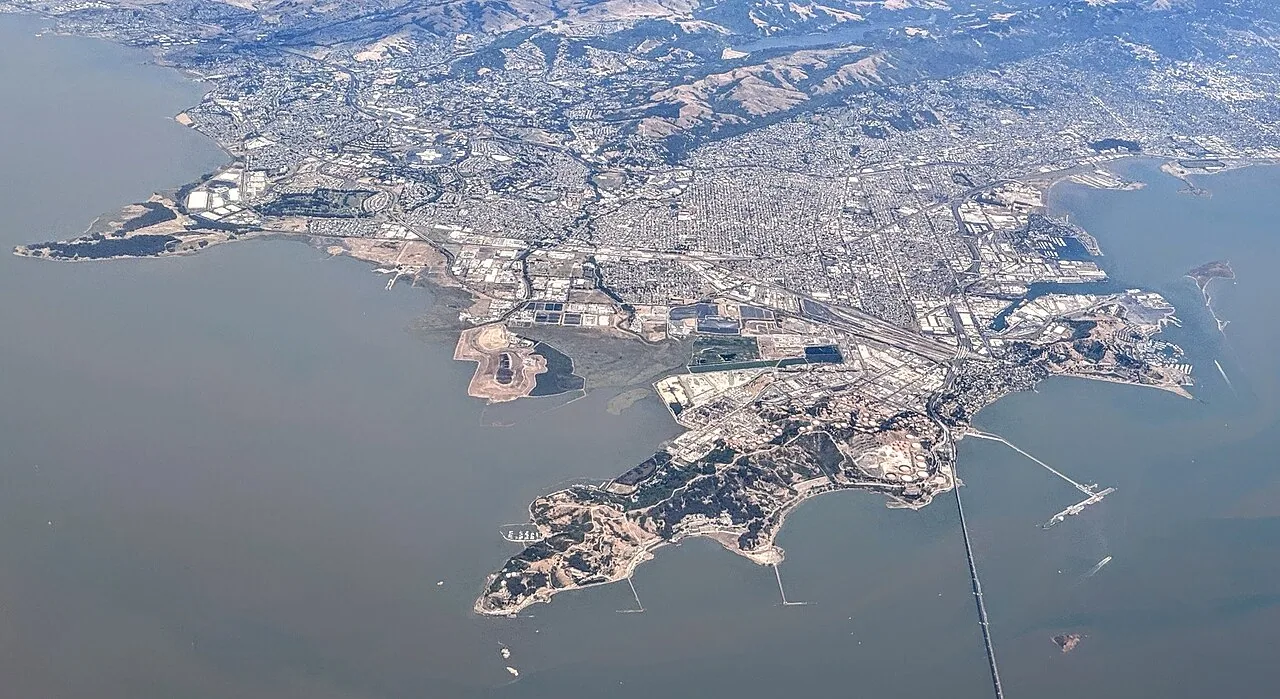
Around Marina Bay, the waterfront mixes housing, retail and light industry, and each grocery building there has its own roof and equipment layout. We inspect the actual roof, note which units and stock areas are involved, and pick a permanent repair method that suits the materials we find. Your store team sets access and protection below the work, and the refrigeration contractor handles how the units run and drain.
Equipment drainage is a separate issue
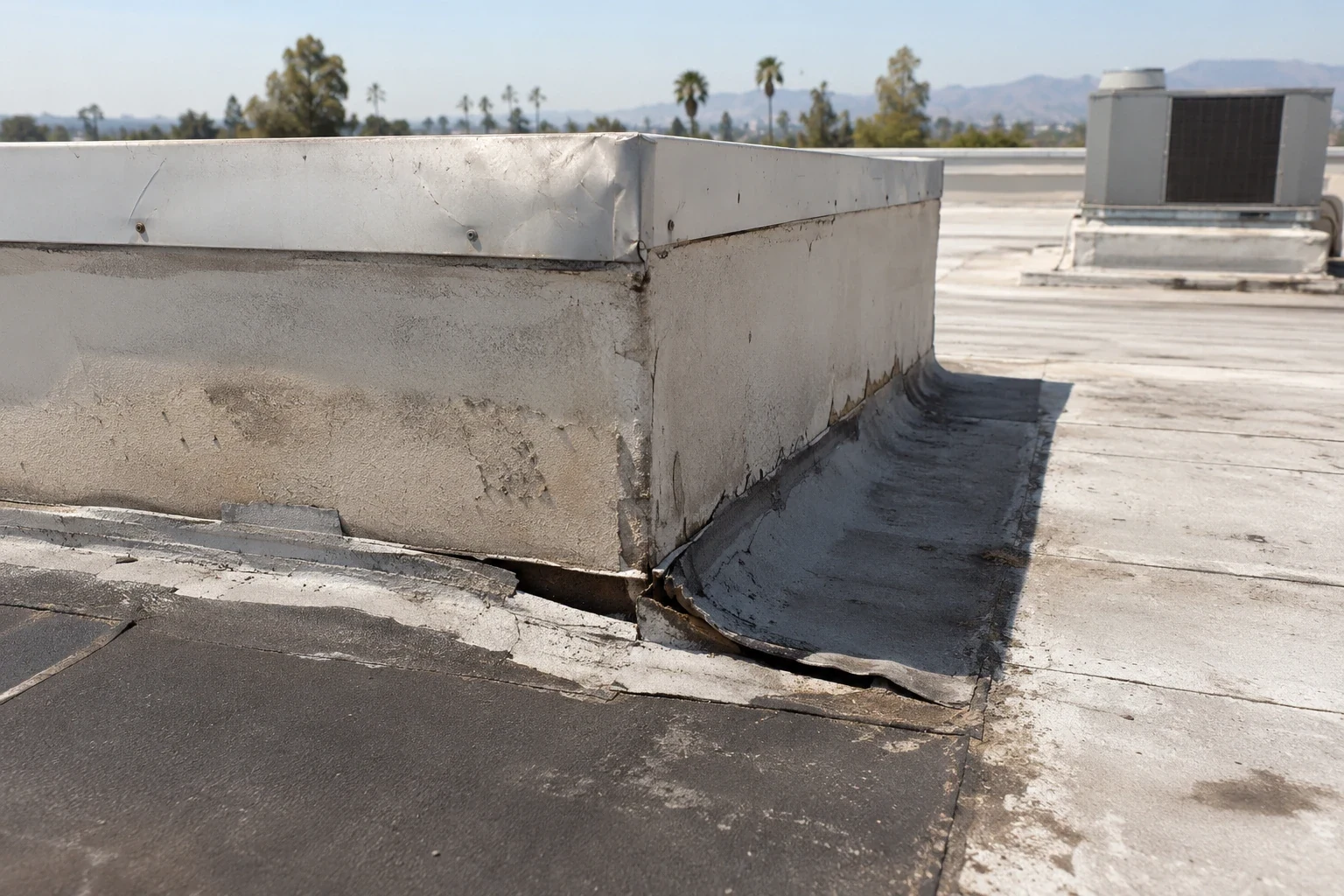
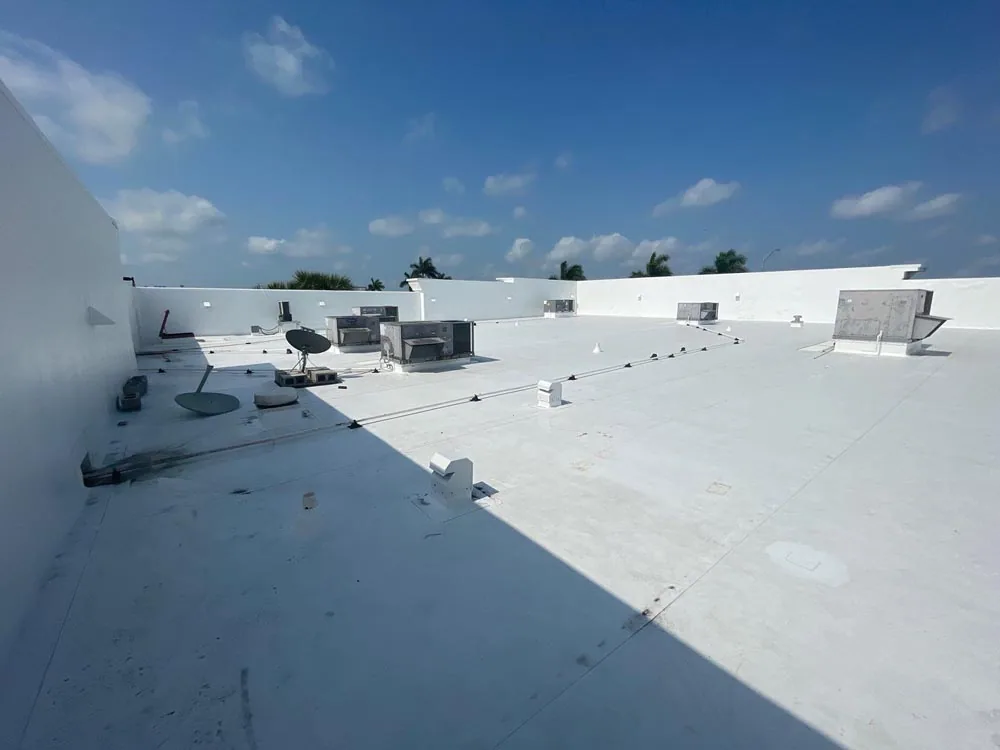
A refrigeration unit that dumps condensate onto the roof can cause problems that have nothing to do with the membrane. Our rooftop equipment curb and support review looks at the units, their curbs and where their drain lines discharge. The refrigeration or HVAC contractor handles drainage, operation and clearance around the equipment. We identify the roof repair that is needed and any equipment fix that has to happen first. Roofing work will not stop a unit from leaking, so the bid lists those items separately instead of treating every wet area as a roof problem.
We also compare where water shows up inside with the seams, curbs and penetrations on the roof and with any repair records. Commercial roof leak repair follows what we actually find on your building. Some leaks trace back to a wall, a skylight or the refrigeration system, and those go to the right trade. We explain which roof detail needs to be rebuilt and what else needs to happen before it can be closed. A wet spot on the roof does not prove how far the insulation damage goes or where the water entered until we check.
Repairing the membrane near equipment
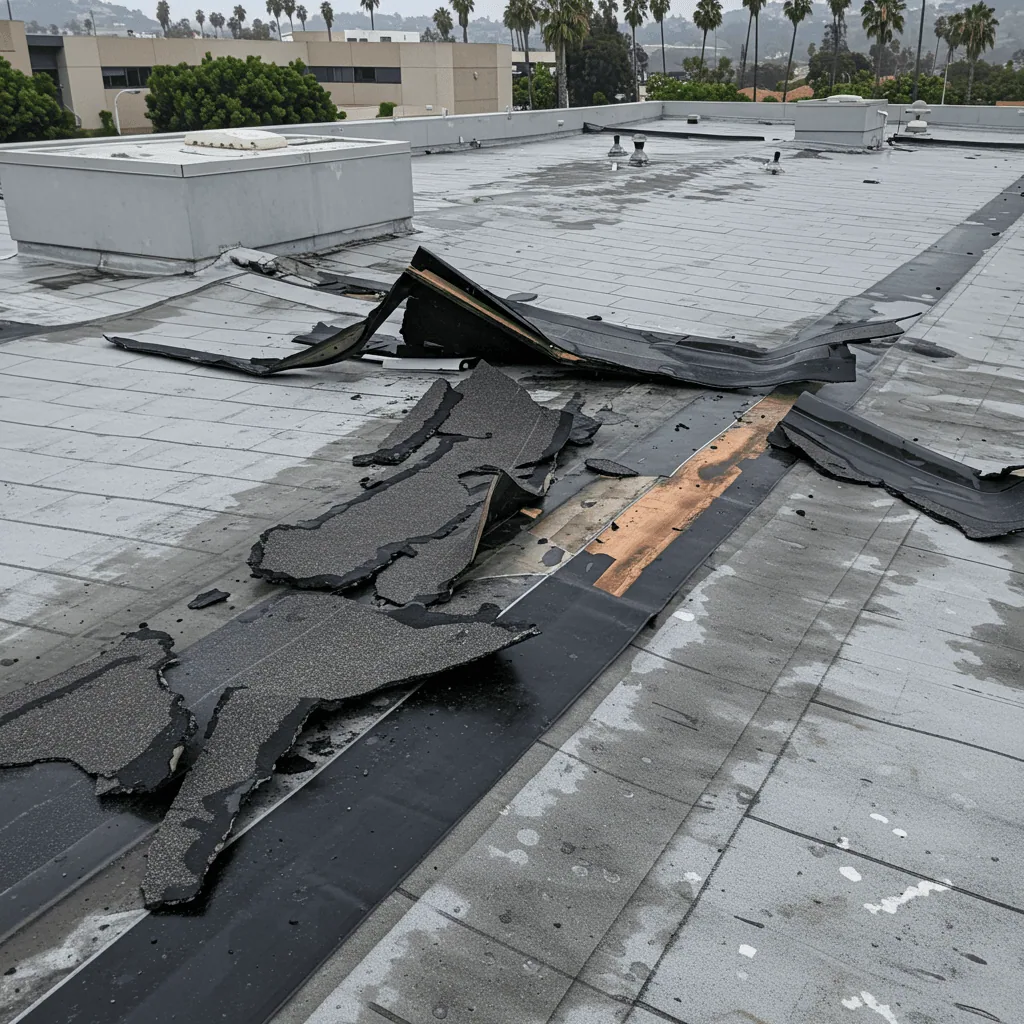
The membrane next to a unit is often damaged by foot traffic, dropped tools and years of condensate. Seam failure repair around equipment starts with finding where the membrane and insulation are still sound. TPO and PVC are heat-welded to clean, flexible sheet; other roofs use their own methods. We clean and reuse membrane where we can and replace it where it cannot hold a lasting repair. You get a clear repair size and the reason for it, rather than a patch sized to the wet spot you first noticed.
The insulation below can be wet even when the membrane nearby looks intact. Infrared scans help locate problem areas, but the readings depend on how the roof is built and the weather during the scan. We confirm with core cuts wherever the decision to keep insulation depends on it. Each test spot is patched, and the store team knows what stock is below. One scan does not prove the condition of every layer. We explain which findings make the repair bigger, so the price is tied to what the roof needs near that equipment, not to the condition of one surface spot.
Protecting stock and shoppers
An opening above the sales floor or a stockroom can affect more product than where the leak was first reported. For reroofing occupied buildings like a grocery store, we share the planned openings, debris routes and material deliveries with the store contact. They decide how stock and aisles are protected. Food safety, refrigeration and electrical work stays with those teams. Patching test openings is part of our price, so the work needed to protect the store is spelled out rather than hidden inside a roof-area number.
If more wet insulation turns up, the opening may reach other aisles or change the delivery route. We explain the larger area before removing more, and the store team reviews protection. Temporary roofing may stay in place while a refrigeration or design issue gets resolved. Emergency roofing response is available around the clock, holidays included, for urgent weather protection. Routine store work follows the access, stock protection and approval terms confirmed with the store contact. Electricians handle any live wiring. Temporary patches are recorded separately from finished repairs so everyone knows which spots still need work.
Comparing a repair with a larger reroof
A new roof or added insulation can affect drainage, equipment access and curb heights. The project's designer and refrigeration contractor decide on changes that affect their work. We list the curb and equipment items next to the larger reroof option before comparing it with a local repair. Each option needs complete flashing and dry insulation underneath. A new roof that ends at a curb nobody can reach leaves that spot unfinished. Listing those steps for each option lets you compare real choices for your store.
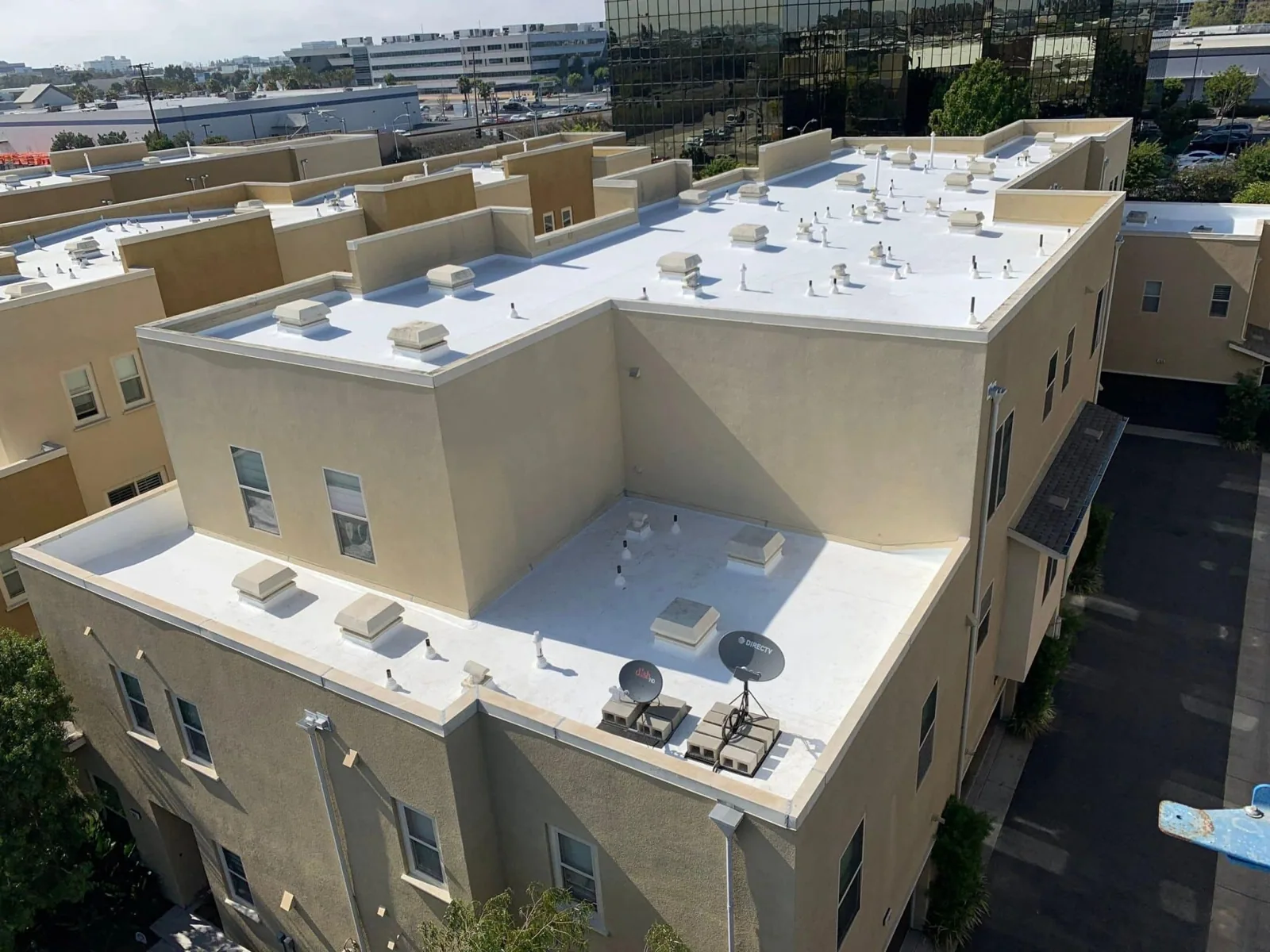
Final photos show the finished roof repairs and the insulation we kept around the equipment. Refrigeration items still pending are listed separately from finished roofing. The next inspection can go straight to the repaired spots and the unit drain lines, instead of applying another coating with no equipment review. Temporary patches are marked with their locations. That gives your next budget a clear starting point: what is fixed, and what still needs the refrigeration contractor or a design decision.
Grocery roofing in Richmond
For grocery store roofing in Point Richmond, equipment issues and the affected interior areas each get their own findings. Send us your roof records and how stock is laid out under the work area. We inspect the roof before choosing a repair method, and the store team reviews protection. The price follows the roof condition and equipment items we actually find, with test openings and material handling listed.
Other food-related buildings have similar equipment issues with different needs below. A restaurant roof deals with grease from kitchen exhaust fans. A cold storage roof has to sort out leaks from condensation inside the cold rooms. We document the grocery repairs on their own, so future decisions start from what we actually inspected and fixed here. A similar-looking roof elsewhere can have very different equipment and insulation conditions.
Commercial Roofing Questions
Does water near a rooftop unit mean the roof is leaking?
Not always. It can be condensate or a refrigeration line. We check the roof, and the refrigeration contractor checks the equipment, before deciding what to fix.
What decides how much membrane has to be replaced?
Whether the insulation underneath is wet and whether the membrane can hold a new seam. We confirm with core cuts where needed and patch each test spot.
Which parts of the store need protection during work?
Any aisle or stockroom under an opening, which can include areas beyond the first leak. The store team reviews each work area with us.
What should we keep after the roof repair is done?
Photos of the finished repairs and insulation, plus a list of any temporary patches and equipment work still pending with the refrigeration contractor.

Tell us about the store roof and its equipment