Metal Roof Retrofit in Richmond, CA
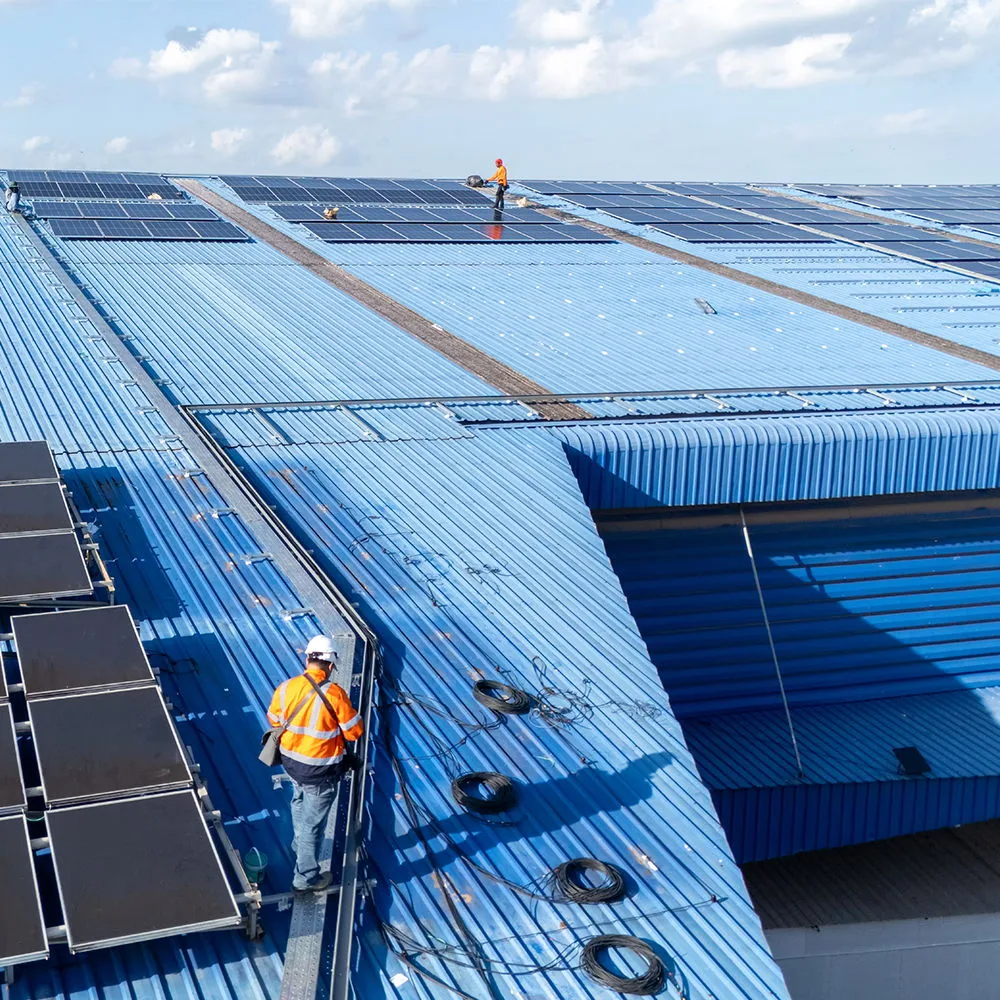
An old metal roof on a Richmond warehouse or shop building often leaks at the fasteners, laps and curbs long before the panels themselves wear out. A retrofit lets the owner leave those panels in place and install a new roof over them, which avoids a full tear-off and keeps the building closed while the work goes on. That only works if the old roof is solid enough to carry the new system. Our distribution center roof reviews start with that question.
We look at panel rust, loose or backed-out screws, damaged laps, and the purlins and framing that hold everything up. Then we compare two common routes: a single-ply membrane over insulation that fills the panel ribs, or a new metal roof set on clips above the old one. Each has its own costs for edges, curbs and drains. The estimate shows what stays, what gets repaired first and what the new roof includes, so the owner is not choosing based on panel price alone.
Inspect the metal roof that stays
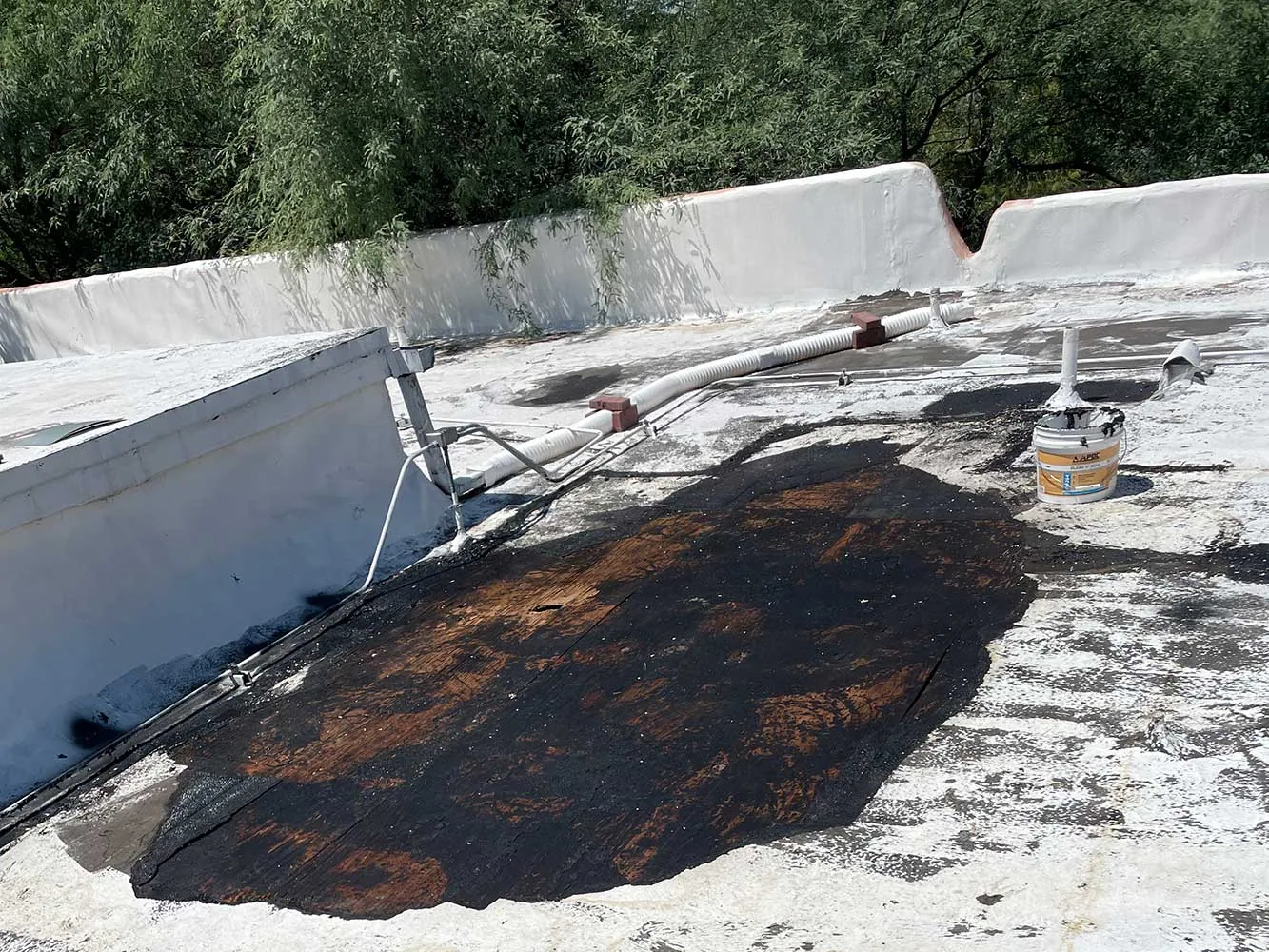
Leaving the old roof in place saves tear-off and disposal, but it is not free. Badly rusted panels, purlins with section loss, or fasteners that no longer hold have to be fixed first, or the new roof inherits the problem. During a roof inspection we walk the panels, check screws and laps, look at the framing from inside where we can, and note any spots we could not reach.
We write down what we found in plain terms: which panels are sound, which need replacement, and where we would want a closer look before committing. The owner should see that list before picking a retrofit system. A low bid that assumes every panel can stay may turn into a change order once the crew finds soft spots. If we are not sure about part of the roof, we say so and price a way to check it rather than guessing. The goal is a new roof sitting on a base that can actually support it for its full service life.
Membrane retrofit over the old panels
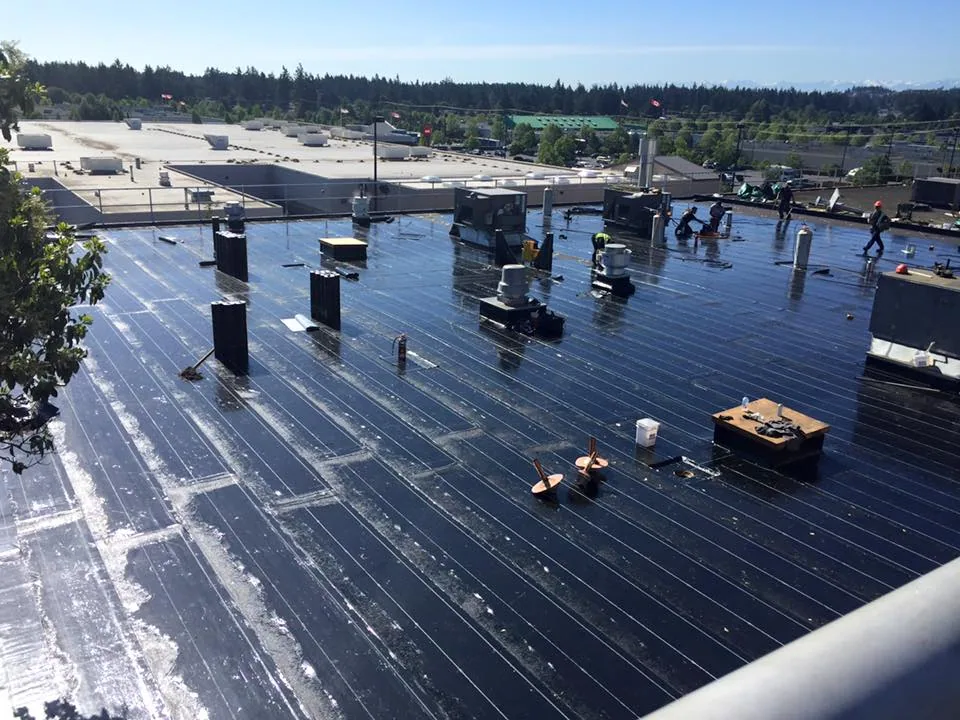
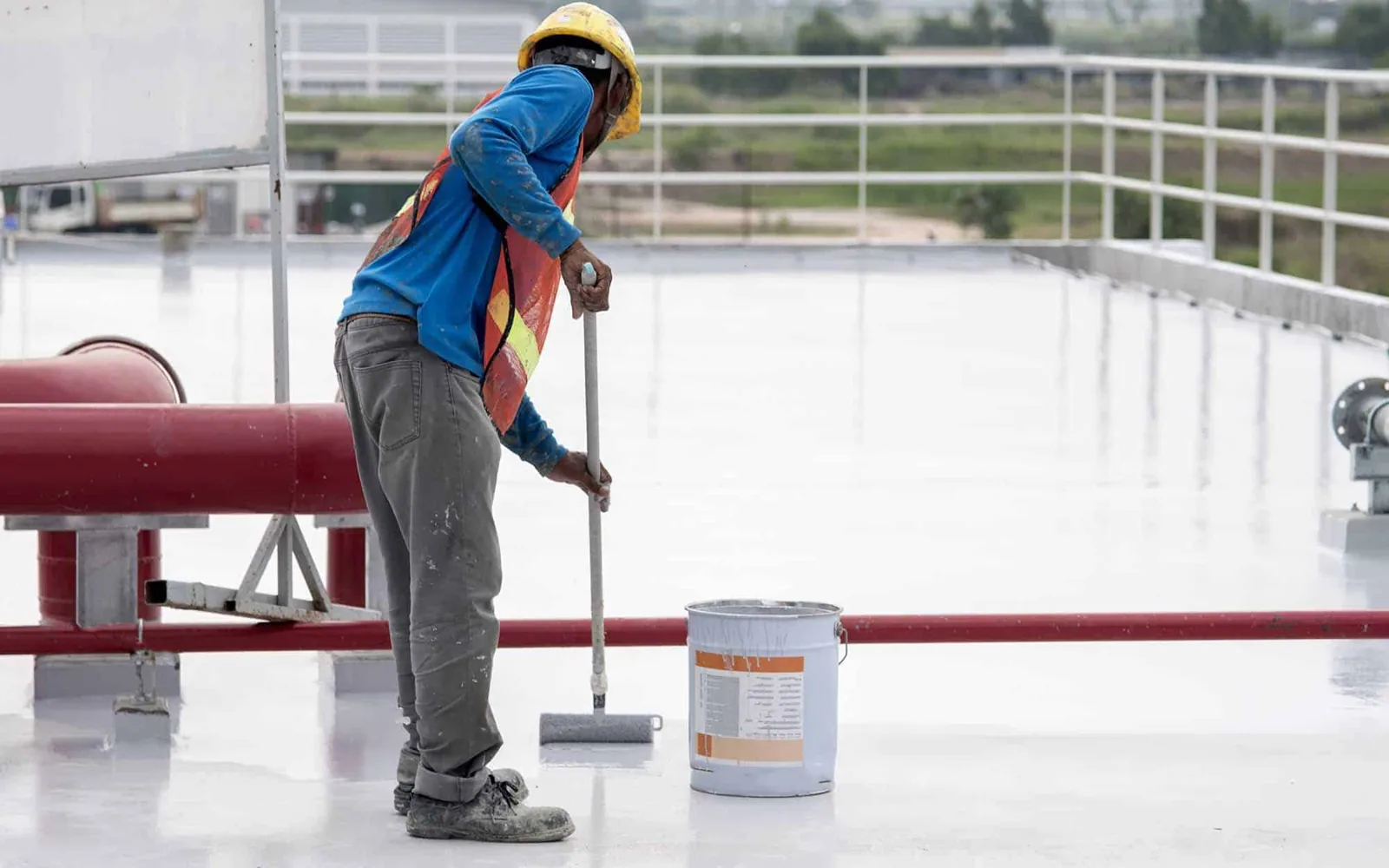
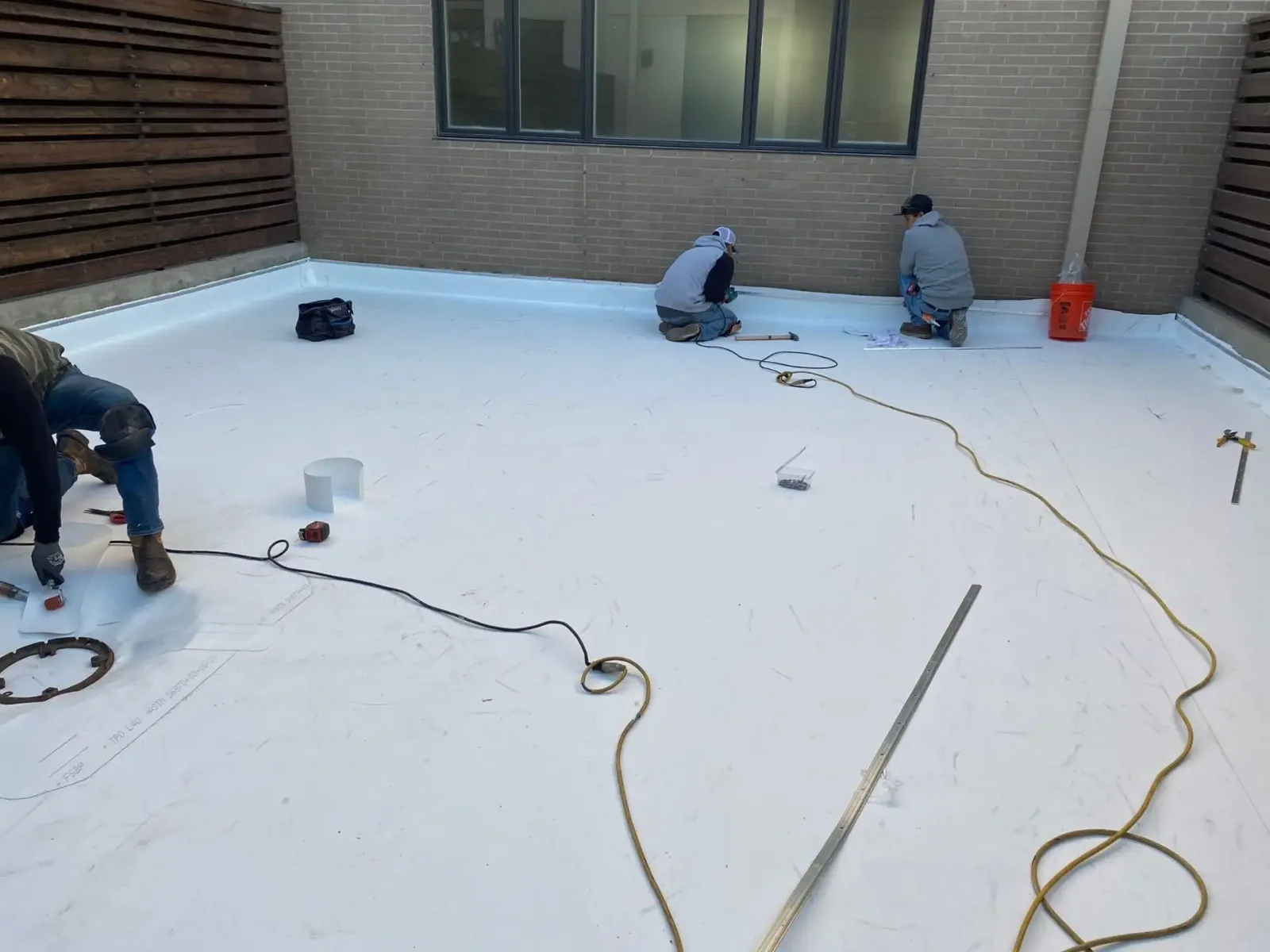
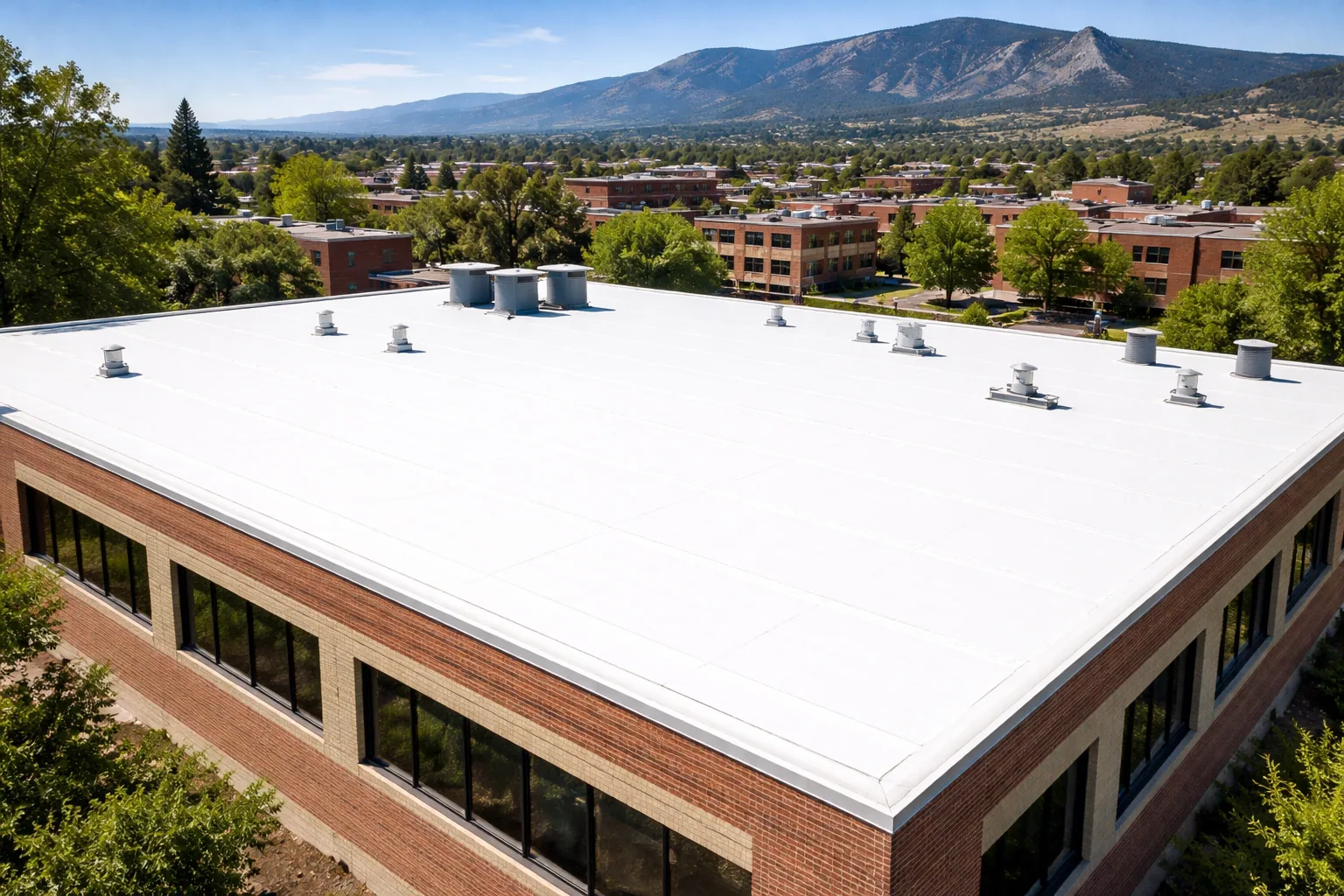
A membrane retrofit usually starts by filling the low spots between the metal ribs with insulation, then adding flat insulation and a cover board, then the membrane on top. Carlisle, for example, publishes a retrofit approach using flute fill, cover board and a single-ply membrane. A TPO roof is a common choice for this kind of job. The new layers have to be fastened through to purlins or other framing, not just into thin panel metal, so fastener layout follows the structure below.
We check that the panel ribs are in good enough shape to fill and cover, and that the added weight and thickness work for the building. The new roof will sit higher than the old one, which changes how it meets walls, curbs and drains. We list each of those details in the estimate. A membrane option is often lighter and quieter than metal, but it brings its own seam and flashing work, and the owner should see that next to the metal option instead of a simple square-foot price.
New metal on clips over old metal
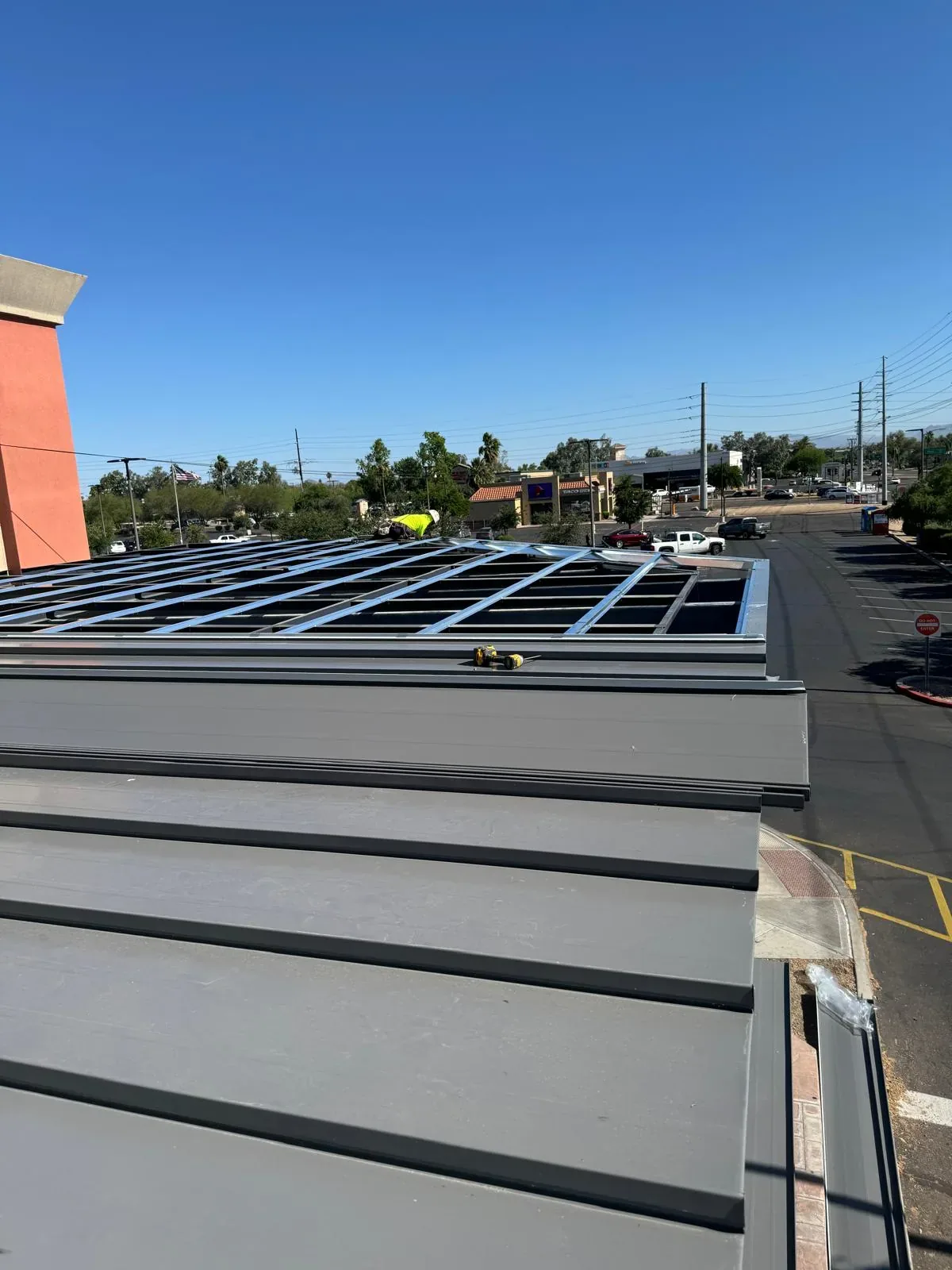
A metal-over-metal retrofit sets new purlins or clips on top of the old panels and runs a new metal roof above them. Products like McElroy's 238T clips are made for this purpose, but the clips still need solid framing to bolt into. Our standing seam metal roofing option is priced only after we check where those clips land and what the old roof can carry.
Spacing, height and attachment of the new support system all depend on the existing purlins and the wind exposure of the building. Bay Area buildings near open water can see strong gusts, and a retrofit has to be fastened for that. We look at the slope too, because some new panels need a minimum pitch to shed water. The owner gets a clear picture of what the clip system costs, what framing repairs it needs and how it compares with a membrane over the same base. Metal costs more up front in many cases but can last a long time with little upkeep, and we explain that tradeoff honestly.
Rebuild the edges, curbs and drains
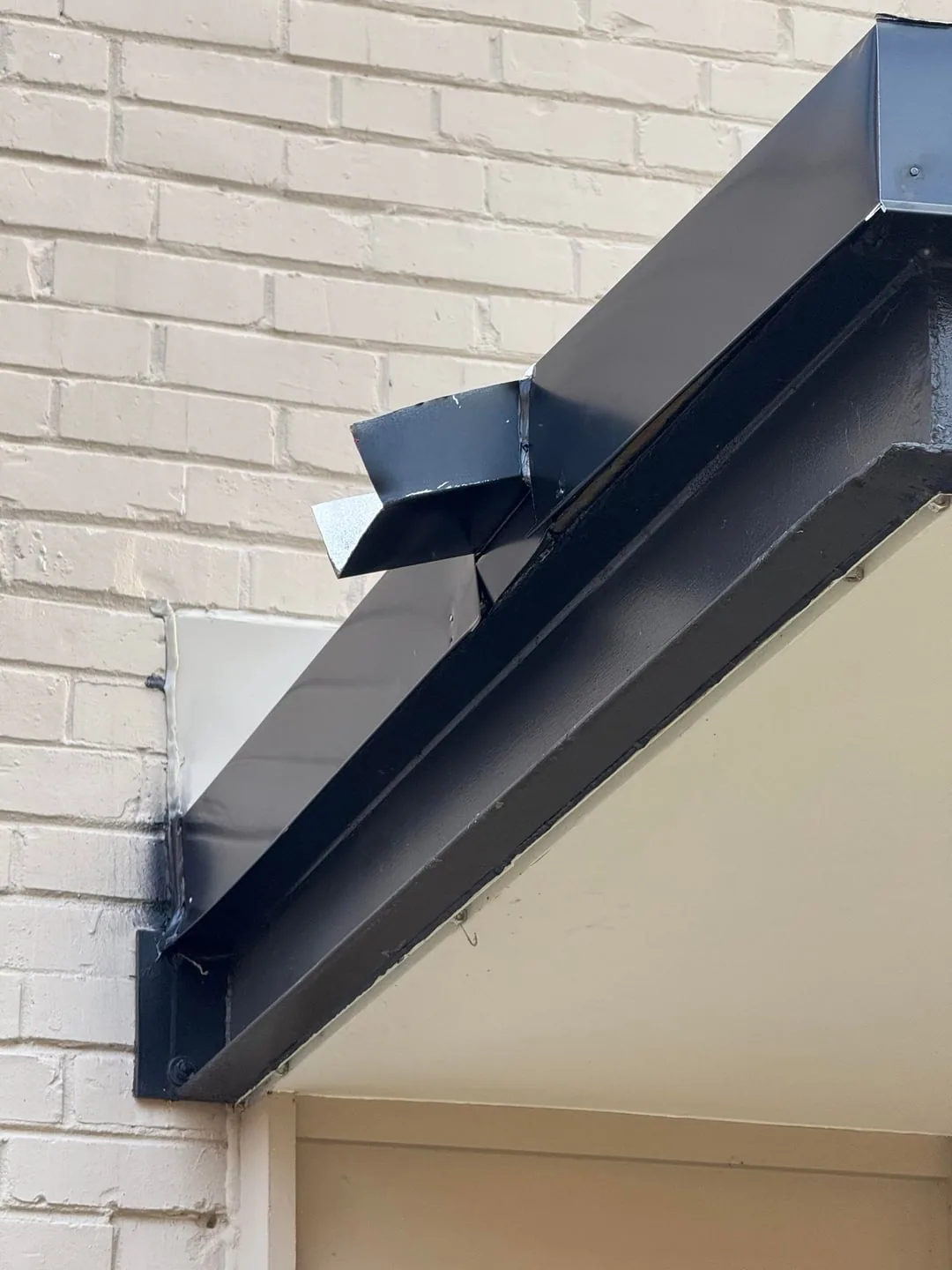
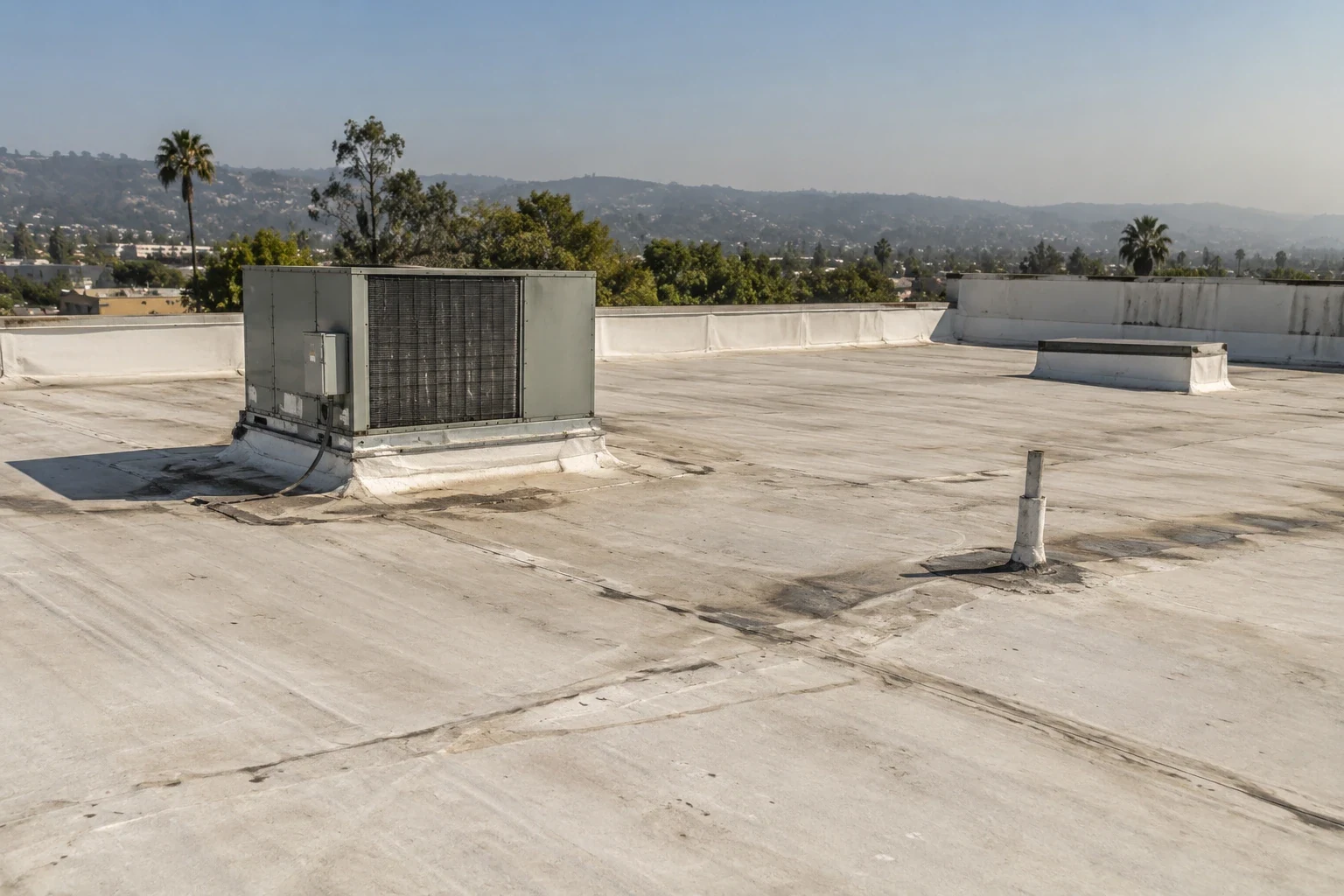
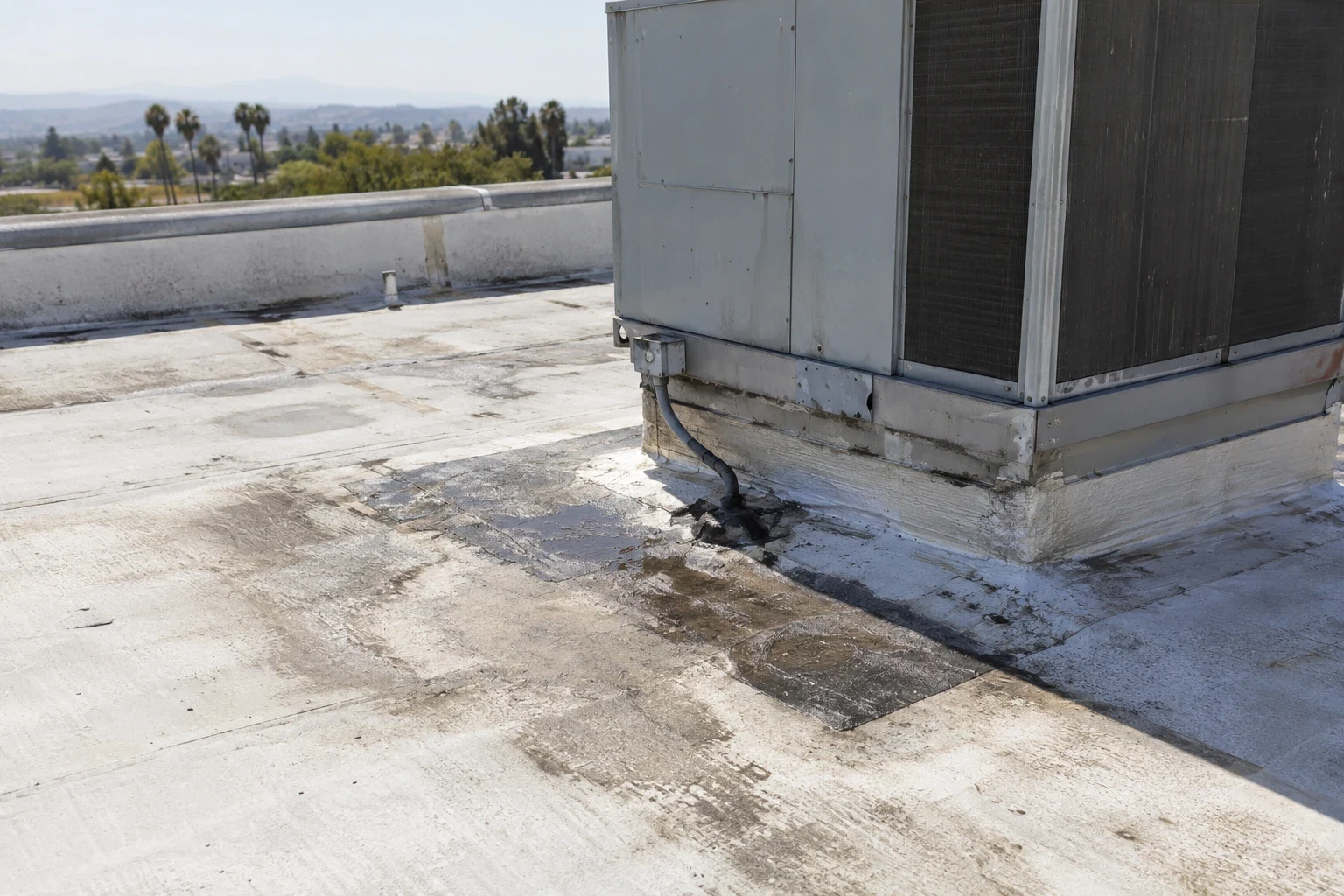
Any retrofit raises the roof surface, and every edge, curb and drain has to be rebuilt to match. Gutters and eaves need new trim, curbs may need extensions so the flashing is tall enough, and wall flashings have to tie into the new height. Our roof drain and scupper work checks whether the existing outlets still sit at the low points once the new layers go on.
If an internal drain ends up recessed below the new surface, water will pond around it. Scuppers may need to be lowered or resized. Skylights, vents and pipe penetrations all need new flashing at the new height. We list each detail separately in the estimate so it is clear what is included. These items are often where cheap retrofit bids fall short, because they are left out of the panel price and added later.
Keep the building dry during the work
One advantage of a retrofit is that the old roof stays on and the building stays mostly closed. Even so, some work opens the roof: replacing a rusted panel, cutting in a new drain or removing an old curb. Our occupied building reroofing plan covers how those openings get protected the same day and who inside the building needs to know.
We work out a schedule with the facility manager that respects tenants, inventory and operations below. Noisy fastening or work above sensitive areas can be timed for off-hours if needed. Rooftop units may need an HVAC contractor to disconnect and reset them so curbs can be raised. Splitting the job into phases can add setup costs, and we show that difference before the owner picks a schedule. At the end of each day the roof is closed and watertight. Nobody should come in the next morning to find water on the floor because a panel was left open overnight. If the crew finds hidden damage during the work, we stop and review it with the owner before going further.
Record what was kept and what is new
When the retrofit is finished, the owner should have a clear record: what was left in place, which panels or purlins were repaired, what new system was installed and how the edges and drains were rebuilt. We provide photos of key details and note anything we did not inspect. That matters for future repairs, insurance questions and the next contractor who works on the roof.
For Port of Richmond buildings and the industrial areas around Marina Bay and North Richmond, many roofs have had several owners and few documents. A good record breaks that pattern. If a warranty comes with the new system, read its maintenance terms and any limits on future penetrations. Knowing that the old metal is still underneath, and what shape it was in, helps whoever opens the roof next to plan their work properly.
Commercial Roofing Questions
If we keep the old metal roof, does that mean it is in good shape?
Not automatically. We check panels, screws, laps and framing first. Rusted panels or weak purlins get repaired before any new roof goes over them.
What is the difference between a membrane and a metal retrofit?
A membrane retrofit fills the ribs and adds insulation and a single-ply sheet. A metal retrofit sets clips on the old roof and adds new panels.
Will the existing drains still work after a retrofit?
Often they need changes. The new roof sits higher, so drains, scuppers and gutters may need to be reset, resized or moved to stay at the low points.
What records should we get when the retrofit is done?
Photos of key details, a list of what was repaired and kept, the new system installed, and any warranty terms that apply to future work.
Tell us about your metal roof and the retrofit you are considering