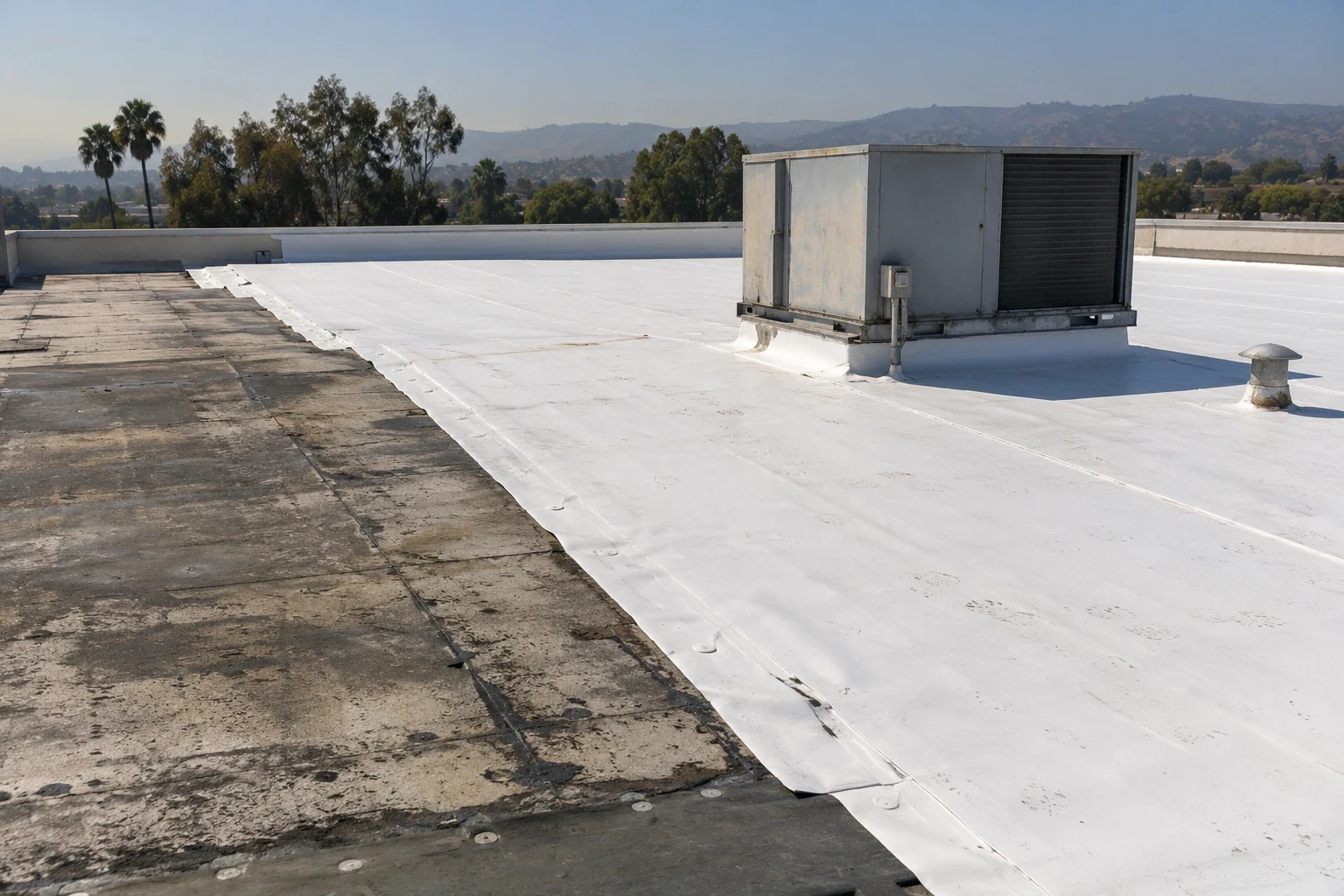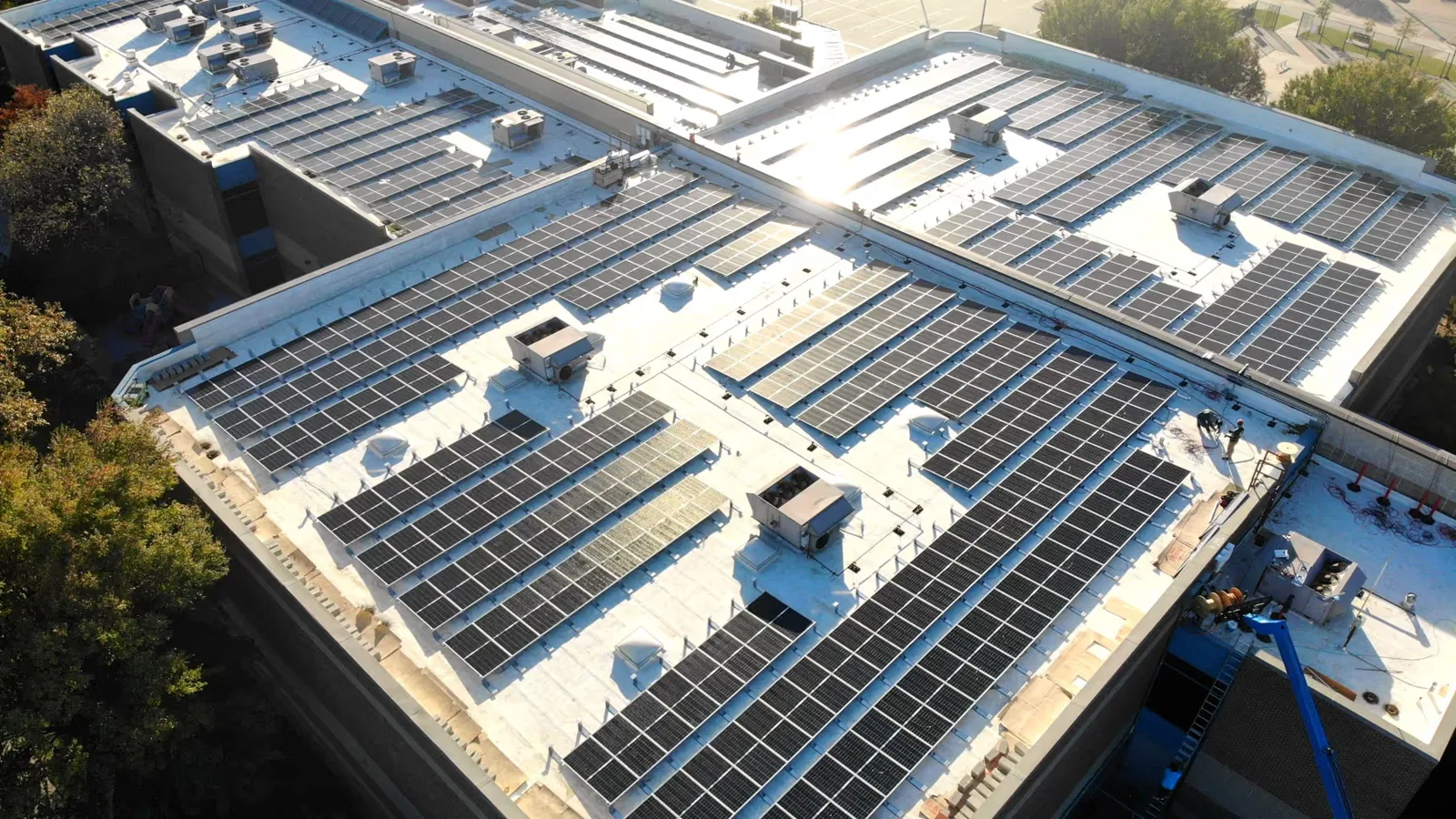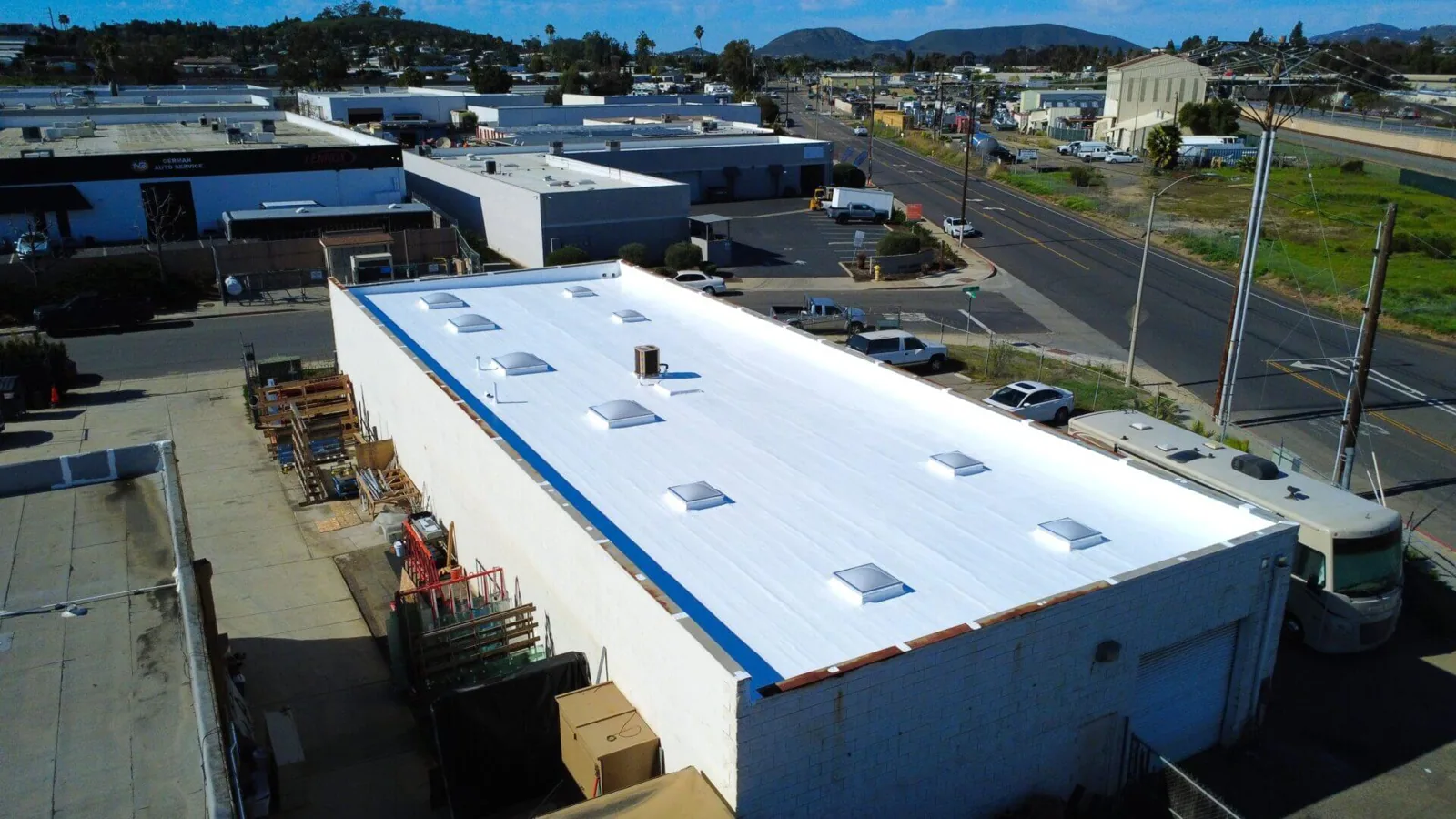
Multi-Site Roof Programs in Richmond, CA
When you manage several Richmond buildings, roof calls rarely arrive one at a time. A warehouse edge comes loose the same week an office tenant reports a drip near a rooftop unit. Our multi-site roof programs give you one consistent way to inspect, rank and track roof work across the portfolio, while still treating each roof as its own building. Two roofs managed by the same company can have different membranes, insulation, deck types and access rules. A shared report format makes them easy to compare; it does not mean the same fix works on both.
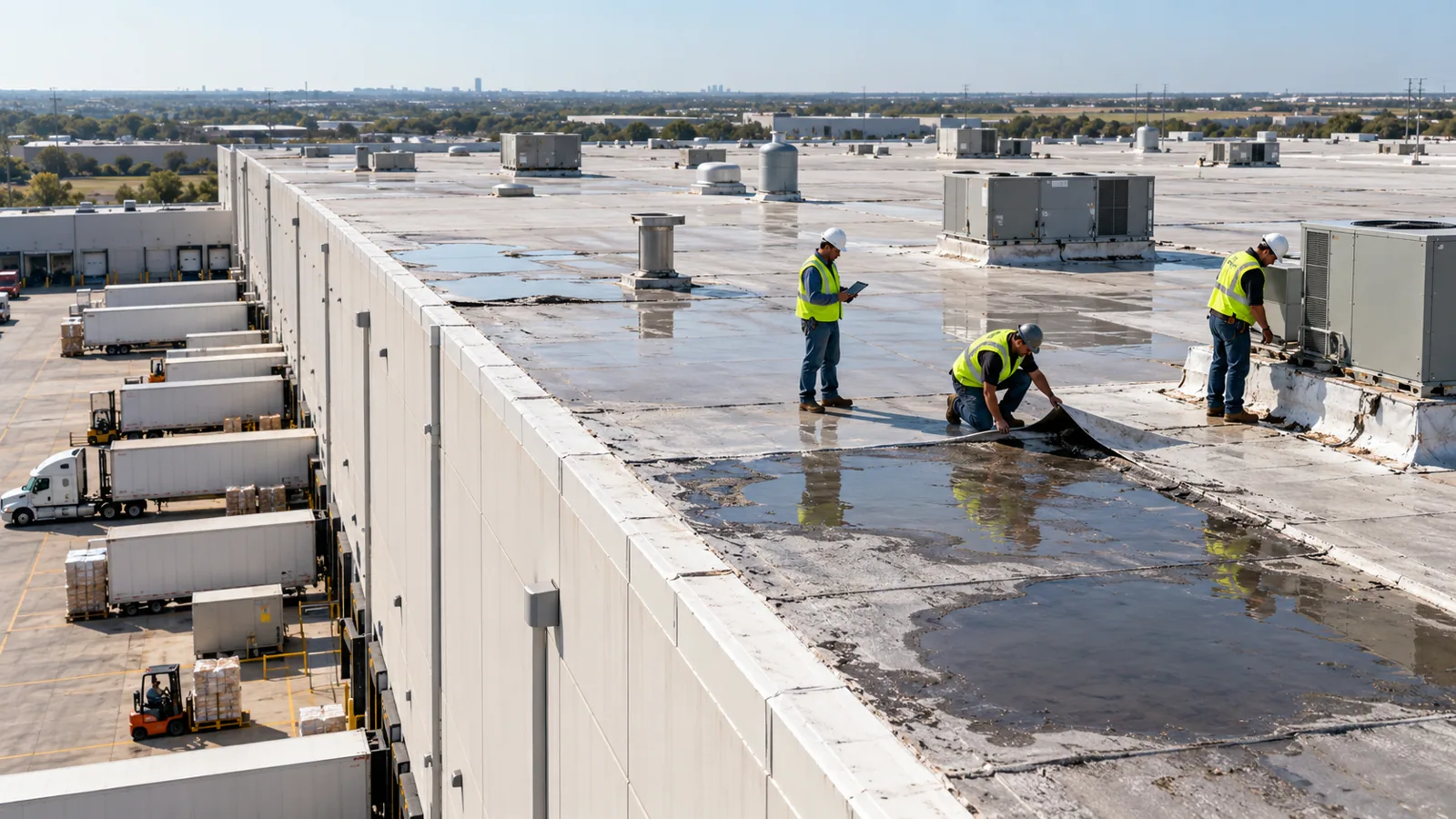
Warehouse roofs in a portfolio are a good example. One building's loose edge may sit on sound wood blocking and need a simple re-secure, while the identical-looking edge next door has rotted blocking underneath. We record each finding against its own roof, along with that building's repair history, so you can approve the right work at the right site. Before grouping jobs, we confirm the roof access and rules at each property with its site contact.
Keep each problem with its building
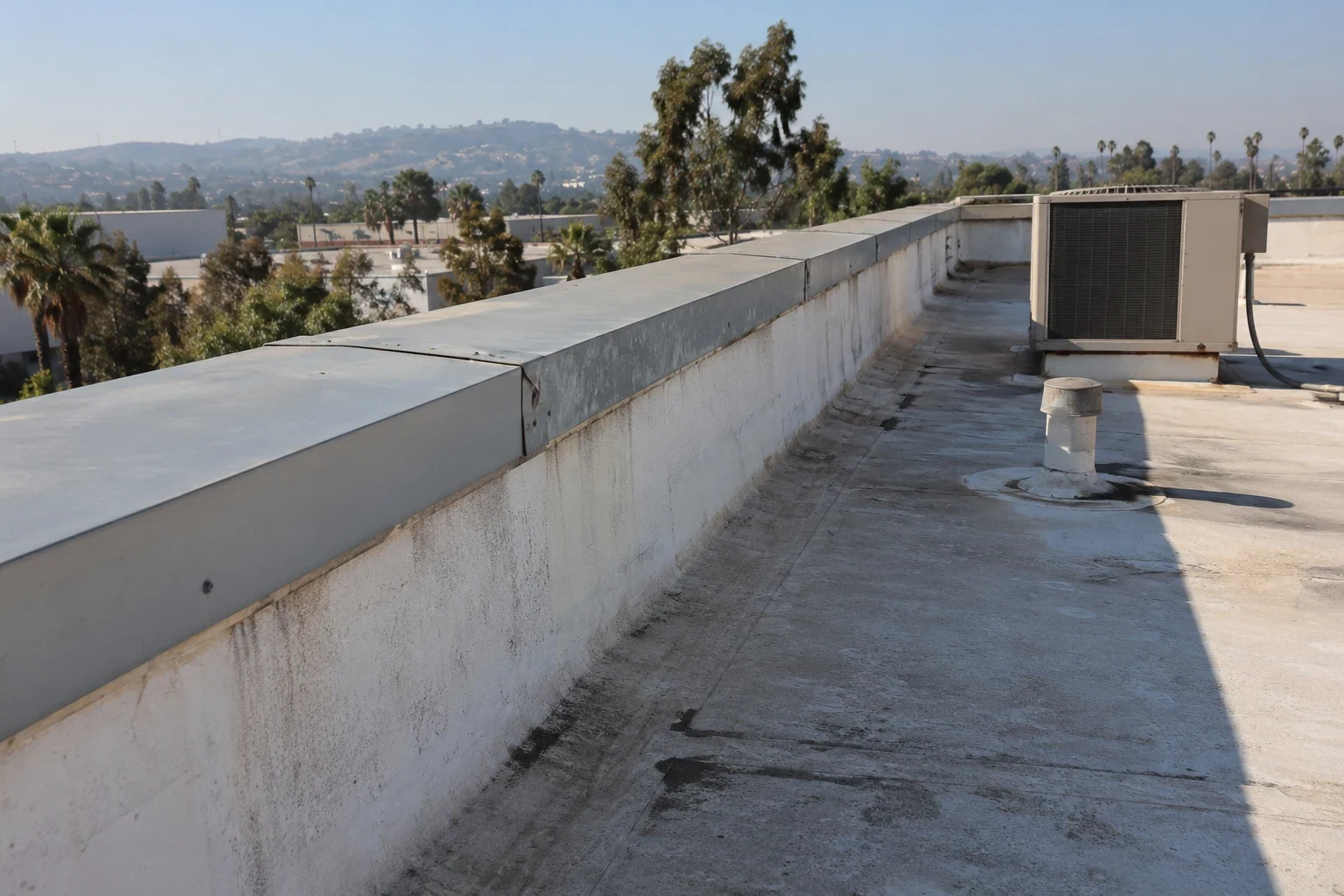
A separated perimeter at one roof may have damaged wood behind it. A lifted strip at another building may be sitting on good backing and need only a small repair. We price them separately instead of copying one quantity to both. Every photo is labeled with the building, roof area and date, so a manager who joins the team next year can still find the spot. Consistent entries keep the portfolio easy to scan, and the detail under each entry explains why that job made the list.
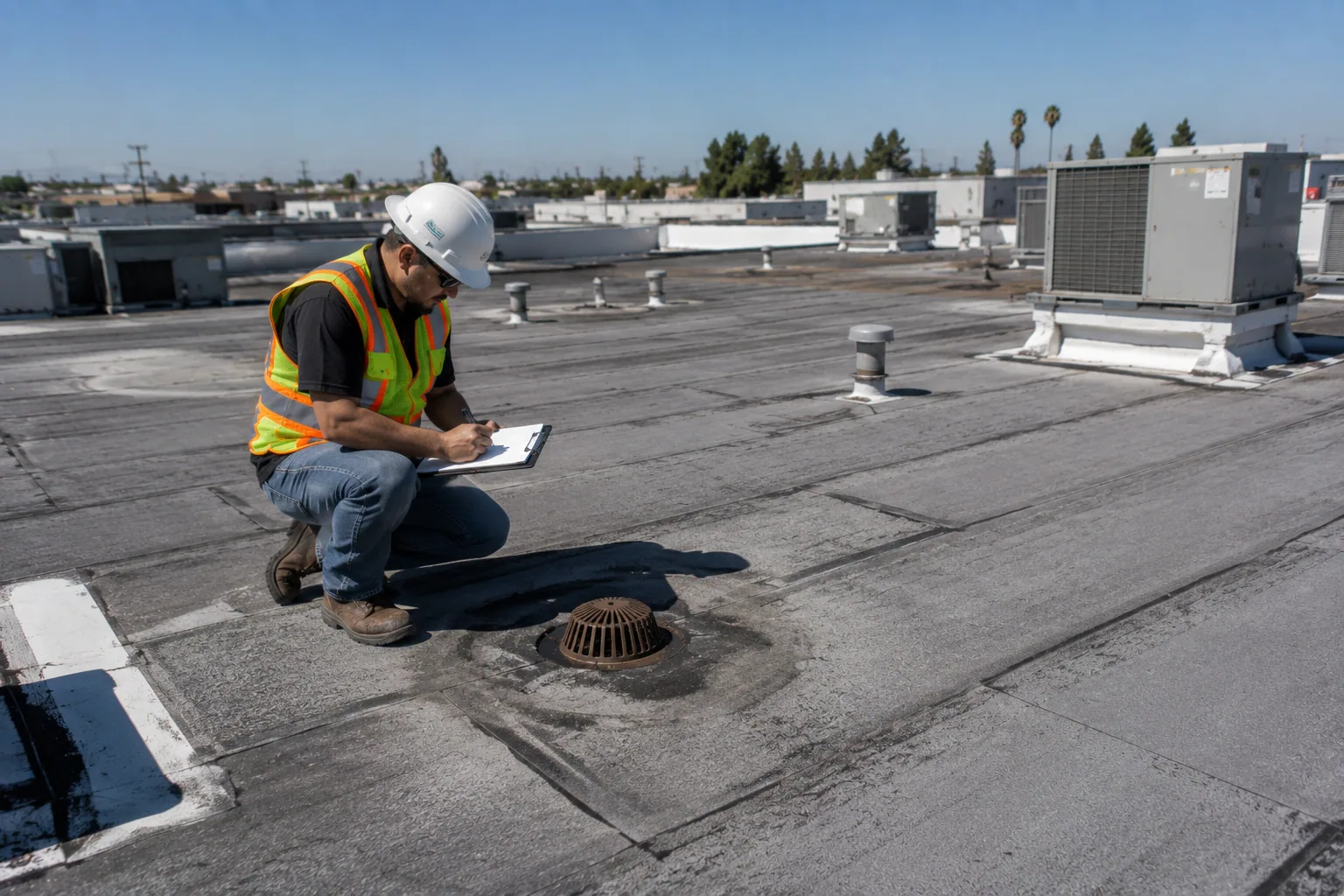
Our roof condition reports use the same layout at every building, with clear locations and a recommended next step for each item. Two similar-sounding problems can have different causes. A backed-up drain may be a membrane issue at one site and a clogged downspout or plumbing line at another, which means a different trade. Areas we did not inspect are flagged as open, so you know where a follow-up visit could change the plan.
Rank the work by real consequence
An open seam above occupied office space needs a temporary fix quickly. A worn area on a vacant warehouse can wait for a planned repair. We rank work by what happens if it is left alone: water into tenant space, damage to stock, or slow wear. For each item you see the temporary protection, the permanent repair and the order they should happen in. A shared deadline across the portfolio does not make every job equally urgent, and the list explains each ranking in plain terms your approvers can follow.
Good roof capital planning across several buildings depends on bids that cover the same scope. A small edge repair may leave other known problems for next year. A full replacement may fix more but bring added costs for insulation, curbs or equipment work. We spell out those differences at each site. A cheap surface patch is not a fair comparison against a bid that includes replacing the rotted wood underneath, and we make that clear before you choose.
Plan access at every property
Roof access is specific to each building. A ladder that works for an inspection may be useless for hauling tear-off debris and new insulation. We confirm with each site contact how crews and materials get up, and who has to approve equipment shutdowns or tenant notices. Portfolio-level approval does not always mean one person can sign off on everything at every site. The program tracks who still needs to approve what, so work is not scheduled at a building that is not actually ready.
A building in Point Richmond may have a tight lot and tenants with fixed hours, while another property has a loading yard with room for a crane. We look at where materials will be staged and lifted at each site. If heavy loads would sit on the roof, we ask for a structural review where needed. The program shows which sites are confirmed and which are still waiting on access or approvals.
Combined purchasing or crew scheduling can save money once each building has a defined repair and access plan. We still keep each work order tied to its own roof, tenants and trades. One site may be ready while another is waiting on an HVAC contractor or a follow-up inspection. The schedule reflects those differences instead of forcing every roof into the same week.
Repair plans for each location
Every repair needs to suit the roof it is on. A detail that works on a TPO roof can fail on modified bitumen or an older built-up roof, so crews do not carry one method from site to site without checking. Each work order lists the problem area, the prep work, and how new material ties into the existing roof. If an HVAC or structural contractor needs to be involved, that is noted. Hidden damage found during tear-off is measured, photographed and approved before extra work proceeds, and the opening is kept watertight in the meantime.
For commercial roof repair across a portfolio, we keep the details visible until the work is finished. Photos of the prep work, the replaced wood and the finished seams go into each building's file. A temporary patch at one site is never reported as a permanent repair just because jobs at other sites are done. Unfinished items list the next step and who owns it. A portfolio spanning the Richmond Inner Harbor and Cutting Boulevard still gets a separate condition review, access plan and work schedule for each roof.
Track changes over time
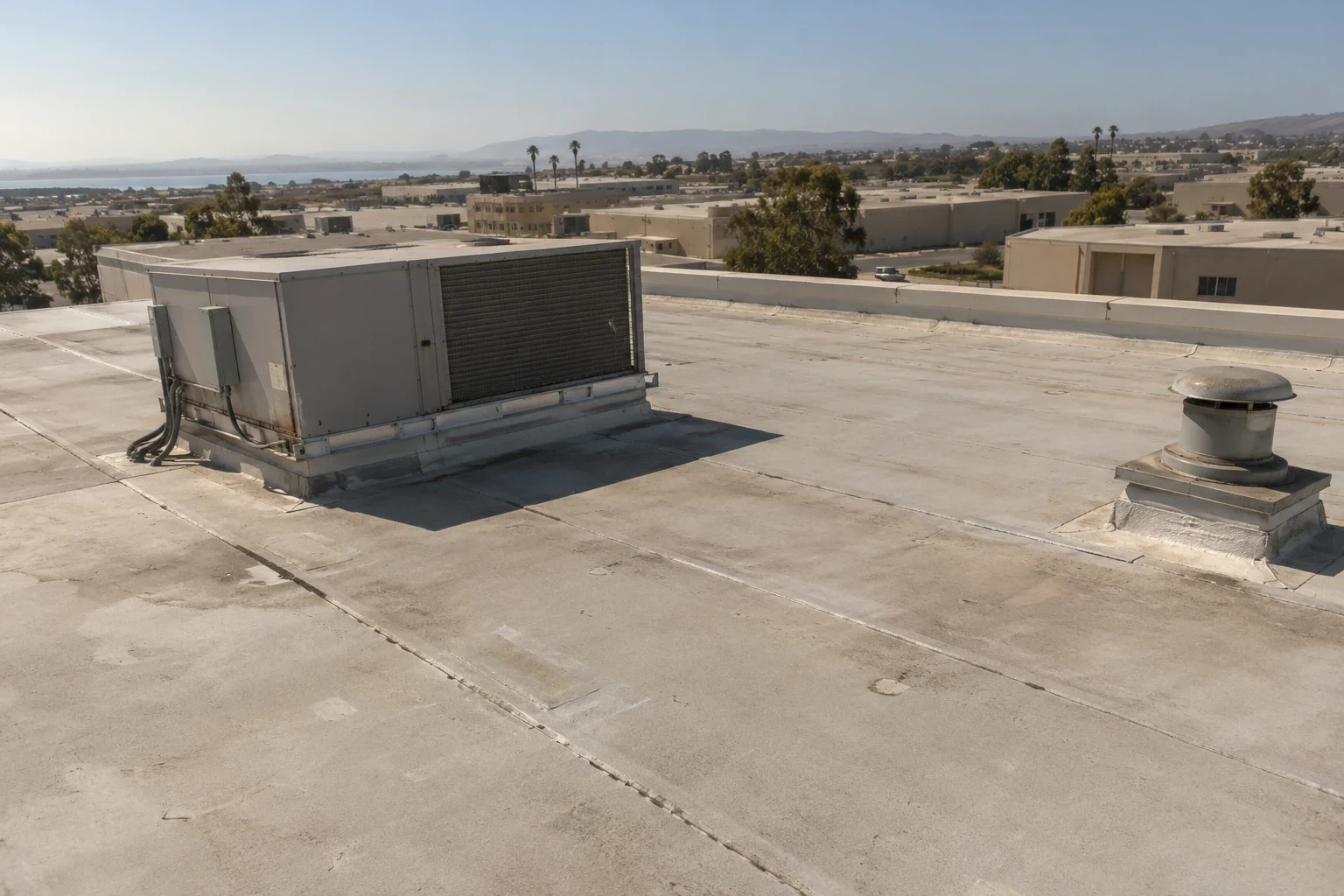
Roofs change between visits. A new rooftop unit installed at one building can damage flashing that was fine last year, while the building next door stays the same. Each record notes what changed, where and when. When a new leak appears, we inspect the roof as it is now before blaming an earlier repair. The portfolio view makes those comparisons quick without mixing up the history of different buildings.
Preventive roof maintenance visits use the repair history and open items to decide where to look first. Each visit report lists the areas checked and the work actually done; a calendar entry is not proof that a problem was fixed. New issues get their own entries. You end up with a running record of finished work and open questions across every property, with the follow-up tied to the building where it matters.
Commercial Roofing Questions
Can several buildings share one priority list?
Yes. We use the same inspection standard everywhere and rank items by consequence, but each roof gets its own findings and next step. Different roof types and tenants can change the order.
Does portfolio approval cover access at every building?
Not always. Each property may need its own sign-off for roof access, material lifts, tenant notices and equipment shutdowns, and we confirm those site by site.
Can one repair detail be used at every building?
Only if the roofs match. We check the membrane and what is underneath at each site and choose a compatible repair rather than copying one detail everywhere.
How is extra damage found during a job priced?
It is measured and photographed at the building where it was found, then approved before the added work goes ahead. The roof is kept watertight in the meantime.
What makes a portfolio roof record useful?
Each building shows the work completed, what is still open, and dated photos of the prep and finished repairs, so anyone can pick up where the last visit left off.
Plan roof work across your buildings