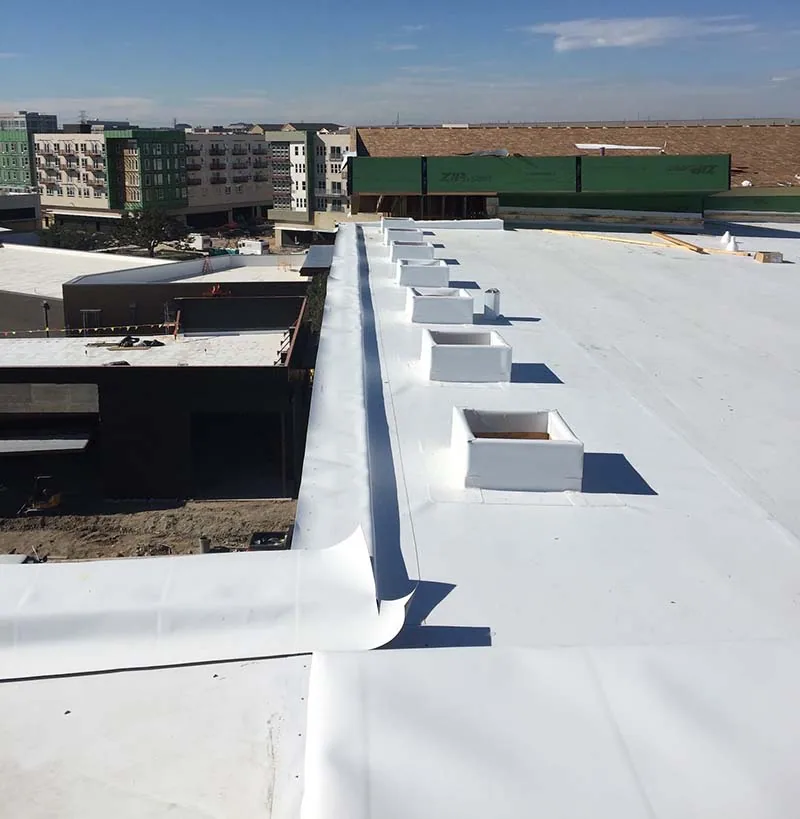
GAF Commercial Roofing in Richmond, CA
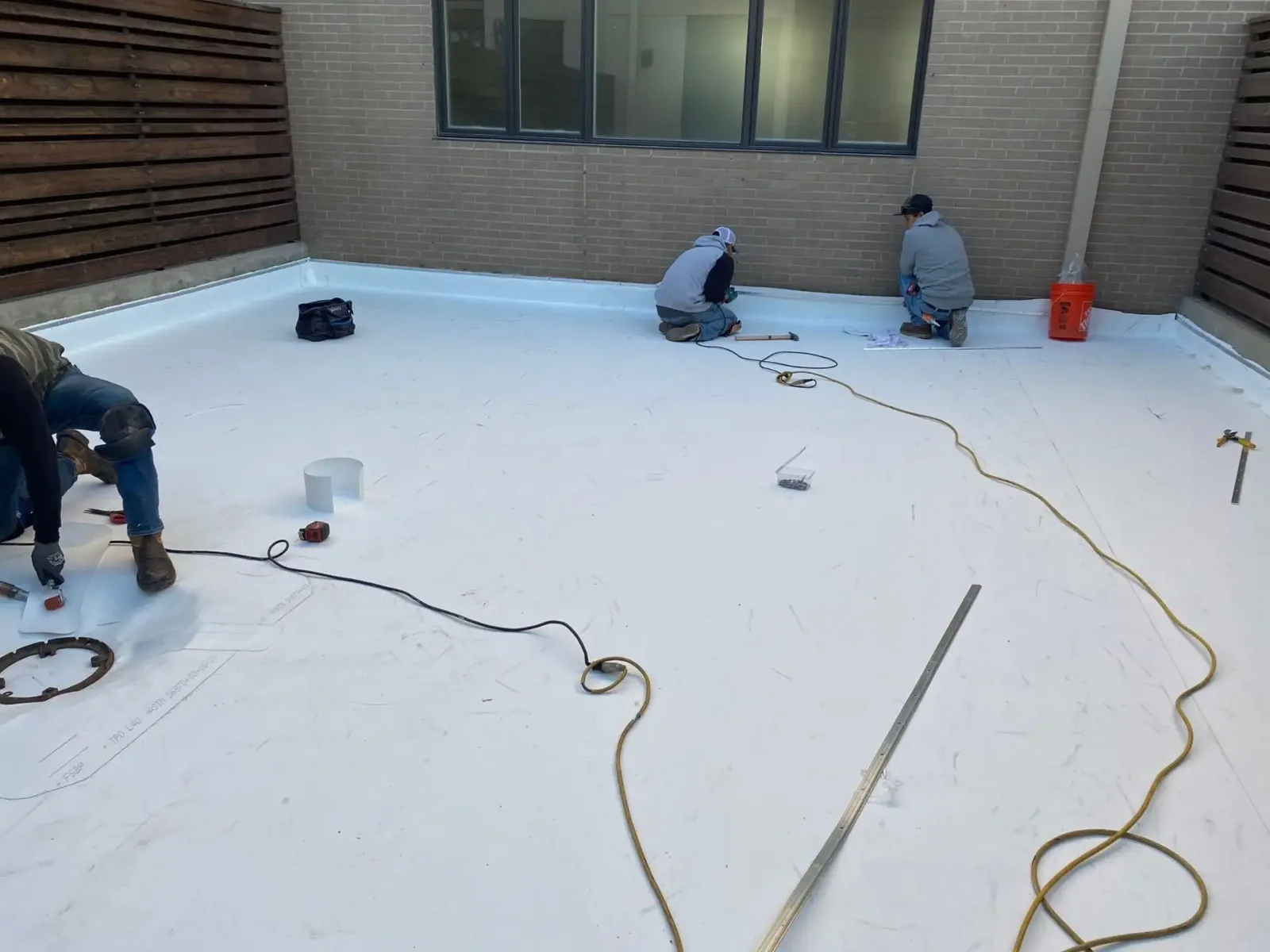
When an owner's records say a Richmond retail roof is GAF and a lap has failed, the right repair still depends on which GAF membrane or sheet is actually installed. For GAF commercial roofing in Richmond, CA, we look at that membrane and how it ties into curbs and walls before letting the brand name decide the repair. We compare the roof with the documents the owner has and flag any open questions about components or insulation that need a closer look. A TPO roofing repair on a GAF roof includes the right seaming and insulation work, plus any unit that has to be moved to reach the failed spot.
We get the building's room restrictions before planning access to the lap. Then we sort out what can stay and what has to be rebuilt, keeping the GAF records tied to the roof we actually inspected. The owner gets clear repair limits and a reason for each component chosen, with any other trade's work listed where we cannot finish without it. Choosing GAF should follow from that complete scope, not replace identifying the material or checking what it sits on. Every proposed GAF repair in Richmond starts with finding the damaged section and the person who manages the building.
Find out which GAF product is up there
GAF makes TPO, PVC and modified bitumen roofing, so the exact product matters before we choose a permanent repair. We review the records and look at the materials around the failed seam, and we dig further where an old patch cannot be identified. PVC roofing from GAF has its own welding and accessory requirements, which do not carry over from a TPO or modified bitumen roof. The GAF name alone does not make every earlier patch compatible with new material.
The owner should know what the repair will tie into and which materials need to be removed or prepped first. We check the product's actual requirements against the roof instead of treating a product family as approval of the whole system. A modified bitumen sheet and a single-ply membrane can need very different flashing work even when the roofs look alike from above. Those differences belong in the price comparison. The work order lists compatible materials and sound insulation together, and any unchecked area stays marked until it is answered. That gives the product choice a real basis instead of assuming GAF answers every hidden or nearby condition.
Trace the seam to where the repair has to end
A split lap may involve the surface it is bonded to, nearby flashing or a unit that another trade needs to prepare. We look at the layout and decide where the permanent repair needs to reach. A commercial roof repair on a GAF roof includes compatible seam materials and any insulation replacement along with the visible split. A fresh-looking surface cannot finish a curb we cannot reach or prove that hidden insulation is fit to stay.
The owner needs to understand the failure and the full repair before a material allowance becomes the whole bid. We match the chosen components to the identified system and include the prep and seam checks the detail calls for. A method that works for one GAF product cannot be used on another just because they share a brand. Wall, curb or drain rebuilding stays inside the option, and anything that needs an engineer or another trade is flagged. The estimate describes what the repair will actually tie into and finish, and keeps blocked details separate from work that is ready elsewhere on the roof.
Measure the insulation that needs replacing
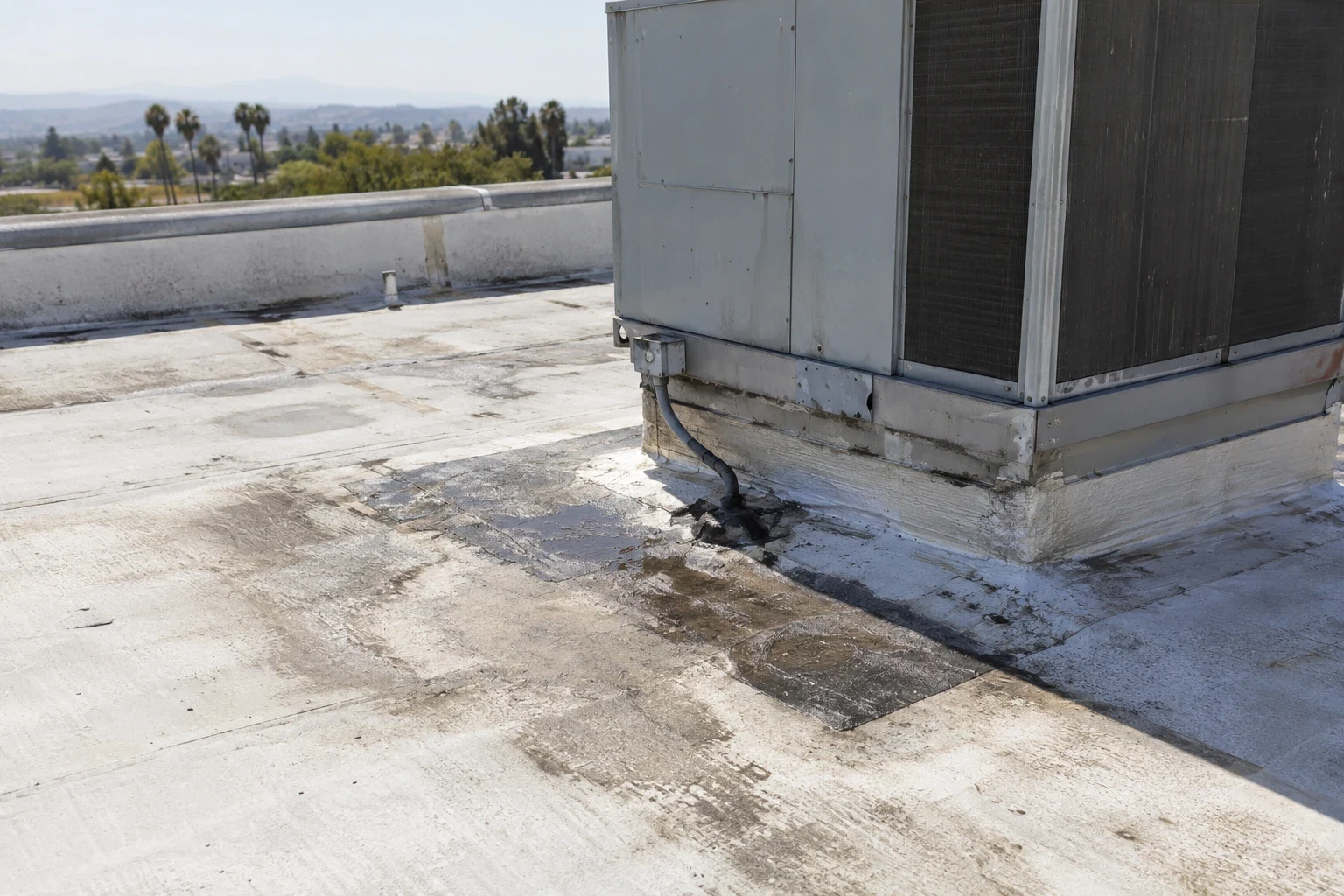
Water through a failed seam can soak insulation well past the opening, so the tear-off should be based on testing, not the outline of the split. We separate suspected wet areas from confirmed ones and include disposal and rebuilding in the GAF option. Insulation and cover board replacement under a GAF repair shows where sound material begins and what the permanent work depends on. New membrane cannot dry out the wet insulation left beneath it.
Opening the roof may turn up more damage. We photograph each new problem and explain the extra removal it needs. The owner can approve the change while the opening is temporarily sealed. Confirmed insulation replacement belongs in both the small and the large repair estimates, because changing the membrane quantity does not make it go away. A cheaper membrane allowance can leave out rebuilding or disposal the roof still needs. We spell out disposal, rebuilding and access before ordering, mark any areas still to be tested so they stay on the list, and pick the GAF repair materials only after confirming what they will sit on. Hidden damage we confirm goes into the price instead of staying an open assumption.
Plan access around the equipment
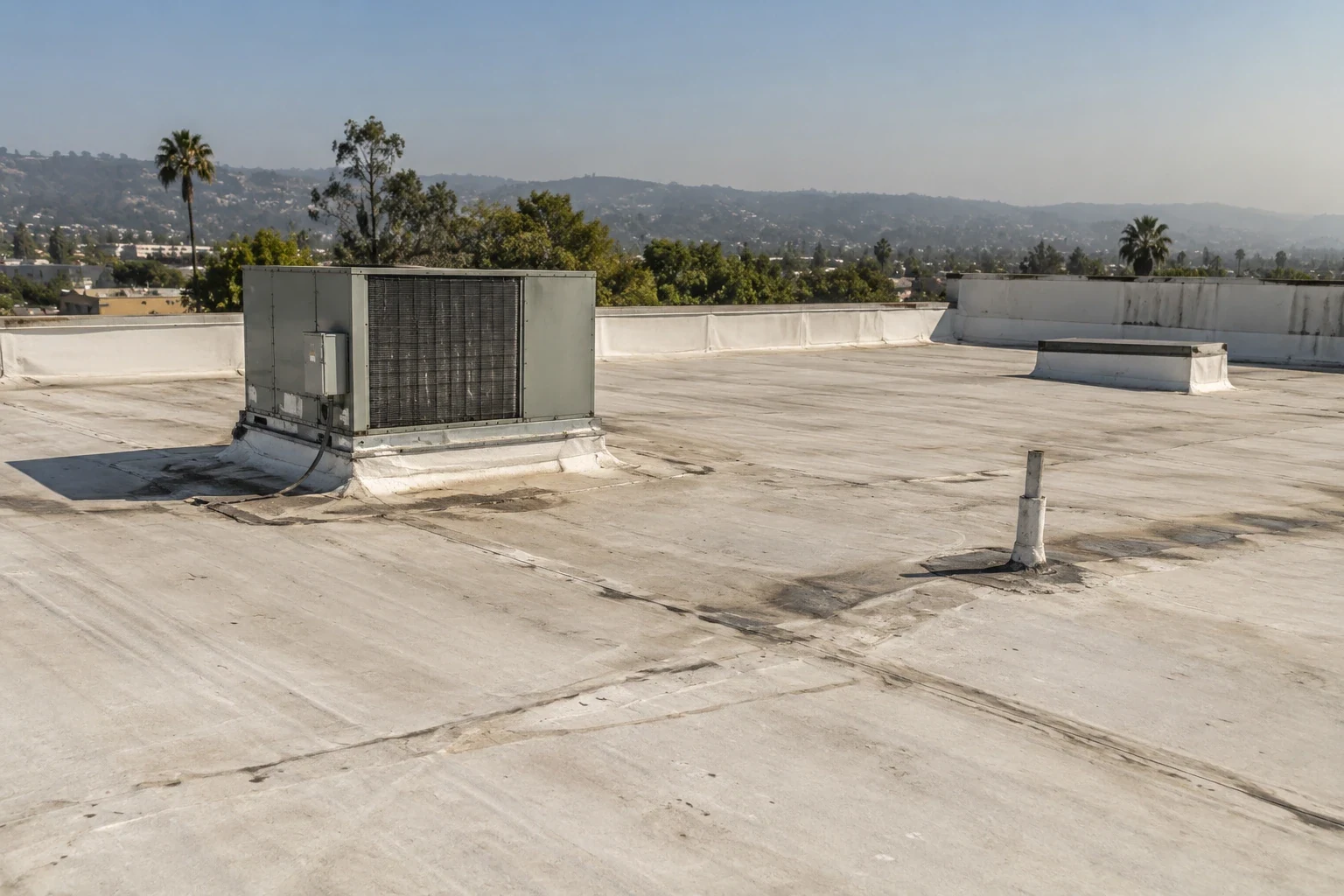
An attached unit can block the failed lap even when the rest of the roof is easy to reach. The unit's contractor has to free it up before that repair goes ahead. We list that step and the roofing it unlocks next to the chosen components. On GAF roofs, the actual sheet and how it meets the curb decide which components we use. The building contact gives us the delivery restrictions and the route to the work area, and those restrictions set how we reach the detail.
Working in separate time windows can mean extra handling, setups or temporary protection beyond the roof square footage. The owner needs those costs before comparing material prices, since a delivery cannot ready equipment or confirm insulation that has not been tested. New insulation can change the height of walls, curbs and drains, and those flashing changes need to be planned before the new roof is finished. We tie that work to the order, and note any approval another trade must give. The complete option describes a roof that can actually be built at every edge and curb. For roof work in Point Richmond, we identify the installed GAF material before choosing compatible repair components.
Weigh GAF against other manufacturers
A Johns Manville roofing alternative needs its own system and components reviewed. A Carlisle SynTec roofing option should carry the same insulation work, with product requirements specific to Carlisle. We compare realistic options over the same repair area and explain real prep differences without assuming one brand's compatibility applies to another. The owner should understand the complete roof each option delivers.
For GAF repairs around the Port of Richmond, we keep the installed component information with photos of the repaired areas. The repaired lap is photographed and the seam checks are recorded at that spot. Any equipment still waiting on its contractor or insulation still to be tested is listed separately. Warranty terms should be checked against the actual GAF products installed, including what treatments are allowed during later maintenance or changes. Where a treatment does not clearly match, we ask for clarification. The closeout shows exactly what was repaired and what comes next, so later decisions follow the real roof instead of a brand name.
Commercial Roofing Questions
Does the GAF name tell you every component on the roof?
No. GAF makes several roof systems. We check the specific product and the materials around it before choosing a permanent repair method.
How do you decide how much insulation to remove near a failed seam?
We test it. Confirmed wet insulation is measured and included in the repair, and suspected areas are listed separately until checked.
Can choosing a manufacturer get a blocked unit out of the way?
No. The unit's contractor still has to free it up. We list that step and the roofing it allows next to the materials and the open field work.
How should we compare manufacturer options?
Compare complete systems over the same repair area, with the same insulation and flashing work, then look at the differences in components and prep.

Tell us about your GAF roof