Holcim Elevate Commercial Roofing in Richmond, CA
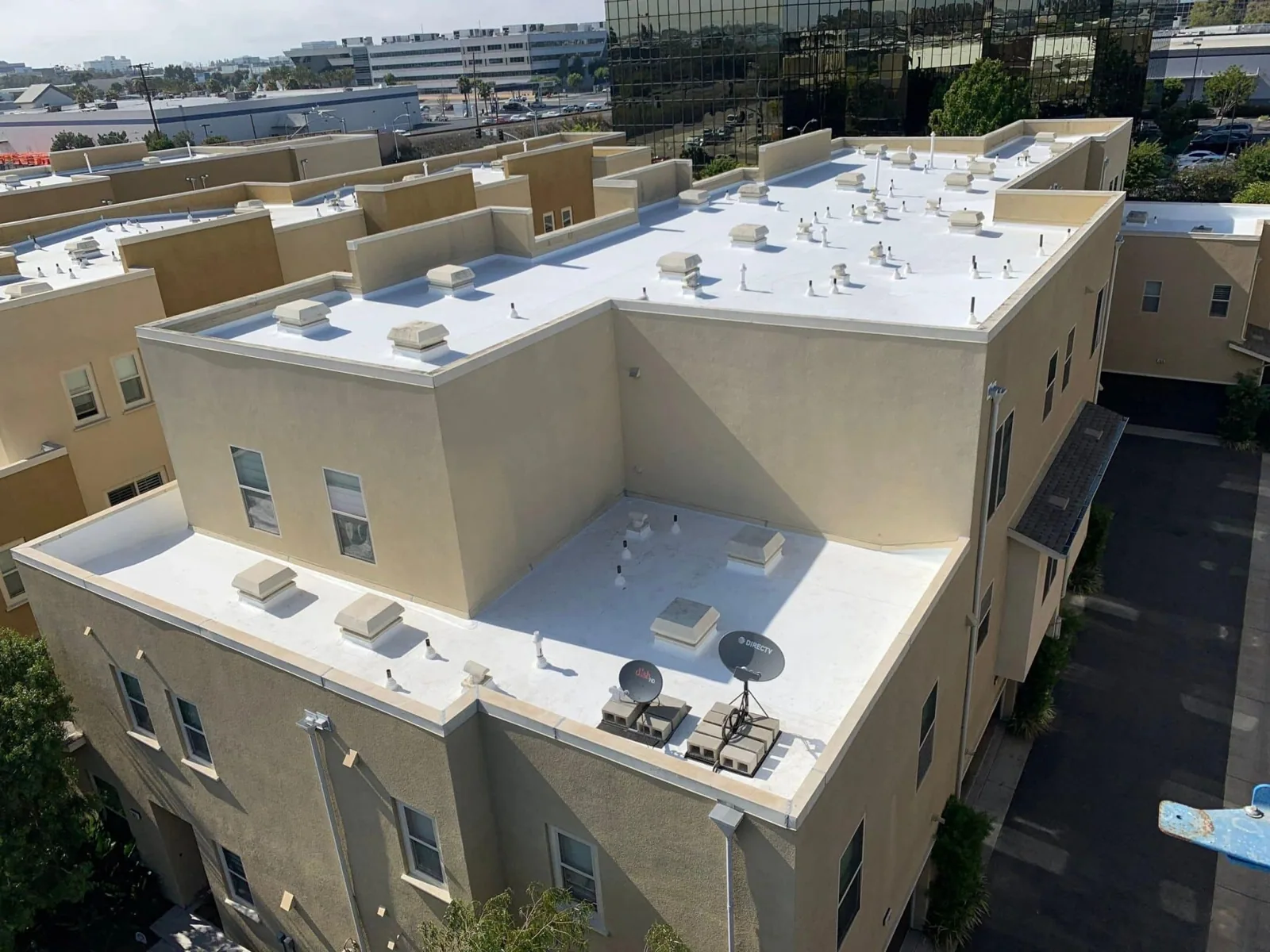
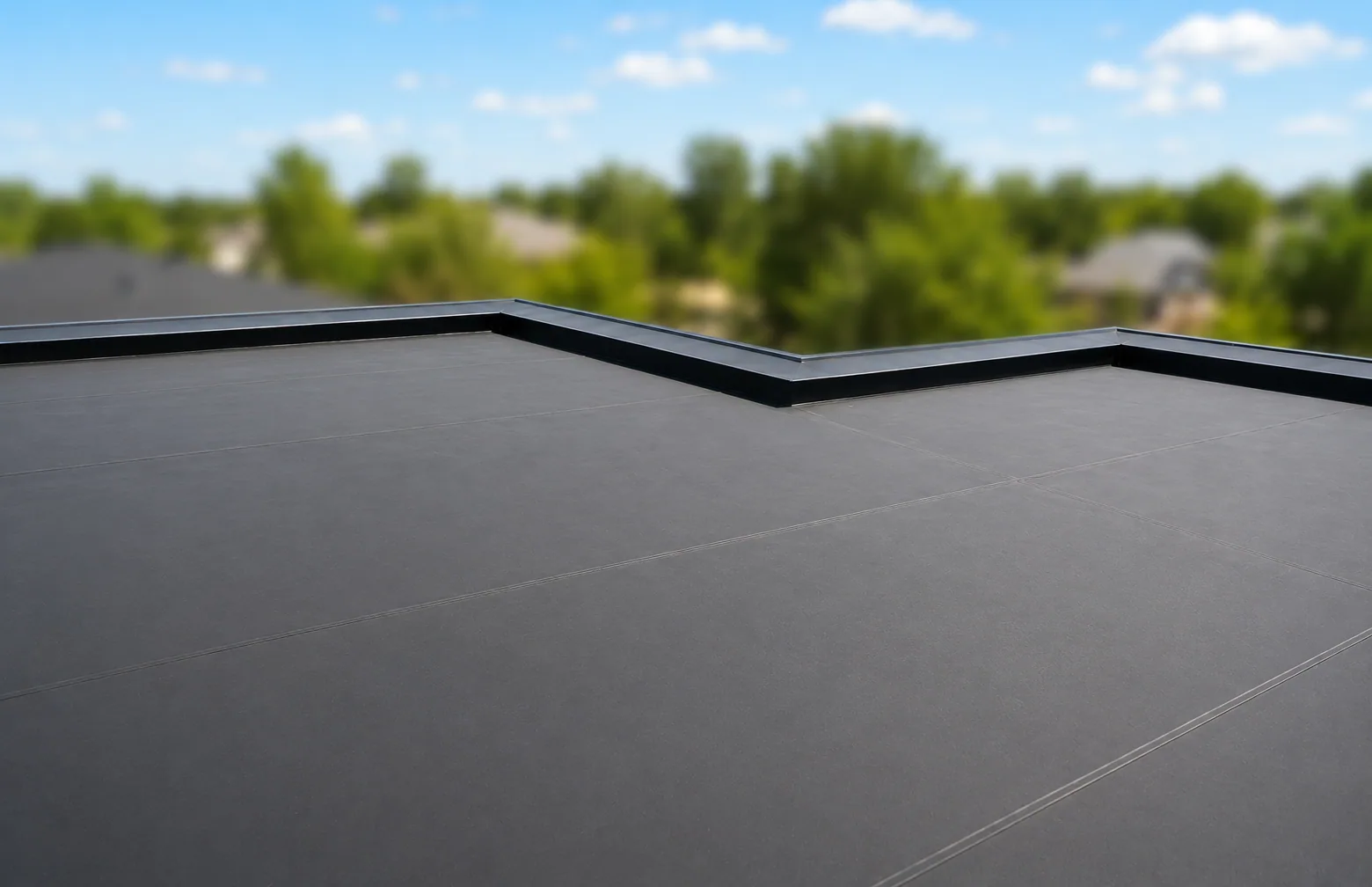
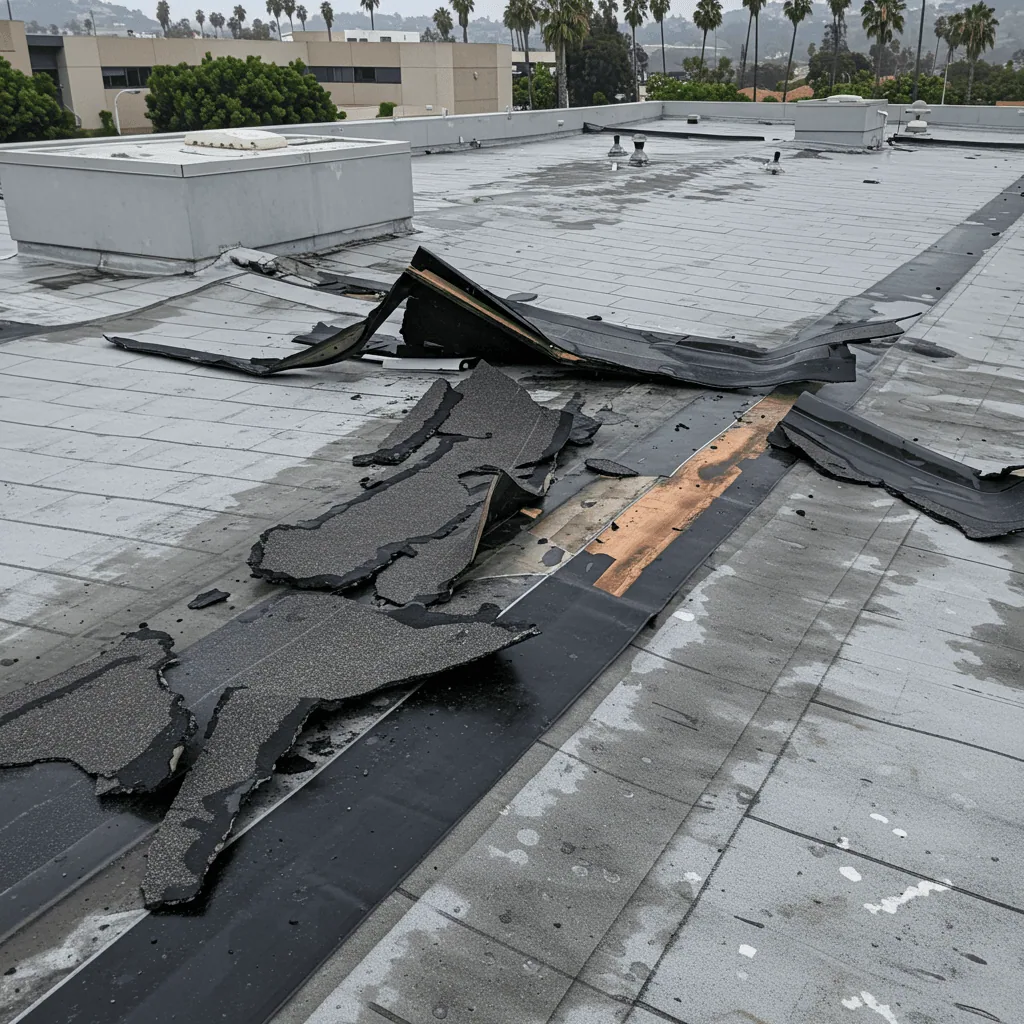
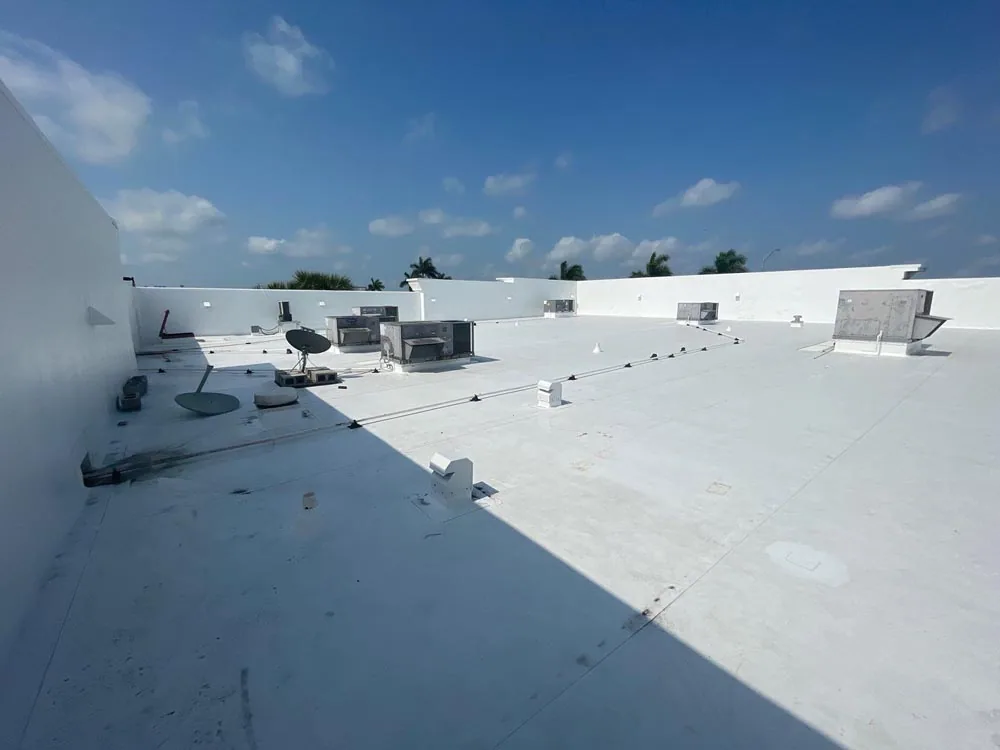
A torn sheet where a Richmond warehouse roof meets its wall usually takes more than replacing the damaged membrane, even on a Holcim Elevate roof. For Holcim Elevate commercial roofing in Richmond, CA, we look at the specific membrane and how it turns up the wall before the owner picks a permanent repair. We check what the membrane sits on and list the compatible components the job needs, with any equipment prep by another trade shown next to our scope. A TPO roofing repair at the wall of an Elevate roof includes the seam work and access plan, so a brand preference never stands in for the full work order.
We get the project contact and any room restrictions before planning access to the failed detail. Then we compare what we see on the roof with the material records, and we dig further where hidden insulation or an old patch is still a question. The owner gets a repair option tied to a sound roof, with tear-off and new wall flashing included wherever they are needed. The product choice follows that scope, rather than using a brand name to approve every layer under or around the torn sheet. Every proposed Holcim Elevate job in Richmond starts with identifying the roof section involved.
Identify the membrane and flashing materials
Holcim Elevate makes EPDM, TPO and PVC roofing, so we need to know which one is installed before choosing compatible repair materials. We check the roof and its records at the failed area and note any old repairs we cannot identify. On an EPDM roofing system from Elevate, the seam tapes, primers and flashing pieces follow EPDM requirements, not those of a thermoplastic. Two roofs that look the same from above do not necessarily share accessories, and an unchecked section is not assumed sound.
The owner should see which materials will meet at the wall before materials are ordered based on a preference for one membrane. We check the product requirements against the roof and keep track of any insulation question that affects whether the old roof can stay. A material record helps identify the system but does not prove its current condition or that past repairs were done right. Those still need checking on the roof. The estimate describes a repair that will tie into compatible material, with open questions listed until they are answered. That keeps the Elevate option specific to this roof instead of one brand-wide method for every detail.
Follow the tear at the wall
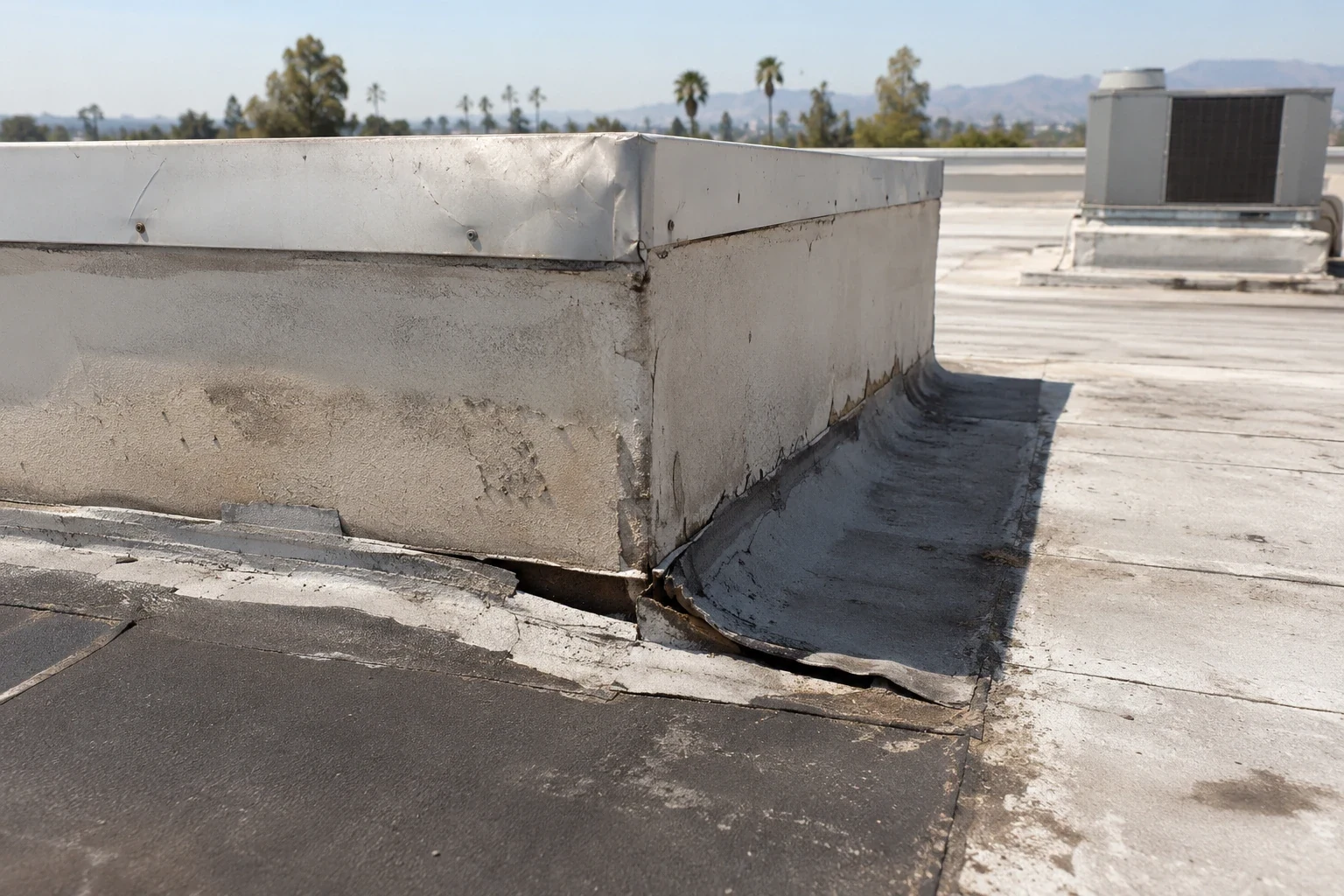
A tear where the roof meets a wall may involve the wall flashing, the blocking behind it or a component that another trade is responsible for. We look at how the detail is built before deciding where the permanent repair stops. A commercial roof repair at the torn wall flashing includes solid backing and the right seam materials, not just a patch over the visible damage. A new sheet on top cannot fix a component we cannot reach or finish work that belongs to another trade.
The owner needs clear repair limits before a membrane allowance becomes the whole estimate. If the repair changes the height at the wall, we include rebuilding the flashing and check the project requirements for that system. Seam checks are done on the actual welds or laps, not judged by how the surface looks. We explain what each detail will tie into and finish, and flag anything that needs an engineer or another trade. The permanent repair should end at a properly built wall detail, not at a field patch next to a wall that still needs work.
Confirm what insulation must be replaced
Damage at a torn wall detail can leave the insulation's condition unknown well past the tear, so tear-off limits depend on testing. We separate suspected areas from confirmed wet material and include disposal and rebuilding in the permanent option. Insulation and cover board work at the Elevate wall detail shows where the sound material starts and how we know it can stay. New membrane cannot dry out wet insulation underneath or prove that hidden fasteners are holding.
Opening the roof may turn up more damage and change the size of the repair. We record where it is, get approval for revised quantities and keep the area sealed while that is decided. The owner should compare local and larger repairs with the needed insulation work included in each. A lower membrane price may leave out rebuilding or disposal the roof still needs. We point out those gaps before ordering, and areas not yet tested stay on the list until they are checked. The Elevate components should go on a sound base, with confirmed hidden damage included in the price, not left outside it.
Plan the work order around access
A wall or equipment detail may be blocked while the field roof nearby is ready to go. We name who has to prepare that spot and list the roofing work it frees up next to the chosen components. On Holcim Elevate roofs, the identified sheet and accessory pieces shape the repair prep. We confirm delivery instructions before scheduling material handling, and the site's restrictions decide how we prepare each permanent detail.
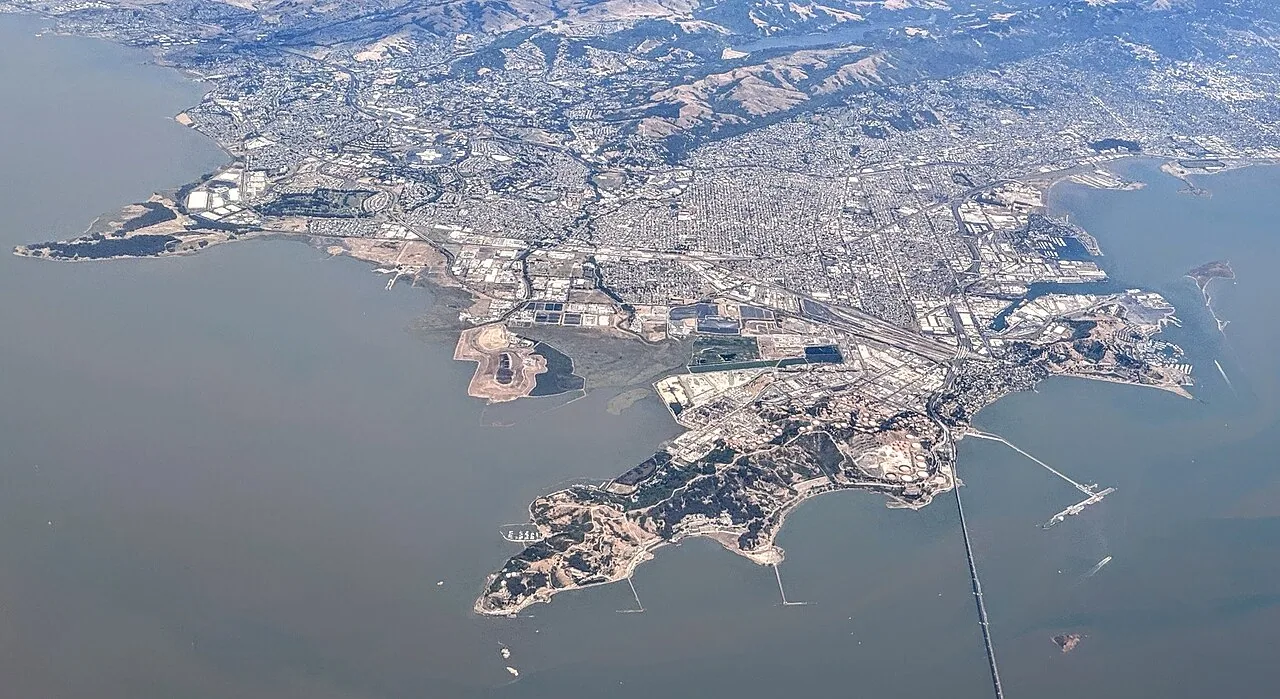
Working in separate time windows can mean hauling materials more than once or setting up protection again, so those costs go into the estimate before quantities are chosen. A delivered sheet does not free up attached equipment or show whether the insulation can stay. We include the wall transition work with the chosen roof section and keep blocked details separate from field work that can proceed. Materials are ordered to match a realistic order of work, with equipment and site approvals noted where they control when the detail can be finished. For roof work in North Richmond, we identify the installed Holcim Elevate material before choosing compatible repair components.
Compare complete alternatives
A Carlisle SynTec roofing comparison needs its own product and component review. A Versico roofing alternative has to include the same wall and insulation work, with its own surface prep checked against the proposed system. We compare options over the same repair area and explain real differences in tear-off or details without assuming one brand's compatibility applies to another. Compare the finished wall detail and insulation work each proposal includes first, then look at the material allowance within that full scope.
For Holcim Elevate repairs around the Port of Richmond, we keep a photo record of installed components and repaired areas. Seam checks are noted next to their photos. Equipment still waiting on its contractor and insulation areas not yet opened go on a separate open-items list. Any warranty should be reviewed for maintenance requirements and limits on alterations before later work is approved. Where a proposed treatment does not clearly match, we ask for clarification. The closeout identifies the repaired wall detail and the insulation kept beneath it, so future changes start from a clear record of what was done and what still needs checking.
Commercial Roofing Questions
Does a Holcim Elevate record prove the existing insulation can stay?
No. The insulation still needs testing. We use product records to identify the system and include any needed insulation repair before relying on the old layers.
What decides the repair at a torn wall detail?
How the wall flashing is built and which compatible components fit it. Rebuilding the flashing and any other trade's work is listed alongside the visible damage.
Does a membrane delivery mean another trade's detail is ready?
No. That trade still has to finish its prep. We note the roofing it unlocks and keep blocked details separate from work that can go ahead.
What records help with future Holcim Elevate roof care?
Installed materials, insulation repairs and repaired detail locations, plus maintenance requirements, seam checks and any open items for other trades.


Tell us about the torn sheet on your Elevate roof