Versico Commercial Roofing in Richmond, CA
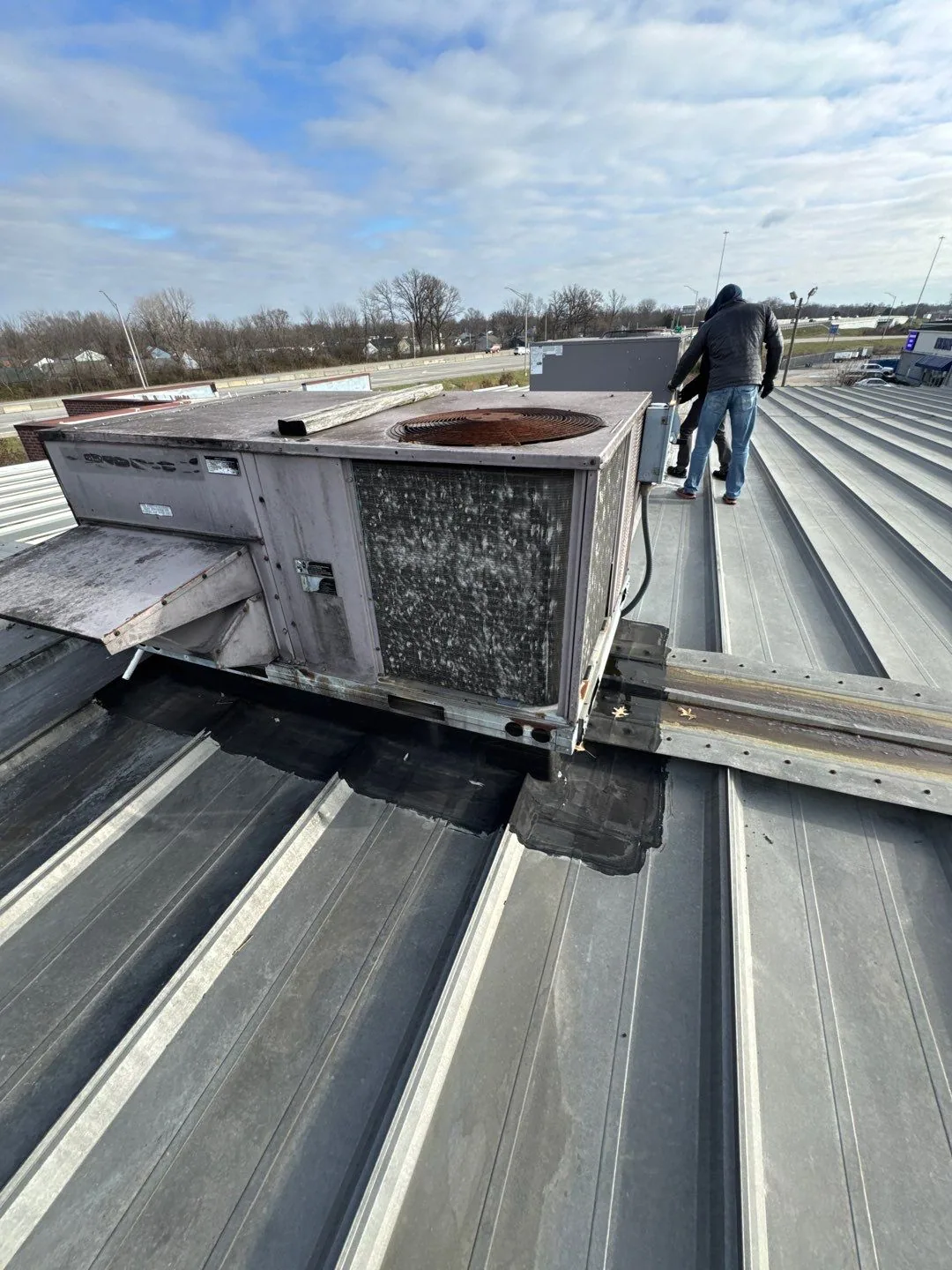
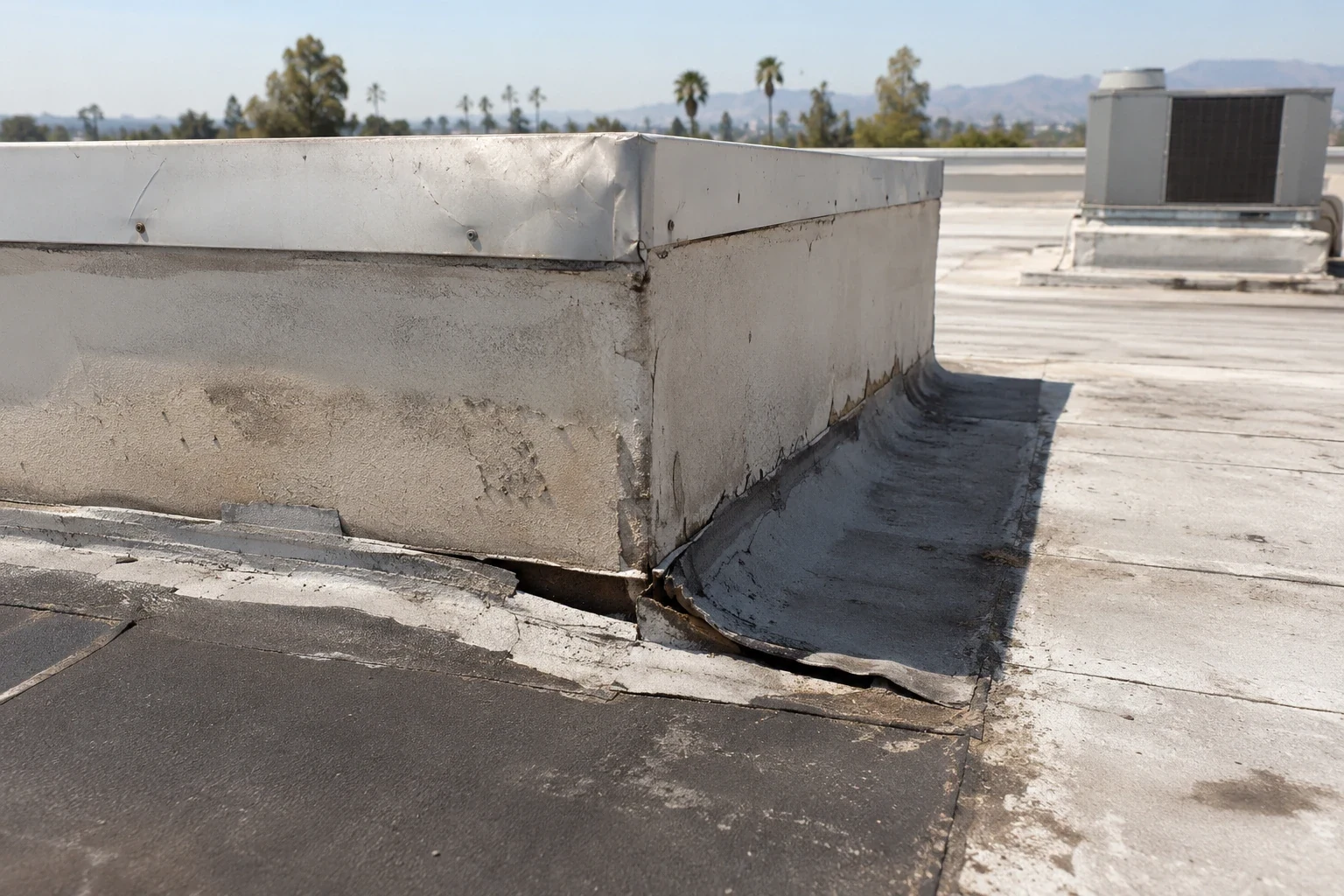
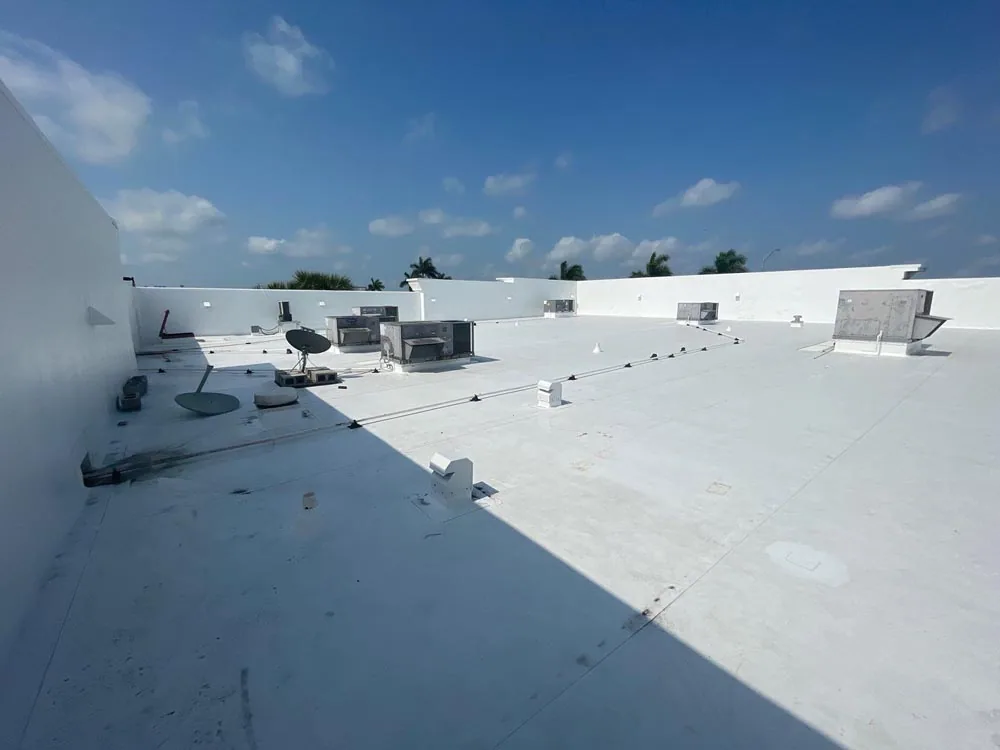
Most of the Versico repair calls we get in Richmond start at an equipment curb. The membrane pulls away from the side of the curb, rain gets behind it, and a small leak shows up inside a service building or shop. What looks like a quick patch can turn into a bigger job once we see what the membrane was attached to and how the curb itself is holding up. Before choosing a repair, we confirm which Versico membrane is on the roof and check the insulation and deck around the curb. An equipment curb repair also has to account for the unit sitting on it, since the flashing often runs up under the unit's rails or housing.
Installation records help us identify the product, but they cannot tell us whether the insulation is wet today. We inspect what we can reach and list what we still need to confirm. You get a plain explanation of what failed, the prep the repair needs, and which steps belong to us versus the mechanical contractor or another trade. To set up a visit, we need to know which part of the roof is leaking and who our contact is on site.
Look at the whole curb, not just the open seam
A loose flashing at a curb can come from the membrane itself, the surface it was glued to, or the curb flashing and counterflashing above it. We check each of those before deciding how far the repair goes. A lasting repair needs to tie into solid material, which sometimes means cutting out damaged membrane or wet insulation to get there. If the unit has to be lifted or disconnected to reach the base of the curb, that is the mechanical contractor's job, and we schedule around them. Dry roof nearby does not mean the curb is ready to be worked on.
Your estimate should say plainly whether we are patching the surface or rebuilding the curb flashing. Curb height matters too. If a new layer of insulation or a recover board goes down, the curb may end up too short for the flashing to reach the required height, and the curb may need to be raised. We point that out when choosing materials. If the deck or curb framing has a structural issue, it goes to an engineer before we build on it. That keeps the estimate tied to a clear finish point and makes any work still owed by other trades easy to see.
Which Versico membrane is it?
Versico makes EPDM, TPO and PVC membranes, plus its VersiFleece fleece-backed sheets. The exact product matters because each one uses different primers, tapes, adhesives or welding. We compare your records against what is actually on the roof, including old patches. An EPDM curb repair uses primer and seam tape or flashing made for rubber membrane, applied to a clean surface. Patches we cannot identify get tested before we bond to them.
A TPO curb repair on a Versico roof is heat-welded and needs its own matching accessories. White sheets can look alike from a few feet away and still be different materials, so we do not pick a repair method by color. We explain which components we plan to use and the prep each one needs. A fleece-backed sheet tells us how the roof was adhered, but not whether the insulation under it is dry. Knowing the brand helps choose materials. It does not tell us the condition of what is underneath.
On TPO, we check the existing sheet and the available repair pieces before cleaning and welding. The seam surface, patch shape and curb corners all affect how well the weld holds.
Checking the insulation around the curb
Water that gets in at a curb tends to spread into the insulation around it, often well past the visible opening. We take moisture readings and, when needed, a core cut to confirm which areas are wet. If insulation is wet, the repair should include removing it, disposing of it and replacing it with matching material. An insulation repair around the curb should list what stays and why. New membrane over wet insulation leaves the water trapped in the roof.
Sometimes opening the roof shows more damage than expected. When that happens, we photograph and mark the area, explain the added quantity and get your approval before going further. The opening stays dried in while you decide. When you compare a small repair to a bigger one, make sure both include the insulation that actually needs replacing. A smaller membrane quantity can hide the fact that the same insulation work is still needed. We explain those differences before ordering, and we keep unopened areas separate from areas we have checked and found dry.
Knowing the product narrows the material choice, but it does not tell us whether the existing membrane can take a new tie-in. We check the membrane, the surface under it and any earlier repairs, then set removal limits that reach solid material. The repair method follows from that. If a unit or wall panel has to be moved first, the schedule puts that step ahead of the roofing.
Getting the equipment out of the way
A unit sitting tight against the curb can keep the crew from reaching the damaged flashing. The building's mechanical contractor or operator needs to tell us what has to be shut down, disconnected or lifted to open up that spot. We list that step next to the roofing work it unlocks and separate the open roof we can reach now from the curb that has to wait. Coming back on a second day means another setup and more temporary protection, and that belongs in the price.
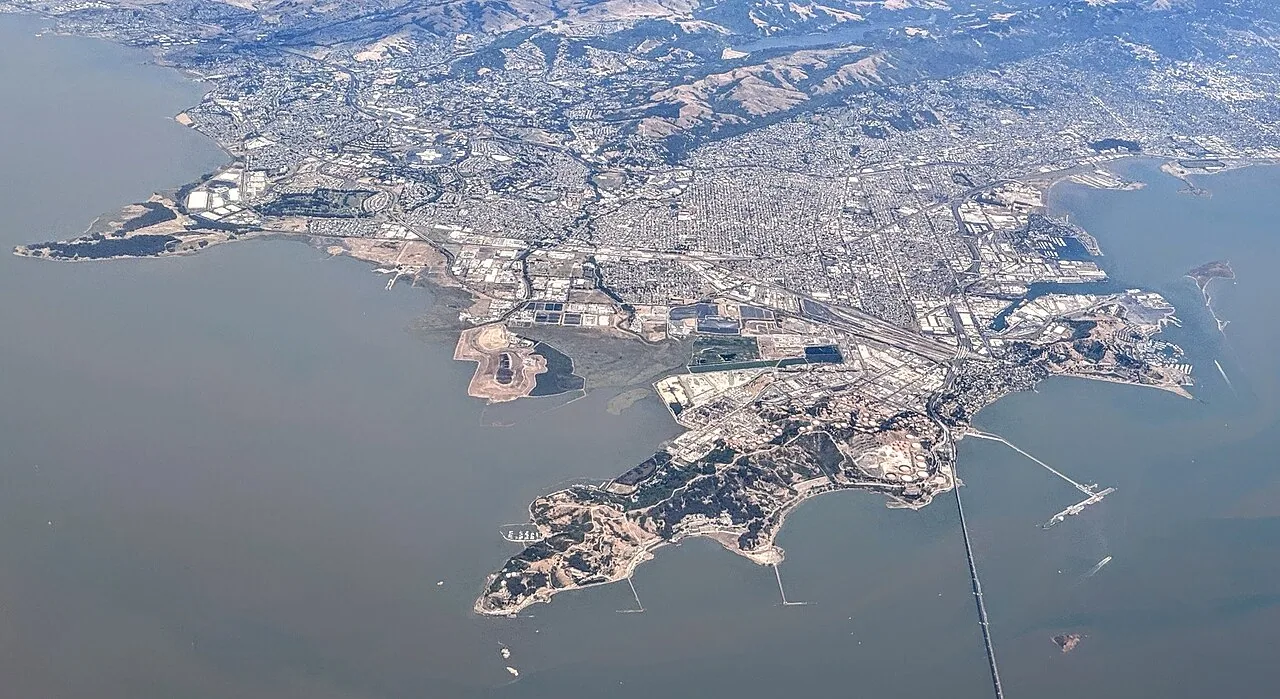
On a Versico roof, the existing sheet and the material under it decide the repair detail. For Versico roof repairs at the Port of Richmond, how the crew gets to the failed curb decides how material is handled and the order of work. A street address is not a delivery plan; the site's own rules tell us where we can work and what other trades need to finish first. For buildings around Brickyard Cove in Point Richmond, we confirm the installed Versico membrane before choosing repair parts.
Comparing repair proposals
A Carlisle SynTec option for the curb repair needs its own components and a check of the existing surface. A GAF proposal that includes insulation replacement needs the same review on your roof. Where the options share the same curb rebuild, insulation work and equipment moves, keep those items identical in both bids. Then you can compare real differences in prep and materials instead of choosing on brand alone.
Keep photos showing the rebuilt insulation and the finished curb flashing, along with a list of the materials used. Note where any tests were done and list any equipment work still pending. That gives the next contractor a clear starting point instead of guesses about the rest of the roof. If the roof has a warranty, read its maintenance and alteration terms before approving coatings or changes. You should be able to find the repaired curb, the materials used there and any remaining work without assuming the brand name covers everything hidden underneath.
Commercial Roofing Questions
Can a Versico product record explain why the curb flashing failed?
It helps us identify the membrane. We still need to inspect the curb, the material under the flashing and the equipment on top to find out why it failed and how to fix it.
What should both a small and a large repair estimate include?
Any wet insulation replacement and a complete curb flashing. Compare those items first, before letting differences in membrane square footage drive the decision.
Does a fleece-backed membrane mean the layers underneath are fine?
No. The insulation and deck still need to be checked. We confirm what can stay, what has to come out, and what prep the new product needs.
What needs to happen before roofing work reaches the unit on the curb?
The mechanical contractor or operator has to shut down or move the unit so we can reach the flashing. If that splits the job into separate days, the extra setup and protection should be in the price.


Tell us about the curb leak and how the building is used