
Roof Warranty Management in Richmond, CA
An open roof seam needs attention right away, often before anyone has found the warranty paperwork. Whether the warranty applies depends on the roof system installed, the actual warranty terms and the work done on the roof since. Roof warranty management in Richmond, CA, keeps those pieces together. We inspect the problem, describe it clearly and arrange temporary protection. The manufacturer or installer then reviews the claim against its own terms. You need both moving at once: the repair handles the leak, and the warranty decision belongs to whoever issued the warranty.
On an office building roof, a warranty question starts with the roof we inspect and the documents that actually cover it. Missing paperwork is a problem to solve, not proof of what the warranty says or who is responsible for repairs. We help you track down the right documents while the leak is being handled. Before relying on old material records or photos, we confirm they belong to this building and this section of roof.
Document the roof problem
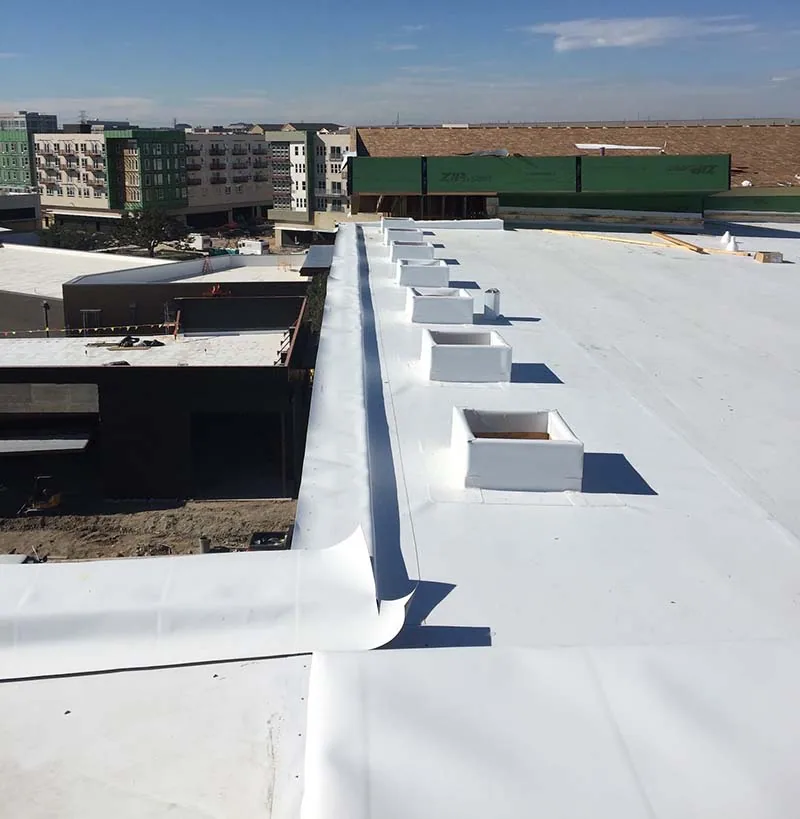
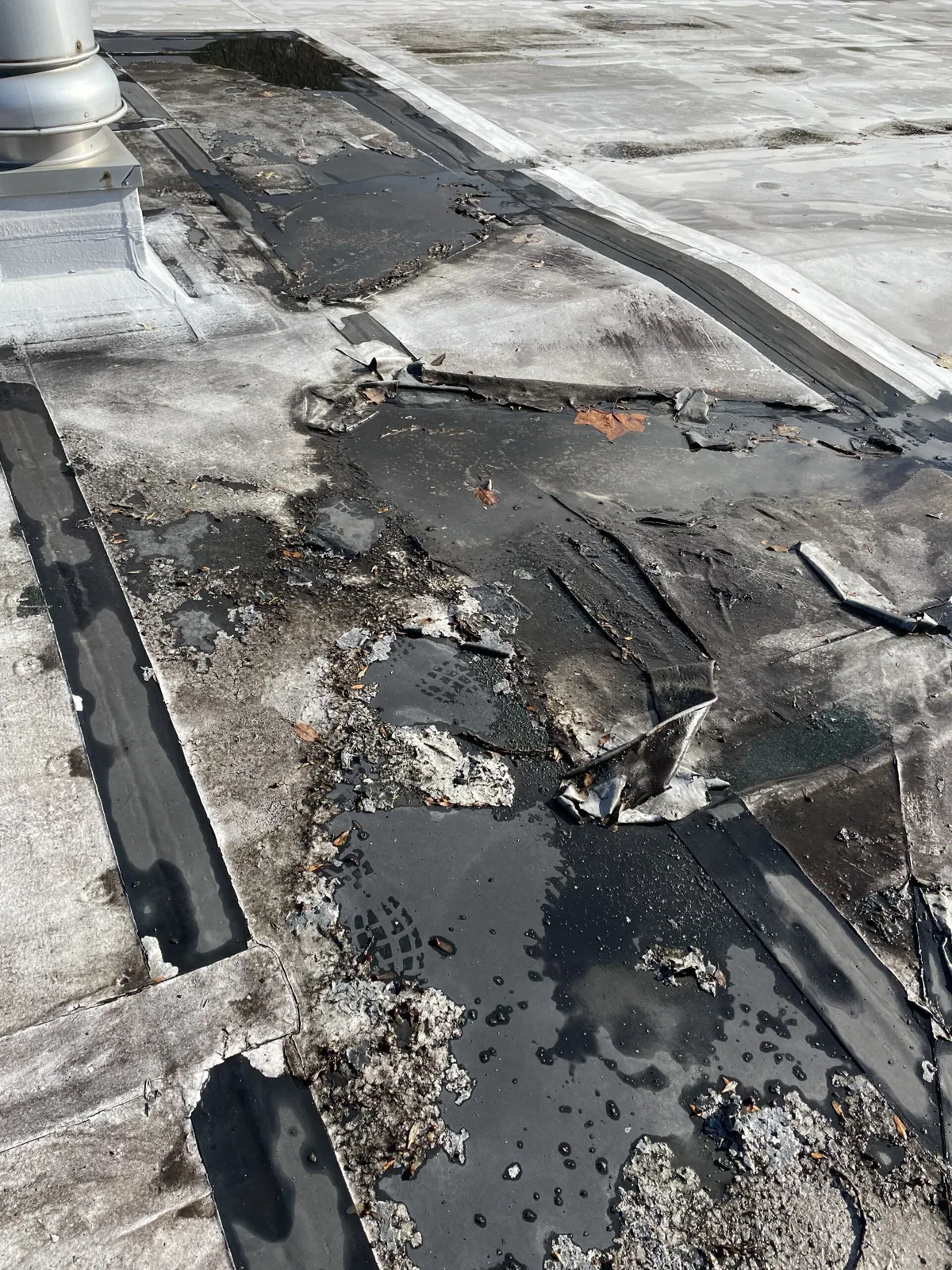
A seam separation calls for a close look at the seam itself, the membrane around it and the insulation underneath where we can reach it. The visible opening tells us what needs to be sealed now, while hidden damage affects the permanent repair. We mark the location against features anyone can find on the roof. Older photos are used only when their date and location are clear. A similar roof elsewhere does not tell us how this seam was installed. The result is a clear description of the problem that supports a warranty claim, with confirmed findings and open questions kept separate.
Seam failure repair depends on the membrane type and the condition of the surface it bonds to. TPO, PVC and EPDM each need different prep, and old coatings or patches can stop new material from sticking. We sort that out before calling a repair compatible with the roof. Manufacturer repair requirements are checked where they apply. The proposal explains the work we would do and what it depends on, so you can move forward on the repair while the warranty question is reviewed separately.
Find the right paperwork
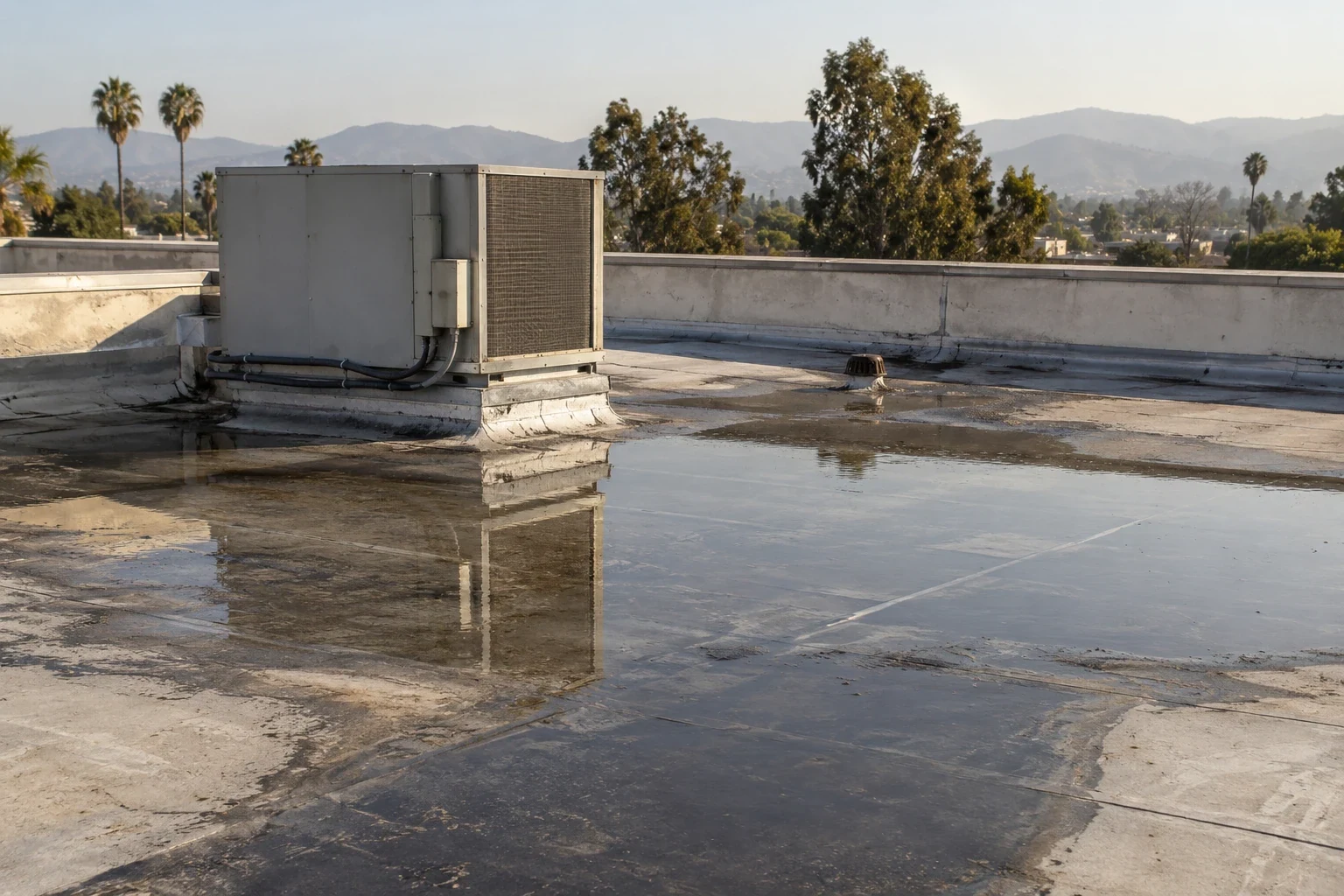
The warranty file should identify the roof area, the membrane installed and the actual warranty document, not just a product name. Install dates, the original scope and later changes all affect the claim. We compare your records with the building and the roof as it is now. An old drawing may show a curb detail that a later HVAC replacement changed, and that change needs to be noted. If records are incomplete, the next step is to identify what is missing and who can supply it, before anyone says the claim is covered.
The roof asset management record keeps repair locations and later equipment work on file. An old contractor invoice may explain a past repair without answering every warranty question. We keep each invoice tied to the area it describes, so the manufacturer or installer can judge its relevance under the actual warranty. Our job is to report what is wrong with the roof and what it needs; the warranty holder decides what the warranty covers and how the claim must be handled.
A warranty review starts with the documents for the installed roof and the problem being reported. We separate maintenance records, past repair invoices and the new damage itself, and take photos before any work changes what is there. Our scope does not assume the warranty covers the problem. It lists the roofing work needed and the information you can send in for review.
Protect the roof while the claim is reviewed
An open seam may need a temporary patch while the warranty inspection is being scheduled. We confirm the problem and roof access with the building contact so the leak is not left waiting on paperwork. The temporary repair has a clear location and is logged with photos. It is separate from the permanent repair and from any decision on the claim. Required notices or claim forms are confirmed with the manufacturer or installer, rather than assumed from what is typical for that roof type.
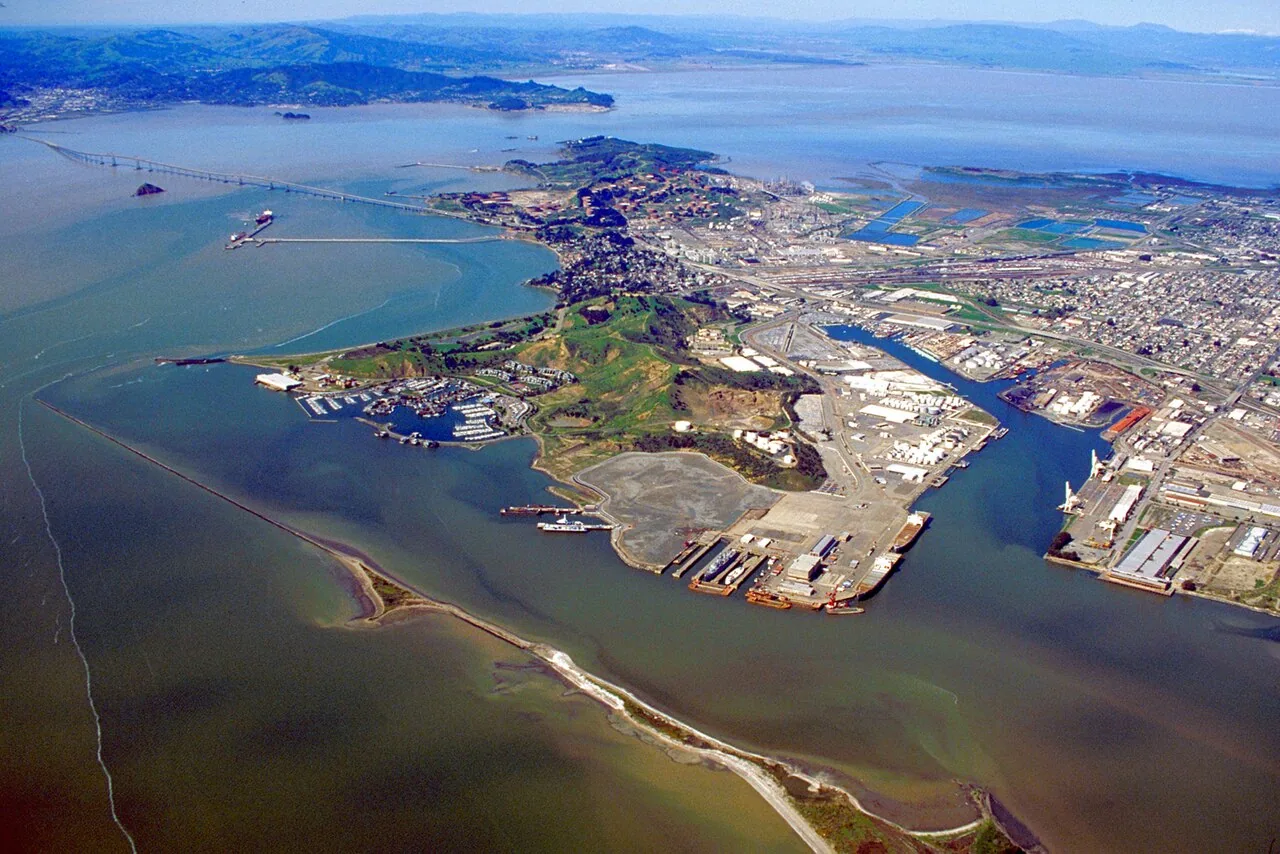
Good warranty management keeps maintenance records and installed materials on file for future decisions. A property near Point Molate will have its own access and material-handling questions. We confirm how we get on the roof for the inspection, which is separate from approval to open or repair it. The warranty holder may want to see the damage before any permanent repair is made. We explain that timing so you can arrange their visit, while the roof stays protected from weather.
Photograph the prep work
Opening the roof can reveal more damage than the visible seam, such as wet insulation or a rusted deck. Any added work is measured, explained and approved before it proceeds. Photos show where the extra damage was found and where the repair stops. Once the new membrane is down, those photos are the only record of why the extra work was needed. We check the warranty holder's requirements before starting work that could affect the claim, while being clear that photos alone do not prove the claim terms have been met.
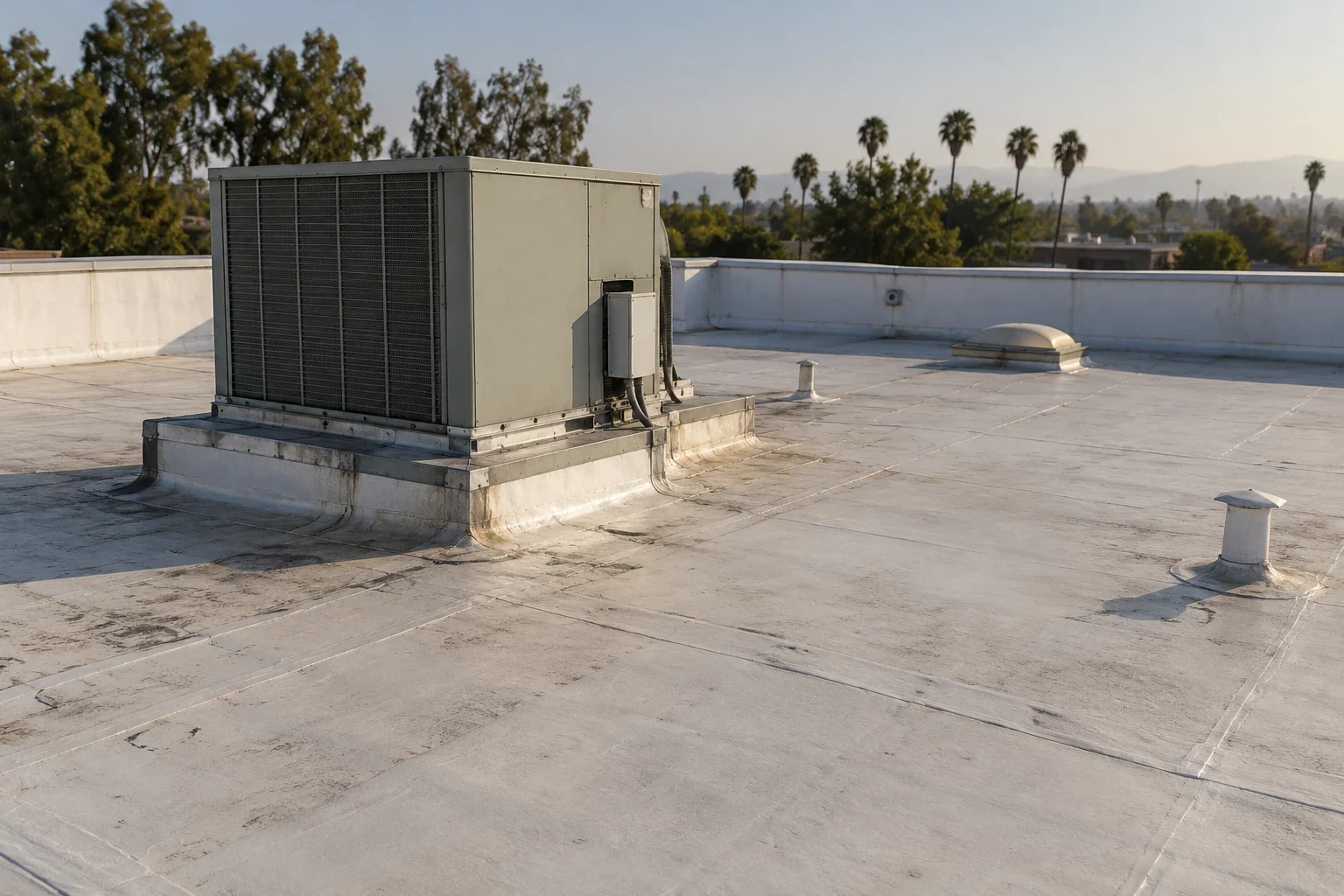
The commercial roof repair scope describes compatible membrane, sound insulation underneath and a clean tie-in to the existing roof. If an HVAC contractor has to move a unit first, that is listed separately, and a finished field area may wait on flashing around that unit. We list remaining items by location. Manufacturer and warranty questions stay with the warranty holder instead of disappearing into a general completion note. For warranty reviews in Downtown Richmond and the Civic Center, recommendations are tied to the installed materials, repair records and the warranty terms that apply.
Keep claims and repairs separate
The final file should separate the repair work done, the claims sent and the responses received. A submission date shows when you filed. It does not mean the claim was accepted until the warranty holder says so. We keep correspondence with the building and the repair it relates to, and each open item lists the next step and who owns it. That way a manager who was not on site can tell finished roof work from a claim decision still pending.
A roof condition report helps when a new problem shows up after the repair. New equipment work or another split seam can change the roof after the job is finished, so we inspect the new problem before linking it to earlier findings. Warranty questions follow the terms that apply to that area. The original repair record stays intact, so you can handle a new repair and any related claim while keeping roof findings, finished work and the warranty holder's answers clearly apart.
Commercial Roofing Questions
Does a roof leak mean the warranty will cover it?
Not automatically. We document the damage, but the manufacturer or installer decides coverage based on the warranty terms, maintenance history and cause.
What if we cannot find the roof warranty?
We help identify the roof system, installer and approximate install date so you can request a copy from the manufacturer or installer before assuming what it covers.
Should an open seam wait until the warranty holder inspects it?
No. A temporary patch protects the building in the meantime. We photograph the damage first and coordinate the timing of any permanent repair with the warranty holder.
Why take photos during tear-off?
They show the damage and prep work that the finished roof will hide, which supports the claim and explains any added work.
How should a warranty claim be tracked?
Keep the submission date, the area involved, photos and the repair scope together, and record a claim as accepted only when the warranty holder confirms it in writing.

Get the leak handled and the warranty paperwork in order