
Roofing for Hospitality Groups in Richmond, CA
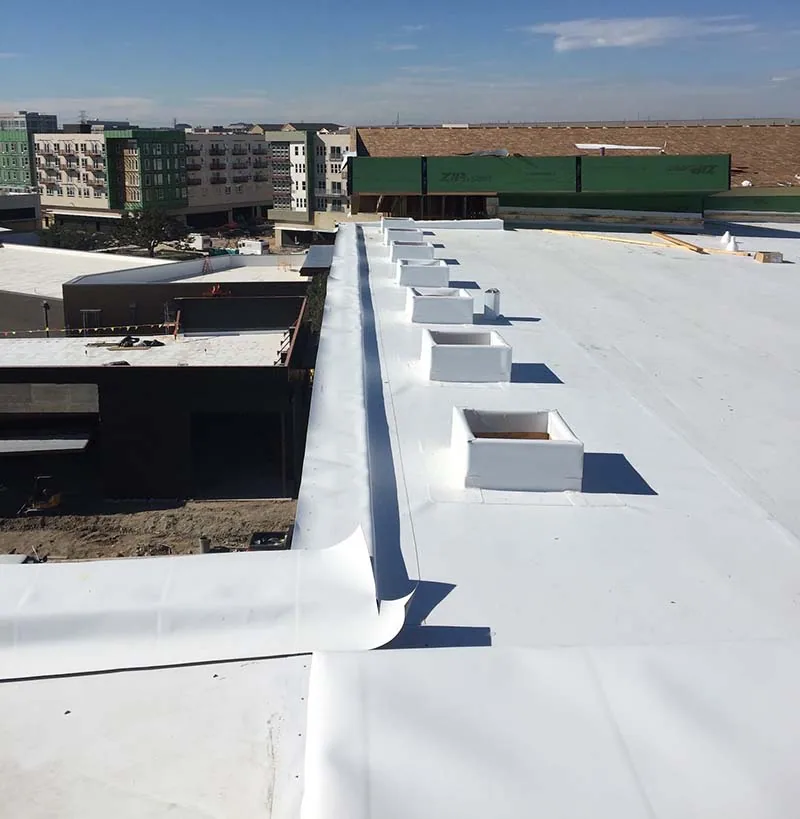
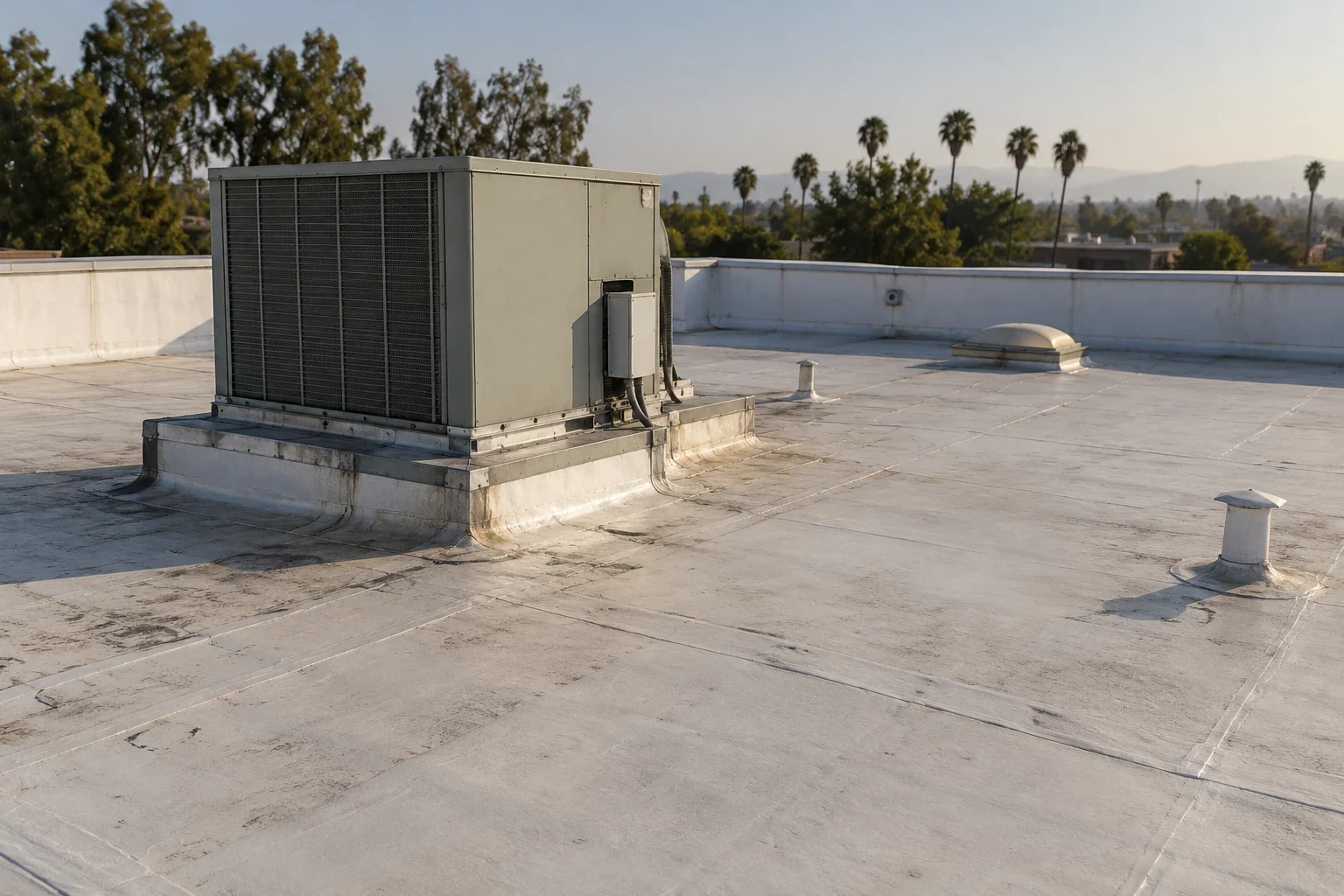
A split curb corner above occupied guest rooms means a Richmond hotel roof repair depends on room scheduling as much as on the flashing. Our hospitality roof plans keep guest-area protection separate from the membrane and equipment work. We inspect the roof and point out anything that could change the job, like wet insulation or a damaged curb. The hotel team decides which rooms are affected based on the work we describe. The owner gets a clear schedule that separates temporary protection, HVAC work and finished roofing, without promising that operations will never be interrupted.
On hotel roofs, we match the leak inside to the roof detail we actually inspect. Old HVAC or roof records can explain an earlier change if they cover the same spot. We compare them with what is on the roof now before picking a repair. The owner can then plan rooms and access around a specific job, with any open question about the source or the blocking listed next to the fix. Every hotel job starts by confirming the site contact, the roof area and the approved access route.
Trace the leak above the room
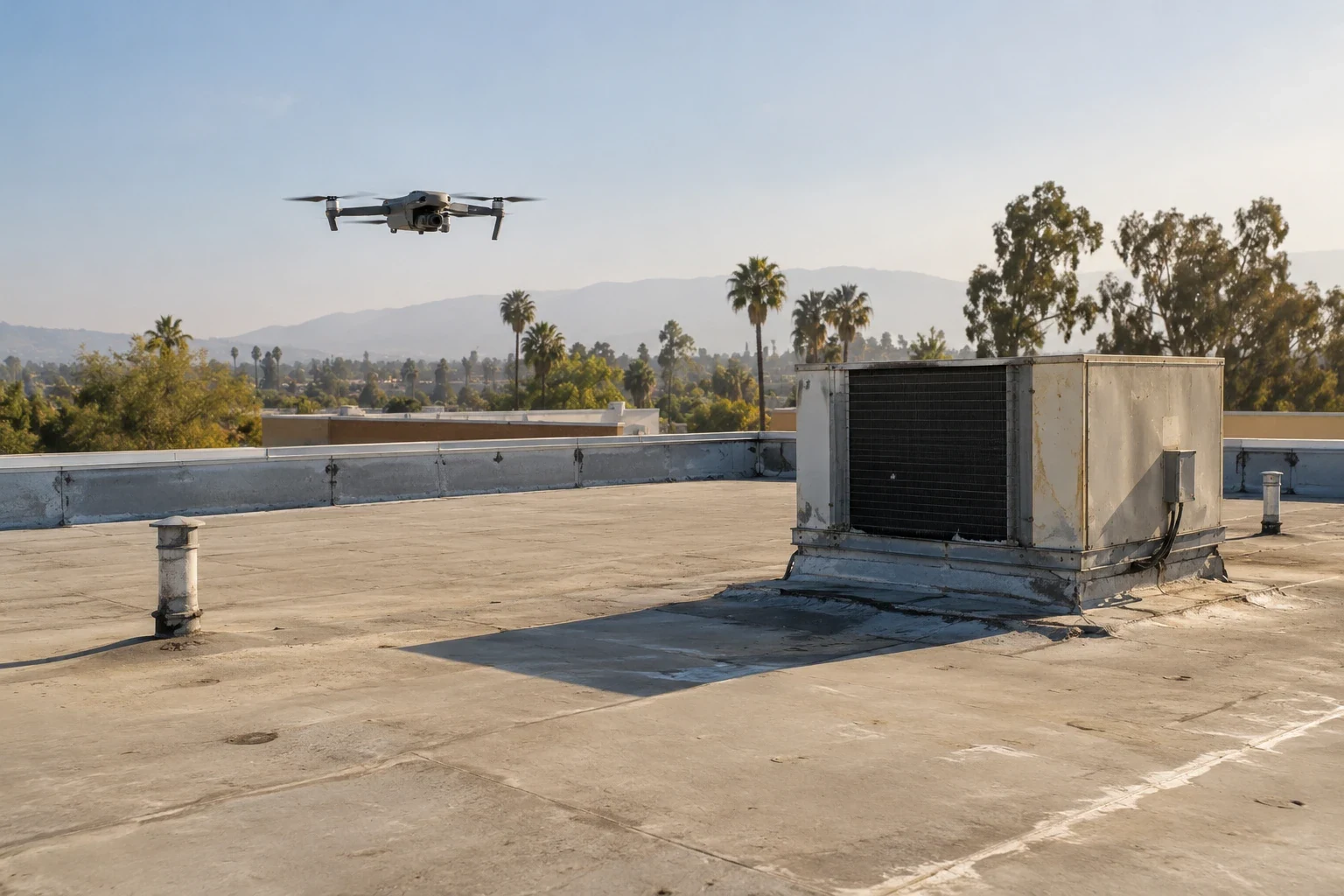
A guest complaint tells us where to start, but water can travel before it drips. A nearby curb, seam or drain may be the source. We inspect those details and explain what we found. A unit's housing or its condensate line can also leak, and that needs the HVAC contractor. Patching directly above the stained ceiling may miss the real source. The hotel should know which leak path our repair closes and what question is still open, so the owner pays for useful work instead of a patch sized by where the stain happens to be.
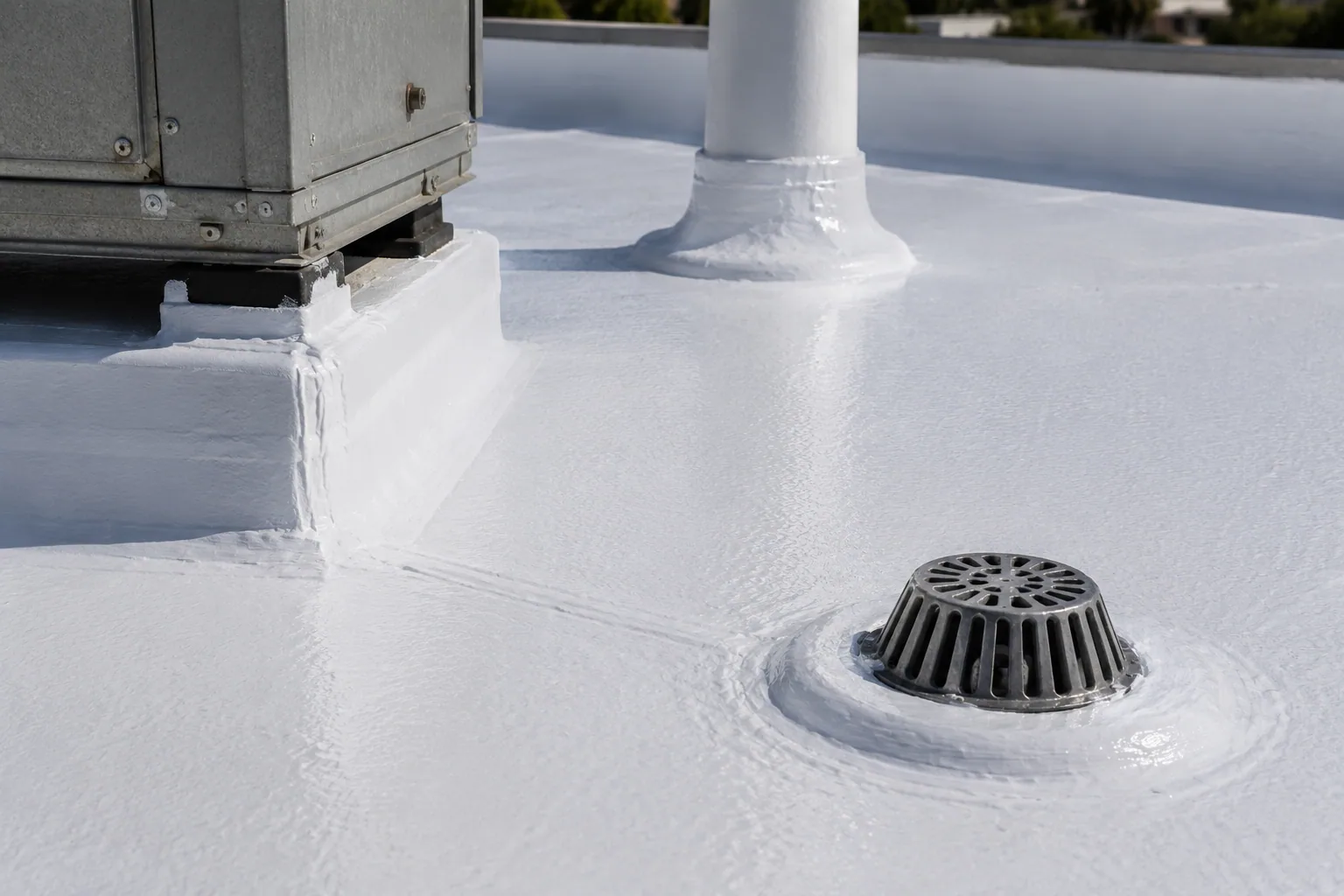
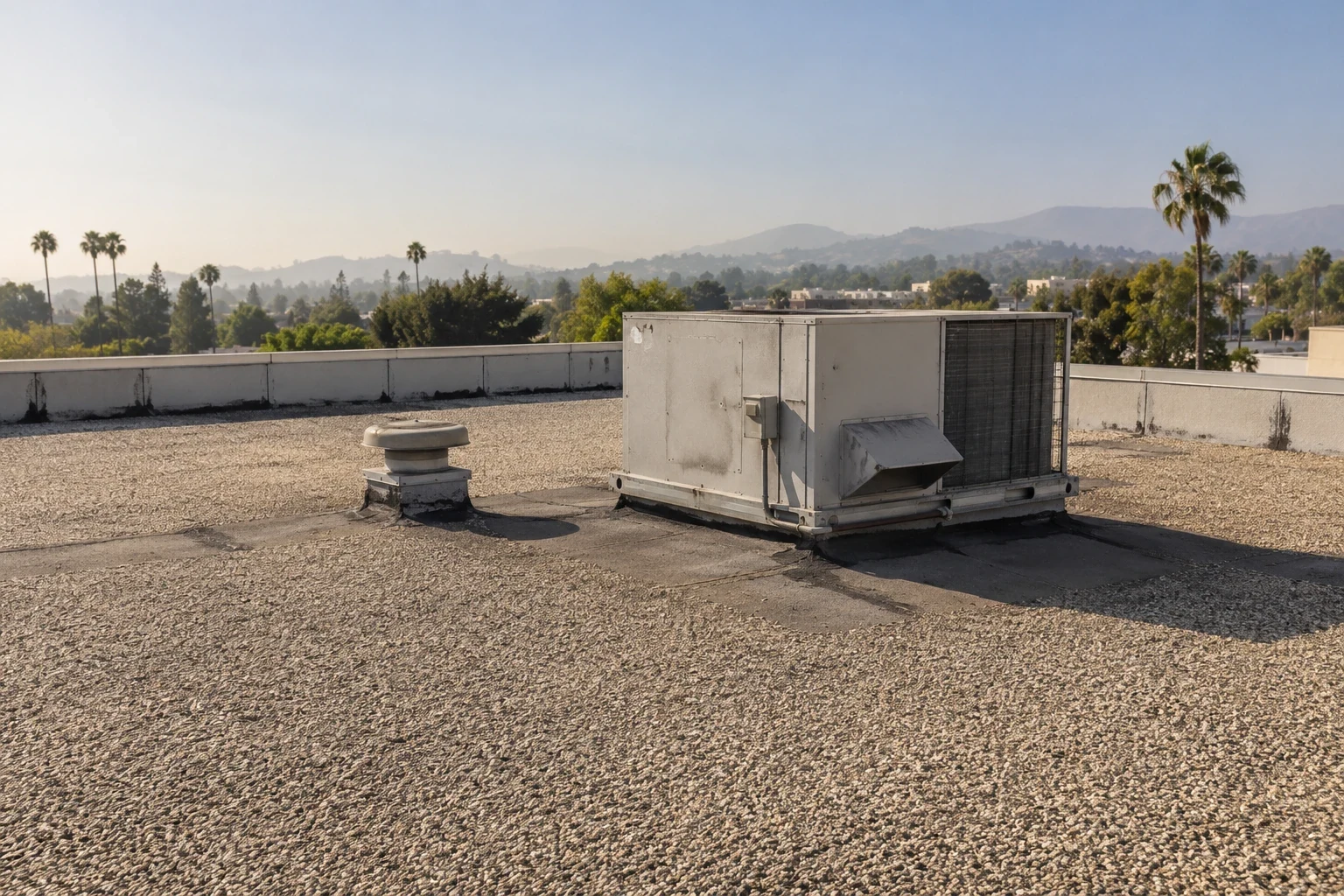
When general contractors manage the project, they coordinate the HVAC and other trades. Our scope spells out what the curb needs for a permanent flashing detail. If a unit is scheduled for replacement, new flashing can get torn up when it is swapped, so we raise that before installing. We also explain what temporary protection makes sense in the meantime. The owner sees which part of the roof is finished and which curb is still waiting on the equipment change or blocking repair.
Check what is under the curb corner
A split corner may sit on wet or soft insulation that makes the repair bigger. Where that decides what stays, we take a core or open a test area. The result tells us about that spot, and we treat the area around it as unknown until it is checked. The owner sees those limits before the price is final. Sound material underneath and a compatible flashing detail go together. The visible split alone cannot show how much insulation needs replacing or what prep the existing membrane needs.
Skylight and penetration flashing on a hotel roof has to fit the actual curb and pipe layout. Old coatings can change what new material will bond to. Thicker insulation may affect a drain, the top of a flashing or the wall finish above it. We check those details before ordering parts based on an outdated roof plan. If we find more damage, we measure it and send a change for approval. The roof stays protected while the owner reviews the change.
Agree on which rooms are affected
The hotel's managers decide which rooms and service routes are affected by the roof work. We explain tear-off, material movement and how the roof gets sealed each night before room blocks are set. Noise and access limits should match the actual work and how the building is used. The access plan lists who approves each step. Permission to inspect does not mean approval to move equipment or open the roof. Talking it through lets the owner get ready without assuming a particular room can stay booked through every stage.
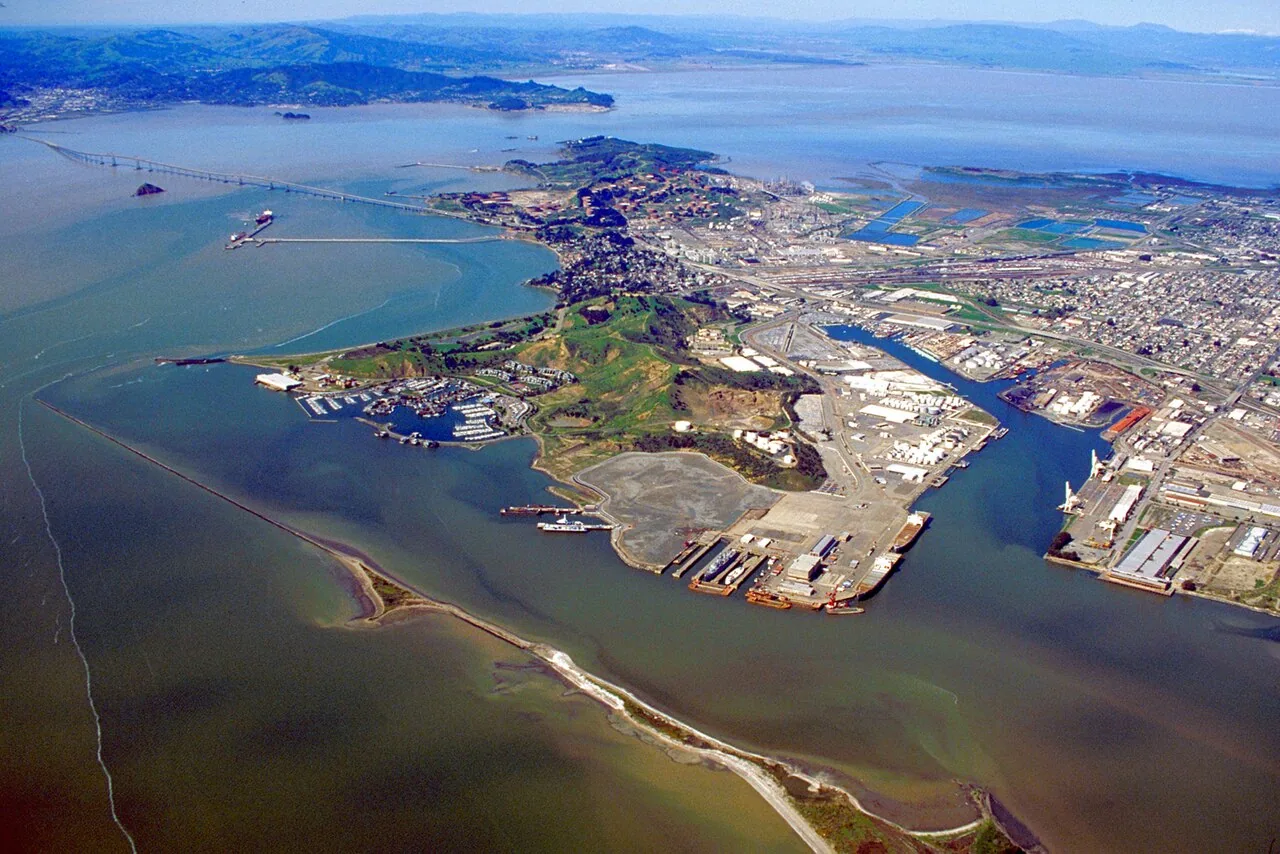
A hotel near Point Richmond needs its own roof access route and site contact confirmed. We talk through how we get on the roof and where materials will be dropped. Heavy loads in one spot get an engineer's review when the deck is in question. A busy entrance or service drive matters where guests and deliveries actually use it. The roof plan carries those details alongside the repair, so the hotel can judge a specific stage of work instead of a vague promise of minimal disruption.
Seal every section before the crew leaves
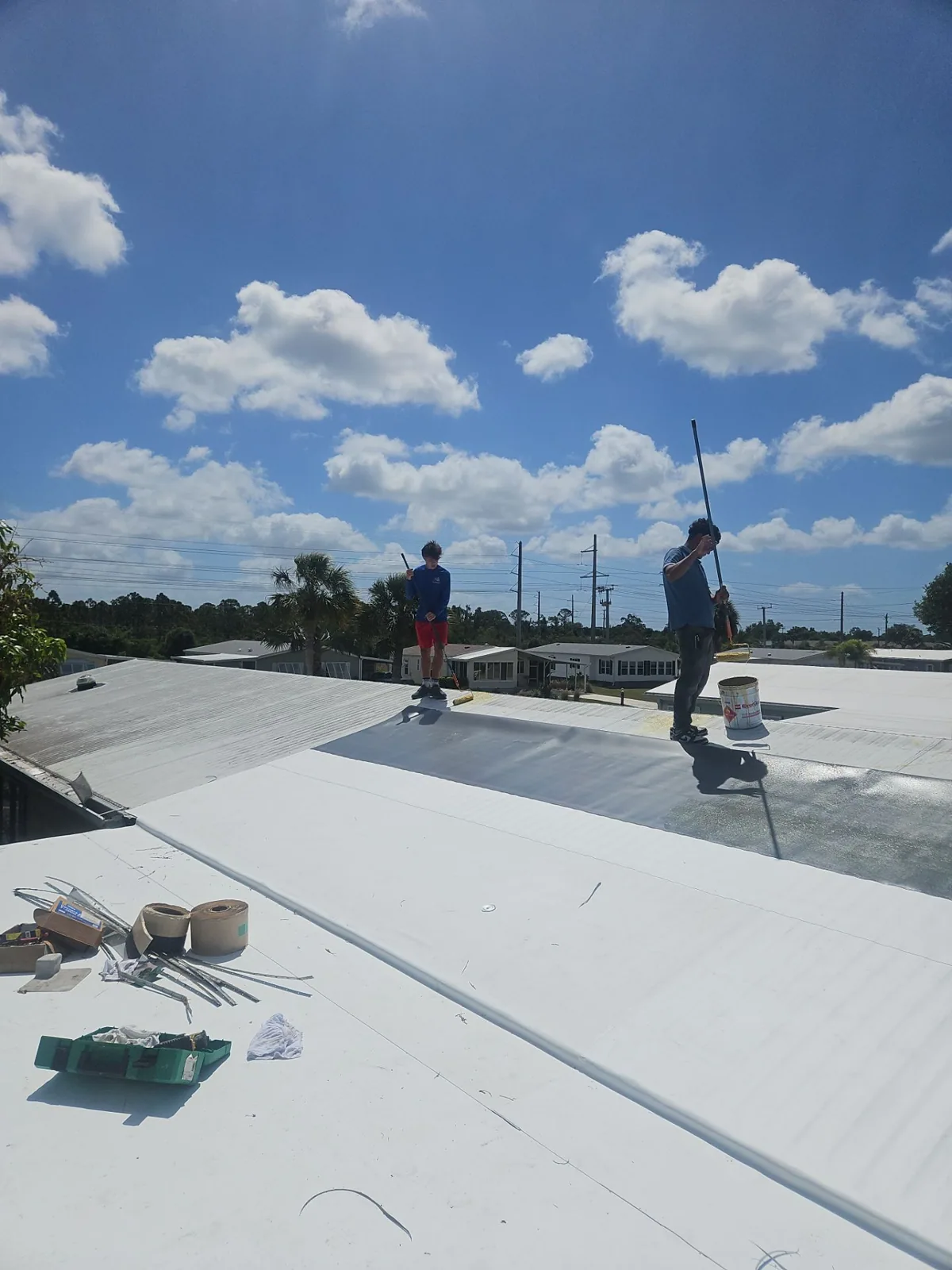
Each day's opening needs enough time and crew to prep and seal it before the end of the shift. Unknown insulation conditions or tricky curb shapes can change how much gets done. We set a safe stopping point before tear-off begins. If a curb is waiting on the HVAC contractor, we say what temporary protection is in place and what permanent detail is still pending. The hotel needs that before releasing rooms. The schedule follows what we find on the roof, so we never leave a bigger area open just because the original plan assumed every detail would go at the same pace.
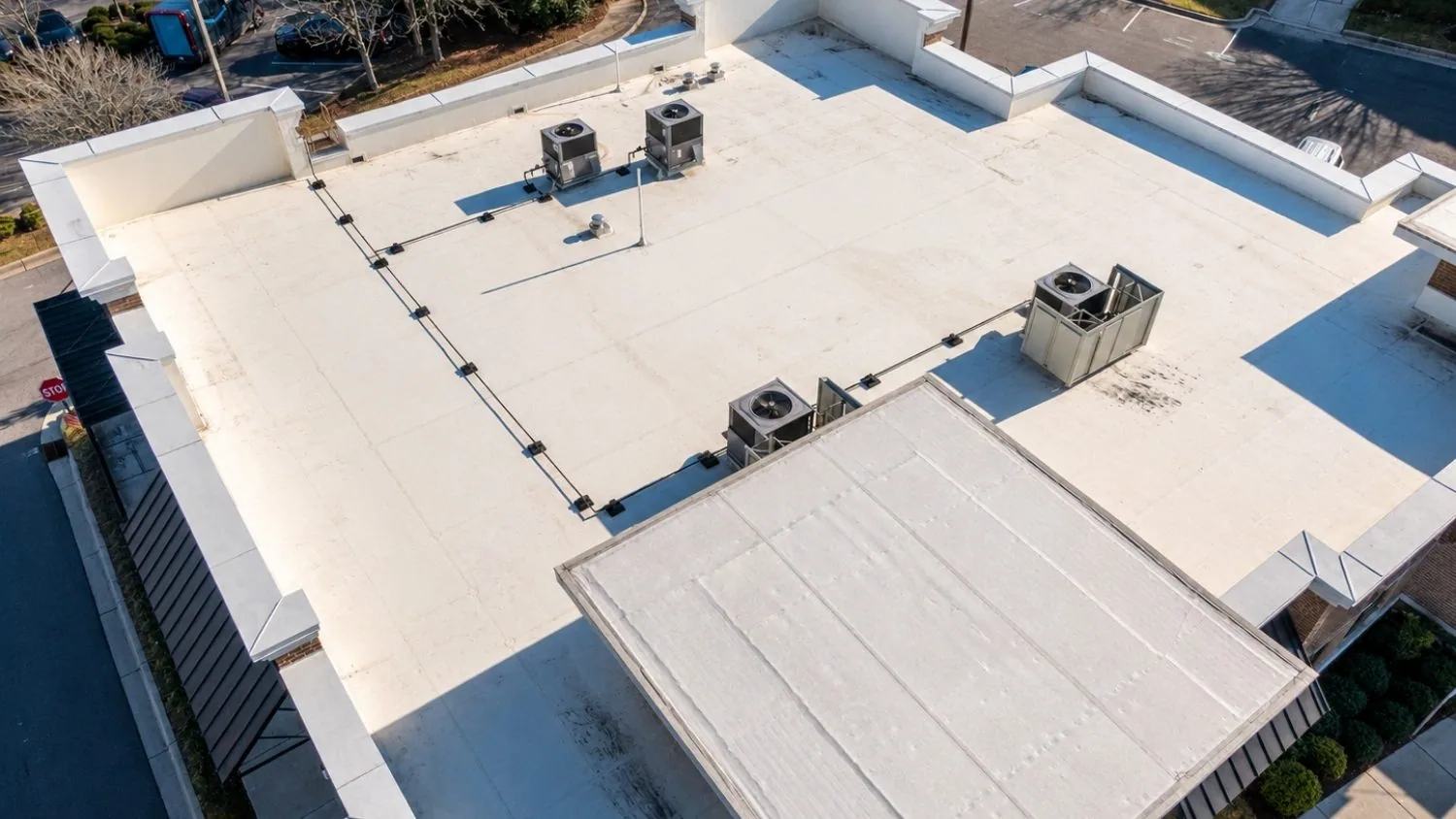
Occupied building reroofing extends that approach across a larger area. A full reroof can make sense where repeated failures have been confirmed, but curb and insulation questions still need answers. We compare that option with a focused repair on equal terms. The owner sees what stays, what prep is needed and what the hotel must commit to under each price. A larger project does not settle every room limit or equipment conflict on its own. Hotels in nearby Lafayette get the same building-by-building plan for guest areas, equipment access and the roof detail being repaired.
Leave records the next manager can use
The closeout ties what we first found to the blocking work and the finished flashing. Dated photos show repairs hidden under the new membrane. HVAC or room-related tasks keep their own status. Any remaining roof concerns are listed with locations and next steps. The owner knows which detail this repair fixed and does not assume every nearby system was checked. A manager who was not there for the original visit can find the work and follow up on anything still open.
Property management companies running the hotel can compare future leaks with those records. A later unit change or a new opening may affect the membrane next to our repair. We inspect the roof as it stands before blaming the earlier work. The dated records help spot what changed and how the earlier repair was built. The owner gets a recommendation based on current conditions, with finished work, hotel arrangements and unanswered source questions kept clearly apart.
Commercial Roofing Questions
Who decides which rooms are closed during a roof repair?
The hotel's managers. We explain where the roof will be open and how it will be sealed, and they set room restrictions based on that work.
Can a curb leak be told apart from a leaking unit?
Yes, by checking each possible path. If the water is coming from the unit itself, we bring in the HVAC contractor.
What should happen before a rooftop unit is lifted?
The new unit's layout and the lift date should be confirmed, so permanent flashing is installed around the final curb and is not damaged by the swap.
What if hidden damage changes the day's work?
We measure it, send a change for approval and only open as much roof as we can reliably seal that day.
What makes the closeout useful for the next hotel manager?
Dated photos and locations for the original problem, the repairs and the finished work, plus a list of open items and who owns them.
Plan your hotel roof repair