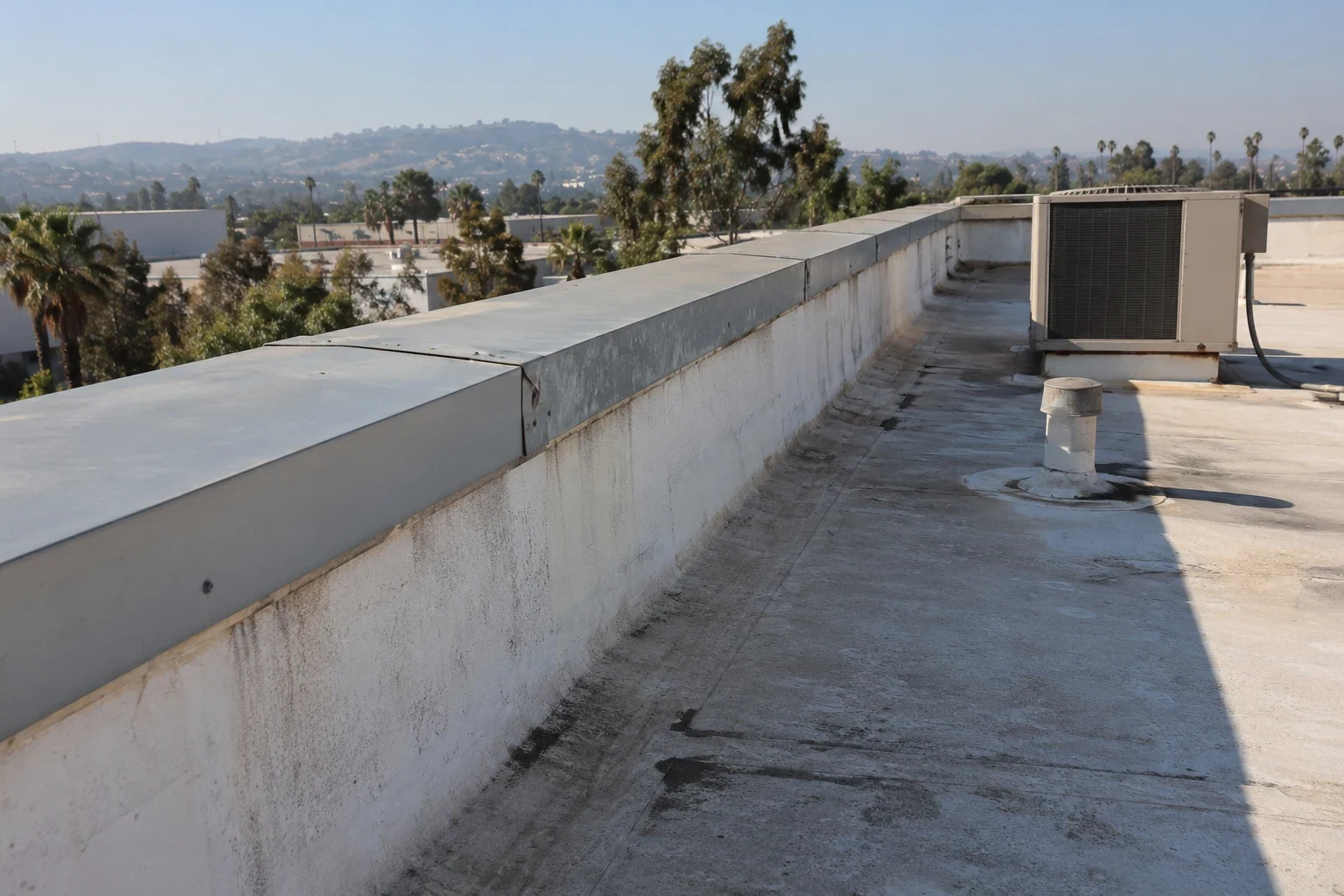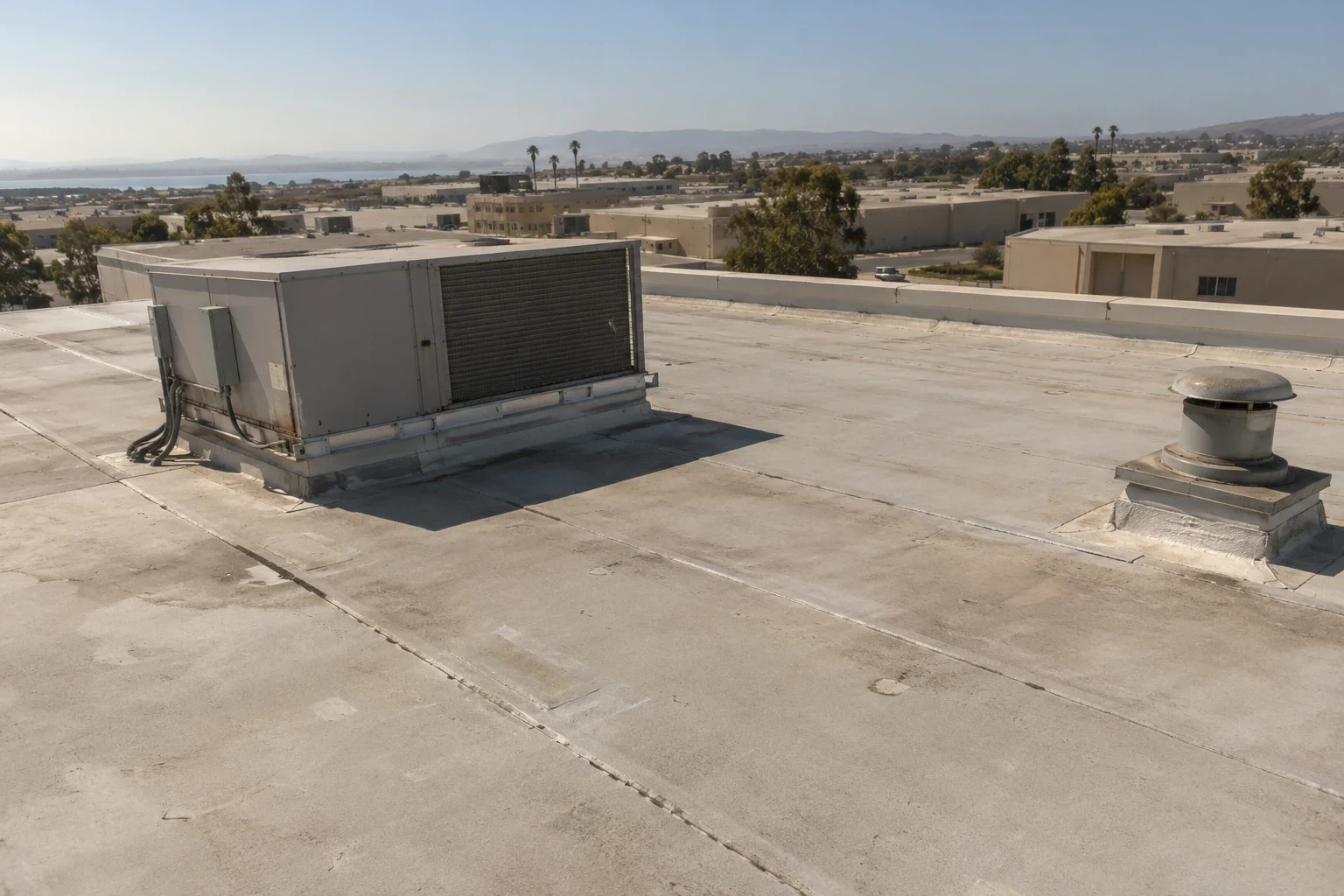
Hotel Roofing in Richmond, CA
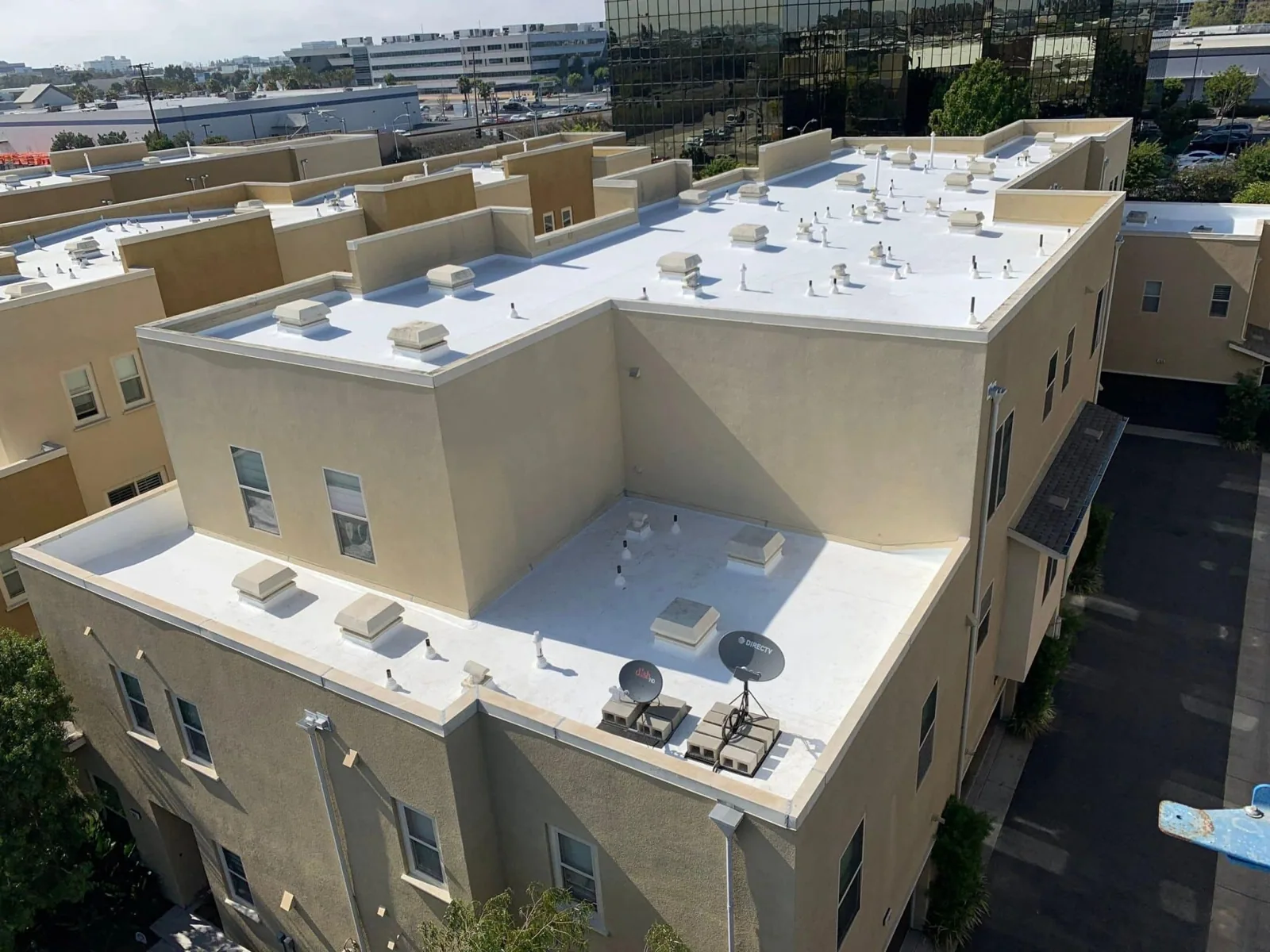
On a hotel, the rooms directly under the roof are booked, and a ceiling stain on the top floor means a room out of service and an unhappy guest. A common cause is a seam that has opened in a low spot where water sits after every rain. Fixing it well takes two decisions: how to rebuild the seam so it holds, and why water is collecting there in the first place. A new layer over the seam does not answer the second question, and the seam will fail again if water keeps sitting on it. We inspect the seam, the drainage around it and the insulation underneath before recommending a repair.
For hotel roof work in Richmond, occupied rooms and roof penetrations have to be planned together. Send us the rooms reporting leaks, any roof drawings and the guest floors below the work area. We inspect the roof before recommending a repair, and hotel management decides on protection, room blocks and access. The price is tied to the low area and the drainage work we actually find. We coordinate the visit around your occupancy, with patching of any test openings and the material handling plan listed next to the roof work.
Fixing the seam and the drainage
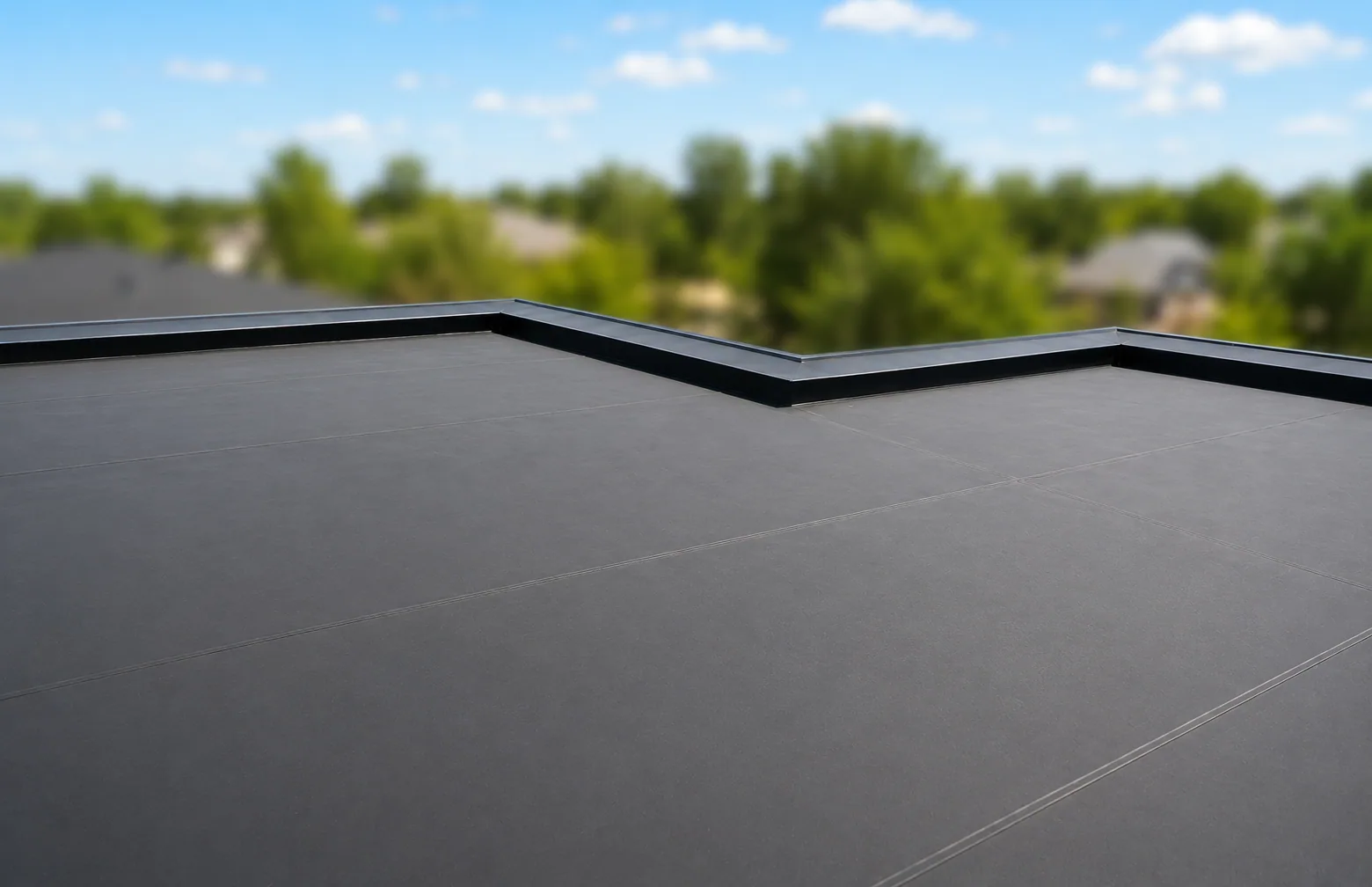
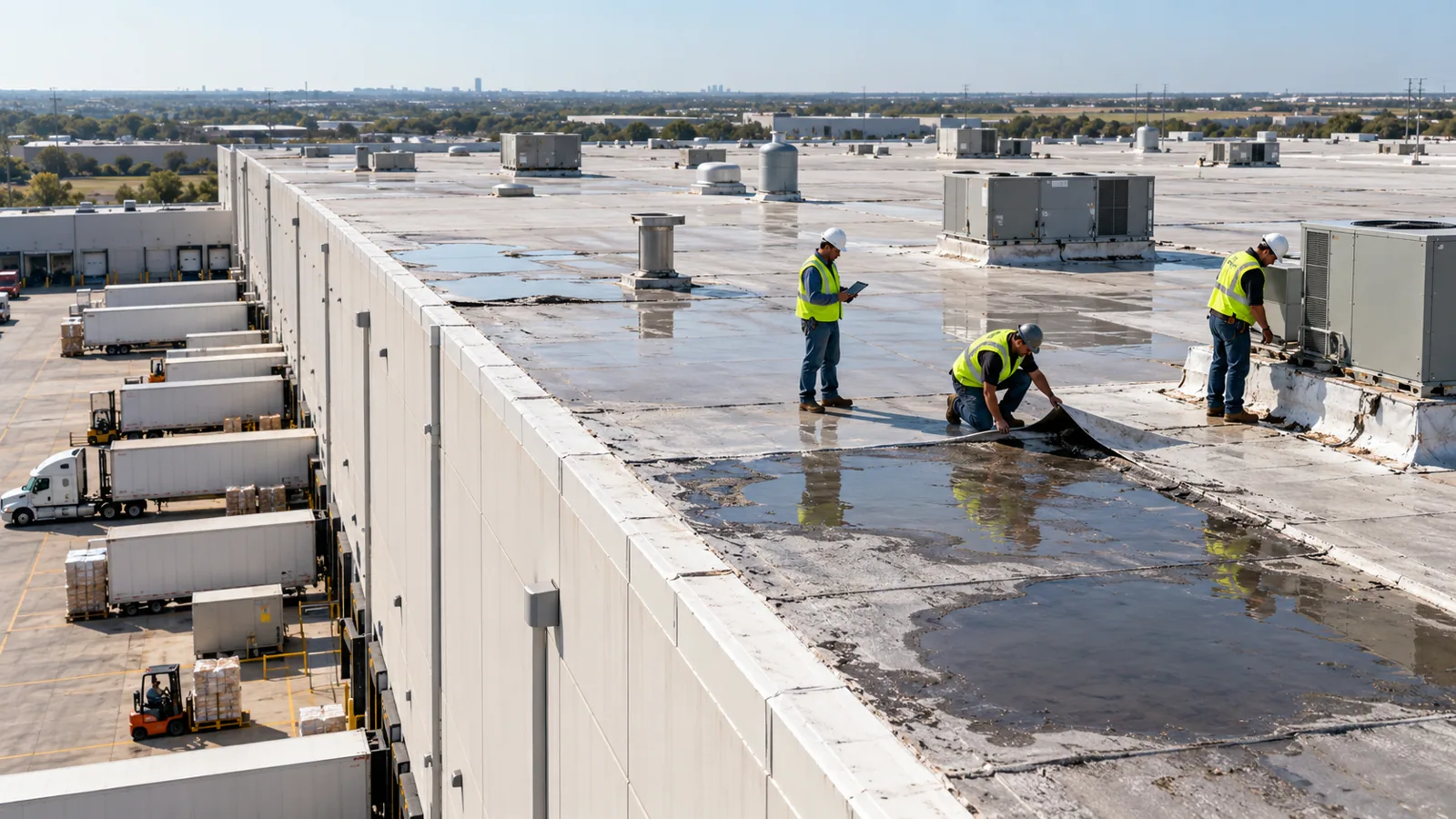
Water sitting in a low spot works on a seam day after day until it lets go. Seam failure repair starts with checking the membrane on both sides of the seam and choosing a repair that suits the roof. TPO and PVC seams are heat-welded and need clean, sound sheet; other roofs use their own methods. Membrane that cannot hold a lasting seam is cut out and replaced, and sound membrane is cleaned and kept. The repair is sized to that, rather than a strip of new material laid over the wet area.
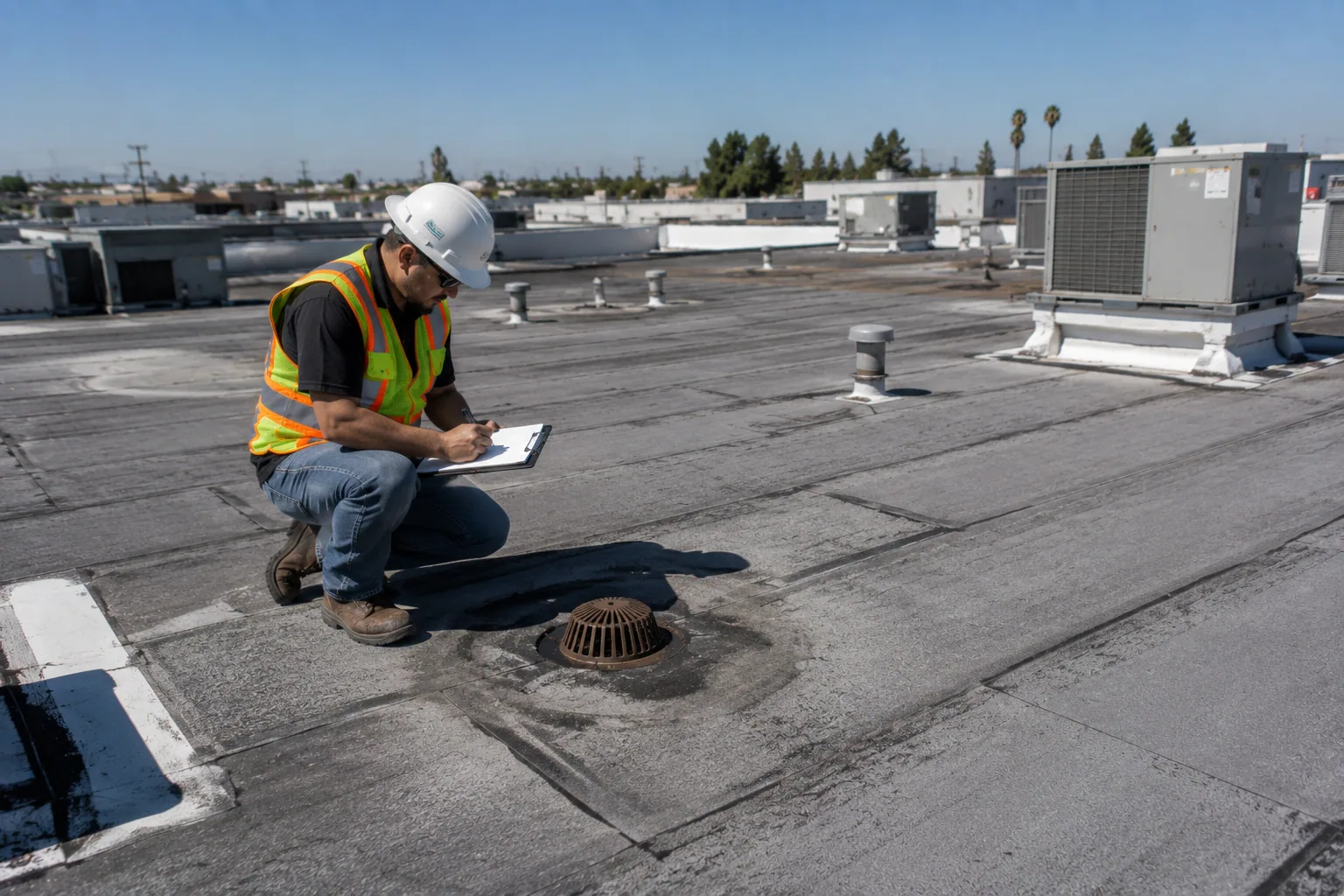
The low spot itself may need work before a larger repair makes sense. Ponding water repair looks at the drain, the slope and the insulation around the low area. Drainage design and structural questions go to an engineer or the building's designer. Clogged or cracked drain pipes go to a plumber. We list those items next to the roofing work, so you are comparing complete repairs. Standing water on the surface does not tell you how much insulation is wet or how much needs to come out.
Protecting guest rooms and corridors
An opening above guest rooms can affect more rooms than the one that reported the leak. For reroofing occupied buildings like hotels, we share the planned openings, debris routes and material handling with hotel management. They decide which rooms to block, how corridors are protected and when crews can work. HVAC and electrical issues stay with the trades that handle them. Patching any test openings is included in the price, so the bid lists the rooms affected rather than assuming one protection setup covers the whole floor.
If more wet insulation turns up, the work area may grow over additional rooms. We explain the larger area before opening more roof, and management reviews the impact on bookings and protection. Before work begins, the operator tells us which guest rooms and service corridors need protection, and we keep noisy work to agreed hours. Equipment and electrical questions stay with the trades responsible for them. The scope lists temporary dry-in, the permanent low-area repair and patching of test openings as separate steps. Each has its own limits, so a covered seam is never mistaken for finished drainage work.
Checking the insulation before going bigger
The roof around a failed seam can look fine and still sit on wet insulation. An infrared moisture survey can show likely wet areas, but the results depend on how the roof is built and the weather during the scan. We confirm with core cuts wherever the decision to keep insulation depends on it. Each test spot is patched, and management knows which rooms are below. A scan alone does not prove the condition of every layer. We explain which findings keep the repair local and which make it bigger, so you are not told to replace the whole roof without evidence.
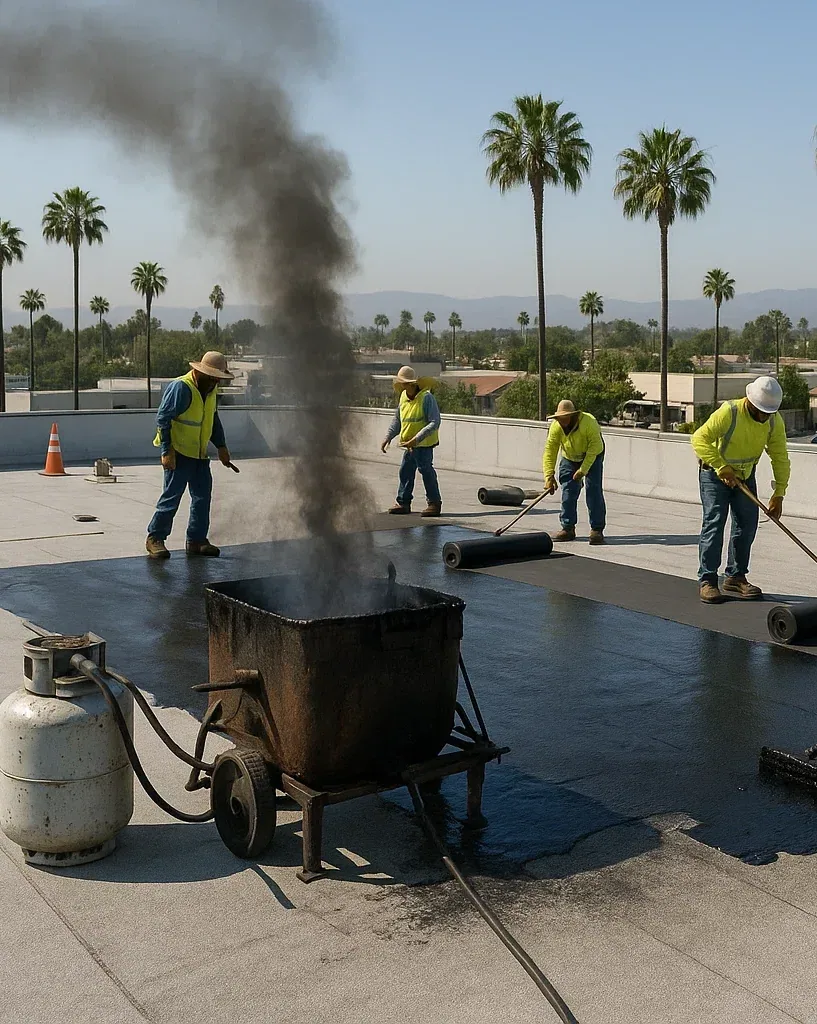
A new roof system or added insulation can change drain heights, flashing heights and clearances around equipment. Designers and other trades make the decisions that belong to them. We list that prep for a larger option before comparing it with a seam repair. Each option needs proper flashings and dry insulation underneath. A new roof that ends at an unrepaired drain or curb leaves the leak in place. We base each option on the insulation we confirmed and the roof details on your building, so you can compare work that actually finishes the job.
Finishing the repair cleanly
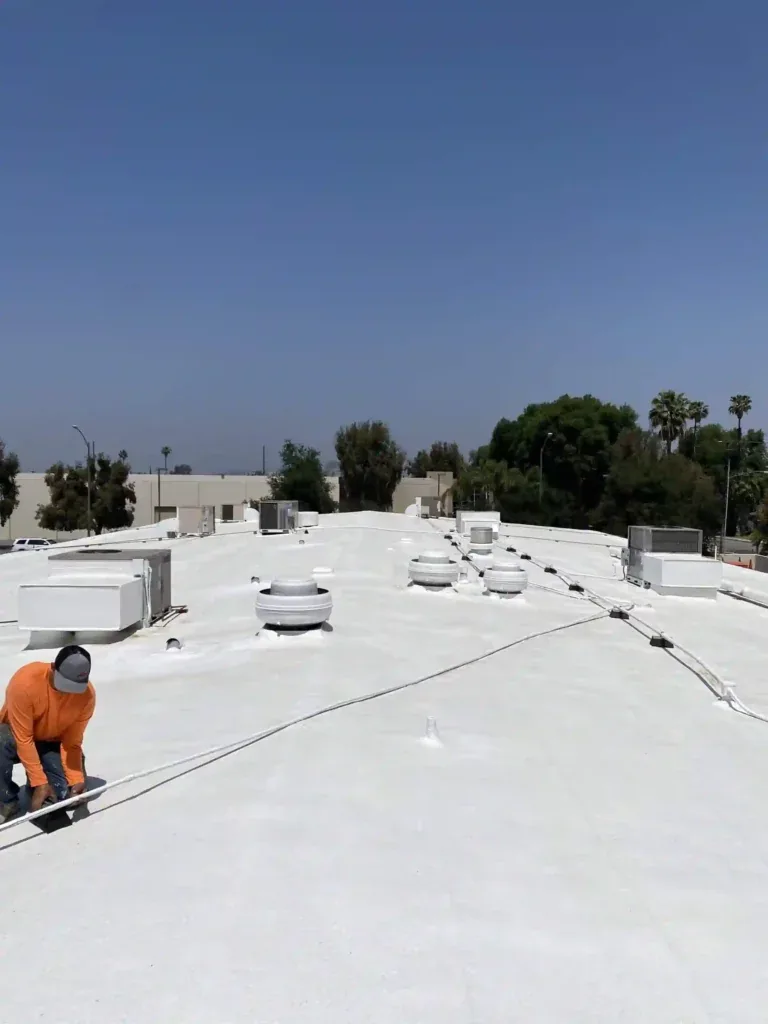
A seam repair often meets other roof details such as curbs, walls or a change in roof height, and each one needs its own flashing. We inspect those spots and explain where the repair can stop on sound roofing. If a drain or design item still needs attention there, we list it beside the roofing. A repair priced only along the split seam can leave the next detail over unfinished. You get a clear finish point, with insulation and other trade work accounted for, before anyone calls the low area fixed.
Final photos show the rebuilt seam, the insulation we kept and the drainage work around the low area. Items still waiting on another trade are listed separately from finished work and temporary patches. The next inspection can go straight to those spots without guessing from the surface. The record shows what is closed, what insulation work is pending and what drain work still needs a plumber or designer. That keeps your repair history useful long after the crew leaves.
Hotel roofing in Richmond
For hotel roofing in Point Richmond and around the waterfront, occupied rooms and roof penetrations have to be planned together. Send us your roof records and the guest floors near the work. We inspect the roof before choosing a repair, and management reviews protection and scheduling. The scope covers that hotel's actual seam and drainage work, with test openings and access listed where insulation needs to be checked.
Other residential-style buildings have similar roofs with different occupants. An apartment roof sits over long-term residents who need notices in advance. A senior living roof covers residents who are home all day and need extra care around noise and access. We keep the hotel's repairs documented on their own, so future decisions start from what we actually inspected and fixed. A similar-looking roof elsewhere can hide different insulation and drainage problems.
Commercial Roofing Questions
Will a new layer over the seam fix the low-area leak?
Only for a while. We rebuild the seam properly and look at why water is sitting there. Drainage or plumbing issues are fixed alongside the roofing.
When does the repair need to get bigger?
When core cuts confirm wet insulation beyond the seam. Test spots are patched, and management knows which rooms are below before we check.
Which guest rooms need protection if the work grows?
Any room under the larger opening or along the material route. Management reviews the new area with us and blocks rooms as needed.
What gets recorded after a temporary repair?
The insulation or drain issue holding up the permanent fix, kept separate from finished work and the insulation we confirmed dry.
Tell us about the hotel roof and guest floors