Senior Living Roofing in Richmond, CA
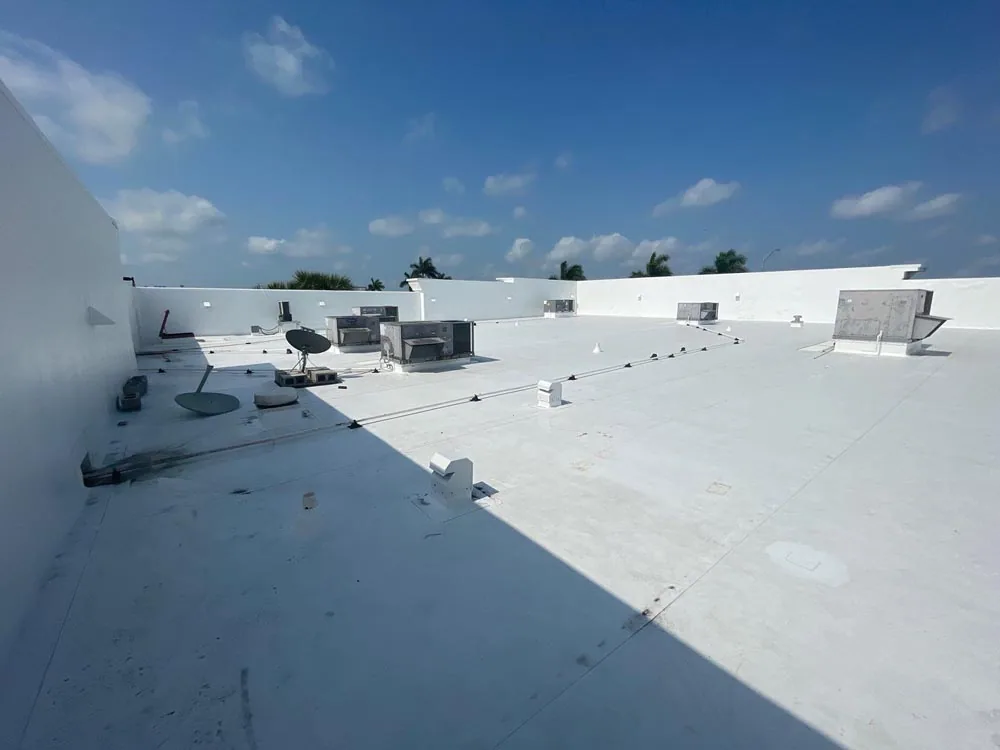
In a senior living community, residents are home all day, many use walkers or wheelchairs, and a leak or a noisy crew overhead is more than an inconvenience. One of the most common leak points on these buildings is the parapet wall around the roof edge. Water gets in where the membrane turns up the wall, under a loose or poorly sealed metal coping cap, or through the wall itself. Fixing it properly means checking all three, repairing what failed, and planning the work so residents can still move safely through hallways and entrances. We inspect the parapet, the coping and the insulation before recommending a repair.
Resident routes and protected entrances need to be marked out before any roof is opened. Send us the rooms reporting leaks and any roof records. We inspect the parapet before recommending a repair, and your facility staff decide on resident protection, notices and how material moves through the property. The price includes the insulation and wall work needed at that parapet, so you can see why the repair extends as far as it does and which steps have to happen first.
What sits behind the parapet flashing
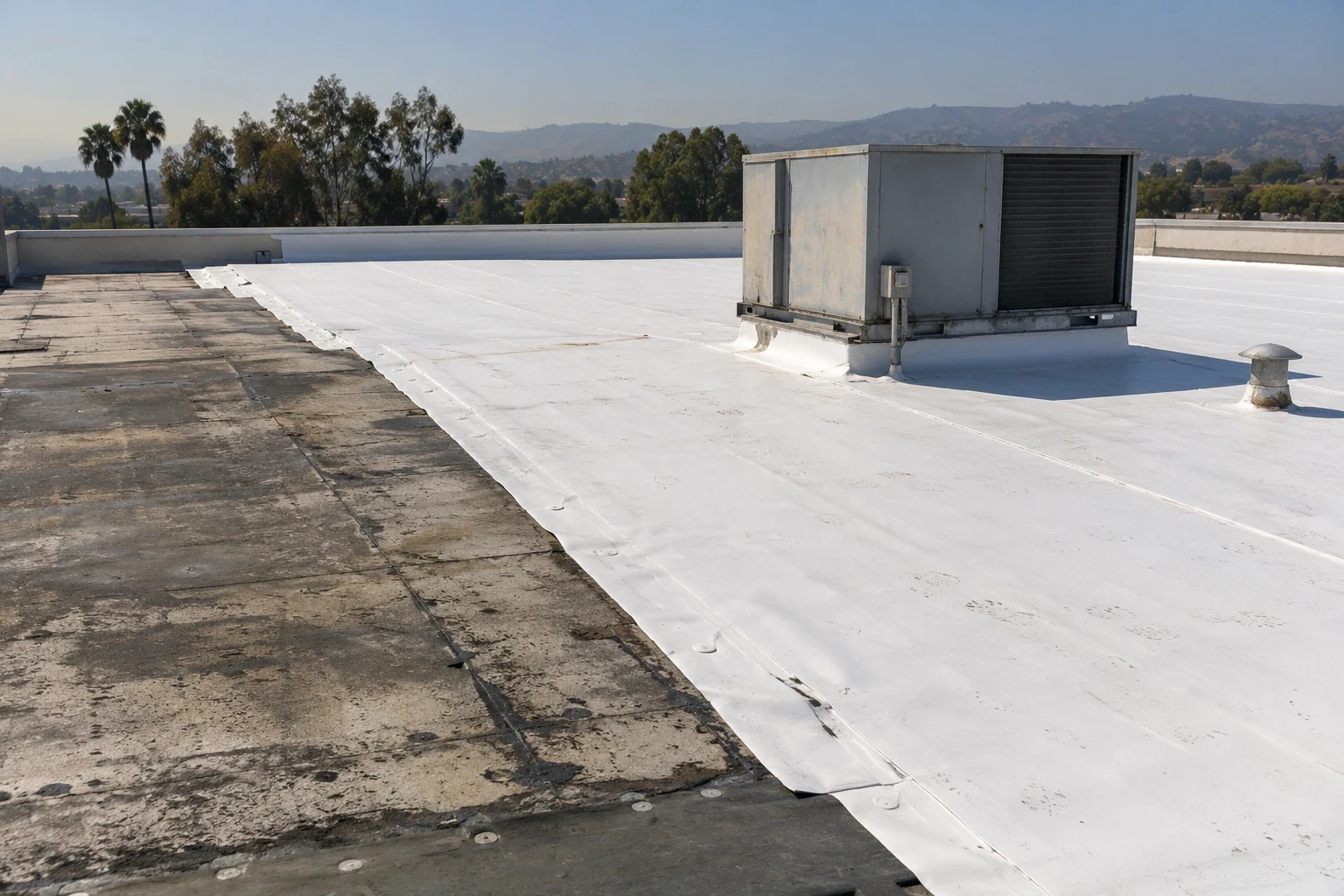
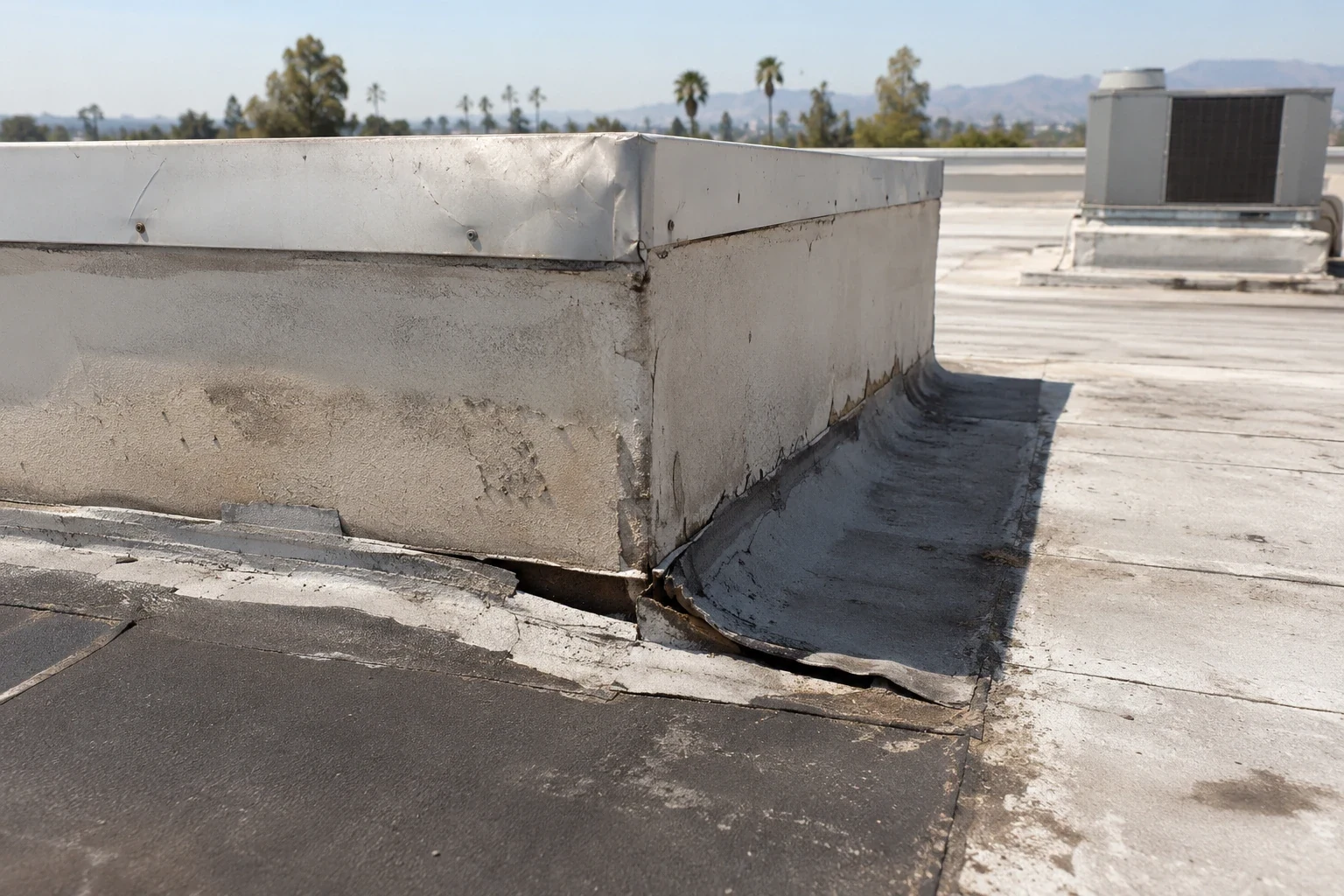
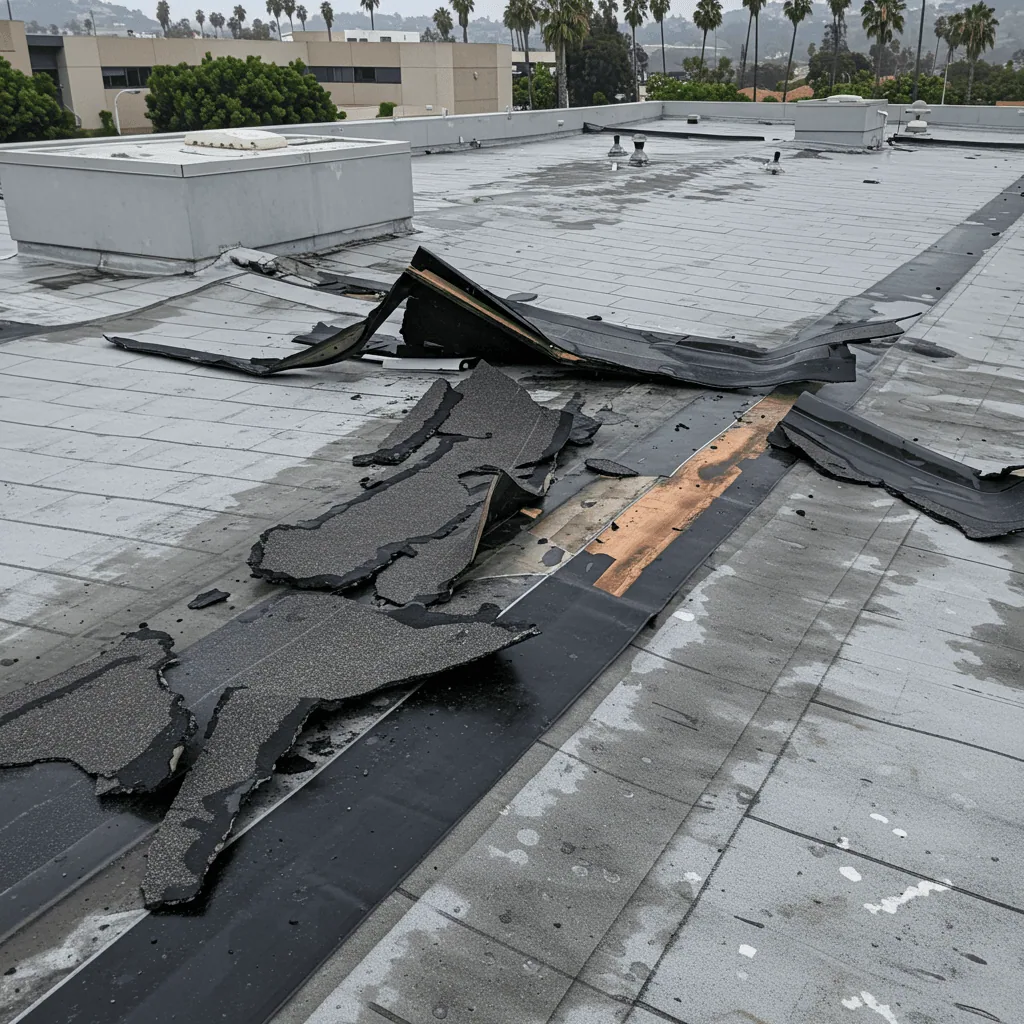
Membrane splits at a parapet when the wood or insulation behind it is wet or rotted, or the flashing was never attached well. Flashing failure repair at parapets checks the membrane and the material behind it. We clean and reuse membrane that is sound and remove what cannot hold a lasting repair. TPO and PVC flashings are heat-welded to clean sheet; other roofs use their own methods. The repair extends to sound material, so a visible tear does not lead to a price that stops short of the real damage.
The metal coping on top of the wall is often part of the problem. Edge metal and coping work checks the cap, its joints, the wood blocking under it and the wall surface. Structural and attachment questions go to an engineer or the building's designer, and stucco or masonry repairs go to the right trade. We remove the coping where needed to see what is under it, then close it back up. A new cap by itself does not show what is underneath or fix a parapet flashing that still needs to be rebuilt.
Keeping residents safe during the work
An opening at the parapet can affect resident rooms and hallways beyond the room that reported the leak. For reroofing occupied buildings like senior living communities, we share the planned openings and material routes with facility staff. They decide on protection, resident notices and access, and keep care routines on schedule. Equipment and electrical work stays with the right trades. We plan debris handling and patching of test openings alongside the roof work, and avoid treating every resident area as one interchangeable protection zone.
If wet insulation turns up, the opening may grow and reach other rooms or change the delivery route. We explain the larger area before going further. Facility staff review how it affects resident access, and the roof repair still includes any wall work that has to happen first. Temporary roofing may stay in place while a wall or design question gets resolved. Before work begins, staff mark resident routes, entrances that must stay open and areas that need extra care, and arrange our access. Electricians handle any affected equipment, and temporary patches are recorded until the permanent repair is done.
Roof leak or wall leak?
Water at a parapet can come through the wall itself, not just the roof. We compare what we see on the roof with where water shows up inside and any building records. We identify the roof flashing that needs a permanent repair and any wall item that needs another trade. A new layer at the base of the wall will not stop water coming through cracked stucco or open masonry above it. The bid lists those steps in order, so you are comparing real repairs, not a coating that leaves the source of the leak untouched.
The insulation near the parapet can also be wet. An infrared moisture survey helps find likely wet areas, but readings depend on how the roof is built and the conditions during the scan. We confirm with core cuts wherever the decision to keep insulation depends on it. Each test spot is patched, and staff know which rooms are below. A scan does not prove the condition of every layer. We explain which findings make the repair bigger, tied to the specific parapet rather than the whole building.
Finishing at corners and ends
A parapet flashing run usually ends at a corner, a roof hatch or a change in wall height, and each of those needs its own detail. We inspect those spots and pick a flashing method that ties into sound roofing. If a wall or design item is still pending at that corner, we list it. A repair priced only along the visible split can leave the corners out. You get a clear finish point with insulation and corner details included, so the repair does not stop where another layer would hide unfinished work.
Final photos show the rebuilt parapet flashing and the material behind it, with wall or coping items listed separately. Resident protection notes stay with the area that was opened, and future work in another wing gets its own plan. Temporary patches are recorded apart from finished work. The record keeps your future spending focused, with finished roofing, sound insulation and the next pending item clearly marked.
Before an occupied section of roof is opened, the property contact should tell us about resident routes, entrances that need protection and rooms that need special coordination. We keep those plans attached to each opening and note how it will be closed before the next area is started. Each stage gets resident protection and a temporary dry-in plan before we move on.
Senior living roofing in Richmond
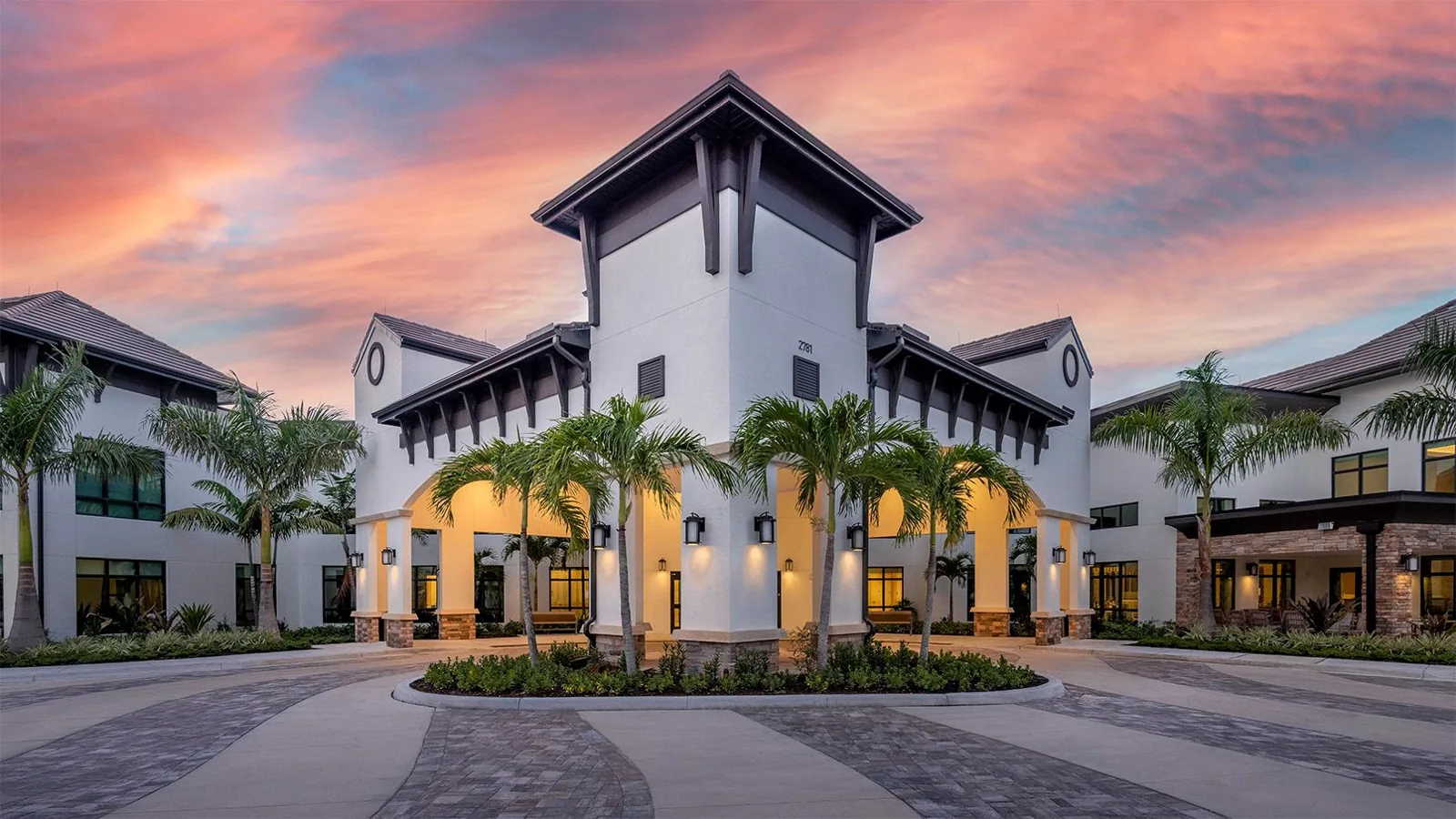
For senior living buildings near Point Richmond and elsewhere in the city, resident routes and roof access are reviewed for each property. Send us your roof records and the staff contact who coordinates resident schedules. We inspect the roof before recommending repairs. The price follows the insulation and wall conditions we actually find, with test openings and their repairs listed. Each stage of work is tied to a specific roof area and its access plan.
Other residential and healthcare buildings have similar roofs with different needs below. An apartment roof has long-term tenants and lots of plumbing vents. A medical office roof covers exam rooms with set clinic hours. We document each senior living building's parapet repairs separately, so a future reroof starts from what we actually inspected and fixed rather than assuming another property has the same tear-off or protection needs.
Commercial Roofing Questions
Will a new coping cap fix a leaking parapet?
Not by itself. We check the flashing and wood under the cap and the wall surface. Wall or flashing repairs may need to happen before a new cap goes on.
Why would resident protection extend beyond the room with the leak?
Wet insulation can spread past the first spot, and the material route may pass other rooms. Staff review the larger area with us before we open more roof.
Can an infrared scan show whether all the insulation is dry?
No. It shows likely wet areas, which we confirm with core cuts where the decision depends on it. Each test spot is patched.
What gets recorded if a temporary repair stays in place?
The wall or design item holding up the permanent repair, plus photos of finished corners and parapet flashing kept separate from the temporary patch.


Tell us about the parapet and resident routes