Apartment Roofing in Richmond, CA
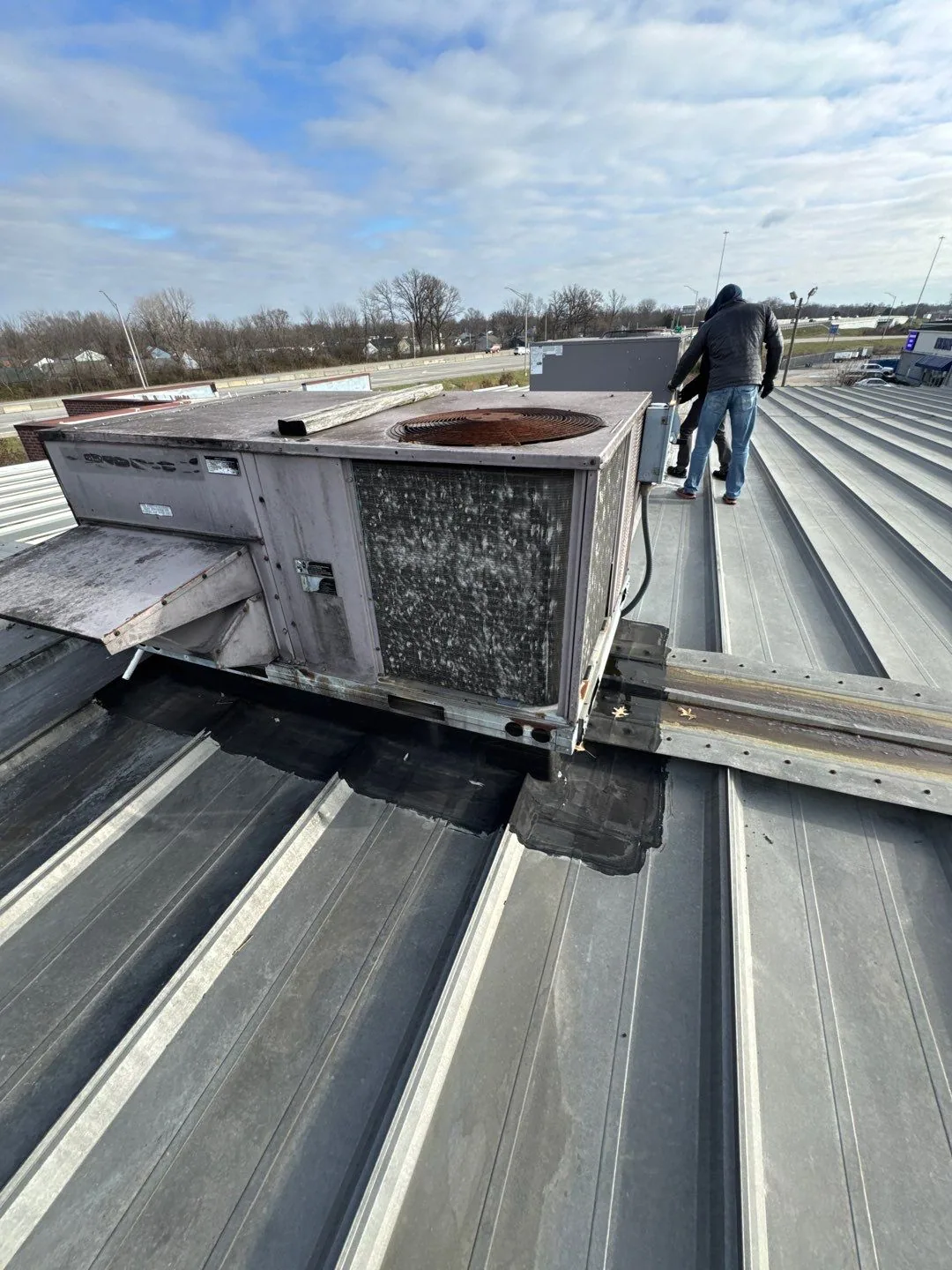
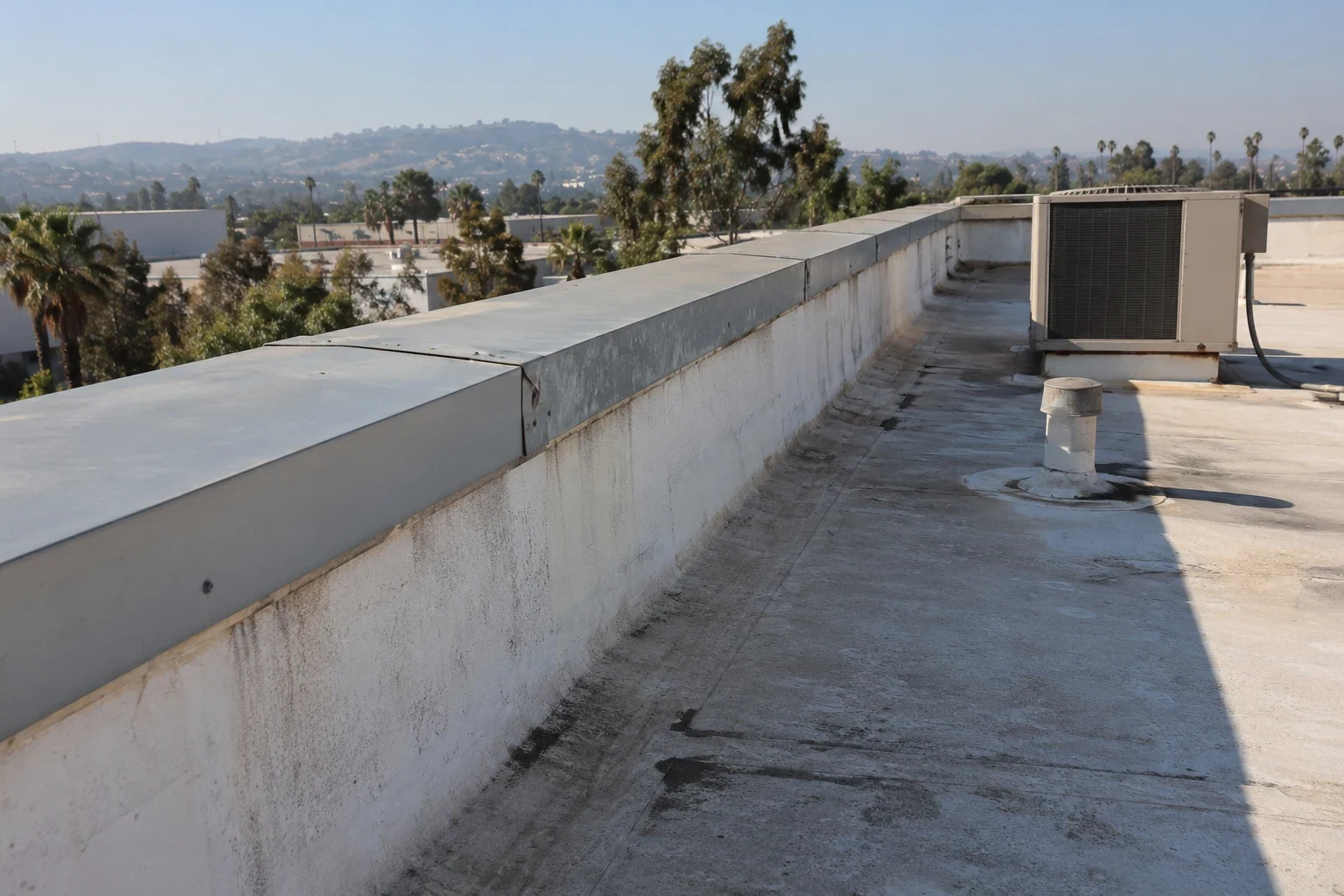
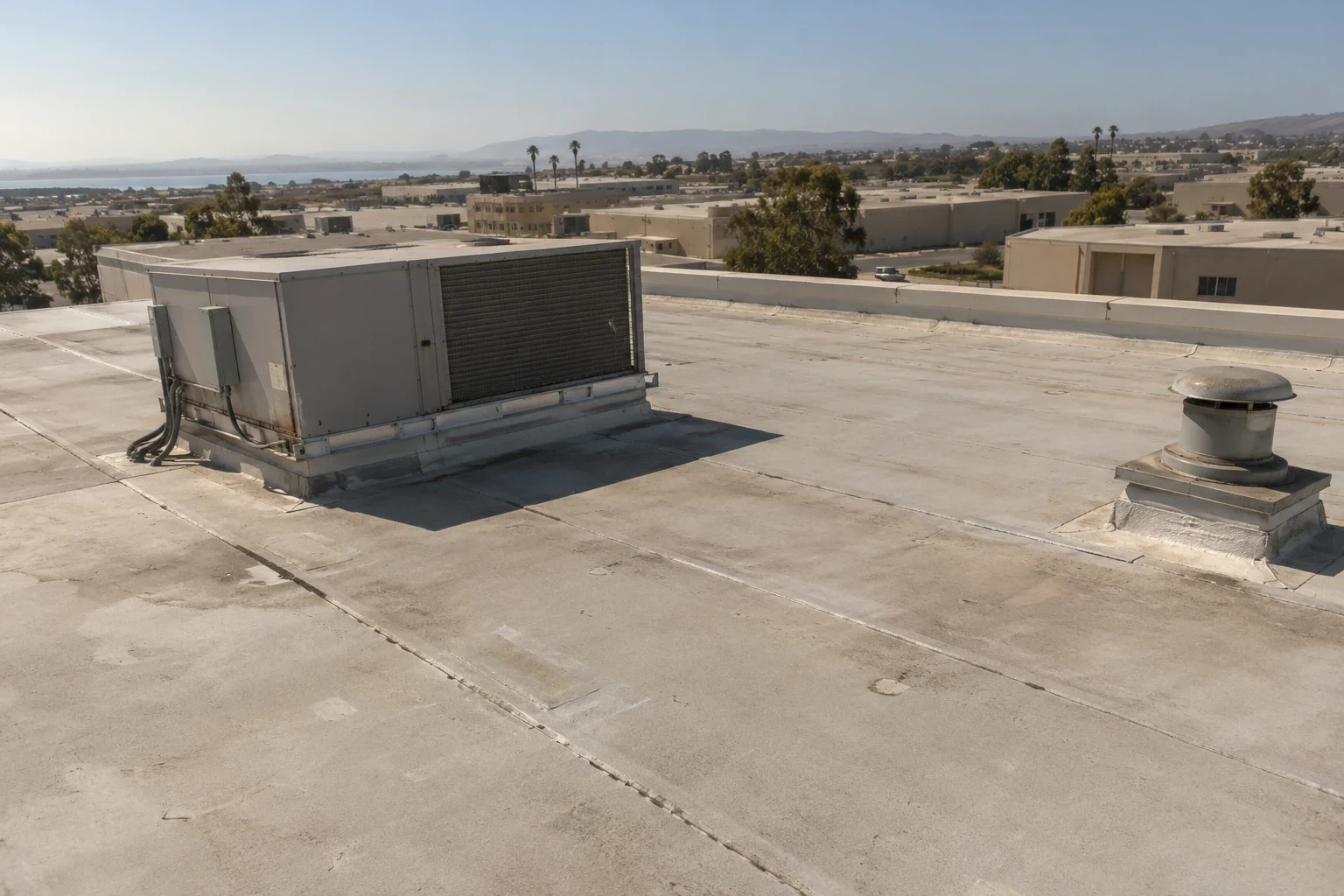
On an apartment building, the leak call usually comes from a tenant, and the cause is often a cracked pipe boot or vent flashing a few feet above their unit. Plumbing vents, exhaust fans and bath vents dot every apartment roof, and each one is a hole through the membrane that relies on a boot or flashing to stay dry. When a boot splits from sun and age, smearing sealant around the pipe rarely lasts. The membrane around the vent may be too brittle to bond to, or the vent pipe itself may be loose or broken, which is a plumber's job before the roof can be sealed.
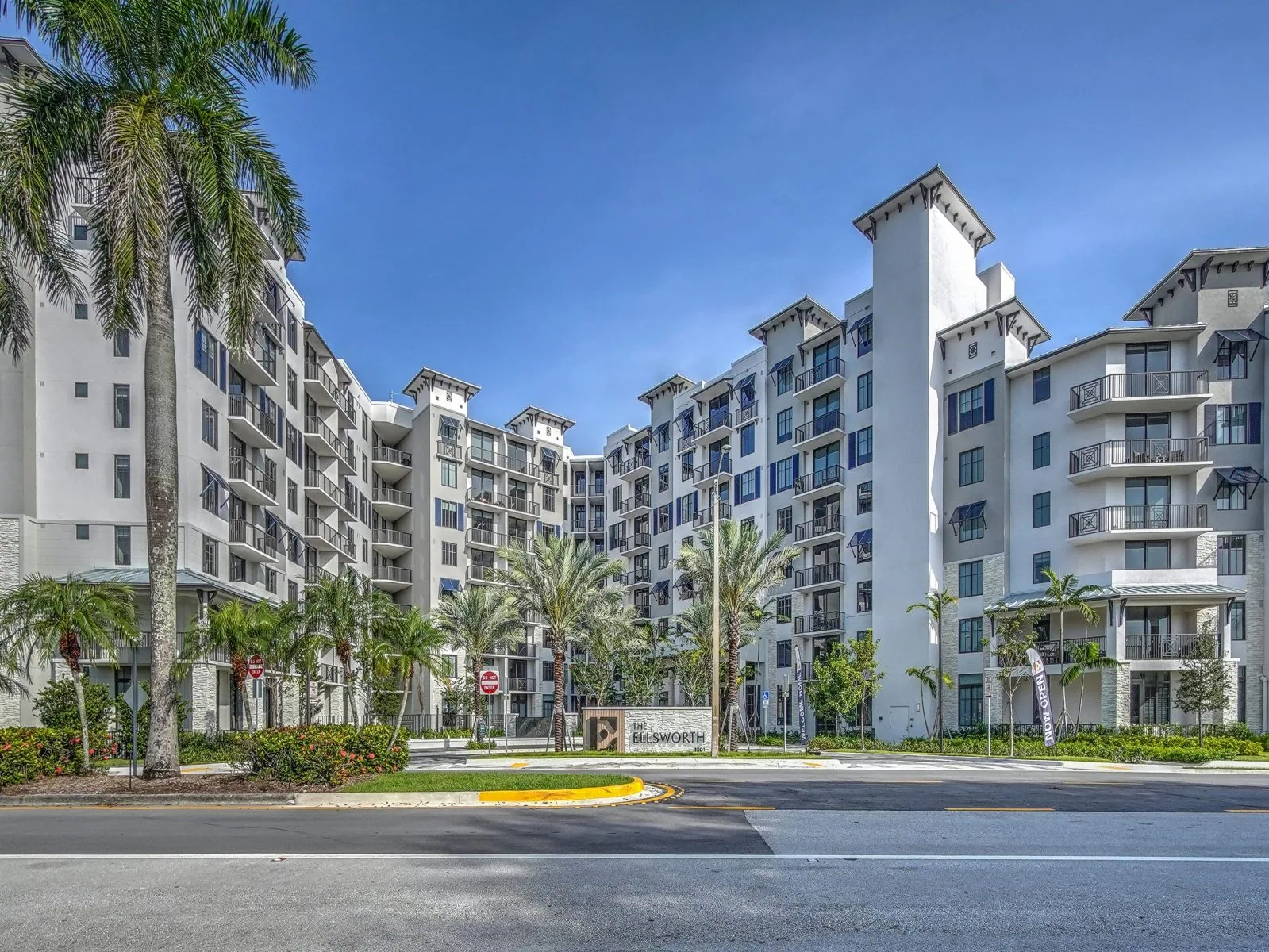
Apartment buildings around Downtown Richmond often have several roof levels and stairwell or elevator penthouses, and residents stay home while we work. That shapes the schedule. Send us the units where leaks are showing up, any roof drawings or repair history, and the hallways or units under the work area. We inspect the roof before recommending a repair, and property management handles resident notices and access. The price follows the actual condition around each vent and the insulation underneath, with interior protection and material handling listed next to the roof work.
On a multifamily building, the scope should list which units sit below each section we open and how they will be protected at each stage. We photograph every opening, note any insulation that needs replacing, and do not make claims about parts of the roof we have not inspected.
Why vent boots and penetrations leak
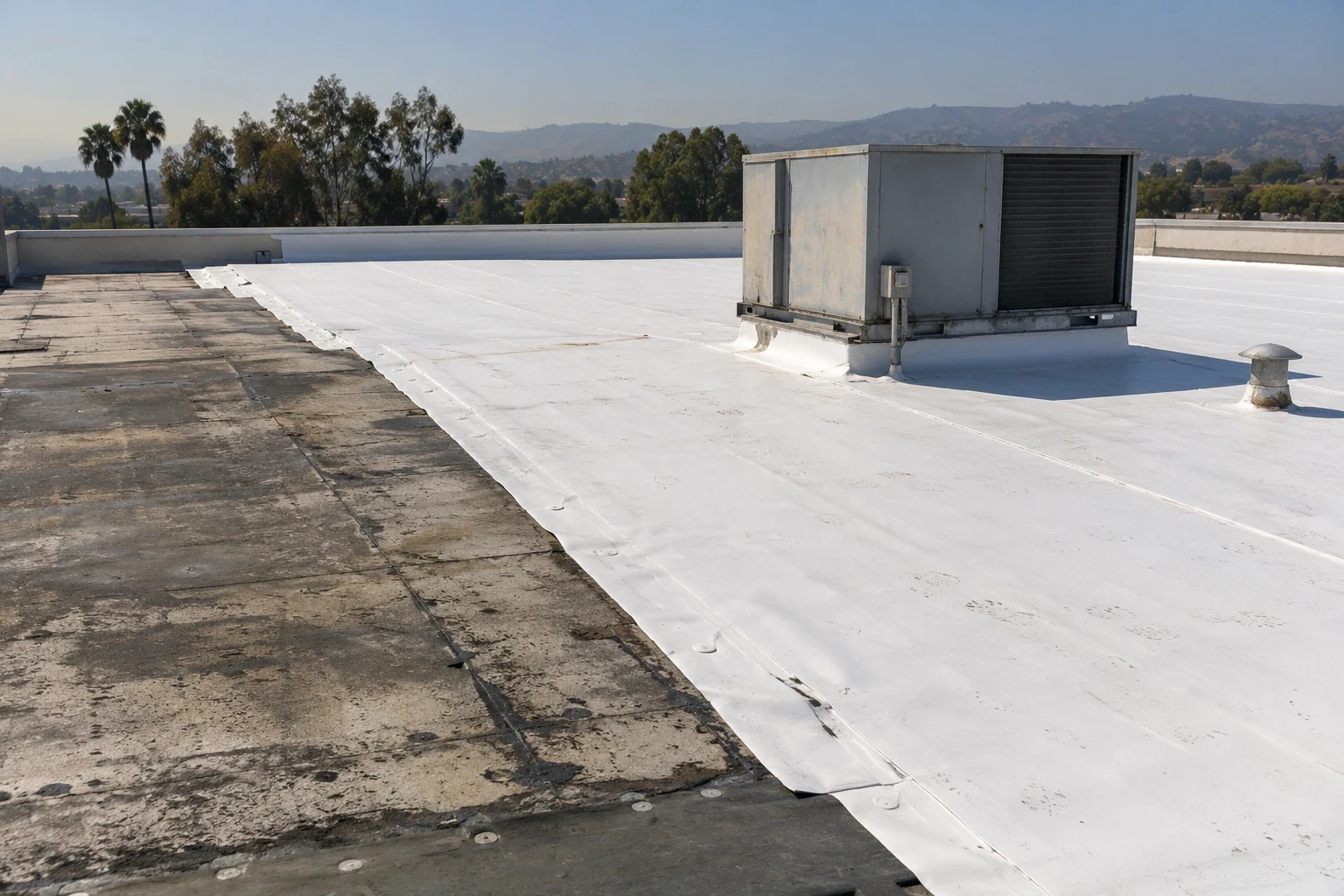
A torn boot is only part of the problem if the membrane around it has also aged or cracked. Our penetration flashing inspection checks the boot, the membrane around it and how the two are joined. On a TPO or PVC roof, a new boot or flashing is heat-welded, which needs a clean, flexible sheet to weld to. Modified bitumen and EPDM roofs each use their own flashing method. If the existing membrane cannot hold a lasting bond, we cut it back and replace a section rather than just cleaning and patching. You can then see why a repair is priced the way it is, instead of a generic patch around the first tear we spotted.
Sometimes the vent pipe itself needs attention first. A cracked or loose pipe, or a vent that has settled below the roof surface, is plumbing work. Flashing failure repair at apartment penetrations puts the roof work right next to that plumbing step and explains the order. If a curb or support has rotted or a framing question comes up, an engineer or the property's designer makes the call. A good proposal lists the flashing, the insulation under it and any plumbing work separately, so a new coat of sealant is not mistaken for a full repair.
Protecting residents and their units
Opening an apartment roof can put water and debris risk over more units than the one that reported the leak. Reroofing occupied buildings starts with sharing the planned openings, debris chutes and material routes with property management. They decide on resident notices, parking, hallway access and quiet hours. Electrical and rooftop equipment issues stay with the trades that handle them. Any test openings we make to check the insulation get patched the same day, and that work is in the price. The bid should list which units and hallways are affected instead of assuming one setup fits every opening.
If we find hidden damage, the tear-off may grow and reach other units or common areas. We explain the bigger scope before opening more roof, and show property management how it affects protection and access. Temporary roofing may stay in place while a plumbing or design issue gets resolved. Temporary seals and protected walkways for residents are part of the plan before we open the roof. Electricians handle any electrical concerns at rooftop units. Temporary patches are recorded separately from finished vent work so everyone knows which spots are still waiting on something.
Checking for wet insulation before choosing a fix
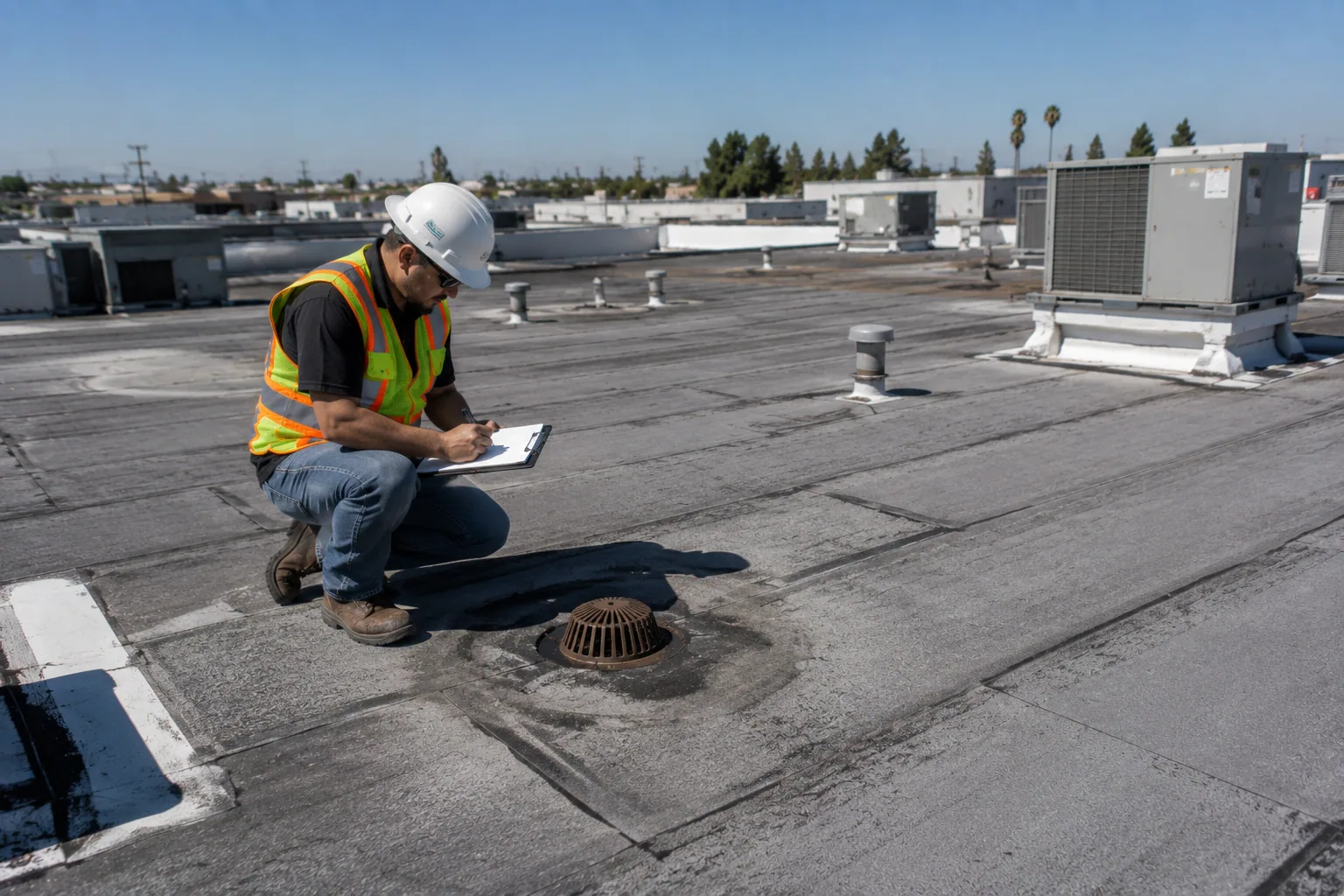
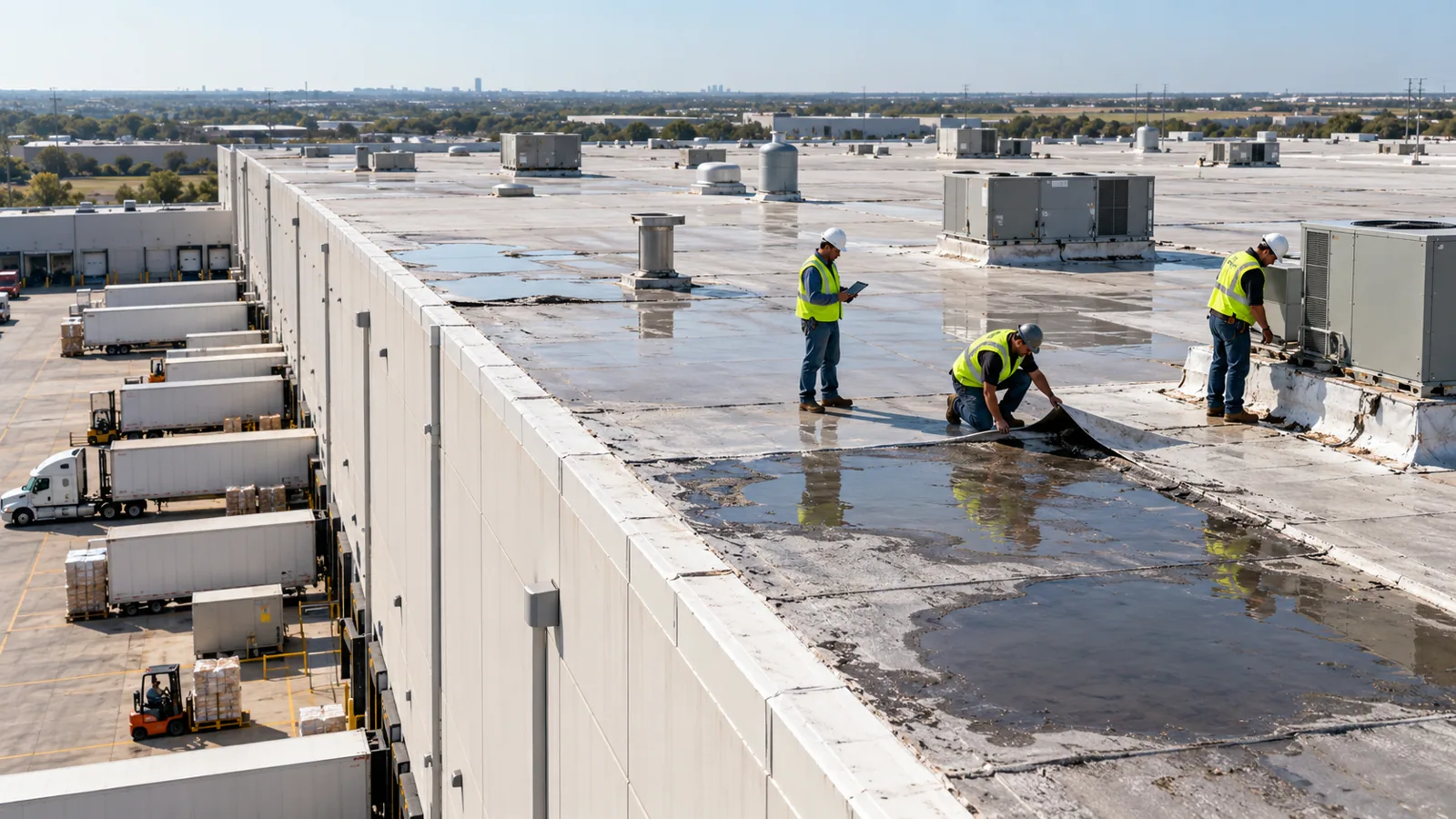
The roof around a leaking vent can look fine and still sit on wet insulation. An infrared moisture survey shows areas that hold heat differently, but the readings depend on how the roof is built and the weather the night of the scan. Before deciding whether insulation can stay, we confirm with a core cut. Each test spot gets patched, and property management knows ahead of time which units are below. A scan points to likely problems; the cores confirm them. We tell you which findings change a small vent repair into a larger section replacement.
We also compare where tenants report leaks with the vents, drains and walls on the roof above, along with any old repair records. Some leaks come from a wall, window or balcony detail rather than the roof, and those go to the right trade. We identify the roof details we can rebuild and list the other items alongside them. A thicker new roof can change how vents, drains and equipment sit, and those questions go to the project's designer. Each option should include everything needed to finish the job so you are comparing complete repairs, not one that stops at a detail still waiting on something else.
What you receive when the work is done
Final photos show the new flashing, the finished boot and the insulation around each vent. Temporary patches are noted separately where something still blocks the permanent repair, along with what other trades still owe. The next time a plumber or roofer goes up, they can see which details are finished and which still have open questions. You get a clear record of what was repaired permanently and what is still waiting, so your next budget goes toward an actual problem instead of another coat of sealant over the same vent.
Notes on which units were protected for each opening are part of the record too. Future work may sit over different units or need a different material route, and property management should review that new plan before work starts. We keep the insulation findings and roof prep together with the area that was opened, so there is an accurate record of what the repair required. Another building's roof cannot tell you what this one needs. Future work can start from what was finished here or from a specific question that still needs an answer.
Apartment roofing in Richmond
For apartment roof work in Downtown Richmond, every building has its own roof condition and resident access plan. Send us whatever roof information you have and the name of the person who arranges access. We inspect the roof before recommending vent repairs, and property management handles resident protection and notices. The price is based on that building's insulation, flashing and plumbing items, with any test openings and their repairs listed.
Other residential-style buildings have similar roofs but different people living or staying below. A hotel roof brings guest schedules and front-desk coordination. A senior living roof needs extra care around residents and quiet hours. We treat each apartment building separately, with its own record of what we inspected and fixed. Open items stay listed on their own, so a comparison with another property does not borrow tear-off or protection quantities from a building with a different layout and roof.
Commercial Roofing Questions
Will more sealant around the vent fix the leak?
Usually only for a short time. We check the boot, the membrane around it and the pipe. If the pipe is loose or cracked, a plumber fixes it first, then we install new flashing.
What could make the resident protection area larger?
Finding wet insulation or damage beyond the first leak. Property management reviews the bigger work area and the affected units before we open any more roof.
Can a roof look fine and still have wet insulation?
Yes. We use an infrared scan to find likely wet areas and confirm them with core cuts before deciding what stays. Each test spot is patched the same day.
What records should we keep after the vent repairs?
Photos of the finished flashing and insulation, plus a list of temporary patches and any plumbing or other trade work that is still pending.

Tell us which units are seeing leaks