Roofing for Insurance Restoration in Richmond, CA
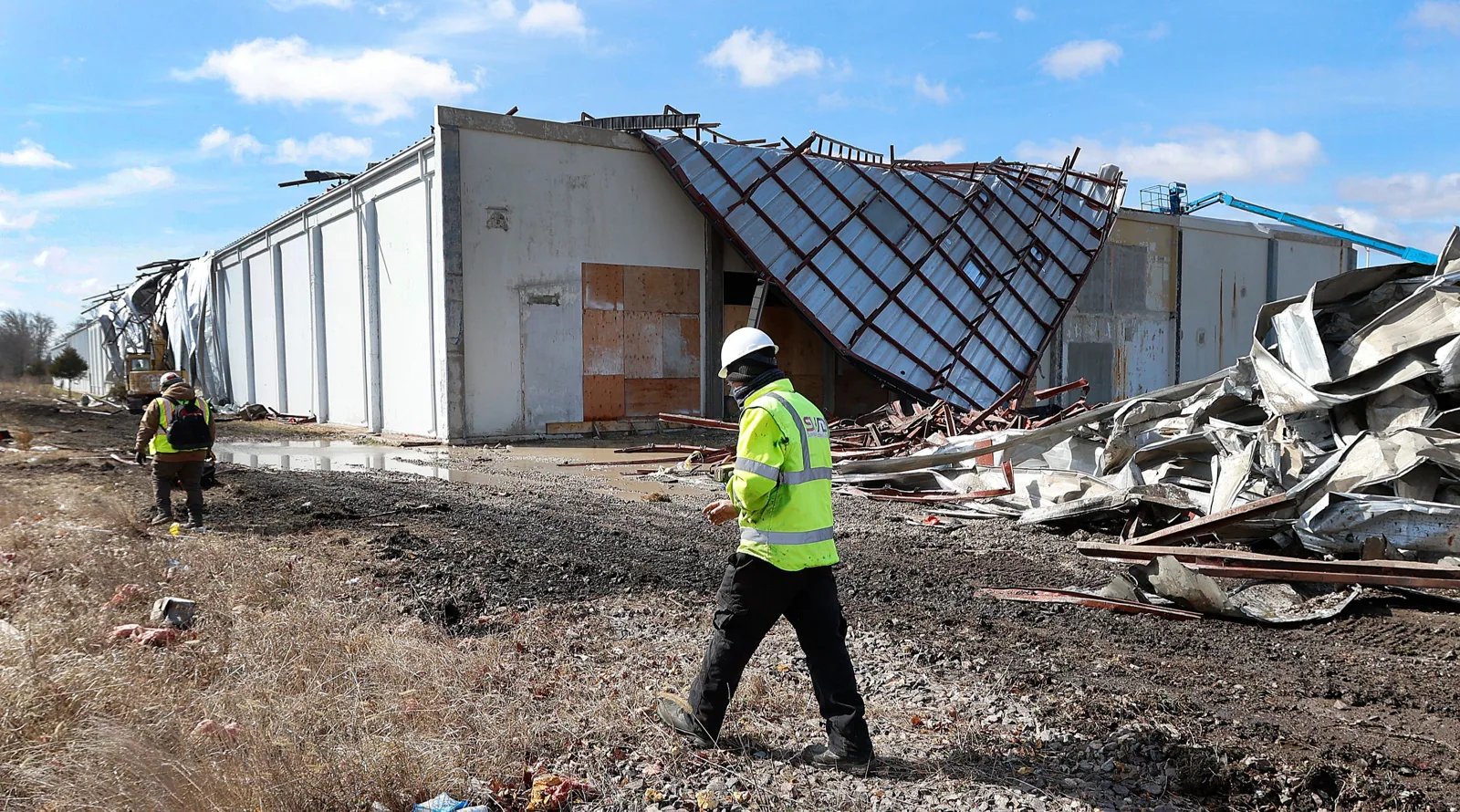
A torn roof section over a Richmond commercial space may need a permanent fix while the insurance claim is still being reviewed. Our restoration reports keep what we find on the roof separate from the story of the loss and the scope someone has requested. What the owner or others tell us is noted, but it is kept apart from what we confirm in person. The owner gets a clearly explained repair scope to share with the adjuster. Emergency dry-in is listed as its own item next to the permanent work, so the leak gets fixed without us drawing conclusions about cause or coverage.
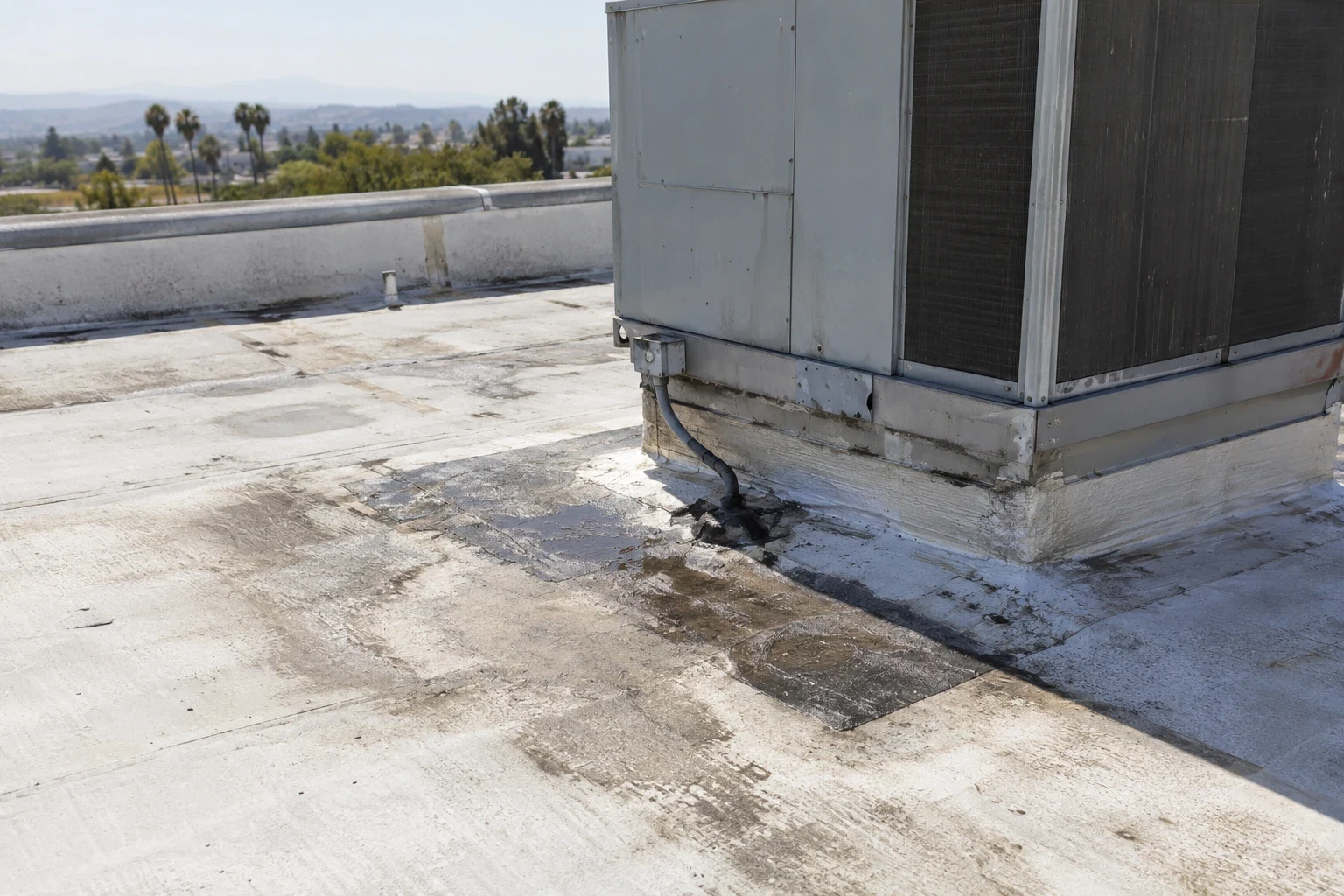
On office building roofs, we mark the tear against a drain, unit or wall so it can be found again. Dated photos help show what changed when they clearly show the same area. We inspect the roof before turning an earlier description into a repair quantity. The proposal follows what we find and notes any hidden condition that could change the tear-off, keeping the roofing work separate from the insurer's paperwork. For restoration work in Richmond, the project contact confirms the building, the inspection scope and how we can access the roof.
Be clear about what the roof shows
A tear shows damage at that spot. How it looks may not tell us when or how it happened. We record its location and edges, then compare any photos or reports with the right building and date. Hearing about a storm nearby helps guide the inspection but does not answer every question on its own. The owner should know which findings support the repair and what is still being reviewed. We can describe the repair clearly even when fault is still being decided.
Roof insurance claim assistance means giving the owner clear records of what we inspected and how we would repair it. The estimate explains the materials, the prep and any assumptions about the roof that stays. Policy and settlement questions stay with the insurer and adjuster. If the quantity changes, it points to the finding that made it necessary instead of a broad damage label. The owner gets a clear roofing report to use alongside the claim, with photos, findings and actual adjuster responses each kept in their place.
Confirm how much needs to come out
Water through a tear can soak insulation well beyond the visible split. Where that changes what we keep or remove, we take cores or open test areas. Our notes record where we checked, what we found and how far we can say the damage goes. Areas we have not checked stay marked as unknown. A ceiling stain helps trace the leak but does not tell us how much to replace. The owner gets a starting scope based on confirmed damage, and the next approval can settle a specific question instead of paying for hidden damage that has not been found.
Insulation and cover board replacement in a restoration job explains what gets rebuilt and where it meets dry material. New insulation thickness can affect a nearby drain, wall or curb, so we check those before ordering. Structural concerns go to an engineer. If opening the roof reveals more damage, we record where and how much for the change approval agreed with the owner. The extra work is easy to understand, and the roof stays sealed while the change is decided.
Coordinate the other restoration trades
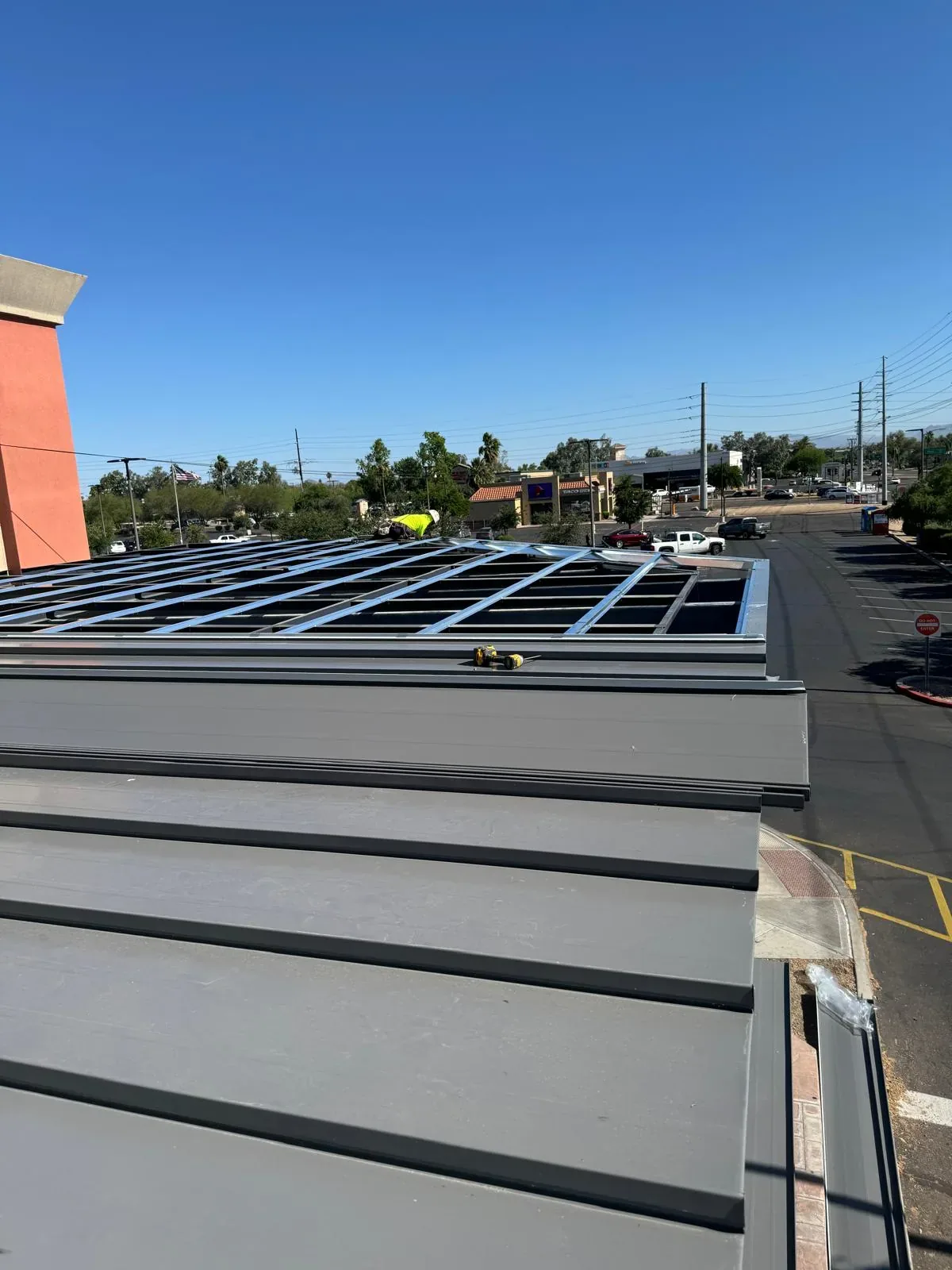
The building manager confirms which spaces are occupied and how materials can move. We describe the tear-off, material handling and nightly dry-in for the work approved. Interior and equipment specialists do their own assessments. What we see on the roof may help point them in the right direction, but it does not tell anyone the condition of other building systems. A damaged unit may need to be disconnected or moved before we can install permanent flashing. The owner sees that next to the roofing schedule, so protection and other restoration work move forward with the right people.
When general contractors manage the restoration, they schedule the trades around those separate tasks. A roof inspection in Point Richmond still needs a site contact and confirmed access. Permission to inspect may not cover crane lifts, tear-off or equipment work. We spell out the next approval each task needs, tied to the actual work rather than a general restoration label. Before the inspection, the property contact confirms access and gathers the records relevant to the claim.
Keep temporary dry-in separate
A temporary patch or tarp protects the building while deck or equipment decisions are pending. The records should show where it is and what it is for. The owner needs to see what permanent work is still pending and who handles the next step. A finished field area may still leave a curb or wall detail waiting for prep. We point out that difference before any space is handed back. Each stage is tied to a clear finish point, so a temporary fix is never called a completed roof just because the hole is no longer visible.
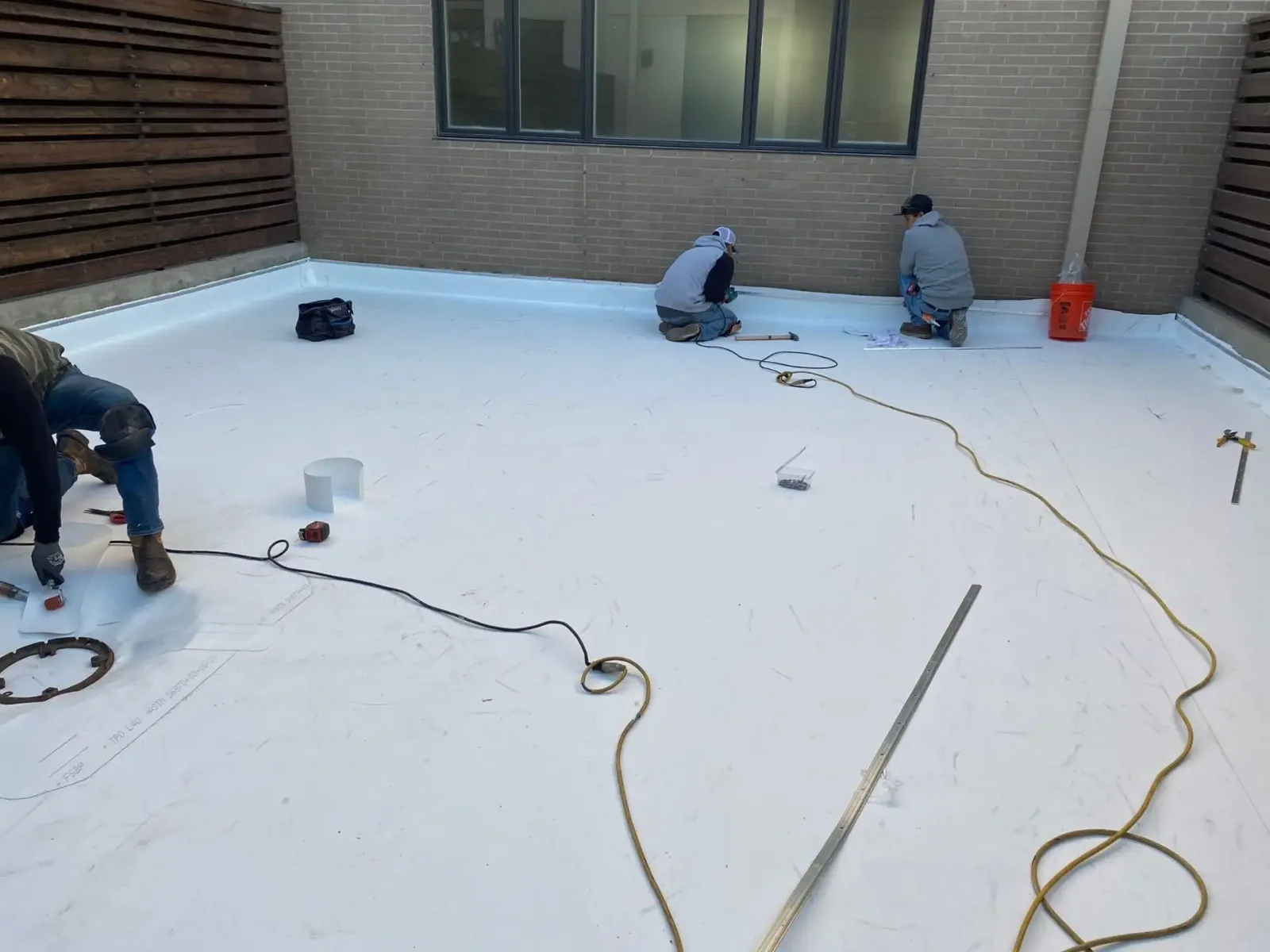
The permanent commercial roof repair that follows should name the materials and exactly where the repair starts and stops. Deck or insulation repairs are listed next to the new membrane. A larger replacement can be considered where more confirmed damage supports it, with the roof that stays and other trades' work spelled out. The owner can compare complete options without assuming a bigger job answers every hidden question. The price follows the work needed, while the insurer's review follows its own rules. For restoration work in nearby Walnut Creek, we likewise keep the reported loss separate from what we confirm on the roof and the repairs those findings support.
Keep a complete closeout file
The closeout ties what we first saw to the deck and insulation repairs and the finished roof. Photos taken during tear-off show work hidden under the new membrane. Interior, equipment and structural work keep their own records. Questions sent to the insurer are kept apart from the answers actually received. The owner knows where the roofing stands without treating a submitted document, a new membrane or a scheduled turnover as proof every part of the restoration is done. The file shows how far each repair went and the next step for anything still open.
Property management companies can use that file if new problems come up. Later equipment work or a new opening can affect the roof after our repair. If a stain keeps coming back, we inspect the roof as it is now before blaming the earlier work. The dated records help find what changed and explain how the original repair was done. The owner gets a next step based on current conditions, with the loss history, finished roofing and open questions for other trades kept clearly apart.
Commercial Roofing Questions
Can the look of a tear prove what caused it?
No. We record the damage and compare any dated photos or reports separately. The cause stays an open question until the evidence supports an answer.
What should a restoration roof estimate explain?
Where we inspected, the insulation and deck work needed, the permanent repair method and any areas that are still unknown.
Does finishing the roof mean the interior restoration is done?
No. Interior and equipment specialists keep their own records. Our closeout covers the roofing work only.
How should temporary dry-in appear in the records?
As its own item, showing where it is and what it protects, next to the permanent repair still pending and who handles it.
Which insurer responses belong in the final file?
Each written reply, kept with its date and subject, separate from the questions that were sent.


Get a clear roof report for your restoration project