Church Roofing in Richmond, CA
Skylights over a sanctuary or fellowship hall bring in beautiful light, and they are also one of the most common sources of church roof leaks. When water drips near a skylight, the cause could be the glass or frame itself, the flashing where the roof meets the skylight curb, or a seam a few feet away that lets water run along the deck. Recaulking the frame might help for a season, but it will not fix a torn curb flashing or wet insulation. We compare where the leak shows inside with what we see on the roof and in any old drawings, then tell you which part is a roofing job and which part belongs to a glazing contractor.
Church buildings host services, weddings, funerals, classes and community meals, so the work schedule has to fit the calendar. Your facilities committee or business manager decides on interior protection and how material moves through the property. We inspect the roof before recommending a repair, and glass or frame problems go to a skylight or glazing specialist. The scope stays specific to your building: what the roof needs, what the skylight needs, and how we protect the rooms below. Send us the skylight locations that leak, any roof records and the rooms or halls under the work area.
Is it the skylight or the roof?
A skylight can leak through cracked glazing, failed gaskets or a frame that has pulled apart, and none of that is fixed by sealing the roof around it. A glazing contractor handles those repairs. Our skylight and penetration flashing inspection checks the curb, the flashing up its sides and the membrane around it. We tell you which repairs are roofing and which are glass or frame work, and the order they need to happen in. A bid should list both so the roof flashing is not finished before the skylight itself is fixed.
We also compare where the water shows up inside with the seams, curbs and drains on the roof and with any repair records. Commercial roof leak repair follows what we find on your building, not a guess based on the nearest skylight. Sometimes the source is a wall, window or bell tower detail that needs a different trade. We point to the roof problems the evidence supports rather than blaming every stain on the closest curb. That keeps you from paying for flashing work at a skylight when the leak actually starts somewhere else.
Rebuilding the flashing at skylight curbs
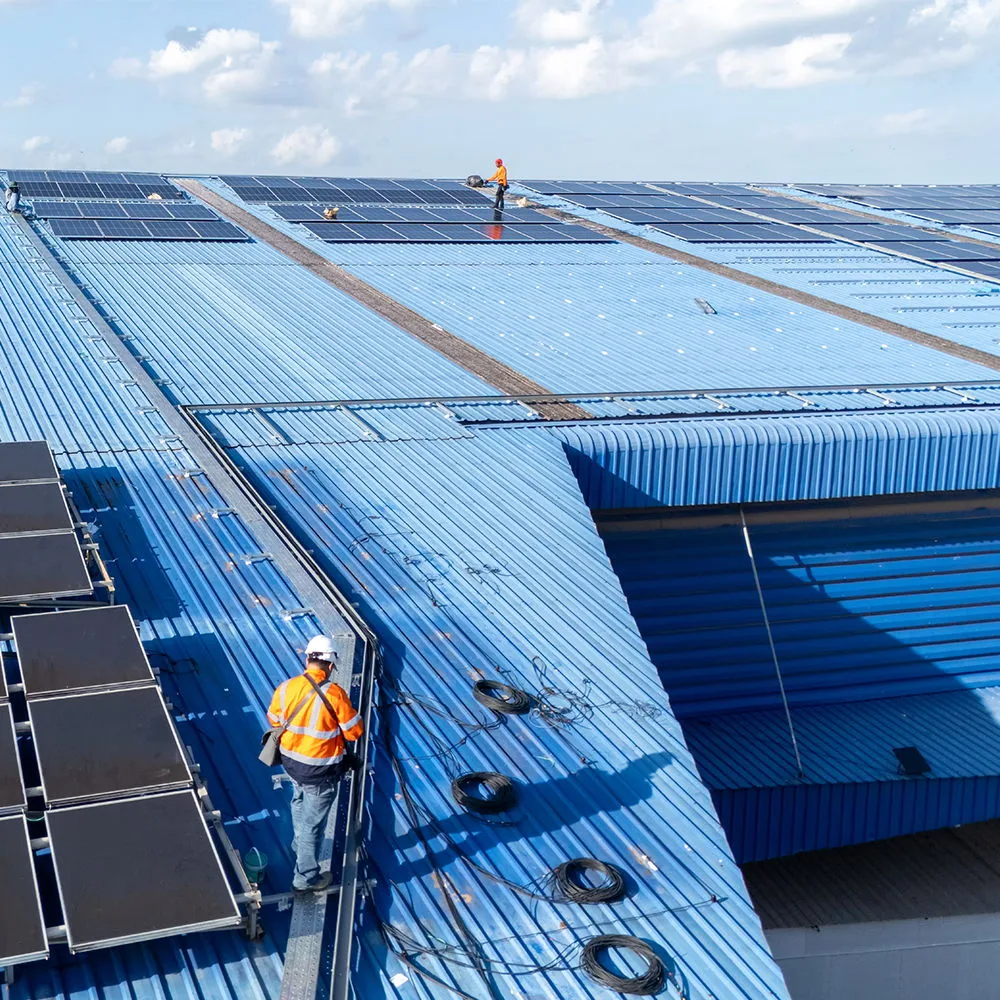
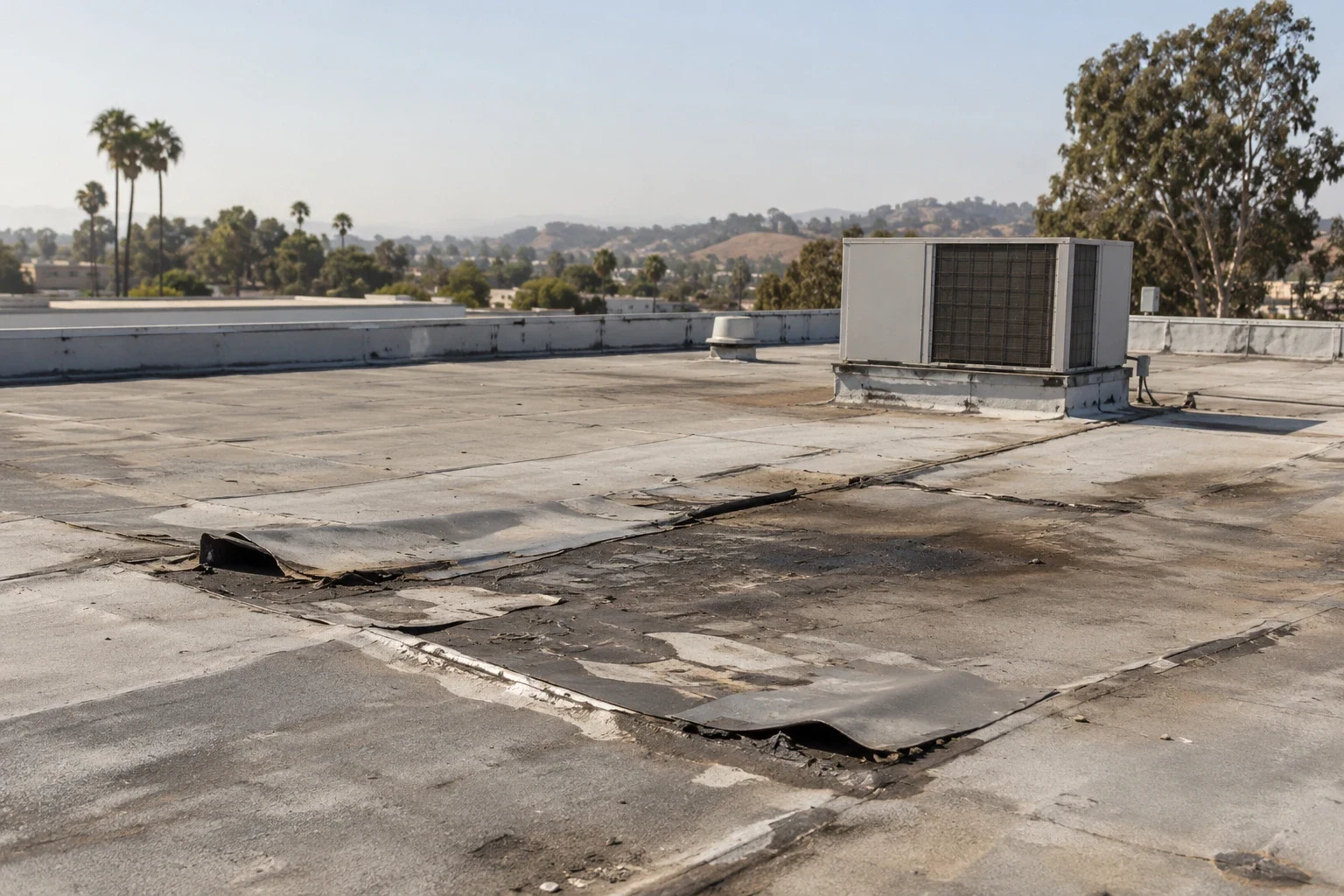
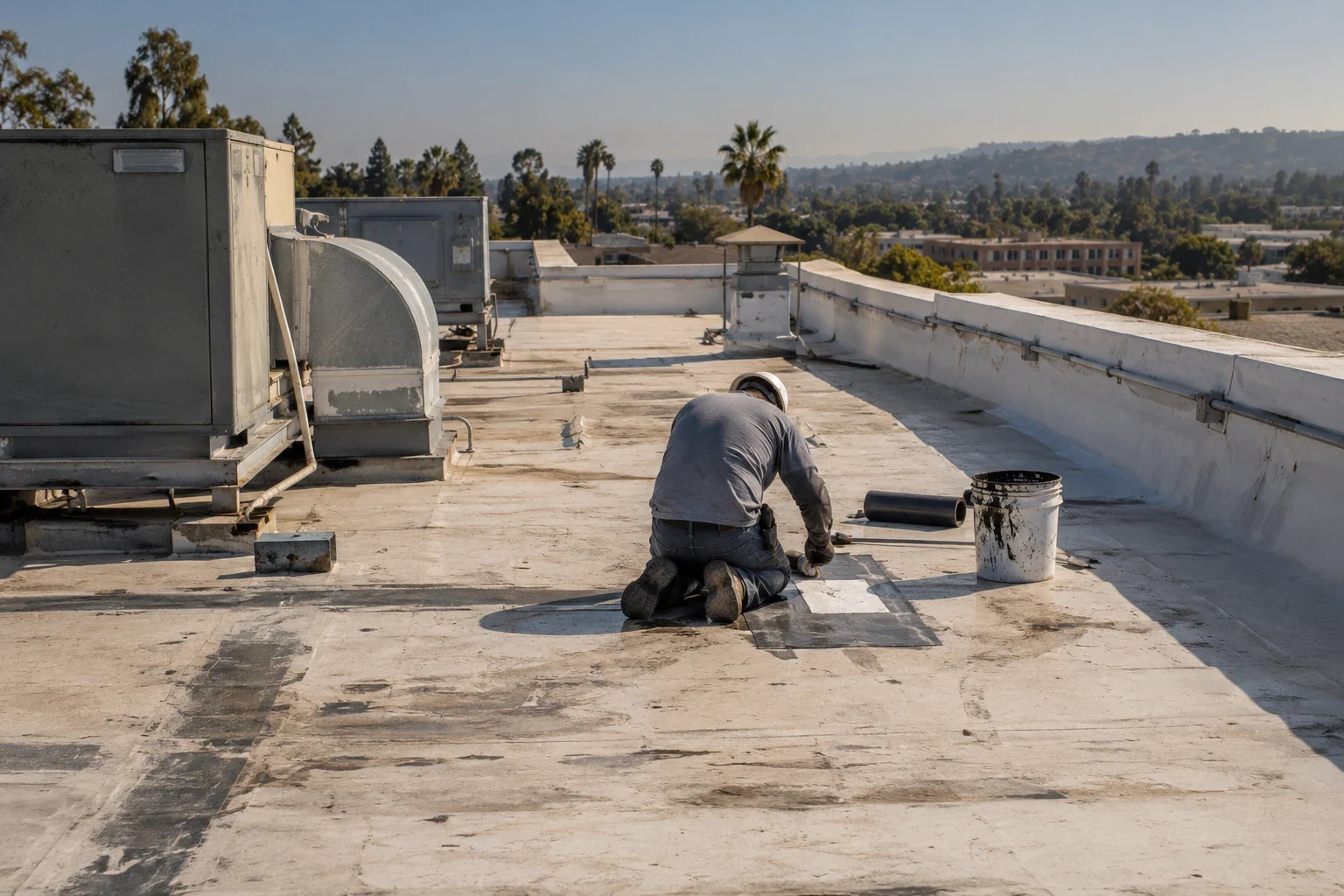
The corners of a skylight curb take the most stress, and the membrane there is often torn, brittle or patched several times over. Flashing failure repair means cutting back to sound membrane and installing new flashing with a method that suits the roof. TPO and PVC flashings are heat-welded to a clean sheet; modified bitumen and EPDM roofs each have their own methods. Where old membrane can be cleaned and reused, we do that. Where it cannot hold a lasting bond, we replace it, and the repair extends to that point rather than stopping at the visible tear.
The insulation around the curb may be wet even when the membrane looks intact. Infrared scans can help find wet areas, but the results depend on the roof build-up and the weather during the scan. Where the decision to keep insulation depends on it, we confirm with a core cut. Each test spot gets patched, and your facilities contact knows what room sits below. A scan alone cannot tell you everything about a church roof. Each finding is tied to a specific curb and a specific change in the repair.
Protecting the sanctuary and halls
An opening above a sanctuary or fellowship hall can affect more of the space than where the leak first appeared, especially if material and debris have to pass through the building. Reroofing occupied buildings starts with showing your facilities contact where we will open the roof and how material will move. They decide which rooms need protection and when we can work. Electrical and HVAC issues go to the right trades. Patching any test openings is included in our price, and protection is planned room by room rather than one blanket allowance.
If we find wet insulation beyond the first area, the opening may grow and reach another room, or the material route may change. We explain the larger scope before opening more roof. Your facilities contact reviews how it affects services, events and interior protection. Before we open the roof, they tell us about service times, building access for the congregation and any spaces that need extra care, such as an organ, artwork or a sound booth. Temporary roofing may stay in place while a skylight repair is pending, and we record those spots separately from finished curb work.
Comparing a repair with a larger reroof
A new roof or added insulation raises the roof surface, which can leave skylight curbs too short for proper flashing height. Those curb and skylight questions go to the project's designer and the glazing contractor. We spell out the curb work for each option before comparing a larger reroof with a local repair. Every option should include all of its flashing and insulation work. A new roof that ends at a skylight still waiting on repair leaves the leak in place. You need a comparison that includes curb prep, not just a square-foot price for the field.
When the work is done, final photos show the new curb flashings and where the skylight repairs begin. Glazing or frame work still pending is listed separately from the finished roofing. The next time someone goes up, they can find the repaired spots without guessing from the surface. Temporary patches are marked with their locations. The record makes it clear whether a future expense is for a skylight repair still owed, insulation that needs another look, or flashing that is already finished.
Many churches have additions built over different decades, such as a classroom wing or a newer fellowship hall, and each can have a different roof. We check every tie-in, skylight curb and change in roof height before setting tear-off quantities, and keep glazing, electrical and roofing work separate where the detail needs more than one trade.
Church roofing in Richmond
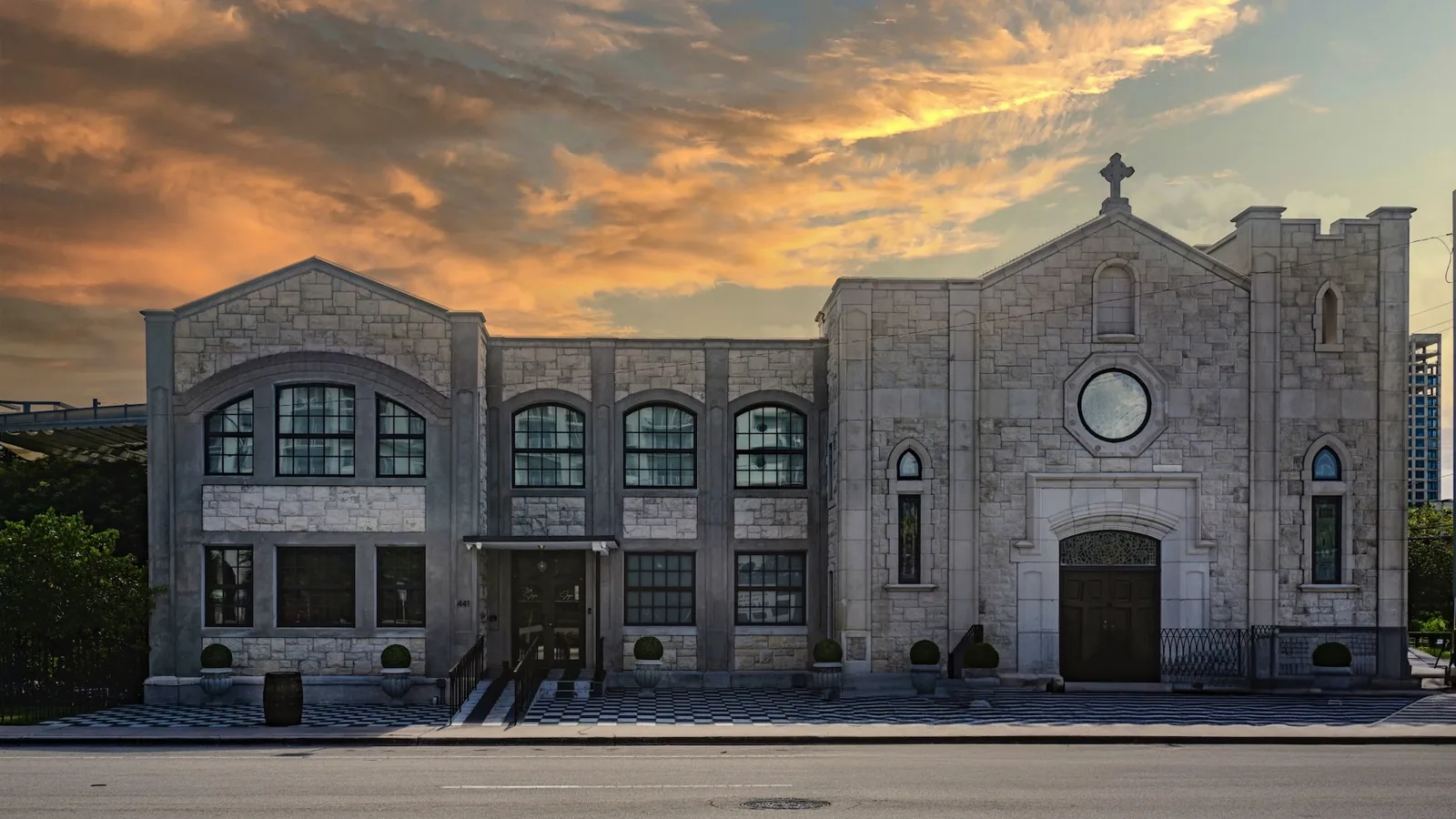
For church roof work in Downtown Richmond and nearby neighborhoods, the original roof and any later additions are inspected separately, and the rooms below guide each stage. Send us your roof records and the person who coordinates building use. We inspect the roof before recommending a repair, and your facilities contact reviews protection and material handling for the building. The price follows what we find on your roof, the skylight work and the interior protection each area needs.
Schools and government buildings have similar skylight and curb details with different people below. A school roof is usually scheduled around the academic calendar. A government building roof often comes with its own access and approval process. We keep your church's skylight and flashing work documented on its own, separating finished roofing from glazing or insulation items still open. Future decisions start from what we actually inspected and fixed at your building.
Commercial Roofing Questions
Will new roof flashing fix a leaking skylight?
Only if the leak is at the curb flashing. Cracked glass, failed gaskets or a separated frame need a glazing contractor. We tell you which problem you have before recommending the repair.
How far does the repair around a skylight curb extend?
To sound membrane that can bond with the new flashing. We check the insulation too, and confirm wet areas with a core cut when the repair size depends on it.
Which rooms need protection if the work area grows?
Any room under the larger opening and along the material route. Your facilities contact reviews the new area with us before we open more roof.
What should we keep for future skylight work?
Photos of the finished curb flashing and a note of where the skylight repairs begin, plus a list of any glazing work still pending and any temporary patches.




Tell us about the skylights and rooms below