Army Installation Roofing in Richmond, CA
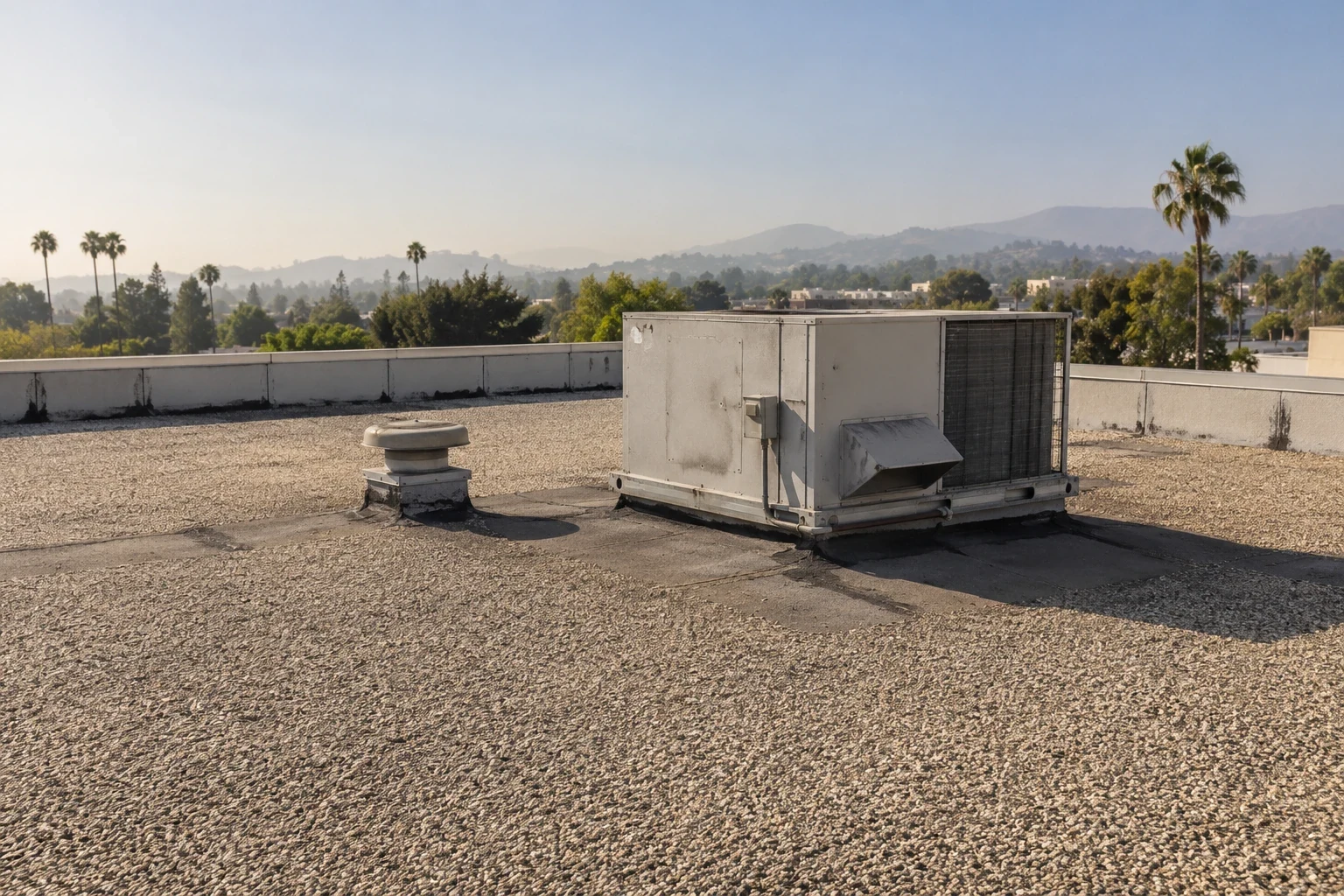
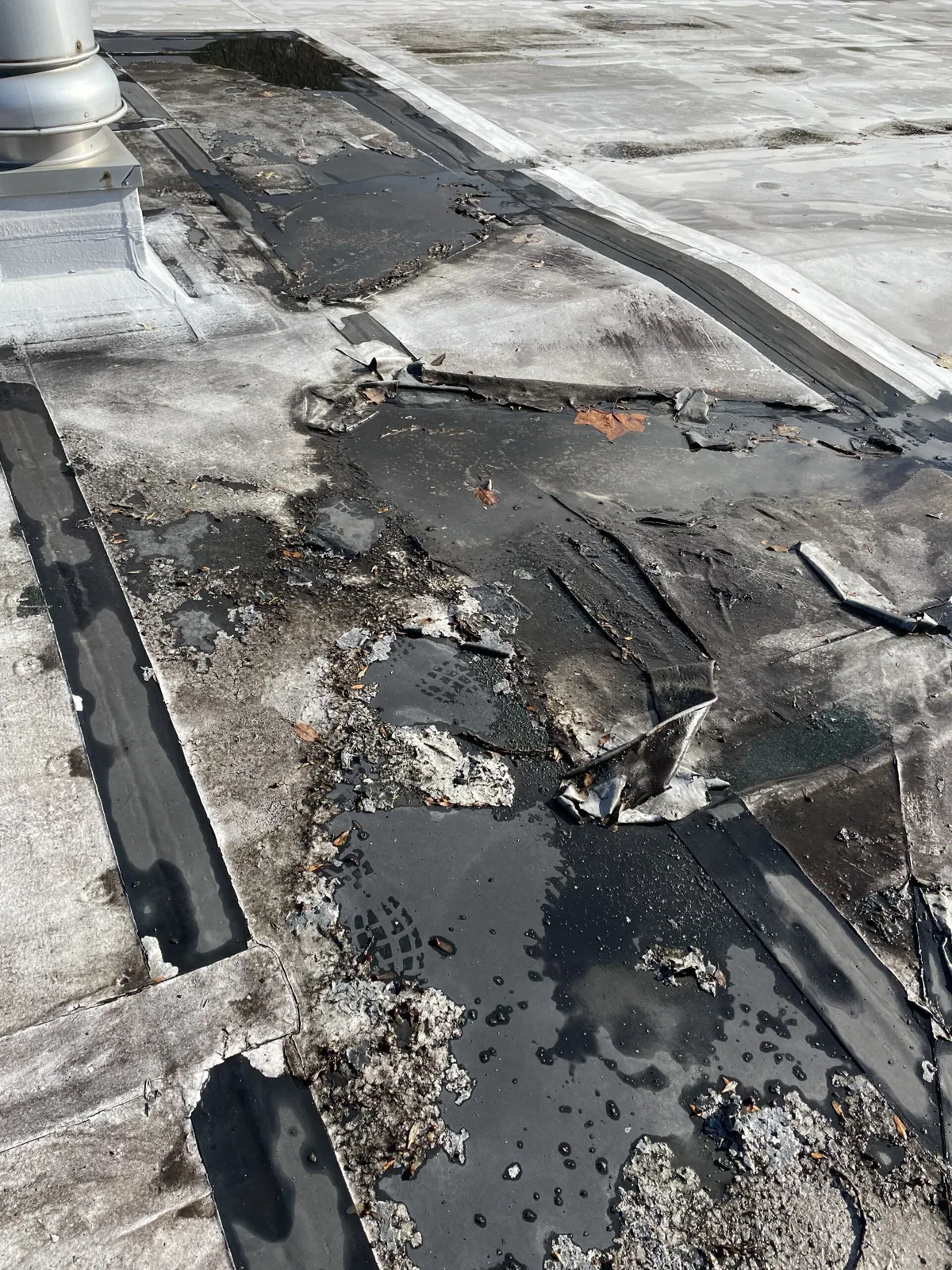
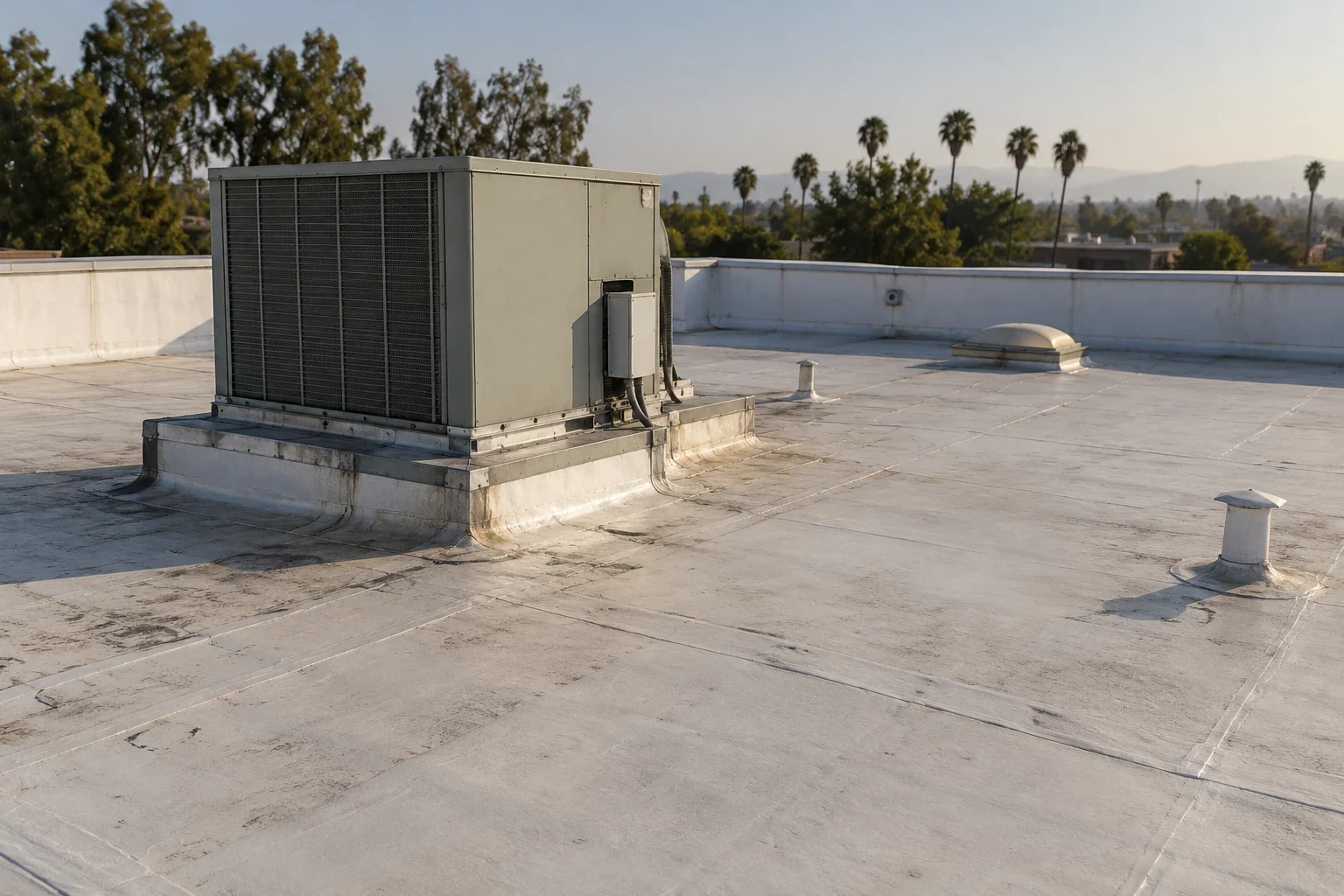
On Army buildings, roof leaks often start where the membrane meets a raised curb, a duct or an equipment stand, and the tear you can see is rarely the whole problem. The membrane around it has to be sound enough to take the repair method we choose, and sometimes the curb or the equipment on it needs work from another trade before the roof can be closed up. We inspect what we can reach, figure out why the detail failed, and explain what it will take to fix it for good. The installation's staff decide on access, building protection and how material moves on base. You get a repair scope that lists the prep and the other trades involved, instead of a patch laid over membrane that cannot hold it.
Camp Parks, also called Parks Reserve Forces Training Area, is an active Army Reserve training and mobilization center in Dublin with barracks among its facilities. Every building there and on other installations still has its own roof. Before a project starts, the installation's project staff tell us which building, what requirements apply and how we get access. We inspect the roof and build the repair around what is actually installed. Structural, mechanical and other specialty items go to the designers and trades responsible for them. The price follows what we find on that building's roof, including patching any test openings we make to check the insulation.
Tears at curbs and penetrations
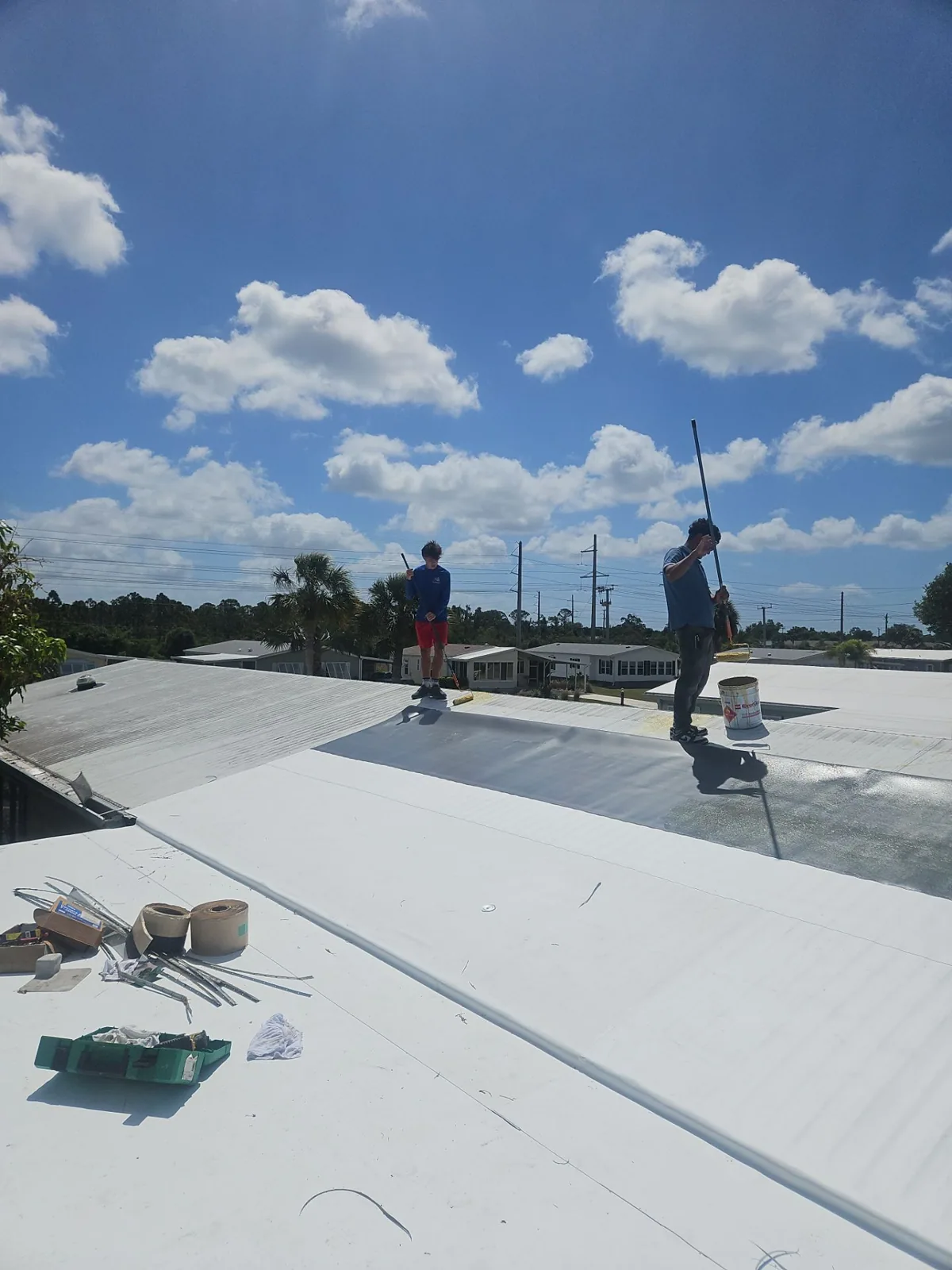
A tear beside a raised service curb can expose loose field material while leaving the full interface hidden. We identify the installed roof system before choosing how to prepare it. A thermoplastic sheet, EPDM membrane and metal panel do not share a universal joining method. The repair should reach material suited to the selected connection, with any damaged support included rather than covered by an upper patch. A membrane puncture repair can show how the opening and surrounding material affect a local scope, while penetration flashing needs its own transition and backing examined.
We mark what can remain and what must be removed, then keep concealed conditions separate until an inspection confirms them. If opening the roof exposes a different assembly, the owner sees the changed extent before additional material is ordered. A new sheet cannot restore support it covers, and a bead of sealant cannot replace a missing attachment. The work order names the material at the edge, the connection rebuilt and where the permanent repair stops. That gives the installation's project team a clear scope to review before roofing proceeds beside other work on base.
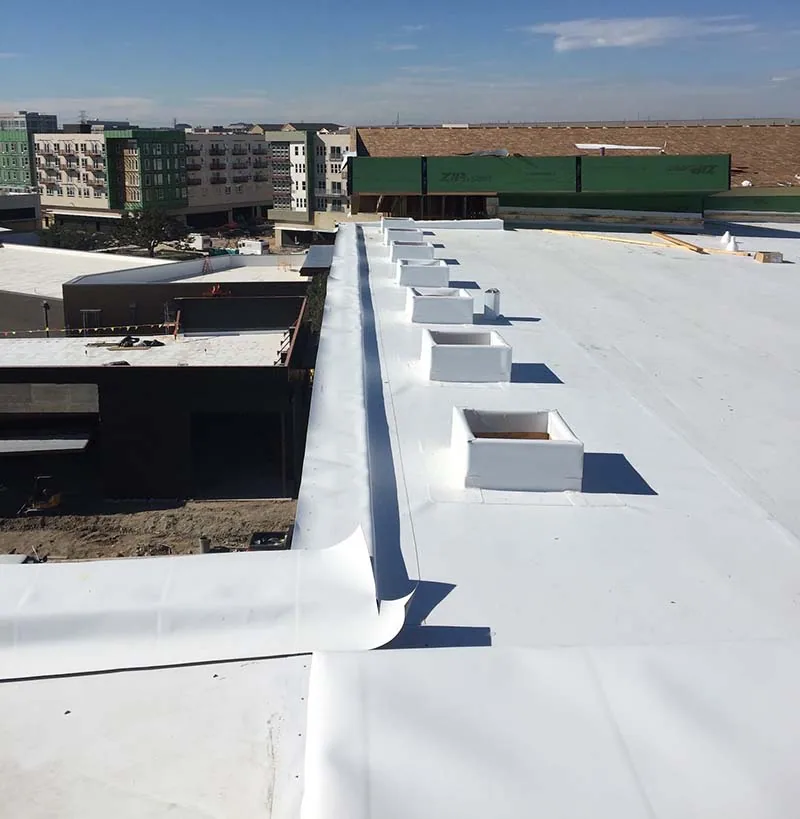
At a raised curb, the repair must meet the base flashing, not stop at the first visible split. We check corners, attachment and the top termination as separate parts of that joint. If the curb or equipment must move, the responsible team handles that before our roofing material is cut back. This keeps the roof ready to receive the equipment again without leaving an exposed edge.
Installation access belongs with material movement
Moving material onto base may need its own approval, separate from the first roof inspection. The installation contact tells us which gate, escort or badge rules apply and what operating areas the work could affect. We identify the roof opening, debris path and delivery route the repair needs, then plan protection for the space below. Roofing on military installations keeps those access requirements tied to the roof being repaired.
A small repair can still need lift access, interior protection or an equipment shutdown before a curb can be reached. We separate the roof work that can go ahead from mechanical or electrical tasks that need another trade. If that changes the order of work, it goes in the estimate before material arrives. Emergency dry-in is a separate task from the permanent repair; the project contact decides what is approved and what protection is needed while the permanent fix is prepared. Nothing in our quantities implies permission for work outside the roofing scope.
When an opening has to stay protected overnight or between visits, we note its location and what happens next. We describe the temporary cover and what it does not replace, then return for the permanent repair once access and insulation questions are settled.
Concealed support needs an accepted finding
Sound-looking membrane does not establish the condition of insulation or deck beneath a tear. Where concealed support determines what can remain, we identify the test or opening needed to answer that question. An infrared moisture survey may help focus further examination, but its pattern is not a removal boundary by itself. We retain the location, conditions during the survey and any confirmation still needed before pricing permanent work.
The owner should see measured removal, compatible rebuilding and the material that will receive the new roof layer. A broad allowance can miss the difference between a wet section and nearby material that has not been checked. We keep suspected areas apart from findings confirmed unsuitable, then show what each option retains. If a support change affects height at a drain, wall or service curb, the responsible design or equipment party resolves its part before those dimensions control procurement. This order protects the roof task from turning a local tear into an unsupported assumption about every installation building.
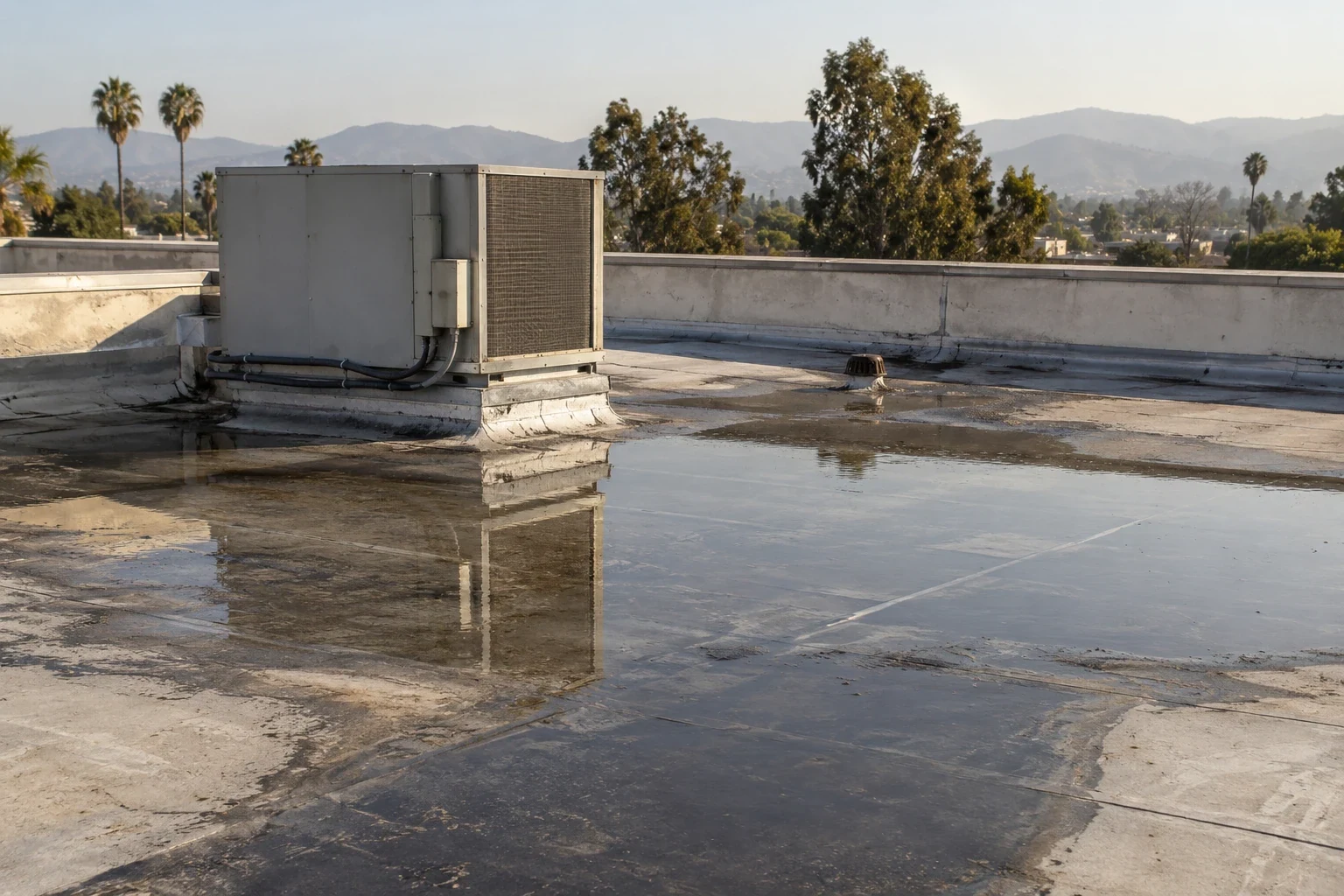
Drainage and perimeter details deserve the same attention as the torn field. Added cover-board thickness can change a drain inlet, coping height or curb transition, and those interfaces must still accept water movement and flashing. We identify each changed elevation that affects the repair and leave structural or system design with its responsible reviewer. The final quantity follows the complete receiving section, not only the visible damaged membrane.
The repair account keeps permanent boundaries
The closeout record should show where the opening started, what insulation or deck was rebuilt and how the new membrane ties into the existing roof. Photos taken before and after the new layers go down make that easy to follow. Temporary closures are listed separately from the finished work, and any equipment task still pending stays on the list. If removal uncovers a larger damaged area, the revised quantity goes back through the installation's approval process before the crew opens more roof.
Later inspections can compare new leaks against the dated repair locations, but another roof or building needs its own assessment. New equipment, new penetrations and changed access can affect a detail that was sound at closeout. We list the specific work done, the materials used and anything left open, so the project team can schedule follow-up without treating the whole installation as one roof. Permanent work, temporary protection and items waiting on another trade each get their own line in the closeout.
Coordinate Army roof work with site operations
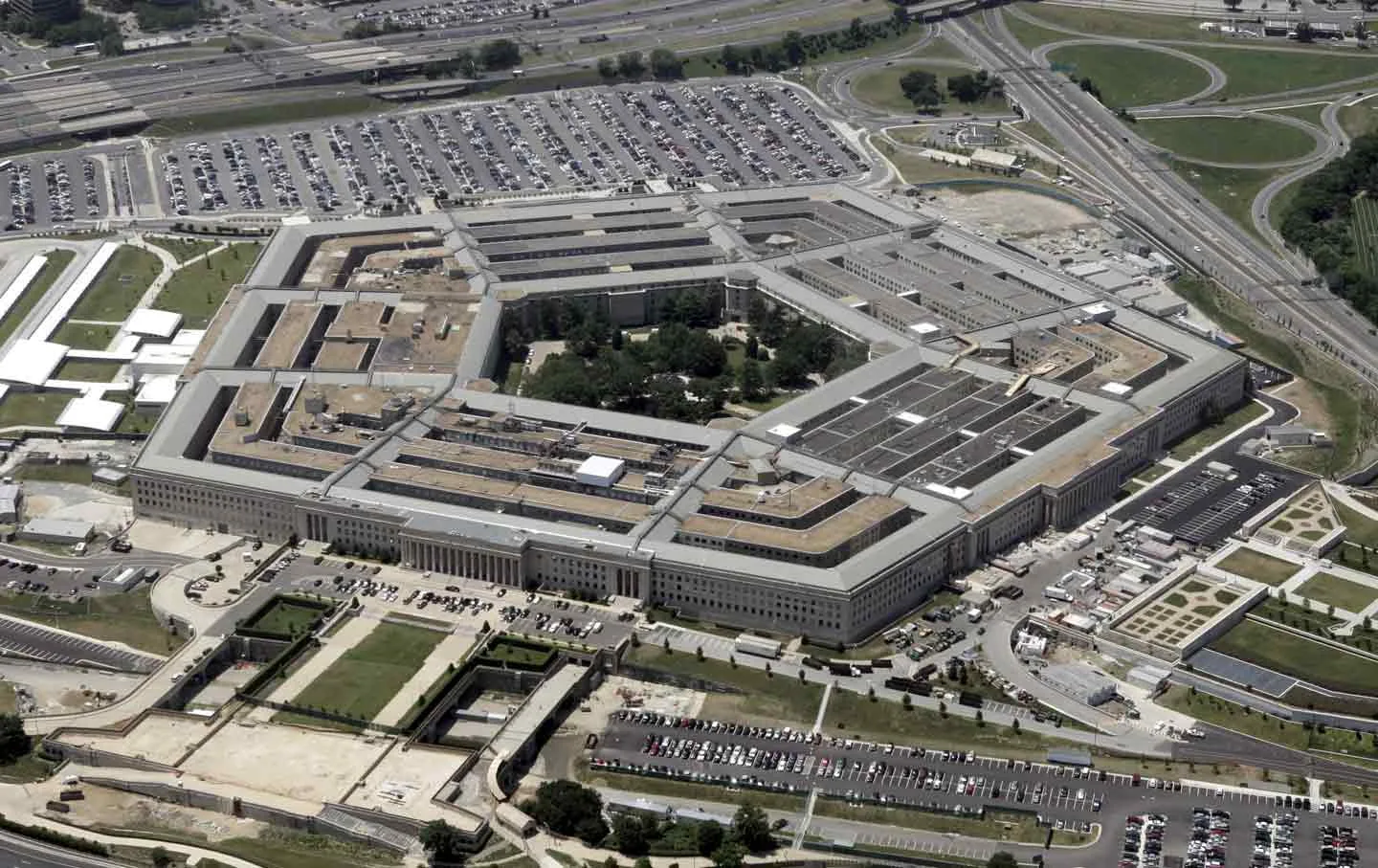
Nearby Army facilities show why each building needs its own roof scope. Camp Parks in Dublin has barracks and training facilities, and Military Ocean Terminal Concord runs three piers and an Army rail line. Those operations call for very different access and material-handling plans, and the roofs themselves vary from building to building. We work from the project documents and the contact assigned to the building being roofed.
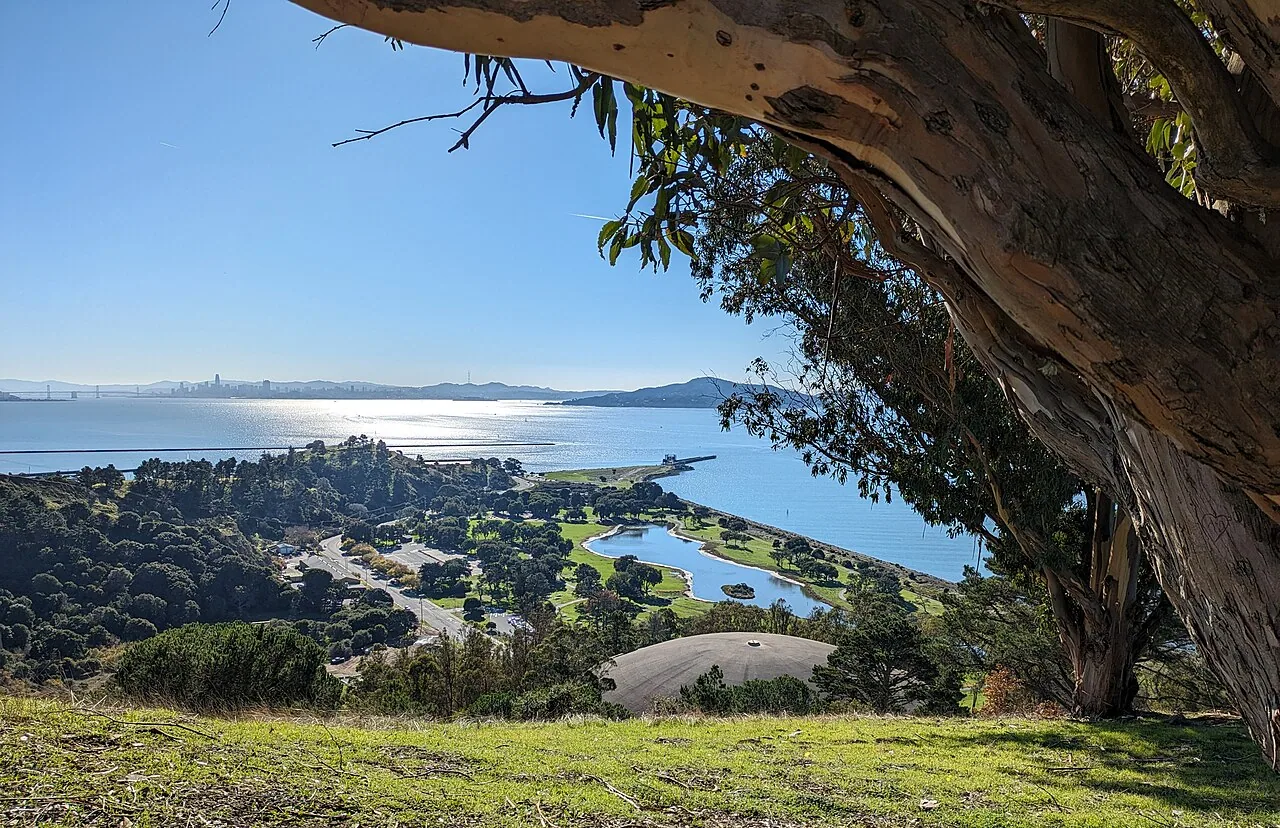
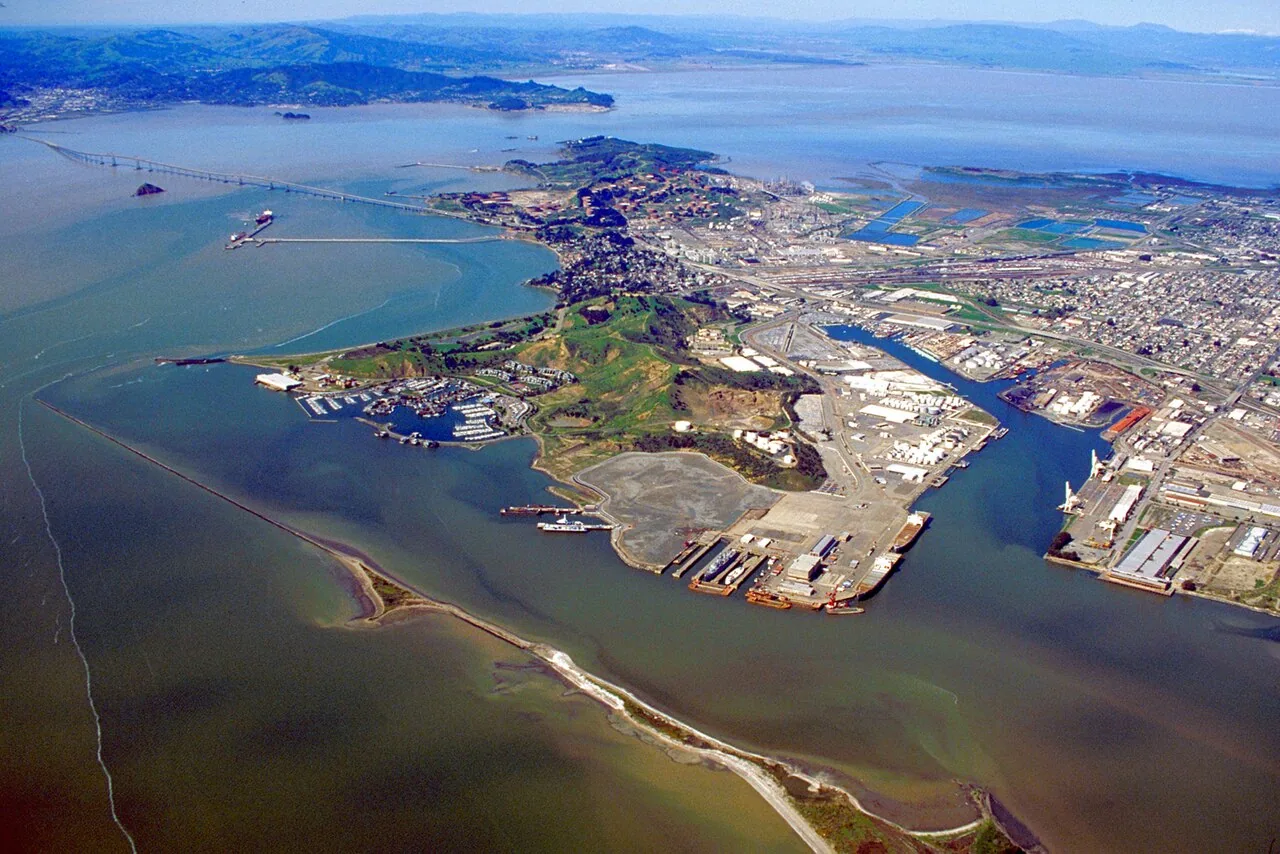
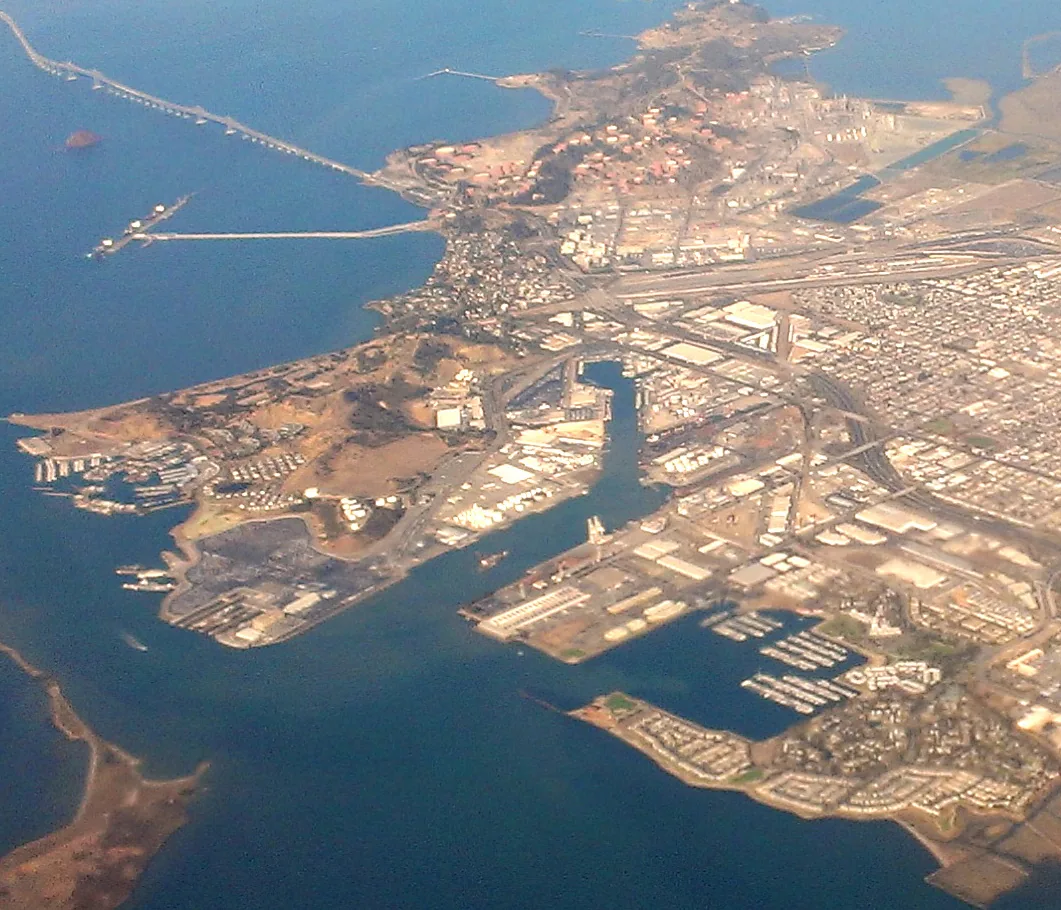
Vallejo includes Mare Island, where an Army Reserve Center is still among the government tenants. For that or another installation project, we identify the roof work, the flashing details and the insulation questions that need answers. Barracks roofing can require protection for occupied rooms below, while Coast Guard buildings have their own operational requirements. We keep each facility's scope tied to its own access rules, roof system and sequence of work.
Commercial Roofing Questions
Can new membrane alone fix a leak at a raised curb?
Only if the membrane around it is sound and the curb itself is in good shape. If the curb or its equipment needs work, that happens first, then we install new flashing.
What happens if the repair area needs to grow?
We stop and send the revised scope to the installation's project staff. They review protection and access for the larger area, and test openings are patched as part of the work.
Can an infrared scan tell you the condition of every roof on base?
No. A scan only covers the roof it was taken on, and readings need to be confirmed with core cuts where the decision to keep insulation depends on them.
What gets recorded when a temporary repair is left in place?
The reason the permanent repair is waiting, such as an equipment move or insulation question, plus photos of the finished work kept separate from the temporary patch.
Tell us about the building and where it leaks