Data Center Roofing in Richmond, CA
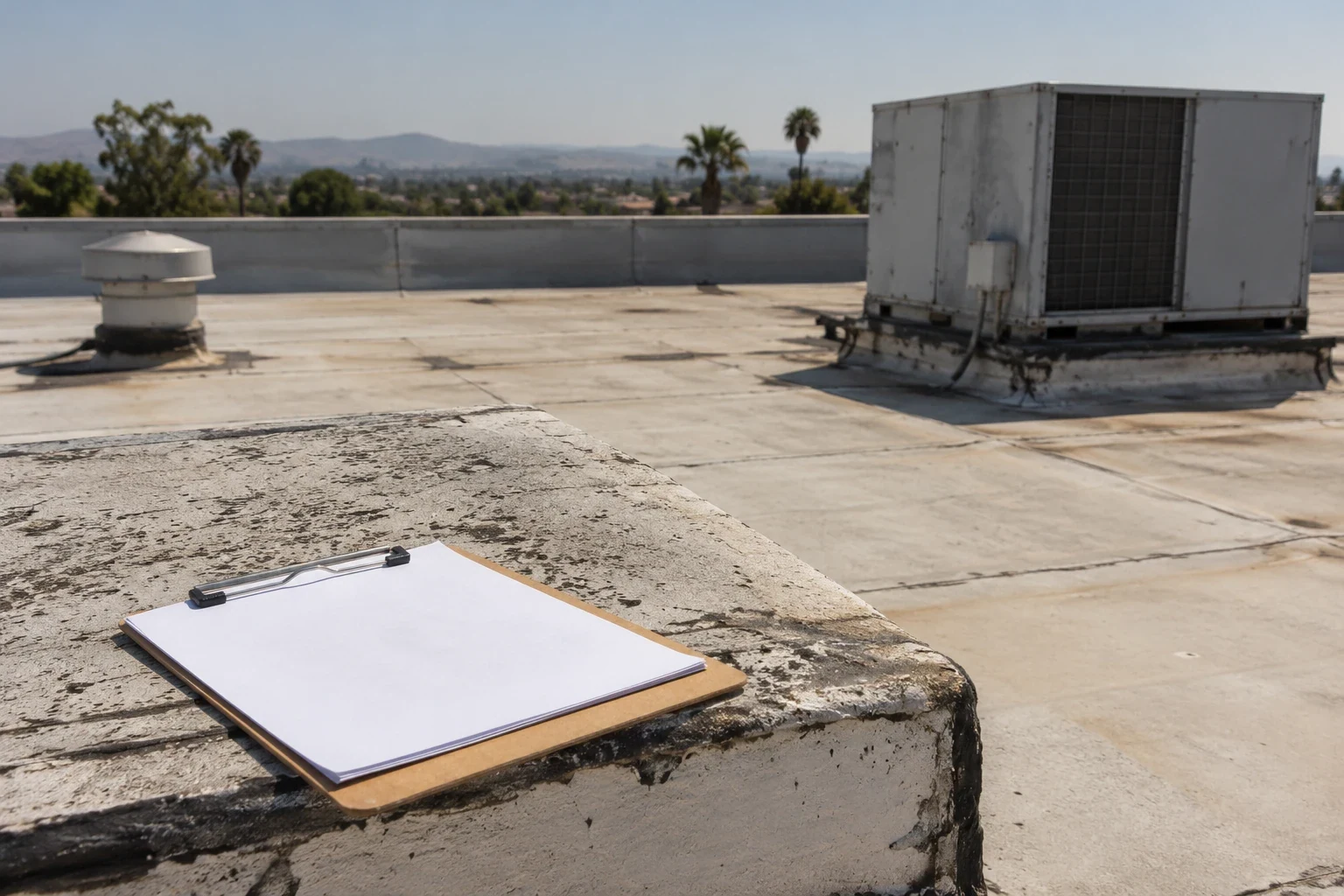
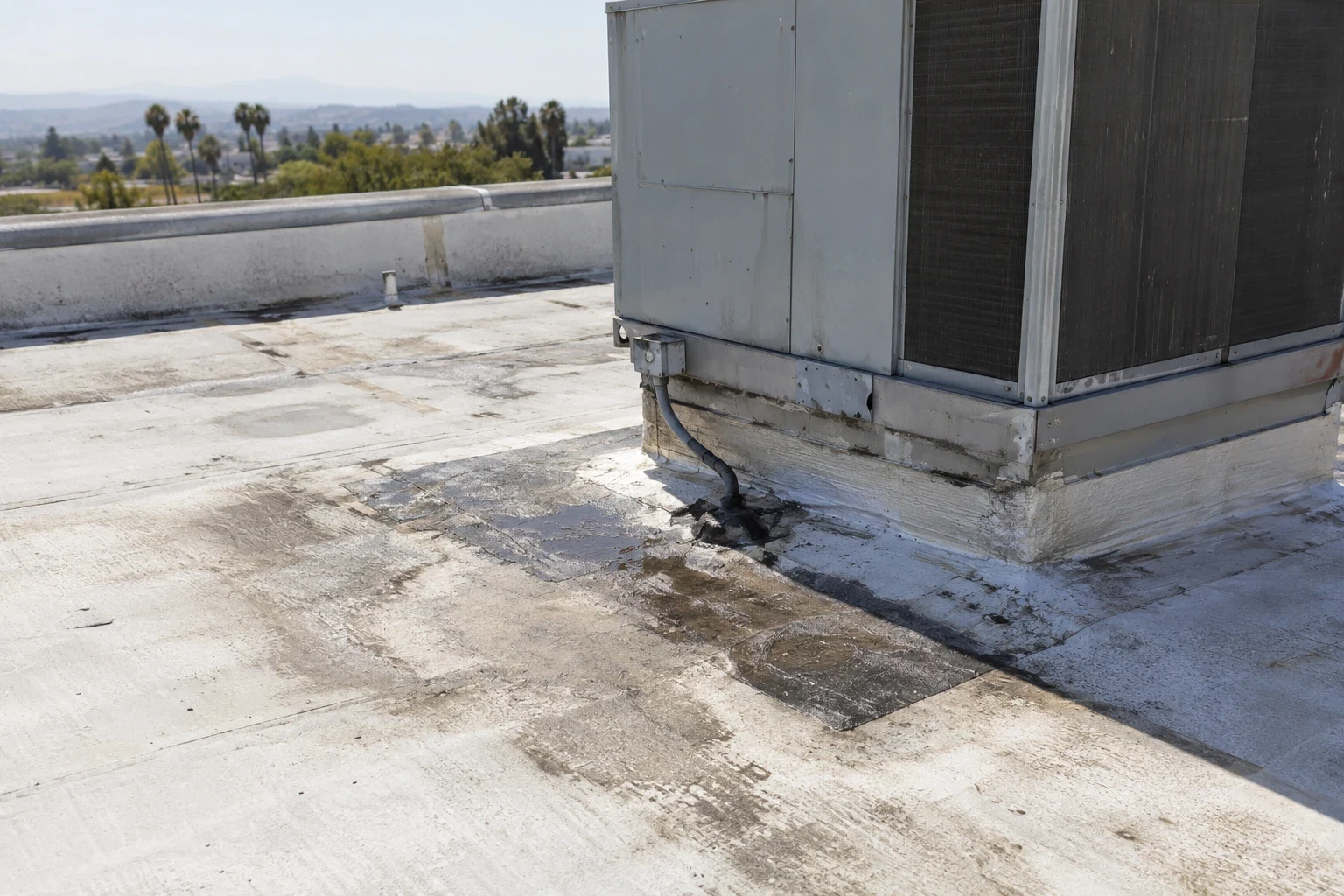
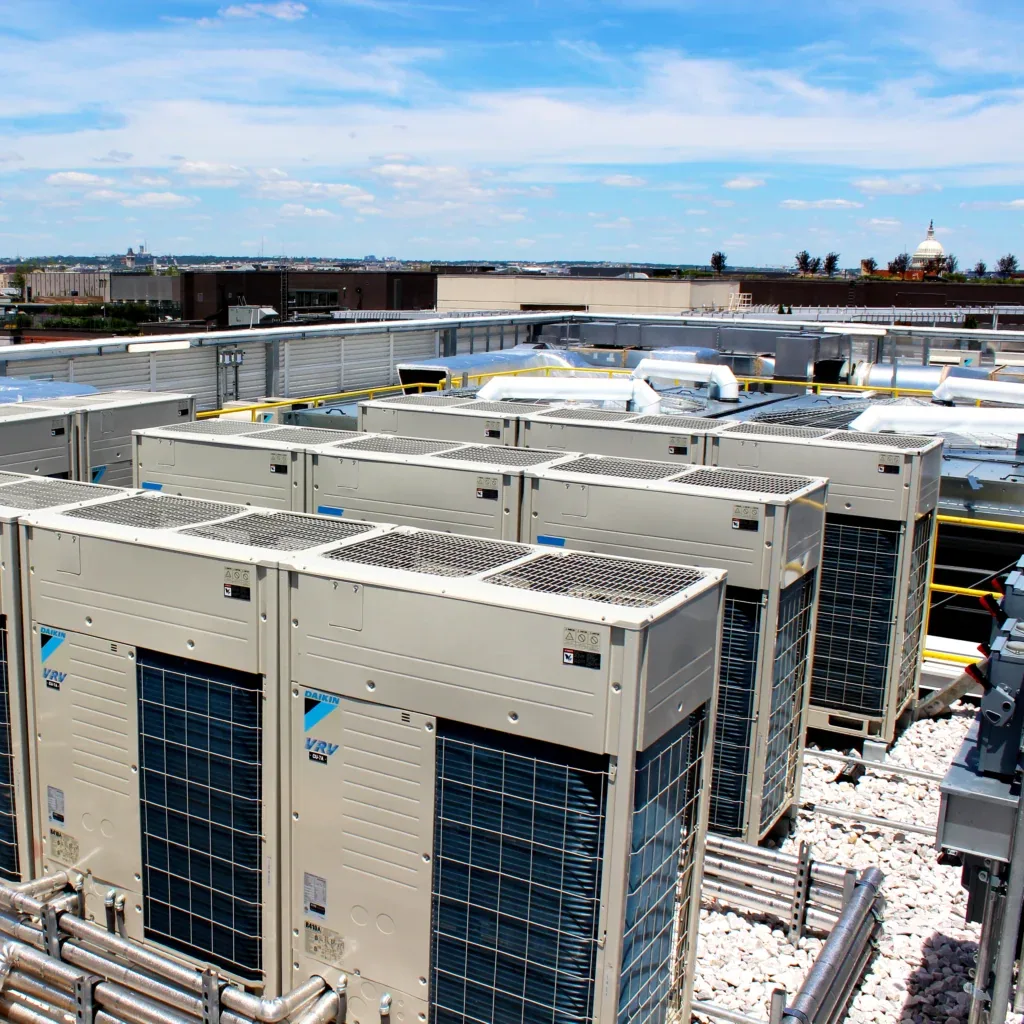
On a data center, a roof leak is rarely just a roof problem. Water that sits at a low spot beside a curb or a parapet eventually finds a seam, and on this kind of building the room underneath may hold racks, power distribution or cooling equipment that cannot be shut down for a stained ceiling tile. Most data center roofs in Richmond, CA are low-slope membrane roofs crowded with condensers, ductwork, conduit and pipe supports, and every one of those penetrations is a place where the membrane has to be flashed and kept watertight.
When we look at a data center roof, we start where the water is collecting and work outward: the drain or scupper, the slope around it, the condition of the membrane and flashing, and whether the insulation underneath has taken on water. We also ask the facility team early which rooms below are critical, where the cooling units sit, and when crews can safely be on the roof. Electrical, mechanical and plumbing work stays with the trades who own it; our job is the roof and making sure our work fits around theirs. Whether the building is near the Civic Center downtown or out toward Marina Bay, you get a written scope that explains what we found, what needs to be fixed now, and what can wait.
Ponding water usually points to a drainage problem
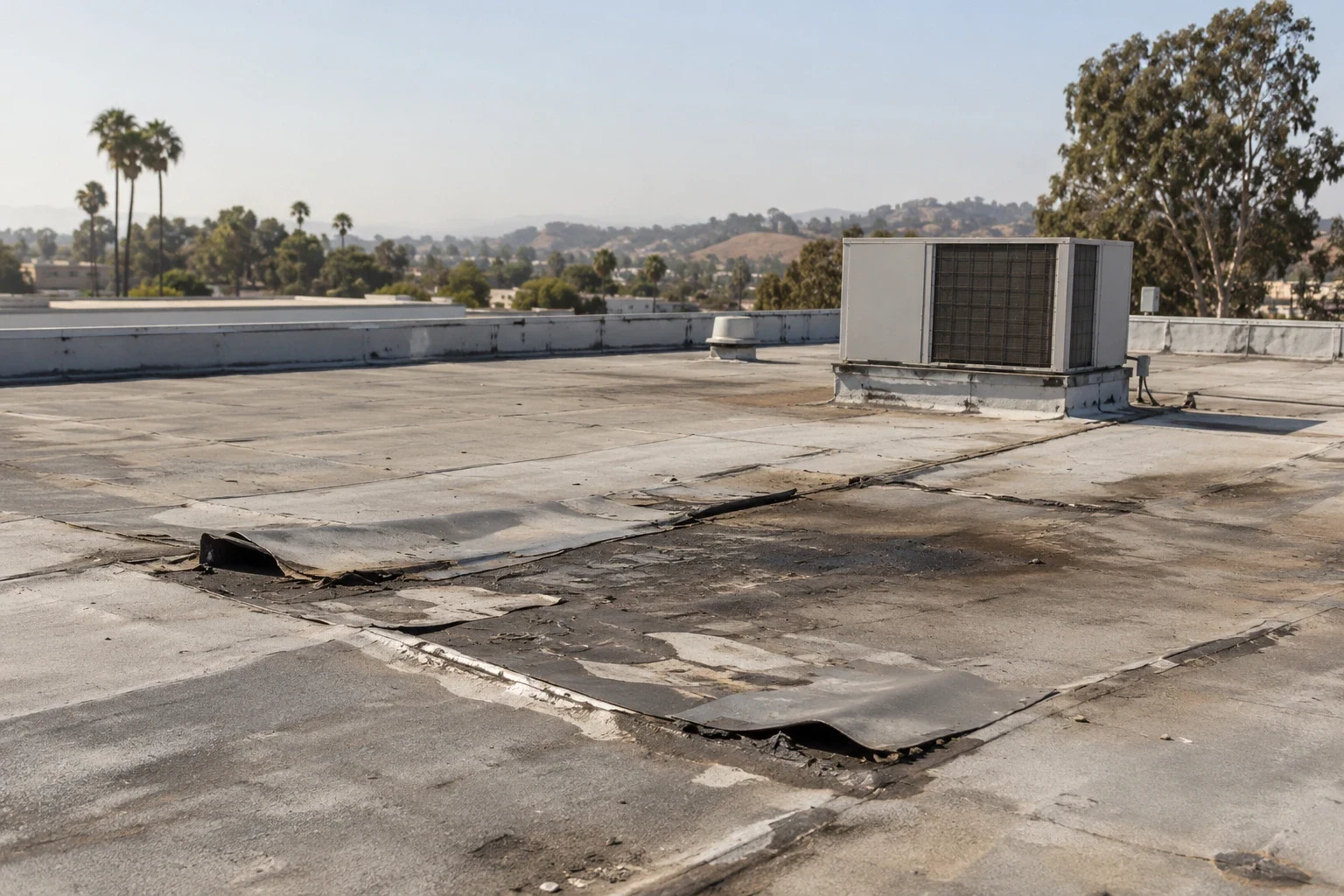
Water that is still standing on the roof two days after rain usually means the roof is not draining the way it was designed to. The cause might be a clogged or undersized drain, a sagging section of deck, crushed insulation, or several layers of patching that have built up a ridge around the outlet. Ponding water repair starts with finding out which of those it is, because the fix is different for each. Cleaning a strainer takes an hour; adding tapered insulation or crickets to move water toward the drain is a real project. If the deck itself is deflecting, that is a question for a structural engineer, and we will say so plainly.
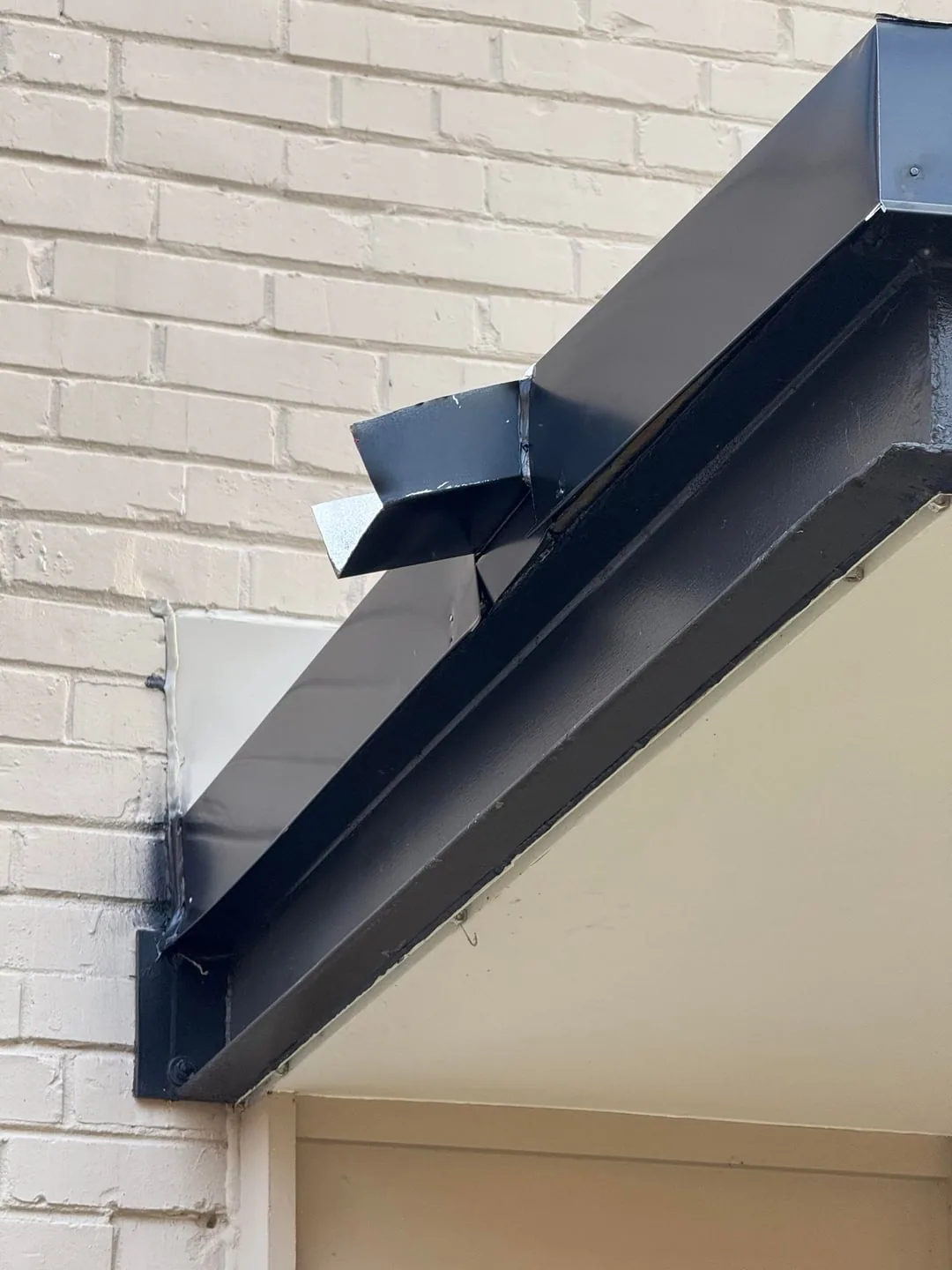
The drain is often the weak point. Drain bowls, clamping rings and the membrane around them take a beating from standing water and debris. Drain and scupper work means checking that the membrane is properly clamped into the drain, the flashing around it is sound, and the outlet is not blocked inside the pipe. On a TPO or PVC roof, new flashing can be heat-welded to the existing sheet if that sheet is still in good shape. If it is brittle, wet or badly patched, a section has to be cut out and replaced so the new detail has something solid to bond to. A coat of sealant over a failing drain only hides the problem for a season.
Protecting the equipment below while we work
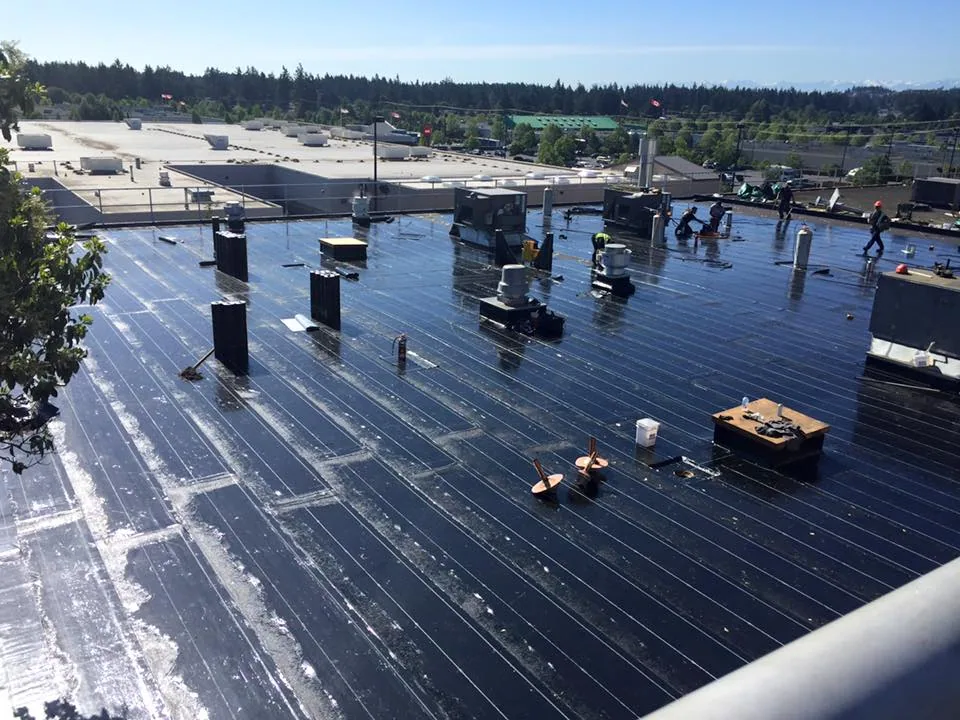
Any time we open a roof over a data hall, the plan has to account for what sits beneath it. Before work starts we walk the space with the facility team and agree on which areas are critical, where temporary protection is needed, how material will be lifted to the roof, and how debris will come down. Reroofing an occupied building is mostly about this planning: tearing off only as much as we can dry in the same day, keeping cut areas small over sensitive rooms, and having tarps and temporary seals ready if weather turns.
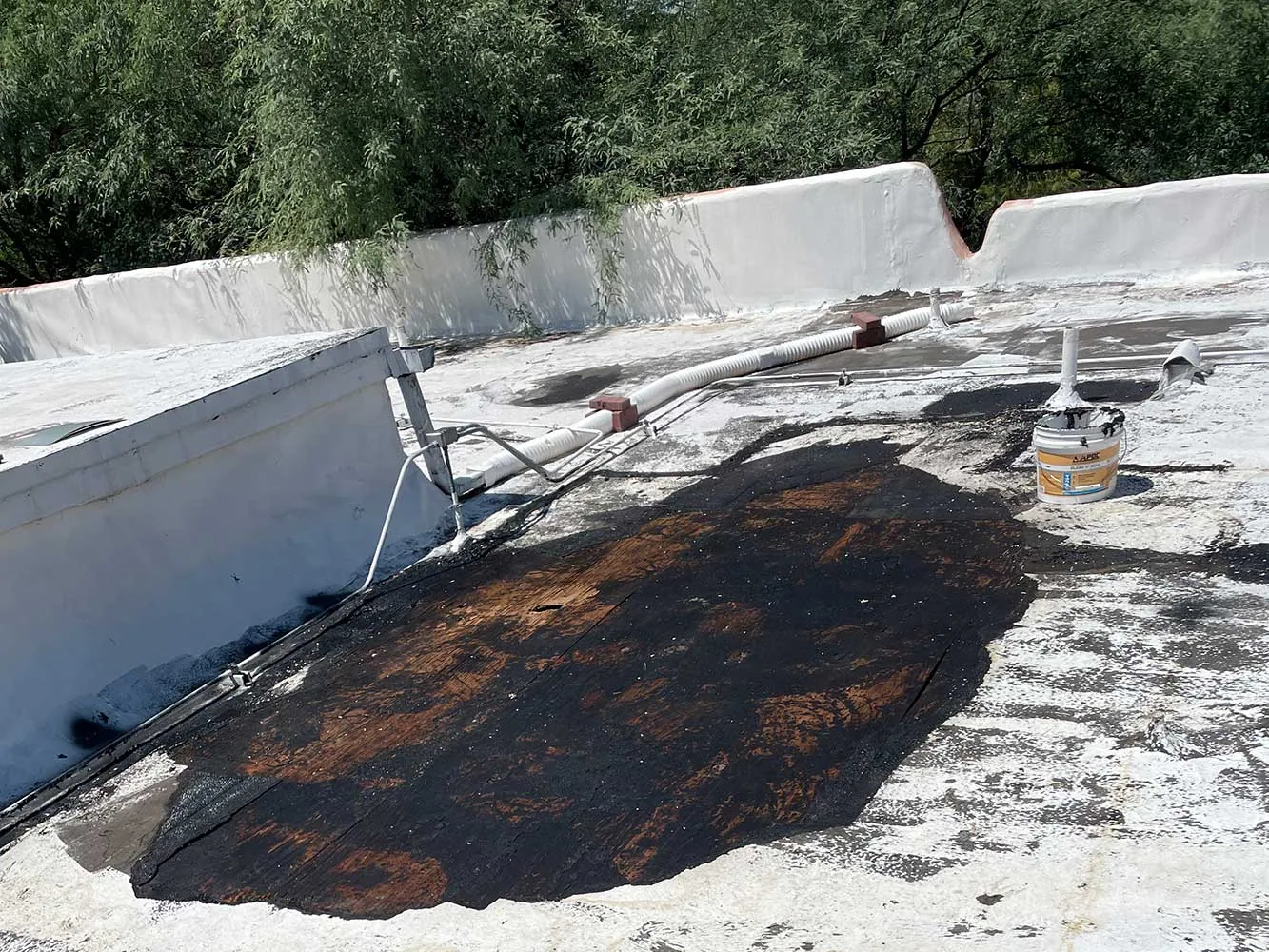
Sometimes a repair turns out to be bigger than it looked. Once the membrane is open, we might find wet insulation extending past the leak or a rusted section of deck. When that happens we stop, show the facility manager what we found, and agree on the revised plan before cutting any further. If an HVAC unit has to be disconnected or lifted to replace the flashing under it, the mechanical contractor handles that and we schedule around them. Any temporary patch is marked as temporary, so nobody mistakes it for finished work on the next roof walk.
Find out what is under the membrane before choosing a fix
A membrane can look fine on top and still sit on soaked insulation. That matters because wet insulation loses its insulating value, adds weight, and keeps the deck damp. An infrared moisture survey, done on a clear evening after a sunny day, shows where the insulation is holding heat differently from the rest of the roof. We then take a few core cuts to confirm what the scan suggests and patch each one properly before we leave.
Those results decide the repair. If the wet area is small and the rest of the roof is dry, replacing that section and repairing the flashing is usually the sensible move. If moisture is spread across large parts of the roof, a recover or full replacement may make more sense, and the new roof's added thickness can affect curb heights, drain levels and clearances under equipment. We lay those consequences out next to the repair option so the owner can compare real costs, not just square-foot prices.
What a finished repair looks like
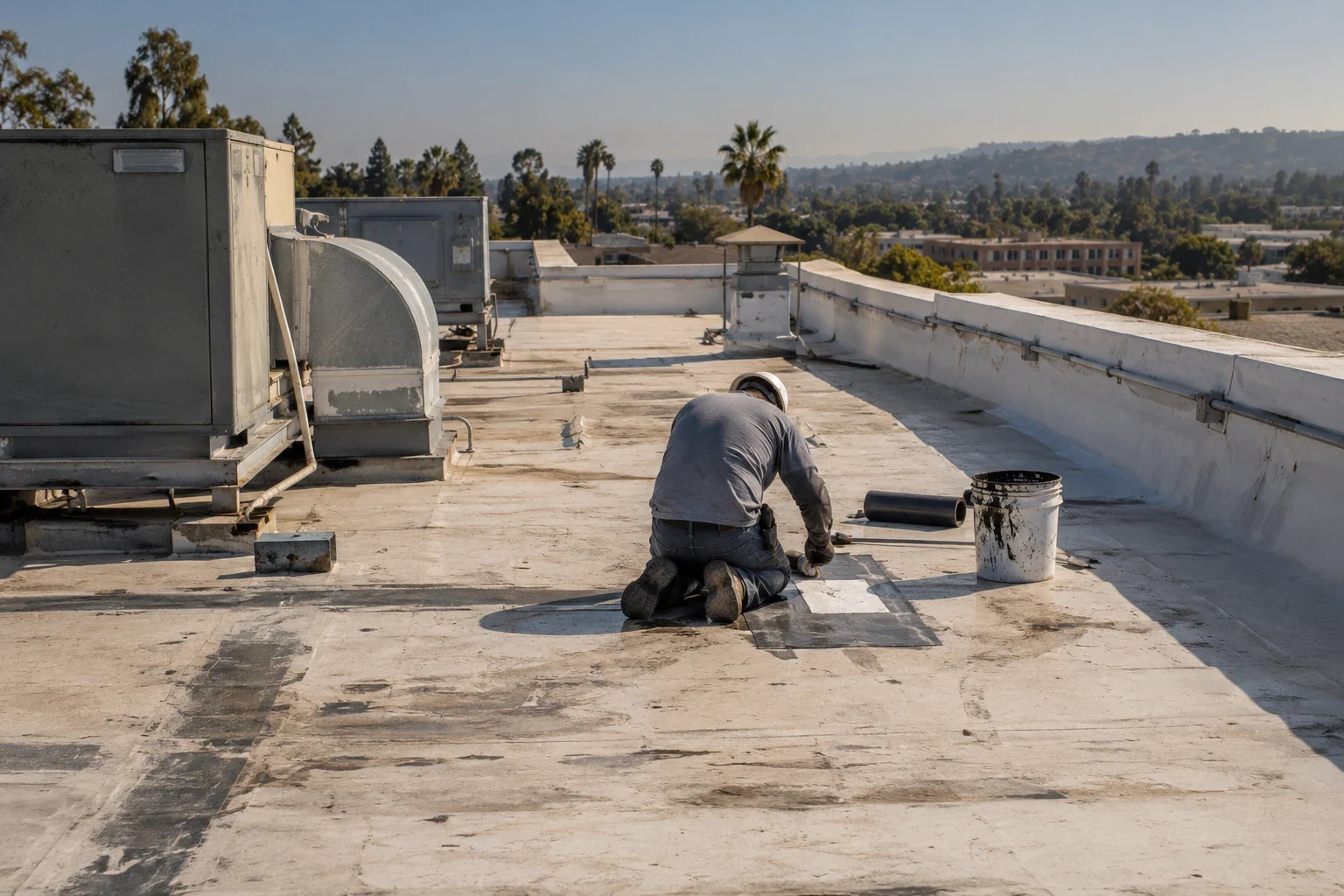
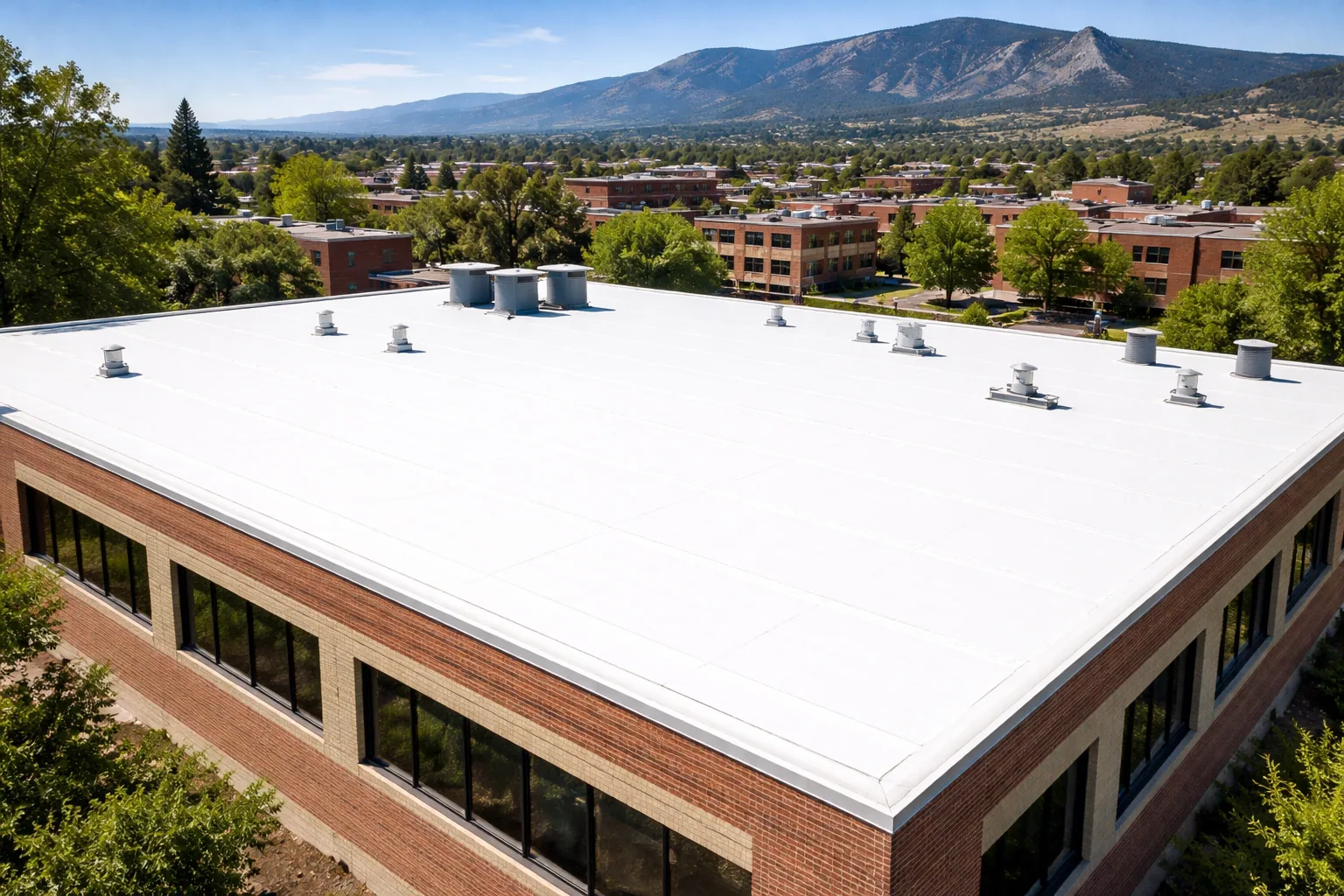
A good repair ties into roofing that is still sound. We cut back to dry insulation and solid membrane, install the new material, and seal it to the existing roof with the method that membrane needs, whether that is heat-welding, adhesive or a compatible flashing. If the work runs into a wall, a curb or an equipment support, the flashing goes up and over that detail rather than stopping short of it. We will not price a repair that only covers the wet spot when the actual problem continues a few feet past it.
When the job is done, you get photos of the finished work, notes on what was replaced and what was left in place, and a clear list of anything still open, such as a unit the mechanical contractor still needs to reset or a drain line a plumber should scope. Temporary patches are labeled as temporary. That record makes the next inspection faster and gives the facility team an honest picture of the roof: what is fixed, what is holding up, and what should be budgeted next.
Data center roofs across Richmond
For data center roofing in Downtown Richmond and the Civic Center area, we inspect the specific building before recommending anything. Existing drawings and past repair records help, but they do not replace looking at the roof itself. Every proposal is written for that roof, with the access plan, equipment protection and any follow-up inspection spelled out where they apply.
Other building types run into similar drainage issues but face different constraints. A hospital roof has patient areas and air intakes to protect during work. A manufacturing plant roof often carries exhaust stacks and process equipment that set their own schedule. We plan each one around how the building actually operates, so the owner can compare options based on real conditions rather than a generic price.
Commercial Roofing Questions
Can a coating or patch fix water that ponds near a curb or drain?
Usually not by itself. Ponding is a drainage problem, so we check the drain, the slope and the insulation first. A patch can stop an active leak, but the water will keep sitting there until the drainage issue is corrected.
What happens if the repair turns out to be bigger than expected?
We stop and show the facility manager what we found before cutting further. The protection plan for the equipment below is updated to match the larger work area, and the revised scope is agreed in writing.
How do you know whether the rest of the roof can stay?
We use an infrared moisture survey and a few core cuts to see whether the insulation is dry. If the wet areas are limited, a repair makes sense. If moisture is widespread, a recover or replacement is usually the better value.
What do we receive when the work is finished?
Photos of the completed repair, notes on what was replaced and what was left in place, and a list of any open items for other trades. Temporary patches are clearly marked so they are not mistaken for permanent work.
Tell us where the roof is giving you trouble