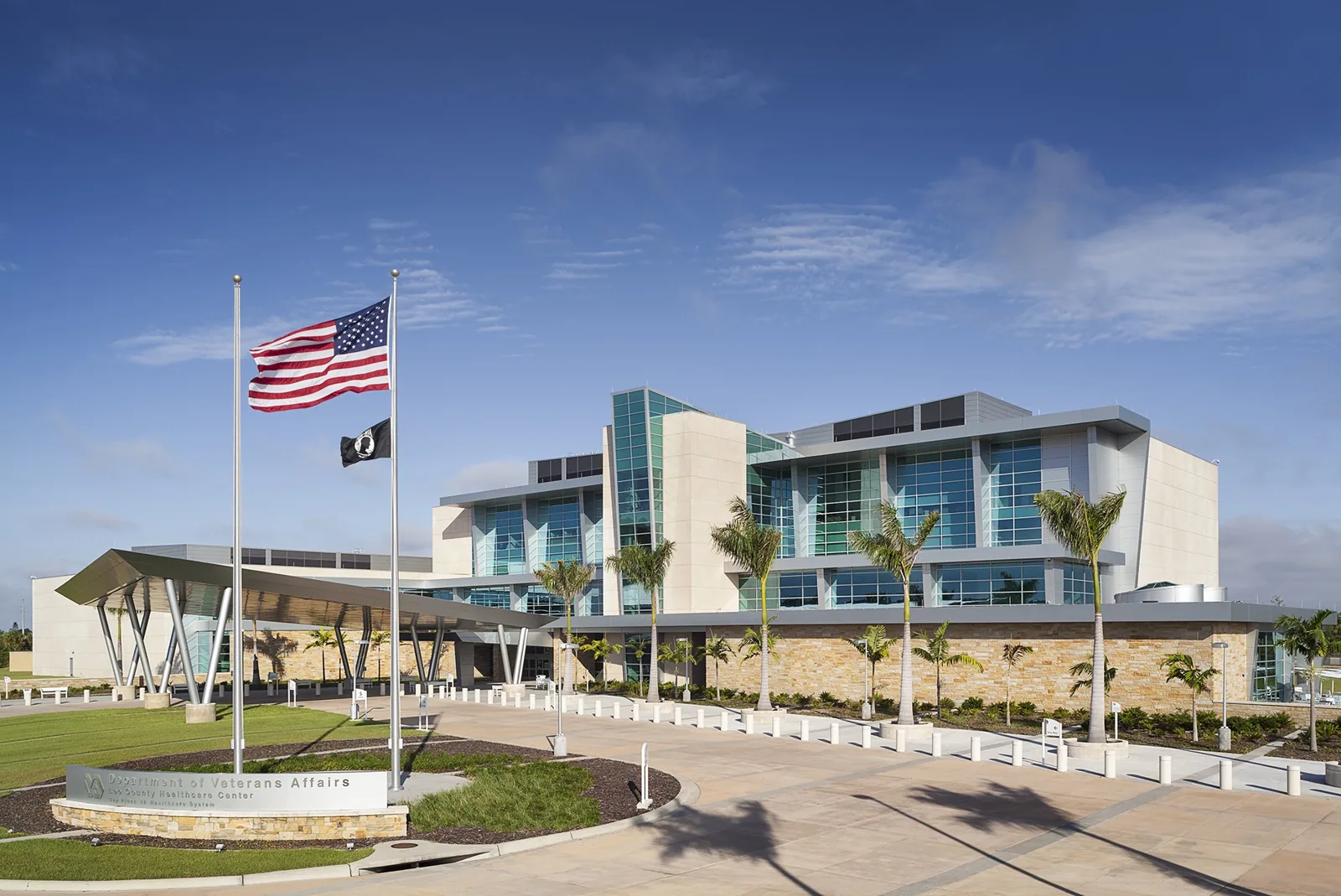
VA Medical Center Roofing in Richmond, CA
When a field seam splits on a VA medical center roof, the facility team usually faces a bigger question than one leak: is it time for a recover over the existing roof, or is a local seam repair the right call? The answer depends on what is under the membrane. A seam repair needs sound membrane and dry insulation on both sides. A recover needs most of the existing roof to be dry and solid, plus curbs, drains and walls that can still be flashed properly once the new layer raises the roof surface. We inspect the seam, check the insulation and give you a straight comparison of both options. Clinical areas and patients below shape how any of it gets done.
At VA medical centers in the Bay Area, the facility's project contact identifies access routes and the spaces affected before we open anything. Send us the seam locations, any roof records and the clinical areas below. We inspect the roof before recommending a repair. Engineers and designers handle structural, attachment and design questions. Facility staff set clinical protection and access. The price follows what we find on that building, including patching test openings, so you can tell whether a local repair or a recover makes more sense. Every VA roof project follows that building's own access and clinical rules.
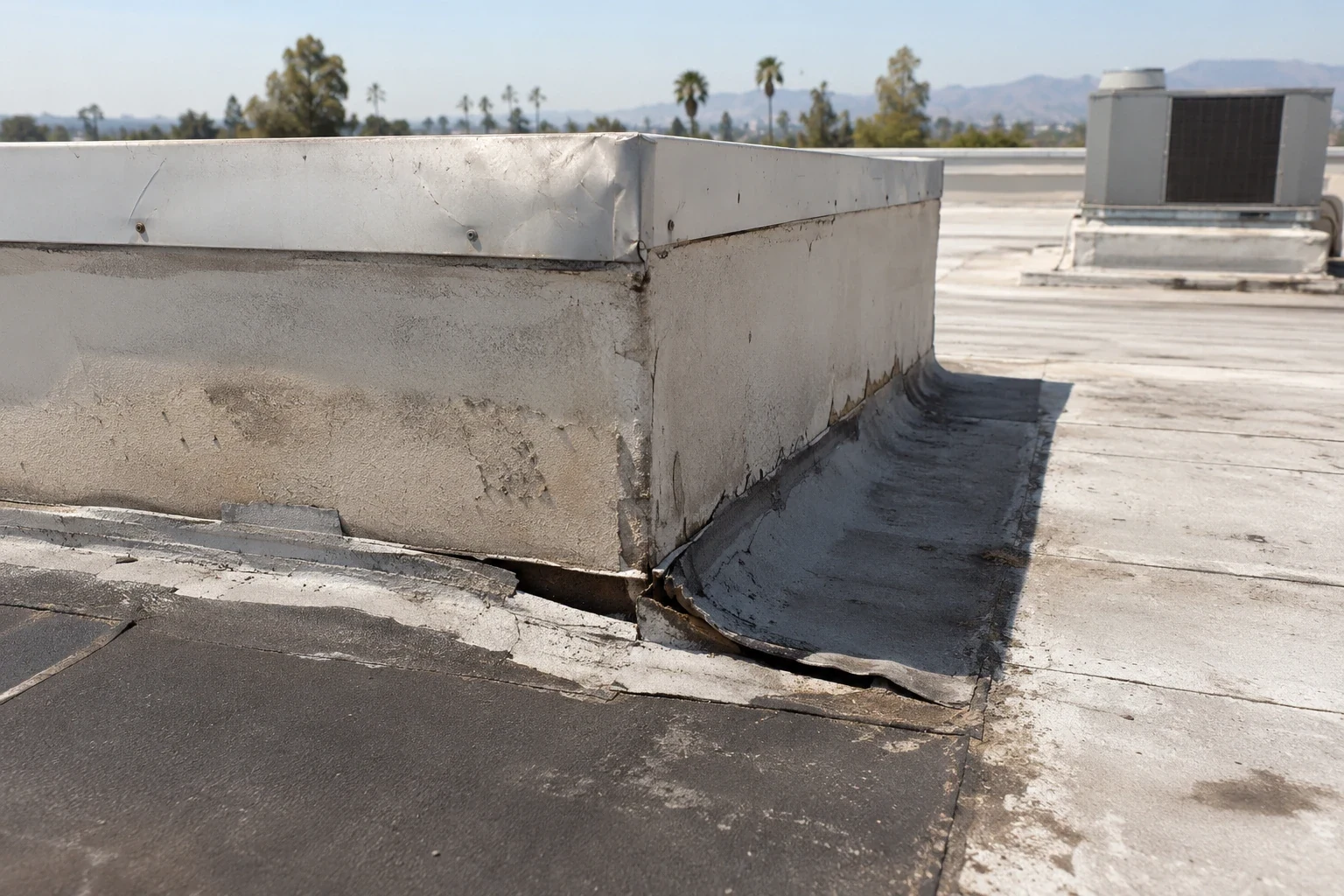
Repairing a split seam
The membrane on either side of a split seam may be too weathered to weld or bond to. Seam failure repair starts with checking whether the membrane can hold a new seam. TPO and PVC are heat-welded to clean, sound sheet; other roof types use their own methods. We clean and keep membrane that is still good and cut out what is not. The repair extends to that point and includes any insulation that needs replacing. A strip of new material over the split can hide membrane that is still failing next to it.
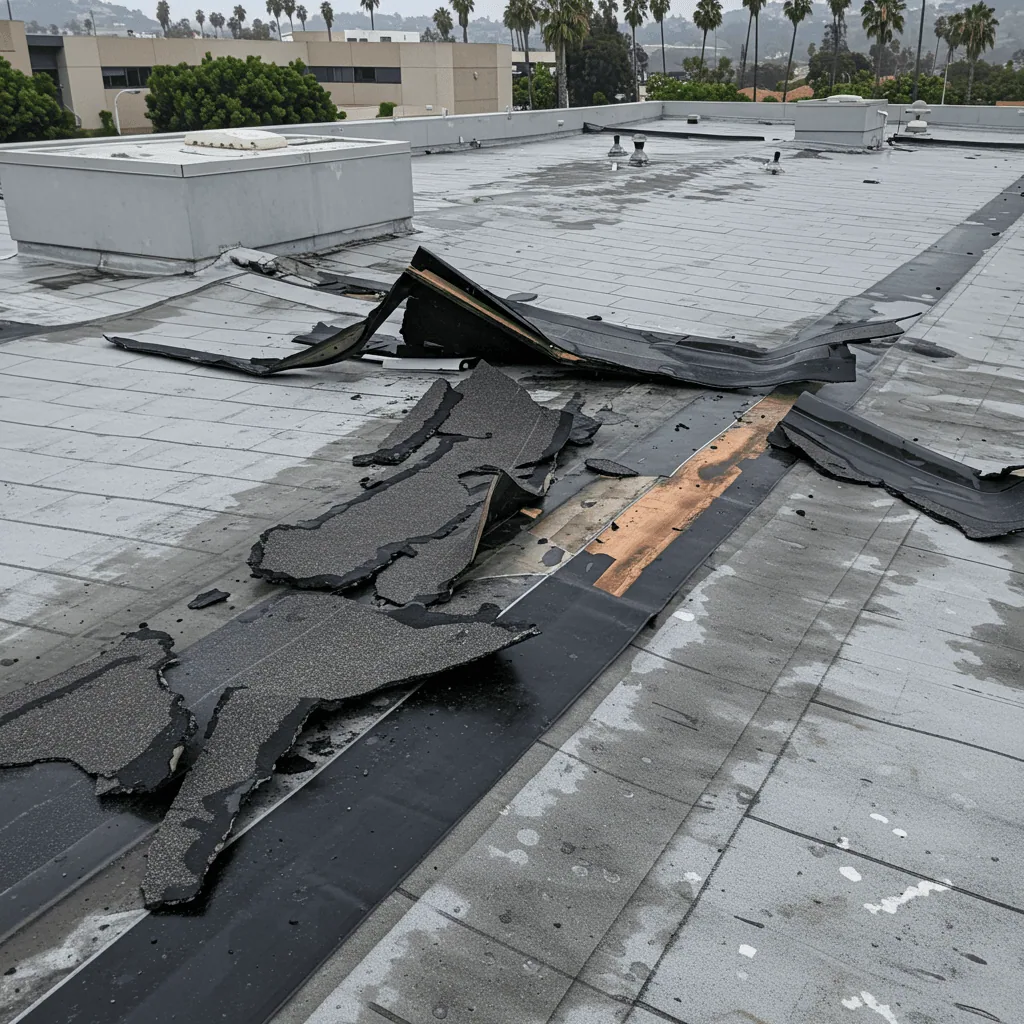
The insulation under a roof that looks fine may still be wet, and that changes the choice between repair and recover. An infrared moisture survey helps find likely wet areas, but readings depend on how the roof is built and the conditions during the scan. We confirm with core cuts wherever the decision to keep insulation depends on it, and patch each one with the facility's protection in place below. One scan does not prove every layer on a large campus. We explain which findings make the repair bigger or rule out a recover, based on what we actually confirmed.
When a recover makes sense
A recover adds a new roof over the existing one, which saves tear-off cost and keeps the building closed up. It only works if the existing roof is mostly dry and solid. A roof recover or overlay starts with confirming that. The designer or an engineer checks the added weight and how the new roof will attach. We find and remove wet areas and explain how the new roof ties in at curbs, walls and drains. You should see all the prep the recover needs instead of a square-foot price that assumes the existing roof is ready.
A recover raises the roof surface, which can leave curbs too short for proper flashing, drains sitting high and service clearances tight around equipment. Mechanical contractors and designers handle their part. We list the curb, drain and wall work before comparing a recover with seam repair or full replacement. Each option needs complete flashing and a work plan that fits the facility. A new roof that ends at a curb nobody can reach leaves that spot unfinished. Listing those items lets you compare real options with the insulation and design decisions included.
Protecting clinical areas
An opening above clinical or service space can affect more of the building than where the leak first showed up. For reroofing occupied buildings like VA medical centers, we share planned openings, debris routes and material access with facility staff. They set protection and handling rules for the building. Clinical, equipment and electrical teams handle their own work. Patching any test openings is included in our price, so the bid does not assume one roof-area number covers every protection need in the building.
If more wet insulation turns up, the opening may reach another clinical area or change the material route. We mark the larger area and explain it before opening more roof. Facility staff review the protection and handling changes, and the roof work still includes any curb or equipment steps. Temporary roofing may stay in place while another trade finishes its work. Facility staff identify clinical and service areas to protect before roofing begins, and the facility contact arranges our inspection. Electricians handle any affected equipment. Temporary patches are recorded separately from finished seam work or recover sections.
Comparing the two options fairly
A local seam repair should describe where the new seam ties into sound membrane and what insulation it replaces. A recover needs its own check that the existing roof can stay, plus complete flashing at every curb, wall and drain. We keep those differences visible in each price before either one is treated as ready. Designers and other trades make the decisions that fall to them. A short split seam does not tell you how big the repair should be everywhere on the roof. You get a clear reason for the choice at your building.
Final photos show the finished seams, the insulation we kept and the flashing at curbs and walls. Open items for other trades are listed separately from temporary patches. Future inspections can start from what we actually confirmed, without assuming another section of roof has the same insulation. Clinical protection notes stay with the area that was opened, and future openings get their own facility review. That gives your next budget a clear starting point: finished work, and the specific insulation or design question still open elsewhere on the campus.
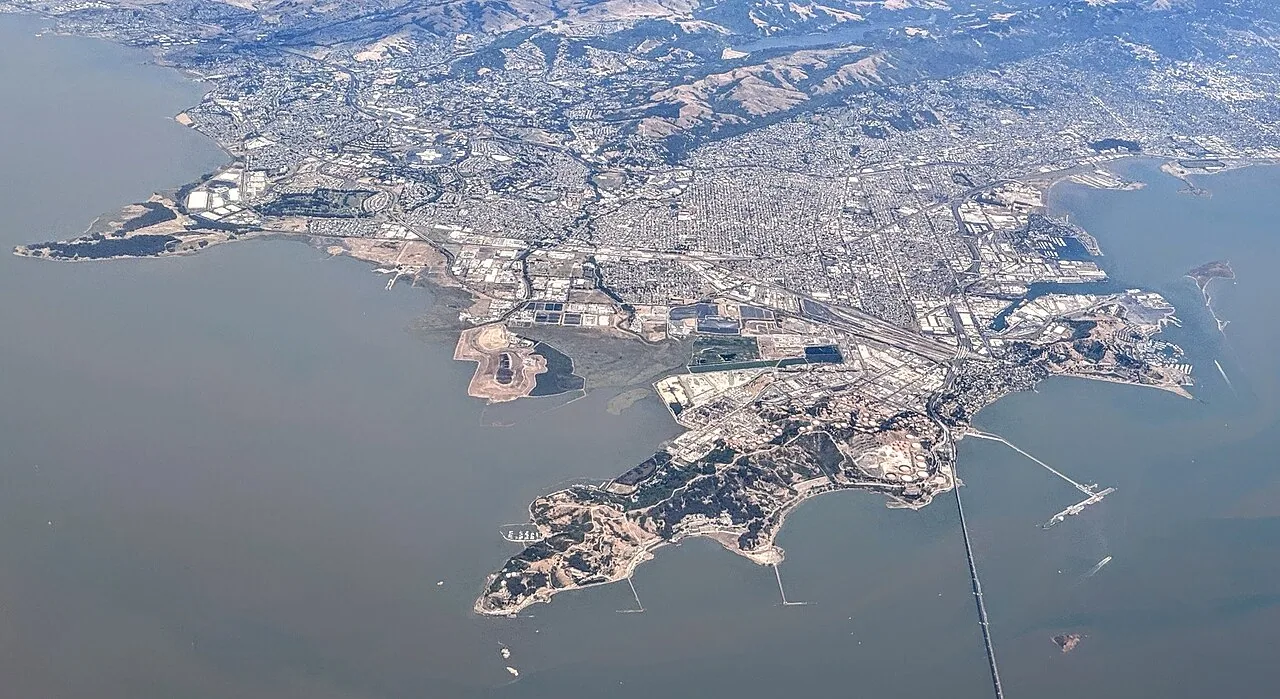
VA roofing in the region
The Martinez VA Medical Center provides outpatient, surgical, mental health and diagnostic imaging services, including CT and MRI, and has a Center for Rehabilitation and Extended Care on campus. Those uses mean access and protection below the roof follow a schedule set by the facility. We confirm the affected roof areas, rooms and equipment with the facility contact before opening the roof. What we find on site decides the permanent repair and whether the existing roof can stay.
The San Francisco VA Medical Center on Clement Street is another regional facility. A roof report there should still list the area inspected, the materials found and any openings patched before the work is closed out. Hospital roofing above clinical space needs a clear work area and a plan for the facility staff. Medical office roofing has its own access and equipment needs. We keep each scope tied to the building being worked on, so you can compare seam repair with a recover once the insulation and protection needs are understood.
Commercial Roofing Questions
Can a new layer go over the split seam instead of repairing it?
Only as part of a proper recover, and only if the existing roof is mostly dry and sound. Otherwise the seam needs a real repair on good membrane and dry insulation.
What needs to be confirmed before a recover?
That the existing insulation is dry, the roof can carry the added weight, and the curbs, drains and walls can still be flashed properly at the new roof height.
What happens if the work area grows over clinical space?
Facility staff review the larger opening and the material route. Protection is updated for the affected areas before we open more roof.
How can we tell finished work from temporary repairs?
Photos show the finished seams and flashing, and temporary patches and open items for other trades are listed separately with their locations.


Tell us about the VA roof and clinical areas